
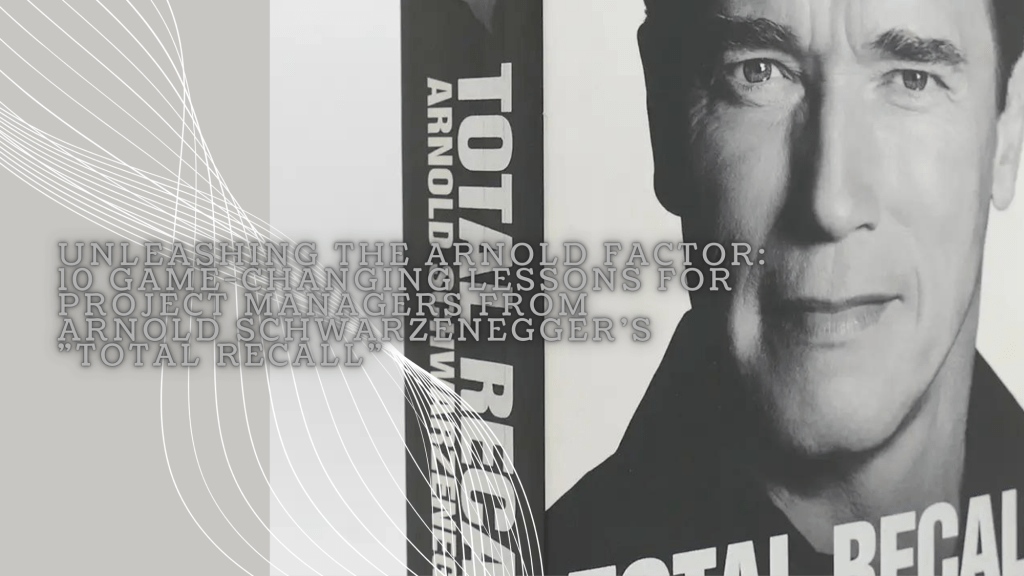
Arnold Schwarzenegger’s autobiography, “Total Recall: My Unbelievably True Life Story,” isn’t just a fascinating chronicle of an extraordinary life—it’s a treasure trove of insights for anyone aiming for success. But project managers, in particular, can extract golden lessons from Schwarzenegger’s journey that are directly applicable to their professional realm. In this blog post, we’ll delve into the key takeaways for project managers and explain why this book is a must-read for anyone interested in self-improvement and a successful career.
Why “Total Recall” is a Must-Read for Self-Improvement and Career Success
“Total Recall” isn’t just about Schwarzenegger’s rise to fame; it’s a blueprint for achieving excellence in any field. The book covers his early years in Austria, his bodybuilding triumphs, Hollywood stardom, and his tenure as the Governor of California. Each phase of his life offers valuable lessons on discipline, strategic thinking, adaptability, and resilience. For anyone looking to improve themselves and build a successful career, Schwarzenegger’s story is an inspiring guide on how to overcome obstacles and achieve greatness.
Key Lessons for Project Managers from “Total Recall”
1. Goal Setting and Vision:
Clear Objectives: Schwarzenegger’s life shows that clear, ambitious goals are essential. When he set his sights on becoming the best bodybuilder, actor, and politician, he had a clear roadmap for each. For project managers, defining clear, measurable goals is crucial. For example, if you’re managing a software development project, your goal might be to deliver a fully functional beta version within six months. By setting such specific objectives, you create a sense of direction and purpose for your team.
Vision: Schwarzenegger’s long-term vision for his career kept him focused and motivated through various challenges. Similarly, project managers should create a compelling vision for their projects and share it with their team. This vision acts as a guiding star, keeping everyone aligned and motivated. For instance, if your project aims to revolutionize customer service through AI, paint a vivid picture of how your solution will improve lives and transform industries.
2. Discipline and Execution:
Consistent Effort: Schwarzenegger’s disciplined approach to his training and career transitions is a testament to the power of consistent effort. For project managers, maintaining discipline in executing project plans is essential. Regular progress reviews and adherence to timelines ensure that the project stays on track. Imagine a construction project where daily check-ins and adherence to schedules prevent costly delays and ensure timely completion.
Attention to Detail: Schwarzenegger’s meticulous preparation for bodybuilding competitions and film roles highlights the importance of attention to detail. Project managers can emulate this by ensuring every aspect of the project is well-planned and executed. This could involve thorough quality checks and detailed project documentation. For instance, before launching a new product, rigorous testing and attention to user feedback can significantly enhance the product’s quality and user satisfaction.
3. Adaptability and Learning:
Continuous Improvement: Schwarzenegger’s ability to continuously learn and adapt to new roles is a key factor in his success. Project managers should foster a culture of continuous improvement within their teams. Encourage team members to seek new skills and knowledge, and provide opportunities for professional development. For example, offering training sessions on the latest project management tools or industry trends can keep your team at the forefront of innovation.
Flexibility: Schwarzenegger’s career transitions from bodybuilding to acting and politics demonstrate his adaptability. Project managers must also be flexible and ready to pivot when necessary. When unforeseen challenges arise, such as sudden market changes or technical issues, the ability to quickly adapt and find solutions is invaluable. For instance, if a software project encounters a critical bug late in development, swiftly reallocating resources to address the issue can save the project.
4. Strategic Thinking:
Planning: Schwarzenegger’s strategic planning in his career choices highlights the importance of foresight and preparation. Project managers should develop comprehensive project plans that include risk assessments and mitigation strategies. By anticipating potential challenges and preparing contingency plans, you can navigate complexities with ease. For example, in a marketing campaign, having a backup plan for different scenarios, such as lower-than-expected engagement, ensures you’re always prepared.
Decision Making: Effective decision-making is at the core of successful project management. Schwarzenegger’s informed and strategic decisions in his career show the value of weighing options and considering long-term impacts. Project managers should gather all relevant information and analyze potential outcomes before making decisions. For instance, when deciding on a vendor for a project, considering factors like cost, reliability, and future scalability can lead to better long-term results.
5. Risk Management:
Taking Calculated Risks: Schwarzenegger’s career is marked by bold, calculated risks that paid off. Moving from bodybuilding to acting, and then to politics, each transition involved significant risk but also potential for great rewards. Project managers should be willing to take calculated risks when necessary. This might mean adopting a new technology that could streamline processes or entering a new market with high growth potential. For example, integrating an AI-driven project management tool could enhance efficiency despite initial implementation challenges.
Risk Mitigation: Effective risk management involves identifying potential risks early and developing strategies to mitigate them. Schwarzenegger’s careful planning in his career transitions illustrates the importance of anticipating and managing risks. In project management, this could involve conducting thorough risk assessments and having contingency plans in place. For example, in a construction project, ensuring backup suppliers for critical materials can prevent delays if the primary supplier fails.
6. Team Leadership and Motivation:
Inspire and Motivate: Schwarzenegger’s ability to inspire and motivate people around him is evident throughout his career. As a project manager, your role is to keep your team motivated and aligned with the project goals. Sharing success stories, recognizing individual and team achievements, and maintaining a positive attitude can significantly boost team morale. For example, celebrating milestones and small wins during a long-term project can keep the team engaged and motivated.
Empower Team Members: Encouraging team members to take ownership of their tasks and empowering them to make decisions can lead to increased accountability and innovation. Schwarzenegger’s success in various fields was partly due to his ability to trust and delegate responsibilities. In project management, providing team members with autonomy and the resources they need to succeed can enhance productivity and creativity. For instance, allowing team members to experiment with new approaches or technologies can lead to innovative solutions.
7. Resilience and Persistence:
Overcoming Obstacles: Schwarzenegger’s resilience in overcoming personal and professional obstacles is a powerful lesson in persistence. Project managers should demonstrate resilience and encourage their teams to persist through challenges. When a project hits a significant roadblock, staying focused on finding solutions and leading by example can inspire your team to do the same. For example, if a critical component of your project fails, rallying the team to brainstorm and implement alternative solutions can keep the project moving forward.
Learning from Failures: Viewing failures as opportunities to learn and improve is a recurring theme in Schwarzenegger’s life. After any project, conducting a thorough post-mortem to understand what went wrong and how similar issues can be avoided in the future is essential. For instance, after a product launch that didn’t meet expectations, analyzing feedback and identifying areas for improvement can guide future projects to success.
8. Communication and Stakeholder Management:
Effective Communication: Schwarzenegger’s ability to communicate his vision and goals effectively was key to his success in various fields. Project managers should maintain open and effective communication with all stakeholders. Regular updates, transparent communication, and actively seeking feedback help manage stakeholder expectations and build trust. For example, providing weekly status reports and holding regular meetings with stakeholders can ensure everyone is informed and aligned.
Stakeholder Engagement: Engaging with stakeholders regularly to understand their needs and expectations is crucial. Keeping stakeholders informed about project progress and involving them in decision-making processes can foster a collaborative environment. For instance, in a software development project, involving key stakeholders in the design phase and seeking their input can lead to a product that better meets user needs.
9. Work-Life Balance:
Balance: Schwarzenegger’s reflections on his personal life highlight the importance of not neglecting personal well-being and relationships. Project managers should strive for a balance between professional responsibilities and personal life. Setting boundaries, taking breaks, and encouraging the team to do the same can prevent burnout and maintain high productivity. For example, promoting a culture that values work-life balance, such as flexible work hours and remote work options, can improve overall team well-being.
Personal Well-being: Prioritizing personal well-being is essential for sustained success. Just as Schwarzenegger maintained his physical fitness throughout his career, project managers should ensure they are taking care of their mental and physical health. This can include regular exercise, healthy eating, and taking time for hobbies and relaxation.
10. Giving Back and Ethical Leadership:
Ethical Leadership: Leading with integrity and ethical standards is a hallmark of Schwarzenegger’s career. Project managers should make decisions that are in the best interest of all stakeholders and maintain transparency. Ethical leadership builds credibility and trust, fostering a positive and respectful work environment. For example, addressing any conflicts of interest openly and fairly can maintain team cohesion and stakeholder trust.
Community Focus: Considering the broader impact of your projects on the community and stakeholders is essential. Striving to make a positive difference, much like Schwarzenegger’s commitment to public service and philanthropy, can enhance the reputation and impact of your projects. For instance, ensuring your project adheres to environmental standards or contributes positively to the community, such as through sustainable practices, can create long-lasting benefits and goodwill.
Conclusion
Arnold Schwarzenegger’s “Total Recall” is more than just an autobiography—it’s a masterclass in achieving success across multiple domains. For project managers, the lessons from Schwarzenegger’s life offer valuable insights into goal setting, discipline, adaptability, strategic thinking, risk management, team leadership, resilience, communication, work-life balance, and ethical leadership. By integrating these principles into their professional practices, project managers can drive their projects to success and inspire their teams to achieve greater heights. Whether you’re managing a small team or leading a large-scale project, the Arnold factor can transform your approach and help you unleash your full potential.
 Sebastian Strobl
Leave a comment