
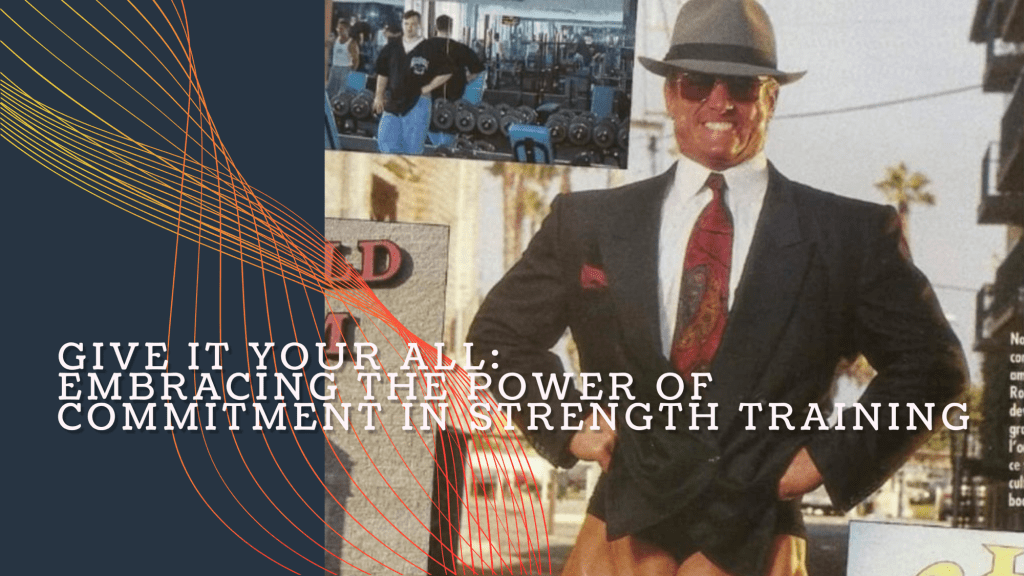
When it comes to strength training, there’s a powerful truth that stands above all others: progress demands effort. Achieving real, tangible results in the gym doesn’t come from half-hearted attempts or distracted workouts. It comes from a relentless commitment to each rep, each set, and each moment spent training. If you aspire to cultivate lasting strength and resilience, you must respect and intensify your time in the gym. You don’t need to live in the gym or let your training dominate your entire life. However, when you step into that sacred space, it’s imperative to give it your all.
This article delves into the profound significance of full commitment during your workouts. It’s about mastering the art of balancing dedication with a healthy perspective on obsession. True progress is achieved not just by working hard but by maintaining a balanced and healthy approach to life outside of training. Let’s explore how committing fully to each session propels you toward your goals and why your “all” might look different from day to day.
Dedication vs. Obsession: Finding Your Balance
In the quest for strength and fitness, it’s easy to confuse dedication with obsession. Many people mistakenly believe that success requires sacrificing everything for their training—spending endless hours at the gym, fixating on every detail of their diet, and allowing fitness to consume their thoughts and energy. While this level of commitment can be admirable, it often leads to burnout, frustration, and injury.
Dedication is about striking a balance between intensity and rationality. It means showing up for your workouts with a clear purpose, giving 100% effort, and then transitioning back to the other important aspects of your life. Dedication is about making strength training a crucial part of your routine without allowing it to overshadow other areas of your life. It’s about being fully present during your training sessions and then allowing yourself to move on, confident that you’ve given your best effort.
On the other hand, obsession can be detrimental. It manifests when training dominates every aspect of your life. It’s the feeling of guilt for missing a workout or the tendency to let the pursuit of physical progress eclipse your relationships, career, and mental well-being. Obsession often results in overtraining, injuries, and an unhealthy relationship with fitness.
The essence of success lies in finding the balance between dedication and obsession. Your strength training should challenge and push your limits, but it must also harmonize with your broader life. The gym should be where you test your limits, not where you live. When you’re in the gym, be completely in the gym. When you’re outside of it, let go and focus on enriching the other aspects of your life.
Giving Your Best Effort—Even When “Best” Looks Different Each Day
A common misconception about strength training is the belief that every workout must be perfect. You might think that progress only happens when you hit personal records (PRs), lift more weight than ever before, or leave the gym exhausted and drenched in sweat. However, not every workout will be a grand triumph, and that’s perfectly okay.
Life is a series of fluctuating challenges and stressors that impact your energy levels and motivation. Some days, you’ll feel invincible, ready to crush your workout and achieve new milestones. On other days, simply showing up and putting in the effort might be the best you can do. The key is to give your best effort for that day, whatever that may look like.
Some days, your best might mean setting a new PR and pushing your limits. On other days, it might mean training at a lower intensity, going through the motions, and listening to your body’s signals. Both types of days are crucial for long-term progress. Each session contributes to the bigger picture of your strength journey, regardless of how intense or modest it may be.
Training Around Obstacles: Navigating Injuries, Fatigue, and Life’s Curveballs
Strength training is a marathon, not a sprint. Over the months and years, you will inevitably face obstacles—whether it’s a nagging joint issue, tendon soreness, or sheer fatigue. Training around these hurdles is an integral part of the process.
Injuries are an unfortunate reality in any training regimen. They don’t signify failure but rather an opportunity to adapt and modify your approach. Focus on exercises that do not exacerbate your injury and consider consulting with a professional to ensure you’re not compromising your recovery.
Fatigue can also impact your performance. On days when you’re physically drained, it’s important to listen to your body. Modify your workout to reduce intensity or volume, and prioritize recovery techniques like proper nutrition and sleep.
Life’s curveballs—such as work stress, family responsibilities, or other unexpected events—can also influence your training. Embrace the reality that you won’t always be able to give your absolute best due to these external factors. Adapt your training to fit within the constraints of your life, knowing that consistent effort over time will yield results.
The Bottom Line: Embrace the Journey
In the realm of strength training, giving your all doesn’t mean perfection. It means embracing each workout with a wholehearted commitment, understanding that some days will be more challenging than others. It’s about respecting the process, balancing dedication with life’s demands, and recognizing that every effort contributes to your overall progress.
Remember, the gym is a space where you strive for greatness, but it shouldn’t consume your entire existence. Balance is key. Embrace the highs and lows, and stay committed to your journey. Your unwavering dedication, even in the face of obstacles, will be the driving force behind your lasting strength and resilience.
 Sebastian Strobl
Leave a comment