
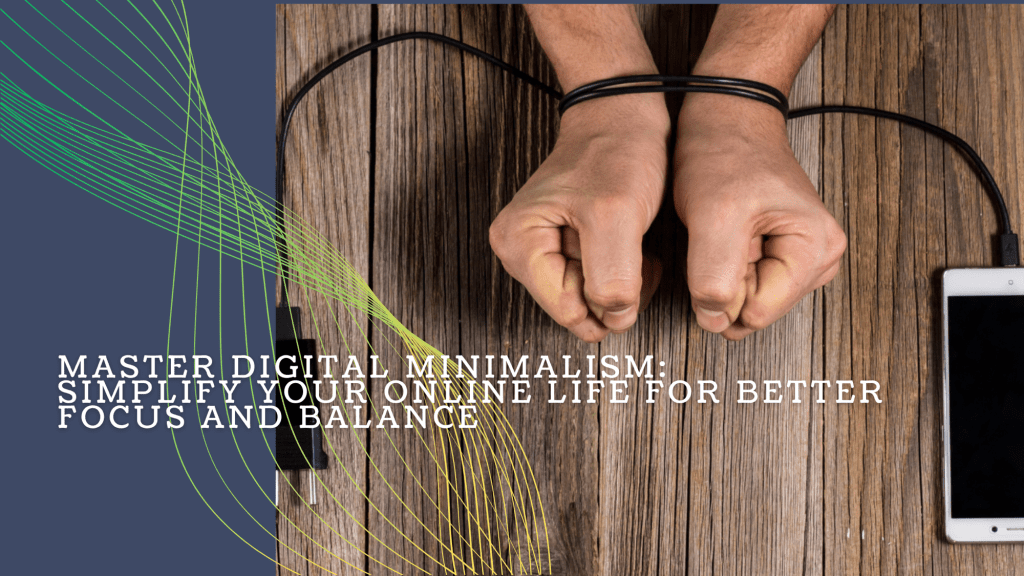
Why Digital Minimalism Matters
In an era of constant notifications, infinite scrolling, and endless digital noise, it’s easy to feel overwhelmed. Our hyperconnected lives often drain our focus, reduce productivity, and increase stress. Digital minimalism offers a way to regain control, helping you streamline your online world so you can focus on what truly matters.
This guide will take you through practical, actionable steps to help you declutter your digital life, boost your focus, and enhance your overall well-being.
The Problem: Digital Overload
Most of us spend hours each day online, juggling social media, emails, apps, and notifications. But how much of this time is truly productive or meaningful? Digital overload can lead to mental fatigue, fragmented attention, and decreased productivity.
Digital minimalism is about mindfully reducing these distractions, so you spend your online time more effectively and meaningfully.
Step 1: Audit Your Digital Habits
To regain control of your digital life, the first step is self-awareness. Understanding how and where you spend your time online can reveal surprising insights.
Actionable Tips:
- Track Your Digital Behavior: Use tools like Screen Time (iOS) or Digital Wellbeing (Android) to monitor your daily app usage.
- Assess Value: Identify apps, websites, and habits that don’t add real value. Ask yourself: “Does this app enrich my life, or is it just a distraction?”
- Use Time-Tracking Tools: Apps like RescueTime can provide reports on how you spend time online, making it easier to pinpoint unproductive behaviors.
Once you’ve completed your audit, you’re ready to declutter.
Step 2: Declutter Your Digital Space
Just as physical clutter can disrupt focus, a cluttered digital environment creates mental noise. Streamlining your devices and digital spaces leads to clearer thinking and better focus.
Actionable Tips:
- Unsubscribe and Filter Emails: Clean up your inbox by unsubscribing from newsletters or promotions you no longer read. Services like Unroll.Me can help streamline this process.
- Purge Unused Apps: Remove apps you haven’t used in the last 30 days. If they’re not contributing to your goals, they’re not necessary.
- Simplify Social Media: Unfollow or mute accounts that don’t provide value. Curate your feed to include content that aligns with your personal or professional growth.
- Organize Your Files: Create a simple folder structure for easier access to important documents, and delete files you no longer need.
Step 3: Establish Mindful Online Habits
Minimalism isn’t just about decluttering; it’s about intentional use of your time online. Building mindful habits helps you reclaim time and reduce digital overwhelm.
Actionable Tips:
- Set Time Limits for Social Media: Use apps like StayFocusd or Freedom to limit your social media use to 10-15 minutes a day. Stick to these limits for a more purposeful experience.
- Batch-Check Emails: Instead of constantly checking emails, designate set times—twice a day, for example—to process and respond. This reduces interruptions and improves focus.
- Create ‘No-Tech’ Zones: Establish boundaries around your device use, such as no phones during meals or in the bedroom before sleep. This promotes better mental clarity and rest.
Step 4: Streamline Your Tools
Using too many apps and tools can make life more complicated, not easier. Simplifying your digital toolbox can lead to a more seamless and productive experience.
Actionable Tips:
- Consolidate Apps: Opt for multipurpose apps like Notion or Evernote that handle tasks, notes, and reminders in one place.
- Cut Redundancies: If you have multiple apps for the same function, choose one and delete the rest. The fewer tools you rely on, the easier it is to stay organized.
- Curate Content: Follow only a few high-quality sources for information, whether that’s newsletters, podcasts, or blogs. This keeps your incoming information focused and meaningful.
Step 5: Create a Distraction-Free Environment
Distractions are a major barrier to focus, but you can create a distraction-free digital space to help you stay on task.
Actionable Tips:
- Turn Off Unnecessary Notifications: Review and disable notifications for apps that aren’t essential to your work or well-being. Only keep notifications for high-priority apps.
- Use Do Not Disturb: Enable Do Not Disturb or Focus mode when you need uninterrupted time for deep work or personal activities.
- Declutter Your Desktop: Remove excess icons and apps from your home screen or desktop. A clean workspace reduces visual distractions and promotes focus.
Step 6: Schedule Regular Digital Detoxes
Taking time away from screens can improve mental clarity and help you reconnect with the present moment. Digital detoxes are a great way to reset your focus.
Actionable Tips:
- Start with a Day: Schedule a 24-hour digital detox where you stay offline entirely. Use the day for activities like reading, exercising, or spending time with loved ones.
- Make It Routine: Commit to a weekly digital detox, such as taking Sundays off from social media and non-essential apps.
- Incorporate Micro-Breaks: Throughout the day, schedule short breaks from screens—go for a walk, meditate, or engage in a non-digital activity.
Start Your Digital Minimalism Journey Today
Digital minimalism isn’t about cutting technology out of your life entirely—it’s about using it intentionally, so you can focus on what truly matters. By auditing your digital habits, decluttering your online spaces, and building mindful digital routines, you can reclaim your time and attention.
Take action today: Start by decluttering one area of your digital life—whether that’s cleaning up your inbox, organizing your apps, or setting limits on social media. Share your progress in the comments, and download our Digital Declutter Checklist to guide you on your path to a more focused and balanced digital life.
Embrace digital minimalism, and experience the difference it can make in your focus, productivity, and well-being.
 Sebastian Strobl
Leave a comment