
“Perfection is achieved not when there is nothing more to add, but when there is nothing left to take away.”
Antoine de Saint-Exupéry
In a world that constantly pushes us to do more, own more, and chase more, it’s easy to lose sight of what truly matters. The pursuit of perfection is often mistaken for accumulation—whether in fitness, work, or personal style. But the truth is, excellence comes not from excess, but from refinement. It’s about stripping away the unnecessary and focusing on what delivers the greatest impact.
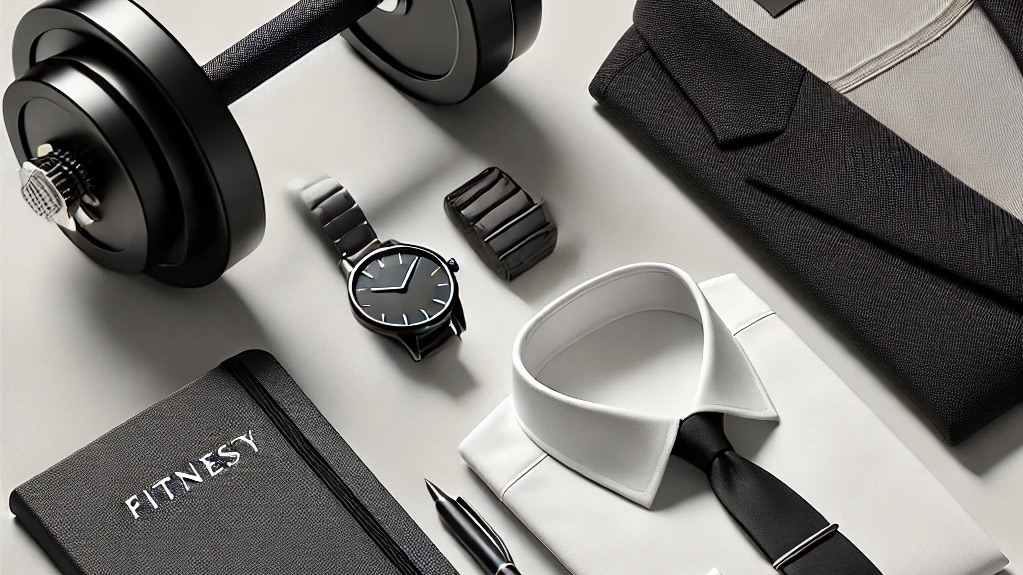
Minimalism isn’t just about decluttering your home; it’s a philosophy that can transform your body, sharpen your mind, and elevate your presence. By focusing on essentials and eliminating distractions, you can create a sustainable, efficient, and fulfilling approach to fitness, productivity, and personal style.
Minimalism in Fitness: Mastering the Fundamentals
When it comes to fitness, many people fall into the trap of overcomplication. They chase the latest workout trends, jump between routines, and fill their programs with unnecessary exercises. But the reality is, the most effective fitness plans are built on a few fundamental principles: strength training, progressive overload, and consistency.
Strength Over Complexity
The most powerful movements—squats, deadlifts, presses, and pull-ups—have stood the test of time for a reason. These compound exercises work multiple muscle groups simultaneously, providing the most efficient path to strength and muscle development. Instead of chasing novelty, focus on refining these foundational movements.
Progressive Overload: The Simple Key to Growth
You don’t need an elaborate workout plan to build muscle and strength. What you need is progressive overload—the principle of gradually increasing the weight, reps, or intensity over time. A minimalist approach to training means prioritizing quality over quantity: fewer exercises, done well, with a clear plan for improvement.
Consistency Trumps Perfection
The best workout plan is the one you stick to. Instead of constantly changing programs in search of the “perfect” one, commit to a simple, repeatable routine that fits your lifestyle. Three to four strength training sessions per week, paired with some cardiovascular work, will always outperform a chaotic mix of trendy fitness routines.
Minimalism in fitness isn’t about doing less for the sake of it—it’s about focusing on what truly drives progress. Remove the distractions, master the fundamentals, and you’ll see real results.
Minimalism in Productivity: Working Smarter, Not Harder
The modern workplace glorifies busyness, but being busy is not the same as being productive. True productivity isn’t about cramming more tasks into your day; it’s about removing distractions, streamlining your workflow, and focusing on high-impact activities.
Eliminate the Nonessential
One of the most powerful productivity hacks isn’t adding more tools, but subtracting unnecessary tasks. Take a critical look at your to-do list—what truly moves the needle? Identify the tasks that provide the highest value and eliminate or delegate the rest.
Single-Tasking: The Key to Deep Work
Multitasking is a myth. Studies show that jumping between tasks reduces efficiency and increases mental fatigue. Instead of spreading your attention thin, embrace single-tasking. Allocate dedicated time blocks for deep work, minimize interruptions, and fully engage with one task at a time.
Streamline Decision-Makings
Decision fatigue is real—the more choices you make in a day, the less mental energy you have for important work. Reduce trivial decisions by implementing routines: plan your meals, set fixed work hours, and simplify your wardrobe. By removing decision overload, you free up mental space for what truly matters.
Quality Over Quantity
It’s tempting to measure productivity by the number of tasks completed, but impact is far more important than volume. Would you rather check off ten minor tasks or complete one game-changing project? Minimalism in productivity means prioritizing high-value work, setting clear goals, and cutting out distractions.
By embracing a minimalist approach, you can work with greater focus, clarity, and effectiveness. Productivity isn’t about doing more—it’s about doing the right things with intention.
Minimalism in Personal Style: The Power of a Curated Wardrobe
A well-dressed man doesn’t have an overflowing closet—he has a carefully curated wardrobe filled with timeless, versatile pieces. The essence of great personal style isn’t having more clothes; it’s making intentional choices that reflect confidence, sophistication, and effortlessness.
Fewer, Higher-Quality Pieces
Fast fashion promotes excess, encouraging men to buy more than they need. But true style comes from investing in fewer, well-made garments that stand the test of time. A well-fitted navy blazer, quality leather shoes, and a crisp white shirt will always outshine a closet full of disposable trends.
Versatility is Key
Minimalist wardrobes are built on pieces that work together seamlessly. Neutral colors, classic cuts, and high-quality fabrics ensure that every item serves multiple purposes. Instead of buying clothes for every occasion, invest in versatile staples that can be dressed up or down effortlessly.
Simplify Your Choices
Steve Jobs famously wore the same outfit every day to reduce decision fatigue. While you don’t need to go that far, simplifying your wardrobe makes daily dressing easier and more intentional. A well-structured capsule wardrobe eliminates the stress of decision-making while ensuring you always look polished.
Confidence Over Excess
Great style isn’t about wearing more—it’s about wearing the right things with confidence. The most stylish men aren’t the ones who follow every trend; they’re the ones who know what works for them and wear it well.
Minimalism in style isn’t restrictive—it’s liberating. By removing the excess, you create a wardrobe that’s effortless, refined, and always appropriate.
Conclusion: Less, but Better
The principle of removing the unnecessary to reveal the essential applies to every aspect of life. In fitness, it means focusing on strength, consistency, and progression. In productivity, it means eliminating distractions and prioritizing high-impact work. In personal style, it means curating a wardrobe of timeless essentials rather than chasing trends.
More is not always better—better is better. By simplifying, refining, and focusing on what truly matters, you free yourself from the clutter and noise that hold you back. Embrace minimalism, and you’ll not only achieve more but do so with greater clarity, purpose, and ease.
 Sebastian Strobl
Leave a comment