Author: Sebastian Strobl

  • How Minimalism Improves Focus and Results in Fitness

    How Minimalism Improves Focus and Results in Fitness

    In a world obsessed with the latest fitness fads, high-tech gadgets, and influencer-endorsed magic formulas, it’s easy to get lost in the noise. But the truth? Fitness success isn’t about complexity. It’s about doing fewer things, better — showing up, lifting with purpose, and mastering the basics. Strength training and overall fitness don’t thrive on chaos; they thrive on focused, relentless consistency. If you’re ready to ditch the fluff and get real results, welcome to the minimalist fitness mindset.

    Strength Training: The Minimalist Approach

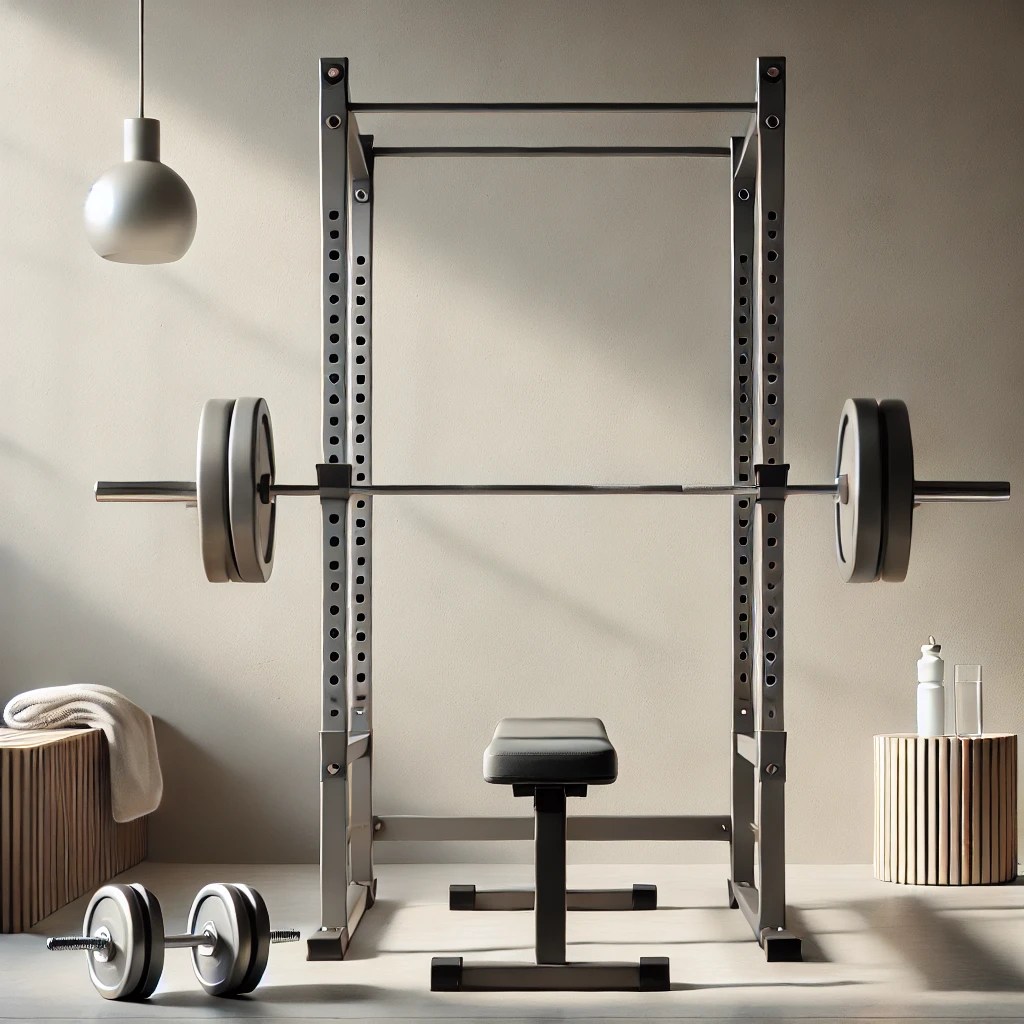
    Forget the circus act of balancing on a Bosu ball while curling pink dumbbells. The foundation of any effective strength training program is built on big, battle-tested, multi-joint movements: squats, deadlifts, bench presses, overhead presses, and pull-ups/rows. These exercises aren’t just for show — they recruit multiple muscle groups, enhance coordination, and stimulate serious strength and muscle gains.

    Want results? Progressive overload is king. Instead of aimlessly wandering through the gym trying every machine like a lost tourist, focus on lifting heavier over time. The magic isn’t in how many different exercises you cram into a session — it’s in getting stronger in a handful of fundamental movements. Stick to these, push hard, and you’ll build the kind of real-world strength that actually matters.

    Consistency Over Complexity

    One of the biggest mistakes people make in the gym? Constantly switching routines like they’re swiping through a dating app. Here’s the secret: the best program is the one you stick to. Strength isn’t built in a week — it’s built over years.

    Minimalism in training means cutting out the noise and doubling down on what works. Instead of getting sucked into the latest high-rep, low-rep, pyramid, drop-set, muscle confusion nonsense, just focus on showing up and progressively getting stronger. Train hard. Recover well. Repeat. It’s not rocket science — it’s discipline.

    Cardio: The Overlooked Essential

    For those over 30, maintaining cardiovascular fitness isn’t optional — it’s a non-negotiable investment in your long-term vitality. Strength training is crucial, but your heart needs training too. Luckily, a minimalist approach to cardio makes it effective, sustainable, and downright enjoyable:

    • Walking: The simplest, most underrated form of cardio. A 30-minute brisk walk daily does wonders for heart health, recovery, and mental clarity.
    • Zone 2 Cardio: Low-intensity steady-state cardio (cycling, jogging, rowing) 2-3 times a week improves endurance without torching your strength gains.
    • Short, Intense Sessions: Occasional sprints or high-intensity intervals keep you athletic, explosive, and metabolically efficient.

    Cardio doesn’t have to be a miserable, soul-crushing slog. Find what you enjoy, do it consistently, and reap the benefits.

    Nutrition: The Minimalist Perspective

    Fitness isn’t just built in the gym — it’s built in the kitchen, too. But too many people get caught up in the endless labyrinth of diet trends, expensive supplements, and contradictory nutrition advice. The minimalist approach? Keep it simple, stupid.

    • Whole Foods First: Stick to real, unprocessed foods. Lean proteins, vegetables, healthy fats, and quality carbs should be the backbone of your diet.
    • Protein-Rich, Easy-to-Prepare Meals: Eggs, chicken, beef, fish, legumes, and dairy — simple, effective, and essential for recovery and muscle growth.
    • Everything in Moderation: Forget extreme dieting and unnecessary restrictions. 80% whole, nutrient-dense foods, 20% flexibility. No guilt, no obsession — just sustainable habits.
    • Stick to the Basics: Meal prep simple, balanced meals that you actually enjoy, and stop chasing the latest diet cult.

    Master the fundamentals—eat enough protein, stay within reasonable calorie limits, prioritize real food—and you’ll be in better shape than 90% of people out there. No magic formulas needed.

    Final Thoughts: Less but Better

    Minimalism in fitness isn’t about doing the bare minimum — it’s about doing the essential things with ruthless efficiency. Strength training should revolve around fundamental compound lifts with progressive overload. Your routine should be consistent, not constantly changing. Cardio should be simple yet effective, especially as you age. Nutrition should be focused on whole, protein-rich foods in a way that’s easy to sustain.

    Success in fitness doesn’t come from doing everything; it comes from doing the right things, relentlessly. Master the basics. Stay consistent. Train hard. Eat well. Let the rest take care of itself. Less but better — that’s the minimalist way to real fitness.


  • The Sovereign Child: A Minimalist Approach to Parenting and Family Life

    The Sovereign Child: A Minimalist Approach to Parenting and Family Life

    As a minimalist, I am always searching for ways to simplify life — to strip away the unnecessary and focus on what truly matters. Parenting, however, often feels overwhelming, with endless schedules, rules, and responsibilities. Aaron Stupple’s The Sovereign Child: How a Forgotten Philosophy Can Liberate Kids and Their Parents presents a liberating alternative: a parenting philosophy that removes unnecessary complexity, promotes trust, and empowers children to develop independence.

    Minimalism in Parenting: Less Control, More Connection

    Minimalism isn’t just about decluttering our homes — it’s about removing excess in all aspects of life. Parenting today is filled with rigid routines, countless rules, and a belief that children must be controlled to succeed. But what if we let go of unnecessary parenting burdens and focused on fostering trust, autonomy, and natural growth? Stupple’s philosophy encourages parents to simplify their role and embrace a more natural approach to raising children.

    Eliminating the Noise: Letting Go of Unnecessary Rules

    Traditional parenting relies on strict schedules and enforced behaviors — set bedtimes, meal plans, and limited screen time. Stupple challenges these norms by encouraging parents to reconsider whether these rules are necessary or simply inherited habits.

    From a minimalist perspective, excessive rules create mental clutter and stress. By reducing or eliminating rigid control, families experience fewer power struggles and more harmony. Instead of enforcing bedtime, parents can guide children to recognize their own sleep needs. Instead of dictating meals, children can be empowered to listen to their bodies and develop healthy eating habits naturally. This shift reduces conflict and promotes a calm, stress-free environment.

    The Freedom to Choose: A Path to Simplicity

    Minimalists value intentionality and freedom — living by choice rather than obligation. Stupple applies this principle to parenting by advocating for autonomy. Giving children the freedom to make choices about food, sleep, and play fosters responsibility and self-awareness.

    This approach also simplifies parenting. Imagine a home without nightly bedtime battles, food refusals, or constant rule enforcement. By guiding rather than controlling, parents can spend less time managing behavior and more time building meaningful connections with their children.

    Decluttering Emotional Labor: Shifting from Control to Guidance

    A key lesson in The Sovereign Child is the emotional burden that comes with excessive parenting. Many parents feel overwhelmed by the need to manage their child’s every decision, emotion, and behavior. Stupple suggests a simple alternative: let go.

    By stepping back and trusting children to navigate their own experiences, parents reduce stress while fostering independence. Instead of enforcing compliance, they guide with open communication, respect, and problem-solving skills. This creates a more peaceful household and allows both parents and children to thrive.

    Practical Steps to Implement Minimalist Parenting

    For those looking to apply The Sovereign Child philosophy in a practical, minimalist way, here are some actionable steps:

    1. Identify and Reduce Unnecessary Rules – Ask yourself: Does this rule serve a real purpose, or is it just an inherited habit? Start by eliminating rules that cause stress but don’t provide real benefits.
    2. Trust Instead of Control – Give children the freedom to make choices in small, manageable ways. Observe how they naturally develop self-regulation.
    3. Encourage Open Communication – Replace punishments with conversations. Help children understand natural consequences rather than enforcing arbitrary ones.
    4. Simplify Your Role as a Parent – Shift from being an enforcer to a mentor. Offer support and wisdom rather than strict discipline.
    5. Declutter the Family Schedule – Cut back on unnecessary activities and commitments, allowing more unstructured, meaningful time together.
    6. Observe and Adjust – Pay attention to what works for your family. Every child is different, so remain flexible and adapt as needed.

    Final Thoughts: A Simpler, More Meaningful Family Life

    Aaron Stupple’s The Sovereign Child isn’t just a parenting book—it’s a guide to creating a simpler, more intentional family life. By removing excess rules and embracing trust, parents can create a peaceful home where children thrive. Minimalist parenting isn’t about neglecting structure but about letting go of unnecessary control, focusing on what truly matters, and fostering a relationship built on respect and autonomy.

    For parents seeking a simpler, more mindful approach to raising children, The Sovereign Child offers a refreshing perspective. By embracing this philosophy, families can experience greater harmony, less stress, and a more fulfilling way of living together.

  • Simplify to Thrive: How a Minimalist Family Schedule Can Transform Your Life

    Simplify to Thrive: How a Minimalist Family Schedule Can Transform Your Life

    In our family, like many others, life is a whirlwind. With two daughters, aged 8 and 11, learning their instruments, practicing Taekwondo three times a week, and juggling school, homework, and the occasional tutoring session, our calendar was starting to look like a logistical nightmare. My wife and I often found ourselves coordinating drop-offs, pickups, project deadlines, and dog-walking shifts, leaving little time for what we truly value: spending quality time together.

    Evenings often felt like a race — helping with math homework at the dining table while reminding our youngest to practice her scales, all while trying to figure out what to make for dinner. Somewhere along the way, we realized that all this “doing” wasn’t leaving much room for simply being. That’s when we decided to embrace a minimalist approach to our family schedule.

    Letting go of certain activities and commitments wasn’t easy — there’s always that voice telling you that more is better. But once we started focusing on what truly mattered, we found more time for connection, laughter, and even the occasional quiet moment.

    Here’s how we did it — and how you can too.


    What Is a Minimalist Family Schedule?

    A minimalist family schedule doesn’t mean abandoning commitments or living a monk-like existence. It’s about simplifying your time to focus on what brings your family closer together. By cutting out nonessential activities, streamlining routines, and intentionally prioritizing shared experiences, you can transform your chaotic days into a rhythm that feels manageable and meaningful.

    Think of it like decluttering your home. You’re not throwing away everything — just making space for what you truly value.


    The Benefits We’ve Seen

    The first thing we noticed when simplifying our family schedule was the reduced stress. Suddenly, the evenings didn’t feel like a race against the clock. Family dinners became a regular occurrence rather than an aspiration. The girls, who used to complain about how “busy” they always felt, started to relax and even asked for more family game nights.

    Even our dog, who used to get hurried walks squeezed between errands, seemed to enjoy the slower pace as we incorporated longer, more relaxed strolls into our day.

    Most importantly, we found room for moments that felt unhurried: playing a board game, reading together, or just having a spontaneous conversation about their day.


    Step-by-Step Guide to Your Minimalist Family Schedule

    1. Assess Your Current Schedule

    Start with a simple audit of your family’s calendar. Write down every activity, commitment, and routine. When we did this, it was eye-opening to see just how many things we were squeezing into a week. Did the girls need to practice their instruments every single day? Was it necessary to RSVP “yes” to every school or social event?

    Highlight the activities that align with your family’s values and bring joy. For us, that meant keeping Taekwondo and music lessons because they genuinely love them—but we dropped the extra weekend commitments that always felt like a chore.


    2. Define What Matters Most

    Every family is unique. For us, dinners together are non-negotiable. It’s our chance to hear about their Taekwondo achievements, laugh at their jokes, and enjoy a moment of calm. What are your family’s priorities? Maybe it’s outdoor time, one-on-one bonding, or simply having a quiet hour to unwind.

    Write down a list of your top values and use that to guide what stays and what goes.


    3. Declutter Your Calendar

    Saying “no” was a challenge for us. One week, our eldest was invited to three birthday parties. After some discussion, she picked the one she was most excited about, and we kindly declined the others. It felt strange at first, but we noticed she was happier and more engaged because she wasn’t stretched too thin.

    Learn to batch tasks too — like combining errands or coordinating drop-offs. My wife and I now alternate Taekwondo runs, so one of us stays home with our younger daughter, creating mini one-on-one moments.


    4. Schedule Intentional Quality Time

    One of the best changes we made was setting aside Sunday afternoons for family time. We started small: baking cookies, going for a hike with the dog, or even just playing Uno. These simple moments became the highlight of our week.

    Pro tip: Keep it simple and consistent. Quality time doesn’t need to be extravagant or planned to perfection. Sometimes, the best memories come from impromptu backyard soccer matches or cooking a new recipe together.


    5. Leave Room for Flexibility

    Life happens. There are busy weeks where we don’t get everything right. But we’ve learned to embrace flexibility. On days when schedules get tight, we might swap a dog walk for a backyard fetch session or order takeout instead of cooking dinner. Minimalism isn’t about being rigid — it’s about adapting without losing sight of your priorities.


    Our Favorite Minimalist Family Activities

    If you’re wondering where to start, here are a few simple, low-effort ideas we love:

    • Game Night: Our girls are obsessed with Monopoly (even if it sometimes leads to minor arguments about rules).
    • Outdoor Adventures: We pack up the dog and head to the park for a walk or a game of frisbee.
    • Music Jam Sessions: With two budding musicians, our living room occasionally turns into a concert hall. The dog often howls along—it’s chaotic but hilarious.
    • Storytelling Night: Each family member gets a turn making up a story, often involving dragons, ninjas, and a very heroic dog.

    Common Challenges (and How to Overcome Them)

    • Resistance to Change: When we first suggested scaling back on commitments, our daughters worried they’d miss out. But once they experienced the benefits of a lighter schedule, they came around.
    • Work Conflicts: My wife and I had to get creative with our work schedules to make more room for family time — sometimes that meant blocking out non-negotiable hours on our calendars.
    • Screen Time Battles: Like most kids, ours love their devices. We’ve introduced “tech-free evenings,” and while it took some adjustment, it’s now something we all look forward to.

    Conclusion: Small Changes, Big Impact

    Simplifying your family’s schedule doesn’t mean giving up on commitments or ambitions. It’s about creating a life that feels intentional and fulfilling. By prioritizing what truly matters — whether it’s Taekwondo classes, dog walks, or Sunday night board games — you can build a schedule that brings your family closer together.

    So take a look at your calendar, have a family meeting, and start small. You might be surprised at how quickly those little changes lead to big, meaningful connections.

    Now, if you’ll excuse me, I’ve got a Monopoly rematch to win — and a dog who’s ready for his evening stroll.

  • The Role of Digital Minimalism in Professional Success

    The Role of Digital Minimalism in Professional Success

    In a world where technology is omnipresent, professionals face both immense opportunities and significant challenges. While digital tools enable connectivity and efficiency, they also introduce distractions, stress, and overwhelm. Digital minimalism—a deliberate approach to using technology—offers a solution. By prioritizing purposeful digital habits, professionals can cultivate focus, clarity, and long-term success.

    What is Digital Minimalism?

    Digital minimalism is the practice of curating your digital life to align with your values and goals. It’s about minimizing distractions, decluttering your digital environment, and using technology as a tool rather than a crutch. This philosophy allows professionals to reclaim their time and energy, paving the way for a more intentional and productive work life.


    Why Digital Minimalism Matters for Professional Success
    1. Improved Focus and Productivity

    The modern workplace is plagued by constant notifications, emails, and pings. Each interruption pulls you away from deep work, the kind of focused effort required for meaningful progress.

    • How to apply it:
      • Set specific blocks of time to check emails and respond to messages.
      • Turn off non-essential notifications to maintain uninterrupted focus.
      • Use apps like Freedom or Focus@Will to block distractions and enhance concentration.
    2. Reduced Decision Fatigue

    Every app, tool, and notification competes for your attention, leading to decision fatigue. Digital minimalism reduces this cognitive load by simplifying your digital ecosystem.

    • How to apply it:
      • Limit the number of apps you use daily.
      • Organize your digital workspace for clarity, such as creating clean folder structures or using minimal desktop layouts.
      • Unsubscribe from unnecessary newsletters and unfollow accounts that don’t add value.
    3. Better Time Management

    Professionals often underestimate how much time is spent on unproductive digital activities like scrolling social media or checking notifications. By adopting digital minimalism, you can reallocate that time to high-priority tasks.

    • How to apply it:
      • Conduct a digital audit to identify time-wasting habits.
      • Use time-blocking techniques to structure your day effectively.
      • Leverage minimalist productivity tools like Google Calendar, Notion, or Todoist to stay organized.
    4. Improved Mental Clarity and Well-being

    The constant influx of information can overwhelm your mind, leading to stress and burnout. Digital minimalism allows you to regain mental space, fostering clarity and resilience.

    • How to apply it:
      • Take regular digital detoxes, even if just for a few hours a day.
      • Prioritize offline activities that recharge you, such as reading, exercising, or spending time with loved ones.
      • Create a calming digital environment with fewer apps and muted notifications.

    How to Get Started with Digital Minimalism
    1. Audit Your Digital Usage:
      Analyze how you currently use technology. Identify tools that enhance your productivity and eliminate those that waste your time.
    2. Define Your Priorities:
      Align your digital habits with your professional goals. For example, if networking is a priority, focus on using LinkedIn purposefully instead of spending hours on unrelated platforms.
    3. Embrace the “Less is More” Philosophy:
      Limit your digital tools to essentials. Instead of juggling multiple apps for the same purpose, choose one reliable tool.
    4. Set Boundaries:
      Define when and how you use technology. For instance, designate specific times for checking emails and avoid using your phone during meetings or creative work.
    5. Experiment with Digital Detoxes:
      Start small by disconnecting for a few hours each week. Gradually build up to longer periods to experience the benefits of a tech-free mindset.

    The Path to Sustainable Professional Success

    In the fast-paced professional world, success is no longer about doing more—it’s about doing what matters. Digital minimalism empowers you to focus on high-impact activities, maintain clarity, and reduce stress. By intentionally curating your digital life, you create the mental and physical space needed to achieve your goals while staying aligned with your values.

    Adopting digital minimalism doesn’t mean rejecting technology; it means using it as a tool for intentional success. Start small, stay consistent, and watch as your professional life transforms for the better.

  • Minimalist Strength Training: Build Maximum Strength with Just 3 Exercises and Family-Friendly Nutrition

    Minimalist Strength Training: Build Maximum Strength with Just 3 Exercises and Family-Friendly Nutrition

    In the age of over-complicated fitness plans and endless diet trends, it’s easy to feel overwhelmed when starting or maintaining a strength training routine. But what if building strength, improving health, and staying consistent didn’t have to be so complex?

    With just three foundational exercises—the squat, bench press, and deadlift—and a family-friendly, protein-rich meal plan, you can create a simple, effective, and sustainable fitness lifestyle that works for you and your loved ones. This approach is perfect for busy professionals and parents who want to stay strong without sacrificing precious time with family.

    Why Minimalist Strength Training is a Game-Changer

    When life is busy, simplicity is key. Minimalist strength training focuses on quality over quantity. By using compound movements like the squat, bench press, and deadlift, you can engage multiple muscle groups, build functional strength, and maximize efficiency in the gym.

    Even with just two workouts per week, these exercises deliver full-body results. Forget the clutter of endless accessory movements—you’ll get stronger, fitter, and healthier while keeping your schedule intact.

    The Three Power Moves
    1. The Squat: The Foundation of Strength

    The squat isn’t just a leg exercise—it’s a total-body movement that builds powerful quads, hamstrings, glutes, and a rock-solid core.

    Why It Matters:

    Whether it’s carrying groceries, playing with your kids, or hiking with family, the squat builds the strength and mobility needed for real-life activities.

    How to Perform It Right:

    1. Stand with feet shoulder-width apart and toes slightly pointed out.
    2. Rest the barbell on your upper traps (not your neck).
    3. Keep your chest proud, engage your core, and lower your hips back and down.
    4. Aim to go deep enough that your thighs are parallel to the ground (or lower).
    5. Drive up through your heels to return to standing.

    Pro Tip: Start light to perfect your form before progressing to heavier weights.

    2. The Bench Press: Build an Impressive Upper Body

    The bench press is a classic and for good reason. It targets the chest, shoulders, and triceps, helping you build a balanced, strong upper body.

    Why It Matters:

    Whether pushing your child on a swing or lifting something heavy, the bench press improves upper body strength for both functional and aesthetic benefits.

    How to Perform It Right:

    1. Lie on the bench with your eyes directly under the bar.
    2. Grip the barbell slightly wider than shoulder-width.
    3. Lower the bar slowly to your chest, keeping your elbows at about a 75-degree angle.
    4. Press the bar back up until your arms are fully extended.

    Pro Tip: Focus on control — don’t rush. Controlled movements engage more muscle and reduce injury risk.

    3. The Deadlift: The Ultimate Strength Builder

    The deadlift is a full-body powerhouse exercise. It builds strength in the glutes, hamstrings, lower back, core, and even your grip.

    Why It Matters:

    The deadlift mimics everyday movements like picking up a child or moving furniture. Training this lift translates directly into your daily life.

    How to Perform It Right:

    1. Stand with your feet hip-width apart and the bar over your midfoot.
    2. Grip the bar outside your knees, keeping your back straight and chest up.
    3. Drive through your heels, keeping the bar close to your body as you lift.
    4. Lock your hips and knees at the top before lowering the bar in a controlled motion.

    Pro Tip: For added grip strength, alternate your hand grip (one palm up, one palm down).

    The Minimalist Training Plan
    Day 1: Squat + Bench Press
    • Warm-up: 5–10 minutes of dynamic stretches and mobility work.
    • Squat: 4 sets of 5–8 reps.
    • Bench Press: 4 sets of 5–8 reps.
    • Optional: Plank holds or hanging leg raises for core stability.
    Day 2: Deadlift + Bench Press
    • Warm-up: Same as Day 1.
    • Deadlift: 4 sets of 3–6 reps.
    • Bench Press: 4 sets of 5–8 reps.
    • Optional: Pull-ups or rows for upper back development.
    Rest Days:

    Take at least one full day between workouts to recover. Use these days for light activities like walking, yoga, or family-friendly games that keep you moving.

    Family-Friendly Protein-Rich Nutrition
    The Importance of Protein

    To fuel your strength gains, aim for 1.6–2.2 grams of protein per kilogram of body weight daily. A meat-based diet simplifies meal planning and is easy to adapt for the entire family.

    Tailored Meal Plan for Families

    Breakfast:

    • Scrambled eggs with turkey bacon and fresh fruit (e.g., berries).
    • Pancakes made with protein powder for kids who love a sweet start.

    Lunch:

    • Grilled chicken wraps: Use whole-grain tortillas with shredded chicken, lettuce, and cheese.
    • For kids, cut the wraps into bite-sized pinwheels for easier handling.

    Dinner:

    • Baked salmon with roasted potatoes and green beans.
    • Cook extra salmon to use for salads or sandwiches the next day.

    Snacks:

    • Beef jerky or meat sticks for on-the-go fuel.
    • Greek yogurt parfaits layered with granola and fruit for a kid-friendly option.
    Meal Prep Tips:
    • Batch-cook proteins (grill chicken, bake salmon, or roast a beef brisket) to save time.
    • Involve your kids in simple prep tasks, like seasoning meat or arranging side dishes.
    • Use one-pot recipes like slow-cooked stews or casseroles to feed the whole family with minimal effort.
    Keys to Long-Term Success
    1. Progress Slowly: Track your lifts and focus on adding small increments of weight over time. Progression is the foundation of long-term strength.
    2. Prioritize Recovery: Sleep, hydration, and rest are just as important as training. Set a family bedtime routine to ensure everyone gets enough rest.
    3. Stay Consistent: The beauty of this minimalist plan is its sustainability. By keeping workouts and meals simple, you’ll stay on track without feeling overwhelmed.
    Conclusion

    Minimalist strength training is about more than just efficiency — it’s a sustainable lifestyle that fits into the lives of busy professionals and families alike. With just three exercises and a simple, protein-rich diet, you can build strength, improve health, and set an example of fitness for your loved ones.

    Embrace simplicity, train with purpose, and nourish your body with wholesome meals. With this approach, you’ll not only achieve your fitness goals but inspire your family to live healthier, stronger lives as well.