Author: Sebastian Strobl

  • Simple Strategies for Healthy Eating on a Tight Schedule

    Simple Strategies for Healthy Eating on a Tight Schedule

    As a busy professional, it’s easy to let healthy eating fall by the wayside. With packed schedules, demanding deadlines, and the temptation of convenience foods, prioritizing balanced meals often feels like an impossible task. But what if I told you that eating healthy doesn’t have to be complicated or time-consuming? With a little planning and the right strategies, you can enjoy nutritious, delicious meals that support your energy, productivity, and overall well-being — even on the busiest of days.

    This guide will show you how to make healthy eating effortless by mastering efficient meal planning and preparation.

    Why Meal Planning is a Game-Changer

    Meal planning isn’t just for fitness enthusiasts or food bloggers—it’s a practical tool for anyone juggling a tight schedule. Here’s why it matters:

    • Save Time: Instead of scrambling to figure out meals each day, you’ll have a clear plan, freeing up valuable time.
    • Stay Nutritious: Planning ensures your meals are balanced, helping you meet your health goals.
    • Avoid Unhealthy Decisions: When hunger strikes, having prepared meals reduces the temptation of fast food or snacks.

    The best part? Meal planning doesn’t have to be overwhelming. By focusing on simplicity and preparation, you can reap the benefits without the stress.

    Step 1: Efficient Meal Planning Made Simple
    1. Assess Your Week

    Start by evaluating your upcoming week. Are there days when meetings or travel will make cooking difficult? Highlight these days and plan for grab-and-go meals or quick options.

    2. Simplify Your Menu

    Choose 2-3 versatile recipes for the week. For example:

    • Base Recipe 1: Grilled chicken or tofu that pairs with salads, wraps, or stir-fries.
    • Base Recipe 2: A hearty soup or stew that can double as lunch or dinner.
    • Base Recipe 3: A grain bowl mix with quinoa, roasted vegetables, and a protein.

    This strategy reduces decision fatigue while keeping your meals varied.

    3. Create a Focused Shopping List

    Stick to a list based on your chosen recipes. Include essentials like proteins, vegetables, grains, and snacks. This not only saves time but also helps avoid impulse purchases.

    Step 2: Meal Prep Hacks for Busy Professionals
    1. Master Batch Cooking

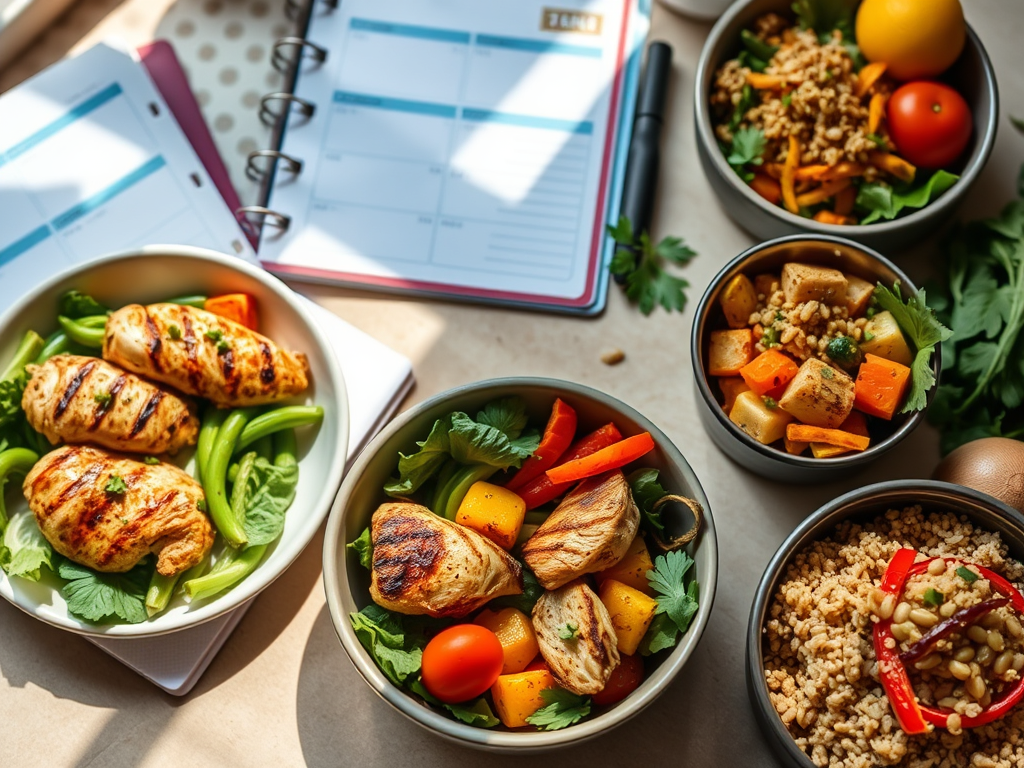
    Prepare larger portions of staples like grilled chicken, roasted vegetables, and cooked quinoa. Store them in separate containers to create mix-and-match meals throughout the week.

    2. Invest in the Right Tools

    Efficiency starts with the right equipment. Consider:

    • A slow cooker for hands-off cooking.
    • An instant pot for quick meals.
    • Quality containers to keep meals fresh and organized.
    3. Focus on Grab-and-Go Options

    Busy mornings? Prep these in advance:

    • Hard-boiled eggs with a side of fruit.
    • Overnight oats with nuts and berries.
    • Pre-packed snack boxes with cut veggies, hummus, and whole-grain crackers.
    4. Embrace Freezer Meals

    Double your recipes and freeze portions for future use. Options like chili, casseroles, or vegetable soups reheat beautifully and save time on hectic days.

    Step 3: Build Balanced Meals Without Overthinking

    A balanced plate doesn’t have to be complicated. Use this formula:

    • Half vegetables: Add color and nutrients with spinach, broccoli, or roasted peppers.
    • A quarter protein: Opt for lean meats, tofu, beans, or fish.
    • A quarter whole grains: Think quinoa, brown rice, or whole-grain bread.

    Enhance flavor with quick sauces or seasonings, such as olive oil, lemon juice, or a sprinkle of your favorite spices.

    Mix-and-Match Ideas
    • Quinoa bowl with roasted chicken, kale, and tahini dressing.
    • Whole-grain wrap with turkey, avocado, and sliced bell peppers.
    • Spinach salad with lentils, feta, and balsamic vinaigrette.
    Overcoming Common Obstacles
    • “I Don’t Have Time”: Dedicate just one or two hours on the weekend to meal prep. Even preparing a few staples like grains and proteins will make a big difference.
    • “I Get Bored of the Same Food”: Keep it exciting by changing up spices, sauces, or sides. A base recipe can transform with curry powder one day and soy sauce the next.
    • “Healthy Eating is Expensive”: Focus on affordable staples like beans, oats, eggs, and seasonal produce. Buy in bulk when possible to save more.
    Final Thoughts: Start Small, Stay Consistent

    Healthy eating on a tight schedule is about progress, not perfection. Start with small steps: prep a couple of meals, try one new recipe, or set aside just 30 minutes to plan your week. Over time, these small efforts compound into a sustainable routine that feels effortless.

    Take the first step today—plan one balanced meal for your week. You’ll be surprised at how much better you feel, both physically and mentally, when healthy eating becomes second nature.

    Healthy eating isn’t just a goal; it’s a habit that empowers you to perform at your best. Make it work for you.


  • Timeless vs. Trendy: What Men Can Learn from Decades of Style Evolution

    Timeless vs. Trendy: What Men Can Learn from Decades of Style Evolution

    Introduction

    Men’s fashion is a curious blend of the fleeting and the eternal. Every decade introduces fresh trends, from wide lapels to slim fits, yet some styles seem impervious to time. What makes certain pieces timeless while others fade into obscurity? Understanding the evolution of men’s style is not just an academic exercise; it’s a guide for mastering a wardrobe that feels as relevant today as it will decades from now.

    This article explores the relationship between fleeting fashion trends and timeless style principles, offering insights into how modern men can dress with confidence and enduring sophistication.

    A Brief History of Men’s Fashion

    The evolution of men’s fashion mirrors broader cultural and societal changes. In the Victorian era, formality and structure dominated wardrobes. Moving into the 20th century, the corporate suit became a symbol of power, while casual wear emerged in post-war America, reflecting a shift toward comfort and practicality. By the late 20th and early 21st centuries, streetwear and athleisure took center stage, driven by youth culture and a rejection of traditional norms.

    Despite these shifts, certain elements—like the well-tailored suit or a crisp white shirt—have remained staples. Their enduring appeal lies in their versatility, simplicity, and ability to adapt to changing contexts.

    The Anatomy of Timeless Style

    What defines timeless style? It’s about more than just specific items; it’s a philosophy rooted in three key principles:

    • Fit: Regardless of trends, a well-fitted garment enhances any physique and conveys polish.
    • Fabric: Quality materials age gracefully, making them worthwhile investments.
    • Functionality: Timeless pieces serve a purpose, whether it’s the utility of a leather jacket or the elegance of a tailored blazer.

    Classic wardrobe essentials like dark denim, leather dress shoes, and tailored suits stand the test of time because they balance these elements. They’re versatile enough to adapt to various occasions yet refined enough to transcend fleeting fads.

    Trends: The Double-Edged Sword

    Trends can be a source of inspiration, but they also pose a challenge. On one hand, trends introduce innovative designs and fresh perspectives. For instance, the resurgence of vintage cuts in trousers has modernized traditional tailoring. On the other hand, over-committing to trends can result in a wardrobe that feels dated within a few years.

    Consider the bomber jacket: once a utilitarian piece for pilots, it has been reinterpreted by countless designers. Its transformation from a trend to a wardrobe staple illustrates how certain items can achieve timeless status through adaptation and refinement.

    Creating Timeless Looks in a Trend-Driven World

    Navigating a trend-heavy fashion landscape requires discernment. Here’s how to strike a balance:

    • Anchor Your Wardrobe with Classics: Invest in staples like a navy blazer, oxford shirts, and neutral trousers.
    • Add Trends Sparingly: Incorporate one or two trendy pieces to refresh your look without overwhelming it.
    • Prioritize Quality Over Quantity: A well-made item may cost more upfront but will outlast cheaper alternatives.
    • Tailor to Your Personality: Use timeless pieces as a foundation but let your individuality shine through details like accessories or color choices.
    Sprezzatura in Timeless Style

    The Italian concept of “sprezzatura” encapsulates effortless elegance. It’s the art of looking polished without appearing overly calculated. Sprezzatura thrives on timeless principles—a perfect fit, harmonious proportions, and subtle details—yet it allows room for personal flair. Whether it’s leaving a shirt collar slightly unbuttoned or pairing sneakers with a tailored suit, sprezzatura demonstrates how timeless style can feel modern and approachable.

    Conclusion

    The interplay between trends and timelessness is what keeps men’s fashion dynamic yet enduring. By understanding the evolution of style and grounding your wardrobe in timeless principles, you can navigate changing trends with confidence and ease.

    Remember, true style isn’t about chasing every new fad; it’s about curating a wardrobe that reflects who you are while standing the test of time. Trends may come and go, but timeless style is forever. Which will you choose?

  • From Desk to Drinks: How a Classic White Shirt Can Effortlessly Elevate Any Look

    From Desk to Drinks: How a Classic White Shirt Can Effortlessly Elevate Any Look

    If there’s one item in your wardrobe that could challenge the concept of perfection, it’s the classic white shirt. Universally flattering, endlessly versatile, and radiating an air of quiet confidence, this sartorial staple is the very embodiment of sprezzatura – the Italian art of making effort look invisible.

    For the busy, middle-aged professional navigating between client meetings and last-minute dinner plans, the white shirt is your ace. It’s not just a piece of clothing; it’s a canvas for your personal style, ready to adapt to every occasion with understated elegance. So, let’s dive into how this wardrobe workhorse effortlessly takes you from casual to formal, while you exude cool, collected charm.


    Why the Classic White Shirt Deserves Center Stage

    Think of the classic white shirt as the Swiss Army knife of your wardrobe. It’s adaptable, reliable, and perpetually chic. Unlike fleeting trends, it’s stood the test of time, gracing the wardrobes of everyone from James Dean to Gianni Agnelli. Whether you’re aiming for polished professionalism or weekend nonchalance, this garment offers a quiet kind of power: it works with you, not against you.

    A well-chosen white shirt is more than just a “neutral” piece. It’s a statement of refinement. The key is to find one that fits impeccably and is crafted from high-quality fabric. From there, the possibilities are endless.


    Casual Confidence: Dressing Down Without Looking Lazy

    The beauty of a white shirt lies in its ability to make even the simplest outfit feel intentional. Heading out for a relaxed weekend brunch? Pair your shirt with dark, well-fitted jeans and roll up the sleeves. Let the collar fall naturally, with just enough unbuttoned to suggest you’re breezy but never sloppy.

    Layering adds dimension: throw on a lightweight bomber jacket or a softly textured cardigan. Leather sneakers or loafers complete the look. It’s effortless, sure, but it also whispers, “Yes, I do know what I’m doing.”

    For an added dose of sprezzatura, don’t obsess over perfection. A slightly wrinkled hem or an unintentional cuff roll can add character. The goal is to look like you’re not trying too hard – even when you’re pulling off an undeniably sharp outfit.


    Boardroom Ready: Sharpening Up for Work

    When it’s time to step into the professional arena, the white shirt is your most trustworthy ally. Tuck it into tailored trousers and slip on a well-cut blazer. The secret to pulling this off lies in the details: opt for a crisp fabric like poplin, ensure your collar sits just right, and keep accessories minimal yet intentional. A classic leather belt, a bold timepiece, or discreet cufflinks can subtly elevate the ensemble.

    And let’s talk fit. Nothing ruins the potential of a white shirt like an ill-fitting silhouette. Consider investing in tailoring to achieve that clean, streamlined look. A well-fitted white shirt sends the message that you’re composed, capable, and confident – no matter how chaotic your inbox might be.


    Black-Tie Moments: Elevating Elegance

    Formal occasions call for the white shirt’s most dazzling transformation. When paired with a classic tuxedo or a sleek three-piece suit, it becomes the backbone of timeless eveningwear. Look for styles with refined details: a spread collar, French cuffs, or mother-of-pearl buttons. These subtle touches add a layer of sophistication that feels anything but ordinary.

    A silk tie or a velvet bowtie adds depth, while polished black leather shoes anchor the look. Even in the most high-pressure settings, the white shirt ensures you look like you’ve been doing this your entire life.

    Pro tip: Always have one immaculate white shirt reserved for formal events. Keep it freshly pressed and ready to go – nothing kills the vibe like a tired-looking shirt.


    Sprezzatura in Action: The Effortless Charm of Details

    True sprezzatura isn’t about being perfect; it’s about knowing the rules well enough to break them with style. A white shirt offers countless opportunities to practice this art. Leave the collar slightly askew, let a tie knot loosen as the evening progresses, or wear it untucked with crisp linen trousers for a summer party.

    Texture is another secret weapon. A breezy linen shirt for warm weather, a sturdy Oxford for casual versatility, and a crisp broadcloth for formal moments give you endless options without overloading your wardrobe.

    And remember: sprezzatura isn’t an excuse to be careless. It’s about embracing imperfections that add personality, not neglecting the fundamentals.


    Finding Your Perfect White Shirt

    Shopping for the right white shirt might feel overwhelming, but it doesn’t have to be. Start with fabric. If you’re always on the go, look for wrinkle-resistant options. For something more luxe, Egyptian or Supima cotton offers softness and durability.

    Next, focus on fit. Classic, slim, or relaxed – the right cut depends on your body type and personal style. And if you can’t find the perfect fit off the rack? Tailoring is your best friend. A small investment in alterations can turn an average shirt into your favorite piece.

    Lastly, don’t overthink quantity. Two or three high-quality white shirts are enough to cover all your bases. Rotate them to keep them fresh, and treat them with care to ensure longevity.


    Effortless Style for Every Moment

    The classic white shirt isn’t just clothing; it’s a mindset. It’s proof that you don’t need loud patterns or flashy logos to make an impression. Instead, its strength lies in its subtlety, its adaptability, and its ability to make you feel put-together no matter the setting.

    So, next time you’re staring at your wardrobe wondering how to bridge the gap between desk and drinks, remember this: the answer is already hanging there, quietly waiting for its moment to shine. Embrace it. Own it. And let the world think it was all effortless.

  • The Role of Outerwear in Timeless Men’s Fashion: Coats and Jackets

    The Role of Outerwear in Timeless Men’s Fashion: Coats and Jackets

    Introduction

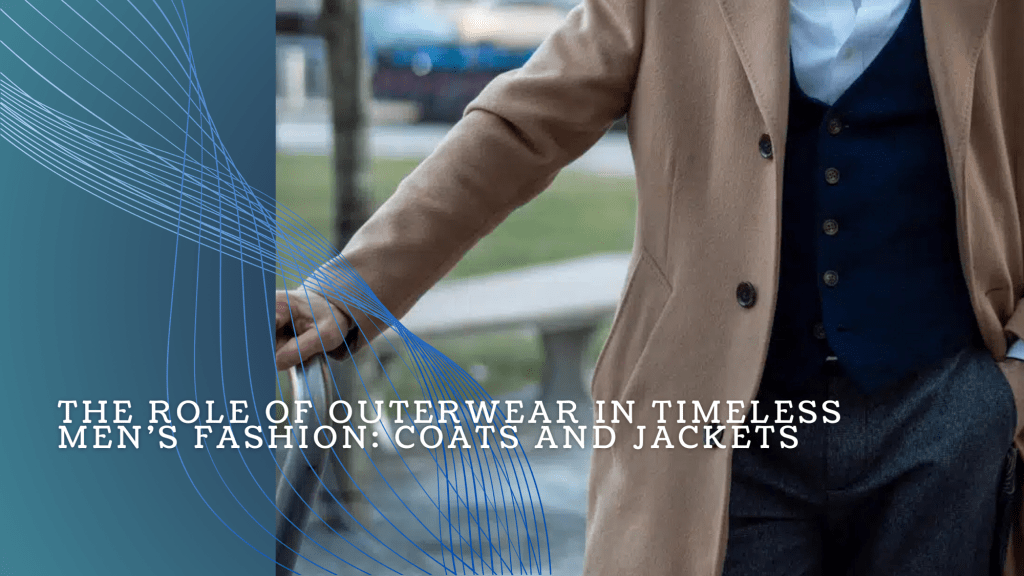
    Outerwear isn’t just about staying warm—it’s a cornerstone of timeless men’s fashion. Coats and jackets not only serve a functional purpose but also act as powerful style statements, creating first impressions that last. In the corporate world, where professionalism meets personal expression, choosing the right outerwear is crucial. This article explores the role of outerwear in building a smart capsule wardrobe, blending style, function, and versatility.

    1. Why Outerwear is Essential in Men’s Fashion

    Outerwear is often the first thing people notice about your outfit. It can set the tone for how you’re perceived, especially in professional settings. Here’s why it matters:

    • Functionality: Beyond style, coats and jackets protect against the elements, ensuring comfort regardless of the season.
    • First Impressions: A well-chosen overcoat or blazer can exude confidence, sophistication, and attention to detail.
    • Balancing Practicality and Elegance: Outerwear seamlessly combines utility with aesthetics, making it an indispensable part of a corporate capsule wardrobe.
    2. Timeless Styles in Men’s Outerwear

    Certain styles of outerwear have stood the test of time, becoming staples for the modern professional. Let’s explore these essentials:

    Overcoats

    A classic overcoat is a must-have for formal occasions. Its clean lines and tailored fit make it ideal for pairing with suits, ensuring you look polished even in the coldest weather. Choose neutral tones like navy, black, or camel for maximum versatility.

    Trench Coats

    Originally designed for military use, trench coats are both functional and stylish. Their water-resistant fabric and structured silhouette make them perfect for rainy days, whether you’re commuting to the office or attending a business meeting.

    Peacoats

    With their naval origins, peacoats bring a blend of tradition and modernity to your wardrobe. Their shorter length and double-breasted design work well with both casual and semi-formal outfits.

    Leather Jackets

    While often associated with rebellion, leather jackets have evolved into a refined wardrobe piece. A sleek, minimalist leather jacket can add a touch of edge to your corporate-casual looks.

    Blazers and Sport Coats

    Blazers and sport coats are versatile outerwear options that bridge the gap between casual and formal. They’re perfect for layering over dress shirts or knitwear, offering a sharp yet relaxed look.

    3. Choosing the Right Outerwear for Your Wardrobe

    Building a capsule wardrobe means investing in pieces that are versatile, durable, and timeless. When choosing outerwear for the corporate world, consider these factors:

    • Fit: Proper fit is non-negotiable. Tailored coats and jackets elevate your look, while ill-fitting ones can detract from it.
    • Fabric: Opt for high-quality materials like wool, cashmere, or leather for durability and comfort.
    • Function: Ensure the outerwear suits your lifestyle and environment. For example, a water-resistant trench coat is ideal for rainy climates.

    When starting your capsule wardrobe, focus on versatile pieces that can transition seamlessly between professional and casual settings. An overcoat in a neutral color, a classic trench, and a well-fitted blazer are excellent starting points.

    4. Styling Tips for Coats and Jackets

    The true power of outerwear lies in its ability to transform an outfit. Here’s how to style your coats and jackets for maximum impact:

    • Layering: Pair a trench coat with a tailored suit or layer a peacoat over a chunky sweater for a smart-casual look.
    • Outfit Pairing: Match an overcoat with formal attire for business meetings or a leather jacket with chinos and a turtleneck for Friday’s office casual.
    • Color Coordination: Stick to neutral tones like gray, navy, and beige for versatility, but don’t shy away from bold colors if they align with your personal style.
    5. Caring for Your Outerwear

    Quality outerwear is an investment, and proper care ensures it lasts for years. Follow these tips to maintain your pieces:

    • Cleaning: Follow the care instructions for each material. Wool coats often require dry cleaning, while leather jackets need conditioning.
    • Storage: Store your coats on sturdy hangers and protect them from moths with garment bags or cedar blocks.
    • Repairs: Address small issues like loose buttons or minor tears promptly to avoid further damage.
    6. Conclusion

    Outerwear plays a pivotal role in timeless men’s fashion, especially in the corporate world where style and substance go hand in hand. By investing in high-quality, versatile coats and jackets, you can build a smart capsule wardrobe that effortlessly blends professionalism with personal expression. Remember, your outerwear isn’t just an accessory—it’s a statement of who you are. Choose wisely, care for your pieces, and enjoy the confidence that comes with dressing well every day.

  • Mastering Decision-Making Under Pressure: Proven Lessons from Corporate Leaders

    Mastering Decision-Making Under Pressure: Proven Lessons from Corporate Leaders

    Introduction
    In the high-stakes world of corporate leadership, the ability to make effective decisions under pressure is not just a skill—it’s a superpower. From navigating tight deadlines to managing crises that could make or break an organization, corporate leaders are often tested in the fire of high-pressure situations. How do they stay calm, focused, and decisive? More importantly, what can we learn from their experiences to improve our own decision-making? This article dives into the strategies and principles leaders rely on when the stakes are high, empowering you to handle pressure with poise and purpose.

    1. The Challenges of Decision-Making Under Pressure

    Pressure can cloud judgment, magnify fear, and lead to hasty or overly cautious decisions. Leaders often face:

    • Time Constraints: The need to act quickly can leave little room for thorough analysis.
    • High Stakes: Decisions often have significant consequences for people, finances, or organizational success.
    • Incomplete Information: Operating without all the facts can lead to uncertainty and hesitation.

    Psychologically, stress can trigger emotional responses like fear of failure or cognitive biases—making it harder to think clearly. Understanding these challenges is the first step to overcoming them.

    2. Key Principles for Effective Decision-Making

    When the pressure is on, these principles can help you navigate the chaos:

    Clarity in Chaos

    Staying calm under pressure is a hallmark of great leaders. It’s not about suppressing stress but channeling it into focus. Techniques like deep breathing or pausing briefly to assess the situation can help regain clarity.

    Prioritization

    In a crisis, not all tasks carry equal weight. Effective leaders excel at identifying what truly matters and focusing their energy there. Ask yourself: What’s the most impactful action I can take right now?

    Risk Assessment

    Weighing potential outcomes is essential. Consider the best- and worst-case scenarios, and decide if the risk aligns with your goals. Remember, taking no action is often riskier than making a calculated decision.

    3. Strategies from Corporate Leaders

    Corporate leaders often use these proven strategies to thrive under pressure:

    Delegation and Team Input

    Great leaders don’t go it alone. They tap into their team’s expertise, encouraging diverse perspectives to fill gaps in their knowledge. As Jeff Bezos once said, “We don’t make decisions because they are easy…we make them because they are the right ones.” Collaboration ensures better decisions.

    Scenario Planning

    Preparedness is key to handling unexpected challenges. Leaders like Satya Nadella of Microsoft emphasize the importance of scenario planning—mapping out potential outcomes and contingency plans so they can act swiftly when surprises arise.

    Structured Thinking

    Frameworks like the OODA Loop (Observe, Orient, Decide, Act) or the Eisenhower Matrix (Urgent vs. Important) help leaders organize their thoughts and prioritize actions, even when the clock is ticking.

    4. Real-World Examples
    Example 1: Indra Nooyi at PepsiCo

    As CEO, Indra Nooyi faced significant pressure to balance profitability with sustainability. By involving her team in brainstorming solutions and focusing on long-term goals, she was able to implement initiatives that benefited both the planet and the company’s bottom line.

    Example 2: Elon Musk’s Crisis Management

    Whether it’s Tesla or SpaceX, Musk’s ability to think under extreme pressure has been instrumental in his success. His strategy? Ruthless prioritization and rapid iteration. Instead of aiming for perfection, he focuses on progress, learning quickly from mistakes.

    5. Building the Skill of Decision-Making Under Pressure

    Great decision-makers aren’t born; they’re made. Here’s how you can sharpen your skills:

    Practice Under Simulated Stress

    Rehearsing challenging scenarios prepares your mind for real-life pressure. Whether through role-playing exercises or crisis simulations, this practice strengthens your mental reflexes.

    Develop Emotional Resilience

    Techniques like mindfulness, journaling, and regular exercise help build resilience, enabling you to handle stress without becoming overwhelmed. Resilience isn’t just about enduring pressure—it’s about thriving under it.

    Continuous Learning

    Every decision, whether successful or not, offers valuable lessons. Reflect on your experiences, seek feedback, and refine your approach. Leaders who embrace a growth mindset consistently improve their decision-making abilities.

    Conclusion

    Mastering decision-making under pressure is a journey of self-awareness, preparation, and practice. By adopting the principles and strategies used by corporate leaders, you can transform high-pressure situations into opportunities for growth and success. As Winston Churchill famously said, “To each, there comes in their lifetime a special moment when they are figuratively tapped on the shoulder and offered the chance to do a very special thing… What a tragedy if that moment finds them unprepared or unqualified for that which could have been their finest hour.”

    Embrace these lessons and seize your finest hour with confidence and clarity. The next time you face a high-stakes decision, remember: pressure doesn’t have to paralyze you—it can propel you forward.