Author: Sebastian Strobl

  • Simplicity reveals what truly matters.

    Simplicity reveals what truly matters.

    In today’s fast-paced project environments, complexity has become the default. We pile on tools, processes, reports, and meetings — hoping to gain control, but often ending up with noise.

    The result?

    Slower progress, unclear priorities, and teams spread thin trying to do everything at once.

    But here’s the truth: complexity is often the enemy of execution.

    In project management and productivity, simplicity isn’t just aesthetic — it’s a strategic advantage. It clears the path for meaningful outcomes and helps teams focus on what actually moves the needle.

    Here’s how to make it real:

    🔹 1. Clarify before you plan.

    Before drafting a timeline or task list, distill the “why” behind the project. If the objective can’t be stated in one sentence, it’s not yet clear enough. Clarity saves you from scope creep later.

    🔹 2. Use fewer tools, better.

    Too many apps create silos and friction. Choose one project management platform — and build a shared, standardized workflow. A good tool used consistently beats a dozen half-integrated ones.

    🔹 3. Replace zombie meetings with async updates.

    Audit recurring meetings monthly. If there’s no new decision to make or problem to solve, it doesn’t need to be a meeting. Tools like dashboards, shared docs, or Loom updates can deliver the same value in half the time.

    🔹 4. Prioritize visually.

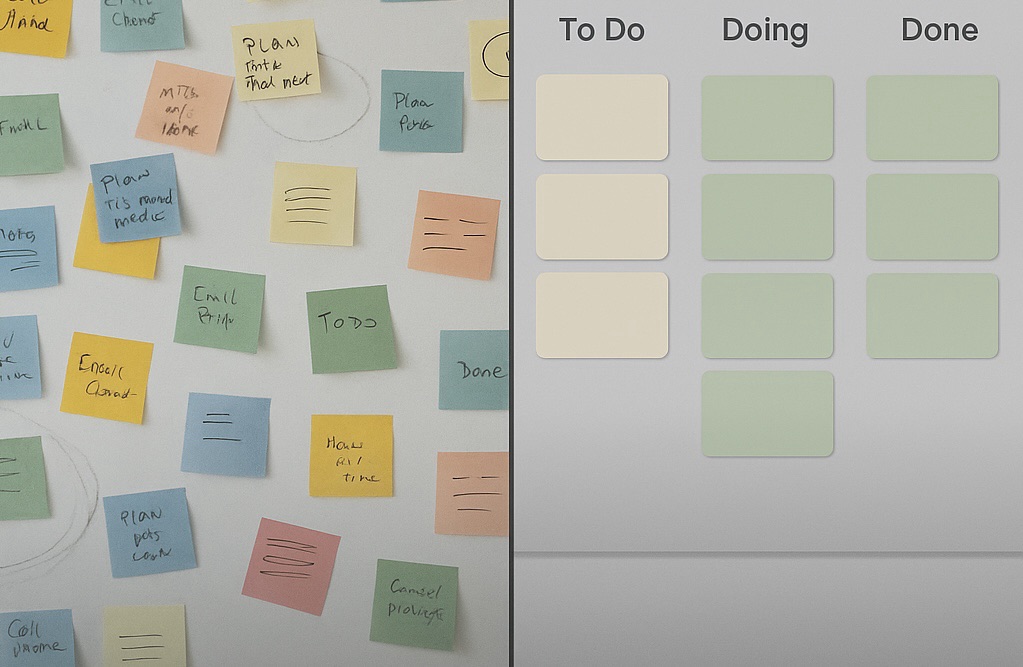
    A Kanban board, a visual timeline, or even a simple progress bar communicates faster than a 10-slide deck. Simplicity isn’t dumbing down — it’s speeding up understanding.

    🔹 5. Focus on one high-impact outcome at a time.

    Multitasking scatters attention. Sequence your team’s work around clear milestones, and make sure everyone knows the current priority. Simplicity helps people feel progress — and progress drives engagement.

    Why this matters:

    Simplicity improves decision-making.

    It reduces stress.

    It accelerates delivery.

    When you eliminate the unnecessary, you uncover what truly drives value — and give your team room to breathe, focus, and thrive.

    In leadership, simplicity is contagious. A streamlined process or a clear, concise brief sets the tone for execution with purpose.

    If your project workflow feels heavy, pause and ask:

    “What can I remove that no longer serves the goal?”

    Sometimes progress means doing less, but doing it better.

    Simplicity reveals what truly matters.

    🔄 Your turn:

    What’s one process, tool, or meeting you’ve simplified recently — and what impact did it have?

    👇 Share below and let’s build smarter, leaner projects together.
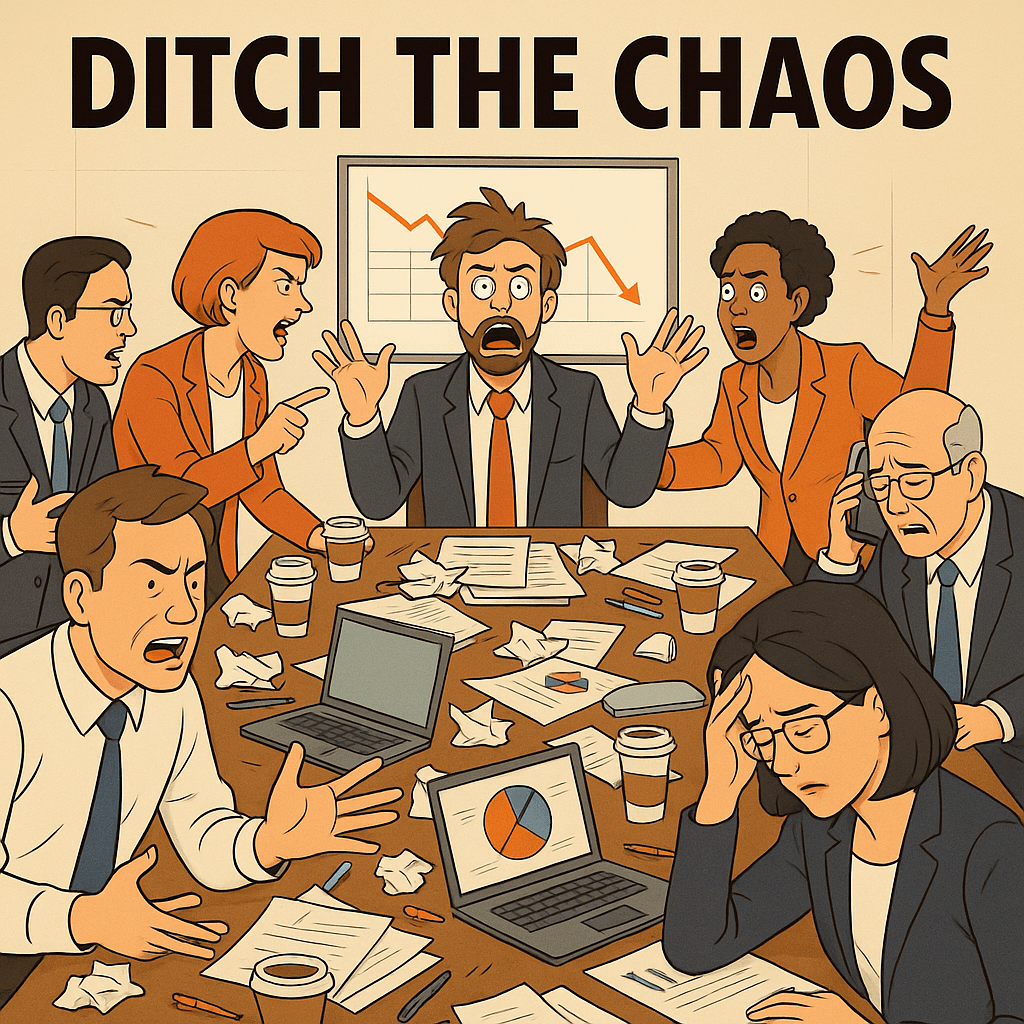
  • Ditch the Chaos: Run Lean, Productive Meetings with Minimalist Principles

    Ditch the Chaos: Run Lean, Productive Meetings with Minimalist Principles

    In the modern workplace, meetings have become synonymous with wasted time, vague outcomes, and bloated invite lists. But it doesn’t have to be this way. If we apply minimalist thinking to how we meet, we can transform meetings from chaotic time sinks into focused tools for progress.

    Minimalism is about cutting what’s unnecessary to make space for what truly matters. This principle—so effective in decluttering homes and calendars—can just as powerfully streamline our meetings.

    1. Only Meet When Necessary

    🧭 Minimalist Principle: Eliminate the unnecessary.

    Ask yourself:

    “Could this be solved with a clear message or short update?”

    If yes, cancel the meeting. Meet only when real-time discussion or decisions are essential.

    2. One Purpose. One Agenda.

    🎯 Minimalist Principle: Focus on what matters most.

    Define the meeting’s goal in one sentence. Keep the agenda tight—fewer items mean deeper focus. Side conversations? Park them for later.

    3. Fewer People = More Progress

    👥 Minimalist Principle: Less is more.

    Invite only the key decision-makers and stakeholders. Smaller groups lead to sharper discussions and quicker outcomes.

    4. Respect Time Like a Resource

    ⏱️ Minimalist Principle: Value time and space.

    Set a time limit—15 or 30 minutes works for most meetings.

    Start on time. End on time. Stay on track.

    Time-box topics to prevent drift and maximize focus.

    5. Use Simple, Streamlined Tools

    🛠️ Minimalist Principle: Use what works, remove what doesn’t.

    Ditch long slideshows and clunky tools.

    Use a shared doc or whiteboard. Tools like Notion or Google Docs keep collaboration visible and flexible—without the fluff.

    6. Always End with Action

    ✅ Minimalist Principle: Clear is better than more.

    Close each meeting with clarity:

    What decisions were made? Who’s doing what? What’s the deadline?

    Document and share this. Make follow-up automatic, not an afterthought.

    7. Reflect. Simplify. Repeat.

    🔄 Minimalist Principle: Continual simplification.

    Audit your recurring meetings:

    Which ones are actually productive? Which ones just feel necessary?

    Cancel or redesign anything that doesn’t serve a clear, current purpose.

    🧘‍♂️ The Minimalist Meeting Mantra:

    “Meet less. Talk less. Decide more.”

    By stripping meetings down to their essentials, we unlock what matters: focus, clarity, and execution. It’s not about doing more—it’s about doing what matters, better.

  • 💳 “Subscription Detox” – Save Money, Clear Your Mind, Take Back Control

    💳 “Subscription Detox” – Save Money, Clear Your Mind, Take Back Control

    You know the drill:

    Free trial.

    Then €4.99/month.

    Then €14.99.

    Then suddenly you’re subscribed to seven streaming services, three productivity apps, two meditation platforms (that stress you out with daily reminders), and a magazine you haven’t read since 2022.

    But hey, it’s only a few bucks a month, right?

    Wrong.

    👉 In my recent “Subscription Detox,” I audited all recurring charges tied to my accounts.

    The results? Eye-opening:

    💸 Over €950/year wasted on unused or rarely used subscriptions.

    🧠 Countless moments of mental clutter—email spam, notification fatigue, decision fatigue from “which platform to watch/read/meditate on today?”

    We don’t talk enough about the hidden tax of convenience.

    Modern life is a buffet of bite-sized services. Everything is just a tap away. We subscribe to convenience, to potential, to aspiration.

    But here’s the trap:

    You’re not just spending money.

    You’re spending mental bandwidth maintaining relationships with tools you don’t even use.

    Every “free trial” comes with a silent cost:

    🔔 Another notification.

    📧 Another email.

    🧾 Another charge on your statement.

    And eventually…

    ⏳ Another minute wasted figuring out if you should cancel.

    So I made it simple. Here’s how I detoxed:

    1. Export your bank statement.

    Sort for recurring monthly and yearly charges. Highlight the ones you don’t recognize or haven’t used in 30+ days.

    2. Rank subscriptions by ROI.

    Does it truly add value? Save time? Bring joy? Or is it just there because you forgot to cancel after the trial?

    3. Ruthlessly cancel.

    Even if it feels small. Even if it might “one day” be useful. Future-you will thank you.

    4. Reinvest in freedom.

    Fewer subscriptions = fewer decisions = more clarity.

    After my detox, I felt like I had deleted 17 tabs open in my mind.

    Now, my money goes where my attention actually lives.

    🎯 A focused Spotify plan I use daily.

    🎯 A minimalist calendar app that brings me clarity.

    🎯 Zero guilt about not using the rest.

    It’s not just about saving €80/month.

    It’s about reclaiming your attention.

    💡 Because in a world constantly shouting for your subscription, sometimes the most powerful thing you can do… is unsubscribe.

    📌 Your turn:

    Do a “Subscription Detox” this weekend.

    Audit, cancel, and take back control.

    Then share your number:

    💬 How many subscriptions did you cancel?

    Let’s inspire each other to live with intention, not automation.

    🧘‍♂️ Less clutter.

    💰 More savings.

    🧠 Maximum clarity.

    You in?

  • 💰 The 3-Envelope Rule for Kids: Teaching Financial Wisdom Through Save, Spend, Share

    💰 The 3-Envelope Rule for Kids: Teaching Financial Wisdom Through Save, Spend, Share

    In a world of instant gratification, teaching children to handle money wisely may feel like an uphill battle. But what if the secret lies not in complexity—but in simplicity?

    Enter the 3-Envelope Rule: a minimalist yet powerful method to teach kids the value of saving, spending wisely, and sharing generously.

    💡 Why Start Early?

    Research shows that by age 7, most children have already formed basic money habits. What they see, hear, and do around finances during these formative years shapes their mindset long-term. That means you—not schools, not banks—have the greatest influence.

    The good news? You don’t need an economics degree or elaborate spreadsheets. All it takes are three envelopes (or jars, or sections in a piggy bank) and a weekly conversation.

    📬 What Is the 3-Envelope Rule?

    This method divides any money your child receives—be it allowance, birthday gifts, or earned income—into three categories:

    1. SAVE – For Future Goals

    This envelope teaches patience, planning, and the joy of delayed gratification. It could be used for a big toy, a bike, or even long-term goals like a school trip.

    👉 Tip: Help your child set a savings goal and track their progress visually (e.g., with a chart or sticker system).

    2. SPEND – For Everyday Wants

    This gives kids the freedom to make choices—and sometimes, mistakes. Whether it’s a snack at the store or a new set of markers, this envelope encourages responsibility and decision-making.

    👉 Tip: Don’t micromanage. Let them experience the natural consequences of spending.

    3. SHARE – For Giving Back

    This envelope instills compassion. Whether they donate to a local animal shelter, buy a gift for a friend, or give to a cause, it teaches that money isn’t just about me, but also we.

    👉 Tip: Let them choose the cause to spark ownership and empathy.

    🛠️ How to Implement It
    Here’s a quick-start guide for busy parents:

    Pick the tools: Use labeled envelopes, jars, or child-friendly banking apps. Visuals matter!

    Set the split: Start with an easy 40/40/20 rule (Save 40%, Spend 40%, Share 20%) and adjust as needed.

    Make it routine: Every week, review where money went. Celebrate wins, discuss missteps, and reflect together.

    Keep it age-appropriate: For younger kids, keep goals and conversations simple. For older kids, introduce more nuance (e.g. short-term vs long-term saving).

    Model the behavior: If your kids see you saving, spending with intention, and giving generously, they’ll follow suit.

    🎯 The Lasting Impact

    This isn’t just a money strategy—it’s a character-building framework.

    Save = Discipline and vision

    Spend = Confidence and independence

    Share = Gratitude and compassion

    In a single system, your child learns financial literacy, decision-making, and emotional intelligence.

    And most importantly? You’re creating a culture of open, judgment-free money conversations at home.

    💬 Final Thoughts

    Minimalism isn’t just about owning fewer things—it’s about living with greater clarity and intention.

    The 3-Envelope Rule echoes that beautifully: simple tools, profound impact.

    You don’t need to get it perfect. You just need to start.

    What’s one money lesson you wish you had learned earlier in life? Share it in the comments or with your family tonight at dinner.

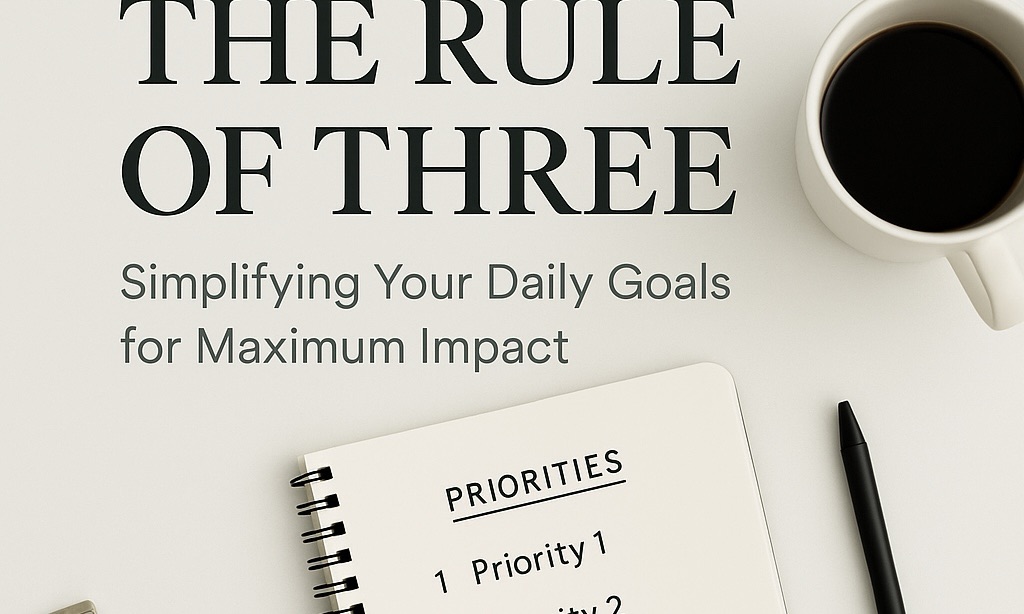
  • ✅ The Rule of Three: Simplifying Your Daily Goals for Maximum Impact

    ✅ The Rule of Three: Simplifying Your Daily Goals for Maximum Impact

    🧠 You start your day with a long to-do list.

    It’s packed with tasks, ideas, emails, and reminders. By noon, you’re “busy”… but not productive.

    Sound familiar?

    Let me offer you something simpler—and far more powerful:

    🎯 The Rule of Three.

    It’s a minimalist productivity method I use daily, and it’s changed how I work, lead, and live.

    🔍 What is the Rule of Three?

    Each morning, ask yourself:

    💬 “What are the 3 most important things I want to accomplish today?”

    Not 10.

    Not everything.

    Just 3.

    These should be high-impact actions—not shallow tasks. Think: finish a proposal, prep for a meeting, finalize a decision.

    🎯 The work that truly moves the needle.

    🧠 Why It Works:

    ✔️ Focus over friction – You eliminate decision fatigue.

    ✔️ Clarity beats chaos – Your day has a compass, not a pile of noise.

    ✔️ Progress feels real – Checking off 3 important wins builds momentum and motivation.

    Studies show that multitasking can reduce productivity by up to 40%. The Rule of Three creates space for deep work instead of distraction.

    ⚙️ How to Use It:

    📅 Every morning, take 2 minutes.

    Write down your 3 priorities—paper, app, mirror—it doesn’t matter.

    Just do it before opening your inbox or calendar.

    🏡 Apply it across life areas:

    Work: finish project draft Health: 20-minute workout Family: tech-free dinner time

    Need more structure? Use this question:

    💡 “What 3 things would make today feel successful—even if I got nothing else done?”

    Stick to 3. If you’re tempted to add more, make it a bonus. 🎁

    🌱 Bonus: The Weekly Rule of Three

    Take 5 minutes every Sunday:

    What’s 1 major work goal? What’s 1 health or personal goal? What’s 1 relationship or family goal?

    Write them down. Keep them visible. Reflect midweek. 🧭

    ✳️ Minimalism in Action

    The Rule of Three isn’t about doing less.

    It’s about doing what matters most—with clarity and consistency.

    “Essentialism isn’t how to get more things done. It’s how to get the right things done.”

    – Greg McKeown

    🎯 When you simplify your focus, you amplify your results.

    🚀 Try This Tomorrow

    ✅ Write down 3 priorities

    ✅ Tackle them before distractions

    ✅ Track how it feels over 1 week

    👇 Drop one of your 3 below if you’re in.

    Let’s make simplicity your new superpower.