Author: Sebastian Strobl

  • Timeless Shoes for Men: Essential Styles Every Man Should Own

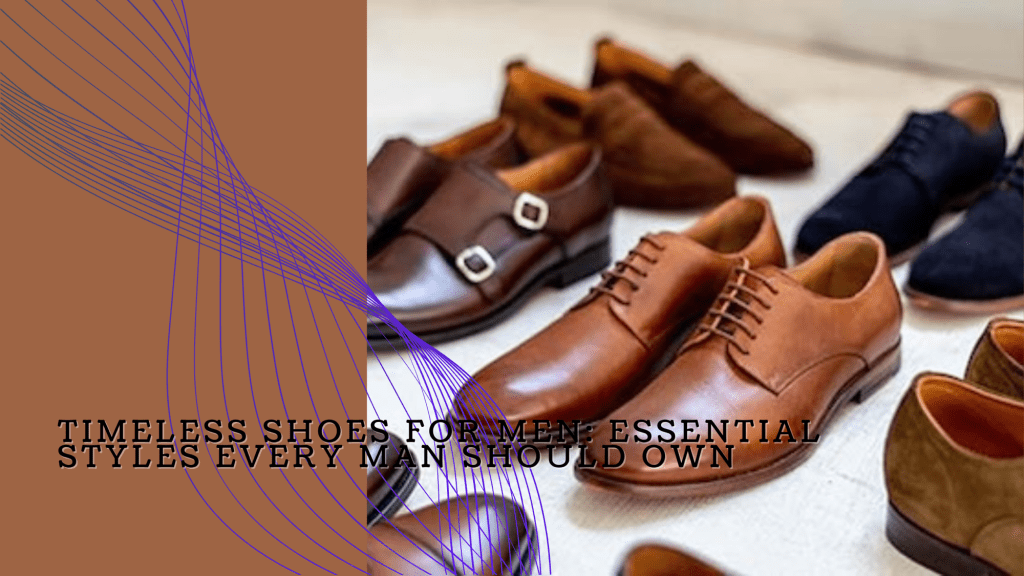
    Timeless Shoes for Men: Essential Styles Every Man Should Own

    When it comes to style, nothing says more about a man than his choice of shoes. Shoes aren’t just about comfort—they define the character of an outfit and can make or break your overall appearance. While fashion trends come and go, certain shoe styles have stood the test of time, offering versatility, elegance, and practicality that transcend fleeting fads.

    In this guide, we’ll explore the must-have shoe styles for every man’s wardrobe and how to wear them effortlessly, whether you’re headed to the boardroom, a wedding, or a weekend brunch.


    1. The Oxford – A Classic for Formal Occasions

    The Oxford shoe is the epitome of formal footwear. Distinguished by its closed-lacing system, which gives it a sleek, streamlined appearance, the Oxford has been the go-to choice for men in formal settings for decades. The design is timeless, making it an essential investment for any man who needs to look sharp in high-stakes situations.

    Key Features:

    • Closed lacing system
    • Leather upper
    • Thin sole for a polished look

    Best Occasions:
    Oxfords are perfect for black-tie events, weddings, job interviews, and other formal gatherings. They pair flawlessly with tuxedos, dark suits, or even a well-tailored navy suit for an important business meeting.

    Classic Outfit Example:

    • Navy or charcoal grey suit
    • Crisp white dress shirt
    • Silk tie in a solid or subtle pattern
    • Black leather Oxfords for maximum formality

    With a pair of black leather Oxfords, you’ll always look impeccably dressed for the most formal occasions, projecting confidence and sophistication effortlessly.


    2. The Derby – Smart and Versatile

    While the Derby shares many similarities with the Oxford, the key difference is its open-lacing system, which gives it a more relaxed and versatile feel. This design feature makes the Derby a great choice for both formal and casual occasions. It’s the kind of shoe that adapts to whatever situation you’re in without ever looking out of place.

    Key Features:

    • Open lacing system for a slightly roomier fit
    • Leather or suede material
    • Can feature broguing (decorative perforations) for added flair

    Best Occasions:
    Derbies work well for business-casual settings, dinner dates, or even upscale casual events. Pair them with chinos, blazers, or slim trousers for a sharp yet relaxed look.

    Classic Outfit Example:

    • Charcoal grey trousers
    • Light blue or patterned dress shirt
    • Navy blazer
    • Brown leather Derby shoes

    A versatile brown Derby can transition from the office to an after-work event with ease, offering both comfort and style.


    3. The Loafer – Effortless Elegance

    Loafers are the definition of easy sophistication. With no laces to tie and a slip-on design, they blend convenience with a touch of refinement. Originating as a casual shoe, loafers have evolved to work seamlessly in semi-formal and smart-casual settings.

    Key Features:

    • Slip-on design
    • Available in leather or suede
    • Options include penny loafers, tassel loafers, and bit loafers

    Best Occasions:
    Loafers are versatile enough to be worn at the office, brunches, or even summer weddings. Their slip-on nature makes them great for travel or casual Fridays when you still want to look put-together.

    Classic Outfit Example:

    • Light grey chinos
    • White button-down shirt with sleeves rolled up
    • Brown leather tassel loafers
    • A lightweight navy blazer

    Tassel loafers offer just enough flair to elevate your look, while still keeping things relaxed and comfortable.


    4. The Brogue – When You Want to Stand Out

    Brogues are instantly recognizable thanks to their unique perforations, which were originally designed to allow water to drain out when walking through wet environments. Today, they’ve become a stylish statement piece that adds character to any outfit. Though they come in various styles, including Oxfords and Derbies, broguing gives them a distinctive look.

    Key Features:

    • Decorative perforations along seams and edges
    • Available in full, half, and quarter brogue styles
    • Typically feature a wingtip design

    Best Occasions:
    Brogues are perfect for semi-formal events, work settings, or even smart-casual evenings out. Their versatility allows them to be paired with suits or dressed down with jeans and a blazer for a night out.

    Classic Outfit Example:

    • Slim-fit navy suit
    • White or light blue dress shirt
    • Burgundy or dark brown leather brogues
    • No tie for a more relaxed yet stylish look

    A dark brown full brogue paired with a slim suit creates a sophisticated yet approachable outfit that’s perfect for after-work social events.


    5. The Chelsea Boot – Sleek, Sophisticated, and Ready for Anything

    A Chelsea boot is a must-have for every man, thanks to its sleek, ankle-length design and convenient pull-on style. Popularized by the British mod scene in the 1960s, Chelsea boots have since become a staple for both casual and formal occasions. Their versatility makes them one of the most reliable options in any wardrobe.

    Key Features:

    • Elastic side panels for easy slip-on functionality
    • Ankle-high design
    • Available in leather or suede

    Best Occasions:
    Chelsea boots can be worn year-round, making them a fantastic choice for the office, date nights, and weekend outings. The leather variety leans more formal, while suede offers a casual, relaxed vibe.

    Classic Outfit Example:

    • Slim black jeans or chinos
    • Crisp white dress shirt or turtleneck sweater
    • Suede Chelsea boots for casual or leather Chelsea boots for formal settings

    Pair black leather Chelsea boots with dark slim-fit jeans and a blazer for a modern, stylish look that works for both day and evening events.


    6. The Sneaker – A Modern Essential

    No longer just for sports, sneakers have evolved into a fashion staple that bridges the gap between casual and smart-casual attire. A minimalist leather sneaker is particularly versatile, allowing you to look stylish and feel comfortable at the same time.

    Key Features:

    • Lightweight construction with a cushioned sole
    • Available in leather, canvas, or suede
    • Wide variety of styles, from minimal to bold

    Best Occasions:
    Sneakers work great for casual outings, weekend events, or even casual work environments. Stick to minimal, clean designs for more formal casual settings, such as meetings or social gatherings.

    Classic Outfit Example:

    • Slim-fit jeans
    • Plain white or grey t-shirt
    • Navy bomber jacket or cardigan
    • White leather sneakers

    A pair of white leather sneakers paired with dark denim and a well-fitted t-shirt creates an effortlessly cool and comfortable outfit.


    7. The Monk Strap – Unique and Stylish

    For men looking to add something different to their shoe rotation, the monk strap shoe offers a unique twist on traditional styles. With its signature buckle closures, the monk strap sits between the formality of an Oxford and the casual ease of a loafer.

    Key Features:

    • Single or double buckle straps instead of laces
    • Leather construction
    • Sleek silhouette

    Best Occasions:
    Monk straps can be worn in formal and semi-formal settings, such as the office, weddings, or dinner events. They offer a modern alternative to Oxfords or Derbies without compromising on sophistication.

    Classic Outfit Example:

    • Charcoal grey suit
    • Light pink or white dress shirt
    • Double monk strap shoes in dark brown leather
    • No tie, for a smart-casual look

    Monk straps strike the perfect balance between formality and style, ideal for when you want to make a subtle statement.


    Conclusion:

    Shoes are more than just an accessory—they’re an essential part of your wardrobe that can elevate your style effortlessly. Investing in these timeless styles ensures that no matter the occasion, you’ll always be prepared and polished. From the classic Oxford to the versatile sneaker, these shoes offer the perfect blend of tradition, elegance, and modern-day convenience.

    By building a collection of these key styles, you’ll be able to make the hard things in life—like dressing well—look completely effortless.


    Call-to-Action:
    Ready to step up your shoe game? Assess your wardrobe and start building a collection of timeless shoes that will carry you through every occasion. Follow my blog for more tips on living effortlessly stylish.

  • The Minimalist Approach: 3 Essential Shoes for Maximum Versatility

    The Minimalist Approach: 3 Essential Shoes for Maximum Versatility

    In a world where trends shift quickly, adopting a minimalist approach to your wardrobe can be a game changer. Instead of overwhelming your closet with countless pairs of shoes, focusing on just three key styles will give you the flexibility to cover every occasion—without the clutter.

    If you want a curated selection of shoes that deliver both style and practicality, here are the only three you need: dark brown suede chukka boots, cognac tassel loafers, and classic black Oxfords.


    1. Dark Brown Suede Chukka Boots – The Casual Hero

    Chukka boots combine casual elegance with timeless versatility, making them an ideal choice for both relaxed and semi-casual occasions. The soft suede offers a luxurious texture, while their earthy brown shade ensures they effortlessly complement a wide range of outfits. Originally popularized as a comfortable yet stylish option for polo players, chukka boots have since evolved into a wardrobe staple, known for their understated sophistication and suitability for everyday wear.

    Key Features:

    • Suede upper for a casual, luxurious look
    • Lightweight construction with a comfortable crepe sole
    • Ankle-high design, offering more coverage than a typical casual shoe

    Best Occasions:
    Chukka boots shine in casual and smart-casual settings. They’re perfect for weekends, outdoor gatherings, or even a casual office environment. Pair them with jeans, chinos, or even wool trousers for a relaxed but stylish look.

    Classic Outfit Example:

    • Dark denim jeans
    • Navy or olive green sweater or casual button-down shirt
    • Dark brown suede chukka boots

    This combination works brilliantly for informal events and adds a touch of laid-back elegance to your day-to-day attire. Chukka boots offer comfort and style, allowing you to be effortlessly cool without being overdressed.


    2. Cognac Tassel Loafers – The Stylish All-Rounder

    The cognac tassel loafer is the perfect shoe for a minimalist wardrobe. Its versatile color complements both light and dark outfits, while the tassel detail adds flair. Loafers are ideal when you want to dress up without feeling overly formal, making them a versatile staple.

    Key Features:

    • Slip-on design for ease and comfort
    • Tassel detail for added visual interest
    • Leather upper in a warm, cognac brown

    Best Occasions:
    Tassel loafers work beautifully in smart-casual and semi-formal settings. Whether you’re going to a business-casual office, a dinner event, or a summer wedding, these loafers transition effortlessly across seasons and occasions.

    Classic Outfit Example:

    • Slim-fit navy or grey chinos
    • White or pale blue button-down shirt
    • Lightweight navy blazer
    • Cognac tassel loafers

    Cognac loafers add just the right amount of elegance to your outfit without the formality of Oxfords, making them the ideal shoe for versatile, effortless dressing.


    3. Black Oxfords – The Formal Classic

    No minimalist wardrobe is complete without a pair of black leather Oxfords. As the most formal shoe in your arsenal, they are a must-have for occasions when you need to be at your sharpest. Oxfords are timeless, sleek, and the perfect complement to suits and tuxedos.

    Key Features:

    • Closed-lacing system for a sleek, polished look
    • Black leather upper for maximum formality
    • Thin sole, reinforcing the streamlined silhouette

    Best Occasions:
    Black Oxfords are indispensable for weddings, black-tie events, job interviews, and formal business meetings. Whenever you need to make a sharp, professional impression, this is the shoe you’ll turn to.

    Classic Outfit Example:

    • Charcoal grey or navy suit
    • White dress shirt
    • Silk tie in a solid color or subtle pattern
    • Black leather Oxfords

    This classic combination ensures you’ll always be dressed appropriately for formal occasions, projecting confidence and sophistication with minimal effort.


    Why These Three?

    By focusing on these three pairs of shoes, you’ll cover the full spectrum of events in a man’s life, from casual weekends to formal affairs. Here’s why they work so well together:

    • Versatility: The chukka boots, loafers, and Oxfords can be mixed and matched with a wide range of outfits and occasions, reducing the need for multiple pairs.
    • Timelessness: Each of these styles has a timeless design that transcends seasonal trends, ensuring they’ll remain in fashion for years to come.
    • Ease of Maintenance: Limiting your footwear to just three key styles means it’s easier to maintain them, keeping them polished and ready to go for any occasion.

    Conclusion: The Minimalist Approach to Footwear

    For the man who values both style and simplicity, a minimalist shoe collection featuring dark brown suede chukka boots, cognac tassel loafers, and black leather Oxfords offers the perfect solution. This curated selection covers everything from casual to formal events, ensuring you’re always dressed for the occasion without the clutter of a sprawling wardrobe.

    Adopting this minimalist approach to footwear allows you to make the hard task of dressing stylishly look completely effortless—one pair at a time.


    Call-to-Action:
    Ready to embrace a minimalist approach to your wardrobe? Start by investing in these three versatile shoes and notice how effortlessly your style comes together. Follow my blog for more tips on living stylishly with less.

  • The Role of Exercise in Enhancing Productivity: How Physical Activity Boosts Efficiency

    The Role of Exercise in Enhancing Productivity: How Physical Activity Boosts Efficiency

    Discover how regular physical activity can skyrocket your productivity and transform your workday.


    Introduction: Sarah’s Struggle with Productivity

    Meet Sarah, a marketing manager for a busy startup. Despite her passion for her job, Sarah found herself battling afternoon slumps, struggling to focus on her projects, and working late into the night just to meet deadlines. Her productivity hit rock bottom, and so did her energy. She tried different techniques—time management tools, productivity apps, even cutting down on distractions—but nothing seemed to work.

    One day, a colleague invited her to join an early morning fitness class. At first, Sarah was skeptical. How could squeezing exercise into her already packed schedule help her productivity? But after just a few weeks of regular workouts, Sarah noticed a shift. She had more energy, could focus for longer periods, and she was wrapping up her tasks much earlier in the day. The correlation between her exercise routine and her newfound productivity was undeniable.

    This transformation led Sarah to research the science behind it, and she discovered what many experts have proven: exercise is one of the most effective ways to boost productivity.

    The Science Behind Exercise and Productivity

    The benefits Sarah experienced aren’t just anecdotal. Research shows that regular physical activity has a profound impact on brain function, energy levels, and overall productivity.

    1. Increased Energy Levels: Exercise boosts circulation and oxygen flow to the brain, which helps increase energy and reduce fatigue. This means you’ll feel less sluggish throughout the day and more energized to tackle your tasks.
    2. Enhanced Focus and Cognitive Function: Regular physical activity increases the production of neurochemicals like dopamine, norepinephrine, and serotonin, which are critical for improving attention, focus, and cognitive function. Studies show that people who exercise regularly experience better concentration, memory retention, and problem-solving skills.
    3. Reduced Stress and Anxiety: Exercise is one of the most effective ways to reduce stress, anxiety, and the mental clutter that can drain productivity. Physical activity helps regulate cortisol levels, the body’s primary stress hormone, leaving you with a clearer mind to focus on important tasks.
    4. Improved Mood: The endorphins released during exercise can improve mood and motivation, making you feel more positive and driven throughout the day.
    5. Better Sleep: Regular exercise promotes better sleep, which is crucial for maintaining high productivity levels. Quality sleep enhances cognitive function, mood stability, and physical energy—key elements for staying sharp and efficient at work.
    How Physical Activity Boosts Efficiency

    Exercise doesn’t just improve physical health; it sharpens mental agility and emotional resilience. Here’s how it enhances your work performance:

    1. Sharper Focus: Physical activity helps clear mental fog. Whether it’s a brisk walk during lunch or an early morning jog, exercise boosts mental clarity, allowing you to maintain focus on tasks for extended periods.
    2. Enhanced Problem-Solving Skills: Exercise stimulates creative thinking. When you engage in physical activity, your brain gets a chance to unwind, making it easier to approach challenges with fresh perspectives.
    3. Increased Motivation: Completing a workout gives you a sense of achievement, which can set a positive tone for the rest of the day. This heightened sense of accomplishment drives you to tackle other tasks with more enthusiasm.
    4. Time Management: Regular exercise improves self-discipline, helping you manage your time better. By making exercise a priority, you’ll find that you can fit more into your day by structuring your schedule around it.
    A Story of Transformation: David’s Experience

    David, a project manager, was caught in the vicious cycle of burnout. Long hours, tight deadlines, and back-to-back meetings had taken their toll on his physical and mental health. Despite working overtime, his productivity was plummeting. Tasks that once took an hour now stretched out for half a day, and his motivation was at an all-time low.

    One evening, David decided to hit the gym after work, hoping it would help him relieve stress. To his surprise, he felt rejuvenated afterward, both physically and mentally. Encouraged by this, David started making exercise a regular part of his routine, starting his mornings with a quick workout.

    In just a few weeks, his productivity surged. He found himself more focused during meetings, less overwhelmed by his to-do list, and more energized throughout the day. Instead of dreading work, David began to approach his tasks with renewed enthusiasm. He finished projects ahead of deadlines and even had time to spare in the evenings for personal hobbies. Exercise had become the catalyst for his productivity transformation.


    Actionable Steps: How to Implement Exercise to Boost Productivity

    Ready to experience a productivity boost like Sarah and David? Here’s how you can incorporate exercise into your routine:

    1. Start Small: If you’re new to exercising, begin with small, manageable activities like a 10-minute walk or a quick bodyweight workout at home. Gradually increase the intensity and duration as you build the habit.
    2. Schedule Exercise Like a Meeting: Block time for exercise in your calendar, just like you would for an important meeting. Commit to it daily, whether it’s in the morning, during lunch, or after work.
    3. Find What You Enjoy: Exercise doesn’t have to be a chore. Whether it’s jogging, swimming, yoga, or dancing, find an activity you enjoy, so it becomes something you look forward to rather than dread.
    4. Incorporate Active Breaks: Take short, active breaks throughout your workday. A quick stretch, a walk around the block, or even a five-minute desk workout can refresh your mind and increase your focus.
    5. Pair Exercise with Productivity Tasks: Try walking meetings, or listen to a podcast or audiobook while on the treadmill. This way, you’re staying active while getting work-related tasks done.
    6. Join a Group or Class: Accountability is key to sticking with an exercise routine. Join a workout class or find a friend or colleague to exercise with regularly.
    7. Track Your Progress: Use a fitness tracker or app to monitor your activity. Seeing your progress over time can be incredibly motivating.
    8. Make Recovery a Priority: Don’t forget the importance of rest and recovery. Adequate sleep and proper nutrition are crucial for maintaining high energy and productivity levels.

    Conclusion: Move to Achieve More

    The connection between exercise and productivity is undeniable. As Sarah and David’s stories illustrate, incorporating regular physical activity into your daily routine can transform not only your health but also your work performance. Whether you’re striving to meet deadlines, enhance your focus, or simply maintain energy throughout the day, exercise can be the secret weapon that fuels your productivity.

    Start small, stay consistent, and watch as your efficiency soars.


    By making exercise a non-negotiable part of your routine, you’ll find that you’re not just moving more, but you’re also achieving more

  • Mastering Project Timelines: A Step-by-Step Guide to Creating Accurate and Achievable Schedules

    Mastering Project Timelines: A Step-by-Step Guide to Creating Accurate and Achievable Schedules

    Introduction

    In the thrilling arena of project management, timelines are not just mere schedules; they are the very heartbeat of success. Picture this: two project managers, Alex and Jamie, stand at the helm of their respective ships, ready to navigate the turbulent waters of a software launch. While one sets sail without a map, the other meticulously charts her course. Join us as we embark on a journey through their experiences, revealing the art and science of creating an efficient project timeline.

    Meet Alex and Jamie

    Alex, with a twinkle of ambition in his eye, is known for his “let’s dive in and figure it out” mentality. He believes that spontaneity breeds creativity. But, as he prepares to launch his cutting-edge software product, he quickly realizes that his enthusiasm alone won’t carry him through the storm.

    On the other side of the harbor, we have Jamie. Armed with a robust plan and a hint of nerves, she approaches her project with the precision of a skilled captain. While Alex struggles against the waves of confusion, Jamie sails smoothly towards her destination, thanks to her well-structured timeline. Let’s explore the key steps Jamie takes that make all the difference, contrasted with Alex’s chaotic voyage.

    Step 1: Define Project Scope and Objectives

    Imagine Alex on deck, shouting vague commands to his crew. “Let’s make something amazing!” Unfortunately, without clarity, his team flounders, unsure of what “amazing” really means. Miscommunication leads to tasks spiraling out of control, and soon, frustration mounts like storm clouds on the horizon.

    Meanwhile, Jamie crafts a detailed project charter, painting a vivid picture of the journey ahead. She lays out clear objectives, deliverables, and stakeholders. Her team, inspired by this clarity, rallies around a shared vision, setting their sights on the horizon with renewed purpose.

    Step 2: Identify Key Milestones

    As the days pass, Alex’s ship begins to drift. He neglects to establish key milestones, and before long, his crew is lost at sea. Missed deadlines accumulate like barnacles on the hull, threatening to sink the project before it even launches.

    In contrast, Jamie identifies crucial milestones—like completing the prototype and initiating beta testing—as shining beacons guiding her ship. Each milestone becomes a reason to celebrate, fostering camaraderie among her crew. With every achievement, they reinforce their commitment, buoyed by the thrill of progress.

    Step 3: Break Down Tasks and Activities

    Alex tries to hoist the sails all at once, leading to chaos on deck. His team grapples with overlapping responsibilities, and critical tasks slip through the cracks. Exhausted and overwhelmed, they watch as the winds of opportunity pass them by.

    Meanwhile, Jamie takes a different tack. She employs a Work Breakdown Structure (WBS) to dissect her project into manageable tasks. This approach illuminates dependencies, clarifying who is responsible for what. With a clear division of labor, her crew works in harmony, each member confident in their role as they steer towards success.

    Step 4: Estimate Time for Each Task

    As the deadline approaches, Alex’s quick and optimistic time estimates come back to haunt him. “We can definitely finish this in a week!” he declares, only to find his team scrambling at the last minute, overwhelmed and underprepared.

    Jamie, however, knows the value of realistic estimation. She consults her crew, leveraging their expertise and historical data. By using the three-point estimation technique, she builds in time buffers, preparing for potential storms ahead. With a well-thought-out timeline, she navigates smoothly, avoiding last-minute panic.

    Step 5: Assign Resources

    Resource allocation often feels like juggling flaming torches, and Alex struggles to keep them all in the air. Ignoring team members’ strengths and workloads, he creates an environment of burnout and inefficiency. Morale dips as the crew grows weary under the pressure.

    In contrast, Jamie assesses her crew’s skills and availability with the eye of a seasoned captain. She balances workloads and fosters a supportive environment, where each member feels valued and empowered. As a result, her team is energized and productive, ready to face any challenge that arises.

    Step 6: Create the Timeline

    When it comes to visualizing the timeline, Alex relies on cluttered spreadsheets, creating confusion and frustration among his team. They struggle to see the big picture, each member lost in their individual tasks.

    Jamie, however, embraces technology, utilizing project management software that offers stunning Gantt charts and interactive Kanban boards. The clear visual representation of her timeline allows her crew to see how their tasks interconnect. They remain focused, organized, and motivated, steering towards their destination with confidence.

    Step 7: Review and Adjust the Timeline

    Flexibility is crucial in the unpredictable seas of project management. Alex, hesitant to adapt, clings stubbornly to his original timeline, even as storm clouds gather. As setbacks arise, his project lags, and frustration mounts.

    Conversely, Jamie understands the importance of regular check-ins. She schedules stakeholder reviews, eagerly inviting feedback. When challenges arise, she adjusts her timeline with agility, ensuring her ship stays on course. This proactive approach keeps her team engaged and motivated, ready to tackle whatever comes their way.

    Conclusion

    The contrasting journeys of Alex and Jamie reveal a vital truth: building an efficient project timeline can transform chaos into clarity. By defining project scope, identifying milestones, breaking down tasks, estimating time accurately, assigning resources wisely, creating a clear timeline, and remaining adaptable, Jamie navigates her project to a triumphant launch.

    As you chart your course through project management, remember Jamie’s approach. With a well-structured timeline as your compass, you too can master the art of scheduling, ensuring smoother sails and successful outcomes.

    Call to Action

    Have you faced the challenges of project scheduling? Share your stories and tips in the comments below! Let’s learn from one another and refine our project management skills together, ensuring that every project is a journey worth taking.

  • The Reitoff Principle: How Doing Nothing Can Boost Productivity and Project Success

    The Reitoff Principle: How Doing Nothing Can Boost Productivity and Project Success

    In a world where hustle culture reigns supreme, the idea of doing nothing sounds almost revolutionary. We’re conditioned to believe that every second of our day needs to be filled with tasks, meetings, and action plans. But what if I told you that sometimes the key to true productivity is stepping back and doing absolutely nothing? Enter the Reitoff Principle—a refreshing philosophy that challenges the status quo by emphasizing the power of rest and recovery.

    By embracing the idea of writing off a day when necessary, you might just unlock greater creativity, better decision-making, and long-term success. But don’t take my word for it—let’s see how this principle played out for two very different project managers, and how you can apply it to your own work.

    A Tale of Two Project Managers

    Meet Alex: A diligent project manager at a bustling tech firm, Alex prides himself on his relentless work ethic. He believes that the key to success is to push through challenges without taking breaks. Whether it’s late nights or weekends, Alex is always “on.” Yet, despite his efforts, his projects often feel disorganized, deadlines slip, and team morale wanes.

    Enter Jamie: Also a project manager but with a different approach. Jamie recognizes the importance of mental well-being and embraces the Reitoff Principle. She allows herself and her team time to step back and recharge, promoting a culture where taking a “write-off” day is seen as an opportunity, not a setback.

    The Contrast in Outcomes

    One summer, both Alex and Jamie were assigned a high-stakes project to develop a new app feature.

    • Alex’s Approach: Determined to stay productive, Alex scheduled back-to-back meetings, micromanaged every detail, and discouraged breaks. The initial momentum fizzled as team members became fatigued and frustrated. Creativity dwindled, and instead of fresh ideas, the team found themselves stuck in a loop of constant rework. The project timeline slipped, resulting in missed deadlines and a lackluster launch.
    • Jamie’s Approach: Conversely, Jamie kicked off the project by setting clear goals but also emphasized the importance of well-being. She encouraged her team to take a day to step back when feeling overwhelmed. After a challenging brainstorming session, Jamie suggested a “write-off” day to recharge. Team members returned invigorated, bursting with fresh ideas. Their creativity flourished, leading to innovative solutions that significantly improved the app’s functionality.
    The Results

    When launch day arrived, Jamie’s team celebrated a successful release, complete with positive user feedback and a well-executed marketing strategy. Alex’s team, on the other hand, faced criticism for their rushed and incomplete features.

    The stark contrast in outcomes illustrates how the Reitoff Principle can lead to enhanced productivity and creativity. By allowing space for rest, Jamie’s team not only met their objectives but exceeded them.

    Implementing the Reitoff Principle: An Actionable Plan

    Inspired by Jamie’s success? Here’s a step-by-step guide to incorporating the Reitoff Principle into your own project management approach:

    1. Recognize the Need for Downtime:
      • Acknowledge the signs of burnout within yourself and your team. Make it clear that rest is essential for long-term productivity.
    2. Schedule “Write-Off” Days:
      • Integrate regular breaks or designated “write-off” days into your project timeline. Encourage your team to use this time to recharge without guilt.
    3. Create a Supportive Culture:
      • Foster an environment where taking a break is normalized. Lead by example—share your own experiences of taking time off to refresh and return with new perspectives.
    4. Encourage Mindfulness Practices:
      • Introduce mindfulness practices, such as meditation or short walks, during work hours to promote mental clarity and focus.
    5. Reflect and Reassess:
      • After completing projects, hold a team meeting to discuss how breaks influenced your outcomes. Gather feedback on the effectiveness of “write-off” days and adjust as needed.
    The Key to Sustainable Success: Doing Less to Achieve More

    The Reitoff Principle serves as a powerful reminder that productivity doesn’t always equate to constant activity. By embracing the idea of taking a step back, you can enhance creativity, boost morale, and ultimately achieve better project outcomes. So, the next time you feel overwhelmed, consider the power of doing nothing—and watch your productivity soar!