Author: Sebastian Strobl

  • Collaboration in Project Management: Fostering Strong Team Dynamics

    Collaboration in Project Management: Fostering Strong Team Dynamics

    In today’s fast-paced and interconnected business world, collaboration is no longer a luxury but a necessity for project success. Whether you’re leading a small team or managing a large-scale initiative, fostering strong team dynamics is the key to achieving great results. Yet, collaboration doesn’t just happen—it’s something that project managers need to actively encourage and cultivate. In this article, we’ll explore why collaboration is vital, offer practical tips to enhance teamwork, and share strategies for continuous improvement to ensure your team is always working in harmony.

    What Does Collaboration Really Mean in Project Management?

    At its core, collaboration is the process where team members work together, sharing knowledge, skills, and ideas to achieve a common goal. But here’s the key: it’s not simply dividing tasks and working in isolation. True collaboration involves constant communication, mutual support, and a collective problem-solving mindset.

    For project managers, fostering collaboration goes beyond just bringing people together—it’s about cultivating an environment where everyone feels comfortable contributing, knowing that their voice is heard and valued. Strong team dynamics don’t just lead to smoother workflows; they create a culture where creativity and innovation can thrive.

    The Benefits of Strong Collaboration

    Why should you invest time in fostering collaboration? The answer is simple: the benefits are immense.

    1. Enhanced Communication: When collaboration is prioritized, communication naturally improves. Misunderstandings decrease, expectations are clarified, and feedback becomes more constructive. Instead of last-minute panic over missed deadlines, teams stay on the same page.
    2. Faster Problem-Solving: No one person has all the answers, but collectively, your team might. When people collaborate effectively, they can pool their knowledge, address challenges from different angles, and find faster, more creative solutions.
    3. Higher Engagement: When team members are part of the decision-making process, they feel more invested in the project’s success. This increased sense of ownership leads to greater motivation, and when people feel their contributions matter, they work with more passion and focus.
    4. Shared Accountability: Collaboration fosters a sense of shared responsibility. Success is celebrated as a team effort, and when mistakes happen, they are treated as learning opportunities rather than sources of blame.
    Tips for Encouraging Collaboration and Teamwork in Projects

    So how do you encourage collaboration? It starts with creating the right environment and equipping your team with the tools and mindset for success. Here are some tried-and-tested tips to help you foster strong team dynamics:

    1. Create a Safe Environment for Open Dialogue
      Psychological safety is one of the most critical elements of successful collaboration. If your team members feel they can’t speak up or share ideas without fear of being judged, collaboration won’t happen. As a project manager, it’s important to lead by example. Encourage openness by asking for input during meetings and using phrases like, “What do you think about this?” or “I’d love to hear your thoughts.” Let everyone know that all contributions are valued, and no idea is “too small.”
    2. Leverage Individual Strengths
      One of the most powerful aspects of teamwork is that each person brings a unique set of skills to the table. Rather than expecting everyone to be good at everything, recognize the individual strengths within your team. Assign roles and tasks that align with each person’s expertise. Not only will this make the project more efficient, but it also gives team members the confidence to excel in their respective areas.
    3. Utilize Collaboration Tools
      Project management tools like Trello, Asana, or Microsoft Teams aren’t just for organizing tasks—they’re powerful platforms for communication and collaboration. They provide transparency into the project’s progress, allowing team members to see the bigger picture, share updates, and tackle problems together in real-time. Make sure your team is using these tools to their full potential, and regularly check that everyone is comfortable with them.
    4. Encourage Cross-Functional Communication
      It’s easy for teams to fall into silos, especially in larger organizations where different departments have distinct priorities. But the best collaboration often happens when these silos are broken down. Encourage cross-functional communication by setting up regular check-ins between departments. This helps surface potential bottlenecks early and ensures that everyone is aligned on goals and timelines.
    5. Celebrate Wins and Acknowledge Contributions
      One of the simplest but most overlooked ways to foster collaboration is by celebrating team wins. Recognizing both group achievements and individual contributions helps build a positive culture where everyone feels appreciated. This creates momentum for future projects and encourages ongoing participation.
    Overcoming Collaboration Challenges

    Even the most collaborative teams face obstacles. Here’s how to overcome some of the common challenges that can arise when fostering teamwork:

    1. Handling Conflict
      Conflict is inevitable in any group dynamic, but when managed well, it can actually strengthen collaboration. Encourage team members to voice concerns early, and teach them how to resolve conflicts constructively. Active listening, empathy, and finding common ground are essential skills here.
    2. Managing Remote or Hybrid Teams
      With the rise of remote work, collaboration can feel trickier than ever. Ensure your remote teams are equipped with the right tools and have regular face-to-face time, whether through video calls or in-person meetings. Virtual team-building exercises can also help foster connection and collaboration despite the physical distance.
    3. Combatting Groupthink
      In a highly collaborative environment, there’s always the risk of groupthink—the tendency for teams to conform to the easiest or most widely accepted idea without questioning it. As a project manager, it’s your job to encourage healthy debate. Create an environment where differing opinions are not just tolerated but welcomed.
    Fostering Continuous Learning and Improvement

    Collaboration is not static—it’s something that needs continuous nurturing. Here’s how you can ensure that your team keeps evolving and improving their collaboration skills:

    1. Establish Feedback Loops
      Regular feedback is essential for growth. Conduct team retrospectives after project milestones to assess how well collaboration worked and what could be improved. Open the floor to honest feedback, and use those insights to refine your approach.
    2. Invest in Training and Development
      Continuous learning is critical for any team that wants to maintain a competitive edge. Provide training on communication skills, conflict resolution, and new collaboration tools. Workshops, webinars, or even informal lunch-and-learn sessions can keep your team sharp.
    3. Encourage Self-Reflection
      Encourage each team member to reflect on their contribution to the team dynamic. This self-awareness can help them improve how they collaborate with others. After major projects, ask individuals to think about what went well and what could be done differently in future collaborations.
    4. Experiment with New Collaboration Techniques
      Just as teams grow and evolve, so should your methods. Regularly experiment with new collaboration techniques like brainstorming sessions, peer reviews, or Agile retrospectives. Keep things fresh and dynamic to prevent stagnation.
    Conclusion

    Fostering strong team dynamics is one of the most valuable skills a project manager can develop. Collaboration not only makes projects more efficient, but it also leads to better ideas, more engagement, and a stronger sense of accountability across the board. By creating an environment where collaboration can thrive, you’ll empower your team to perform at their best and continue improving with every project.

    So, where will you start? Begin by creating a safe space for open dialogue, leveraging the strengths of your team members, and utilizing the right tools. Keep a finger on the pulse of team dynamics, and don’t be afraid to adjust your approach as needed. Collaboration is an ongoing journey, but the rewards are worth the effort.

  • Understanding Fabrics: A Guide to Materials in Men’s Fashion

    Understanding Fabrics: A Guide to Materials in Men’s Fashion

    When it comes to men’s fashion, fabric choice is just as important as fit and style. Different materials offer varying levels of comfort, durability, and style. Whether you’re dressing up in a suit or relaxing in chinos, understanding the fabrics you wear will help you choose the best options for different seasons and occasions. This guide covers the most common pieces in a man’s wardrobe—from suits and dress shirts to polo shirts and outerwear—and helps you pick the right fabric for every scenario.

    1. Suits

    The suit is a wardrobe staple for the modern man, and the fabric you choose can make all the difference in how the suit looks and feels. Common fabrics for suits include:

    • Wool: The most popular fabric for suits, wool is a versatile material that can be worn year-round. It’s breathable, durable, and has natural stretch. For summer, look for lightweight wool, while heavier wool is great for winter.
    • Linen: Ideal for summer, linen is a lightweight and breathable fabric that helps keep you cool. It does wrinkle easily, but this adds to its relaxed, casual aesthetic.
    • Seersucker: Another summer favorite, seersucker has a puckered texture that promotes airflow and keeps you cool. Its distinct pattern makes it perfect for warm-weather events.
    • Cotton: Cotton suits are great for a more casual look and offer a middle ground between linen and wool. They’re comfortable and breathable but can wrinkle easily.
    2. Slacks and Chinos

    Slacks and chinos are go-to options for both casual and business casual wear.

    • Wool: Wool slacks are a classic choice for formal occasions or business settings. Worsted wool is a good all-season option, while flannel wool is warmer for winter.
    • Cotton Twill: Chinos are often made from cotton twill, which is a durable and breathable fabric. Heavier cotton is great for colder weather, while lightweight cotton is perfect for summer.
    • Stretch Cotton: Many modern chinos incorporate a small percentage of elastane or spandex for added stretch and comfort.
    3. Blazers & Sports Coats

    Blazers and sports coats come in a variety of fabrics, each suited for different seasons and occasions.

    • Wool & Wool Blends: Wool is a popular fabric for blazers because it’s versatile, breathable, and durable. Wool blends (often mixed with polyester or silk) can offer a more relaxed feel while retaining wool’s elegance.
    • Tweed: A type of wool with a rougher texture, tweed is perfect for colder months. It’s heavier and more insulating, making it great for fall and winter.
    • Houndstooth & Herringbone: These are specific weaving patterns often used in wool or wool blends. They offer a sophisticated texture and are typically worn in cooler months.
    • Linen: For summer blazers, linen is ideal due to its lightweight and breathable nature.
    4. Polo Shirts

    Polo shirts are a casual essential, often seen in warmer months.

    • Pique Cotton: Pique cotton is known for its textured weave and breathability. It’s the most common material used for polo shirts and is perfect for warm weather.
    • Jersey Cotton: Softer and more flexible than pique, jersey cotton offers a smooth finish and is comfortable for casual wear. It’s also more lightweight.
    • Merino Wool: While wool might seem unusual for a polo, merino wool is breathable and temperature-regulating, making it a great option for spring and fall polos.
    5. Dress Shirts & Oxford Button-Downs

    Dress shirts are a must for any professional wardrobe, and fabric plays a huge role in comfort and appearance.

    • Poplin: This tightly woven cotton fabric is smooth and lightweight, making it perfect for dress shirts in the spring and summer. It has a crisp feel and holds its shape well.
    • Oxford Cloth: Oxford cloth has a basketweave structure that makes it thicker and more durable than poplin. It’s often used in button-down shirts and works well in casual or business casual settings.
    • Broadcloth: Similar to poplin but with a more formal appearance, broadcloth is soft and has a subtle sheen, making it a great option for dressier occasions.
    • Flannel: A warmer option for colder months, flannel shirts are made from cotton or wool and have a soft, brushed texture.
    6. Outerwear

    Outerwear is all about balancing style and functionality, and the fabric you choose should depend on the season and your personal style.

    • Wool Coats & Peacoats: Wool is a classic fabric for outerwear because it’s warm, durable, and naturally water-resistant. Peacoats, often made from thick wool, are ideal for winter months.
    • Safari Jackets: Traditionally made from cotton, safari jackets are lightweight and perfect for spring and summer. Modern versions may incorporate linen for extra breathability.
    • Cashmere: Known for its softness and luxurious feel, cashmere is a high-end wool that’s perfect for lightweight but warm coats. It’s ideal for transitional seasons.
    • Nylon & Polyester: Common in technical jackets, these synthetic materials are lightweight, water-resistant, and durable, making them ideal for raincoats and windbreakers.
    Choosing Fabrics for Different Seasons

    When selecting fabrics, it’s important to think about both the material itself and the weaving structure. Here are some seasonal tips:

    • Spring/Summer: Opt for lightweight and breathable fabrics like linen, cotton, and seersucker. Open weaves and lighter colors help keep you cool.
    • Fall/Winter: Look for heavier fabrics like wool, flannel, and tweed to provide warmth and insulation. Tight weaves and darker colors work best in cooler months.
    • All-Season: Fabrics like merino wool, cotton, and lightweight wool can transition well between seasons. These materials regulate temperature effectively and are comfortable in both warm and cool weather.
    Conclusion

    Understanding fabrics can take your wardrobe to the next level. Choosing the right material not only ensures you look sharp but also keeps you comfortable throughout the day. Whether you’re suiting up for a formal event or dressing down for a casual outing, knowing which fabrics work best for each situation will elevate your style game. Keep these tips in mind as you build a versatile, stylish wardrobe suited for every season.

  • Mastering Time Management: Proven Strategies for Project Managers to Get More Done in Less Time

    Mastering Time Management: Proven Strategies for Project Managers to Get More Done in Less Time

    Time management is one of the most critical skills for a project manager, where juggling multiple tasks, deadlines, and team responsibilities is the norm. This guide will explore key methods like time blocking, prioritization, and other actionable techniques that can help you streamline your workday and boost productivity without adding hours to your schedule.

    Key Concepts for Getting More Done with Less Time
    1. Time Blocking

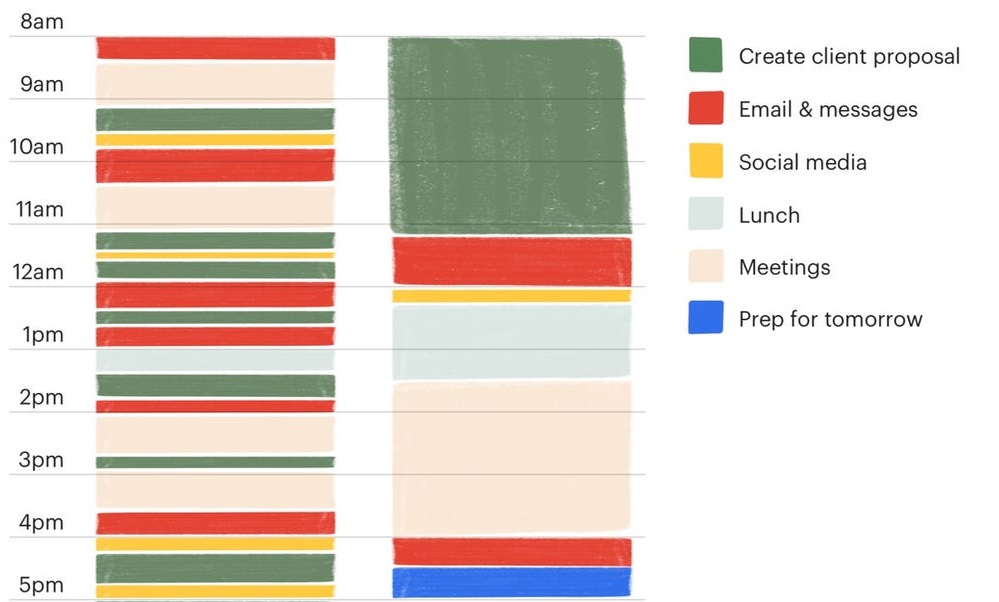
    What It Is: Time blocking involves scheduling dedicated chunks of time for specific tasks or categories of work. Instead of multitasking, you focus intensely on one task during a set period.

    Pros:

    • Reduces context switching, leading to more focus.
    • Helps prevent burnout by scheduling breaks and work boundaries.
    • Gives a clear overview of how your day will unfold.

    Cons:

    • Requires discipline and sticking to the schedule.
    • Unexpected events may force you to rearrange blocks

    How to Implement: Use a digital calendar or a planner to block out chunks of time for key project activities—e.g., team meetings, deep work sessions, and communication with stakeholders.

    2. Prioritization (Eisenhower Matrix)

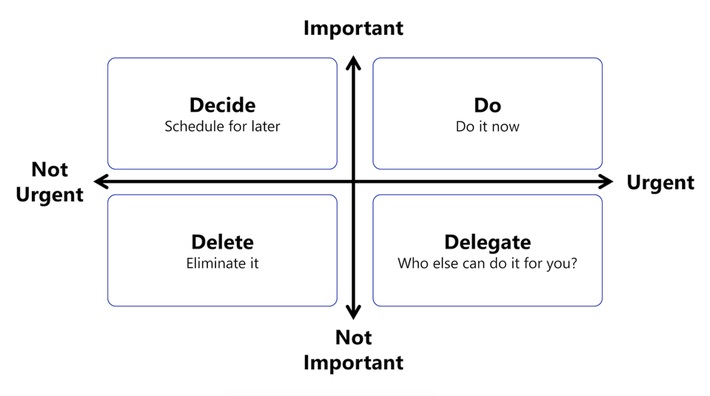
    What It Is: Prioritization frameworks like the Eisenhower Matrix allow you to categorize tasks into four quadrants based on urgency and importance:

    • Urgent and Important (Do first)
    • Important, Not Urgent (Schedule)
    • Urgent, Not Important (Delegate)
    • Not Urgent, Not Important (Eliminate)

    Pros:

    • Ensures you focus on high-impact tasks.
    • Helps you delegate less important tasks.
    • Encourages eliminating unnecessary work.

    Cons:

    • Takes time to categorize tasks correctly.
    • May overlook tasks that could evolve into high-priority issues.

    How to Implement: Review your to-do list daily and categorize each task based on urgency and importance. Focus on high-priority tasks early in the day.

    3. Pomodoro Technique

    What It Is: A time-management method where you work in 25-minute intervals (Pomodoros) with 5-minute breaks in between. After four sessions, take a longer break.

    Pros:

    • Encourages focused work while preventing burnout.
    • Forces regular short breaks to refresh your mind.
    • Can make overwhelming tasks seem more manageable.

    Cons:

    • Not ideal for tasks requiring deep, prolonged concentration.
    • Interruptions can break the flow, making it hard to resume the Pomodoro session.

    How to Implement: Use a timer to break work into Pomodoros. Adjust the work intervals if necessary (e.g., 25 minutes of work followed by a 5-minute break).

    4. The Two-Minute Rule

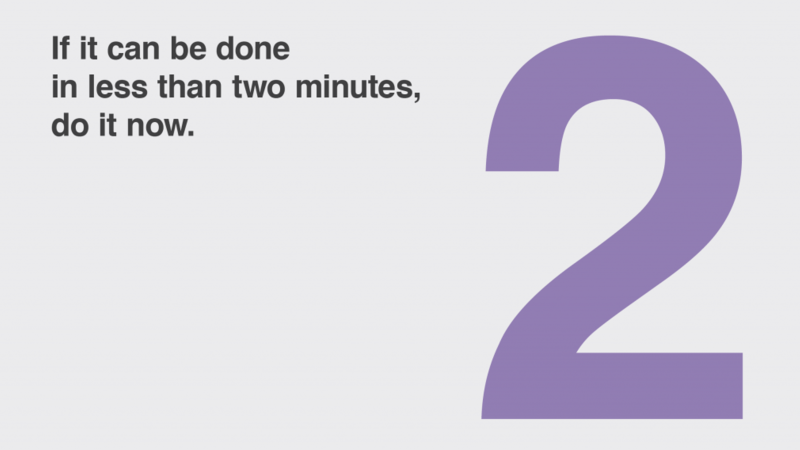
    What It Is: If a task takes less than two minutes, do it immediately. This method is part of the Getting Things Done (GTD) system and helps prevent small tasks from accumulating.

    Pros:

    • Quickly clears low-effort tasks off your list.
    • Keeps your task list leaner and more focused.

    Cons:

    • Overusing this method can distract from larger, more important tasks.
    • Not suitable for complex tasks or deep work sessions.

    How to Implement: Regularly review your task list and immediately handle any tasks that take less than two minutes. For larger tasks, schedule time to complete them.

    5. Batching Tasks

    What It Is: Batching involves grouping similar tasks (like replying to emails, updating project statuses, or doing administrative work) into one block of time, reducing task-switching fatigue.

    Pros:

    • Increases efficiency by handling repetitive tasks together.
    • Minimizes distractions from switching between different types of work.

    Cons:

    • Some tasks may not fit neatly into a batch.
    • Requires careful scheduling to avoid task pile-ups.

    How to Implement: Identify recurring tasks that can be batched and schedule them into specific time blocks (e.g., answering emails twice a day instead of checking constantly).

    Pros and Cons of These Methods:

    Pros:

    • Greater productivity and focus by minimizing multitasking.
    • More structured workdays with dedicated time for priority tasks.
    • Less mental fatigue by grouping similar tasks or using time-based intervals like Pomodoros.

    Cons:

    • These methods require discipline and consistency to maintain.
    • Unexpected events can disrupt carefully planned schedules.
    • Some methods, like time blocking or task batching, can feel restrictive if not implemented flexibly.
    Implementation Plan:

    Step 1: Choose Your Core Method
    Start by picking one method that resonates with your work style. For example, if you struggle with multitasking, begin with time blocking. If decision-making is the challenge, start with prioritization using the Eisenhower Matrix.

    Step 2: Set Up Your Tools
    Utilize digital calendars, task management apps, or even simple spreadsheets to organize your time and tasks. Tools like Asana, Trello, or Google Calendar can make time blocking, task batching, and prioritization easier to manage.

    Step 3: Begin Small, Then Scale
    Start by implementing your chosen technique for just one or two days a week. Once you get comfortable, scale it to more days and integrate additional methods like Pomodoros or task batching.

    Step 4: Review and Adjust
    At the end of each week, review your time management strategy. What worked? What didn’t? Adjust your approach to suit your work style, priorities, and project demands.

    Scaling Time Management for Maximum Efficiency

    Mastering time management takes practice, but the rewards are clear. By implementing a mix of strategies like time blocking, prioritization, and batching, you can significantly enhance your productivity while maintaining a healthy work-life balance. Start small, be consistent, and scale your approach as your comfort grows — soon, you’ll find that you’re getting more done in less time, with less stress.

  • Mastering Business Casual and Smart Casual: The Ultimate Guide to Effortless Style for Any Occasion

    Mastering Business Casual and Smart Casual: The Ultimate Guide to Effortless Style for Any Occasion

    The term “business casual” has seen an evolution over time, often leaving people uncertain about its precise definition. While some workplaces are clear on what it entails, others have left it open to interpretation, causing confusion between business, business casual, and smart casual. In this guide, we’ll break down these dress codes and help you master both the classic business casual and smart casual looks, providing tips on how to tailor them to your workplace and personal taste.

    Understanding the Difference: Business vs. Business Casual

    The business look is the traditional style of professional attire that usually involves a full suit, tie, dress shoes, and a polished, formal appearance. It’s still prevalent in conservative industries such as finance, law, and certain corporate environments.

    On the other hand, business casual originated as a way to balance professionalism with comfort. It traditionally included a full suit or suit separates, a well-tailored shirt, and leather shoes (usually black Oxfords), but notably without a tie. The idea was to create a relaxed yet professional appearance. Over time, however, business casual has become more flexible and laid-back.

    The Evolution of Business Casual

    Today’s business casual has shifted to include more leisure-inspired pieces, while still maintaining a polished look. You’ll find workers pairing suits with loafers or even chinos with blazers, and dress codes that are less rigid about sticking to classic suit fabrics. This evolution is often due to the rise of creative and tech industries, where individuality and comfort are prioritized over strict formality.

    Smart Casual: The More Relaxed Alternative

    Often confused with business casual, smart casual takes the comfort factor a step further, blending casual wear with upscale elements. While you’ll still look put together, this style allows for more flexibility with items like chinos, jeans, pullover sweaters, and leather sneakers. Smart casual is great for settings that aren’t too formal but still require some effort, such as dinner parties, date nights, or laid-back office environments.

    How to Master Business Casual
    1. Suit Separates
      Opt for a well-fitted blazer and trousers in complementary colors. Pair this with a crisp dress shirt and leather loafers. You can choose to tuck the shirt in for a polished look or keep it untucked for a more relaxed appearance.
      When to wear it: Perfect for client meetings, presentations, or semi-formal events where professionalism is key without the full formal attire.
    2. Blazer and Chinos
      Swap the trousers for tailored chinos in neutral tones like navy or beige, and combine them with a structured blazer. Add a pair of brown brogues or loafers and a belt for a coordinated look.
      When to wear it: Great for casual Fridays, networking events, or even a lunch meeting where you want to appear polished but comfortable.
    3. Polo Shirt and Suit Trousers
      A polo shirt in a high-quality fabric (like wool or cotton blend) paired with suit trousers offers a fresh take on business casual. This keeps things sharp without being overly formal.
      When to wear it: Ideal for casual office days or even a business-casual dinner.
    How to Master Smart Casual

    1. Button-Down Shirt with Chinos
    A lightweight button-down shirt paired with chinos strikes the perfect balance between smart and casual. You can tuck the shirt in for a sharper look or keep it untucked for more ease. Finish it off with leather sneakers or desert boots.
    When to wear it: This outfit works well for Sunday brunch, a casual date night, or even meeting friends after work.

    2. Pullover Sweater and Jeans
    Layer a well-fitted pullover sweater over a casual button-down shirt, and pair it with dark wash jeans. Add Chelsea boots or clean sneakers to keep it on the smarter side.
    When to wear it: Great for meeting the parents, a casual day at the office, or running errands while still looking put together.

    3. Blazer and Jeans
    A structured blazer with dark denim jeans offers a perfect mix of smart and casual. You can pair this look with a turtleneck or crew-neck T-shirt underneath, depending on the season. Add loafers, Chelsea boots, or even stylish leather sneakers.
    When to wear it: This outfit is excellent for date nights, casual weddings, or even after-work drinks.

    Choosing the Right Style for Your Work Setting

    When deciding between business casual and smart casual, the key is to consider your workplace culture and your personal taste. If you work in a more traditional or corporate environment, lean more toward business casual with suit separates and leather shoes. For industries that allow more creativity, such as tech or design, smart casual may be more appropriate, giving you the flexibility to express your personal style while remaining polished.

    Ultimately, it’s about finding a balance between what makes you feel comfortable and what fits the occasion. Having a few versatile outfits for both business casual and smart casual will allow you to easily transition between formal and more relaxed settings.

    Bringing It All Together

    Mastering the classic business casual look is all about understanding its roots and knowing how it has evolved. While business casual leans more on formal pieces like suits and separates, smart casual lets you play around with comfort-driven items like chinos and pullovers. By curating the right wardrobe and understanding the nuances of each style, you can confidently approach any situation—whether it’s a high-stakes meeting or a weekend brunch—with effortless style.

  • Minimalism for Families: Teaching Kids the Value of Simplicity

    Minimalism for Families: Teaching Kids the Value of Simplicity

    In today’s fast-paced, consumer-driven world, raising children with an understanding of minimalism is more important than ever. Teaching kids the value of simplicity not only shapes their relationship with material possessions but also impacts how they perceive time, relationships, and life experiences. Minimalism is not about living with less for the sake of it—it’s about creating space for what truly matters. This mindset can lead to a happier, more connected family life, where people, memories, and meaningful activities are prioritized over material goods. In this essay, we will explore why and how to instill these values in children and discuss how simplicity can enrich family life.

    Why Teach Simplicity?
    1. Instilling Gratitude and Contentment
      Children, when exposed to the principles of minimalism, learn to appreciate the things they have rather than constantly yearning for more. When kids grow up in a culture of consumerism, they can easily fall into the trap of associating happiness with owning the latest toy or gadget. Minimalism, however, teaches them that happiness comes from within—through relationships, experiences, and meaningful engagement with the world around them. This approach fosters gratitude, helping them find contentment in simple joys and experiences.
    2. Building Emotional Resilience
      Teaching children the value of simplicity helps them build resilience. When they understand that their worth is not tied to what they own, they become less vulnerable to peer pressure and societal expectations. This mindset equips them to handle life’s inevitable ups and downs, knowing that their happiness is not dependent on external factors like material possessions.
    3. Teaching the Value of Time
      Minimalism introduces the concept that the things we buy are directly linked to the time spent earning money for them. For example, if a parent works for an hour to buy a toy, that toy represents the time they spent away from their family. Helping children make this connection between material items and time can encourage them to rethink their desires and consider whether certain items are truly worth the time they cost. This concept can empower them to make mindful choices as they grow older.
    How to Teach Kids the Value of Simplicity
    1. Model Minimalist Behavior
      Children learn by watching their parents, so it’s important to model the behavior you want to teach. If you prioritize experiences, relationships, and simple joys over material things, your children will begin to internalize these values. Demonstrate intentional decision-making when it comes to purchasing items or deciding how to spend your time.
    2. Limit Toys and Encourage Creativity
      Fewer toys do not mean less fun. In fact, limiting toys often sparks creativity and encourages kids to use their imaginations more. A child with fewer toys is more likely to invent games, build forts, and interact with their environment in creative ways. Additionally, teaching kids to rotate toys—putting some away and taking them out later—helps them appreciate and engage with each toy more meaningfully.
    3. Encourage Time Outdoors and Non-Material Activities
      One of the most effective ways to teach simplicity is by encouraging time spent outdoors or engaging in non-material activities. Hiking, picnics, gardening, or even just playing in the backyard fosters a connection with nature and the world around them. These activities require little to no money and remind children that fulfillment doesn’t come from possessions but from experiences and human connection.
    4. Teach Financial Literacy Early
      Help kids understand the cost of things not just in terms of money but in terms of time. A great way to do this is to involve them in simple household budgeting. Show them how saving money for a meaningful family vacation might require sacrificing smaller purchases. Explain that every time we buy something, we’re making a trade-off, and it’s important to choose wisely.
    5. Promote Decluttering and Mindful Giving
      Periodically involve kids in decluttering their spaces. Let them decide which toys or clothes they no longer use and encourage them to donate those items to others in need. This teaches them to value what they have and helps them develop a habit of mindful giving, showing that the world is bigger than their immediate desires.
    Time and Possessions: The Modern-Day Trade-Off

    In the modern world, it is easy to overlook the relationship between time and the things we own. We often think of purchases solely in monetary terms, forgetting that money is something we earn by trading our time and energy. When teaching children about simplicity, it’s important to make this connection clear. Every new gadget, toy, or piece of clothing comes at the cost of time — time that could have been spent doing something else.

    This realization can encourage kids to evaluate their desires more critically. Do they really want that new toy if it means less time spent on a family vacation? Would they rather have multiple cheap toys that break easily, or save up for one well-made toy that will last? By understanding this trade-off, children learn to prioritize what’s truly important, choosing experiences and connections over accumulating more things.

    The Positive Impact of Simplicity on Family Life

    Simplicity can enhance family life in profound ways. When families embrace minimalism, they create space—both physical and emotional—for what matters most. Without the constant need to buy and maintain things, families can focus on spending time together, building memories, and deepening their relationships. Prioritizing shared experiences, like family meals, game nights, or outdoor adventures, over the accumulation of material goods fosters stronger bonds.

    Moreover, living simply can reduce stress. When families have fewer possessions, there is less clutter, fewer things to manage, and more time to focus on meaningful activities. Parents feel less pressure to “keep up with the Joneses” or provide the latest and greatest for their kids, and children grow up learning that happiness and fulfillment come from connection, not consumption.

    By teaching kids the value of simplicity, we help them develop into adults who prioritize people, memories, and experiences over material things. In a world that often equates success with how much one owns, raising children with a minimalist mindset can set them up for a life of contentment, gratitude, and deep connections.

    In the end, simplicity enriches family life by allowing us to focus on what truly matters — our time together, the memories we create, and the love we share.