Author: Sebastian Strobl

  • Quick and Effective Workouts for Busy Professionals: Maximize Your Time

    Quick and Effective Workouts for Busy Professionals: Maximize Your Time

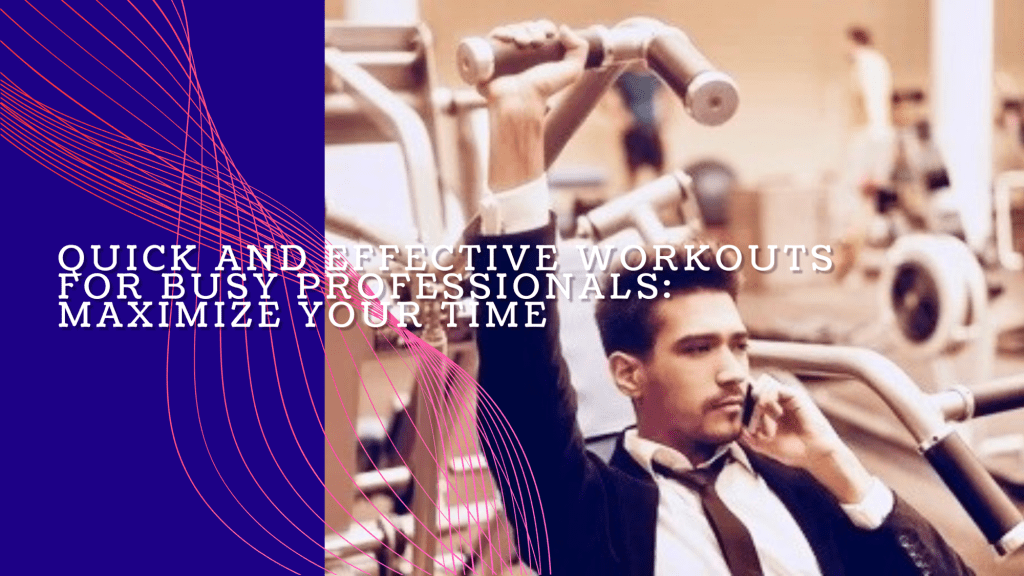
    For busy professionals, squeezing in a workout can often feel like a luxury. However, with the right approach, you can turn a brief workout session into a powerful tool for enhancing both your career and personal life. Imagine this: a high-powered executive who juggles board meetings, client calls, and family time. What if just 20 minutes of strength training could transform his energy levels, improve focus, and even strengthen family bonds?

    Intensity Approaches for Optimal Results

    Approach 1: High Load, Low Reps This strategy focuses on heavy weights and fewer reps, ideal for building raw strength and power. Think of it as the professional’s “secret weapon” for conquering the most demanding projects with a clear, focused mind.

    Approach 2: Lower Load, Higher Reps With moderate weights and higher reps, this method enhances muscle endurance and growth. It’s akin to maintaining the stamina needed for those long, unpredictable days in the office while staying sharp and efficient.

    Sample Workouts

    Workout 1: High Load, Low Reps

    • Squats: 3 sets x 3 reps
    • Bench Press: 3 sets x 5 reps

    Imagine this: You’re finishing your last set of squats, feeling the rush of adrenaline and focus. You walk back to your desk, feeling stronger and more capable. The result? Enhanced performance at work and a renewed sense of confidence that extends beyond the gym.

    Workout 2: High Load, Low Reps

    • Deadlifts: 5 sets x 2 reps
    • Overhead Press: 3 sets x 6 reps

    Picture this: As you power through your deadlifts, you’re not just lifting weights; you’re lifting the burden of stress off your shoulders. By the end of your workout, you’re not only physically stronger but mentally sharper, ready to tackle complex problems and lead your team with renewed vigor.

    Workout 3: Lower Load, Higher Reps

    • Front Squats: 6 sets x 8 reps
    • Weighted Dips: 6 sets x 6 reps

    Think of this: You complete your front squats and weighted dips with a sense of accomplishment. The endorphins kick in, and you’re now equipped to handle the daily grind with a more resilient mindset, making your professional life smoother and your evenings with family more enjoyable.

    Workout 4: Lower Load, Higher Reps

    • Romanian Deadlift: 4 sets x 12 reps
    • (Weighted Pullup): 6 sets x 8 reps

    Envision this: Your Romanian deadlifts and Pullups are not just exercises; they’re moments of mental clarity and strength building. You leave the gym feeling not just physically but emotionally revitalized, ready to be present and engaged at home.

    Training Frequency and Progression

    To maximize your results and integrate fitness seamlessly into your life:

    • Train 2 to 3 Times a Week: Rotate through the different workouts to ensure balanced muscle development and prevent overtraining. You’ll find that this consistency makes you more resilient and effective both at work and in your personal life.
    • Progressive Overload: Each time you return to a workout, challenge yourself to lift heavier or push harder. This continual progression not only enhances physical strength but also builds mental resilience, helping you tackle daily challenges with confidence.
    • Track Your Progress: Keeping a workout journal to monitor weights, sets, and reps allows you to see tangible progress. This sense of achievement can translate into greater satisfaction in your professional and personal life.
    The Broader Benefits

    Physical Health: Regular strength training boosts cardiovascular health, improves metabolic function, and supports better posture. For busy professionals, this means fewer sick days and increased overall vitality.

    Mental Health: Engaging in strength training releases endorphins, which can reduce stress, anxiety, and depression. This mental clarity and reduced stress can make you more effective at work and more patient and present with your family.

    Family Life: By investing in your health, you set an example for your family and ensure you have the energy and mental clarity to enjoy quality time with them. Imagine returning home from a workout not feeling drained but invigorated and ready to engage in meaningful activities with loved ones.

    Conclusion

    For the busy professional, a well-designed workout can be a game-changer. By focusing on high-impact compound exercises and utilizing strategic intensity approaches, you can enhance both your work performance and personal life. With just 20 minutes of efficient strength training a few times a week, you’ll not only see physical transformations but also experience improved mental clarity and resilience. So, take the plunge and make these quick, effective workouts a part of your routine. The benefits will ripple through your career, health, and family life, making every minute count.

  • 10 Daily Habits of Highly Effective Project Managers: Building Strength, Focus, and Leadership

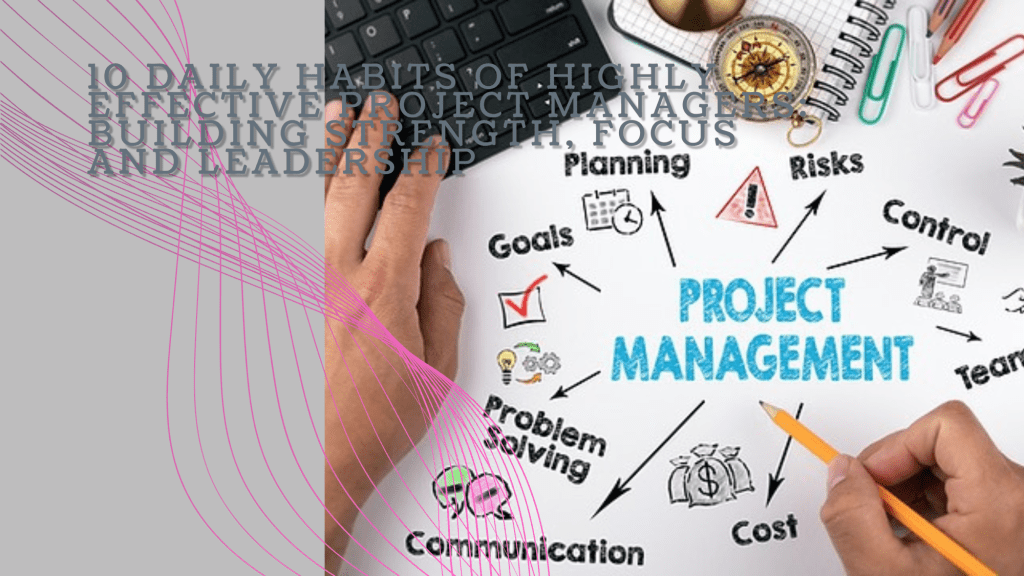
    10 Daily Habits of Highly Effective Project Managers: Building Strength, Focus, and Leadership

    Imagine this: it’s 5:30 AM, and Mark, a seasoned project manager, is already awake, gearing up for another intense day. His mornings start in the gym—lifting weights, pushing his body to its limits. Mark knows that the mental strength required to manage complex projects starts with physical discipline. Every rep he completes sharpens his focus for the day ahead. But there’s more to Mark’s success than his early morning workout routine. Over time, he’s developed a set of habits that boost his productivity and strengthen his leadership skills.

    Years ago, Sarah, another project manager, found herself constantly overwhelmed. Her days felt like a never-ending scramble, filled with back-to-back meetings and unplanned crises. But like Mark, she discovered the power of daily habits, ones that help her stay organized, calm, and in control. Today, Sarah manages projects with precision, delivering results with confidence. Let’s explore the 10 habits that have helped both Mark and Sarah thrive in their roles.

    1. Start with Physical Strength Training

    Mark’s day begins with physical training. Every morning, he heads to the gym for strength training. This ritual not only keeps him physically fit but also clears his mind. Lifting weights and pushing his body forces him to focus, which translates into sharper decision-making and stress management at work. He knows that a strong body builds a strong mind.

    Sarah, on the other hand, might not lift weights, but she starts her day with yoga and meditation. This calm, mindful practice helps her center herself before diving into the whirlwind of project management. The mental clarity it provides allows her to tackle the day’s challenges with grace and focus. Whether through strength training or yoga, both Mark and Sarah find that starting the day with physical exercise sharpens their mental resilience.

    2. Plan the Night Before

    Sarah’s evenings are just as intentional as her mornings. Before she wraps up her workday, she sets aside time to review her to-do list and plan for tomorrow. By the time she finishes, her mind is clear, and she knows exactly what to tackle first thing in the morning. This habit gives her peace of mind and prevents the morning scramble.

    Similarly, Mark has a habit of laying out his next day’s game plan the night before. He prioritizes key tasks and prepares his workspace, making sure nothing catches him off guard. When he wakes up, he feels in control, knowing that the day’s agenda is set. For both Mark and Sarah, this nightly routine keeps them organized and ready to hit the ground running each day.

    3. Embrace the Two-Minute Rule

    Mark lives by the Two-Minute Rule. If a task can be completed in less than two minutes—whether it’s responding to a quick email or approving a document—he handles it immediately. This habit stops minor tasks from piling up, keeping his workload light and manageable.

    Sarah, too, knows the value of handling quick tasks on the spot. Early in her career, she often felt bogged down by small, unfinished tasks that interrupted her flow. Now, by quickly addressing these minor issues as they arise, she frees up her time and energy for more important, strategic work. Both Mark and Sarah understand that small actions taken immediately prevent future distractions.

    4. Prioritize Deep Work

    Sarah carves out time every day for what she calls her “deep work” sessions. During these hours, she immerses herself in complex tasks that require her full attention—whether it’s strategic planning, reviewing critical reports, or brainstorming solutions. She blocks out distractions, turns off notifications, and focuses entirely on the work that truly matters.

    Mark follows the same principle. His deep work sessions are his most productive times of the day, allowing him to dive into key aspects of his projects without interruptions. He knows that staying in the zone during these moments leads to real progress. For both of them, deep work is where they solve the toughest problems and make the biggest strides.

    5. Leverage the Power of Delegation

    Early in her career, Sarah tried to do everything herself, thinking that being a strong leader meant handling every detail. But as she grew into her role, she learned that effective leadership is about empowering others. Now, she trusts her team to take ownership of their tasks, giving her more time to focus on the bigger picture.

    Mark had a similar realization. Once a hands-on manager who couldn’t let go of control, he now excels at delegating to his team. By trusting them with important responsibilities, he not only lightens his load but also helps his team grow and develop. Both Mark and Sarah have learned that great leaders don’t do it all—they build teams that can.

    6. Communicate with Purpose

    Mark understands the power of clear communication. He’s direct and concise, ensuring that every meeting and conversation serves a purpose. By communicating efficiently, he keeps his team aligned and on track, minimizing misunderstandings and ensuring everyone knows what’s expected.

    Sarah takes a similar approach. Instead of getting bogged down in long, unproductive meetings, she keeps her communication focused and intentional. Whether she’s sending a quick update or leading a strategy session, Sarah makes sure that her words are clear and impactful. Both Mark and Sarah know that effective communication is the key to keeping projects moving smoothly.

    7. Set Aside Time for Reflection

    At the end of each day, Sarah takes a few moments to reflect on her successes and challenges. She asks herself what went well, what could have been done better, and what she learned. This daily reflection helps her continuously improve, making subtle adjustments to her leadership style and project management techniques.

    Mark is no different. He’s made it a habit to end each day by reflecting on his performance. Whether it’s during his drive home or while unwinding after dinner, he considers what worked, where he faced difficulties, and how he can improve tomorrow. For both Sarah and Mark, these moments of reflection provide the self-awareness needed to grow as leaders.

    8. Adopt a Growth Mindset

    Sarah believes that challenges are opportunities to grow. Instead of fearing mistakes, she embraces them as part of the learning process. She’s constantly seeking out new knowledge, attending workshops, reading books, and staying curious. This growth mindset allows her to adapt quickly and stay ahead in a fast-changing environment.

    Mark shares this philosophy. He’s not afraid to push boundaries, experiment with new project management techniques, or ask for feedback. Like Sarah, he understands that continuous learning is the key to staying effective. Both of them know that a growth mindset is essential for long-term success in project management.

    9. Master Time Blocking

    Mark is disciplined about time blocking. He breaks his day into focused chunks—one for meetings, another for deep work, and yet another for handling administrative tasks. This structured approach helps him maximize productivity and prevent his day from being consumed by distractions.

    Sarah also uses time blocking to stay organized. She schedules specific time slots for focused work, meetings, and even personal breaks. By assigning each task its own dedicated block of time, she keeps her day structured and efficient. For both Mark and Sarah, time blocking ensures that their most important work gets the attention it deserves.

    10. End the Day with Gratitude

    At the end of the day, Sarah takes a moment to celebrate her wins. Whether it’s completing a project milestone or simply navigating a challenging conversation, she ends her day by recognizing the progress she and her team have made. This habit keeps her motivated and reminds her of the positive impact she’s having.

    Mark also ends his day on a note of gratitude. He reflects on what went well and appreciates the efforts of his team. Gratitude, he’s found, helps him stay grounded and focused on the bigger picture. Both Mark and Sarah believe that ending the day with appreciation fuels the energy and optimism needed for success.

    Conclusion: A Blueprint for Success

    Mark and Sarah have different approaches, but their success comes from the same core principle: consistent daily habits. These small but powerful routines shape their leadership, boost their productivity, and help them manage projects with confidence and clarity. From physical training to daily reflection, their habits create a strong foundation for growth.

    By adopting these habits, you too can elevate your project management skills and lead with purpose. Success doesn’t happen overnight—it’s built one habit at a time. Like Mark and Sarah, you can create the systems that allow you to thrive, delivering exceptional results in every project you lead.

  • Timeless Style Icons: Lessons from the Best-Dressed Men in History

    Timeless Style Icons: Lessons from the Best-Dressed Men in History

    When it comes to men’s fashion, certain figures stand out for their impeccable taste and enduring style. These men have transcended trends, becoming symbols of classic elegance that remains relevant today. In this article, we’ll explore ten style icons whose sartorial choices have left an indelible mark on the world of fashion. By examining their unique approaches to style, you can learn valuable lessons to help curate a minimalist, timeless capsule wardrobe.

    1. Cary Grant: The Epitome of Elegance

    Cary Grant is often hailed as the quintessential gentleman of Hollywood’s Golden Age. Known for his sharp suits, crisp white shirts, and perfectly knotted ties, Grant mastered the art of understated elegance. His style was about fit and simplicity, often favoring neutral colors like navy, grey, and black.

    Style Lesson: Invest in well-tailored suits and timeless accessories like pocket squares and classic leather shoes. Prioritize quality over quantity and choose pieces that can transition effortlessly from day to night.

    2. Steve McQueen: The King of Cool

    Steve McQueen’s style was a seamless blend of rugged masculinity and effortless cool. Whether in a simple white t-shirt and jeans or a tailored three-piece suit, McQueen exuded confidence. His love for practical, functional clothing—like his iconic Barbour jacket or Persol sunglasses—has influenced casual menswear for decades.

    Style Lesson: Embrace the essentials. A well-fitted pair of jeans, a quality leather jacket, and a versatile pair of sunglasses can elevate your casual wardrobe. Opt for pieces that are both stylish and functional.

    3. Alain Delon: The French Heartthrob

    Alain Delon, with his striking looks and effortless style, became a symbol of French chic in the 1960s. Known for his slim-cut suits, turtlenecks, and trench coats, Delon’s style was all about sleek, refined silhouettes. His outfits were minimalistic but carried a strong impact due to their perfect fit and subtle details.

    Style Lesson: Focus on slim, tailored cuts and neutral tones. A well-fitted trench coat or a sleek turtleneck can add a touch of sophistication to your wardrobe. Remember, less is often more.

    4. David Beckham: Modern Style Icon

    David Beckham has evolved from a football superstar into a global fashion icon. His style is a mix of classic British tailoring and modern trends, often seen in sharp suits, fitted shirts, and perfectly groomed hairstyles. Beckham’s ability to effortlessly transition between formal and casual wear makes him a versatile style icon.

    Style Lesson: Mix modern with classic. Don’t be afraid to blend contemporary pieces with traditional menswear staples. Pay attention to grooming, as it’s a crucial part of Beckham’s polished look.

    5. James Dean: The Rebel with a Cause

    James Dean became an icon of youthful rebellion in the 1950s, with his signature style defined by leather jackets, white t-shirts, and denim. His look was casual but carried an edge, representing a break from the more formal styles of previous generations.

    Style Lesson: Embrace casual classics like the white t-shirt and leather jacket. These pieces are timeless and can be dressed up or down depending on the occasion. Don’t be afraid to inject a bit of personality into your look.

    6. 6. Daniel Craig: The Modern Bond

    Daniel Craig redefined James Bond with a grittier, more realistic portrayal, and his wardrobe followed suit. Known for his tailored suits, Craig’s style as Bond is sleek, modern, and slightly rugged. Off-screen, his personal style echoes this blend of sophistication and edge, with a fondness for well-fitted leather jackets, sharp suits, and simple, classic pieces.

    Style Lesson: Tailoring is everything. Whether it’s a tuxedo or a casual outfit, make sure your clothes fit impeccably. Incorporate classic, versatile pieces like a navy suit, leather jacket, and white dress shirt into your wardrobe for a look that is both timeless and contemporary.

    7. Gianni Agnelli: The Italian Industrialist

    Gianni Agnelli, the head of Fiat, was a master of sprezzatura—the art of looking effortlessly stylish. Known for his unique twists on classic menswear, such as wearing his watch over his shirt cuff or leaving his tie slightly askew, Agnelli’s style was all about personal flair within a classic framework.

    Style Lesson: Add a personal touch to your classic pieces. Whether it’s the way you wear your watch or how you tie your scarf, small quirks can make your style uniquely yours while maintaining a timeless foundation.

    8. Fred Astaire: The Dance of Elegance

    Fred Astaire was not only a legendary dancer but also a sartorial powerhouse. His style was a blend of old-school elegance and comfort, often seen in his tailored suits, top hats, and two-tone shoes. Even in casual wear, Astaire exuded an air of refinement, making him an enduring style icon.

    Style Lesson: Embrace classic elegance. A well-tailored suit, attention to detail, and the right accessories (like a pocket square or a quality hat) can elevate any look. Confidence in your clothing is key to pulling off any style.

    9. Tom Ford: The Modern Maestro

    Tom Ford, known for revitalizing the Gucci brand, is a modern icon of tailored elegance. His personal style is characterized by sharp suits, crisp white shirts, and a preference for monochromatic looks. Ford’s attention to detail and commitment to fit make his style timeless yet distinctly modern.

    Style Lesson: Precision in tailoring is everything. Whether it’s a suit or a simple shirt, make sure your clothes fit perfectly. A minimalist color palette can help create a cohesive, sophisticated look.

    10. Ralph Lauren: The American Classic

    Ralph Lauren has built an empire on the idea of the American dream, with his personal style reflecting a mix of preppy and rugged aesthetics. From polo shirts to tweed jackets, Lauren’s look is a celebration of classic American style with a touch of luxury.

    Style Lesson: Embrace the classics with a twist. Incorporate preppy elements like polo shirts, blazers, and knitwear into your wardrobe, but don’t be afraid to mix them with more rugged pieces like denim or leather for a balanced look.

    Building Your Timeless Wardrobe

    By taking inspiration from these style icons, you can build a wardrobe that is not only timeless but also versatile. Focus on key pieces that are well-made, fit perfectly, and can be mixed and matched to suit any occasion. Remember, style is not just about what you wear but how you wear it—confidence and attention to detail are essential. Embrace the lessons from these icons, and your style will never go out of fashion.

  • Unlock Unwavering Strength: The Ultimate Blueprint for Busy Professionals

    Unlock Unwavering Strength: The Ultimate Blueprint for Busy Professionals

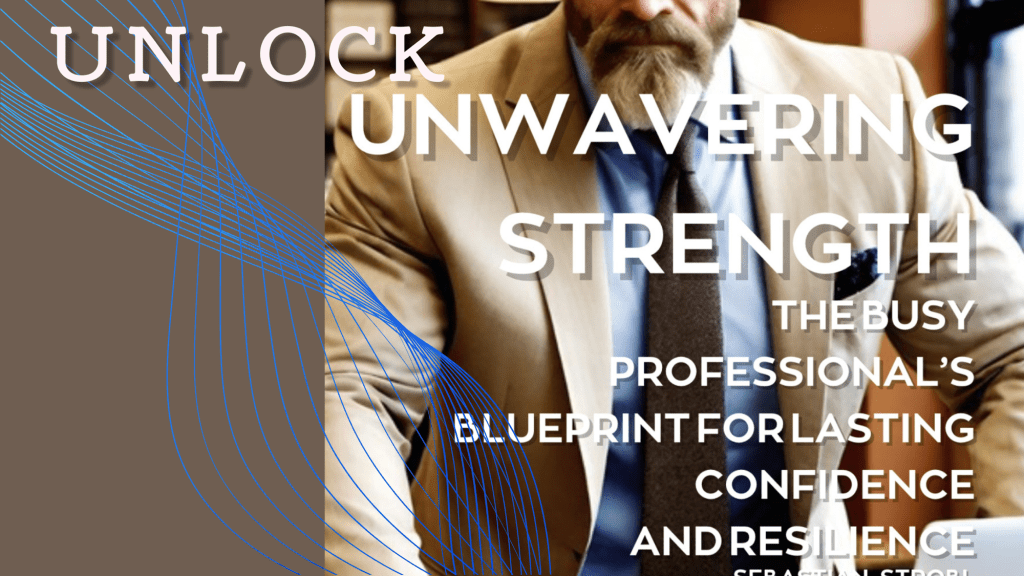
    Welcome to the unveiling of Unwavering Strength: The Busy Professional’s Blueprint for Lasting Confidence and Resilience—the book that’s about to transform your life from the inside out. If you’ve ever found yourself juggling the demands of a fast-paced career with the relentless pursuit of personal excellence, then this guide is your next must-read.

    Imagine this: It’s 6 AM, the alarm clock buzzes, and you’re already mentally running through the day’s to-do list. Meetings, deadlines, family obligations—where’s the time to take care of you? The truth is, you’ve got goals, aspirations, and a vision of your best self, but with so many responsibilities, it’s easy to feel like you’re constantly running on empty. That’s where Unwavering Strength comes in. This isn’t just another book on fitness and nutrition; it’s a meticulously crafted blueprint designed specifically for the busy professional who refuses to settle for mediocrity.

    Why This Book is Your Secret Weapon

    Unwavering Strength is more than just a collection of tips and tricks. It’s a holistic approach to building the kind of confidence and resilience that not only helps you survive but thrive in every area of your life. Here’s what you’ll discover inside:

    • A Strong Foundation: Ever wondered how to fuel your body for peak performance without spending hours meal prepping? Learn how to calculate your maintenance calories and macronutrients with precision, ensuring you have the energy to crush your day—whether that’s in the boardroom or the gym.
    • Supplement Savvy: The world of supplements can be overwhelming. Protein powders, creatine, vitamins—what really works? This book cuts through the noise, helping you prioritize what’s truly effective and avoid wasting money on overhyped products.
    • Building Your Routine: Say goodbye to restrictive diets that leave you feeling deprived. Discover how to craft a balanced, enjoyable diet that incorporates the foods you love, making sustainable changes that last a lifetime.
    • Commitment and Consistency: No more excuses. This book will teach you the undeniable power of hard work and dedication, and how these virtues are the bedrock of not just fitness, but every success in your life.
    • Visualizing Success: What does your best self look like? With guided visualization exercises, you’ll be able to see—and achieve—your ultimate goals, whether that’s a promotion at work, a milestone in your personal life, or your ideal physique.
    Sneak Peek: A Glimpse Into Your Future

    Here’s a small excerpt from one of the transformative chapters:

    “Consistency is the secret sauce that turns dreams into reality. It’s not about the grand gestures, but the small, daily actions that accumulate into something extraordinary. Imagine yourself a year from now—what do you see? A more confident, resilient you, standing tall not just because of the muscles you’ve built, but because of the discipline and perseverance that got you there. Every rep, every healthy meal, every moment you chose progress over complacency is a brick in the foundation of your Unwavering Strength.”

    The Time is Now

    The best time to take control of your life was yesterday, but the second best time is right now. Don’t let another day slip through your fingers without taking a step towards the resilient, confident, and empowered version of yourself that you’ve always envisioned. Unwavering Strength is your roadmap to that future, and the journey starts with your decision to act.

    Ready to start your transformation? Click here to grab your copy on Amazon: Unwavering Strength. Your future self will thank you.


    Thank you for joining me on this journey. Remember, the road to greatness is built on the small choices you make every day. Choose strength, choose resilience, and most importantly, choose you.

    Stay strong,
    Sebastian
    Author of Unwavering Strength

  • The Science Behind Productivity: How to Optimize Your Work Hours

    The Science Behind Productivity: How to Optimize Your Work Hours

    In today’s fast-paced world, productivity has become a buzzword that everyone chases. But what does it really mean to be productive, and how can we optimize our work hours to achieve it? The answer lies not just in working harder but in working smarter, guided by scientific research. By understanding the science behind productivity, we can implement strategies that make even the hardest tasks seem effortless.

    Understanding Productivity: More Than Just Getting Things Done

    Productivity is often equated with the sheer volume of tasks completed. However, research shows that true productivity is about achieving meaningful results with less effort. It’s the art of doing more with less—less time, less stress, and less energy. This can be achieved by leveraging our natural rhythms, cognitive abilities, and psychological tools.

    The Role of Circadian Rhythms in Productivity

    One of the most powerful determinants of productivity is our circadian rhythm, the body’s natural 24-hour cycle. This internal clock regulates when we feel alert and when we’re likely to feel tired. Studies have shown that most people experience peaks in cognitive function during certain times of the day. For instance, early morning and late afternoon are often cited as high-productivity periods, known as the “two peaks” in the day.

    How to Optimize:

    • Identify Your Peak Hours: Pay attention to when you feel most alert and schedule your most demanding tasks during these periods.
    • Power Down When Necessary: Use the afternoon slump, typically between 1 pm and 3 pm, for less demanding tasks like responding to emails or organizing your workspace.
    The Science of Breaks: Why You Shouldn’t Power Through

    Contrary to the “power through” mentality, research indicates that taking regular breaks is crucial for maintaining high productivity levels. The brain’s ability to maintain focus wanes over time, and pushing through can lead to diminishing returns. Techniques like the Pomodoro Technique, which advocates for 25 minutes of focused work followed by a 5-minute break, align with the way our brain functions.

    How to Optimize:

    • Incorporate Micro-Breaks: Implement short, frequent breaks throughout your workday to reset your focus.
    • Step Outside: Physical movement and a change of environment, even briefly, can rejuvenate your mind.
    The Power of Deep Work

    Deep work, a term popularized by author Cal Newport, refers to focused, uninterrupted periods of work on cognitively demanding tasks. Scientific studies have shown that the brain can only maintain this level of focus for about 90-120 minutes at a time before needing a break. Engaging in deep work maximizes your cognitive resources, allowing you to accomplish more in less time.

    How to Optimize:

    • Block Out Distractions: Use tools and strategies to minimize interruptions. This can include turning off notifications, using noise-cancelling headphones, or setting clear boundaries with colleagues.
    • Schedule Deep Work Sessions: Dedicate specific times of the day to deep work, ideally during your peak cognitive hours.
    The Role of Sleep in Productivity

    It might seem counterintuitive, but rest is a critical component of productivity. Sleep is when the brain consolidates memories, processes information, and resets for the next day. Numerous studies have demonstrated that lack of sleep leads to decreased cognitive performance, poor decision-making, and lower productivity.

    How to Optimize:

    • Prioritize Sleep: Ensure you get 7-9 hours of quality sleep per night. This isn’t just about quantity but also about creating an environment conducive to restful sleep.
    • Maintain a Consistent Sleep Schedule: Going to bed and waking up at the same time each day helps regulate your circadian rhythm, improving your alertness and productivity.
    The Psychology of Motivation: Staying Driven

    Motivation is a key driver of productivity, and understanding its psychological underpinnings can help maintain it throughout the day. The Self-Determination Theory (SDT) posits that motivation is highest when tasks are aligned with our intrinsic goals, provide a sense of competence, and allow for autonomy.

    How to Optimize:

    • Set Clear, Intrinsic Goals: Align your tasks with your long-term goals and values to keep yourself motivated.
    • Break Tasks into Manageable Steps: Smaller, more manageable steps reduce overwhelm and build momentum.
    • Reward Yourself: Positive reinforcement, like small rewards, can boost motivation and make difficult tasks seem easier.
    Actionable Steps to Skyrocket Your Productivity
    1. Track Your Peak Hours: Start by tracking your energy levels throughout the day for a week. Use this data to identify your peak productivity periods and plan your most important tasks during these times.
    2. Adopt the Pomodoro Technique: Begin implementing short, timed work sessions followed by breaks. This not only keeps your mind fresh but also combats procrastination.
    3. Schedule Deep Work Sessions: Dedicate 90-minute blocks to deep work, free from distractions. This will help you tackle the most challenging tasks efficiently.
    4. Prioritize Sleep: Make sleep a non-negotiable part of your productivity strategy. Set a regular sleep schedule, create a relaxing bedtime routine, and optimize your sleeping environment.
    5. Align Tasks with Goals: Reframe your tasks to align with your intrinsic goals. If a task seems mundane, find a way to connect it to a larger, meaningful objective.
    6. Take Strategic Breaks: Incorporate micro-breaks throughout your day. Use them to move, hydrate, or simply step outside for a breath of fresh air.
    7. Practice Gratitude and Positive Reinforcement: Celebrate small wins and progress. This helps maintain motivation and keeps you focused on long-term goals.

    By understanding and applying the science of productivity, you can make even the hardest tasks seem effortless. It’s not about working more hours but optimizing the hours you work. Implementing these scientifically-backed strategies can transform your workday, boost your productivity, and ultimately help you achieve more with less effort.