Author: Sebastian Strobl

  • 10 Proven Techniques to Boost Your Daily Productivity: A Guide for Project Managers

    10 Proven Techniques to Boost Your Daily Productivity: A Guide for Project Managers

    Project management is a demanding profession that requires juggling multiple tasks, deadlines, and team dynamics. With so many moving parts, maintaining high productivity levels can be challenging. However, by employing proven techniques, you can enhance your daily productivity and lead your projects to successful completion. Below are ten actionable strategies tailored to the day-to-day work of a project manager.

    1. Prioritize with the Eisenhower Matrix

    As a project manager, your to-do list can quickly become overwhelming. The Eisenhower Matrix helps you prioritize tasks by categorizing them into four quadrants:

    • Urgent and important: Tasks you must do immediately.
    • Important but not urgent: Tasks to schedule for later.
    • Urgent but not important: Tasks to delegate.
    • Neither urgent nor important: Tasks to eliminate.

    By focusing on what’s truly important, you can ensure that critical tasks receive your attention while less vital ones don’t consume your time.

    2. Embrace Time Blocking

    Time blocking involves scheduling specific blocks of time for different tasks or activities throughout your day. For project managers, this could mean allocating time for team meetings, project planning, stakeholder communication, and deep work sessions. By dedicating time to these activities, you minimize context-switching, which can drain your energy and reduce efficiency.

    3. Leverage Project Management Tools

    Modern project management tools like Asana, Trello, or Microsoft Project can be game-changers for productivity. These tools help you manage tasks, track progress, and collaborate with your team in real-time. They also offer features like Gantt charts, time tracking, and automated reminders, ensuring that nothing slips through the cracks.

    4. Implement the Two-Minute Rule

    The two-minute rule is simple: if a task can be completed in two minutes or less, do it immediately. For project managers, this might involve quick email responses, approving small requests, or updating a project status. By handling these quick tasks right away, you prevent them from piling up and cluttering your to-do list.

    5. Practice the Pomodoro Technique

    The Pomodoro Technique is a time management method where you work for 25 minutes and then take a five-minute break. After four “Pomodoros,” take a longer break of 15-30 minutes. This technique helps maintain focus and productivity while preventing burnout. For project managers, using this technique can be particularly useful during periods of intense focus, such as when creating project plans or conducting performance reviews.

    6. Delegate Effectively

    Effective delegation is key to a project manager’s productivity. Identify tasks that can be handled by your team members, and delegate accordingly. This not only frees up your time to focus on high-priority tasks but also empowers your team, fosters trust, and enhances their professional development. Use delegation tools within your project management software to track delegated tasks and ensure accountability.

    7. Conduct Regular Stand-Up Meetings

    Daily stand-up meetings, or “scrums,” are brief check-ins with your team that last no longer than 15 minutes. These meetings help ensure that everyone is on the same page, address any roadblocks, and keep the project moving forward. By keeping them short and focused, you maintain momentum without bogging down your day with lengthy discussions.

    8. Automate Routine Tasks

    Automation can significantly boost your productivity by handling repetitive tasks. As a project manager, you can automate reporting, reminders, or even communication updates using tools like Zapier or built-in automation features in your project management software. This reduces the manual workload, allowing you to focus on more strategic activities.

    9. Set Clear Goals and Milestones

    Setting clear, measurable goals and milestones is essential for maintaining productivity. Break down large projects into smaller tasks with specific deadlines. This not only makes the project more manageable but also provides a sense of progress and accomplishment as you complete each milestone. Clear goals also help you stay aligned with your overall project objectives and reduce the risk of scope creep.

    10. Reflect and Adjust

    At the end of each day or week, take time to reflect on what you accomplished, what challenges you faced, and how you can improve. This practice allows you to adjust your strategies, refine your approach, and continuously improve your productivity. Regular reflection also helps you stay aware of your workload and prevents burnout.

    Conclusion

    For project managers, balancing multiple responsibilities while maintaining high productivity is crucial. By implementing these ten proven techniques, you can streamline your workflow, enhance your efficiency, and ensure that your projects are delivered on time and within scope. Remember, productivity is not about doing more in less time—it’s about focusing on what truly matters and delivering value to your team and stakeholders.
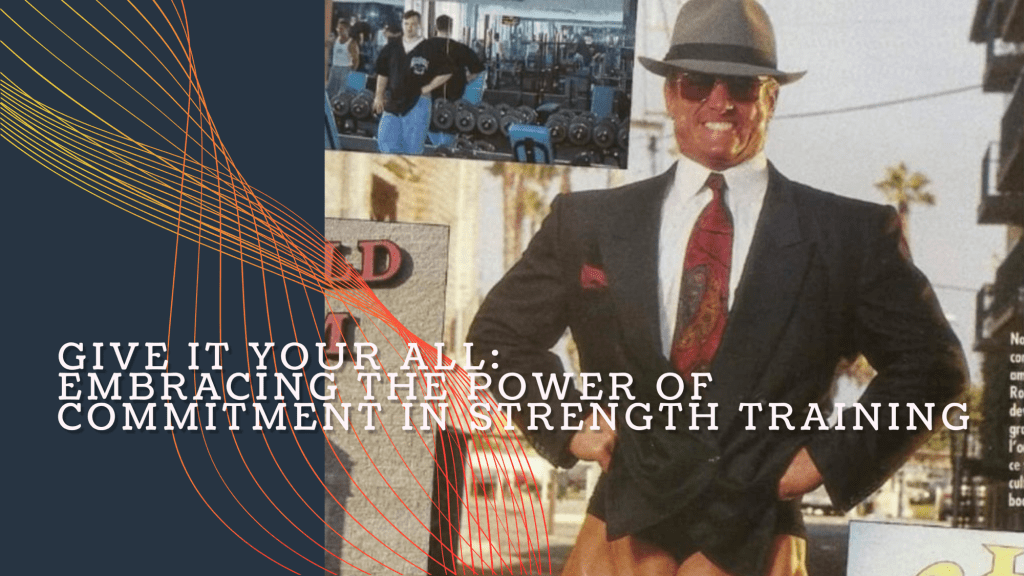

  • Give It Your All: Embracing the Power of Commitment in Strength Training

    Give It Your All: Embracing the Power of Commitment in Strength Training

    When it comes to strength training, there’s a powerful truth that stands above all others: progress demands effort. Achieving real, tangible results in the gym doesn’t come from half-hearted attempts or distracted workouts. It comes from a relentless commitment to each rep, each set, and each moment spent training. If you aspire to cultivate lasting strength and resilience, you must respect and intensify your time in the gym. You don’t need to live in the gym or let your training dominate your entire life. However, when you step into that sacred space, it’s imperative to give it your all.

    This article delves into the profound significance of full commitment during your workouts. It’s about mastering the art of balancing dedication with a healthy perspective on obsession. True progress is achieved not just by working hard but by maintaining a balanced and healthy approach to life outside of training. Let’s explore how committing fully to each session propels you toward your goals and why your “all” might look different from day to day.

    Dedication vs. Obsession: Finding Your Balance

    In the quest for strength and fitness, it’s easy to confuse dedication with obsession. Many people mistakenly believe that success requires sacrificing everything for their training—spending endless hours at the gym, fixating on every detail of their diet, and allowing fitness to consume their thoughts and energy. While this level of commitment can be admirable, it often leads to burnout, frustration, and injury.

    Dedication is about striking a balance between intensity and rationality. It means showing up for your workouts with a clear purpose, giving 100% effort, and then transitioning back to the other important aspects of your life. Dedication is about making strength training a crucial part of your routine without allowing it to overshadow other areas of your life. It’s about being fully present during your training sessions and then allowing yourself to move on, confident that you’ve given your best effort.

    On the other hand, obsession can be detrimental. It manifests when training dominates every aspect of your life. It’s the feeling of guilt for missing a workout or the tendency to let the pursuit of physical progress eclipse your relationships, career, and mental well-being. Obsession often results in overtraining, injuries, and an unhealthy relationship with fitness.

    The essence of success lies in finding the balance between dedication and obsession. Your strength training should challenge and push your limits, but it must also harmonize with your broader life. The gym should be where you test your limits, not where you live. When you’re in the gym, be completely in the gym. When you’re outside of it, let go and focus on enriching the other aspects of your life.

    Giving Your Best Effort—Even When “Best” Looks Different Each Day

    A common misconception about strength training is the belief that every workout must be perfect. You might think that progress only happens when you hit personal records (PRs), lift more weight than ever before, or leave the gym exhausted and drenched in sweat. However, not every workout will be a grand triumph, and that’s perfectly okay.

    Life is a series of fluctuating challenges and stressors that impact your energy levels and motivation. Some days, you’ll feel invincible, ready to crush your workout and achieve new milestones. On other days, simply showing up and putting in the effort might be the best you can do. The key is to give your best effort for that day, whatever that may look like.

    Some days, your best might mean setting a new PR and pushing your limits. On other days, it might mean training at a lower intensity, going through the motions, and listening to your body’s signals. Both types of days are crucial for long-term progress. Each session contributes to the bigger picture of your strength journey, regardless of how intense or modest it may be.

    Training Around Obstacles: Navigating Injuries, Fatigue, and Life’s Curveballs

    Strength training is a marathon, not a sprint. Over the months and years, you will inevitably face obstacles—whether it’s a nagging joint issue, tendon soreness, or sheer fatigue. Training around these hurdles is an integral part of the process.

    Injuries are an unfortunate reality in any training regimen. They don’t signify failure but rather an opportunity to adapt and modify your approach. Focus on exercises that do not exacerbate your injury and consider consulting with a professional to ensure you’re not compromising your recovery.

    Fatigue can also impact your performance. On days when you’re physically drained, it’s important to listen to your body. Modify your workout to reduce intensity or volume, and prioritize recovery techniques like proper nutrition and sleep.

    Life’s curveballs—such as work stress, family responsibilities, or other unexpected events—can also influence your training. Embrace the reality that you won’t always be able to give your absolute best due to these external factors. Adapt your training to fit within the constraints of your life, knowing that consistent effort over time will yield results.

    The Bottom Line: Embrace the Journey

    In the realm of strength training, giving your all doesn’t mean perfection. It means embracing each workout with a wholehearted commitment, understanding that some days will be more challenging than others. It’s about respecting the process, balancing dedication with life’s demands, and recognizing that every effort contributes to your overall progress.

    Remember, the gym is a space where you strive for greatness, but it shouldn’t consume your entire existence. Balance is key. Embrace the highs and lows, and stay committed to your journey. Your unwavering dedication, even in the face of obstacles, will be the driving force behind your lasting strength and resilience.

  • The Art of Suiting: Choosing the Perfect Suit for Any Occasion

    The Art of Suiting: Choosing the Perfect Suit for Any Occasion

    When it comes to suiting, the choices you make go far beyond simply picking a jacket and trousers. Your suit speaks volumes about your personality, attention to detail, and understanding of style. The right suit can transform your appearance, boosting your confidence and making a lasting impression, whether you’re in a business meeting, attending a wedding, or enjoying a casual gathering. But how do you choose the perfect suit for every occasion? Let’s dive into some basic rules and guidelines that will help you navigate the world of suiting with ease and sophistication.

    Basic Rules & Guidelines for Picking the Right Suit

    Understand the Occasion: The first step in choosing the right suit is understanding the event you’re dressing for. Is it a formal black-tie event, a business meeting, or a casual outing? The level of formality dictates not only the suit type but also the fabric, color, and accessories.

    Choose the Right Fit: No matter how expensive or stylish a suit is, it won’t look good if it doesn’t fit properly. Ensure that the shoulders of the jacket align with your own, the trousers break just above your shoes, and the suit contours your body without being too tight or too loose. A well-fitted suit enhances your physique and gives you a polished appearance.

    Opt for Timeless Colors: For most occasions, you can’t go wrong with classic colors like navy, charcoal, and black. These colors are versatile and suitable for almost any event. For less formal occasions, you can experiment with lighter shades like grey or beige.

    Pay Attention to Fabric: The fabric of your suit should align with the season and the occasion. Wool is a great all-rounder, offering durability and comfort. For summer events, consider lightweight fabrics like linen or cotton. Velvet and tweed can add texture and warmth for winter occasions.

    Consider the Details: The little things matter. Lapels, buttons, pockets, and the type of stitching can all affect the suit’s overall look. Peak lapels, for instance, are more formal, while notched lapels are versatile and classic. Pay attention to these details to ensure your suit fits the occasion.

    Accessorize Thoughtfully: Accessories can elevate your suit to another level. Ties, pocket squares, cufflinks, and watches should complement your suit without overpowering it. For formal events, keep accessories sleek and understated. For more casual settings, you can introduce a bit of flair with bolder patterns or colors.

    Shoes Matter: The right pair of shoes can make or break your outfit. For formal occasions, polished oxfords or derbies in black or brown are ideal. Loafers can be a good choice for business casual or smart casual events. Ensure your shoes are well-maintained, as scuffed or worn shoes can detract from even the best suit.

    Weaving in the Occasions

    Now that we have a solid understanding of the basic rules, let’s explore how to apply them across different occasions through storytelling and practical advice.

    Formal Occasions: The Classic Black-Tie Event

    Imagine you’ve just received an invitation to a black-tie gala. The dress code is strict, and first impressions are crucial. This is the time to reach for a tuxedo, preferably in classic black or midnight blue. Your jacket should feature satin or grosgrain lapels, paired with matching trousers that have a satin stripe down the side. A crisp white dress shirt with a pleated front, a black bow tie, and polished patent leather shoes complete the look. This ensemble exudes sophistication and commands attention, ensuring you’ll fit in perfectly with the evening’s elegant atmosphere.

    Semi-Formal Occasions: The Daytime Wedding

    Daytime weddings offer a bit more flexibility, but they still require a level of formality. A three-piece suit in a light grey or pastel blue is an excellent choice for a summer wedding. The waistcoat adds a layer of formality while still being appropriate for a daytime event. Pair this with a white or light blue shirt, a tie that complements the suit, and brown leather shoes. This outfit strikes the perfect balance between formal and approachable, allowing you to celebrate the occasion with style and grace.

    Business Formal: The Important Client Meeting

    In the corporate world, your appearance can be a silent signal of your professionalism. For an important client meeting, a dark grey or navy two-piece suit is your go-to. These colors project authority and reliability. Pair the suit with a crisp white or light blue shirt and a conservative tie—perhaps in a solid color or subtle pattern. Black oxford shoes should be polished to perfection. As you walk into the room, your attire communicates that you are serious, competent, and ready to deliver results.

    Business Casual: The Office Wear

    On days when the dress code is relaxed but you still want to maintain a professional appearance, an unstructured blazer paired with chinos strikes the right chord. Opt for a navy or light grey blazer with khaki or olive chinos. Skip the tie and choose a casual button-down shirt instead. Loafers or brogues in brown leather keep the look polished but comfortable. This ensemble is perfect for a day at the office when you need to balance professionalism with comfort.

    Casual Occasions: The Weekend Garden Party

    Casual social gatherings, such as a garden party, allow for more relaxed attire. A linen suit in beige or soft blue keeps you cool and stylish in the summer heat. Pair it with a light shirt—consider a pastel or subtle print—and loafers or espadrilles. This outfit is laid-back yet refined, perfect for mingling outdoors while looking effortlessly stylish.

    Bringing It All Together: The Continuous Journey

    Building a wardrobe that covers all these occasions is not a task to be completed overnight. It’s a journey, one that evolves as your personal style and lifestyle change. Start with the basics: a well-fitted dark suit for formal and business occasions, and a versatile blazer for semi-formal and casual events. Over time, add pieces that reflect your personality and cater to specific needs, such as a tuxedo for black-tie events or a linen suit for summer weddings.

    Remember, suiting is not just about looking good—it’s about feeling good too. When you dress well, you carry yourself differently, with more confidence and poise. Each suit you add to your wardrobe should be a reflection of your commitment to presenting the best version of yourself, whether you’re closing a business deal, celebrating a milestone, or simply enjoying a casual outing.

    Conclusion: The Art of Suiting

    The art of suiting lies in the details—the fabric, the fit, the color, and the accessories. By understanding the principles of suiting and applying them to various occasions, you can build a wardrobe that is both functional and stylish. Your suit is more than just clothing; it’s an extension of your identity, a statement of your values, and a key to unlocking opportunities. So, whether you’re donning a tuxedo for a black-tie event or a blazer for a casual outing, wear it with confidence, knowing that you’re dressed for success.

  • How to Declutter Your Home: A Step-by-Step Minimalist Approach

    How to Declutter Your Home: A Step-by-Step Minimalist Approach

    In a world overflowing with material possessions and distractions, the concept of minimalism offers a refreshing path to clarity and simplicity. Decluttering your home not only creates a more organized and aesthetically pleasing environment but also fosters mental tranquility and efficiency. This essay explores the minimalist approach to home decluttering and provides an actionable guide to begin the process effectively.

    Understanding Minimalism

    Minimalism is more than just a design style; it is a lifestyle choice that emphasizes simplicity and intentional living. By focusing on what truly matters and letting go of excess, minimalism seeks to reduce clutter, both physical and mental. The core principle is to curate one’s possessions thoughtfully, allowing only those items that bring joy or serve a purpose to remain.

    The Benefits of Decluttering

    Decluttering your home can have profound benefits. Physically, it creates more space and reduces the time spent searching for misplaced items. Mentally, it reduces stress and enhances focus, as a clean environment fosters a sense of calm and control. Emotionally, it can lead to a deeper appreciation of the things you choose to keep and a more meaningful connection to your living space.

    A Step-by-Step Minimalist Approach

    1. Assess and Plan:

    Begin by evaluating the current state of your home. Identify areas that are particularly cluttered or disorganized. Set clear, achievable goals for what you want to accomplish and create a plan outlining which areas to tackle first. Breaking the task into smaller, manageable sections can prevent feelings of overwhelm.

    2. Start Small:

    The key to successful decluttering is starting small. Begin with a single drawer, closet, or room. This incremental approach helps build momentum and establishes a habit of decluttering regularly. As you progress, the process will become more intuitive and less daunting.

    3. Sort and Categorize:

    Use the “four-box method”: label four boxes as “Keep,” “Donate,” “Sell,” and “Discard.” As you go through your items, place each one into the appropriate box. Be honest with yourself about whether each item is truly necessary or brings you joy. This step is crucial in distinguishing between sentimental value and practical use.

    4. Implement the “One In, One Out” Rule:

    To maintain a clutter-free environment, adopt the “One In, One Out” rule. For every new item you bring into your home, ensure that an old one is removed. This habit helps prevent the accumulation of unnecessary possessions and maintains the balance you’ve worked hard to achieve.

    5. Organize What Remains:

    Once you’ve decluttered, focus on organizing the items you’ve decided to keep. Use storage solutions that maximize space and ensure everything has a designated place. Clear labeling and systematic arrangement can make finding and accessing items easier and more efficient.

    6. Regular Maintenance:

       Decluttering is not a one-time task but an ongoing process. Set aside time periodically to reassess your possessions and make adjustments as needed. Regular maintenance helps to prevent clutter from accumulating again and ensures that your home remains an organized sanctuary.

    Actionable Guide to Get Started
    1. Create a Decluttering Schedule:
      Start with a calendar and schedule dedicated decluttering sessions. Allocate specific times each week to focus on different areas of your home. Stick to these appointments as you would any other commitment.
    2. Begin with a Single Drawer:
      Pick a single drawer or small space to begin your decluttering journey. Empty the drawer, sort through the contents using the four-box method, and organize the remaining items. This initial step will provide a quick sense of accomplishment and motivate you to continue.
    3. Set a Time Limit:
      For each decluttering session, set a timer for 30 to 60 minutes. Working within a set timeframe prevents fatigue and keeps you focused. Short, concentrated efforts are often more productive than extended, less focused sessions.
    4. Build the Habit Gradually:
      As you become more comfortable with decluttering, gradually increase the scope of your projects. Move from smaller areas to larger spaces, and eventually tackle entire rooms or closets. This gradual scaling up ensures that you develop sustainable habits without becoming overwhelmed.
    5. Celebrate Your Progress:
      Recognize and celebrate your achievements along the way. Completing a decluttering session or organizing a specific area can be motivating and reinforces the positive changes you’re making.
    Conclusion

    Adopting a minimalist approach to decluttering can transform your home into a more serene and functional space. By starting small, implementing practical strategies, and gradually scaling up your efforts, you can cultivate habits that lead to lasting change. Embrace the process with patience and persistence, and you’ll find that a clutter-free home not only enhances your living environment but also enriches your overall well-being.

  • How to Invest in Quality over Quantity in Men’s Fashion

    How to Invest in Quality over Quantity in Men’s Fashion

    In today’s fast-paced world, the allure of constantly updating one’s wardrobe with the latest trends is stronger than ever. However, savvy dressers are increasingly recognizing the value of investing in quality pieces that stand the test of time. Prioritizing quality over quantity not only elevates your style but also contributes to a more sustainable and ethical fashion industry. This article delves into the concept of fast fashion, its disadvantages, the misconceptions surrounding well-known brand names, and the benefits of building a minimal, classical, and versatile capsule wardrobe with high-quality pieces from brands like Suitsupply and Pini Parma.

    Understanding Fast Fashion

    Fast fashion refers to a business model that mass-produces inexpensive clothing rapidly to keep up with the latest trends. Brands employing this model prioritize speed and low costs over quality and sustainability, enabling consumers to purchase trendy items at affordable prices.

    Characteristics of Fast Fashion
    • Rapid Production: New designs move quickly from the runway to stores, often within weeks.
    • Low Prices: Affordable pricing makes trendy clothing accessible to a wide audience.
    • Disposable Culture: Emphasis on short-term use, leading consumers to frequently update their wardrobes.
    • Trend-Driven: Focus on current trends rather than timeless styles.
    The Disadvantages of Fast Fashion
    The Disadvantages of Fast Fashion

    While fast fashion offers affordability and trendiness, it comes with significant drawbacks that affect not only consumers but also the environment and society at large.

    Environmental Impact
    • Resource Depletion: Massive water and energy consumption during production.
    • Pollution: Use of harmful chemicals and dyes contaminates water sources.
    • Waste Generation: High turnover rates lead to large amounts of textile waste in landfills.
    • Carbon Emissions: Transportation and production processes contribute significantly to greenhouse gas emissions.
    Ethical Concerns
    • Labor Exploitation: Poor working conditions and low wages in factories, often in developing countries.
    • Child Labor: Instances of underage workers being employed to cut costs.
    • Lack of Transparency: Difficulty in tracing supply chains and ensuring ethical practices.
    Quality Issues
    • Poor Durability: Low-quality materials and construction lead to garments that wear out quickly.
    • Fit and Comfort: Mass production often sacrifices proper fit and comfort.
    • Cost Inefficiency: Frequent replacements result in higher long-term costs compared to investing in quality pieces.
    The Misconception of Well-Known Brand Names

    It’s a common belief that renowned brands automatically guarantee superior quality. However, this is not always the case, as brand reputation doesn’t necessarily reflect the craftsmanship, materials, or ethical standards behind the products.

    Factors Affecting Quality
    • Manufacturing Location: Outsourcing production to countries with lax regulations can compromise quality and ethics.
    • Cost-Cutting Measures: Even luxury brands may use cheaper materials or processes to maximize profits.
    • Marketing Over Substance: Heavy investment in branding and advertising can overshadow product quality.
    • Inconsistent Standards: Variations in production batches and suppliers can lead to inconsistent quality.
    Being a Conscious Consumer
    • Research: Look into the brand’s production practices, material sourcing, and ethical standards.
    • Material Knowledge: Understand different fabrics and constructions to assess quality.
    • Reviews and Recommendations: Seek out customer feedback and expert opinions.
    • Price vs. Value: Evaluate whether the cost reflects genuine quality and durability.
    Exploring High-Quality Alternatives: Suitsupply and Pini Parma

    For those looking to invest in quality menswear, brands like Suitsupply and Pini Parma offer excellent options that combine superior craftsmanship, quality materials, and timeless style.

    Suitsupply
    • Quality Craftsmanship: Offers high-quality suits made with attention to detail and fine tailoring.
    • Premium Materials: Utilizes fabrics from renowned Italian mills, ensuring comfort and durability.
    • Affordability: Provides luxury-level quality at relatively accessible price points.
    • Versatile Styles: Features a range of classic and modern designs suitable for various occasions.
    • Transparency: Maintains transparent production practices and ethical standards.
    Pini Parma
    • Artisanal Excellence: Specializes in handcrafted garments with a focus on traditional Italian tailoring.
    • Exclusive Fabrics: Sources high-end materials that offer exceptional feel and longevity.
    • Timeless Elegance: Emphasizes classic styles that remain fashionable across seasons.
    • Customization: Offers made-to-measure services for perfect fit and personalization.
    • Sustainability: Commits to responsible production methods and sustainable practices.
    Building a Minimal, Classical, and Versatile Capsule Wardrobe

    A capsule wardrobe consists of a curated selection of essential, timeless pieces that can be mixed and matched to create various outfits. Investing in quality items for your capsule wardrobe ensures longevity, style, and versatility.

    Benefits of a Capsule Wardrobe
    • Simplifies Dressing: Reduces decision fatigue by having a cohesive selection of outfits.
    • Saves Money: Long-lasting pieces eliminate the need for frequent replacements.
    • Reduces Clutter: Minimizes wardrobe size, promoting organization and efficiency.
    • Enhances Personal Style: Focuses on pieces that reflect individual taste and suit various occasions.
    • Supports Sustainability: Decreases consumption and waste, contributing to environmental conservation.
    Essential Pieces to Include
    1. Classic Suit: A well-fitted suit in navy or charcoal grey for formal occasions.
    2. Tailored Blazer: Versatile for both formal and casual settings.
    3. Quality Dress Shirts: Neutral colors like white and light blue for maximum versatility.
    4. Dark Denim Jeans: Durable and adaptable for different looks.
    5. Chinos: Comfortable and stylish alternative to jeans.
    6. Cashmere Sweater: Adds sophistication and warmth.
    7. Leather Shoes: Oxfords or loafers in black or brown for various outfits.
    8. Outerwear: A classic trench coat or overcoat for style and functionality.
    9. Accessories: Quality belts, ties, and watches to complete ensembles.
    Tips for Building Your Capsule Wardrobe
    • Prioritize Fit: Ensure all pieces are tailored to your body for the best appearance.
    • Choose Neutral Colors: Allows for easy mixing and matching.
    • Focus on Quality Materials: Invest in fabrics that feel good and last long.
    • Consider Lifestyle Needs: Select items that suit your daily activities and professional requirements.
    • Update Mindfully: Introduce new pieces selectively to enhance and refresh your wardrobe.
    Conclusion

    Investing in quality over quantity in men’s fashion is a prudent choice that pays dividends in style, comfort, and sustainability. By understanding the pitfalls of fast fashion and the misconceptions surrounding brand names, you can make informed decisions that reflect your values and personal style. Brands like Suitsupply and Pini Parma offer excellent options for high-quality, timeless pieces that form the backbone of a versatile capsule wardrobe. Embracing this approach not only elevates your fashion game but also contributes positively to ethical and environmental standards in the industry. Make the smart choice today and build a wardrobe that stands the test of time.