Author: Sebastian Strobl

  • 10 Essential Clothing Pieces for a Southern European Summer: A Guide to Timeless Style

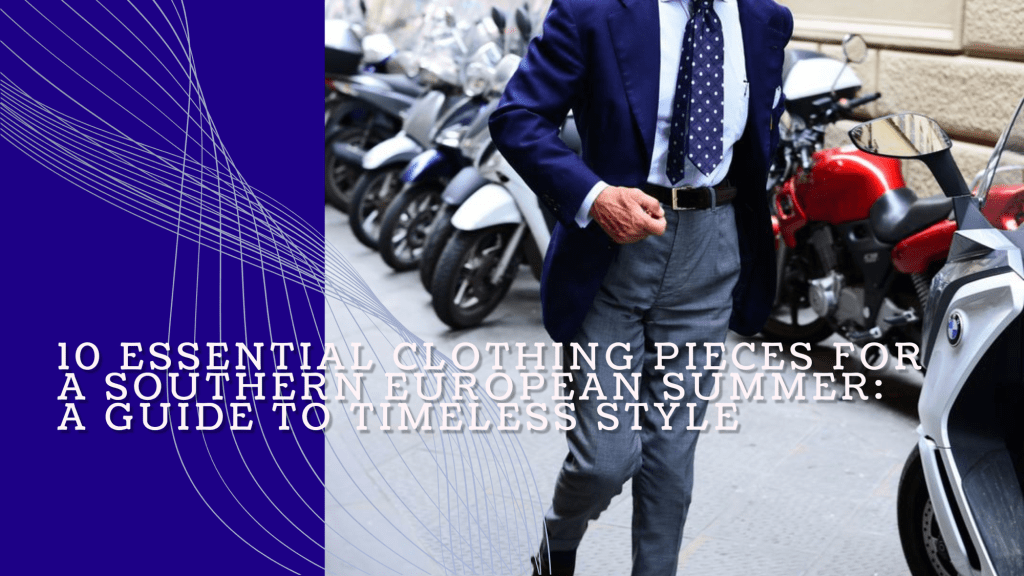
    10 Essential Clothing Pieces for a Southern European Summer: A Guide to Timeless Style

    Introduction

    The warm, sun-drenched days of a Southern European summer call for a wardrobe that balances style, comfort, and breathability. Whether you’re navigating the cobblestone streets of a historic town, dining al fresco, or attending a casual summer wedding, these essential clothing pieces will keep you looking sharp and feeling cool. This guide highlights ten must-have items, with a focus on fit, fabric, and where to find top-quality options. We’ll also provide activity-based outfit ideas to help you dress effortlessly for any occasion.

    1. The Lightweight Linen Suit

    Fit: A linen suit should be tailored but relaxed. The jacket should drape naturally over the shoulders, while the trousers should have a slight taper, offering comfort without compromising on style.

    Fabric: 100% linen is ideal for its breathability and lightweight nature, perfect for staying cool in the heat.

    Where to Buy: Boglioli and Barena Venezia offer high-quality, lightweight linen suits that capture the essence of Italian summer style.

    Activity & Outfit Idea: Perfect for a summer wedding or an elegant evening out by the sea. Pair the linen suit with a white dress shirt, leather loafers, and a Panama hat for a sophisticated, yet relaxed look.

    2. The White Dress Shirt

    Fit: Opt for a slim fit that flatters the body without being too tight. The shirt should tuck neatly into trousers without excess fabric bunching.

    Fabric: Lightweight cotton or a cotton-linen blend is ideal for breathability and comfort in warmer climates.

    Where to Buy: Borrelli Napoli and Camicissima are renowned for their high-quality dress shirts with impeccable tailoring.

    Activity & Outfit Idea: This versatile piece can be worn for almost any summer occasion, from formal events to casual dinners. Pair it with tailored chinos and loafers for a polished look, or wear it under your linen suit for more formal occasions.

    3. The Tailored Chinos

    Fit: Chinos should have a slim fit with a slight taper, sitting comfortably at the waist and just above the ankle for a modern silhouette.

    Fabric: Lightweight cotton or a cotton-linen blend provides breathability, making it ideal for warm weather.

    Where to Buy: Incotex and Mason’s offer well-crafted chinos that are perfect for summer.

    Activity & Outfit Idea: These are your go-to trousers for a day at the local market, a vineyard tour, or an afternoon of sightseeing. Pair them with a polo shirt or the white dress shirt and loafers for a sophisticated, casual look.

    4. The Polo Shirt

    Fit: A slim fit with slightly longer sleeves creates a more refined silhouette. The collar should lie flat, and the shirt should be long enough to tuck in or wear untucked, depending on the occasion.

    Fabric: Piqué cotton or a cotton-linen blend is preferred for its breathability and comfort.

    Where to Buy: Loro Piana and Sunspel offer luxurious polos that embody the relaxed elegance of summer.

    Activity & Outfit Idea: Ideal for a round of golf, a leisurely day at a summer festival, or a casual lunch. Pair with tailored chinos and leather driving shoes for a casual yet polished ensemble.

    5. The Lightweight Denim Shirt

    Fit: Opt for a slim or regular fit that allows for easy layering. The shirt should have a slightly relaxed cut for breathability and comfort in the heat.

    Fabric: Lightweight denim or chambray, which offers the texture of denim but with a softer, more breathable feel.

    Where to Buy: Brunello Cucinelli and Kiton offer high-quality denim shirts that are perfect for summer wear.

    Activity & Outfit Idea: The lightweight denim shirt is perfect for casual outings, such as exploring a coastal town or enjoying a relaxed evening meal. Pair it with chinos and leather driving shoes for a laid-back yet stylish look. It can also be layered over a polo shirt for added versatility.

    6. The Unstructured Blazer

    Fit: Choose an unstructured blazer with a relaxed fit and soft shoulders. This provides a comfortable, breathable option that still looks sharp.

    Fabric: Linen or a lightweight wool-silk-linen blend adds a touch of luxury while remaining cool enough for summer wear.

    Where to Buy: De Petrillo and L.B.M. 1911 specialize in unstructured blazers that are perfect for summer evenings.

    Activity & Outfit Idea: Ideal for an evening out, a casual business meeting, or a summer party. Pair it with chinos and a white dress shirt or polo, and finish with loafers for a look that is both stylish and comfortable.

    7. The Leather Loafers

    Fit: Loafers should fit snugly, with a comfortable grip on the foot. They should provide enough support for all-day wear while being easy to slip on and off.

    Material: Opt for full-grain leather, which will develop a rich patina over time, adding character to the shoes.

    Where to Buy: Santoni and Tod’s offer beautifully crafted loafers that combine Italian craftsmanship with timeless style.

    Activity & Outfit Idea: Loafers are versatile enough for almost any occasion, from a casual stroll through town to a more formal event. Pair with chinos or tailored shorts and a polo or dress shirt for a classic summer look.

    8. The Leather Driving Shoes

    Fit: Driving shoes should fit snugly, with a soft, flexible sole designed for comfort and ease of movement.

    Material: Suede or soft leather is ideal, providing a more casual, relaxed alternative to loafers.

    Where to Buy: Car Shoe and Tod’s are known for their high-quality driving shoes that blend comfort with style.

    Difference from Loafers: While loafers are more structured and suitable for both casual and semi-formal wear, driving shoes are softer and more relaxed, ideal for casual outings or when you’ll be on your feet all day. The rubber nubs on the sole of driving shoes offer better grip and flexibility, making them perfect for driving or leisurely walks.

    Activity & Outfit Idea: Perfect for driving along the coast, a casual day in the countryside, or a relaxed brunch. Pair them with tailored shorts and a polo for a laid-back, stylish look.

    9. The Panama Hat

    Fit: A Panama hat should sit comfortably on your head without being too tight. It should provide ample shade without being too wide-brimmed.

    Material: Made from straw or toquilla palm, these hats are lightweight and breathable, making them perfect for summer.

    Where to Buy: Borsalino and Panizza offer classic Panama hats with Italian craftsmanship.

    Activity & Outfit Idea: Ideal for any outdoor daytime activity, such as a vineyard tour or a leisurely walk along the promenade. Pair with your linen suit or chinos and a white dress shirt to add a touch of elegance while staying cool under the sun.

    10. The Casual Linen Trousers

    Fit: These should have a relaxed fit, sitting comfortably at the waist with a slight taper towards the ankle.

    Fabric: 100% linen or a linen-cotton blend is best for maximum breathability and comfort in the heat.

    Where to Buy: Aspesi and Barena Venezia offer well-crafted linen trousers that are perfect for summer.

    Activity & Outfit Idea: Ideal for a sunset dinner, a casual evening out, or a relaxed day exploring coastal towns. Pair with a polo shirt or white dress shirt and loafers or driving shoes for an effortlessly stylish look.

    Sample Outfit Ideas for Southern European Summer Activities
    1. Summer Wedding or Elegant Evening: Lightweight linen suit, white dress shirt, leather loafers, Panama hat.
    2. Casual Beachside Lunch: Lightweight denim shirt, casual linen trousers, leather driving shoes, Panama hat.
    3. Sightseeing or Market Day: Polo shirt, tailored chinos, loafers, Panama hat.
    4. Evening Aperitivo: Unstructured blazer, casual linen trousers, white dress shirt, leather loafers.
    What to Add Next to Your Capsule Wardrobe

    Once you’ve secured these ten summer essentials, consider expanding your wardrobe with the following:

    • Espadrilles: A classic Southern European footwear option perfect for casual summer outings.
    • Cotton Henley Shirt: A versatile piece that works well for cooler summer evenings.
    • Lightweight Bomber Jacket: A stylish outerwear option for unexpected breezy evenings.
    • Swim Trunks: A well-fitted pair in a classic color or pattern, perfect for beach days or poolside relaxation.
    • Sunglasses: Invest in a high-quality pair that not only protects your eyes but complements your face shape.
    Conclusion

    By focusing on lightweight, breathable fabrics and classic Southern European style, you can create a summer wardrobe that is both stylish and functional. These ten pieces will carry you through a variety of activities, from casual days on the coast to elegant summer evenings, ensuring you stay comfortable and chic under the Mediterranean sun.
  • The Beginner’s Guide to Embracing Minimalism in Everyday Life

    The Beginner’s Guide to Embracing Minimalism in Everyday Life

    Minimalism isn’t just about having fewer things; it’s a mindset that helps you focus on what truly matters by stripping away the excess. Embracing minimalism can lead to a more intentional, stress-free, and fulfilling life. Whether you’re tired of the clutter in your home, overwhelmed by the demands on your time, or just seeking a simpler way to live, this guide will help you take the first steps toward incorporating minimalism into your everyday life.

    What is Minimalism?

    At its core, minimalism is about intentionality—making conscious choices about what you allow into your life and letting go of anything that doesn’t serve your purpose or bring you joy. This can apply to physical possessions, your schedule, relationships, and even your thoughts. The goal is to create space for what’s truly important.

    Why Embrace Minimalism?
    • Less Stress: A cluttered environment often leads to a cluttered mind. By reducing physical and mental clutter, you can reduce stress and anxiety.
    • More Time: When you eliminate unnecessary tasks and distractions, you free up time for activities that truly matter to you.
    • Financial Freedom: Buying less means saving more, which can lead to greater financial stability.
    • Environmental Impact: Consuming less is better for the planet, as it reduces waste and the demand for resources.
    How to Begin Your Minimalist Journey
    1. Start with Your Why

    Before diving into decluttering, it’s essential to understand why you want to embrace minimalism. Are you seeking more peace, time, or financial freedom? Knowing your reasons will keep you motivated throughout the process.

    2. Declutter Your Physical Space

    The most visible aspect of minimalism is reducing physical clutter. Start small—perhaps with a single room or even a drawer. Assess each item and ask yourself:

    • Do I use this regularly?
    • Does this bring me joy?
    • Would I miss this if it were gone?

    If the answer is no, it’s time to let it go. Donate, sell, or recycle items that no longer serve a purpose in your life.

    3. Simplify Your Schedule

    Minimalism isn’t just about physical possessions; it’s also about how you spend your time. Evaluate your daily and weekly activities:

    • Are there commitments that drain your energy without adding value?
    • Can you say no to obligations that don’t align with your priorities?

    Simplify your schedule by focusing on what truly matters and letting go of the rest.

    4. Mind Your Digital Clutter

    In our digital age, it’s easy to accumulate digital clutter—think emails, apps, photos, and files. Regularly clean up your digital spaces by:

    • Unsubscribing from unnecessary email lists.
    • Deleting apps you no longer use.
    • Organizing files and photos into folders, and deleting duplicates or irrelevant items.
    5. Practice Mindful Consumption

    Minimalism also involves being mindful of what you bring into your life. Before making a purchase or committing to a new activity, ask yourself:

    • Do I really need this?
    • Does this align with my values and goals?

    This approach not only reduces future clutter but also helps you save money and time.

    6. Focus on Quality Over Quantity

    When you do choose to buy something, prioritize quality over quantity. Whether it’s clothing, furniture, or tools, investing in well-made items that last longer aligns with minimalist principles and reduces waste.

    7. Cultivate Contentment

    Minimalism is about appreciating what you have rather than always striving for more. Practice gratitude daily by reflecting on what you’re thankful for. This mindset shift helps you focus on the positive aspects of your life and reduces the desire for unnecessary acquisitions.

    8. Build Meaningful Relationships

    Minimalism also extends to your social life. Focus on deepening relationships with people who bring positivity and joy into your life, rather than maintaining a large number of superficial connections. Quality friendships and relationships contribute significantly to your well-being.

    Minimalism in Everyday Life: An Actionable Checklist

    To help you get started on your minimalist journey, here’s a simple checklist you can follow:

    1. Identify Your ‘Why’: Write down the reasons you want to embrace minimalism.
    2. Declutter One Space: Choose one area (e.g., a closet, desk, or drawer) to declutter this week.
    3. Simplify Your Schedule: Eliminate one non-essential commitment or task from your routine.
    4. Clean Up Your Digital Life: Unsubscribe from at least five email lists and delete unused apps.
    5. Mindful Purchase: Before buying anything new this week, ask yourself if it’s truly necessary.
    6. Focus on Gratitude: Write down three things you’re grateful for each day.
    7. Nurture Relationships: Reach out to a close friend or family member and plan quality time together.

    By following this guide and checklist, you’ll begin to experience the benefits of minimalism in your daily life. Over time, these small steps can lead to significant positive changes, allowing you to live more intentionally, with greater clarity and purpose.

  • The 10 Most Common Mistakes Men Make When Building a Capsule Wardrobe—and How to Do Better with Timeless Style

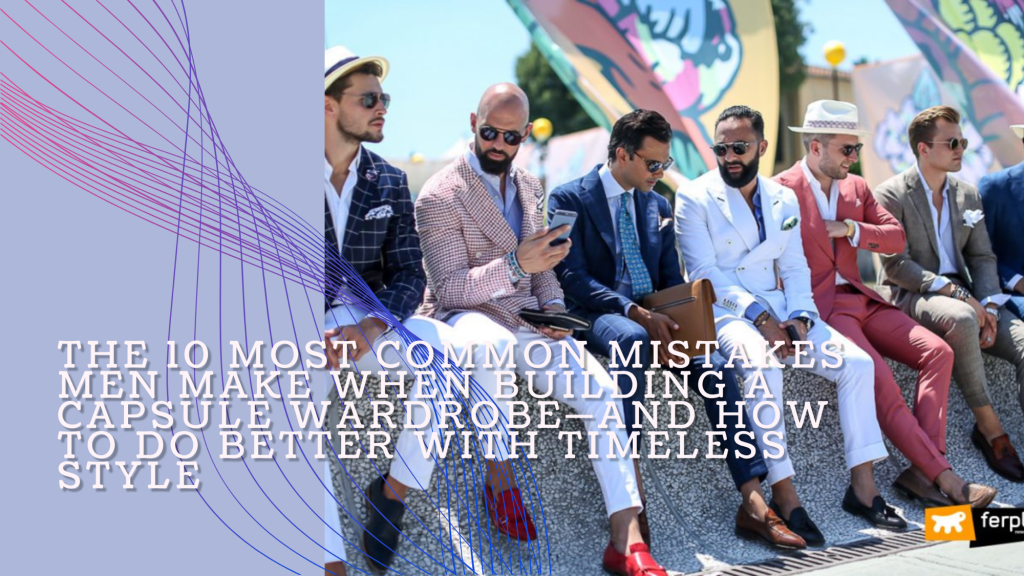
    The 10 Most Common Mistakes Men Make When Building a Capsule Wardrobe—and How to Do Better with Timeless Style

    Building a capsule wardrobe is a sophisticated approach to dressing that emphasizes quality, versatility, and timeless elegance. However, creating a wardrobe that truly stands the test of time requires careful thought and attention to detail. Many men fall into common traps that can detract from the effectiveness of their capsule wardrobe. In this essay, we’ll explore the ten most common mistakes men make when starting to build a capsule wardrobe and how to do better by embracing the principles of timeless style—where elegance meets practicality.

    1. Ignoring Personal Style

    The Mistake:
    One of the most significant mistakes is neglecting to consider personal style, leading to a wardrobe that feels disconnected from your true identity.

    How to Do Better:
    Timeless style is all about understated elegance and refined simplicity. Begin by understanding your own style preferences within this classic framework. Do you prefer a more structured, formal look, or do you lean towards relaxed sophistication? Identify the elements of timeless style that resonate with you, and let that guide your wardrobe choices. This will ensure that your capsule wardrobe feels authentic and personal.

    2. Focusing on Quantity Over Quality

    The Mistake:
    Accumulating too many items in an attempt to feel prepared, often at the expense of quality, is a common error.

    How to Do Better:
    In the tradition of timeless style, less is more—if it’s well made. Invest in a few high-quality pieces that are crafted with care and attention to detail. Think handmade leather shoes, finely tailored suits, and shirts made from the best fabrics. These pieces not only look better but also feel better and last longer. The philosophy of “effortless elegance” means that even a simple outfit can make a strong impression if each component is of the highest quality.

    3. Choosing the Wrong Fit

    The Mistake:
    Poorly fitting clothes can undermine even the most well-curated wardrobe. Many men end up with items that are either too tight or too loose, detracting from their overall appearance.

    How to Do Better:
    Fit is paramount in timeless style. Whether it’s a suit, a shirt, or trousers, every piece should fit as if it was made just for you. Embrace the tailored fit—structured yet comfortable, hugging the body in a way that flatters without constraining. If you can, work with a tailor to adjust off-the-rack pieces to your exact measurements. This ensures that your wardrobe exudes the elegance and confidence that timeless style is known for.

    4. Overlooking Versatility

    The Mistake:
    Choosing overly trendy or niche items limits your ability to create a variety of looks, leading to a wardrobe that feels restrictive.

    How to Do Better:
    Timeless style is synonymous with versatility. Opt for pieces that can be easily mixed and matched. A well-tailored tan or light brown suit, for instance, can be worn in countless combinations—paired with a crisp white shirt for business, or a fine cashmere sweater for a more casual setting. Choose neutral colors like navy, grey, and beige, which are the backbone of a versatile wardrobe, and ensure that each item can seamlessly transition from one outfit to another.

    5. Neglecting the Basics

    The Mistake:
    In the pursuit of style, it’s easy to overlook the importance of wardrobe basics, leaving gaps that make it difficult to assemble complete outfits.

    How to Do Better:
    Timeless style places a strong emphasis on the fundamentals. Start with a solid foundation of essentials: a white dress shirt, a navy blazer, well-tailored wool trousers, and a pair of classic leather loafers. These are the building blocks of any timeless wardrobe. They may seem simple, but in true classic fashion, the beauty lies in their simplicity and the way they effortlessly elevate your look.

    6. Ignoring Seasonal Needs

    The Mistake:
    Failing to account for seasonal variations can result in a wardrobe that is either too sparse or overcrowded with items that aren’t seasonally appropriate.

    How to Do Better:
    Timeless style adapts gracefully to the seasons. For spring and summer, incorporate lightweight fabrics such as linen and cotton in light, breathable colors like white, tan, and light blue. In autumn and winter, focus on heavier materials like wool, cashmere, and flannel in richer, deeper tones. This seasonal rotation keeps your wardrobe fresh and functional without the need for an excess of items.

    7. Skipping Footwear and Accessories

    The Mistake:
    Footwear and accessories are often an afterthought, yet they are crucial in achieving a polished and complete look.

    How to Do Better:
    In timeless style, shoes and accessories are just as important as the main pieces of clothing. Invest in a few pairs of high-quality shoes, such as leather loafers, derbies, and elegant oxfords. Accessories like a well-made leather belt, a classic watch, and a burgundy knit tie or pocket square can add a touch of flair to any outfit. These elements bring cohesion to your look and reflect the attention to detail that is the hallmark of timeless dressing.

    8. Getting Stuck in a Color Rut

    The Mistake:
    While it’s easy to stick to black, white, and grey, doing so can lead to a wardrobe that feels monotonous and lacks personality.

    How to Do Better:
    Timeless style is known for its tasteful use of color. While neutrals form the base of your wardrobe, don’t shy away from introducing subtle, sophisticated colors like deep burgundy, olive green, or warm camel. These hues can add depth and interest to your wardrobe without overpowering the classic elegance of timeless style. For example, a burgundy tie or a camel overcoat can make a simple outfit stand out.

    9. Not Considering Lifestyle

    The Mistake:
    Building a wardrobe that doesn’t align with your daily life can leave you with clothing that feels out of place or impractical.

    How to Do Better:
    Timeless style is as much about practicality as it is about elegance. Consider your daily activities and choose pieces that fit your lifestyle. If you work in a formal environment, prioritize suits and dress shirts. If your lifestyle is more casual, opt for smart-casual pieces like tailored chinos and unstructured blazers. Your wardrobe should be a reflection of your life — elegant, yet functional.

    10. Failing to Plan for Maintenance

    The Mistake:
    Overlooking the care and maintenance of your wardrobe can lead to a decline in the appearance and longevity of your clothing.

    How to Do Better:
    Timeless style is about enduring elegance, which requires proper care. Learn the correct way to maintain your clothes—whether it’s hand-washing delicate items, regularly polishing your shoes, or storing suits in breathable garment bags. Regular maintenance not only preserves the appearance of your wardrobe but also ensures that your investment in high-quality pieces pays off over time.

    Example of a 15-Piece Versatile Capsule Wardrobe Inspired by Timeless Style
    1. Tan or Light Brown Suit – The cornerstone of a versatile wardrobe, suitable for business, formal events, or even split into separates.
    2. Light Grey Suit – Another classic option that pairs well with almost any shirt or tie.
    3. White Dress Shirt – A timeless piece that works for any occasion.
    4. Light Blue Dress Shirt – Adds a touch of color while maintaining versatility.
    5. Grey Wool Trousers – Can be dressed up or down, ideal for various settings.
    6. Beige Chinos – Perfect for a smart-casual look, especially in warmer weather.
    7. Navy Blazer – An essential layering piece that can be worn with trousers or chinos.
    8. Camel Overcoat – A stylish outer layer that adds warmth and elegance during the colder months.
    9. Brown Leather Loafers – Versatile footwear that can be worn with both formal and casual outfits.
    10. Suede Chelsea Boots – A stylish and versatile choice that can be dressed up or down, perfect for adding a touch of sophistication to both formal and casual looks.
    11. Burgundy Knit Tie – Adds a pop of color and texture to your outfits.
    12. Navy Silk Tie – A simple, elegant accessory that pairs well with both suits.
    13. Burgundy Pocket Square – Adds a splash of color and personality to a suit.
    14. White Linen Shirt – Ideal for summer, offering a more relaxed, yet polished look.
    15. Cashmere Sweater (Neutral Color) – Provides warmth and can be layered under a blazer or over a shirt for a refined casual look.

    By embracing the principles of timeless style—focusing on quality, fit, and enduring elegance—you can build a capsule wardrobe that is both versatile and enduring. This approach ensures that every piece not only serves multiple purposes but also reflects a level of sophistication that never goes out of style.

  • Mastering the Art of a Project Kick-Off: Your Blueprint for Success

    Mastering the Art of a Project Kick-Off: Your Blueprint for Success

    A project kick-off meeting is like the launchpad of a rocket — everything needs to be perfectly aligned for a smooth takeoff. This pivotal moment sets the stage for the entire project, making it crucial to get it right from the start. Whether you’re launching a new product, implementing a software solution, or planning an event, a well-executed kick-off meeting can ignite momentum, foster collaboration, and lay down the foundation for success. Let’s dive into the steps for preparing and conducting an impactful kick-off meeting, explore the skills every project manager needs to shine, and consider how the meeting format — whether in-person, hybrid, or remote — can influence the outcome.

    1. Setting the Stage: How to Prepare Like a Pro
    Get to Know Your Project Inside Out

    Imagine trying to sell a product you barely know. Impossible, right? The same goes for your project. Before the kick-off meeting, immerse yourself in the project’s scope, objectives, deliverables, timeline, and stakeholders. Picture yourself as the project’s ambassador—your job is to articulate the vision so clearly that everyone in the room buys into it.

    Craft a Crystal-Clear Agenda

    A kick-off meeting without an agenda is like a road trip without a map—you might get somewhere, but it won’t be where you intended. Your agenda is your navigation tool. It should be straightforward, covering:

    • Welcome and introductions: Start on a warm note.
    • Project overview: Lay out the mission and the vision.
    • Roles and responsibilities: Who’s doing what?Timeline and milestones: When’s it all happening?
    • Communication plan: How will you stay in touch?
    • Risk management: What could go wrong, and how will you handle it?
    • Q&A session: Time to address any uncertainties.

    Share this agenda with all participants well in advance, so they come prepared.

    Engage Key Stakeholders Early

    Ever heard the saying, “An ounce of prevention is worth a pound of cure”? Engaging stakeholders before the kick-off can save you from potential roadblocks later on. Reach out to understand their expectations, concerns, and any key insights they might have. This will help you tailor the meeting to address their needs and ensure their buy-in from the get-go.

    Set Up for Success: Tools and Materials

    Depending on whether your meeting is in-person, hybrid, or remote, make sure you have all the necessary tools in place. For an in-person meeting, book a comfortable room, prepare any visuals, and ensure technical equipment is ready to go. For hybrid or remote meetings, ensure your video conferencing software is reliable, test the internet connection, and distribute all digital materials ahead of time.

    Communicate the Why

    Don’t just invite people — sell them on the importance of the kick-off. Explain why this meeting matters, what you hope to achieve, and why their participation is critical. This builds anticipation and ensures that everyone comes ready to contribute.

    2. Running the Show: Conducting a Kick-Off Meeting That Energizes Your Team
    Kick Off with Energy and Enthusiasm

    Start your meeting with a positive, welcoming introduction. If you can infuse some excitement, do it—your energy sets the tone for the rest of the session. Think of it like warming up before a big game; it gets everyone in the right mindset.

    Make the Project Overview Engaging

    Don’t just read off a slide—tell a story. Share the project’s background, its importance, and what success will look like. Use visuals, real-world examples, or analogies to make the information relatable and engaging.

    Clarify Roles with Precision

    Avoid the dreaded “it’s not my job” scenario by clearly defining roles and responsibilities. Go around the room (or the virtual room) and make sure everyone knows who’s responsible for what. This clarity helps prevent overlap and ensures that all tasks are covered.

    Timeline and Milestones: The Roadmap to Success

    Present the timeline in a way that’s easy to digest. Break it down into key milestones and emphasize any critical paths or dependencies. This not only helps the team understand the schedule but also underscores the importance of meeting deadlines.

    Nail Down the Communication Plan

    Communication can make or break a project. Explain how you’ll keep everyone in the loop — whether it’s through weekly check-ins, status reports, or a project management tool like Trello or Asana. The goal is to ensure that information flows smoothly and that everyone knows where to go for updates.

    Address Risks Head-On

    No project is without risks, but by addressing them upfront, you can prevent them from derailing your efforts. Encourage the team to voice any concerns and work together to brainstorm solutions. This proactive approach builds confidence and fosters a problem-solving mindset.

    Foster Engagement and Open Dialogue

    Throughout the meeting, encourage participation. Ask questions, invite feedback, and make sure everyone’s voice is heard. This not only builds engagement but also helps surface any issues that need to be addressed before they become bigger problems.

    Wrap Up with a Bang: Summary and Next Steps

    End your meeting with a clear summary of what was discussed and what comes next. Reinforce the key takeaways, and make sure everyone knows what their immediate tasks are. This ensures that the momentum from the meeting carries forward into action.

    3. The Project Manager’s Secret Sauce: Must-Have Skills for a Standout Kick-Off

    To deliver a kick-off meeting that’s both effective and inspiring, you’ll need to bring your A-game in several key areas:

    • Communication: The Glue That Holds It All Together
      Your ability to communicate clearly and persuasively is critical. You need to convey complex information in a way that’s easy to understand, while also inspiring and motivating your team.
    • Organization: Keeping It All Together
      A successful kick-off meeting is a well-organized one. From the agenda to the follow-up, your ability to keep everything on track is crucial. Good organization shows your team that you’re in control and that the project is in capable hands.
    • Leadership: Guiding the Team to Victory
      As the project manager, you’re the captain of the ship. Your leadership skills—how you motivate, manage, and guide your team—are key to setting the project off on the right foot.
    • Emotional Intelligence: The People Factor
      Projects are about people as much as they are about tasks. Understanding and managing emotions, both yours and your team’s, helps in resolving conflicts, building trust, and maintaining a positive work environment.
    • Tech Savvy: Leveraging Tools for Success
      Whether it’s project management software or video conferencing tools, being comfortable with technology is essential. The better you are at using these tools, the smoother your kick-off meeting will run, especially in hybrid or remote settings.
    4. In-Person, Hybrid, or Remote? Tailoring Your Approach for Each Format
    • In-Person Meetings: Leveraging Face-to-Face Interaction
      In-person kick-offs are great for building rapport and trust. They allow for spontaneous interaction and easier collaboration. For these meetings, make sure the environment is conducive to open discussion and that all necessary materials are at hand.
    • Hybrid Meetings: Bridging the Gap
      Hybrid meetings require careful planning to ensure that both in-person and remote participants feel equally included. Invest in good technology—like high-quality microphones and cameras—and make sure everyone has access to the same information. Facilitation skills are particularly important here to maintain balance.
    • Remote Meetings: Keeping the Virtual Energy High
      Remote kick-offs are convenient and flexible but can be challenging in terms of engagement. Use interactive tools like polls or breakout rooms to keep participants involved. Be mindful of time zones, and consider recording the meeting for anyone who can’t attend live.
    5. Your Kick-Off Meeting Checklist

    To help you ace your next project kick-off, here’s a handy checklist:

    1. Understand the Project: Know your project’s ins and outs.
    2. Craft a Clear Agenda: Structure your meeting with a focused agenda.
    3. Engage Stakeholders: Get buy-in before the meeting.
    4. Set Up Tools and Materials: Prepare all necessary tools and materials.
    5. Communicate the Purpose: Make sure everyone knows why the meeting matters.
    6. Start Strong: Begin with a positive, energizing introduction.
    7. Present Clearly: Make the project overview engaging and easy to understand.
    8. Clarify Roles: Ensure everyone knows their responsibilities.
    9. Discuss Timeline: Break down key milestones and deadlines.
    10. Outline Communication: Explain how you’ll keep in touch.
    11. Address Risks: Discuss potential risks and mitigation strategies.
    12. Encourage Participation: Make sure everyone’s voice is heard.
    13. Summarize and Assign Next Steps: End with clear action items.

    With this guide and checklist in hand, you’re well on your way to conducting a project kick-off meeting that not only sets the project up for success but also energizes and aligns your team from the very start. Good luck, and go lead that project to victory!

  • Fast-Tracking Your Physique to Be Blockbuster-Ready: Lessons from Vince Gironda

    Fast-Tracking Your Physique to Be Blockbuster-Ready: Lessons from Vince Gironda

    In the golden era of Hollywood, before the advent of CGI and special effects, the stars of the silver screen relied on their physical presence to captivate audiences. Their chiselled physiques weren’t just a product of good genetics; they were the result of relentless dedication, rigorous training, and expert guidance. At the heart of this transformation for many stars was Vince Gironda, a legendary figure whose name has become synonymous with classic bodybuilding and peak physical condition.

    Vince Gironda: The Trainer Behind Hollywood’s Greatest Physiques

    Vince Gironda, often referred to as the “Iron Guru,” was one of the most influential and innovative minds in the world of bodybuilding. Born on November 9, 1917, in the Bronx, New York, Gironda moved to California in his youth, where he would later make his mark on the fitness world. Vince’s journey into the world of bodybuilding began when he saw the movie “Ben-Hur” in 1925, starring Ramon Novarro. The chiseled physiques of the actors inspired him to pursue a career in sculpting the human body.

    Gironda opened his iconic gym, Vince’s Gym, in North Hollywood in 1948. Unlike other gyms of the time, Vince’s Gym was known for its no-nonsense approach to training. The gym itself was bare-bones, but the results achieved by those who trained there were anything but. His reputation grew quickly, and soon, Gironda became the go-to trainer for Hollywood’s elite, including the likes of Clint Eastwood, James Garner, and even the legendary Arnold Schwarzenegger.

    It is famously rumored that when Schwarzenegger first walked into Vince’s Gym, Gironda dismissed him, saying, “You have a fat ass, and you need to train your waist and hips more.” While this comment may seem harsh, it was indicative of Vince’s brutal honesty and his keen eye for symmetry and proportion. Arnold, despite the initial cold reception, would later go on to acknowledge Gironda’s influence on his training philosophy.

    Vince Gironda’s Achievements and Influence on Bodybuilding

    Vince Gironda was not just a coach; he was a formidable bodybuilder in his own right. Though he never won Mr. America or Mr. Universe, his physique was admired and respected by his peers. His emphasis on aesthetics, symmetry, and proportion set him apart from other bodybuilders of his time. Gironda’s personal achievements include top finishes in several competitions, and his physique was considered one of the most symmetrical of his era.

    Beyond his own achievements, Vince’s true legacy lies in his role as a trainer. He coached a multitude of bodybuilders who achieved great success, the most notable being Larry Scott, the first-ever Mr. Olympia, who credited Gironda with transforming his physique and career. Other top bodybuilders, like Don Howorth and Mohamed Makkawy, also trained under Vince’s watchful eye, benefiting from his unique insights and rigorous standards.

    Vince Gironda’s Training and Diet Philosophy: Ahead of Its Time

    Vince Gironda’s approach to training and diet was revolutionary and, in many ways, ahead of his time. He was a strong advocate for the idea that bodybuilding was as much an art as it was a science. His methods, though unconventional in his era, are now widely recognized for their effectiveness.

    Training Philosophy

    Gironda’s training philosophy centered around the idea of muscle shaping rather than just muscle building. He believed that the key to a perfect physique was not just size but symmetry, proportion, and definition. This led him to develop and advocate for several innovative training methods:

    • The 8×8 System: Vince’s most famous training method, the 8×8 system, is a high-volume, high-intensity workout designed to maximize muscle density and definition. The idea is simple: perform 8 sets of 8 reps for each exercise, with minimal rest between sets (usually 15-30 seconds). This method not only builds muscle but also burns fat, creating a lean and defined physique.
    • Short Rest Periods: Vince was a firm believer in keeping rest periods short to maintain intensity and stimulate maximum muscle growth. He famously trained Mohamed Makkawy to the point where he could complete an entire workout with rest periods of just 20 seconds between sets.
    • Form Over Weight: Vince emphasized perfect form over lifting heavy weights. He believed that controlling the weight and focusing on the muscle contraction was more important than how much weight was being lifted. This approach helped his clients develop muscle without risking injury or building up unnecessary bulk in unwanted areas.
    Diet Philosophy

    Vince Gironda’s diet advice was as innovative as his training methods. He was one of the first advocates of low-carbohydrate diets for fat loss, long before the Atkins or ketogenic diets became popular. He also emphasized the importance of natural, whole foods and often recommended diets that were high in protein and fat while being low in carbohydrates.

    • Steak and Eggs Diet: One of Vince’s most famous dietary recommendations was the steak and eggs diet, which involved eating nothing but steak and eggs for every meal. This diet was designed to provide the body with high levels of protein and fat, which Gironda believed were essential for building muscle and burning fat.
    • Supplements: Vince also recommended various supplements, including desiccated liver tablets, amino acids, and glandular extracts, which he believed helped optimize hormonal balance and improve recovery.

    Gironda’s diet and training methods, though radical at the time, are now widely recognized as effective. His emphasis on low-carb dieting, high-intensity training, and short rest periods have all been validated by modern sports science.

    Vince Gironda’s Exercise Recommendations

    Vince Gironda had a specific set of exercises he believed were most effective for building a balanced and aesthetically pleasing physique. Some of his favorites included:

    • Neck Press: Also known as the Gironda Press, this variation of the bench press targets the upper chest and creates a broader, more defined chest.
    • Drag Curl: A variation of the barbell curl, this exercise emphasizes the biceps’ peak by minimizing shoulder involvement and focusing on the contraction of the biceps.
    • Sissy Squat: This exercise isolates the quadriceps and helps in creating defined and shapely legs without adding unnecessary bulk to the hips or glutes.
    • Dips (Gironda Style): Vince’s version of the dip involved flaring the elbows and leaning forward to target the lower chest and triceps more effectively.
    Sample Routines
    8×8 Full Body Workout Routine

    This routine is designed to be done three times a week, with at least one rest day between sessions.

    1. Neck Press: 8 sets of 8 reps.
    2. Drag Curl: 8 sets of 8 reps.
    3. Sissy Squat: 8 sets of 8 reps.
    4. Dips (Gironda Style): 8 sets of 8 reps.
    5. Pull-Ups: 8 sets of 8 reps.
    6. Seated Calf Raise: 8 sets of 8 reps.

    Rest periods should be kept between 30-60 seconds.

    Larry Scott’s Bulking Routine

    This routine is based on the principles Vince Gironda used to train Larry Scott, focusing on muscle mass and symmetry. The workout should be done three times a week, with minimal rest between sets.

    1. Bench presses to neck – 6 sets of 6 to 8 reps.
    2. Barbell squats – 6 sets of 8 reps.
    3. Calf raises – 6 sets of 15 to 20 reps.
    4. Behind the neck presses – 6 sets of 6 to 8 reps.
    5. Front pulldowns – 6 sets of 8 to 10 reps.
    6. Lying barbell triceps extensions – 6 sets of 8 reps.
    7. Preacher bench curls – 6 sets of 8 reps.
    8. Bent-leg knee raises – 1 set of 100 to 150 reps.

    This is a rugged routine. You might wish to begin with just 3 sets of each exercise and add one additional set every 30 days until you work up to 6 sets. Do this program 3 days a week on alternate days.

    Think big and train with all the enthusiasm you’re capable of. You can go as far as you want when it comes to gaining solid weight if you train intelligently, eat properly and get enough sleep and rest. Focus on maintaining proper form and minimize rest between sets to keep the muscles under constant tension.

    Nutritional Advice for Getting in Shape

    To achieve a physique worthy of the big screen, nutrition is just as important as training. Following Vince’s dietary principles can help you get lean and muscular:

    1. High Protein, Moderate Fat, Low Carb: Focus on protein-rich foods like steak, eggs, chicken, and fish, while keeping carbohydrates low to promote fat loss and muscle definition.
    2. Natural Foods: Stick to whole, unprocessed foods. Avoid sugar, refined carbs, and processed foods, which can lead to fat gain and poor muscle definition.
    3. Hydration: Drink plenty of water throughout the day to stay hydrated and support muscle recovery.
    4. Supplements: Consider adding supplements like desiccated liver tablets, amino acids, and fish oil to your diet to support muscle growth and overall health.
    Guidelines for Progression

    When starting out, it’s important not to overtrain. Begin with fewer sets and gradually increase the volume as your body adapts. For example, start with 4 sets of each exercise in the 8×8 system and work your way up to 8 sets over several weeks. Pay attention to your body’s signals, and ensure you’re getting enough rest and recovery between workouts.

    Conclusion

    Vince Gironda’s methods were as unconventional as they were effective, leaving an indelible mark on the world of bodybuilding and fitness. His emphasis on aesthetics, symmetry, and proportion helped shape not just the physiques of bodybuilders but also some of Hollywood’s biggest stars. From Clint Eastwood’s rugged, lean build to Denzel Washington’s chiseled form, Vince’s guidance ensured that these actors looked the part for their roles. Sean Penn, Erik Estrada, and Jeff Goldblum were among the other famous names who turned to Vince to prepare for their movie appearances, all benefiting from his strict, results-driven approach.

    However, it’s important to understand that Vince Gironda’s training and diet regimens were designed for short, intense spurts of improvement rather than year-round routines. The 8×8 system and the other high-intensity methods Vince prescribed were meant to be followed for several weeks at a time, pushing the body to its limits to achieve rapid, visible results. This kind of training demands not only physical effort but also mental fortitude. It requires you to give your all in every workout, fully committing to the process to see the transformative effects that Vince promised.

    These training cycles are perfect for those looking to achieve a blockbuster-ready physique in a short period, perhaps in preparation for a special event, a photoshoot, or just as a personal challenge. But it’s crucial to recognize that such high-intensity training should not be sustained indefinitely. After several weeks of pushing your limits, your body needs time to recover and adapt. This is why Vince’s methods are best used as a powerful tool for rapid improvement rather than as a year-round training program.

    As you follow Vince Gironda’s principles, whether you’re aiming to build muscle, burn fat, or simply achieve a more balanced and defined physique, remember to approach this training with the intensity and dedication it demands. The results will speak for themselves, just as they did for the countless stars and bodybuilders who trained under Vince’s expert guidance. By committing to this short-term but intense regimen, you can fast-track your physique, achieving a look that’s not just camera-ready but truly reminiscent of Hollywood’s golden era of physical excellence.