Author: Sebastian Strobl

  • 40 Simple Ideas to Improve Your Life: A Minimalist Guide to Happiness, Satisfaction, Health, and Productivity

    40 Simple Ideas to Improve Your Life: A Minimalist Guide to Happiness, Satisfaction, Health, and Productivity

    As I approach my 40th birthday next week, I’ve been reflecting on ways to simplify and enhance my life in meaningful ways. Turning 40 feels like a milestone, and I want to enter this new decade with a clear focus on what truly matters. With that in mind, I’ve put together a list of 40 simple ideas to boost happiness, satisfaction, health, and productivity. These are small, actionable steps that anyone can take to improve their life immediately.

    1. Declutter Your Space
      • How: Start with one area, like your desk or a single drawer. Remove anything you don’t use regularly or doesn’t bring you joy.
      • Why: A tidy space promotes a clear mind and reduces stress.
    2. Practice Gratitude Daily
      • How: Each morning or before bed, write down three things you’re grateful for.
      • Why: Gratitude shifts focus from what’s lacking to what’s abundant, fostering a positive mindset.
    3. Set Clear Priorities
      • How: List the top three things you want to accomplish each day.
      • Why: Focusing on fewer tasks increases your chances of completing them, leading to a greater sense of achievement.
    4. Drink More Water
      • How: Carry a reusable water bottle and aim to drink a full bottle by lunchtime and refill for the afternoon.
      • Why: Staying hydrated boosts energy levels and supports overall health.
    5. Take a Walk Outside
      • How: Spend at least 10 minutes walking outside each day, preferably in a green space.
      • Why: Nature exposure reduces stress and increases feelings of well-being.
    6. Limit Screen Time
      • How: Set specific times to check your phone or social media, and avoid screens an hour before bed.
      • Why: Reducing screen time improves sleep and frees up time for more meaningful activities.
    7. Simplify Your Wardrob
      • How: Create a capsule wardrobe with a few versatile pieces that you love wearing.
      • Why: Fewer clothing choices reduce decision fatigue and simplify mornings.
    8. Practice Deep Breathing
      • How: Take a few deep breaths in and out when feeling stressed.
      • Why: Deep breathing calms the mind and reduces stress.
    9. Eat Whole Foods
      • How: Incorporate more fruits, vegetables, and whole grains into your meals.
      • Why: Whole foods provide essential nutrients that boost energy and improve health.
    10. Read Daily
      • How: Spend 15 minutes reading a book or article that interests you.
      • Why: Reading stimulates the mind and offers new perspectives.
    11. Say “No” More Often
      • How: Politely decline commitments that don’t align with your priorities.
      • Why: Saying no preserves time and energy for what truly matters.
    12. Practice Mindful Eating
      • How: Eat without distractions, savoring each bite and noticing flavors and textures.
      • Why: Mindful eating improves digestion and satisfaction with meals.
    13. Create a Morning Routine
      • Design a simple, consistent routine that includes activities that set a positive tone for the day.
      • Why: A morning routine grounds you and prepares you for the day ahead.
    14. Get Enough Sleep
      • How: Establish a consistent bedtime and wake-up time, even on weekends.
      • Why: Adequate sleep is crucial for mental and physical health.
    15. Reduce Possessions
      • How: Regularly assess and donate or discard items you no longer need.
      • Why: Fewer possessions lead to less clutter and more focus on what’s important.
    16. Connect with Loved Ones
      • How: Make time for regular conversations or visits with friends and family.
      • Why: Strong relationships are key to happiness and fulfillment.
    17. Practice Meditation
      • How: Start with just five minutes of sitting quietly, focusing on your breath.
      • Why: Meditation reduces stress and increases mindfulness.
    18. Limit Caffeine Intake
      • How: Gradually reduce coffee or energy drink consumption, especially in the afternoon.
      • Why: Less caffeine can improve sleep quality and reduce anxiety.
    19. Practice Single-tasking
      • How: Focus on completing one task at a time before moving to the next.
      • Why: Single-tasking improves productivity and the quality of your work.
    20. Unsubscribe from Unnecessary Emails
      • How: Take a few minutes to unsubscribe from newsletters or services you no longer read.
      • Why: A cleaner inbox reduces stress and distraction.
    21. Laugh More
      • How: Watch a funny video or spend time with people who make you laugh.
      • Why: Laughter releases endorphins and reduces stress.
    22. Keep a Journal
      • How: Spend a few minutes each day writing down your thoughts, ideas, or experiences.
      • Why: Journaling helps clarify thoughts and track personal growth.
    23. Simplify Your Finances
      • How: Automate bill payments and set up a budget that’s easy to follow.
      • Why: Simplifying finances reduces stress and helps you stay on track with your goals.
    24. Embrace Minimalist Design
      • How: Simplify your home decor by choosing fewer, more meaningful items.
      • Why: A minimalist environment is calming and aesthetically pleasing.
    25. Practice Forgiveness
      • How: Let go of grudges or past grievances, focusing on moving forward.
      • Why: Forgiveness frees you from negative emotions and promotes inner peace.
    26. Volunteer Your Time
      • How: Find a cause you care about and dedicate a few hours a month to helping out.
      • Why: Volunteering fosters connection and provides a sense of purpose.
    27. Use a Planner
      • How: Write down your tasks, appointments, and goals for the week.
      • Why: A planner helps you stay organized and reduces the stress of trying to remember everything.
    28. Cook Simple, Healthy Meals
      • How: Focus on recipes with few ingredients that you can prepare in under 30 minutes.
      • Why: Simple meals save time and support healthy eating habits.
    29. Practice Self-compassion
      • How: Treat yourself with the same kindness you would a friend when you make mistakes.
      • Why: Self-compassion improves mental health and resilience.
    30. Take Short Breaks
      • How: Set a timer to take a 5-minute break every hour during work.
      • Why: Short breaks improve focus and prevent burnout.
    31. Embrace Minimalism in Technology
      • How: Delete apps you rarely use and organize the remaining ones for easy access.
      • Why: A streamlined phone reduces distraction and increases productivity.
    32. Focus on Experiences, Not Things
      • How: Spend money on activities and experiences rather than material possessions.
      • Why: Experiences create lasting memories and happiness.
    33. Stay Present
      • How: When with others, focus fully on the conversation without distractions.
      • Why: Being present improves relationships and life satisfaction.
    34. Limit News Consumption
      • How: Check the news once a day instead of constantly throughout the day.
      • Why: Limiting news reduces anxiety and frees up time for other activities.
    35. Engage in Creative Activities
      • How: Spend time on a hobby like drawing, writing, or playing music.
      • Why: Creativity enhances problem-solving skills and brings joy.
    36. Take Care of Your Posture
      • How: Sit up straight and stretch regularly if you sit for long periods.
      • Why: Good posture prevents back pain and promotes better breathing.
    37. Cultivate a Growth Mindset
      • How: View challenges as opportunities to learn rather than as setbacks.
      • Why: A growth mindset fosters resilience and continuous improvement.
    38. Simplify Your Social Media
      • How: Unfollow accounts that don’t add value to your life or make you feel inadequate.
      • Why: A curated feed reduces comparison and increases positivity.
    39. Create a Bedtime Ritual
      • How: Develop a calming pre-sleep routine, like reading or meditating, to wind down.
      • Why: A bedtime ritual signals to your body that it’s time to sleep, improving sleep quality.
    40. Practice Minimalist Thinking
      • How: When overwhelmed, focus on what truly matters and let go of the rest.
      • Why: Minimalist thinking reduces stress and helps you make better decisions.
    Final Thoughts

    Improving your life doesn’t have to be complicated. By implementing even a few of these minimalist ideas, you can create positive changes that enhance your happiness, satisfaction, health, and productivity. Start small, and remember that simplicity is often the key to lasting success. Less is indeed more.

  • Navigating the Modern Corporate Dress Code: Mastering the Art of Wearing a Suit Without a Tie

    Navigating the Modern Corporate Dress Code: Mastering the Art of Wearing a Suit Without a Tie

    In today’s evolving corporate world, where dress codes have loosened in response to the rise of remote working, professionals are finding themselves with more sartorial freedom than ever before. The suit without a tie has emerged as a versatile option that effortlessly bridges the gap between formal and casual, allowing you to maintain a polished appearance while embracing a more relaxed style. But how do you master this look without compromising your professionalism? Here’s your guide to wearing a suit without a tie, tailored for the modern corporate professional, with tips for transitioning from the office to after-work activities.

    The Corporate Office: When to Go Tie-Free

    As the lines between formal and casual continue to blur, knowing when to ditch the tie is crucial. The tie-less suit is ideal for:

    Business Casual Days: Meetings with internal teams or clients in creative industries where a full suit and tie might feel overly formal.

    Casual Fridays: When your office dress code eases up at the end of the week.

    Office Socials: Events like networking mixers or after-work drinks, where you want to appear approachable yet refined.

    In more formal scenarios — like presenting to the board or meeting high-profile clients — sticking with a tie might still be the safest choice.

    How to Perfect the Look
    1. Choose the Right Suit:
      Fabric and Fit: Opt for suits made from softer, less structured fabrics like cotton, linen, or a lightweight wool blend. These materials lend themselves well to a tie-less look, offering a relaxed yet refined silhouette. Fit is paramount—ensure your suit is well-tailored, particularly around the shoulders and waist.
      Color Considerations: Navy, charcoal, and lighter grays are versatile choices that adapt well to both formal and semi-formal settings. For a more relaxed vibe, consider earth tones like olive or tan.
    2. Shirt Selection:
      Collar Style: Shirts with spread or cutaway collars are ideal as they maintain their structure without the support of a tie, framing your face and ensuring your look remains polished.
      Patterns and Textures: While white and light blue remain safe bets, experimenting with subtle patterns or textured fabrics can add depth to your outfit without overpowering it.
    3. Accessorize Wisely:
      Pocket Square: A pocket square can add a splash of personality to your ensemble. Stick to classic folds and patterns—think simple white linen for the office, or a muted print for something slightly more daring.
      Watch & Footwear: A classic wristwatch and polished leather shoes are non-negotiables. They convey a sense of detail-oriented professionalism, rounding off your look with finesse.
    4. Grooming and Presentation:
      Neckline Grooming: A clean shave or a well-maintained beard ensures that your open collar looks intentional rather than unfinished. Pay attention to your hairstyle as well—neat and styled is the way to go.
      Confidence: Confidence is your best accessory. Standing tall and owning your look is essential when opting for a suit without a tie. Remember, the tie-less look is as much about attitude as it is about clothing.
    After-Work Elegance: Transitioning from Office to Evening

    The beauty of the tie-less suit lies in its versatility—it transitions seamlessly from the office to evening engagements. Here’s how to adapt your look for various after-work activities:

    Date Night: When heading out for dinner or drinks after work, consider swapping your office shirt for something more relaxed—like a dark, patterned button-down or a knit polo. Loosen up your pocket square fold for a touch of nonchalance and switch to a more casual shoe, like a suede loafer.

    Wedding Guest: A tie-less suit can work beautifully for weddings, particularly those with a more relaxed dress code. Opt for a suit in a richer color—like deep burgundy or navy—and pair it with a crisp white shirt and a subtle pocket square. A boutonniere or a stylish lapel pin can add a festive touch.

    Weekend Events: For social gatherings like brunches or garden parties, consider a suit in lighter shades, such as beige or light grey, paired with a printed shirt. A pair of stylish sunglasses and leather loafers will keep you looking effortlessly cool and collected.

    A Way Forward: Experimenting with Your Personal Style

    The suit without a tie is more than just a fashion statement; it’s an invitation to experiment with your personal style. Start small—perhaps by trying different collar styles, playing with subtle patterns, or introducing new colors into your wardrobe. Pay attention to how different combinations make you feel and how they are received in various settings. The goal is to find a balance that feels authentic to you while remaining appropriate for your professional environment.

    As corporate dress codes continue to evolve, so too should your approach to style. Embrace the change by experimenting with your attire, and remember that a well-executed tie-less suit can communicate confidence, modernity, and sophistication in equal measure. Whether you’re in the boardroom, out on a date, or attending a wedding, this look has the potential to become a cornerstone of your sartorial repertoire.

  • The Gamification of Work: Boosting Productivity, Happiness, and Reducing Burnout

    The Gamification of Work: Boosting Productivity, Happiness, and Reducing Burnout

    In the relentless pursuit of high performance, many of us find ourselves trapped in a cycle of stress, burnout, and diminishing returns. The modern work environment, with its ceaseless demands and relentless pace, can often feel more like a marathon without a finish line than a fulfilling journey. But what if we could reframe our daily grind into something more engaging, enjoyable, and ultimately more productive? Enter gamification—a powerful tool that can transform the way we approach our work, increase our productivity, and make our professional lives more rewarding.

    What is Gamification?

    Gamification is the process of integrating game-like elements into non-game contexts to motivate and engage people. This concept is rooted in the psychology of reward systems, where incentives like points, badges, leaderboards, and challenges drive behavior by tapping into our intrinsic desire for achievement, recognition, and mastery.

    In the context of work, gamification can make mundane tasks more engaging, help teams stay motivated, and provide a sense of progress and achievement. It’s not about turning work into a game but rather applying the principles that make games enjoyable — such as clear goals, instant feedback, and a sense of progression—to the workplace.

    Why Gamification Works

    The effectiveness of gamification is underpinned by several psychological principles:

    1. Dopamine Response: Completing a challenge or hitting a milestone triggers a dopamine release, the brain’s “feel-good” neurotransmitter. This response reinforces the behavior, making us more likely to continue the activity.
    2. Progressive Mastery: Games often involve leveling up—incremental steps toward mastering a skill or completing a goal. This concept of progressive mastery can be applied to work tasks, breaking down large projects into smaller, manageable chunks with regular rewards.
    3. Social Connectivity: Leaderboards, team challenges, and shared goals tap into our social instincts. Friendly competition and collaboration can boost motivation and create a sense of camaraderie.
    4. Purpose and Autonomy: Gamification can help individuals find a greater sense of purpose in their work by aligning tasks with personal goals and giving them more control over how they achieve these goals.
    Implementing Gamification Across Different Roles

    Let’s explore how knowledge workers, engineers, salespeople, and managers can apply gamification to their daily tasks to improve productivity, find more meaning in their work, boost happiness, and reduce stress.

    1. Project Managers
      Project managers can utilize gamification to enhance team dynamics, streamline project execution, and drive higher levels of engagement and productivity. Here’s how:
      • Milestone Badges and Progress Bars: Implementing visual indicators like milestone badges and progress bars can transform how a team perceives its progress. These elements break down complex projects into tangible, achievable goals, making large tasks feel less overwhelming. As each milestone is reached, the team experiences a sense of accomplishment, which boosts morale and motivates them to continue pushing toward the next goal. This continuous feedback loop helps maintain momentum, reduces the risk of burnout, and keeps everyone aligned with the project’s overall objectives.
      • Points System for Task Completion: A points system that rewards timely task completion and effective problem-solving can significantly enhance team productivity. By earning points for completing tasks on time or resolving issues efficiently, team members are motivated to stay focused and proactive. This system not only helps in meeting deadlines but also encourages employees to take ownership of their responsibilities. The competitive yet collaborative environment fosters a culture of accountability and continuous improvement, ultimately leading to more efficient project delivery and higher-quality outcomes.
      • Friendly Team Challenges: Introducing friendly challenges between different teams or departments can elevate team spirit and drive performance. For example, setting up a competition to see which team can complete their deliverables ahead of schedule or exceed quality standards can inject energy and enthusiasm into the work environment. These challenges promote healthy competition, which can lead to increased collaboration as team members work together to achieve common goals. The sense of camaraderie that develops from these activities not only strengthens team bonds but also enhances overall job satisfaction and loyalty to the project and the organization.
      • Recognition for Effective Management: Recognizing and rewarding effective management practices within the team can be a powerful motivator. By acknowledging team members who excel in leadership roles—such as successfully coordinating a complex task, resolving conflicts, or leading a productive meeting—project managers can encourage the development of leadership skills across the team. This not only empowers individuals but also builds a stronger, more resilient team capable of handling challenges autonomously. Furthermore, this recognition reinforces positive behavior and sets a standard for others to aspire to, contributing to a culture of excellence and continuous development.
    2. Knowledge Workers
      Knowledge workers, such as writers, analysts, and designers, often face the challenge of staying motivated during long, solitary tasks. Here’s how they can gamify their work:
      • Time-Tracking Challenges: Knowledge work often requires sustained focus, but maintaining that focus can be difficult. By using time-tracking tools like Toggl or Clockify, knowledge workers can create personal challenges—such as earning points for every 30-minute block of uninterrupted deep work. These points can be redeemed for small rewards, providing a clear incentive to maintain focus and manage time effectively. This not only boosts productivity but also helps in avoiding distractions and managing work-related stress.
      • Task Completion Badges: Tools like Trello or Asana can be used to assign badges for completing tasks. For example, completing a report might earn you a “Research Master” badge. These badges serve as tangible recognition of progress and achievement, which can be particularly motivating in roles where the end results of one’s work are not immediately visible. Sharing these achievements with a team can also foster a sense of pride and mutual encouragement.
      • Creative Streaks: For creative professionals like writers or designers, maintaining a consistent output can be challenging. Setting up creative streaks, where points are earned for consecutive days of content creation, can create a sense of urgency and motivation to maintain consistency. This not only boosts output but also fosters a habit of regular creativity, which can lead to higher quality work and greater satisfaction in the creative process.
    3. Engineers
      Engineers, particularly those in software development, often work on complex projects that require sustained focus and problem-solving. Gamification can make this process more engaging:
      • Code Challenges and Hackathons: Engineers thrive on problem-solving, and gamification can make this process even more rewarding. Participating in or creating internal hackathons or code challenges where engineers earn points or badges for solving complex problems, debugging efficiently, or contributing to open-source projects can turn routine tasks into exciting challenges. This not only enhances skills but also fosters a culture of continuous learning and innovation.
      • Leveling Up Skills: Platforms like LeetCode, HackerRank, or Codewars allow engineers to practice coding challenges and earn points that help them “level up” in specific skills. This structured progression mirrors the game-like experience of mastering a skill and provides a clear, rewarding path for professional development. It encourages engineers to continuously improve their abilities, which can lead to higher job satisfaction and better performance.
      • Peer Review Leaderboards: Implementing a leaderboard system for peer reviews can encourage thorough and timely feedback. Engineers can earn points based on the number of reviews they complete and the quality of their feedback. This not only motivates engineers to engage more deeply in the review process but also improves the overall quality of code, leading to more efficient and successful projects.
    4. Salespeople
      Sales roles are inherently competitive, making them ideal for gamification. However, the key is to ensure that gamification doesn’t promote unhealthy competition but rather motivates individuals to achieve their best:
      • Quota Quests: Sales quotas can often feel overwhelming, but turning them into quests with multiple stages can make them more manageable and motivating. For example, reaching 50% of a monthly target could unlock a new level, with rewards at each stage. This approach breaks down large goals into more manageable milestones, reducing stress and making progress more visible and satisfying.
      • Leaderboard Dynamics: While traditional sales leaderboards focus solely on sales figures, incorporating additional metrics like client satisfaction or lead generation can provide a more holistic view of performance. This ensures that the competition isn’t just about closing deals but also about building long-term customer relationships, which are crucial for sustained success in sales.
      • Daily Spin Challenges: Introducing a daily challenge or “spin the wheel” game that salespeople can participate in each morning adds an element of surprise and fun to the workday. This could determine the focus of the day, such as upselling to existing clients or closing a deal with a new prospect. Completing the challenge earns them points or rewards, which can add excitement and variety to their routine, making daily tasks more engaging.
    5. Managers
      Managers can use gamification to improve team performance, boost morale, and streamline processes:
      • Team Achievement Badges: Managers can create badges for team achievements, such as completing a project ahead of schedule or exceeding quarterly goals. Displaying these badges in a public space (physical or digital) boosts team pride and motivation, fostering a positive and high-achieving team culture. This not only recognizes and rewards collective effort but also encourages a sense of shared purpose and commitment.
      • Performance Dashboards: Using dashboards to visualize team performance metrics allows managers to gamify goals and track progress in real-time. Setting targets for the team and rewarding them when they meet or exceed these targets can drive higher performance. The key is to focus on metrics that drive long-term success, not just short-term wins. This approach helps align team efforts with strategic goals, ensuring sustained progress and achievement.
      • Feedback and Recognition Systems: Implementing a system where team members can give each other points or badges for collaboration, innovation, or support fosters a culture of peer recognition. This can be a powerful motivator, as it encourages positive behavior, teamwork, and mutual respect. Over time, this can lead to a more cohesive and supportive work environment, which is essential for long-term team success and individual job satisfaction.
    A Quick-Start Guide to Gamifying Your Work

    Ready to gamify your workday? Here’s a step-by-step guide to get you started:

    1. Identify Key Tasks and Goals
      • List out the tasks that you find most challenging or monotonous.
      • Identify your primary goals—whether they’re related to productivity, skill development, or team collaboration.
    2. Choose the Right Tools
      • Select tools that support gamification elements, such as Trello for task management, Asana for project tracking, or specific platforms like LeetCode for skill-based challenges.
      • Consider tools like Habitica, which turns task management into an RPG-style game.
    3. Set Up Your Reward System
      • Define what rewards matter to you or your team. This could be anything from a coffee break, extra time off, or recognition at a team meeting.
      • Ensure that the rewards are meaningful and aligned with your goals.
    4. Create Challenges and Milestones
      • Break down large projects into smaller tasks or milestones.
      • Set up daily or weekly challenges, such as “complete X number of tasks” or “spend Y hours in deep work.”
    5. Track and Reflect
      • Regularly track your progress and adjust the gamification elements as needed. This might involve tweaking the difficulty of challenges or updating the reward system.
      • Reflect on how gamification is impacting your productivity and happiness. Make adjustments to keep the system engaging and effective.
    6. Scale Up
      • Once you’ve successfully implemented gamification in your personal workflow, consider expanding it to your team or department.
      • Share your experiences and tools with colleagues, and encourage them to gamify their work.
      • Periodically review and evolve your gamification strategies to ensure they remain effective as your goals and work environment change.
    Conclusion

    Gamification offers a powerful way to transform the work experience, making it more engaging, motivating, and enjoyable. By integrating game-like elements into our daily tasks, we can boost productivity, find greater satisfaction in our work, and reduce the risk of burnout. Whether you’re a knowledge worker, engineer, salesperson, or manager, the principles of gamification can be tailored to fit your role and goals, helping you to not only perform at a high level but also to enjoy the journey along the way.

    Start small, experiment with different strategies, and scale up as you find what works best for you. The key is to make work more than just a series of tasks—turn it into a game that you’re excited to play every day.

  • The Unseen Force Behind Unmatched Productivity: Mastering Typing Speed for a More Efficient Life

    The Unseen Force Behind Unmatched Productivity: Mastering Typing Speed for a More Efficient Life

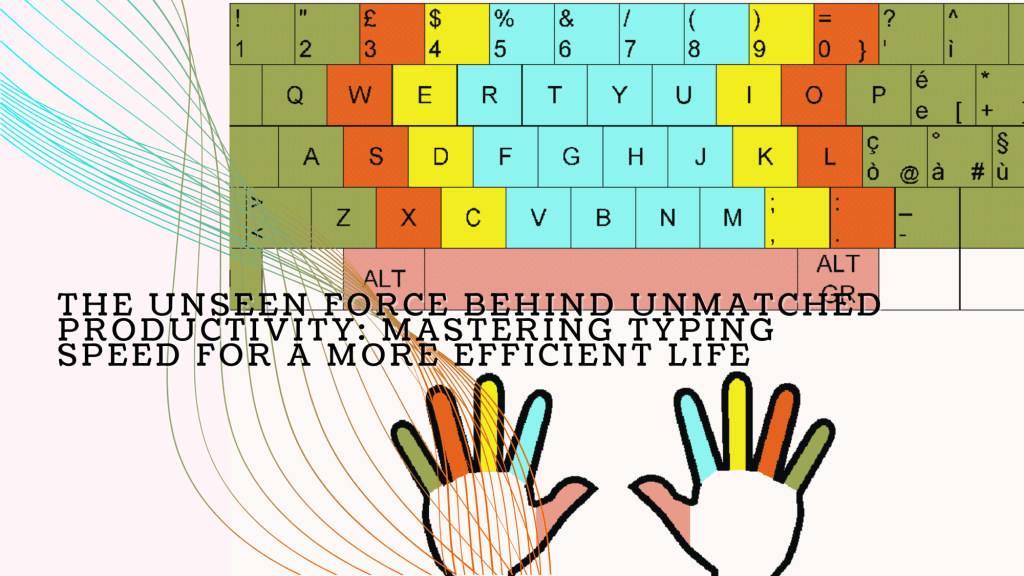
    In today’s fast-paced world, where efficiency is the key to success, there exists a skill that often flies under the radar yet holds the power to drastically improve productivity: typing speed. While we devote countless hours to learning new software, mastering time management techniques, and fine-tuning our daily routines, the simple act of typing—something we do nearly every moment we interact with a computer—is frequently overlooked. However, this seemingly mundane skill could be the missing link that takes your productivity from good to exceptional. Not only can improving your typing speed and accuracy streamline your daily tasks, but it can also unlock more time to enjoy the sweeter aspects of life. 

    The Mechanics of Typing: Why It’s Worth Mastering

    Typing, in its simplest form, is the act of pressing keys to input text. Yet, the proficiency with which we perform this action can have a profound impact on our work efficiency. The average person types at about 40 words per minute (WPM), with a typical accuracy rate of around 92%. While this might suffice for basic communication, it falls short when you consider the demands of a fast-paced work environment. For those who have mastered typing, speeds of 80 WPM or more are not uncommon, with accuracy rates nearing perfection. The difference between these two levels of proficiency can equate to hours saved over the course of a week.

    But why does this matter so much? The answer lies in the cumulative effect of small efficiencies. Think about the number of emails you send, the reports you write, or the messages you type each day. Now, consider the time it takes to type each one. The faster and more accurately you can type, the quicker you can complete these tasks, freeing up time for more meaningful work—or even a few extra minutes of relaxation.

    Typing speed is typically measured in words per minute, with each “word” defined as five keystrokes. This standard measure allows for an apples-to-apples comparison of typing skills across different individuals and tasks. However, speed alone isn’t the full picture; accuracy is equally important. Typing rapidly but with frequent mistakes can be counterproductive, as the time saved in speed is often lost in correcting errors. Moreover, accuracy in typing translates to clearer communication, fewer misunderstandings, and a more professional presentation—qualities that are crucial in any field.

    The Unsung Importance of Accuracy in an Automated World

    In an era where autocorrect and predictive text are embedded in nearly every device, it’s easy to assume that accuracy is less critical than it once was. However, this reliance on technology can create a false sense of security. Autocorrect, while helpful, is far from foolproof. It can introduce its own errors, sometimes replacing correctly spelled words with incorrect ones based on context that the software fails to grasp. Moreover, autocorrect tools are often unable to detect the nuances of grammar, punctuation, and tone that a human writer can.

    Relying too heavily on these tools can lead to a decline in typing accuracy, which ultimately affects the quality of your work. For example, in professional communication, a misplaced word or an awkward phrase—introduced by an overzealous autocorrect—can send the wrong message or create confusion. In more technical fields, such as coding or data entry, where precision is paramount, the cost of inaccuracy can be even higher, leading to errors that require significant time to debug or correct.

    Thus, accuracy in typing remains a vital skill, even in the age of digital shortcuts. A typist who can maintain high accuracy at speed not only saves time but also enhances the clarity and professionalism of their work. Whether drafting a crucial email, writing a detailed report, or coding a complex program, the ability to type both quickly and accurately is indispensable.

    Assessing and Elevating Your Typing Skills: The First Steps to Mastery

    Before embarking on the journey to improve your typing speed and accuracy, it’s essential to assess your current abilities. Fortunately, there are a plethora of online tools available that allow you to measure your typing speed and accuracy with ease. Websites such as TypingTest.com, 10FastFingers, and Keybr.com offer free tests that provide an immediate snapshot of your skills. These platforms not only measure your WPM and accuracy but also offer targeted exercises to help you improve over time.

    Once you’ve established a baseline, the path to improvement is clear: practice, practice, practice. But not just any practice—focused, strategic practice that targets both speed and accuracy. Here are some of the most effective methods to boost your typing skills:

    1. Master Touch Typing: Touch typing is the practice of typing without looking at the keyboard, relying instead on muscle memory. This technique is essential for increasing both speed and accuracy, as it allows you to keep your eyes on the screen and your mind on the content, rather than on finding the right keys. Online resources like TypingClub and Ratatype offer structured lessons designed to help you master touch typing at your own pace.
    2. Regular, Focused Practice: As with any skill, regular practice is crucial for improvement. Set aside at least 10-15 minutes a day for typing exercises. Start with simple sentences or familiar phrases to build confidence, then gradually increase the complexity of the text as your skills improve. Over time, you’ll notice a significant increase in both your typing speed and accuracy.
    3. Prioritize Accuracy Over Speed: While speed is important, it should never come at the expense of accuracy. Begin by typing at a comfortable pace, focusing on minimizing errors. As you become more comfortable with the keyboard and build muscle memory, your speed will naturally increase without sacrificing accuracy.
    4. Optimize Your Workspace and Equipment: The tools you use can have a significant impact on your typing performance. Ensure that your keyboard is comfortable and responsive, with keys that suit your typing style. Some people find that mechanical keyboards, which offer tactile feedback, help them type faster, while others prefer the low-profile keys of a laptop keyboard. Additionally, make sure your workspace is ergonomically set up, with your keyboard positioned at a height that allows your wrists to remain straight and your fingers to move freely.
    5. Learn and Utilize Keyboard Shortcuts: Keyboard shortcuts are a powerful way to enhance your typing efficiency. Familiarize yourself with common shortcuts for your operating system and the software you use most frequently. These shortcuts can save you time and reduce the need for mouse navigation, allowing you to keep your hands on the keyboard and maintain your typing rhythm.
    6. Track and Celebrate Your Progress: Improvement in typing, like any skill, is a gradual process. Regularly take typing tests to measure your progress and adjust your practice routine as needed. Celebrate your milestones, whether it’s achieving a new personal best in speed, improving your accuracy rate, or mastering a challenging typing exercise. These small victories will keep you motivated and focused on your long-term goals.
    The Productivity Payoff: How Fast, Accurate Typing Transforms Your Workday

    Imagine the sheer volume of text you produce in a typical workday. From emails to reports, instant messages to presentations, typing is an integral part of virtually every task you perform. Now, consider the time it takes to type all of this content. By improving your typing speed from 40 WPM to 80 WPM, you effectively double your output. Over the course of a day, this increased efficiency can save you hours—time that can be redirected toward more strategic tasks, personal development, or simply taking a well-deserved break.

    But the benefits of faster typing extend beyond mere time savings. When you can type as quickly as you think, your thoughts flow seamlessly onto the screen. This can lead to more coherent, creative, and high-quality work. Whether you’re brainstorming ideas, drafting a proposal, or coding a new feature, the ability to capture your thoughts in real-time can make your work more fluid and less frustrating.

    Moreover, faster typing can reduce cognitive load, allowing you to focus more on the content of what you’re writing rather than the mechanics of typing. This frees up mental bandwidth for higher-level thinking, such as problem-solving, critical analysis, and creative ideation. In this way, mastering typing is not just about working faster—it’s about working smarter.

    Actionable Steps to Skyrocket Your Typing Skills and Productivity

    Improving your typing skills doesn’t require a massive time investment, but it does require consistent effort. Here are some actionable steps you can take to enhance your typing speed and accuracy, and in turn, boost your productivity:

    1. Commit to Learning Touch Typing: If you haven’t already, make touch typing your top priority. It’s the single most effective way to improve your typing speed and accuracy. Start with just a few minutes a day, and gradually increase your practice time as you become more comfortable with the technique.
    2. Set Incremental Goals: Don’t aim to become a typing maestro overnight. Instead, set realistic, incremental goals, such as improving your typing speed by 5-10 WPM over the next month. Track your progress using online typing tests and adjust your practice routine based on your results.
    3. Incorporate Typing Practice into Your Daily Routine: Just as you would with physical exercise, integrate typing practice into your daily routine. Whether it’s in the morning before you start your workday or during a break, a few minutes of focused practice each day will yield significant long-term benefits.
    4. Seek Out Advanced Typing Challenges: Once you’ve mastered the basics, challenge yourself with more advanced typing exercises. This could include typing passages with complex vocabulary, practicing touch typing in different languages, or working on specific typing skills such as data entry or coding.
    5. Leverage Technology to Support Your Goals: Utilize typing software, apps, and online resources to provide structure and feedback on your progress. Many of these tools offer personalized lessons and exercises tailored to your specific needs, whether you’re focusing on increasing speed, improving accuracy, or mastering keyboard shortcuts. Some popular options include Typing.com, Keybr.com, and Ratatype. These platforms often incorporate gamified elements to keep practice engaging and motivating.
    6. Practice in Real-World Contexts: While structured typing exercises are important, practicing in real-world contexts is equally valuable. Try to incorporate conscious typing practice into your daily work tasks. Whether you’re composing emails, drafting reports, or coding, pay attention to your speed and accuracy. Over time, this mindful approach will help you transfer the skills you’ve developed in practice sessions to your everyday tasks.
    7. Stay Consistent and Patient: Like any skill worth mastering, improving your typing speed and accuracy requires consistency and patience. It’s easy to get discouraged if progress seems slow, but remember that even small improvements add up over time. Stick with your practice routine, celebrate your milestones, and keep your end goal in sight. Over time, you’ll find that your typing skills—and your overall productivity—have significantly improved.
    Conclusion: Typing Speed as the Hidden Driver of Success

    In the quest for higher productivity, we often overlook the small, everyday skills that form the foundation of our work. Typing is one such skill—essential, yet often taken for granted. However, as we’ve explored, mastering typing speed and accuracy can have a profound impact on your efficiency, allowing you to complete tasks faster, communicate more clearly, and ultimately free up time for more meaningful activities.

    By investing time in improving your typing skills, you’re not just working faster; you’re enhancing the quality of your work, reducing cognitive load, and creating more space in your day for creativity, strategic thinking, and the simple pleasures of life. In the end, typing speed is more than just a measure of how quickly you can get words onto a page—it’s a key that unlocks the door to a more productive, balanced, and fulfilling life.

    So, whether you’re a busy professional looking to maximize your efficiency or someone who simply wants to spend less time on mundane tasks and more time enjoying life, improving your typing speed and accuracy is a worthy investment. Start today, stay consistent, and watch as this often-overlooked skill transforms your productivity and enhances your daily life.

  • The Power of Cold Showers, Cold Plunges, and Sauna for Health, Longevity, and Strength

    The Power of Cold Showers, Cold Plunges, and Sauna for Health, Longevity, and Strength

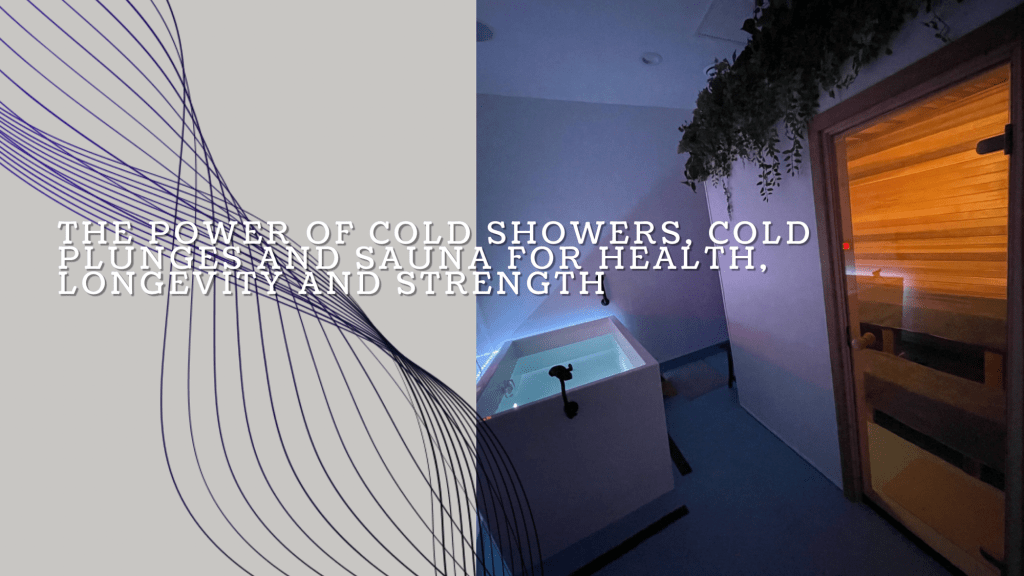
    In the pursuit of a healthier, longer life, many focus on diet, exercise, and sleep. However, two often-overlooked practices—cold exposure and sauna use—can be powerful allies in this journey. These methods, rooted in ancient traditions and supported by modern science, offer significant benefits for physical strength, mental clarity, and overall well-being. This essay will explore the science behind cold exposure and sauna use, their integration into a busy life, and their synergistic effects when combined with strength training and a nutrient-rich diet.

    Cold Showers and Cold Plunges: A Refreshing Path to Health and Longevity
    Scientific Concepts and Health Benefits

    Cold exposure, through showers or plunges, triggers several beneficial physiological responses. When exposed to cold, the body activates the sympathetic nervous system, releasing norepinephrine, which boosts mood, energy, and focus. Cold exposure also promotes the production of brown adipose tissue (BAT), which helps burn calories and regulate body temperature. This process can support weight management and enhance metabolic health.

    Furthermore, regular cold exposure strengthens the immune system by increasing the production of cytokines—proteins involved in inflammation and immunity. Studies have shown that cold showers can reduce the incidence of common illnesses and improve resilience against stress. Additionally, cold exposure has cardiovascular benefits, including enhanced circulation and reduced blood pressure.

    Optimal Practices and Integration into a Busy Life

    For a busy middle-aged professional, integrating cold exposure can be straightforward. Start by incorporating cold showers at the end of a warm shower. Begin with 30 seconds of cold water and gradually increase to 2-3 minutes as your tolerance builds. For those with access to a cold plunge, aim for 2-5 minutes at a temperature between 50-59°F (10-15°C).

    Incorporating this into a hectic schedule can be as simple as starting your day with a cold shower or taking a plunge after a workout. These brief sessions provide an invigorating boost, helping you stay energized and focused throughout the day. Aim for at least three sessions per week to maximize the benefits.

    Sauna: Harnessing Heat for Strength and Longevity
    Scientific Concepts and Health Benefits

    Sauna use offers a range of benefits that complement those of cold exposure. Regular sauna sessions induce hyperthermia, which has been shown to improve cardiovascular health, enhance detoxification, and reduce inflammation. The heat stress from saunas stimulates the production of heat shock proteins (HSPs), which help repair damaged proteins and protect against oxidative stress.

    Sauna use also significantly impacts mental health. The deep relaxation induced by heat can reduce stress, anxiety, and promote better sleep. Furthermore, research has linked regular sauna use to a reduced risk of cardiovascular disease, neurodegenerative diseases like Alzheimer’s, and overall mortality, suggesting it can contribute to a longer, healthier life.

    Optimal Practices and Integration into a Busy Life

    For those with limited time, sauna sessions can be an impactful addition to the weekly routine. Aim for 15-30 minutes per session at a temperature of 150-175°F (65-80°C), with 2-4 sessions per week being ideal. Listen to your body, starting with shorter sessions and gradually increasing the duration and frequency as you acclimate.

    To integrate sauna use into a busy schedule, consider evening sessions to unwind after a long day. If your gym offers a sauna, it’s convenient to combine a workout with a sauna session, maximizing your time and enhancing the benefits of both activities.

    Synergistic Effects with Strength Training and a Balanced Diet
    Enhanced Recovery and Performance

    When combined with a strength training regimen, cold exposure and sauna use can significantly enhance recovery and performance. After intense workouts, cold exposure can reduce muscle soreness, decrease inflammation, and promote faster recovery by constricting blood vessels and flushing out metabolic waste. This allows you to train more consistently and with greater intensity over time.

    On the other hand, sauna use promotes muscle relaxation and increases blood flow, delivering oxygen and nutrients essential for muscle repair. This not only aids in recovery but also in building lean muscle mass. Additionally, the relaxation and detoxification effects of the sauna can reduce cortisol levels, mitigating the negative impact of chronic stress on muscle growth and overall health.

    Mental Health and Hormonal Balance

    Cold exposure builds mental resilience by enhancing your body’s ability to adapt to stress, improving focus and mental clarity—qualities that are invaluable both in training and daily life. Regular cold exposure can also boost levels of dopamine, a neurotransmitter associated with motivation and reward, which can positively influence your workout intensity and consistency.

    Sauna use supports mental well-being by promoting relaxation, reducing anxiety, and improving sleep quality—all critical factors for optimal hormonal balance. Better sleep translates to improved muscle recovery, enhanced mood, and better decision-making, particularly regarding dietary choices.

    Nutritional Synergy

    A nutrient-rich diet is the cornerstone of any health and fitness program. When combined with cold exposure and sauna use, the benefits of a balanced diet are amplified. For instance, the improved circulation from sauna use enhances the delivery of nutrients to muscles, while the increased metabolic rate from cold exposure can aid in maintaining a healthy weight. A diet rich in antioxidants, vitamins, and minerals will further support the body’s recovery processes, reducing inflammation and oxidative stress—especially when combined with the hormetic stress from cold and heat exposure.

    A Way Forward: Implementing Cold Exposure and Sauna into a Busy Schedule

    For those new to these practices, the key is to start small and gradually build up. Here’s an actionable plan:

    1. Start with Cold Showers:
      • Duration: 30 seconds to 1 minute at the end of a warm shower.
      • Frequency: 3 times per week.
      • Progression: Gradually increase to 2-3 minutes as your tolerance improves.
    2. Introduce Cold Plunges (if accessible):
      • Duration: 2-5 minutes at 50-59°F (10-15°C).
      • Frequency: 1-2 times per week, eventually increasing to 3 times per week.
      • Timing: Consider doing this after a workout for enhanced recovery.
    3. Begin Sauna Sessions:
      • Duration: 15-20 minutes per session.
      • Frequency: 2 times per week.
        • Progression: Increase to 25-30 minutes, 3-4 times per week as your body adapts.
      • Timing: Utilize evening sessions to relax and improve sleep quality.
    4. Combine with Strength Training:
      • Cold Exposure: Use after intense strength sessions to reduce inflammation and speed up recovery.
      • Sauna Use: Incorporate after strength training or as a standalone session to promote relaxation and muscle recovery.
    5. Maintain a Balanced, Nutrient-Rich Diet:
      • Focus on: Whole foods, lean proteins, healthy fats, and plenty of fruits and vegetables.
      • Hydrate: Drink plenty of water, especially when using the sauna to stay hydrated.
      • Supplement: Consider anti-inflammatory supplements like omega-3s or turmeric to support recovery.
    Conclusion

    Cold exposure and sauna use are powerful, scientifically-backed practices that can significantly enhance health, longevity, and strength. When combined with a balanced diet and strength training, these practices offer a comprehensive approach to improving physical and mental well-being. By starting small and gradually increasing duration and frequency, you can seamlessly integrate these practices into your busy life, reaping the benefits without feeling overwhelmed. Consistency is key—embrace the challenge, and over time, you’ll find these practices become an indispensable part of your routine, helping you achieve a healthier, stronger, and longer life.