Author: Sebastian Strobl

  • Transform Your Fitness: The Ultimate Guide to Strength Training Success with “Beyond Brawn”

    Transform Your Fitness: The Ultimate Guide to Strength Training Success with “Beyond Brawn”

    “Train consistently hard enough, long enough, and smart enough to reap the rewards of progressive strength training.”

    “The most important variable in the training equation is the amount of effort you put into your workouts.”

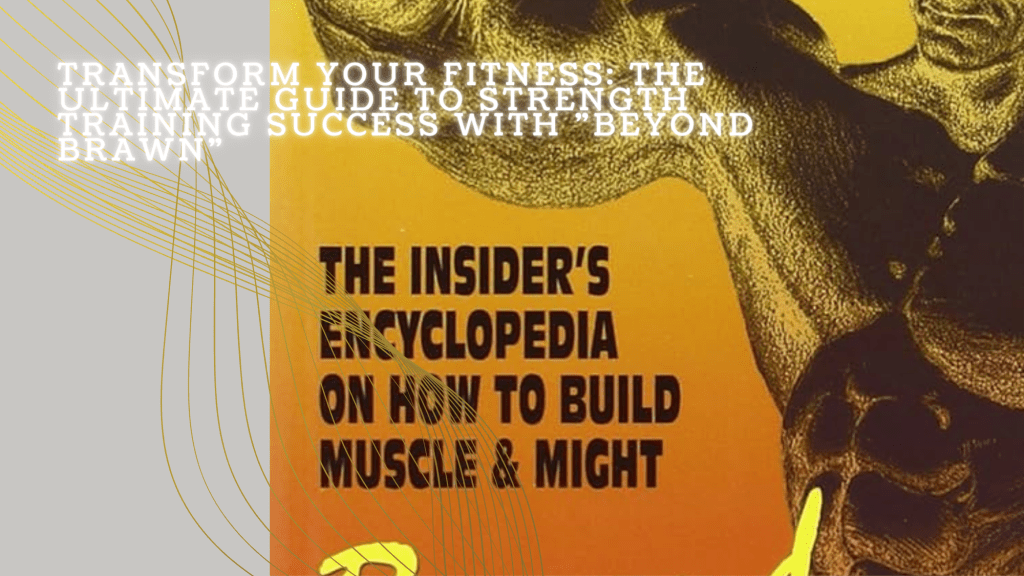
    Stuart McRobert is a well-known figure in strength training, particularly for advocating methods tailored to “hardgainers”—individuals who struggle to make significant progress with conventional training methods. His book “Beyond Brawn” is a comprehensive guide that focuses on practical, sustainable strength training. McRobert’s philosophy emphasizes simplicity, safety, and long-term progress, with a strong focus on personalized training and recovery strategies.

    Why “Beyond Brawn” is a Must-Read

    “Beyond Brawn” is not just for bodybuilders; it’s also ideal for busy professionals who want to stay in shape and maintain their health over their lifetime. The principles in the book are designed to help you achieve your fitness goals efficiently, even with a demanding schedule. McRobert’s approach helps you maximize your results with minimal time investment, making it perfect for those balancing a full-time job, family, and other responsibilities.

    McRobert’s Guidance on Strength Training
    Key Training Principles:
    1. Compound Exercises: Focus on basic, multi-joint exercises such as squats, deadlifts, bench presses, and rows.
    2. Progressive Overload: Gradually increase the weight you lift to continually challenge your muscles.
    3. Individualization: Customize your training program to suit your body type, genetics, and experience level.
    4. Recovery: Ensure adequate rest between workouts to allow for muscle recovery and growth.
    5. Safety and Technique: Prioritize proper form to prevent injuries.
    Exercises:

    Lower Body: Squats variations (hack squat), deadlift variations, leg presses (if you can‘t squat in a safe manner), lunges, standing calf raises, donkey calf raises.

    Upper Body: Bench presses, overhead presses, pull-ups, barbell rows bent over and upright, pullovers, skullcrushers.

    Training Intensity and Frequency:

    Intensity: Train with moderate to heavy weights that allow you to complete 6-12 reps per set. Focus on maintaining good form throughout each set.

    Frequency: Typically 1-3 days per week, allowing ample recovery time. Each muscle group is ideally trained every 7-10 days.

    Abbreviated Training Routine Examples:

    Example 1: Full-Body Routine (1-2 Days per Week)

    Day 1: Squats, Bench Press, Bent-over Rows

    Day 2: Deadlifts, Overhead Press, Pull-ups

    Example 2: Split Routine (3 Days per Week)

    Day 1: Squats, Bench Press

    Day 2: Deadlifts, Overhead Press

    Day 3: Pull-ups, Barbell Rows

    Consistency and Record Keeping:

    Consistency: Stick to your training schedule diligently, making workouts a non-negotiable part of your routine.

    Record Keeping: Track your workouts, noting the exercises, weights, sets, and reps. Also, keep a food diary to monitor your nutrition.

    Overall Guidelines on Eating:

    Balanced Diet: Consume a diet rich in protein, complex carbohydrates, healthy fats, and plenty of vegetables and fruits.

    Protein Intake: Aim for 2.2 to 2.6 grams of protein per kilogram of (desired) body weight.

    Caloric Surplus: For muscle gain, eat slightly more calories than your body needs to maintain weight.

    Hydration: Drink plenty of water throughout the day.

    Hard Work and Very Hard Work: The Core Theme of “Beyond Brawn”

    At the heart of “Beyond Brawn” lies the unwavering principle of hard work and very hard work. Stuart McRobert emphasizes that there are no shortcuts to achieving significant strength and muscle gains, especially for hardgainers. The book drives home the message that consistent, intense effort is crucial for progress. This means committing to every workout with maximum dedication, pushing yourself to lift heavier weights with proper form, and not shying away from the grueling nature of effective training. McRobert’s philosophy is that extraordinary results come from extraordinary effort. He advocates for embracing the grind and understanding that true success in strength training comes from perseverance, discipline, and an unwavering commitment to working very hard, session after session, year after year. This theme of relentless effort is what sets “Beyond Brawn” apart, making it a valuable guide for anyone serious about their fitness journey, regardless of their busy professional and personal lives.

    Periodization in “Beyond Brawn”
    Linear Periodization:

    Linear periodization involves gradually increasing the weight lifted from workout to workout using very small increments, often less than 1kg (microloading). This approach ensures continuous progress while minimizing the risk of overtraining and injury.

    Example:

    Workout 1: 3 sets of 12 reps with 50kg

    Workout 2: 3 sets of 12 reps with 51kg

    Continue increasing the weight by small increments each workout. Once you can not increase the weight for several workouts in a row, around week 15-20 depending on your starting point, it’s time for a deload or pause.

    After that start over with around 80% of your top weight from the last cycle.

    Double Periodization:

    Double periodization involves increasing the repetitions within a predefined range. Once you reach the upper end of the range, you increase the weight and start over at the lower end of the rep range. This method helps in building both strength and hypertrophy over time.

    Example:

    Cycle 1 (12 weeks):

    Weeks 1-4:

    Start with 3 sets of 8 reps with 50kg

    Increase reps each workout until you reach 12 reps

    Weeks 5-8:

    Increase weight to 55kg and start again with 3 sets of 8 reps

    Continue until you reach 12 reps

    Weeks 9-12:

    Increase weight to 60kg and repeat the process

    Cycle 2 (12 weeks):

    Repeat the same structure with adjusted weights and goals, ensuring continuous progress.

    How “Beyond Brawn” Helps Busy Professionals:

    McRobert’s principles are particularly beneficial for those with busy lives:

    Minimal Time Commitment: With low-frequency training (1-3 days per week), you can make significant progress without spending excessive time in the gym.

    Efficient Workouts: Focus on compound movements that provide the most benefit in the shortest time.

    Stress Reduction: Effective, structured workouts can help manage stress from a busy professional life.

    Health and Longevity: Sustainable training methods ensure long-term health and fitness, crucial for those with demanding careers and family responsibilities.

    Flexibility: The ability to adjust workout frequency and intensity according to your schedule helps maintain consistency even during busy periods.

    Where and How to Start: Actionable Advice from “Beyond Brawn”

    Starting your journey with “Beyond Brawn” begins with establishing a solid foundation. First, assess your current fitness level and set realistic, specific goals. Begin with a simple, full-body workout routine that focuses on compound exercises like squats, deadlifts, bench presses, and rows. Start with light weights to perfect your form and gradually increase the load using microloading techniques. Commit to training 1-2 days per week initially, ensuring ample recovery between sessions. Keep a detailed training log to track your progress, noting the exercises, weights, sets, and reps performed. Pair your training with a balanced diet rich in protein, complex carbohydrates, and healthy fats, and stay hydrated. Prioritize sleep and recovery to support muscle growth and overall health. Most importantly, approach each workout with the mindset of hard work and very hard work, understanding that consistent, intense effort is the key to long-term success.

  • Unleashing the Arnold Factor: 10 Game-Changing Lessons for Project Managers from Arnold Schwarzenegger’s “Total Recall”

    Unleashing the Arnold Factor: 10 Game-Changing Lessons for Project Managers from Arnold Schwarzenegger’s “Total Recall”

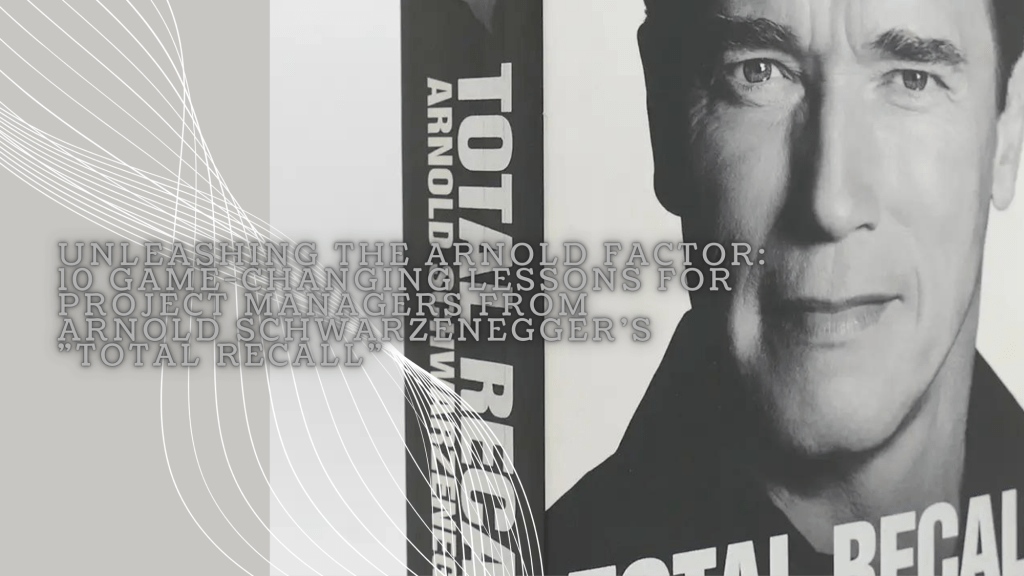
    Arnold Schwarzenegger’s autobiography, “Total Recall: My Unbelievably True Life Story,” isn’t just a fascinating chronicle of an extraordinary life—it’s a treasure trove of insights for anyone aiming for success. But project managers, in particular, can extract golden lessons from Schwarzenegger’s journey that are directly applicable to their professional realm. In this blog post, we’ll delve into the key takeaways for project managers and explain why this book is a must-read for anyone interested in self-improvement and a successful career.

    Why “Total Recall” is a Must-Read for Self-Improvement and Career Success

    “Total Recall” isn’t just about Schwarzenegger’s rise to fame; it’s a blueprint for achieving excellence in any field. The book covers his early years in Austria, his bodybuilding triumphs, Hollywood stardom, and his tenure as the Governor of California. Each phase of his life offers valuable lessons on discipline, strategic thinking, adaptability, and resilience. For anyone looking to improve themselves and build a successful career, Schwarzenegger’s story is an inspiring guide on how to overcome obstacles and achieve greatness.

    Key Lessons for Project Managers from “Total Recall”
    1. Goal Setting and Vision:

    Clear Objectives: Schwarzenegger’s life shows that clear, ambitious goals are essential. When he set his sights on becoming the best bodybuilder, actor, and politician, he had a clear roadmap for each. For project managers, defining clear, measurable goals is crucial. For example, if you’re managing a software development project, your goal might be to deliver a fully functional beta version within six months. By setting such specific objectives, you create a sense of direction and purpose for your team.

    Vision: Schwarzenegger’s long-term vision for his career kept him focused and motivated through various challenges. Similarly, project managers should create a compelling vision for their projects and share it with their team. This vision acts as a guiding star, keeping everyone aligned and motivated. For instance, if your project aims to revolutionize customer service through AI, paint a vivid picture of how your solution will improve lives and transform industries.

    2. Discipline and Execution:

    Consistent Effort: Schwarzenegger’s disciplined approach to his training and career transitions is a testament to the power of consistent effort. For project managers, maintaining discipline in executing project plans is essential. Regular progress reviews and adherence to timelines ensure that the project stays on track. Imagine a construction project where daily check-ins and adherence to schedules prevent costly delays and ensure timely completion.

    Attention to Detail: Schwarzenegger’s meticulous preparation for bodybuilding competitions and film roles highlights the importance of attention to detail. Project managers can emulate this by ensuring every aspect of the project is well-planned and executed. This could involve thorough quality checks and detailed project documentation. For instance, before launching a new product, rigorous testing and attention to user feedback can significantly enhance the product’s quality and user satisfaction.

    3. Adaptability and Learning:

    Continuous Improvement: Schwarzenegger’s ability to continuously learn and adapt to new roles is a key factor in his success. Project managers should foster a culture of continuous improvement within their teams. Encourage team members to seek new skills and knowledge, and provide opportunities for professional development. For example, offering training sessions on the latest project management tools or industry trends can keep your team at the forefront of innovation.

    Flexibility: Schwarzenegger’s career transitions from bodybuilding to acting and politics demonstrate his adaptability. Project managers must also be flexible and ready to pivot when necessary. When unforeseen challenges arise, such as sudden market changes or technical issues, the ability to quickly adapt and find solutions is invaluable. For instance, if a software project encounters a critical bug late in development, swiftly reallocating resources to address the issue can save the project.

    4. Strategic Thinking:

    Planning: Schwarzenegger’s strategic planning in his career choices highlights the importance of foresight and preparation. Project managers should develop comprehensive project plans that include risk assessments and mitigation strategies. By anticipating potential challenges and preparing contingency plans, you can navigate complexities with ease. For example, in a marketing campaign, having a backup plan for different scenarios, such as lower-than-expected engagement, ensures you’re always prepared.

    Decision Making: Effective decision-making is at the core of successful project management. Schwarzenegger’s informed and strategic decisions in his career show the value of weighing options and considering long-term impacts. Project managers should gather all relevant information and analyze potential outcomes before making decisions. For instance, when deciding on a vendor for a project, considering factors like cost, reliability, and future scalability can lead to better long-term results.

    5. Risk Management:

    Taking Calculated Risks: Schwarzenegger’s career is marked by bold, calculated risks that paid off. Moving from bodybuilding to acting, and then to politics, each transition involved significant risk but also potential for great rewards. Project managers should be willing to take calculated risks when necessary. This might mean adopting a new technology that could streamline processes or entering a new market with high growth potential. For example, integrating an AI-driven project management tool could enhance efficiency despite initial implementation challenges.

    Risk Mitigation: Effective risk management involves identifying potential risks early and developing strategies to mitigate them. Schwarzenegger’s careful planning in his career transitions illustrates the importance of anticipating and managing risks. In project management, this could involve conducting thorough risk assessments and having contingency plans in place. For example, in a construction project, ensuring backup suppliers for critical materials can prevent delays if the primary supplier fails.

    6. Team Leadership and Motivation:

    Inspire and Motivate: Schwarzenegger’s ability to inspire and motivate people around him is evident throughout his career. As a project manager, your role is to keep your team motivated and aligned with the project goals. Sharing success stories, recognizing individual and team achievements, and maintaining a positive attitude can significantly boost team morale. For example, celebrating milestones and small wins during a long-term project can keep the team engaged and motivated.

    Empower Team Members: Encouraging team members to take ownership of their tasks and empowering them to make decisions can lead to increased accountability and innovation. Schwarzenegger’s success in various fields was partly due to his ability to trust and delegate responsibilities. In project management, providing team members with autonomy and the resources they need to succeed can enhance productivity and creativity. For instance, allowing team members to experiment with new approaches or technologies can lead to innovative solutions.

    7. Resilience and Persistence:

    Overcoming Obstacles: Schwarzenegger’s resilience in overcoming personal and professional obstacles is a powerful lesson in persistence. Project managers should demonstrate resilience and encourage their teams to persist through challenges. When a project hits a significant roadblock, staying focused on finding solutions and leading by example can inspire your team to do the same. For example, if a critical component of your project fails, rallying the team to brainstorm and implement alternative solutions can keep the project moving forward.

    Learning from Failures: Viewing failures as opportunities to learn and improve is a recurring theme in Schwarzenegger’s life. After any project, conducting a thorough post-mortem to understand what went wrong and how similar issues can be avoided in the future is essential. For instance, after a product launch that didn’t meet expectations, analyzing feedback and identifying areas for improvement can guide future projects to success.

    8. Communication and Stakeholder Management:

    Effective Communication: Schwarzenegger’s ability to communicate his vision and goals effectively was key to his success in various fields. Project managers should maintain open and effective communication with all stakeholders. Regular updates, transparent communication, and actively seeking feedback help manage stakeholder expectations and build trust. For example, providing weekly status reports and holding regular meetings with stakeholders can ensure everyone is informed and aligned.

    Stakeholder Engagement: Engaging with stakeholders regularly to understand their needs and expectations is crucial. Keeping stakeholders informed about project progress and involving them in decision-making processes can foster a collaborative environment. For instance, in a software development project, involving key stakeholders in the design phase and seeking their input can lead to a product that better meets user needs.

    9. Work-Life Balance:

    Balance: Schwarzenegger’s reflections on his personal life highlight the importance of not neglecting personal well-being and relationships. Project managers should strive for a balance between professional responsibilities and personal life. Setting boundaries, taking breaks, and encouraging the team to do the same can prevent burnout and maintain high productivity. For example, promoting a culture that values work-life balance, such as flexible work hours and remote work options, can improve overall team well-being.

    Personal Well-being: Prioritizing personal well-being is essential for sustained success. Just as Schwarzenegger maintained his physical fitness throughout his career, project managers should ensure they are taking care of their mental and physical health. This can include regular exercise, healthy eating, and taking time for hobbies and relaxation.

    10. Giving Back and Ethical Leadership:

    Ethical Leadership: Leading with integrity and ethical standards is a hallmark of Schwarzenegger’s career. Project managers should make decisions that are in the best interest of all stakeholders and maintain transparency. Ethical leadership builds credibility and trust, fostering a positive and respectful work environment. For example, addressing any conflicts of interest openly and fairly can maintain team cohesion and stakeholder trust.

    Community Focus: Considering the broader impact of your projects on the community and stakeholders is essential. Striving to make a positive difference, much like Schwarzenegger’s commitment to public service and philanthropy, can enhance the reputation and impact of your projects. For instance, ensuring your project adheres to environmental standards or contributes positively to the community, such as through sustainable practices, can create long-lasting benefits and goodwill.

    Conclusion

    Arnold Schwarzenegger’s “Total Recall” is more than just an autobiography—it’s a masterclass in achieving success across multiple domains. For project managers, the lessons from Schwarzenegger’s life offer valuable insights into goal setting, discipline, adaptability, strategic thinking, risk management, team leadership, resilience, communication, work-life balance, and ethical leadership. By integrating these principles into their professional practices, project managers can drive their projects to success and inspire their teams to achieve greater heights. Whether you’re managing a small team or leading a large-scale project, the Arnold factor can transform your approach and help you unleash your full potential.

  • Mastering Your Email: The Ultimate Guide to Inbox Zero

    Mastering Your Email: The Ultimate Guide to Inbox Zero

    n today’s fast-paced digital world, our email inboxes can quickly become overwhelming, distracting us from our most important tasks and contributing to stress and decreased productivity. Enter the concept of “Inbox Zero,” a powerful method for managing your emails effectively. Let’s explore what Inbox Zero is, where it originated, and how you can implement it to enhance your productivity and reduce stress.

    What is Inbox Zero?

    Inbox Zero is a rigorous approach to managing your email inbox, aimed at keeping it empty—or nearly empty—at all times. The term was coined by productivity expert Merlin Mann, who introduced it as a way to help people reclaim their time and attention from the constant influx of emails.

    The Origin and Inventor of Inbox Zero

    Merlin Mann, a writer, speaker, and productivity guru, developed the Inbox Zero method. Mann is well-known for his work on productivity and time management, particularly through his website 43 Folders. His insights into how digital tools can either enhance or hinder our productivity have made him a respected figure in the world of personal and professional efficiency.

    Born in Cincinnati, Ohio, Mann initially worked in web development and design before focusing on writing and public speaking. His passion for productivity and helping others led him to create Inbox Zero, which has since become a widely adopted strategy in both personal and professional settings.

    Core Principles of Inbox Zero

    The Inbox Zero approach is built on several core principles designed to help you process emails quickly and efficiently:

    1. Process, Don’t Procrastinate:

    Address emails as you read them rather than letting them accumulate. For instance, when you receive an email asking for a report, decide immediately whether you can do it now, delegate it, or schedule it for later. If you can handle the request in a few minutes, do it right away to keep your inbox clear.

    2. Delete or Archive:

    Immediately get rid of emails that you don’t need. If you receive a newsletter you don’t read, delete it right away or archive it if you might need it for reference. For example, after skimming a newsletter from a professional association, archive it for future reference if it contains valuable information or delete it if it doesn’t.

    3. Delegate:

    Forward emails to the appropriate person if they are better suited to handle them. For example, if an email comes in about a task another team member can handle, delegate it to them and move on. An email requesting technical support should be forwarded to your IT department rather than handling it yourself if it’s not your area of expertise.

    4. Respond:

    Reply to emails that require a response as soon as possible. If a client requests a meeting, respond immediately to confirm or propose a time. For example, if an email asks for your availability next week, reply immediately with your available time slots.

    5. Defer:

    Move emails that require more time or effort to a separate folder or task list. For instance, if an email requires extensive research, move it to a “To Do” folder and schedule time to address it later. Use a task management tool to set a reminder to ensure it gets done.

    6. Do:

    If an email can be dealt with in less than two minutes, handle it immediately. This could be confirming an appointment, sending a quick piece of information, or acknowledging receipt of a document. For example, if a colleague asks for a document that you can easily attach and send, do it right away.

    Steps to Achieve Inbox Zero

    Achieving Inbox Zero involves adopting specific concepts and processes. Here are guidelines to help you get there:

    1. Set Specific Times for Checking Email:

    Avoid constantly checking your inbox. Designate specific times during the day to process emails. For example, check your email first thing in the morning, after lunch, and at the end of the day. This helps you focus on your core tasks without frequent interruptions.

    2. Use Filters and Labels:

    Automate email organization by setting up filters and labels in your email client. For instance, create filters to automatically sort newsletters, promotional emails, and work-related emails into different folders. In Gmail, you can set up filters to label and archive newsletters so they don’t clutter your primary inbox.

    3. Unsubscribe Ruthlessly:

    Regularly unsubscribe from newsletters and promotional emails you no longer find useful. This reduces the volume of emails and helps keep your inbox manageable. Use tools like Unroll.Me to quickly unsubscribe from multiple email lists.

    4. Use the Two-Minute Rule:

    If an email requires an action that takes less than two minutes, do it immediately. This prevents small tasks from piling up and overwhelming you. For example, replying with a quick confirmation or forwarding an email to the correct person should be done on the spot.

    5. Create Action Folders:

    Use folders such as “Action,” “Waiting,” and “Reference” to organize emails that need follow-up. This keeps your inbox clear and helps you track what needs to be done. For example, move an email about an upcoming project to an “Action” folder to address later when you have more time.

    6. Archive Regularly:

    Move emails out of your inbox and into archive folders once they have been processed. For example, after replying to a client’s query, archive the email to keep your inbox tidy. This also makes it easy to find the email later if needed.

    Implementing Inbox Zero in Gmail and Outlook
    Gmail:
    1. Use Labels and Filters:

    Create labels and filters to automatically sort incoming emails. For example, set up a filter to label all emails from your boss as “High Priority.”

    2. Priority Inbox:

    Enable Priority Inbox to automatically categorize emails by importance, helping you focus on the most critical messages first.

    3. Snooze Feature:

    Use the snooze feature to defer emails and have them return to your inbox at a more convenient time, ensuring you deal with them when you’re ready.

    4. Keyboard Shortcuts:

    Enable and use keyboard shortcuts to speed up email processing. For example, use “e” to archive an email quickly.

    Outlook:
    1. Rules and Categories:

    Set up rules to automatically sort and categorize emails. For example, create a rule to move all emails with “Meeting” in the subject line to a specific folder.

    2. Focused Inbox:

    Use the Focused Inbox feature to separate important emails from the rest, ensuring you see high-priority messages first.

    3. Quick Steps:

    Utilize Quick Steps to automate repetitive actions, such as archiving or forwarding emails. For instance, create a Quick Step to move emails to your “To Do” folder with one click.

    4. Flags and Tasks:

    Use flags and the Tasks feature to track emails that require follow-up, ensuring nothing slips through the cracks. For example, flag an email that needs a response later and it will automatically appear in your Tasks list.

    Integrating Flags and Tasks with Microsoft To-Do

    In Outlook, flagged emails automatically sync with Microsoft To-Do, creating a seamless integration between your email and task management. When you flag an email in Outlook, it appears in your To-Do list, allowing you to track and manage tasks without missing any important follow-ups. This integration helps streamline your workflow by consolidating your tasks in one place, making it easier to prioritize and complete them.

    How Inbox Zero Enhances Productivity and Reduces Stress

    An empty inbox is more than just an aesthetic victory; it’s a gateway to enhanced productivity and reduced stress. Here’s how:

    1. Reduced Cognitive Load:

    A cluttered inbox is a constant reminder of unfinished tasks and unanswered emails. This background noise can sap your mental energy and make it harder to focus on the task at hand. By clearing your inbox, you reduce this cognitive load, freeing up mental space to concentrate on more important activities.

    Imagine you have 200 unread emails. Each time you open your inbox, you’re overwhelmed by the sheer number. By processing, deleting, and archiving, you clear out the clutter, leaving only a few actionable items. This makes it easier to focus on what’s truly important.

    2. Improved Focus:

    With fewer distractions from incoming emails, you can focus on deep work that requires concentration. An empty inbox helps create a distraction-free environment where you can dedicate your attention to tasks that matter most.

    Instead of being interrupted by email notifications, you schedule email processing times and focus solely on your projects during other times, leading to more productive work sessions.

    3. Clear Prioritization:

    Inbox Zero forces you to make quick decisions about what needs your attention now, what can wait, and what can be delegated or deleted. This helps in setting clear priorities and ensures that important tasks are addressed promptly.

    When you receive an email about an urgent issue, you address it immediately. Less urgent emails are deferred or delegated, ensuring that high-priority tasks get the attention they need without delay.

    4. Less Stress:

    A full inbox can be a source of stress and anxiety. The constant stream of new messages and the fear of missing something important can be overwhelming. Maintaining Inbox Zero means you have a clear handle on your communications, reducing stress and giving you a sense of control.

    Knowing your inbox is under control and that nothing important will be missed helps reduce the anxiety associated with email overload, leading to a more relaxed and focused work environment.

    5. Increased Efficiency:

    By processing emails as they come in, you avoid the buildup of a backlog. This means that you can handle tasks more efficiently, preventing small tasks from turning into bigger problems due to neglect.

    Quickly replying to a simple request avoids a situation where multiple follow-up emails are needed, saving time for both you and the requester.

    Why Inbox Zero is Key for Project Managers

    For project managers, staying on top of emails is crucial. An overflowing inbox can lead to missed deadlines, overlooked tasks, and poor communication. Inbox Zero ensures that project managers can quickly process and prioritize emails, allowing them to maintain clear and efficient communication with their team and stakeholders. This level of organization is essential for keeping projects on track and ensuring that all team members are aligned and informed. A project manager who practices Inbox Zero can manage project updates, stakeholder communications, and task delegations seamlessly, ensuring smooth project execution and timely completion.

    Conclusion

    Adopting the Inbox Zero approach can transform the way you handle emails, leading to increased productivity, reduced stress, and greater success in both personal and professional endeavors. By following the core principles and implementing the guidelines outlined above, you can take control of your inbox and reclaim your time and attention. Whether you’re using Gmail or Outlook, these strategies will help you maintain a clean and organized inbox, setting you up for success. By staying on top of your emails, especially as a project manager, you ensure that important communications are handled promptly, and projects run smoothly, ultimately driving better results and enhancing your overall efficiency. Embrace Inbox Zero and experience the profound impact it can have on your daily productivity and peace of mind.

  • Stay Cool and Look Sharp: The Ultimate Guide to Wearing a Suit in the Summer

    Stay Cool and Look Sharp: The Ultimate Guide to Wearing a Suit in the Summer

    Summer’s heat doesn’t have to mean sacrificing your style. With the right materials, colors, and fit, you can stay cool and comfortable in your suit. Here’s how to master the art of summer suiting with detailed tips, examples, and weaving techniques.

    Materials and Fabrics
    1. Linen: The Ultimate Breathable Fabric
      • Linen is the king of summer fabrics, thanks to its lightweight and breathable nature. It’s perfect for staying cool, but be mindful of its tendency to wrinkle. For a more polished look, go for a linen blend. For example, a light blue linen suit paired with a white cotton shirt and tan loafers can be perfect for a summer wedding or an outdoor event.
    2. Cotton: The Versatile Choice
      • Cotton suits are a great middle ground between formal and casual. They offer more structure than linen and are less prone to wrinkles. A khaki cotton suit, for instance, can be paired with a light pink dress shirt and brown brogues for a stylish office look. Cotton suits are ideal for business settings, where you want to stay cool but still look professional.
    3. Lightweight Wool: The All-Rounder
      • Tropical wool or summer-weight wool suits are surprisingly breathable and wick away moisture. They maintain their shape and provide a sharp, professional look. Try a light gray wool suit with a pastel shirt and navy tie for a boardroom-ready outfit that won’t leave you sweating.
    4. Blends: The Best of Both Worlds
      • Blends like linen-cotton or wool-silk provide the best of both worlds. They combine the breathability of linen with the durability of cotton or the comfort of wool with the luxury of silk. A wool-silk blend suit, for example, offers a subtle sheen and enhanced breathability, perfect for high-profile summer events.
    5. Seersucker: The Textured Classic
      • Seersucker fabric is characterized by its puckered texture, which promotes airflow and minimizes contact with the skin, making it perfect for hot weather. A seersucker suit in classic blue and white stripes is a timeless choice for summer gatherings and daytime events.
    Colors

    1. Light and Bright

    Embrace light colors like beige, light gray, and pastel shades. These colors not only reflect sunlight but also add a fresh, seasonal touch to your wardrobe. A beige suit with a crisp white shirt and brown loafers can be perfect for both professional and social occasions.

    2. Steer Clear of Dark Hues

    Dark colors like black and navy absorb heat, making you feel warmer. Save these colors for cooler months and opt for lighter alternatives in the summer. Light gray, beige, and even pastel suits can keep you looking stylish and feeling cool.

    Fit
    1. Unlined or Half-Lined Jackets
      • Fully lined jackets can trap heat, making you uncomfortable. Instead, opt for unlined or half-lined jackets for better breathability. These jackets have less fabric in the back and shoulders, allowing for more airflow. For example, a half-lined linen blazer can be paired with cotton chinos for a smart casual look.
    2. Slim, Not Tight
      • A slim fit is modern and chic, but ensure it’s not too tight. A little room for air to circulate will keep you comfortable without sacrificing style. A well-tailored suit that skims your body rather than clings to it will provide a sleek silhouette and help you stay cool.
    3. Breathable Shirts
      • Your shirt choice is just as important as your suit. Opt for shirts made from lightweight fabrics like cotton or linen. A looser fit will enhance airflow, helping you stay cool. For instance, a light blue linen shirt can be a great match for a beige cotton suit, offering a relaxed yet refined look.
    Weaving Techniques
    1. Fil-a-Fil: The Fine Detail
      • Also known as end-on-end, fil-a-fil fabric is woven with alternating threads, giving it a subtle, two-tone appearance. This weave is lightweight and breathable, making it excellent for summer. A light gray fil-a-fil suit paired with a white dress shirt can offer a sophisticated look with a bit of texture.
    2. Houndstooth: The Stylish Pattern
      • Houndstooth is a classic pattern that’s typically woven in wool, but lighter variations are available for summer. Its broken check pattern adds visual interest without being overwhelming. A light blue houndstooth blazer with white chinos can be a standout choice for summer evenings.
    3. Seersucker: The Textured Classic
      • Seersucker fabric is characterized by its puckered texture, which promotes airflow and minimizes contact with the skin, making it perfect for hot weather. A seersucker suit in classic blue and white stripes is a timeless choice for summer gatherings and daytime events.
    Shoes
    1. Loafers: The Casual Chic
      • Loafers are perfect for summer suits. They’re easy to slip on and off, breathable, and come in various styles to match your outfit. Pair them with no-show socks to keep your feet cool and dry. For example, suede loafers in a light brown shade can complement a navy linen suit beautifully.
    2. Brogues: The Stylish Statement
      • Brogues, with their perforated patterns, offer more breathability than other dress shoes. Opt for lighter colors like tan or light brown to complement your summer suit. A pair of tan brogues with a light gray wool suit can add a touch of classic elegance.
    3. Boat Shoes: The Relaxed Option
      • For a more casual look, boat shoes are a great option. They’re comfortable, breathable, and stylish, making them perfect for less formal occasions. For instance, pairing navy boat shoes with a light beige suit can create a nautical-inspired summer outfit.
    Accessories
    1. Ditch the Tie
      • An open collar can help you stay cooler and gives a relaxed, modern look. If you must wear a tie, opt for lightweight silk or cotton. A silk knit tie can add texture and style without the bulk, perfect for a semi-formal summer gathering.
    2. Light Pocket Squares
      • Add a splash of color with a light, breathable pocket square. Silk or cotton options will keep your look sharp without adding bulk. For example, a pastel-colored pocket square can complement a light gray suit, adding a touch of personality.
    3. Minimalist Watches
      • Keep it simple with a lightweight, minimalist watch. Avoid heavy metal bands, which can feel uncomfortable in the heat. A leather strap watch with a clean face can be the perfect accessory for your summer suit.
    Conclusion

    By focusing on the right materials, colors, fit, and weaving techniques, you can maintain a sharp look while staying comfortable in the summer heat. Pair your suit with the right shoes and accessories, and you’ll be the epitome of cool, no matter how high the temperature climbs.

  • The Songhurst Matrix: A Game-Changer for Project Management

    The Songhurst Matrix: A Game-Changer for Project Management

    The Origin of the Songhurst Matrix

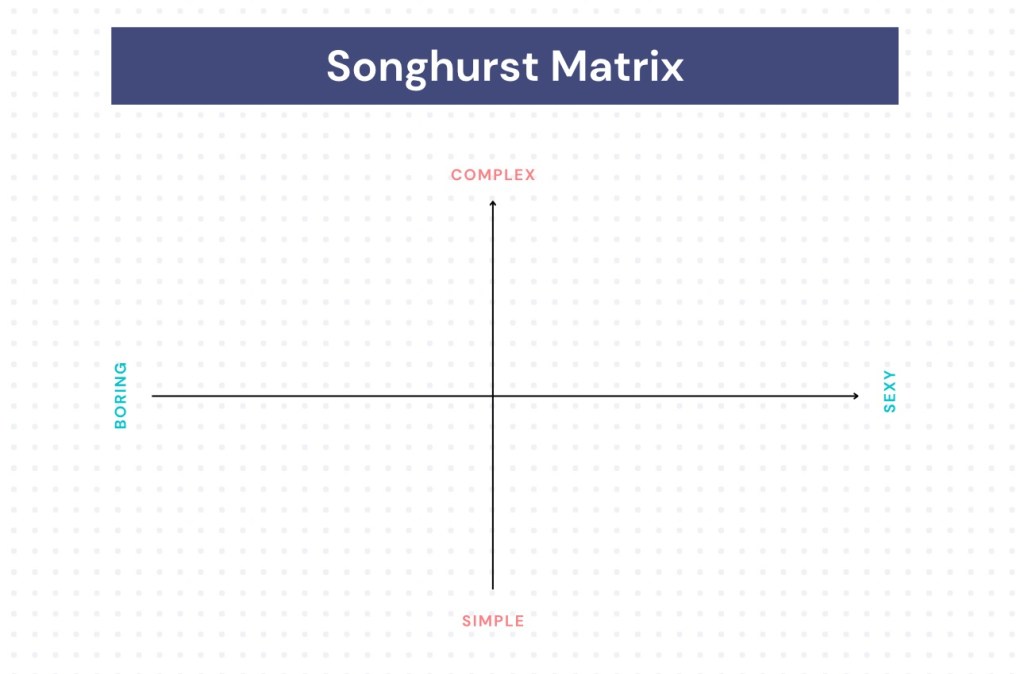
    In the quest for enhanced productivity and effective task management, the Songhurst Matrix emerges as a transformative tool. Named after its creator, Daniel Songhurst, this matrix has become a go-to framework for categorizing and prioritizing tasks based on their complexity and level of interest. By leveraging this matrix, individuals and teams can streamline their workflows, focus on high-impact activities, and ultimately drive better project outcomes.

    Understanding the Songhurst Matrix

    At its core, the Songhurst Matrix divides tasks into four quadrants, each with its own unique characteristics and strategic approach:

    1. Simple and Boring:
      • Characteristics: Routine, repetitive, and low-engagement tasks that are easy but not particularly exciting.
      • Examples: Data entry, filing paperwork, basic administrative duties.
    2. Complex and Boring:
      • Characteristics: Challenging and tedious tasks that require significant effort but lack intrinsic interest.
      • Examples: Detailed financial analysis, lengthy compliance reporting, extensive research.
    3. 3. Simple and Sexy:
      • Characteristics: Easy and enjoyable tasks that can be completed quickly and offer immediate satisfaction.
      • Examples: Creative brainstorming, designing graphics, quick social media posts.
    4. Complex and Sexy:
      • Characteristics: Engaging and stimulating tasks that are both challenging and highly rewarding.
      • Examples: Strategic planning, developing new products, innovative projects.
    How to Use the Songhurst Matrix for Project Management Success
    1. Categorize Your Tasks:
      • Start by listing all your tasks and categorizing them into the appropriate quadrant based on their complexity and engagement level. This initial step provides a clear overview of where your efforts should be directed.
    2. Prioritize Strategically:
      • Focus First on Complex and Sexy Tasks: These tasks are the powerhouse of your project. They drive significant progress and innovation while keeping you motivated and engaged. Prioritize these high-impact activities to ensure you’re working on what matters most.
      • Next, Tackle Simple and Sexy Tasks: Use these tasks as quick wins to maintain momentum and boost morale. They provide a sense of accomplishment and keep the project moving forward smoothly.
    3. Efficiently Manage Boring Tasks:
      • Complex and Boring: These tasks are important but can be draining. Break them down into smaller, more manageable steps, and schedule them during your high-energy periods. Consider delegating parts of these tasks to others if possible.
      • Simple and Boring: These are the prime candidates for automation and delegation. By minimizing the time spent on these routine tasks, you free up valuable resources for more impactful work.
    Main Risks of Over-Focusing on Complex and Sexy Solutions

    Focusing too much on the “Complex and Sexy” quadrant in a project, while appealing, carries several risks that can impact the project’s overall success. Here are some main risks to be aware of:

    1. Neglecting Foundational Tasks:
      • Risk: Essential but less exciting tasks may be overlooked, leading to unstable foundations.
      • Impact: Without solid infrastructure, even the most innovative solutions can fail, resulting in technical debt and future complications.
      • Example: Ignoring basic security measures while developing a cutting-edge feature could lead to vulnerabilities.
    2. Resource Overload:
      • Risk: Complex tasks often require significant time, expertise, and resources.
      • Impact: This can strain your team and budget, potentially leading to burnout and resource depletion.
      • Example: Investing heavily in developing a sophisticated algorithm without adequate planning can exhaust your budget, leaving no room for other crucial tasks.
    3. Scope Creep:
      • Risk: High-complexity tasks can lead to expanding project scope beyond original plans.
      • Impact: This can result in missed deadlines, increased costs, and project management challenges.
      • Example: Adding numerous advanced features because they seem interesting can delay the project timeline significantly.
    4. Increased Risk of Failure:
      • Risk: Complex solutions are inherently riskier and more prone to unforeseen challenges and failures.
      • Impact: High failure rates can demoralize the team and derail the project.
      • Example: Developing a new, untested technology could face numerous setbacks, from technical bugs to market rejection.
    5. Delayed Delivery:
      • Risk: Complex and engaging tasks can take much longer to complete than anticipated.
      • Impact: Delayed project timelines can affect client satisfaction, market competitiveness, and financial projections.
      • Example: Spending too much time perfecting an advanced feature may delay the overall product launch.
    6. Imbalance in Skill Utilization:
      • Risk: Overemphasis on complex tasks might underutilize team members with different skill sets.
      • Impact: This can lead to dissatisfaction in and underperformance among team members whose strengths lie in simpler tasks.
      • Example: A project may have developers with excellent skills in routine coding and maintenance, who feel sidelined by the focus on complex tasks.
    7. Market Misalignment:
      • Risk: Complex solutions might not always align with market needs or customer preferences.
      • Impact: Investing heavily in sophisticated features that customers don’t find valuable can result in wasted effort and missed opportunities.
      • Example: Adding advanced, expensive features that customers don’t use or want can detract from core functionalities they actually need.
    Balancing the Approach

    To mitigate these risks, it’s crucial to balance your focus across all quadrants of the Songhurst Matrix:

    • Foundation First: Ensure that foundational, simple, and boring tasks are adequately addressed to build a stable base.
    • Resource Management: Allocate resources wisely to avoid overburdening the team and budget.
    • Clear Scope: Maintain a clear project scope to prevent scope creep and manage timelines effectively.
    • Risk Assessment: Continuously assess and manage risks associated with complex tasks to stay proactive in addressing potential issues.
    • Customer Feedback: Regularly gather and incorporate customer feedback to ensure that complex solutions align with market needs.

    By maintaining this balance, you can harness the innovative power of complex and sexy tasks without compromising the stability and feasibility of your project.

    The Power of Focusing on the Simple and Boring Quadrant

    While it might seem counterintuitive, dedicating time to the Simple and Boring quadrant can yield significant benefits, particularly in the foundational stages of a project. Here’s why this approach is so powerful:

    1. Building a Strong Foundation:
      • Stability: Simple and repetitive tasks often form the backbone of your project. Ensuring these elements are stable and reliable is crucial. For instance, setting up basic infrastructure and coding standard functions provide a solid base for more complex tasks.
    2. Boosting Efficiency and Productivity:
      • Quick Wins: Completing these tasks quickly leads to early progress, creating a sense of accomplishment and boosting team morale. This momentum can be crucial in the early stages of a project.
    3. Enabling Scalability:
      • Automation: Simple tasks are perfect for automation, which can significantly improve efficiency. Automating build and deployment processes, or using scripts for repetitive tasks, can streamline operations and free up time for more complex activities.
    4. Maximizing Cost-Effectiveness:
      • Resource Allocation: Simple tasks typically require fewer specialized skills, allowing you to utilize lower-cost resources or junior developers effectively. This approach helps manage budgets and makes better use of available talent.
    5. Mitigating Risk:
      • Low Complexity: Tackling low-complexity tasks first can help identify potential issues early without the complications of more complex tasks. This early detection can reduce overall project risk and prevent costly setbacks.
    Conclusion

    The Songhurst Matrix offers a comprehensive framework for enhancing project management by categorizing tasks based on their complexity and engagement. By strategically prioritizing tasks and focusing on the simple and boring elements initially, you can build a strong foundation, improve efficiency, and set your project up for success. Embrace the matrix to unlock your full productivity potential and drive your projects forward with confidence.

    Dive into the world of the Songhurst Matrix and revolutionize the way you manage your projects. With this powerful tool, you’ll find yourself not only achieving more but doing so with greater ease and satisfaction. Ready to transform your project management approach? Start categorizing your tasks today and experience the difference!