Author: Sebastian Strobl

  • The Power of Dressing Up: Why Men Should Always Aim to Be Slightly Overdressed

    The Power of Dressing Up: Why Men Should Always Aim to Be Slightly Overdressed

    In today’s casual world, the idea of wearing a suit or maintaining business casual attire might seem old-fashioned. However, choosing to be slightly overdressed can make a significant difference in various aspects of your life. Here’s why men should consider dressing up, even when it’s not required.

    1. First Impressions Count

    First impressions happen in seconds. Your attire can communicate professionalism, attention to detail, and respect. A well-dressed man immediately exudes competence and reliability, setting a positive tone for any interaction. As Mark Twain once said, “Clothes make the man. Naked people have little or no influence on society.”

    2. Boost Your Confidence

    How you dress impacts how you feel about yourself. Dressing well can significantly boost your confidence and self-esteem, translating into how you carry yourself and interact with others. This confidence is particularly advantageous in professional settings. Yves Saint Laurent believed that “Dressing is a way of life,” emphasizing the power of good attire on one’s mindset.

    3. Show Respect and Commitment

    Dressing slightly better than required shows respect for your colleagues, clients, and workplace. It signals that you take your role seriously and are committed to presenting yourself in the best light, fostering a professional environment. Tom Ford encapsulates this by saying, “Dressing well is a form of good manners.”

    4. Stand Out from the Crowd

    In a casual-dress world, opting for a more formal appearance helps you stand out. It shows that you go above and beyond the minimum expectations, opening doors to opportunities, promotions, and positive recognition. “You can never be overdressed or overeducated,” Oscar Wilde famously quipped, highlighting the benefits of dressing well.

    5. Be Ready for Anything

    Being slightly overdressed means you’re prepared for unexpected opportunities, whether it’s an impromptu meeting with an executive or a networking event. A well-dressed man is always ready to make a great impression. As Edith Head put it, “You can have anything you want in life if you dress for it.”

    6. Enhance Your Professional Image

    Your attire contributes to your personal brand. Consistently dressing well helps build a professional image that aligns with your career aspirations, positioning you as someone serious about their career. Ralph Lauren wisely noted, “Style is very personal. It has nothing to do with fashion. Fashion is over quickly. Style is forever.”

    7. Cultural and Social Awareness

    Dressing well is often a sign of respect and good manners. It shows that you understand and adhere to the norms and expectations of your environment, crucial in global business settings. Giorgio Armani’s words, “Elegance is not standing out, but being remembered,” capture this sentiment perfectly.

    8. Influence Others

    Your attire affects how others perceive and interact with you. A well-dressed individual commands more respect and attention, facilitating better communication and more effective interactions. As fashion icon Coco Chanel said, “Dress shabbily and they remember the dress; dress impeccably and they remember the woman.”

    Conclusion

    While casual attire is on the rise, the benefits of being slightly overdressed are undeniable. From making strong first impressions to boosting confidence and standing out, dressing well offers numerous advantages. In a world where image and perception are crucial, a well-dressed man is always one step ahead. Following the wisdom of these style icons, embracing a polished look can significantly enhance your professional and personal life.

  • Mastering Project Scoping: Essentials, main tasks, pitfalls and key competencies

    Mastering Project Scoping: Essentials, main tasks, pitfalls and key competencies

    Project scoping is a critical phase in project management that defines the boundaries and deliverables of a project. It sets the stage for all subsequent project activities and is fundamental to ensuring project success. A well-defined scope helps in aligning stakeholder expectations, managing resources effectively, and minimizing risks. This article explores the basic knowledge required for project scoping, outlines the most important tasks, highlights common pitfalls, and discusses the key competencies a project manager needs to successfully define the scope.

    Basic Knowledge of Project Scoping

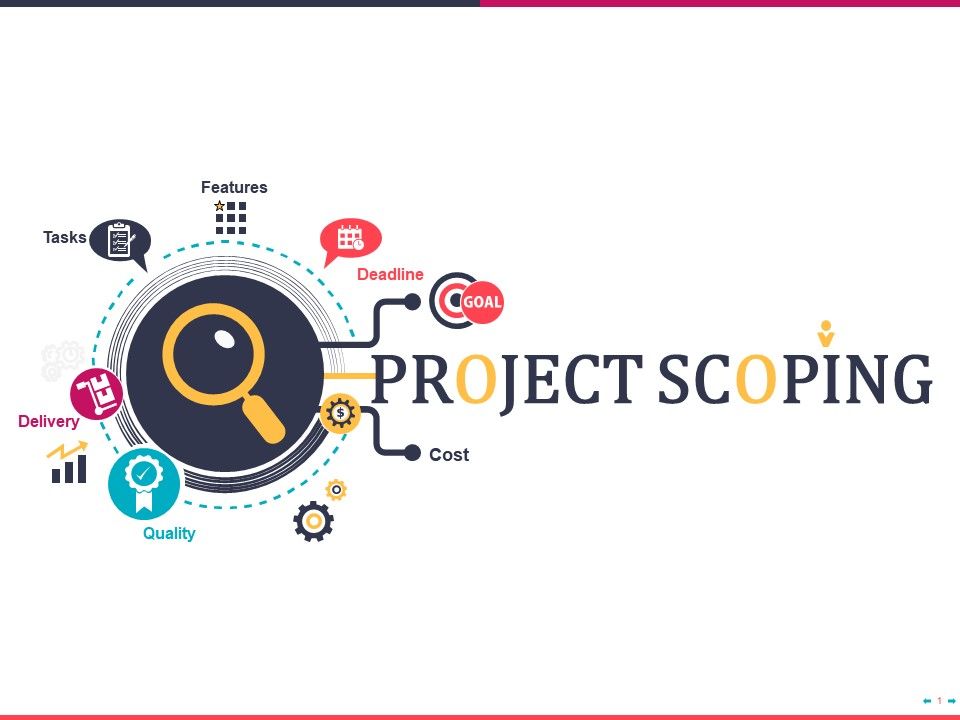
    Project scoping involves determining and documenting a list of specific project goals, deliverables, tasks, costs, and deadlines. The scope defines the project’s boundaries and establishes what is included and excluded in the project. Key elements of project scoping include:

    1. Objectives: Clear, measurable goals that the project aims to achieve.
    2. Deliverables: Tangible or intangible outputs that the project will produce.
    3. Milestones: Significant points or events in the project timeline.
    4. Tasks: Specific activities required to complete the deliverables.
    5. Resources: Personnel, equipment, and materials needed for the project.
    6. Budget: Estimated costs associated with the project.
    7. Timeline: Schedule for project tasks and milestones.
    Most Important Tasks in Project Scoping

    To effectively define the project scope, a project manager must perform several key tasks:

    1. Stakeholder Identification and Analysis:
      • Identify all stakeholders involved in or affected by the project.
      • Understand stakeholder needs, expectations, and influence on the project.
    2. Requirements Gathering:
      • Collect detailed requirements from stakeholders through interviews, surveys, and workshops.
      • Prioritize requirements based on project objectives and stakeholder input.
    3. Scope Statement Development:
      • Create a comprehensive scope statement that outlines project objectives, deliverables, boundaries, and constraints.
      • Ensure the scope statement is clear, concise, and agreed upon by all stakeholders.
    4. Work Breakdown Structure (WBS):
      • Develop a WBS that breaks down the project into manageable components and tasks.
      • Assign responsibilities and timelines for each task.
    5. Scope Verification and Validation:
      • Review the scope statement and WBS with stakeholders to ensure accuracy and completeness.
      • Validate that the project scope aligns with business goals and stakeholder expectations.
    6. Scope Management Plan:
      • Develop a plan for managing scope changes and ensuring scope creep is controlled.
      • Define procedures for documenting and approving scope changes.
    Common Pitfalls in Project Scoping

    Despite its importance, project scoping is often fraught with challenges. Common pitfalls include:

    1. Unclear Objectives:
      • Vague or ambiguous project objectives can lead to misunderstandings and misaligned expectations.
    2. Incomplete Requirements:
      • Failing to gather comprehensive requirements from all stakeholders can result in scope gaps and rework.
    3. Scope Creep:
      • Uncontrolled changes to the project scope can cause delays, cost overruns, and resource strain.
    4. Poor Stakeholder Engagement:
      • Inadequate involvement of stakeholders in the scoping process can lead to missed requirements and dissatisfaction.
    5. Inaccurate Estimates:
      • Underestimating the time, cost, and resources needed for the project can lead to unrealistic scope and project failure.
    Key Competencies for Successful Project Scoping

    To successfully define and manage project scope, a project manager needs to possess several key competencies:

    1. Analytical Skills:
      Ability to analyze stakeholder needs, project requirements, and potential risks.
    2. Communication Skills:
      Effective communication with stakeholders to gather requirements, provide updates, and manage expectations.
    3. Detail Orientation:
      Attention to detail in documenting the scope, developing the WBS, and ensuring all aspects of the project are covered.
    4. Negotiation Skills:
      Skill in negotiating with stakeholders to prioritize requirements and manage scope changes.
    5. Leadership:
      Ability to lead the project team, engage stakeholders, and drive consensus on project scope.
    6. Risk Management:
      Proficiency in identifying potential scope risks and developing mitigation strategies.
    7. Change Management:
      Capability to manage scope changes effectively, ensuring they are documented, analyzed, and approved.

    Step-by-Step Guide to the Scoping Phase of a Software Development Project
    Step 1: Identify Stakeholders

    Objective: Identify all individuals and groups who have an interest in the project or will be affected by it.

    Actions:

    • List Potential Stakeholders: Include project sponsors, end-users, development team members, product owners, and any other relevant parties.
    • Conduct Stakeholder Analysis: Understand their interests, influence, and expectations regarding the project.
    • Engage Stakeholders: Schedule initial meetings or interviews to gather insights and expectations.

    Outcome: A comprehensive list of stakeholders with their roles, interests, and influence levels documented.

    Step 2: Gather Requirements

    Objective: Collect detailed requirements to understand what the project needs to achieve.

    Actions:

    • Conduct Workshops and Interviews: Engage stakeholders through workshops, interviews, and surveys to gather requirements.
    • Document Functional Requirements: Specify what the software should do, including features and functionalities.
    • Document Non-Functional Requirements: Include performance, security, usability, and compliance requirements.
    • Prioritize Requirements: Work with stakeholders to prioritize requirements based on business needs and constraints.

    Outcome: A well-documented set of functional and non-functional requirements, prioritized and validated by stakeholders.

    Step 3: Define Project Objectives

    Objective: Clearly define the project’s goals and objectives.

    Actions:

    • Establish SMART Goals: Ensure that objectives are Specific, Measurable, Achievable, Relevant, and Time-bound.
    • Align with Business Goals: Ensure project objectives align with the broader business objectives.
    • Validate with Stakeholders: Confirm objectives with key stakeholders to ensure alignment and buy-in.

    Outcome: A clear and concise statement of the project’s objectives, agreed upon by all stakeholders.

    Step 4: Develop the Scope Statement

    Objective: Create a detailed scope statement that outlines the project’s boundaries and deliverables.

    Actions:

    • Define Deliverables: List the main outputs of the project (e.g., software modules, documentation, training materials).
    • Specify Boundaries: Clarify what is included in the project scope and what is not.
    • Identify Constraints: Document any limitations such as budget, timelines, technology, or resources.
    • Assumptions: List any assumptions that have been made during the scoping phase.

    Outcome: A comprehensive scope statement that serves as the foundation for project planning and execution.

    Step 5: Create a Work Breakdown Structure (WBS)

    Objective: Break down the project into smaller, more manageable components and tasks.

    Actions:

    • Identify Major Deliverables: Start by identifying the key deliverables from the scope statement.
    • Break Down Deliverables: Decompose each deliverable into smaller tasks and sub-tasks.
    • Assign Responsibilities: Assign team members to each task and sub-task.
    • Estimate Durations: Estimate the time required to complete each task.

    Outcome: A detailed WBS that provides a clear roadmap for project tasks and responsibilities.

    Step 6: Develop a Scope Management Plan

    Objective: Create a plan for managing scope changes and ensuring scope creep is controlled.

    Actions:

    • Define Change Control Procedures: Establish procedures for how changes to the scope will be proposed, evaluated, and approved.
    • Set Up a Change Control Board (CCB): Form a CCB with representatives from key stakeholder groups to review and approve scope changes.
    • Document Change Requests: Implement a system for documenting and tracking change requests.
    • Communicate Changes: Ensure all stakeholders are informed about scope changes and their implications.

    Outcome: A scope management plan that outlines how scope changes will be handled throughout the project.

    Step 7: Validate Scope with Stakeholders

    Objective: Ensure that all stakeholders agree with the defined project scope and are aligned with the project’s goals.

    Actions:

    • Review Scope Statement and WBS: Conduct a review meeting with key stakeholders to present the scope statement and WBS.
    • Address Feedback: Collect and address any feedback or concerns from stakeholders.
    • Obtain Formal Approval: Secure formal sign-off from stakeholders on the project scope.

    Outcome: A validated and approved project scope that all stakeholders agree upon.


    Conclusion

    Project scoping is a fundamental aspect of project management that lays the groundwork for project success. By understanding the basic elements of project scope, performing essential tasks diligently, avoiding common pitfalls, and developing key competencies, a project manager can effectively define and manage the project scope. This not only ensures that the project stays on track but also aligns stakeholder expectations and delivers the desired outcomes within the agreed parameters. Mastering project scoping is, therefore, a critical skill for any project manager aiming to lead successful projects in today’s dynamic business environment.

  • The Pomodoro Technique: Boosting Productivity in the Knowledge Economy

    The Pomodoro Technique: Boosting Productivity in the Knowledge Economy

    In today’s fast-paced and demanding work environment, maintaining focus and productivity can be a significant challenge for knowledge workers. One proven method to enhance efficiency and manage time effectively is the Pomodoro Technique. This time management strategy has helped countless individuals achieve better work performance and balance. In this blog post, we’ll explore the origins of the Pomodoro Technique, explain its core concept, discuss its advantages for knowledge workers, and introduce the top five tools in 2024 to help implement this technique effectively.

    Origins of the Pomodoro Technique

    The Pomodoro Technique was developed in the late 1980s by Francesco Cirillo, an Italian university student who struggled with managing his study time. Seeking a solution, he devised a simple method using a kitchen timer shaped like a tomato (pomodoro in Italian). Cirillo’s technique aimed to break work into manageable intervals, with short breaks in between, to maintain focus and mental agility.

    Understanding the Pomodoro Technique

    At its core, the Pomodoro Technique involves breaking work into fixed intervals, traditionally 25 minutes in length, called “Pomodoros,” followed by a short break of 5 minutes. After completing four Pomodoros, a longer break of 15-30 minutes is taken. The steps are as follows:

    1. Choose a Task: Select a task you want to work on.
    2. Set the Timer: Set a timer for 25 minutes and work on the task without interruptions.
    3. Work: Focus solely on the task until the timer rings.
    4. Short Break: Take a 5-minute break to rest and recharge.
    5. Repeat: Repeat the process. After four Pomodoros, take a longer break.
    Advantages for Knowledge Workers

    Adopting the Pomodoro Technique can offer several benefits to knowledge workers:

    1. Enhanced Focus: The technique encourages intense focus during short intervals, reducing the likelihood of distractions.
    2. Improved Time Management: Breaking work into defined periods helps in managing time more effectively and avoiding procrastination.
    3. Increased Productivity: Regular breaks prevent burnout, maintaining high levels of productivity throughout the day.
    4. Better Work-Life Balance: Structured breaks help in maintaining a healthy work-life balance, preventing overworking.
    5. Stress Reduction: Knowing that breaks are scheduled can reduce stress and create a more relaxed work environment.
    Top Five Tools in 2024 to Implement the Pomodoro Technique

    To make the most of the Pomodoro Technique, several tools and apps have been designed to help users manage their time and tasks efficiently. Here are the top five tools in 2024:

    1. Focus Booster
      Focus Booster is a digital implementation of the Pomodoro Technique, offering a simple interface to track work sessions and breaks. It provides detailed reports on productivity, helping users analyze and improve their work patterns.
    2. Tomato Timer
      Tomato Timer is a straightforward, online timer specifically designed for the Pomodoro Technique. Its minimalist design allows users to set work intervals and breaks easily, making it a great tool for those who prefer simplicity.
    3. Pomodone
      Pomodone integrates with various task management tools like Trello, Asana, and Todoist, making it easy to apply the Pomodoro Technique to existing workflows. It helps users track time spent on tasks and manage their workload efficiently.
    4. Be Focused
      Be Focused is an app available for macOS and iOS that combines task management with the Pomodoro Technique. It allows users to create to-do lists, set timers, and track progress, providing a comprehensive productivity solution.
    5. Forest
      Forest adds a unique twist to the Pomodoro Technique by combining productivity with environmental consciousness. Users plant a virtual tree that grows during their focused work sessions. If they leave the app, the tree dies. This gamified approach motivates users to stay on task while contributing to real-world tree planting efforts.
    Conclusion

    The Pomodoro Technique remains a powerful method for enhancing productivity, focus, and time management, particularly for knowledge workers in today’s demanding work environments. By breaking work into manageable intervals and incorporating regular breaks, the technique helps maintain high levels of efficiency and reduces stress. Leveraging the top productivity tools of 2024 can further optimize the implementation of the Pomodoro Technique, leading to a more balanced, productive, and fulfilling work life. Embrace this technique to transform your work habits and achieve greater success in your professional endeavors.

  • Antifragility and how it will benefit your projects

    Antifragility and how it will benefit your projects

    “Antifragile: Things That Gain from Disorder” by Nassim Nicholas Taleb

    “Antifragile: Things That Gain from Disorder” is a book by Nassim Nicholas Taleb that explores the concept of antifragility, a property of systems, individuals, and entities that thrive and grow when exposed to volatility, randomness, and disorder. Unlike fragile things that break under stress or robust things that withstand stress without breaking, antifragile things improve and get stronger. Taleb’s work spans various fields, including finance, medicine, politics, and personal development, highlighting the benefits of embracing uncertainty and chaos.

    Core Principles of Antifragility
    Antifragility vs. Fragility and Robustness
    • Fragility: Things that break or deteriorate under stress (e.g., a glass).
    • Robustness: Things that remain unchanged under stress (e.g., a rock).
    • Antifragility: Things that improve or grow stronger under stress (e.g., the human body’s muscles growing stronger from exercise).
    The Barbell Strategy

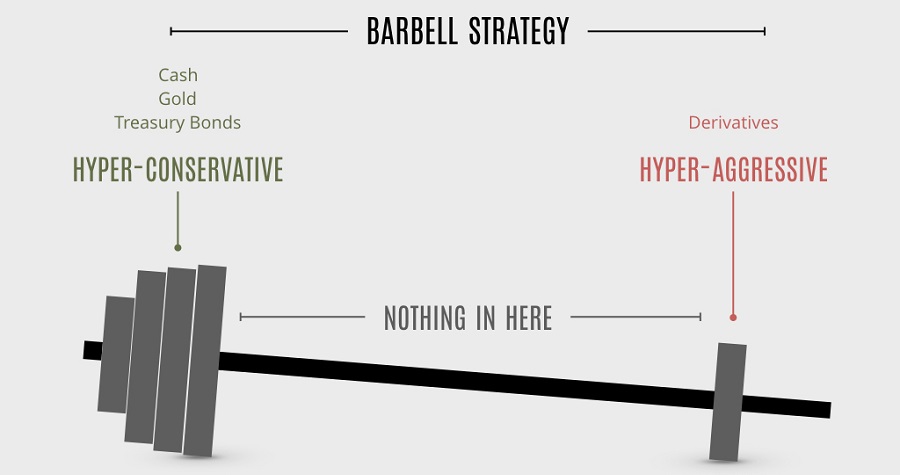
    A risk management strategy that involves taking a combination of extreme safe bets (highly conservative) and extreme aggressive bets (highly speculative), avoiding the middle. This strategy balances risk and reward, reducing exposure to the negative effects of unexpected events while benefiting from potential gains.

    Optionality

    The value of having multiple options and choices. Optionality allows one to benefit from positive unexpected events without incurring significant downsides from negative ones. In financial terms, it’s similar to holding an option that can be exercised when favorable conditions arise.

    Via Negativa

    The principle of improvement through subtraction rather than addition. Removing harmful elements, such as unnecessary interventions, habits, or practices, can lead to better outcomes. This is akin to removing risks rather than trying to predict and control them.

    Skin in the Game

    The concept that individuals or entities should have a vested interest and exposure to the risks and rewards of their actions. This aligns incentives and ensures that decision-makers bear the consequences of their decisions, promoting accountability and better decision-making.

    Convexity and concavity

    Convex systems benefit from volatility and stress, experiencing asymmetric gains. Concave systems are harmed by volatility, experiencing asymmetric losses. Understanding the convex or concave nature of systems helps in identifying which strategies will benefit from disorder and which will suffer.

    The Lindy Effect

    The idea that the future life expectancy of non-perishable items (like a book or technology) increases with their age. The longer something has existed, the longer it is likely to continue to exist, suggesting that time-tested practices and ideas are often more robust.

    Tinkering and Iteration

    The importance of experimenting and learning through trial and error. Small-scale experiments and iterative processes allow for adaptation and improvement over time, fostering antifragility by learning from failures and successes.

    REdundancy and Layers

    Building redundancy into systems to absorb shocks and disruptions. Having backup options and layered defenses makes systems more resilient and capable of thriving under adverse conditions.

    Nonlinear Relationships

    Recognizing that relationships in complex systems are often nonlinear. Small changes can lead to disproportionately large effects (both positive and negative), so understanding and leveraging these nonlinear dynamics is crucial for antifragility.

    Taleb’s book encourages readers to rethink their approach to risk, uncertainty, and volatility, advocating for embracing and leveraging these elements to build stronger, more resilient, and ultimately antifragile systems.

    ANd how do those concepts help you in your day to day work?

    Let’s examine applying the barbell strategy in project management. This involves balancing conservative, low-risk activities with innovative, high-risk ones to ensure overall project resilience and success. Here are steps and strategies to apply the barbell strategy effectively.

    Identify Low-Risk, High-Probability tasks

    These are the core tasks that are essential for the project’s success. They are predictable, have clear outcomes, and are critical for maintaining stability. Examples include:

    • Project Planning: Detailed planning to outline scope, objectives, timelines, and resource allocation.
    • Risk Management: Implementing standard risk management processes to identify, assess, and mitigate risks.
    • Stakeholder Communication: Maintaining regular, clear communication with stakeholders to ensure alignment and manage expectations.
    • Quality Assurance: Establishing robust quality control processes to ensure deliverables meet the required standards.
    Identify High-Risk, High-Reward Opportunities

    These tasks or initiatives have the potential to significantly enhance the project’s value but come with higher uncertainty and risk. Examples include:

    • Innovation Initiatives: Introducing new technologies, methodologies, or creative solutions that could revolutionize the project outcomes.
    • Pilot Projects: Running small-scale pilot tests for new ideas to assess their viability before full-scale implementation.
    • Strategic Partnerships: Forming alliances with external experts or organizations to leverage their capabilities and insights.
    Balance the portfolio

    Ensure a balance between low-risk and high-risk activities to create a diversified project approach. This involves:

    • Allocating Resources: Assign a majority (e.g., 80-90%) of resources to low-risk, high-probability tasks to ensure project stability.
    • Reserving Resources: Keep a smaller portion (e.g., 10-20%) for high-risk, high-reward opportunities to foster innovation and potential breakthrough outcomes.
    Implement Iterative and Incremental Approaches

    Adopt methodologies that support continuous improvement and adaptability, such as:

    • Agile Frameworks: Use Agile methodologies like Scrum or Kanban to allow for flexibility, iterative progress, and constant feedback loops.
    • Lean Principles: Apply Lean principles to eliminate waste, focus on value delivery, and enable rapid iterations.
    Foster a Culture of Experimentation

    Encourage a work environment where experimentation is valued and failure is seen as a learning opportunity:

    • Encourage Risk-Taking: Motivate team members to propose and experiment with new ideas without fear of punitive consequences if they fail.
    • Learn from Failures: Implement a practice of conducting post-mortems or retrospectives to analyze what went wrong in failed experiments and apply the lessons learned.
    Maintain Optionality

    Ensure that the project has multiple options and pathways to success:

    • Contingency Planning: Develop contingency plans to quickly pivot if certain aspects of the project fail or unexpected opportunities arise.
    • Flexible Contracts: Use flexible contracts with vendors and partners that allow for adjustments based on project needs and external conditions.
    Monitor and Adjust

    Continuously monitor the progress of both low-risk and high-risk activities and adjust the strategy as needed:

    • Regular Reviews: Conduct frequent project reviews and adjust resource allocation based on current progress, risks, and opportunities.
    • Performance Metrics: Use performance metrics to track the success of both core and innovative activities, making data-driven decisions to optimize the balance.
    Example Application

    Imagine you are managing a software development project:

    • Low-Risk Activities: Ensure the core functionality of the software is robust, meets client requirements, and passes all quality checks.
    • High-Risk Opportunities: Allocate resources to explore new, cutting-edge features such as integrating AI capabilities or blockchain technology, running pilot tests to gauge their feasibility.

    By applying the barbell strategy, you safeguard the project’s essential deliverables while also creating room for potential high-impact innovations. This balance helps ensure that the project remains resilient and adaptable, capable of absorbing shocks and capitalizing on unforeseen opportunities.


  • Why you should be using timeboxing as a project manager

    Why you should be using timeboxing as a project manager

    What is Timeboxing?

    Timeboxing is a time management technique that involves allocating a fixed, maximum unit of time for an activity. Once the time limit (the “timebox”) is reached, the activity is stopped, and you move on to the next task or evaluate the progress. The goal of timeboxing is to create a sense of urgency and focus, reduce procrastination, and improve productivity by limiting the amount of time spent on tasks.

    Example of Using Timeboxing
    • Define the Task: Identify a specific task you need to accomplish. For example, writing a project report.
    • Set a Timebox: Allocate a fixed amount of time to the task. Let’s say 2 hours.
    • Work Intensely: Focus solely on the task for the allocated time without interruptions.
    • Evaluate Progress: Once the 2 hours are up, stop working on the task and evaluate your progress. Decide if you need another timebox to complete it or if it’s good enough.
    Example
    • Task: Write a project report.
    • Timebox: 2 hours.
    • Execution: Work exclusively on writing the report for 2 hours.
    • Evaluation: After 2 hours, review what has been written. If the report is not finished, schedule another timebox or decide if any additional work is necessary.
    10 Points on How a Project Manager Can Benefit from Timeboxing
    1. Enhanced Focus and Productivity: By limiting time spent on tasks, project managers can concentrate better and avoid distractions, leading to increased productivity.
    2. Better Time Management: Timeboxing helps project managers allocate time efficiently, ensuring that tasks do not overrun and that time is used effectively.
    3. Improved Deadline Adherence: Fixed time limits help ensure that tasks are completed within the deadline, reducing delays and keeping the project on schedule.
    4. Prioritization of Tasks: Timeboxing forces project managers to prioritize tasks, focusing on the most critical activities that need immediate attention.
    5. Reduced Procrastination: The time constraint creates a sense of urgency, helping project managers and their teams overcome procrastination.
    6. Enhanced Decision Making: Regular evaluation after each timebox allows project managers to make informed decisions about continuing, stopping, or adjusting tasks based on progress.
    7. Stress Reduction: Knowing that there is a set time limit for each task can reduce anxiety and stress, as it breaks down overwhelming projects into manageable chunks.
    8. Flexibility and Adaptability: Timeboxing allows project managers to be more flexible and adaptive, as they can quickly shift focus if a task is not yielding the desired results within the timebox.
    9. Better Resource Allocation: By setting time limits, project managers can better allocate resources, ensuring that no task consumes more resources than necessary.
    10. Continuous Improvement: The iterative nature of timeboxing promotes continuous improvement. After each timebox, project managers can reflect on what worked well and what didn’t, making necessary adjustments for future tasks.
    Implementing Timeboxing in Project Management
    1. Identify Key Tasks: Break down the project into smaller, manageable tasks.
    2. Set Timeboxes: Assign a fixed time period for each task based on its complexity and priority.
    3. Monitor Progress: Keep track of time and ensure tasks are progressing within their designated timeboxes.
    4. Evaluate and Adjust: At the end of each timebox, review progress and make any necessary adjustments before starting the next timebox.
    5. Communicate with the Team: Ensure the team understands the timeboxing method and its benefits. Encourage them to adhere to the time limits set.
    6. Use Tools: Utilize project management tools that support timeboxing (like Trello, Asana, or specialized timeboxing apps).

    By integrating timeboxing into their daily routines and project workflows, project managers can enhance efficiency, maintain control over project timelines, and ensure better outcomes for their projects.