Category: lifting

  • Time-Efficient Strength Training for Busy Professionals: Maximum Results in Minimal Time

    Time-Efficient Strength Training for Busy Professionals: Maximum Results in Minimal Time

    The Myth: You Need Hours in the Gym to Get Strong

    Let’s cut through the noise: You don’t need hours in the gym to get strong—you need a smarter approach. If you’re a busy professional, your time is valuable. The last thing you need is an inefficient workout routine packed with unnecessary exercises, excessive volume, and complicated programming.

    The problem?

    • You don’t have time for long workouts.
    • Most fitness advice is too complex to follow.
    • You struggle to stay consistent because life gets in the way.

    The good news? You can get stronger, build muscle, and improve your health with a minimalist, time-efficient approach. Let’s dive in.


    The Minimalist Strength Training Plan: Maximum Results in Minimal Time

    The 80/20 Rule applies to strength training: 80% of your results come from 20% of your efforts. That means focusing on the key compound movements that provide the most bang for your buck.

    1. The Core Exercises (No Fluff, Just Results)

    Forget about endless curls and crunches. Your training should center around these foundational movements:

    • Squats (Goblet Squat, Back Squat, or Front Squat)
    • Deadlifts (Conventional, Trap Bar, or Romanian)
    • Presses (Overhead Press, Bench Press, or Dumbbell Variations)
    • Rows (Barbell Rows, Dumbbell Rows, or Inverted Rows)
    • Carries (Farmer’s Walk, Suitcase Carry)

    These exercises work multiple muscle groups at once, allowing you to train efficiently while maximizing strength and muscle gains.

    2. The Workout Structure for Busy Schedules

    You don’t need to train six days a week. Two to four sessions of 30-45 minutes each is enough.

    Simple Weekly Template:

    • Option 1: Full-Body (2x per week, 45 min per session)
      • Squat (3×5)
      • Bench Press (3×5)
      • Deadlift (2×5)
      • Dumbbell Rows (3×8 per side)
      • Farmer’s Carry (3×30 sec)
    • Option 2: Upper/Lower Split (4x per week, 30 min per session)
      • Day 1 (Upper): Overhead Press, Rows, Core Work
      • Day 2 (Lower): Squats, Deadlifts, Carries
      • Day 3 (Upper): Bench Press, Chin-ups, Core Work
      • Day 4 (Lower): Romanian Deadlifts, Lunges, Sled Push

    3. The Power of Progressive Overload

    The secret to getting stronger isn’t fancy workouts—it’s progressive overload.

    • Lift a little heavier each week.
    • Do an extra rep when possible.
    • Keep challenging yourself.

    No need to chase unnecessary volume. Stick to quality reps over quantity.

    4. Recovery & Consistency: The Real Game Changers

    Strength training is only part of the equation. To truly maximize results in minimal time, you need to focus on:

    • Nutrition: Prioritize protein (lean meats, eggs, fish) and whole foods.
    • Sleep: Aim for 7-9 hours per night to support recovery.
    • Stress Management: Keep cortisol levels in check with mindfulness or simple breathing techniques.

    Consistency beats perfection every time. Two solid sessions per week for a year beats four sessions per week for a month.


    Why Strength Training is a Game-Changer for Professionals

    Beyond muscle and aesthetics, strength training is a force multiplier for success in life and work.

    More Energy & Focus

    Lifting weights boosts dopamine, testosterone, and mental clarity. You’ll feel more alert and productive at work.

    Stronger Body = Stronger Mind

    Overcoming physical resistance builds mental resilience. You’ll handle stress better, make sharper decisions, and feel more confident.

    The “Effortless” Effect

    A well-trained body moves better, recovers faster, and performs at a higher level—making everyday life feel easier. Less fatigue, better posture, and higher stress tolerance.


    Take Action Today: Your Simple Starting Plan

    Ready to start? Here’s the simplest, most effective way:

    • 3 exercises, 3 times a week, 20 minutes per session.
    • Start with: Squats, Presses, and Rows.
    • Gradually increase weight and reps over time.

    No More Excuses

    • No time? Train at home with bodyweight or minimal equipment.
    • No gym? Get adjustable dumbbells or a kettlebell.
    • Not motivated? Commit to just 10 minutes—momentum will take care of the rest.

    Final Thought: Strength is the Foundation of Success

    Your career, your confidence, your energy levels—everything improves when you get stronger. Commit to just 30 minutes twice a week, and watch how effortlessly strength translates into success.

    Now go lift.
  • Minimalist Strength Training: Build Maximum Strength with Just 3 Exercises and Family-Friendly Nutrition

    Minimalist Strength Training: Build Maximum Strength with Just 3 Exercises and Family-Friendly Nutrition

    In the age of over-complicated fitness plans and endless diet trends, it’s easy to feel overwhelmed when starting or maintaining a strength training routine. But what if building strength, improving health, and staying consistent didn’t have to be so complex?

    With just three foundational exercises—the squat, bench press, and deadlift—and a family-friendly, protein-rich meal plan, you can create a simple, effective, and sustainable fitness lifestyle that works for you and your loved ones. This approach is perfect for busy professionals and parents who want to stay strong without sacrificing precious time with family.

    Why Minimalist Strength Training is a Game-Changer

    When life is busy, simplicity is key. Minimalist strength training focuses on quality over quantity. By using compound movements like the squat, bench press, and deadlift, you can engage multiple muscle groups, build functional strength, and maximize efficiency in the gym.

    Even with just two workouts per week, these exercises deliver full-body results. Forget the clutter of endless accessory movements—you’ll get stronger, fitter, and healthier while keeping your schedule intact.

    The Three Power Moves
    1. The Squat: The Foundation of Strength

    The squat isn’t just a leg exercise—it’s a total-body movement that builds powerful quads, hamstrings, glutes, and a rock-solid core.

    Why It Matters:

    Whether it’s carrying groceries, playing with your kids, or hiking with family, the squat builds the strength and mobility needed for real-life activities.

    How to Perform It Right:

    1. Stand with feet shoulder-width apart and toes slightly pointed out.
    2. Rest the barbell on your upper traps (not your neck).
    3. Keep your chest proud, engage your core, and lower your hips back and down.
    4. Aim to go deep enough that your thighs are parallel to the ground (or lower).
    5. Drive up through your heels to return to standing.

    Pro Tip: Start light to perfect your form before progressing to heavier weights.

    2. The Bench Press: Build an Impressive Upper Body

    The bench press is a classic and for good reason. It targets the chest, shoulders, and triceps, helping you build a balanced, strong upper body.

    Why It Matters:

    Whether pushing your child on a swing or lifting something heavy, the bench press improves upper body strength for both functional and aesthetic benefits.

    How to Perform It Right:

    1. Lie on the bench with your eyes directly under the bar.
    2. Grip the barbell slightly wider than shoulder-width.
    3. Lower the bar slowly to your chest, keeping your elbows at about a 75-degree angle.
    4. Press the bar back up until your arms are fully extended.

    Pro Tip: Focus on control — don’t rush. Controlled movements engage more muscle and reduce injury risk.

    3. The Deadlift: The Ultimate Strength Builder

    The deadlift is a full-body powerhouse exercise. It builds strength in the glutes, hamstrings, lower back, core, and even your grip.

    Why It Matters:

    The deadlift mimics everyday movements like picking up a child or moving furniture. Training this lift translates directly into your daily life.

    How to Perform It Right:

    1. Stand with your feet hip-width apart and the bar over your midfoot.
    2. Grip the bar outside your knees, keeping your back straight and chest up.
    3. Drive through your heels, keeping the bar close to your body as you lift.
    4. Lock your hips and knees at the top before lowering the bar in a controlled motion.

    Pro Tip: For added grip strength, alternate your hand grip (one palm up, one palm down).

    The Minimalist Training Plan
    Day 1: Squat + Bench Press
    • Warm-up: 5–10 minutes of dynamic stretches and mobility work.
    • Squat: 4 sets of 5–8 reps.
    • Bench Press: 4 sets of 5–8 reps.
    • Optional: Plank holds or hanging leg raises for core stability.
    Day 2: Deadlift + Bench Press
    • Warm-up: Same as Day 1.
    • Deadlift: 4 sets of 3–6 reps.
    • Bench Press: 4 sets of 5–8 reps.
    • Optional: Pull-ups or rows for upper back development.
    Rest Days:

    Take at least one full day between workouts to recover. Use these days for light activities like walking, yoga, or family-friendly games that keep you moving.

    Family-Friendly Protein-Rich Nutrition
    The Importance of Protein

    To fuel your strength gains, aim for 1.6–2.2 grams of protein per kilogram of body weight daily. A meat-based diet simplifies meal planning and is easy to adapt for the entire family.

    Tailored Meal Plan for Families

    Breakfast:

    • Scrambled eggs with turkey bacon and fresh fruit (e.g., berries).
    • Pancakes made with protein powder for kids who love a sweet start.

    Lunch:

    • Grilled chicken wraps: Use whole-grain tortillas with shredded chicken, lettuce, and cheese.
    • For kids, cut the wraps into bite-sized pinwheels for easier handling.

    Dinner:

    • Baked salmon with roasted potatoes and green beans.
    • Cook extra salmon to use for salads or sandwiches the next day.

    Snacks:

    • Beef jerky or meat sticks for on-the-go fuel.
    • Greek yogurt parfaits layered with granola and fruit for a kid-friendly option.
    Meal Prep Tips:
    • Batch-cook proteins (grill chicken, bake salmon, or roast a beef brisket) to save time.
    • Involve your kids in simple prep tasks, like seasoning meat or arranging side dishes.
    • Use one-pot recipes like slow-cooked stews or casseroles to feed the whole family with minimal effort.
    Keys to Long-Term Success
    1. Progress Slowly: Track your lifts and focus on adding small increments of weight over time. Progression is the foundation of long-term strength.
    2. Prioritize Recovery: Sleep, hydration, and rest are just as important as training. Set a family bedtime routine to ensure everyone gets enough rest.
    3. Stay Consistent: The beauty of this minimalist plan is its sustainability. By keeping workouts and meals simple, you’ll stay on track without feeling overwhelmed.
    Conclusion

    Minimalist strength training is about more than just efficiency — it’s a sustainable lifestyle that fits into the lives of busy professionals and families alike. With just three exercises and a simple, protein-rich diet, you can build strength, improve health, and set an example of fitness for your loved ones.

    Embrace simplicity, train with purpose, and nourish your body with wholesome meals. With this approach, you’ll not only achieve your fitness goals but inspire your family to live healthier, stronger lives as well.

  • The Mother of All Training Splits: Push/Pull/Legs (PPL)

    The Mother of All Training Splits: Push/Pull/Legs (PPL)

    When it comes to finding a workout routine that balances effectiveness with efficiency, few splits can match the Push/Pull/Legs (PPL) split. For the natural athlete juggling a demanding career, family, and the relentless grind of daily life, this split might just be your ticket to making serious progress in minimal time. Let’s dive into the why, the how, and whether PPL deserves its “mother of all training splits” reputation.

    What Is the Push/Pull/Legs Split?

    The PPL split is simple yet genius. It breaks down your training into three categories:

    • Push: Chest, shoulders, and triceps.
    • Pull: Back, biceps, and rear delts.
    • Legs: Quads, hamstrings, glutes, and calves.

    You cycle through these workouts, typically training 3 to 6 days a week, depending on your schedule and recovery capacity. The beauty? You can adjust the intensity and frequency to fit your lifestyle while hitting every major muscle group effectively.

    Pros of the PPL Split for Busy Professionals
    1. Time-Efficient: Each session is focused and concise. You can be in and out of the gym in under an hour.
    2. Versatility: Whether you have 3, 4, or 6 days to train, the PPL split works. Can only manage three days? Perfect—train Monday, Wednesday, and Friday. Have extra time? Double up and go six days.
    3. Balanced Recovery: Each muscle group gets ample rest before being worked again, which is ideal for natural lifters relying on proper recovery rather than performance-enhancing aids.
    4. Simplifies Progression: With fewer muscle groups to focus on each session, you can channel your energy into progressive overload (adding weight, reps, or improving form).
    5. No Overlap: Unlike the “Frankenstein Split” (e.g., chest on Monday, arms on Tuesday, etc.), PPL minimizes overlapping muscle engagement, reducing fatigue.
    Cons of the PPL Split
    1. Monotony Risk: Repeating the same three workouts can get repetitive unless you mix up exercises regularly.
    2. Not Optimal for Absolute Beginners: If you’re new to the gym, mastering compound lifts and balancing training volume might be overwhelming.
    3. Requires Planning: Hitting the gym consistently 3-6 days a week takes discipline, especially when life gets busy.
    Comparison to Other Popular Training Regimens
    1. 5-Day Bodypart Split (“Frankenstein Split”)
    • Pros: Great for advanced athletes focusing on lagging body parts.
    • Cons: Inefficient for time-starved individuals. Each muscle group gets hit only once a week, leading to suboptimal frequency for naturals.
    2. Three Times a Week Total Body Routine
    • Pros: Simple, great for beginners, and ensures full-body stimulation each session.
    • Cons: Limited volume per muscle group per session; can be draining due to high systemic fatigue.

    Compared to these, the PPL split strikes a golden balance—enough frequency to drive growth without overloading your schedule.

    Progression Schemes

    Progression is the key to consistent muscle growth and strength development. With the PPL split, you have several effective progression schemes to choose from:

    1. Linear Progression: Add weight to the bar or dumbbells each session or week, focusing on steady incremental overload.
    2. Double Progression: First aim to increase the number of reps within a given range (e.g., 6-8 reps). Once you hit the upper end of the range, increase the weight and repeat.
    3. Volume Progression: Gradually increase the number of sets over time, particularly on accessory exercises, to build additional workload without overtaxing recovery.

    Combining these methods intelligently can ensure steady progress while minimizing plateaus.

    Sample Push/Pull/Legs Routine

    Here’s a practical PPL plan for the busy professional aiming for efficiency and gains:

    Push Day
    • Bench Press: 3 x 6-8
    • Overhead Press: 3 x 6-8
    • Incline Dumbbell Press: 3 x 8-12
    • Lateral Raises: 3 x 12-15
    • French Press or Skullcrushers: 3 x 8-12
    • Barbell Overhead Triceps Extensions: 3 x 15-20
    Pull Day
    • Pull-Ups (or Lat Pulldown): 3 x 6-8
    • Barbell Rows: 3 x 6-8
    • Dumbbell Rear Delt Flys: 3 x 12-15
    • Barbell Curls: 3 x 8-12
    • Barbell Reverse Curls: 3 x 12-15
    • Wrist Curls: 3 x 15-20
    Leg Day
    • Squats: 3 x 6-8
    • Romanian Deadlifts: 3 x 8-10
    • Walking Lunges: 3 x 12 (per leg)
    • Calf Raises: 4 x 15-20
    • Hanging Leg Raises 4 x 15-20
    How to Make It Effortless
    • Warm-Up Smart: Limit warm-up time by doing dynamic stretches or light sets of your first compound lift.
    • Track Progress: Use an app or notebook to log weights, sets, and reps—seeing progress will motivate you to keep going.
    • Stay Consistent: Treat gym time as non-negotiable—just like a meeting or family time.
    • Recover Well: Optimize sleep, nutrition, and hydration to maximize gains.
    The Verdict

    The Push/Pull/Legs split is the Goldilocks of training routines for the natural athlete with limited time: it’s not too demanding, not too light, but just right. Unlike the 5-day bodypart split, which demands significant gym time for diminishing returns in frequency, or the 3-times-a-week total body plan, which can overwhelm recovery with systemic fatigue, PPL strikes a perfect balance.

    Its modular structure accommodates various schedules, making it adaptable for the busiest professionals. You hit each muscle group with optimal frequency and volume while leaving room for recovery and life outside the gym. Whether your goal is building strength, gaining size, or just staying fit, this split offers a sustainable, effective path forward.

    Give it a shot, and watch your progress soar — effortlessly.

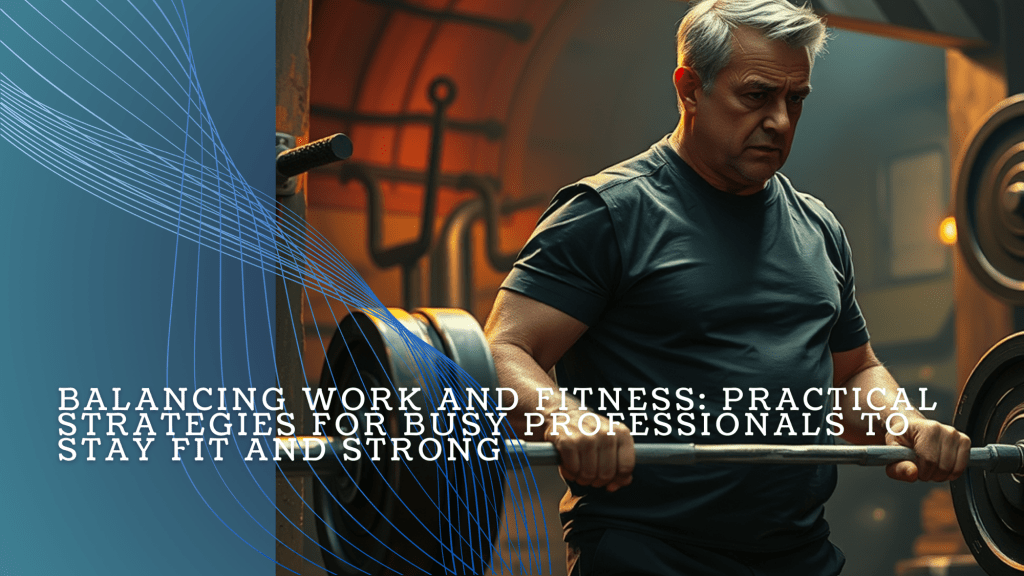
  • Balancing Work and Fitness: Practical Strategies for Busy Professionals to Stay Fit and Strong

    Balancing Work and Fitness: Practical Strategies for Busy Professionals to Stay Fit and Strong

    In the fast-paced world of demanding careers and tight schedules, it’s easy to push fitness to the sidelines. However, staying active is more than a health goal; it’s a cornerstone for productivity, mental clarity, and long-term well-being. The good news? You don’t need to spend hours in the gym to achieve incredible results. With the right strategies, you can integrate fitness seamlessly into your busy life.

    Let’s explore how you can prioritize strength training and movement, even with a packed schedule, and create a sustainable routine that keeps you strong and energized.

    1. Strength Training: The Backbone of Fitness

    For busy professionals, efficiency is key, and strength training delivers. With just two or three total-body sessions per week, you can build muscle, improve your metabolism, and enhance your overall health.

    Focus on Multijoint Barbell Movements

    To get the most bang for your buck, prioritize multijoint barbell exercises such as:

    • Squats: Develop lower body strength and core stability.
    • Deadlifts: Build posterior chain power and full-body strength.
    • Bench Press: Strengthen your chest, shoulders, and triceps.

    These compound movements recruit multiple muscle groups, making them incredibly effective for maximizing results in minimal time.

    Adapt to Your Schedule

    If your week is unpredictable, don’t stress. Here’s how to stay flexible:

    • Shift Days: Move workout sessions around as needed.
    • Simplify Workouts: If time is short, focus on one or two big lifts and skip minor assistance exercises.
    • Weekend-Only Training: Can’t train midweek? No problem. Two intense sessions on Saturday and Sunday can still yield great results.

    Consistency and effort matter far more than perfection. Even a brief session can be highly productive if you give it your all.

    2. Supplement Strength Training with Daily Movement

    Strength training builds muscle, but daily movement keeps your body active and healthy. Aim to walk at least 8,000 steps a day, and you’ll reap numerous benefits:

    Physical Health Benefits
    • Improved cardiovascular health.
    • Enhanced recovery between strength-training sessions.
    • Boosted calorie burn to complement your fitness goals.
    Mental Health Benefits
    • Reduced stress levels.
    • Increased focus and mental clarity.
    • Improved mood and overall well-being.
    Optional Cardio

    If walking isn’t enough, consider light running or cycling for variety. Remember, fitness should feel enjoyable. Choose activities that excite you and keep you coming back.

    3. Make Fitness Fun and Sustainable

    The secret to long-term success? Enjoy what you do. When workouts feel like a chore, it’s harder to stick with them. Instead, frame fitness as an opportunity to grow stronger, relieve stress, and improve your quality of life.

    Tips for Making Fitness Fun
    • Experiment: Try different training styles or exercises to find what you love.
    • Celebrate Progress: Track strength gains, improved energy, or even step counts.
    • Simplify: Keep your routine straightforward so it’s easy to pick up and stay consistent.

    When fitness feels approachable and rewarding, it’s much easier to stay the course.

    4. Practical Strategies for Staying Consistent

    Life is unpredictable, but with a little planning, you can make fitness a non-negotiable part of your routine.

    Time Management Hacks
    • Morning Workouts: Start your day with a quick strength session. You’ll feel accomplished and energized.
    • Lunch Breaks: Use this time for a short walk or workout. It’s a great mental reset.
    • Combine Activities: Turn family outings into active adventures or take calls while walking.
    Building Habits
    • Begin small. Even one workout a week is better than none.
    • Focus on consistency over intensity. Showing up regularly builds momentum.
    • Create a routine that fits seamlessly into your life.
    5. The Long-Term Payoff

    Balancing work and fitness isn’t just about looking good; it’s about feeling strong and capable in every area of life. Here’s what you stand to gain:

    Physical Benefits
    • Increased strength and endurance.
    • Reduced risk of chronic illness.
    • Improved posture and energy levels.
    Mental Benefits
    • Lower stress and anxiety.
    • Enhanced focus and productivity.
    • A sense of accomplishment and resilience.

    Fitness is a long-term investment that pays dividends in both your personal and professional life. Prioritize it, and you’ll notice the difference in everything you do.

    Start Today, Stay Consistent

    Your busy schedule doesn’t have to be a barrier to fitness. With a focus on strength training, daily movement, and flexibility, you can create a routine that fits seamlessly into your life. Pick up a barbell, take a walk, or try a quick workout — the key is to start and stay consistent.

    Remember, fitness isn’t about being perfect; it’s about making progress. Every step, every lift, and every workout is a step closer to a stronger, healthier you. So why wait? Your barbell is calling — let’s get started!

  • Biceps, Brains, and Boardrooms: How Strength and Fitness Build Unstoppable Influence

    Biceps, Brains, and Boardrooms: How Strength and Fitness Build Unstoppable Influence

    In the cutthroat world of business, power is often thought to come from intelligence, persuasion, and strategy. But what if I told you that the size of your biceps could also play a vital role in your ability to dominate boardroom meetings and close deals? History, philosophy, and science suggest that physical strength and mental acuity are inextricably linked—and those who neglect their physical conditioning risk falling behind their more muscular competitors.

    To paraphrase Theodore Roosevelt, “Strength and effort are the foundation of greatness.” With this in mind, let’s explore why larger muscle bellies might just be your secret weapon for professional dominance—and how you can cultivate the physical and mental might to reign supreme.

    The Philosophy of Power: Strength as a Prerequisite for Leadership
    Socrates: The Shame of Ignoring Your Potential

    Socrates believed that physical conditioning was essential to achieving one’s full potential. He famously said, “It is a shame for a man to grow old without seeing the beauty and strength of which his body is capable.” Imagine walking into a negotiation room. Your handshake alone tells a story of discipline, resilience, and capability. Weakness in the body implies weakness in resolve—a perception no leader can afford to project.

    Nietzsche: Overcoming Weakness

    Friedrich Nietzsche’s concept of the Übermensch glorifies strength and the will to overcome challenges. For Nietzsche, physical power wasn’t just about appearances but about cultivating the strength to shape reality. In the boardroom, this translates to the ability to project confidence, endure pressure, and assert your authority—all of which are amplified by the presence of well-developed, commanding biceps.

    Why Biceps Matter: The Psychology of Strength

    The connection between physical strength and leadership isn’t just philosophical—it’s biological. Studies in evolutionary psychology show that people often associate physical size and muscularity with competence and dominance. A commanding physique doesn’t just influence others subconsciously; it affects how you carry yourself.

    When your muscles are strong, you stand taller, speak with conviction, and move with purpose. As Marcus Aurelius, the Stoic emperor and philosopher, once said, “You have power over your mind—not outside events. Realize this, and you will find strength.” Physical strength fortifies mental resilience, giving you the edge in high-pressure environments like boardroom negotiations.

    How to Build Your Boardroom Biceps and Mental Might

    It’s time to take action. Theodore Roosevelt, one of history’s grittiest leaders, overcame childhood asthma and weakness through rigorous physical training. His relentless pursuit of fitness became the foundation of his legendary leadership. Let his example inspire you to prioritize strength as a cornerstone of your success.

    1. Lift Heavy, Negotiate Harder

    To dominate the boardroom, you need functional, commanding strength. Focus on compound exercises that build overall muscle mass and power:

    • Pull-ups for grip strength and biceps dominance.
    • Deadlifts for a strong posterior chain and unshakeable presence.
    • Bench presses for a powerful chest and assertive posture.
    2. Train Your Mind Like Your Muscles

    Just as you challenge your body, challenge your intellect. Read broadly, practice critical thinking, and refine your arguments with relentless preparation. As Aristotle said, “The educated differ from the uneducated as much as the living from the dead.” Pairing a sharp mind with a strong body makes you unstoppable.

    3. Master Your Presence

    Your physical presence speaks volumes before you even open your mouth. Maintain a firm handshake, confident eye contact, and a relaxed but upright posture. Remember, Nietzsche’s Übermensch doesn’t just exist—he commands attention.

    4. Fuel for Power

    Nutrition fuels both mental and physical strength. Prioritize high-quality protein, healthy fats, and nutrient-dense foods to build muscle and sustain focus. As Rousseau suggested in Émile, “A sound mind in a sound body” is the foundation of greatness.

    Actionable Strategies for Winning in the Boardroom

    When you’ve built the physical foundation, it’s time to flex your metaphorical muscles in professional settings:

    • Use Your Strength as a Metaphor: Share stories of physical challenges you’ve overcome to build rapport and showcase resilience.
    • Project Calm Under Pressure: Physical conditioning helps you manage stress. Practice deep breathing during tense negotiations to maintain control.
    • Dominate Nonverbal Communication: Your physique reinforces your words. Lean forward slightly to emphasize points and hold your ground during disagreements.
    The Bicep Philosophy: Why It All Comes Together

    At the end of the day, the size of your biceps isn’t just about aesthetics—it’s about what they represent. Strength, discipline, and resilience are virtues praised by thinkers like Plato, who believed that “The first and greatest victory is to conquer yourself.” By committing to physical and mental excellence, you embody the qualities that inspire respect, loyalty, and trust in any arena.

    So grab a set of weights, clear your mind, and remember: every rep, every argument, and every challenge is a step closer to the unshakable power you were born to wield. You’re not just lifting weights—you’re lifting your legacy.

    No guts, no glory. No strength, no success. Go out there and dominate.