Category: nutrition

  • 💡 Kickstart Your Day, Trim the Fat: The 30/30/30 Rule Explained

    💡 Kickstart Your Day, Trim the Fat: The 30/30/30 Rule Explained

    In a world flooded with flashy diets and complex fitness programs, simplicity often gets overlooked. But if you’re a busy professional with limited time, simplicity isn’t just a preference—it’s a strategic advantage. 🎯

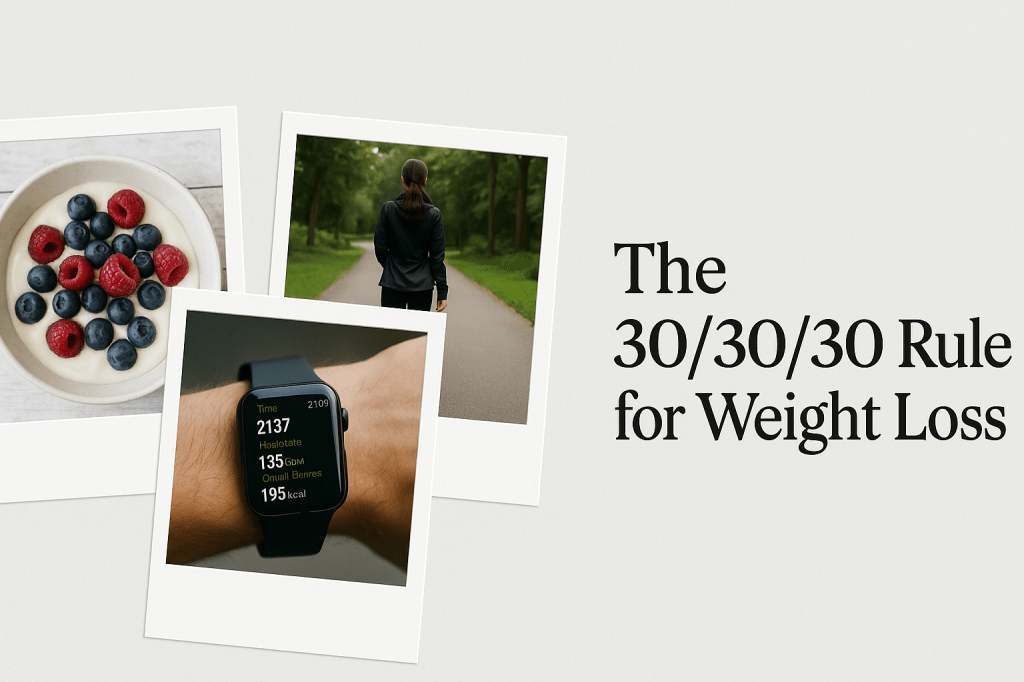
    That’s why the 30/30/30 Rule, popularized by health coach Gary Brecka, is creating a quiet revolution. It’s a minimalist morning routine that jumpstarts fat burning, balances energy levels, and helps you stay focused throughout your day—all without needing a personal trainer or meal prep marathon.

    🧩 What Is the 30/30/30 Rule?

    ✅ 30 grams of protein

    ✅ Within 30 minutes of waking

    ✅ Followed by 30 minutes of low-intensity movement

    That’s it. A routine that takes under an hour and delivers outsized returns when practiced consistently.

    🔥 Why It Works (Without the Hype)

    💥 Protein builds and protects lean muscle while keeping hunger at bay. It also increases thermogenesis, meaning your body burns more calories digesting it.

    💥 Eating early reduces cortisol spikes, stabilizes your mood, and lowers your chance of energy crashes later in the day.

    💥 Low-intensity cardio taps into fat stores without stressing your body. You’re burning fat, not glycogen—and you stay in control.

    This is not a gimmick. It’s foundational physiology, applied with intention.

    🛠️ A Minimalist’s Guide to 30/30/30

    🎯 Quick Protein Options:

    🥚 Scrambled eggs + olive oil

    🥣 Greek yogurt + seeds or fruit

    🧊 Protein shake with almond milk + oats

    🧀 Cottage cheese with berries or cinnamon

    🚶 Low-Intensity Movement Ideas:

    🌳 Morning walk outdoors

    📞 Take work calls while pacing

    🚲 Light indoor cycling

    🐾 Walk the dog (or with your kids!)

    No gym? No problem. No time? Still doable. This routine meets you where you are.

    💡 What You Can Expect

    ✔️ Reduced cravings throughout the day

    ✔️ More stable energy and mental clarity

    ✔️ A calmer, more focused start to your day

    ✔️ Improved insulin sensitivity over time

    ✔️ Easier fat loss—without extremes

    This isn’t just about physique. It’s about showing up as your best self—at work, at home, and in your own mind.

    🧭 Real-World Tips to Make It Stick

    📅 Schedule your walk like a meeting

    🥣 Prep protein-rich breakfasts the night before

    📲 Use a recurring morning reminder

    📉 Track your streaks—not just your weight

    The goal isn’t perfection. It’s consistency. One intentional morning at a time.

    🧘 Final Thought: Discipline = Freedom

    “Discipline doesn’t mean doing more—it means doing what matters, consistently.”

    The 30/30/30 rule aligns perfectly with minimalist principles: fewer moving parts, greater focus, and real, sustainable results.

    It’s not a hack. It’s a habit. And like all habits that matter, it’s worth repeating.
  • Simplifying Nutrition for Fitness Success: Minimalist Meal Plans

    Simplifying Nutrition for Fitness Success: Minimalist Meal Plans

    Introduction

    Nutrition is often overcomplicated with complex meal plans, calorie tracking, and restrictive diets that are hard to follow. But what if there was a simpler way? A minimalist approach to nutrition prioritizes whole, nutrient-dense foods while making meal planning effortless.

    For fitness success, the goal is to fuel your body efficiently while maintaining consistency. This article outlines a simple meal strategy based on 40% carbs, 30% protein, and 30% fats, emphasizing protein intake at 2g per kg of body weight to support muscle growth, recovery, and satiety.

    If you’re looking for lean muscle gain, fat loss, or overall health, this minimalist approach will help you achieve results without the stress of micromanaging your diet.

    1. The Minimalist Nutrition Philosophy

    Less is More

    Instead of juggling complex diets, focus on the essentials: high-quality protein, smart carbs, and healthy fats. A small number of nutrient-dense foods will cover all your needs without the hassle.

    Protein as the Foundation

    Since protein is essential for muscle growth, recovery, and satiety, it should be the focus of every meal. We recommend 2g of protein per kg of body weight to optimize performance and lean muscle retention.

    Consistency Over Complexity

    Rather than trying to create new meals daily, repeat simple, effective meals that you enjoy. This not only saves time but also ensures you stay on track effortlessly.

    2. Core Components of a Minimalist Meal Plan

    A well-balanced meal should include:

    Protein (30%) – Lean meats, fish, eggs, dairy, tofu, legumes

    Carbs (40%) – Whole grains, starchy vegetables, legumes, fruits

    Healthy Fats (30%) – Nuts, seeds, avocado, olive oil, fatty fish

    Vegetables – The fiber and micronutrient powerhouse

    Hydration – Water, herbal teas, and electrolyte balance

    By keeping meals structured and simple, decision fatigue is eliminated, making healthy eating easier to maintain.

    3. Meal Planning for Efficiency

    The Power of Meal Templates

    Using a meal template helps you rotate foods without overthinking. Here’s a simple guideline:

    Breakfast: Protein + healthy fat + fiber

    Lunch: Protein + smart carbs + vegetables

    Dinner: Protein + fiber + healthy fats

    Batch Cooking & Meal Prep

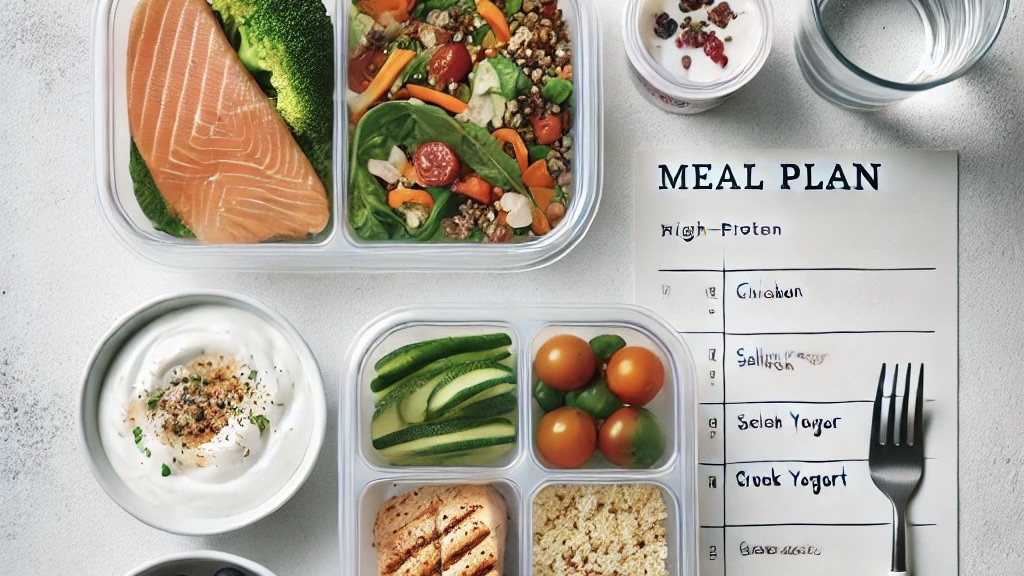
    • Cook proteins in bulk (e.g., grilled chicken, boiled eggs, baked salmon).

    • Prepare staple carbs (e.g., brown rice, quinoa, roasted potatoes).

    • Chop vegetables in advance for easy assembly.

    • Stick to a repeatable grocery list to minimize decision-making.

    4. Sample Minimalist Meal Plans (Macronutrient Balanced at 40/30/30)

    For Fat Loss (High Protein, Caloric Deficit)

    Breakfast: Scrambled eggs (3 whole, 2 whites) + spinach + avocado

    Lunch: Grilled chicken breast (150g) + quinoa (100g) + steamed broccoli

    Dinner: Salmon (120g) + roasted Brussels sprouts + olive oil

    Snack: Greek yogurt + walnuts

    For Muscle Gain (Higher Calories, Protein-Prioritized)

    Breakfast: Omelet (3 eggs, cheese) + whole grain toast + avocado

    Lunch: Ground beef (150g) + brown rice (120g) + grilled zucchini

    Dinner: Chicken thighs (160g) + sweet potatoes (150g) + sautéed spinach

    Snack: Cottage cheese + peanut butter + banana

    For General Health & Maintenance

    Breakfast: Greek yogurt + berries + almonds

    Lunch: Turkey breast (140g) + whole wheat wrap + hummus + salad greens

    Dinner: Grilled shrimp (130g) + quinoa (100g) + roasted carrots

    Snack: Boiled eggs + mixed nuts

    The key to success? Pick a few core meals and stick to them for consistency.

    5. Overcoming Common Challenges

    “What if I Get Bored?”

    Rotate spices, sauces, and cooking methods (grilled, baked, stir-fried) while keeping the core ingredients the same.

    Eating Out While Staying on Track

    Stick to lean protein + vegetables + a smart carb when ordering meals. Skip excessive sauces and deep-fried options.

    Cravings & Social Events

    Enjoy occasional treats without guilt, but focus on portion control and protein-first choices to stay in balance.

    Conclusion: The Power of Minimalist Nutrition

    By prioritizing protein, simplifying meal choices, and following a balanced macronutrient approach, you can maintain a lean, strong, and healthy physique without obsessing over food.

    Stick to whole foods with a simple structure

    Plan ahead to avoid decision fatigue

    Stay consistent – minimalism is about sustainability

    Start today: Choose one meal to simplify and build momentum. What’s your go-to simple meal? Drop it in the comments!

  • Simple Strategies for Healthy Eating on a Tight Schedule

    Simple Strategies for Healthy Eating on a Tight Schedule

    As a busy professional, it’s easy to let healthy eating fall by the wayside. With packed schedules, demanding deadlines, and the temptation of convenience foods, prioritizing balanced meals often feels like an impossible task. But what if I told you that eating healthy doesn’t have to be complicated or time-consuming? With a little planning and the right strategies, you can enjoy nutritious, delicious meals that support your energy, productivity, and overall well-being — even on the busiest of days.

    This guide will show you how to make healthy eating effortless by mastering efficient meal planning and preparation.

    Why Meal Planning is a Game-Changer

    Meal planning isn’t just for fitness enthusiasts or food bloggers—it’s a practical tool for anyone juggling a tight schedule. Here’s why it matters:

    • Save Time: Instead of scrambling to figure out meals each day, you’ll have a clear plan, freeing up valuable time.
    • Stay Nutritious: Planning ensures your meals are balanced, helping you meet your health goals.
    • Avoid Unhealthy Decisions: When hunger strikes, having prepared meals reduces the temptation of fast food or snacks.

    The best part? Meal planning doesn’t have to be overwhelming. By focusing on simplicity and preparation, you can reap the benefits without the stress.

    Step 1: Efficient Meal Planning Made Simple
    1. Assess Your Week

    Start by evaluating your upcoming week. Are there days when meetings or travel will make cooking difficult? Highlight these days and plan for grab-and-go meals or quick options.

    2. Simplify Your Menu

    Choose 2-3 versatile recipes for the week. For example:

    • Base Recipe 1: Grilled chicken or tofu that pairs with salads, wraps, or stir-fries.
    • Base Recipe 2: A hearty soup or stew that can double as lunch or dinner.
    • Base Recipe 3: A grain bowl mix with quinoa, roasted vegetables, and a protein.

    This strategy reduces decision fatigue while keeping your meals varied.

    3. Create a Focused Shopping List

    Stick to a list based on your chosen recipes. Include essentials like proteins, vegetables, grains, and snacks. This not only saves time but also helps avoid impulse purchases.

    Step 2: Meal Prep Hacks for Busy Professionals
    1. Master Batch Cooking

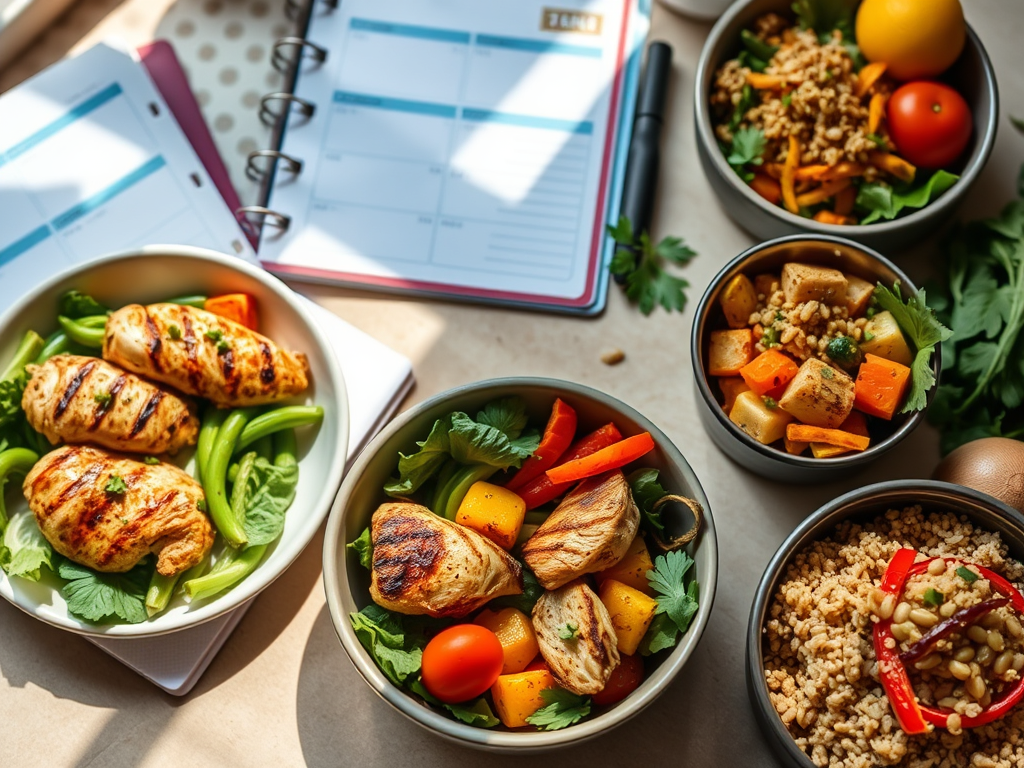
    Prepare larger portions of staples like grilled chicken, roasted vegetables, and cooked quinoa. Store them in separate containers to create mix-and-match meals throughout the week.

    2. Invest in the Right Tools

    Efficiency starts with the right equipment. Consider:

    • A slow cooker for hands-off cooking.
    • An instant pot for quick meals.
    • Quality containers to keep meals fresh and organized.
    3. Focus on Grab-and-Go Options

    Busy mornings? Prep these in advance:

    • Hard-boiled eggs with a side of fruit.
    • Overnight oats with nuts and berries.
    • Pre-packed snack boxes with cut veggies, hummus, and whole-grain crackers.
    4. Embrace Freezer Meals

    Double your recipes and freeze portions for future use. Options like chili, casseroles, or vegetable soups reheat beautifully and save time on hectic days.

    Step 3: Build Balanced Meals Without Overthinking

    A balanced plate doesn’t have to be complicated. Use this formula:

    • Half vegetables: Add color and nutrients with spinach, broccoli, or roasted peppers.
    • A quarter protein: Opt for lean meats, tofu, beans, or fish.
    • A quarter whole grains: Think quinoa, brown rice, or whole-grain bread.

    Enhance flavor with quick sauces or seasonings, such as olive oil, lemon juice, or a sprinkle of your favorite spices.

    Mix-and-Match Ideas
    • Quinoa bowl with roasted chicken, kale, and tahini dressing.
    • Whole-grain wrap with turkey, avocado, and sliced bell peppers.
    • Spinach salad with lentils, feta, and balsamic vinaigrette.
    Overcoming Common Obstacles
    • “I Don’t Have Time”: Dedicate just one or two hours on the weekend to meal prep. Even preparing a few staples like grains and proteins will make a big difference.
    • “I Get Bored of the Same Food”: Keep it exciting by changing up spices, sauces, or sides. A base recipe can transform with curry powder one day and soy sauce the next.
    • “Healthy Eating is Expensive”: Focus on affordable staples like beans, oats, eggs, and seasonal produce. Buy in bulk when possible to save more.
    Final Thoughts: Start Small, Stay Consistent

    Healthy eating on a tight schedule is about progress, not perfection. Start with small steps: prep a couple of meals, try one new recipe, or set aside just 30 minutes to plan your week. Over time, these small efforts compound into a sustainable routine that feels effortless.

    Take the first step today—plan one balanced meal for your week. You’ll be surprised at how much better you feel, both physically and mentally, when healthy eating becomes second nature.

    Healthy eating isn’t just a goal; it’s a habit that empowers you to perform at your best. Make it work for you.

  • Quick Protein-Rich Snacks for Busy Professionals

    Quick Protein-Rich Snacks for Busy Professionals

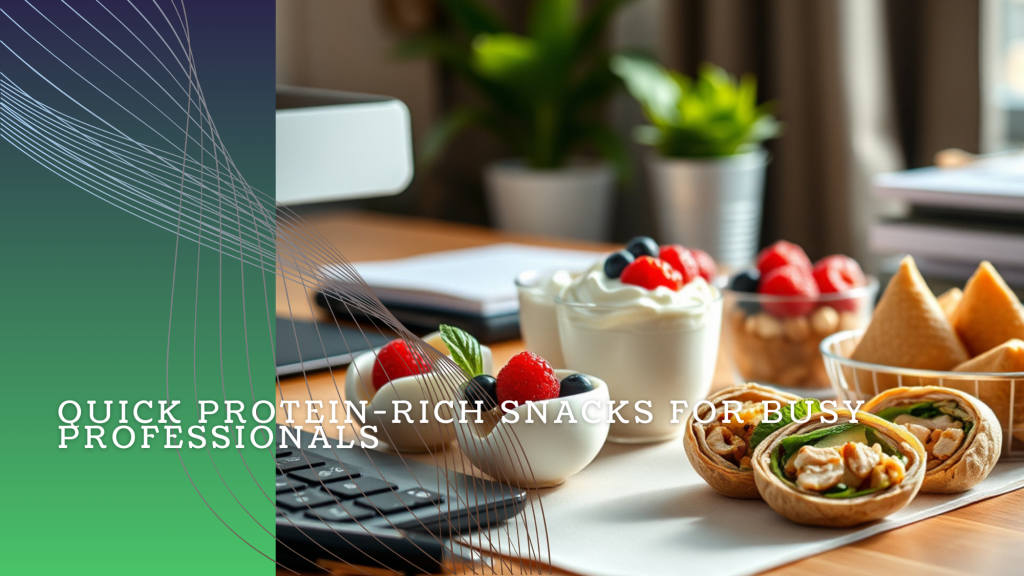
    Keeping your energy and focus steady during the workday can be challenging, especially with the demands of a busy schedule. When hunger strikes, protein-rich, nutrient-dense snacks are key to maintaining focus, energy, and supporting muscle health. In this guide, we’ve categorized ideal office snacks based on how they’re stored, prepared, and consumed — making it easier for you to find what fits best with your daily routine.


    1. Protein-Packed Snack Staples You Can Easily Store at the Office

    These snacks are ideal for quick grabs at your desk and require little to no preparation, making them perfect for a busy work environment. We chose these options because they’re rich in protein, easy to portion, and don’t need refrigeration — making them easy to keep on hand without compromising on nutrition.

    • Hard-Boiled Eggs
      • Nutritional Info (per large egg, ~50g): 6g protein, 5g fat, 0g sugar, 293 kJ (70 kcal)
      • Why It’s Great: A complete protein source that’s perfect for muscle repair and packed with choline to support brain function and focus.
    • Greek Yogurt with Toppings
      • Nutritional Info (per 200g): 15-20g protein, 0-10g fat, 5-8g sugar, 418 kJ (100 kcal)
      • Recipe Idea: Add a handful of berries or nuts to Greek yogurt.
      • Why It’s Great: Greek yogurt is high in casein protein, providing long-lasting energy. Berries add antioxidants, and nuts provide healthy fats, boosting satiety and mental clarity.
    • Cottage Cheese & Fresh Veggie Cups
      • Nutritional Info (per 100g): 11g protein, 4g fat, 4g carbs, 376 kJ (90 kcal)
      • Why It’s Great: Cottage cheese supplies slow-digesting protein, and fresh veggies provide fiber for better digestion — perfect for a filling, energizing snack at work.

    2. Quick Protein Recipes to Prepare at Home and Bring to Work

    This section is for those who enjoy a bit of meal prep. These snacks are easy to make in advance, with a mix of flavors and textures to keep your snacks exciting. Preparing snacks at home helps ensure you get a balanced, protein-rich option without additives or excess sugars commonly found in store-bought options.

    • Mini Chicken & Avocado Wraps
      • Nutritional Info (per wrap, ~80g): 12g protein, 8g fat, 2g sugar, 628-837 kJ (150-200 kcal)
      • Recipe Idea: Use whole-grain wraps, sliced grilled chicken, mashed avocado, and seasonings.
      • Why It’s Great: This wrap offers a balanced combination of protein, healthy fats, and carbs, keeping you satisfied and focused.
    • Smoked Salmon and Cream Cheese Bites
      • Nutritional Info (per 56g salmon with 15g cream cheese): 10g protein, 6g fat, 1g carbs, 460 kJ (110 kcal)
      • Recipe Idea: Spread cream cheese on cucumber rounds and top with smoked salmon.
      • Why It’s Great: These bites combine protein, omega-3s, and healthy fats for a brain-boosting snack that supports focus and muscle maintenance.

    3. Shelf-Stable High-Protein Options for Long-Lasting Convenience

    For professionals who need something that lasts, these shelf-stable snacks are ideal. With no refrigeration needed, they’re easy to keep at your desk for emergencies or busy days when you might miss a meal. This category prioritizes portability, protein density, and long shelf life.

    • Jerky (Turkey, Chicken, or Beef)
      • Nutritional Info (per 28g): 9-12g protein, 1-2g fat, ~1g sugar, 335 kJ (80 kcal)
      • Why It’s Great: Jerky is a protein-dense option that doesn’t require refrigeration. Look for low-sodium varieties to avoid dehydration, and enjoy a protein boost without sugar crashes.
    • Nuts and Seeds
      • Nutritional Info (per 28g): 5-7g protein, 14g fat, 1g sugar, 628 kJ (150 kcal)
      • Why It’s Great: Nuts and seeds provide a blend of protein, fiber, and healthy fats, with magnesium to aid in muscle relaxation and support sustained energy levels.
    • Tuna or Salmon Packets
      • Nutritional Info (per 85g): 15-20g protein, 1g fat, 0g sugar, 418 kJ (100 kcal)
      • Why It’s Great: High in protein and omega-3s, these packets are excellent for muscle support and cognitive function, and they’re highly portable for easy snacking at work.

    4. Smoothies: Blend and Store for a Midday Protein Boost

    Smoothies are easy to prepare, portable, and rich in protein and other essential nutrients. They’re ideal for busy professionals who prefer a lighter, refreshing snack that’s easy to sip between tasks. Plus, smoothies allow for flexibility in ingredients, letting you pack in protein, antioxidants, and healthy fats all in one.

    • Greek Yogurt & Berry Protein Smoothie
      • Nutritional Info (per 240ml): 15g protein, 5g fat, 10g sugar, 628 kJ (150 kcal)
      • Recipe Idea: Blend Greek yogurt, a handful of berries, and a splash of almond milk with ice.
      • Why It’s Great: This smoothie provides a protein boost with antioxidants from the berries, supporting both energy and muscle repair.
    • Almond Butter Banana Shake
      • Nutritional Info (per 240ml): 8g protein, 12g fat, 14g sugar, 753 kJ (180 kcal)
      • Recipe Idea: Blend almond butter, half a banana, and almond milk for a quick shake.
      • Why It’s Great: Almond butter supplies healthy fats, while bananas offer potassium, aiding muscle function and recovery — a balanced, energizing snack that’s easy on the stomach.

    Take Charge of Your Energy: Fuel Your Workday with High-Protein Snacks

    Having the right snacks on hand at the office can make a significant difference in your daily energy, focus, and overall health. Each snack fits into these categories to help you decide what suits your routine best — whether it’s a grab-and-go option, a recipe you can prepare at home, or a long-lasting choice for emergencies. These snacks are balanced, protein-rich, and crafted to support both cognitive and physical health, making it easier to stay productive, build muscle, and avoid the energy crashes that derail your workday.

    Consider adding these options to your routine, and enjoy steady, sustainable energy throughout the day!