Category: fitness

  • Time-Efficient Strength Training for Busy Professionals: Maximum Results in Minimal Time

    Time-Efficient Strength Training for Busy Professionals: Maximum Results in Minimal Time

    The Myth: You Need Hours in the Gym to Get Strong

    Let’s cut through the noise: You don’t need hours in the gym to get strong—you need a smarter approach. If you’re a busy professional, your time is valuable. The last thing you need is an inefficient workout routine packed with unnecessary exercises, excessive volume, and complicated programming.

    The problem?

    • You don’t have time for long workouts.
    • Most fitness advice is too complex to follow.
    • You struggle to stay consistent because life gets in the way.

    The good news? You can get stronger, build muscle, and improve your health with a minimalist, time-efficient approach. Let’s dive in.


    The Minimalist Strength Training Plan: Maximum Results in Minimal Time

    The 80/20 Rule applies to strength training: 80% of your results come from 20% of your efforts. That means focusing on the key compound movements that provide the most bang for your buck.

    1. The Core Exercises (No Fluff, Just Results)

    Forget about endless curls and crunches. Your training should center around these foundational movements:

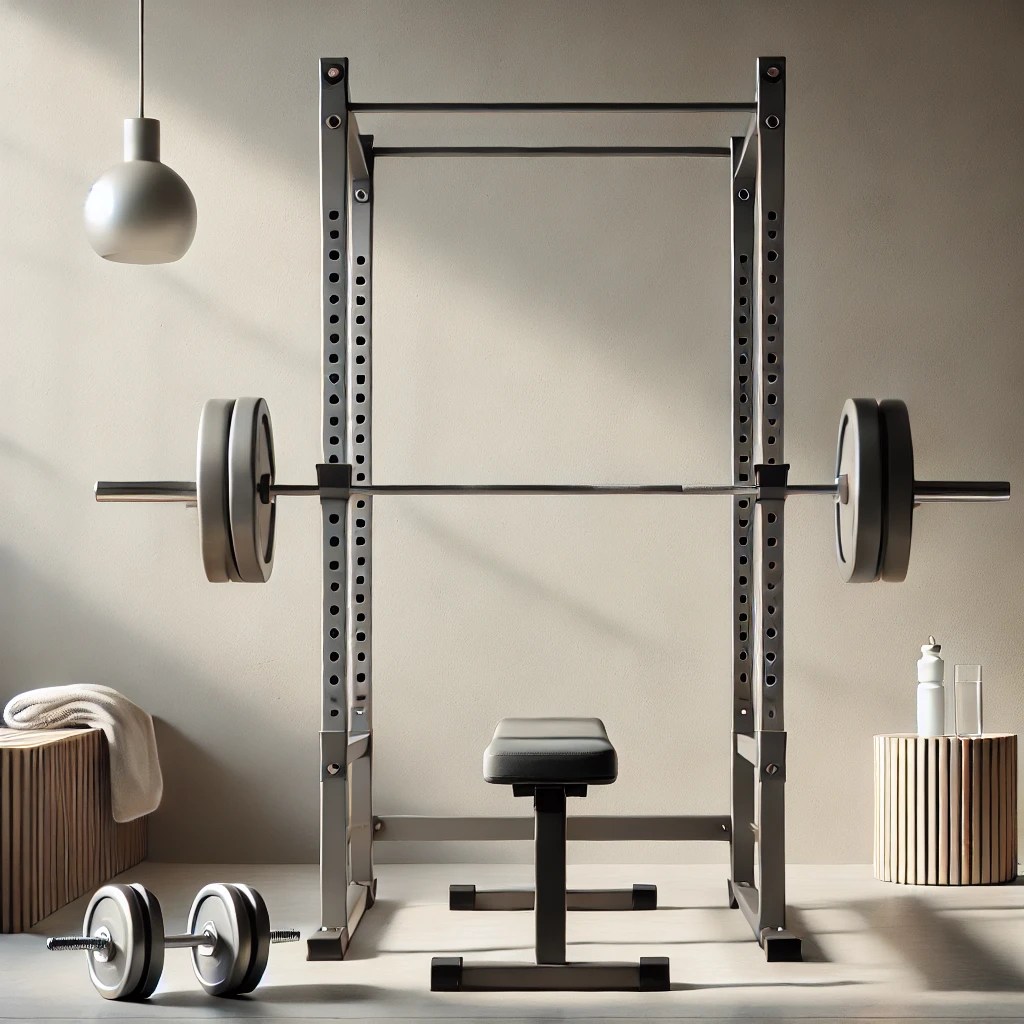
    • Squats (Goblet Squat, Back Squat, or Front Squat)
    • Deadlifts (Conventional, Trap Bar, or Romanian)
    • Presses (Overhead Press, Bench Press, or Dumbbell Variations)
    • Rows (Barbell Rows, Dumbbell Rows, or Inverted Rows)
    • Carries (Farmer’s Walk, Suitcase Carry)

    These exercises work multiple muscle groups at once, allowing you to train efficiently while maximizing strength and muscle gains.

    2. The Workout Structure for Busy Schedules

    You don’t need to train six days a week. Two to four sessions of 30-45 minutes each is enough.

    Simple Weekly Template:

    • Option 1: Full-Body (2x per week, 45 min per session)
      • Squat (3×5)
      • Bench Press (3×5)
      • Deadlift (2×5)
      • Dumbbell Rows (3×8 per side)
      • Farmer’s Carry (3×30 sec)
    • Option 2: Upper/Lower Split (4x per week, 30 min per session)
      • Day 1 (Upper): Overhead Press, Rows, Core Work
      • Day 2 (Lower): Squats, Deadlifts, Carries
      • Day 3 (Upper): Bench Press, Chin-ups, Core Work
      • Day 4 (Lower): Romanian Deadlifts, Lunges, Sled Push

    3. The Power of Progressive Overload

    The secret to getting stronger isn’t fancy workouts—it’s progressive overload.

    • Lift a little heavier each week.
    • Do an extra rep when possible.
    • Keep challenging yourself.

    No need to chase unnecessary volume. Stick to quality reps over quantity.

    4. Recovery & Consistency: The Real Game Changers

    Strength training is only part of the equation. To truly maximize results in minimal time, you need to focus on:

    • Nutrition: Prioritize protein (lean meats, eggs, fish) and whole foods.
    • Sleep: Aim for 7-9 hours per night to support recovery.
    • Stress Management: Keep cortisol levels in check with mindfulness or simple breathing techniques.

    Consistency beats perfection every time. Two solid sessions per week for a year beats four sessions per week for a month.


    Why Strength Training is a Game-Changer for Professionals

    Beyond muscle and aesthetics, strength training is a force multiplier for success in life and work.

    More Energy & Focus

    Lifting weights boosts dopamine, testosterone, and mental clarity. You’ll feel more alert and productive at work.

    Stronger Body = Stronger Mind

    Overcoming physical resistance builds mental resilience. You’ll handle stress better, make sharper decisions, and feel more confident.

    The “Effortless” Effect

    A well-trained body moves better, recovers faster, and performs at a higher level—making everyday life feel easier. Less fatigue, better posture, and higher stress tolerance.


    Take Action Today: Your Simple Starting Plan

    Ready to start? Here’s the simplest, most effective way:

    • 3 exercises, 3 times a week, 20 minutes per session.
    • Start with: Squats, Presses, and Rows.
    • Gradually increase weight and reps over time.

    No More Excuses

    • No time? Train at home with bodyweight or minimal equipment.
    • No gym? Get adjustable dumbbells or a kettlebell.
    • Not motivated? Commit to just 10 minutes—momentum will take care of the rest.

    Final Thought: Strength is the Foundation of Success

    Your career, your confidence, your energy levels—everything improves when you get stronger. Commit to just 30 minutes twice a week, and watch how effortlessly strength translates into success.

    Now go lift.

  • How Minimalism Improves Focus and Results in Fitness

    How Minimalism Improves Focus and Results in Fitness

    In a world obsessed with the latest fitness fads, high-tech gadgets, and influencer-endorsed magic formulas, it’s easy to get lost in the noise. But the truth? Fitness success isn’t about complexity. It’s about doing fewer things, better — showing up, lifting with purpose, and mastering the basics. Strength training and overall fitness don’t thrive on chaos; they thrive on focused, relentless consistency. If you’re ready to ditch the fluff and get real results, welcome to the minimalist fitness mindset.

    Strength Training: The Minimalist Approach

    Forget the circus act of balancing on a Bosu ball while curling pink dumbbells. The foundation of any effective strength training program is built on big, battle-tested, multi-joint movements: squats, deadlifts, bench presses, overhead presses, and pull-ups/rows. These exercises aren’t just for show — they recruit multiple muscle groups, enhance coordination, and stimulate serious strength and muscle gains.

    Want results? Progressive overload is king. Instead of aimlessly wandering through the gym trying every machine like a lost tourist, focus on lifting heavier over time. The magic isn’t in how many different exercises you cram into a session — it’s in getting stronger in a handful of fundamental movements. Stick to these, push hard, and you’ll build the kind of real-world strength that actually matters.

    Consistency Over Complexity

    One of the biggest mistakes people make in the gym? Constantly switching routines like they’re swiping through a dating app. Here’s the secret: the best program is the one you stick to. Strength isn’t built in a week — it’s built over years.

    Minimalism in training means cutting out the noise and doubling down on what works. Instead of getting sucked into the latest high-rep, low-rep, pyramid, drop-set, muscle confusion nonsense, just focus on showing up and progressively getting stronger. Train hard. Recover well. Repeat. It’s not rocket science — it’s discipline.

    Cardio: The Overlooked Essential

    For those over 30, maintaining cardiovascular fitness isn’t optional — it’s a non-negotiable investment in your long-term vitality. Strength training is crucial, but your heart needs training too. Luckily, a minimalist approach to cardio makes it effective, sustainable, and downright enjoyable:

    • Walking: The simplest, most underrated form of cardio. A 30-minute brisk walk daily does wonders for heart health, recovery, and mental clarity.
    • Zone 2 Cardio: Low-intensity steady-state cardio (cycling, jogging, rowing) 2-3 times a week improves endurance without torching your strength gains.
    • Short, Intense Sessions: Occasional sprints or high-intensity intervals keep you athletic, explosive, and metabolically efficient.

    Cardio doesn’t have to be a miserable, soul-crushing slog. Find what you enjoy, do it consistently, and reap the benefits.

    Nutrition: The Minimalist Perspective

    Fitness isn’t just built in the gym — it’s built in the kitchen, too. But too many people get caught up in the endless labyrinth of diet trends, expensive supplements, and contradictory nutrition advice. The minimalist approach? Keep it simple, stupid.

    • Whole Foods First: Stick to real, unprocessed foods. Lean proteins, vegetables, healthy fats, and quality carbs should be the backbone of your diet.
    • Protein-Rich, Easy-to-Prepare Meals: Eggs, chicken, beef, fish, legumes, and dairy — simple, effective, and essential for recovery and muscle growth.
    • Everything in Moderation: Forget extreme dieting and unnecessary restrictions. 80% whole, nutrient-dense foods, 20% flexibility. No guilt, no obsession — just sustainable habits.
    • Stick to the Basics: Meal prep simple, balanced meals that you actually enjoy, and stop chasing the latest diet cult.

    Master the fundamentals—eat enough protein, stay within reasonable calorie limits, prioritize real food—and you’ll be in better shape than 90% of people out there. No magic formulas needed.

    Final Thoughts: Less but Better

    Minimalism in fitness isn’t about doing the bare minimum — it’s about doing the essential things with ruthless efficiency. Strength training should revolve around fundamental compound lifts with progressive overload. Your routine should be consistent, not constantly changing. Cardio should be simple yet effective, especially as you age. Nutrition should be focused on whole, protein-rich foods in a way that’s easy to sustain.

    Success in fitness doesn’t come from doing everything; it comes from doing the right things, relentlessly. Master the basics. Stay consistent. Train hard. Eat well. Let the rest take care of itself. Less but better — that’s the minimalist way to real fitness.

  • Minimalist Strength Training: Build Maximum Strength with Just 3 Exercises and Family-Friendly Nutrition

    Minimalist Strength Training: Build Maximum Strength with Just 3 Exercises and Family-Friendly Nutrition

    In the age of over-complicated fitness plans and endless diet trends, it’s easy to feel overwhelmed when starting or maintaining a strength training routine. But what if building strength, improving health, and staying consistent didn’t have to be so complex?

    With just three foundational exercises—the squat, bench press, and deadlift—and a family-friendly, protein-rich meal plan, you can create a simple, effective, and sustainable fitness lifestyle that works for you and your loved ones. This approach is perfect for busy professionals and parents who want to stay strong without sacrificing precious time with family.

    Why Minimalist Strength Training is a Game-Changer

    When life is busy, simplicity is key. Minimalist strength training focuses on quality over quantity. By using compound movements like the squat, bench press, and deadlift, you can engage multiple muscle groups, build functional strength, and maximize efficiency in the gym.

    Even with just two workouts per week, these exercises deliver full-body results. Forget the clutter of endless accessory movements—you’ll get stronger, fitter, and healthier while keeping your schedule intact.

    The Three Power Moves
    1. The Squat: The Foundation of Strength

    The squat isn’t just a leg exercise—it’s a total-body movement that builds powerful quads, hamstrings, glutes, and a rock-solid core.

    Why It Matters:

    Whether it’s carrying groceries, playing with your kids, or hiking with family, the squat builds the strength and mobility needed for real-life activities.

    How to Perform It Right:

    1. Stand with feet shoulder-width apart and toes slightly pointed out.
    2. Rest the barbell on your upper traps (not your neck).
    3. Keep your chest proud, engage your core, and lower your hips back and down.
    4. Aim to go deep enough that your thighs are parallel to the ground (or lower).
    5. Drive up through your heels to return to standing.

    Pro Tip: Start light to perfect your form before progressing to heavier weights.

    2. The Bench Press: Build an Impressive Upper Body

    The bench press is a classic and for good reason. It targets the chest, shoulders, and triceps, helping you build a balanced, strong upper body.

    Why It Matters:

    Whether pushing your child on a swing or lifting something heavy, the bench press improves upper body strength for both functional and aesthetic benefits.

    How to Perform It Right:

    1. Lie on the bench with your eyes directly under the bar.
    2. Grip the barbell slightly wider than shoulder-width.
    3. Lower the bar slowly to your chest, keeping your elbows at about a 75-degree angle.
    4. Press the bar back up until your arms are fully extended.

    Pro Tip: Focus on control — don’t rush. Controlled movements engage more muscle and reduce injury risk.

    3. The Deadlift: The Ultimate Strength Builder

    The deadlift is a full-body powerhouse exercise. It builds strength in the glutes, hamstrings, lower back, core, and even your grip.

    Why It Matters:

    The deadlift mimics everyday movements like picking up a child or moving furniture. Training this lift translates directly into your daily life.

    How to Perform It Right:

    1. Stand with your feet hip-width apart and the bar over your midfoot.
    2. Grip the bar outside your knees, keeping your back straight and chest up.
    3. Drive through your heels, keeping the bar close to your body as you lift.
    4. Lock your hips and knees at the top before lowering the bar in a controlled motion.

    Pro Tip: For added grip strength, alternate your hand grip (one palm up, one palm down).

    The Minimalist Training Plan
    Day 1: Squat + Bench Press
    • Warm-up: 5–10 minutes of dynamic stretches and mobility work.
    • Squat: 4 sets of 5–8 reps.
    • Bench Press: 4 sets of 5–8 reps.
    • Optional: Plank holds or hanging leg raises for core stability.
    Day 2: Deadlift + Bench Press
    • Warm-up: Same as Day 1.
    • Deadlift: 4 sets of 3–6 reps.
    • Bench Press: 4 sets of 5–8 reps.
    • Optional: Pull-ups or rows for upper back development.
    Rest Days:

    Take at least one full day between workouts to recover. Use these days for light activities like walking, yoga, or family-friendly games that keep you moving.

    Family-Friendly Protein-Rich Nutrition
    The Importance of Protein

    To fuel your strength gains, aim for 1.6–2.2 grams of protein per kilogram of body weight daily. A meat-based diet simplifies meal planning and is easy to adapt for the entire family.

    Tailored Meal Plan for Families

    Breakfast:

    • Scrambled eggs with turkey bacon and fresh fruit (e.g., berries).
    • Pancakes made with protein powder for kids who love a sweet start.

    Lunch:

    • Grilled chicken wraps: Use whole-grain tortillas with shredded chicken, lettuce, and cheese.
    • For kids, cut the wraps into bite-sized pinwheels for easier handling.

    Dinner:

    • Baked salmon with roasted potatoes and green beans.
    • Cook extra salmon to use for salads or sandwiches the next day.

    Snacks:

    • Beef jerky or meat sticks for on-the-go fuel.
    • Greek yogurt parfaits layered with granola and fruit for a kid-friendly option.
    Meal Prep Tips:
    • Batch-cook proteins (grill chicken, bake salmon, or roast a beef brisket) to save time.
    • Involve your kids in simple prep tasks, like seasoning meat or arranging side dishes.
    • Use one-pot recipes like slow-cooked stews or casseroles to feed the whole family with minimal effort.
    Keys to Long-Term Success
    1. Progress Slowly: Track your lifts and focus on adding small increments of weight over time. Progression is the foundation of long-term strength.
    2. Prioritize Recovery: Sleep, hydration, and rest are just as important as training. Set a family bedtime routine to ensure everyone gets enough rest.
    3. Stay Consistent: The beauty of this minimalist plan is its sustainability. By keeping workouts and meals simple, you’ll stay on track without feeling overwhelmed.
    Conclusion

    Minimalist strength training is about more than just efficiency — it’s a sustainable lifestyle that fits into the lives of busy professionals and families alike. With just three exercises and a simple, protein-rich diet, you can build strength, improve health, and set an example of fitness for your loved ones.

    Embrace simplicity, train with purpose, and nourish your body with wholesome meals. With this approach, you’ll not only achieve your fitness goals but inspire your family to live healthier, stronger lives as well.

  • The Iron Symphony: Hard Work, Strength Training, and the Meaning of Life

    The Iron Symphony: Hard Work, Strength Training, and the Meaning of Life

    Imagine standing in the quiet sanctuary of a weight room. The air is thick with focus, the faint metallic scent of iron mingling with the steady rhythm of breath. The barbell rests before you, silent but powerful, like a sleeping giant. It dares you to lift, to rise, to meet its challenge. In this moment, you stand at the crossroads of hesitation and courage, of comfort and growth. What you choose here echoes far beyond the gym. It becomes a crescendo in the symphony of your life.

    The Weight of Truth

    The iron never lies. It is the great equalizer, stripped of bias, indifferent to excuses, unimpressed by status. It is both judge and mentor, demanding only one thing: effort. Whether the barbell feels heavy or light, whether your spirit feels strong or broken, it remains steadfast. It will not yield until you do.

    And herein lies its brilliance. The iron exposes you — not in your weakness, but in your potential. It reveals the immutable truth that hard work is the only path forward. Life, like the barbell, doesn’t adjust for comfort. The weight of your dreams and the gravity of your ambitions are constants, challenging you to rise and carry them.

    A Dialogue with the Soul

    Each lift is more than just a movement; it is a conversation between body and mind, between who you are and who you aspire to be. Under the barbell, you cannot hide. The mirror reflects your form, but the weight reveals your character. Do you quit when the burn sets in, or do you press on, fueled by an inner fire?

    This is the essence of hard work in strength training: the act of willingly stepping into discomfort, not because it’s easy, but because it’s necessary. The struggle under the bar is a physical manifestation of life’s greatest battles. It teaches you to embrace the grind, to find purpose in the struggle, and to trust that each ounce of effort brings you closer to the person you were meant to become.

    Suffering: The Forge of Greatness

    There is a certain poetry in suffering. Every rep, every bead of sweat, every moment of doubt is part of a larger narrative — the story of your transformation. Strength training teaches us that pain is not the enemy but the forge in which greatness is shaped. The muscles tear so they can grow stronger. The spirit falters so it can rise unbroken.

    Consider the words of Marcus Aurelius: “The impediment to action advances action. What stands in the way becomes the way.” The weight is not an obstacle; it is the path. Each moment of strain is a reminder that growth lies just beyond what feels comfortable. To shy away from the struggle is to deny yourself the fullness of life.

    The Symphony of Progress

    There is an artistry to the process — a rhythm, a cadence, a symphony composed not of notes but of effort. Strength training is a timeless dance between ambition and humility. No matter how much you achieve, the barbell will always ask, “What’s next?” There is no summit, no final crescendo. There is only progress.

    This unending pursuit is not a curse but a gift. It teaches you to fall in love with the process, to see each small step forward as a victory. The personal bests, the missed lifts, the days when the weight feels immovable — all of it is part of the symphony. Together, they compose a masterpiece that is uniquely yours.

    Legacy in Iron

    The lessons of the gym do not stay within its walls. The discipline you cultivate under the barbell becomes the foundation upon which you build your life. It teaches you to show up when it’s hard, to persevere when others quit, and to believe in the power of effort over excuses.

    More importantly, it teaches you to inspire. Every time you rise from the bench, every time you fight for that last rep, you become a living example of resilience. You show others that hard work is not just a means to an end but a way of life — a declaration that no challenge is too great for a willing heart.

    The Meaning Found in the Weight

    Life’s greatest truths are often found in the simplest of places. In the stillness before a lift, in the struggle of a heavy pull, in the triumph of standing tall with the bar overhead — you come to understand the essence of existence. Life, like strength training, is a journey of becoming. It is not about what you lift but who you become in the process.

    The barbell is more than just a tool; it is a compass, pointing you toward your true north. It asks you to redefine your limits, to embrace the grind, and to find joy in the pursuit. In its weight, you find clarity. In its struggle, you find purpose. And in its challenge, you find yourself.

    The Call to Lift

    As the music of your life swells, as the moments of triumph and struggle weave together into a symphony, you are faced with a choice. Will you rise to meet the weight of your potential? Will you lean into the discomfort, knowing that every effort, every drop of sweat, and every ounce of hard work is shaping a legacy that will outlive you?

    Step to the barbell. Feel its cold steel beneath your hands. Take a deep breath and let the doubts fall away. This is your moment, your symphony, your masterpiece. Lift with all you have, and let the iron teach you what it means to truly live.

  • Simple Strategies for Healthy Eating on a Tight Schedule

    Simple Strategies for Healthy Eating on a Tight Schedule

    As a busy professional, it’s easy to let healthy eating fall by the wayside. With packed schedules, demanding deadlines, and the temptation of convenience foods, prioritizing balanced meals often feels like an impossible task. But what if I told you that eating healthy doesn’t have to be complicated or time-consuming? With a little planning and the right strategies, you can enjoy nutritious, delicious meals that support your energy, productivity, and overall well-being — even on the busiest of days.

    This guide will show you how to make healthy eating effortless by mastering efficient meal planning and preparation.

    Why Meal Planning is a Game-Changer

    Meal planning isn’t just for fitness enthusiasts or food bloggers—it’s a practical tool for anyone juggling a tight schedule. Here’s why it matters:

    • Save Time: Instead of scrambling to figure out meals each day, you’ll have a clear plan, freeing up valuable time.
    • Stay Nutritious: Planning ensures your meals are balanced, helping you meet your health goals.
    • Avoid Unhealthy Decisions: When hunger strikes, having prepared meals reduces the temptation of fast food or snacks.

    The best part? Meal planning doesn’t have to be overwhelming. By focusing on simplicity and preparation, you can reap the benefits without the stress.

    Step 1: Efficient Meal Planning Made Simple
    1. Assess Your Week

    Start by evaluating your upcoming week. Are there days when meetings or travel will make cooking difficult? Highlight these days and plan for grab-and-go meals or quick options.

    2. Simplify Your Menu

    Choose 2-3 versatile recipes for the week. For example:

    • Base Recipe 1: Grilled chicken or tofu that pairs with salads, wraps, or stir-fries.
    • Base Recipe 2: A hearty soup or stew that can double as lunch or dinner.
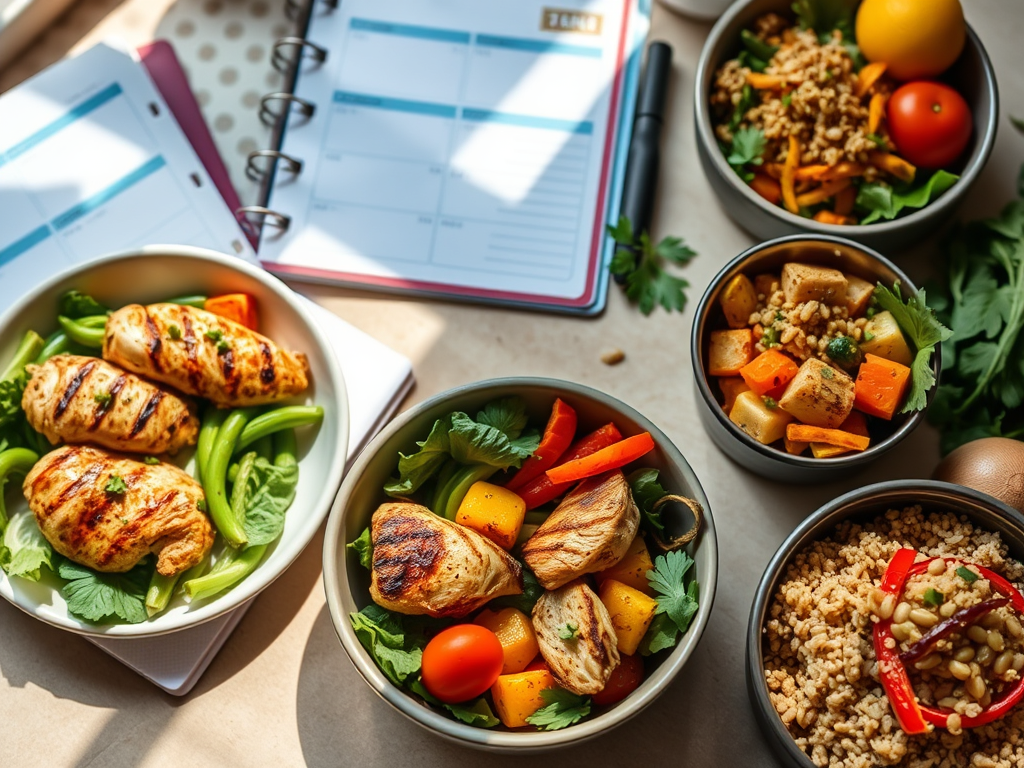
    • Base Recipe 3: A grain bowl mix with quinoa, roasted vegetables, and a protein.

    This strategy reduces decision fatigue while keeping your meals varied.

    3. Create a Focused Shopping List

    Stick to a list based on your chosen recipes. Include essentials like proteins, vegetables, grains, and snacks. This not only saves time but also helps avoid impulse purchases.

    Step 2: Meal Prep Hacks for Busy Professionals
    1. Master Batch Cooking

    Prepare larger portions of staples like grilled chicken, roasted vegetables, and cooked quinoa. Store them in separate containers to create mix-and-match meals throughout the week.

    2. Invest in the Right Tools

    Efficiency starts with the right equipment. Consider:

    • A slow cooker for hands-off cooking.
    • An instant pot for quick meals.
    • Quality containers to keep meals fresh and organized.
    3. Focus on Grab-and-Go Options

    Busy mornings? Prep these in advance:

    • Hard-boiled eggs with a side of fruit.
    • Overnight oats with nuts and berries.
    • Pre-packed snack boxes with cut veggies, hummus, and whole-grain crackers.
    4. Embrace Freezer Meals

    Double your recipes and freeze portions for future use. Options like chili, casseroles, or vegetable soups reheat beautifully and save time on hectic days.

    Step 3: Build Balanced Meals Without Overthinking

    A balanced plate doesn’t have to be complicated. Use this formula:

    • Half vegetables: Add color and nutrients with spinach, broccoli, or roasted peppers.
    • A quarter protein: Opt for lean meats, tofu, beans, or fish.
    • A quarter whole grains: Think quinoa, brown rice, or whole-grain bread.

    Enhance flavor with quick sauces or seasonings, such as olive oil, lemon juice, or a sprinkle of your favorite spices.

    Mix-and-Match Ideas
    • Quinoa bowl with roasted chicken, kale, and tahini dressing.
    • Whole-grain wrap with turkey, avocado, and sliced bell peppers.
    • Spinach salad with lentils, feta, and balsamic vinaigrette.
    Overcoming Common Obstacles
    • “I Don’t Have Time”: Dedicate just one or two hours on the weekend to meal prep. Even preparing a few staples like grains and proteins will make a big difference.
    • “I Get Bored of the Same Food”: Keep it exciting by changing up spices, sauces, or sides. A base recipe can transform with curry powder one day and soy sauce the next.
    • “Healthy Eating is Expensive”: Focus on affordable staples like beans, oats, eggs, and seasonal produce. Buy in bulk when possible to save more.
    Final Thoughts: Start Small, Stay Consistent

    Healthy eating on a tight schedule is about progress, not perfection. Start with small steps: prep a couple of meals, try one new recipe, or set aside just 30 minutes to plan your week. Over time, these small efforts compound into a sustainable routine that feels effortless.

    Take the first step today—plan one balanced meal for your week. You’ll be surprised at how much better you feel, both physically and mentally, when healthy eating becomes second nature.

    Healthy eating isn’t just a goal; it’s a habit that empowers you to perform at your best. Make it work for you.