Category: fitness

  • The Role of Exercise in Enhancing Productivity: How Physical Activity Boosts Efficiency

    The Role of Exercise in Enhancing Productivity: How Physical Activity Boosts Efficiency

    Discover how regular physical activity can skyrocket your productivity and transform your workday.


    Introduction: Sarah’s Struggle with Productivity

    Meet Sarah, a marketing manager for a busy startup. Despite her passion for her job, Sarah found herself battling afternoon slumps, struggling to focus on her projects, and working late into the night just to meet deadlines. Her productivity hit rock bottom, and so did her energy. She tried different techniques—time management tools, productivity apps, even cutting down on distractions—but nothing seemed to work.

    One day, a colleague invited her to join an early morning fitness class. At first, Sarah was skeptical. How could squeezing exercise into her already packed schedule help her productivity? But after just a few weeks of regular workouts, Sarah noticed a shift. She had more energy, could focus for longer periods, and she was wrapping up her tasks much earlier in the day. The correlation between her exercise routine and her newfound productivity was undeniable.

    This transformation led Sarah to research the science behind it, and she discovered what many experts have proven: exercise is one of the most effective ways to boost productivity.

    The Science Behind Exercise and Productivity

    The benefits Sarah experienced aren’t just anecdotal. Research shows that regular physical activity has a profound impact on brain function, energy levels, and overall productivity.

    1. Increased Energy Levels: Exercise boosts circulation and oxygen flow to the brain, which helps increase energy and reduce fatigue. This means you’ll feel less sluggish throughout the day and more energized to tackle your tasks.
    2. Enhanced Focus and Cognitive Function: Regular physical activity increases the production of neurochemicals like dopamine, norepinephrine, and serotonin, which are critical for improving attention, focus, and cognitive function. Studies show that people who exercise regularly experience better concentration, memory retention, and problem-solving skills.
    3. Reduced Stress and Anxiety: Exercise is one of the most effective ways to reduce stress, anxiety, and the mental clutter that can drain productivity. Physical activity helps regulate cortisol levels, the body’s primary stress hormone, leaving you with a clearer mind to focus on important tasks.
    4. Improved Mood: The endorphins released during exercise can improve mood and motivation, making you feel more positive and driven throughout the day.
    5. Better Sleep: Regular exercise promotes better sleep, which is crucial for maintaining high productivity levels. Quality sleep enhances cognitive function, mood stability, and physical energy—key elements for staying sharp and efficient at work.
    How Physical Activity Boosts Efficiency

    Exercise doesn’t just improve physical health; it sharpens mental agility and emotional resilience. Here’s how it enhances your work performance:

    1. Sharper Focus: Physical activity helps clear mental fog. Whether it’s a brisk walk during lunch or an early morning jog, exercise boosts mental clarity, allowing you to maintain focus on tasks for extended periods.
    2. Enhanced Problem-Solving Skills: Exercise stimulates creative thinking. When you engage in physical activity, your brain gets a chance to unwind, making it easier to approach challenges with fresh perspectives.
    3. Increased Motivation: Completing a workout gives you a sense of achievement, which can set a positive tone for the rest of the day. This heightened sense of accomplishment drives you to tackle other tasks with more enthusiasm.
    4. Time Management: Regular exercise improves self-discipline, helping you manage your time better. By making exercise a priority, you’ll find that you can fit more into your day by structuring your schedule around it.
    A Story of Transformation: David’s Experience

    David, a project manager, was caught in the vicious cycle of burnout. Long hours, tight deadlines, and back-to-back meetings had taken their toll on his physical and mental health. Despite working overtime, his productivity was plummeting. Tasks that once took an hour now stretched out for half a day, and his motivation was at an all-time low.

    One evening, David decided to hit the gym after work, hoping it would help him relieve stress. To his surprise, he felt rejuvenated afterward, both physically and mentally. Encouraged by this, David started making exercise a regular part of his routine, starting his mornings with a quick workout.

    In just a few weeks, his productivity surged. He found himself more focused during meetings, less overwhelmed by his to-do list, and more energized throughout the day. Instead of dreading work, David began to approach his tasks with renewed enthusiasm. He finished projects ahead of deadlines and even had time to spare in the evenings for personal hobbies. Exercise had become the catalyst for his productivity transformation.


    Actionable Steps: How to Implement Exercise to Boost Productivity

    Ready to experience a productivity boost like Sarah and David? Here’s how you can incorporate exercise into your routine:

    1. Start Small: If you’re new to exercising, begin with small, manageable activities like a 10-minute walk or a quick bodyweight workout at home. Gradually increase the intensity and duration as you build the habit.
    2. Schedule Exercise Like a Meeting: Block time for exercise in your calendar, just like you would for an important meeting. Commit to it daily, whether it’s in the morning, during lunch, or after work.
    3. Find What You Enjoy: Exercise doesn’t have to be a chore. Whether it’s jogging, swimming, yoga, or dancing, find an activity you enjoy, so it becomes something you look forward to rather than dread.
    4. Incorporate Active Breaks: Take short, active breaks throughout your workday. A quick stretch, a walk around the block, or even a five-minute desk workout can refresh your mind and increase your focus.
    5. Pair Exercise with Productivity Tasks: Try walking meetings, or listen to a podcast or audiobook while on the treadmill. This way, you’re staying active while getting work-related tasks done.
    6. Join a Group or Class: Accountability is key to sticking with an exercise routine. Join a workout class or find a friend or colleague to exercise with regularly.
    7. Track Your Progress: Use a fitness tracker or app to monitor your activity. Seeing your progress over time can be incredibly motivating.
    8. Make Recovery a Priority: Don’t forget the importance of rest and recovery. Adequate sleep and proper nutrition are crucial for maintaining high energy and productivity levels.

    Conclusion: Move to Achieve More

    The connection between exercise and productivity is undeniable. As Sarah and David’s stories illustrate, incorporating regular physical activity into your daily routine can transform not only your health but also your work performance. Whether you’re striving to meet deadlines, enhance your focus, or simply maintain energy throughout the day, exercise can be the secret weapon that fuels your productivity.

    Start small, stay consistent, and watch as your efficiency soars.


    By making exercise a non-negotiable part of your routine, you’ll find that you’re not just moving more, but you’re also achieving more

  • Best Workout and Calorie Apps for Busy Schedules

    Best Workout and Calorie Apps for Busy Schedules

    Staying fit can feel like a daunting task for busy professionals who already have demanding schedules, packed with meetings, deadlines, and family commitments. However, maintaining your health doesn’t have to be overwhelming—especially when you have the right tools at your fingertips. Fitness apps make it easier than ever to track progress, optimize workouts, and stay mindful of nutrition. Whether you’re aiming to build muscle, shed some weight, or simply stay active, using these apps helps simplify the process, providing both convenience and accountability. In this article, we’ll highlight the best fitness apps that can help you stay on track, even when time is in short supply.

    Best Workout Tracker Apps
    1. Strong

    Strong is an intuitive workout tracking app designed for strength training. It allows you to log exercises, sets, reps, and weights easily, and it automatically calculates your progress. You can track your entire workout history, visualize trends, and create custom workout routines.

    • Pros: Clean interface, customizable workouts, progress tracking.
    • Cons: Limited exercise database in the free version, premium features require a subscription.

    Link to Strong homepage

    2. Madbarz

    Madbarz focuses on bodyweight exercises, making it ideal for those who prefer to work out without equipment. It offers a variety of routines for different fitness levels, and you can track your progress as you build strength over time.

    • Pros: No equipment needed, customizable workouts, strong community support.
    • Cons: Limited exercise variety for those wanting weight training, ads in the free version.

    Link to madbarz homepage

    3. Jefit

    Jefit is a comprehensive workout planner and tracker designed for all levels of fitness. It offers pre-designed workout routines and allows you to create your own, track your stats, and sync your data across devices.

    • Pros: Large exercise library, built-in workout plans, easy-to-read progress charts.
    • Cons: Interface can be overwhelming for beginners, limited features in the free version.

    Link to JEFIT homepage

    4. Fitbod

    Fitbod uses machine learning to customize workouts based on your past performance, equipment availability, and fitness goals. It adjusts workouts to prevent overtraining specific muscle groups and provides a variety of strength training exercises.

    • Pros: Personalized workout plans, adapts based on your performance, tracks muscle fatigue.
    • Cons: Subscription required for full features, no bodyweight-only workout plans.

    Link to FITBOD homepage

    5. Hevy

    Hevy is a free and simple workout tracker that’s great for weightlifters. It provides an easy way to log workouts, create custom routines, and analyze your performance over time.

    • Pros: User-friendly, free with most features, no ads.
    • Cons: Limited exercise library, no cardio tracking.

    Link to HEVY homepage

    Best Calorie Logging Apps
    1. MyFitnessPal

    MyFitnessPal is a widely used app for logging meals and tracking calories. It has a massive food database and integrates with various fitness devices and apps, making it easy to monitor both your intake and exercise.

    • Pros: Huge food database, barcode scanner, integrates with other fitness apps.
    • Cons: Ads in the free version, inaccuracies in user-added food entries.

    Link to myfitnesspal homepage

    2. Lose It!

    Lose It! helps you set weight loss goals and track your daily calorie intake. It offers a barcode scanner and allows you to manually enter food items and recipes.

    • Pros: Simple to use, large food database, customizable goals.
    • Cons: Limited features in the free version, premium subscription required for detailed analysis.

    Link to loseit! homepage

    3. Cronometer

    Cronometer is known for its detailed nutrition tracking, allowing users to track not just calories but also macronutrients and micronutrients. It’s ideal for those who want a deeper understanding of their nutrition.

    • Pros: Highly detailed nutrient tracking, supports custom recipes, no ads in the free version.
    • Cons: Less user-friendly for beginners, premium version needed for advanced features.

    Link to cronometer homepage

    4. Yazio

    Yazio helps users with calorie tracking, fasting, and setting personalized health goals. It also offers meal plans and recipes to keep users on track.

    • Pros: Meal plans and recipes, fasting tracker, detailed nutrient breakdown.
    • Cons: Limited food database compared to competitors, some features locked behind a paywall.

    Link to YAZIO homepage

    5. Carb Manager

    Carb Manager is perfect for those following a low-carb or ketogenic diet. It helps track net carbs, macros, and calories, while offering keto-friendly recipes and meal plans.

    • Pros: Tailored for low-carb diets, keto recipes, easy-to-use interface.
    • Cons: Best suited for keto users, premium subscription required for more advanced features.

    Link to carbmanager homepage

    Implementation Plan for the Busy Professional

    For busy professionals, the key to successful fitness tracking is simplicity and consistency. Here’s a step-by-step implementation plan:

    1. Choose Your Tools: Start by selecting one workout tracker and one calorie logging app from the list above. For example, you can pair Strong with MyFitnessPal if you’re focused on strength training and calorie counting.
    2. Set Realistic Goals: Before diving into tracking, define clear fitness goals. Whether it’s losing weight, building muscle, or maintaining health, having a target will keep you focused.
    3. Schedule Your Workouts: Use the workout app to schedule sessions that fit your lifestyle. Aim for 3-4 sessions a week and adjust based on your availability. Apps like Fitbod can adapt your routine if you miss a session.
    4. Track Consistently: Log each workout and meal daily. Both Strong and MyFitnessPal offer easy logging systems that take only a few minutes each day, making them manageable even for the busiest schedules.
    5. Review Weekly: Set aside time at the end of each week to review your progress. Use charts and data from your apps to assess what’s working and what needs adjusting. This helps you stay accountable and motivated.
    6. Adjust as Needed: Life gets busy, so don’t be afraid to adjust your workouts or meal plans. Use your apps to scale intensity up or down, and consider switching routines to avoid burnout.
    The Benefits of Tracking for Busy Professionals

    Tracking your workouts and nutrition offers numerous benefits. It saves time, reduces guesswork, and helps busy professionals stay consistent despite demanding schedules. Progress tracking fosters accountability, provides clear metrics, and boosts motivation, ensuring you stay on the path to success without sacrificing too much time.

    By leveraging the best fitness apps, you can efficiently manage your fitness goals, streamline your workout routine, and optimize your nutrition without missing a beat in your professional life.

  • How to Stay Fit While Traveling: Tips for Maintaining Your Routine on the Road

    How to Stay Fit While Traveling: Tips for Maintaining Your Routine on the Road

    For middle-aged professionals juggling a career, family, and other responsibilities, maintaining fitness is already a challenge. When business travel enters the equation, staying active and healthy can feel impossible. However, with some planning and smart strategies, you can stay on top of your fitness game even while on the road. Here’s how.

    1. Prioritize Short, Efficient Workouts

    Time is often limited when traveling, so focus on quick but effective workouts that keep you moving. High-Intensity Interval Training (HIIT) is a great option, as it combines cardio and strength training in short bursts, maximizing efficiency. A 20- to 30-minute HIIT session can provide a full-body workout that fits into your busy schedule.

    Sample Hotel Room HIIT Routine
    • Jumping jacks: 30 seconds
    • Bodyweight squats: 30 seconds
    • Push-ups: 30 seconds
    • Plank: 30 seconds
    • Rest for 1 minute and repeat for 4-5 rounds.

    This no-equipment routine works in almost any setting, whether it’s a hotel room, a park, or a small fitness center.

    2. Pack Travel-Friendly Workout Gear

    Invest in portable, lightweight fitness equipment that can easily fit in your suitcase. Resistance bands, for example, offer versatility and allow you to perform strength training exercises with minimal space. A jump rope is another great addition for quick cardio.

    Quick Full-Body Resistance Band Workout
    • Band pull-aparts: 15 reps
    • Squats with resistance band: 15 reps
    • Overhead press: 15 reps
    • Band rows: 15 reps
    • Banded glute bridges: 15 reps
    • Repeat 3-4 rounds.

    These exercises cover all major muscle groups and can be done in a short time.

    3. Use Hotel Amenities to Your Advantage

    Many hotels offer gyms with basic equipment, such as treadmills, dumbbells, and stationary bikes. If your accommodation has a gym, take advantage of it, even if it’s just for 20 minutes each day. If there’s a pool, swimming a few laps can be a great way to get in a low-impact workout.

    Simple Gym Routine
    • Treadmill warm-up: 5-10 minutes
    • Dumbbell lunges: 3 sets of 12 reps per leg
    • Dumbbell bench press: 3 sets of 12 reps
    • Lat pulldown: 3 sets of 12 reps
    • Finish with 10 minutes of light cardio on a bike or elliptical

    This routine gives you a balanced workout, combining strength and cardio.

    4. Walk and Explore

    One of the simplest and most enjoyable ways to stay active during business trips is by walking. Whether you’re exploring a new city or heading to meetings, try to walk as much as possible. Aim for 10,000 steps a day to ensure you’re staying active without needing to set aside dedicated workout time.

    If you’re staying near a park or beach, consider a brisk walk or light jog in the morning to get your day started on the right foot.

    5. Stay Mindful of Nutrition

    Eating healthy on the road can be challenging, especially when fast food and airport snacks are the most convenient options. However, by making smart choices, you can maintain your nutrition without sacrificing convenience.

    Strategies for Healthy Eating While Traveling
    • Choose protein-rich meals: When eating out, prioritize meals that include lean protein like grilled chicken, fish, or plant-based options. Protein helps with muscle maintenance, especially when your routine is disrupted.
    • Watch portion sizes: Restaurant portions are often larger than needed. Consider splitting meals or asking for a to-go box to save half for later.
    • Healthy snacks: Pack portable snacks such as nuts, protein bars, or fruits to avoid relying on unhealthy convenience store options.
    • Hydrate: It’s easy to forget to drink water when traveling, but staying hydrated is key for energy and focus. Always carry a reusable water bottle and drink regularly throughout the day
    6. Plan Ahead

    Before you leave for your trip, take a few minutes to map out how and when you’ll fit in workouts. Block out time in your schedule, just as you would for a meeting. If you’re traveling to a city where outdoor activities are an option, look for nearby parks, walking trails, or even yoga studios where you can get some exercise.

    7. Stay Flexible

    Finally, remember that travel can be unpredictable. Flights get delayed, meetings run over, and sometimes your energy levels might be low. On those days, it’s okay to do a lighter workout or even just stretch for 10 minutes. The goal is to maintain consistency, not perfection.

    Simple Stretching Routine
    • Hamstring stretch: 30 seconds each side
    • Quad stretch: 30 seconds each side
    • Shoulder stretch: 30 seconds each side
    • Cat-cow stretch: 1 minute
    • Child’s pose: 1 minute

    These stretches can help release tension from long flights or sitting in meetings all day.

    Final Thoughts

    Travel doesn’t have to derail your fitness journey. By being intentional about your workouts, making smart food choices, and staying flexible, you can maintain your health and fitness no matter where your career takes you. Incorporate these tips into your routine and you’ll find that staying fit while traveling becomes second nature.

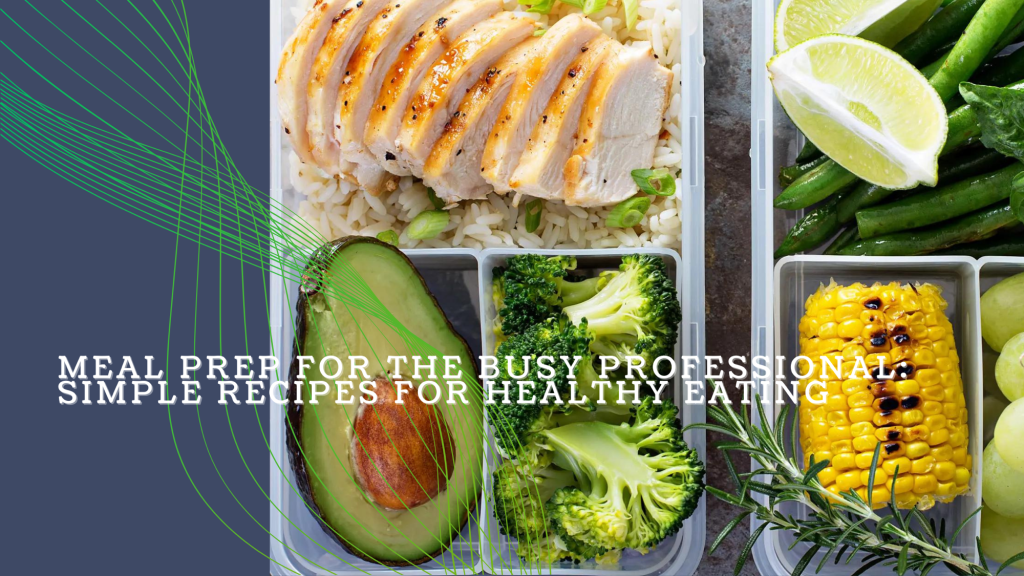
  • Meal Prep for the Busy Professional: Simple Recipes for Healthy Eating

    Meal Prep for the Busy Professional: Simple Recipes for Healthy Eating

    For busy professionals, finding time to eat healthy can feel like a challenge. But meal prepping can be your secret weapon to staying on track, ensuring that you and your family enjoy nutritious, protein-packed meals throughout the week. In this article, I’ll share simple, protein-rich, meat-centered recipes that are quick to prepare, kid-approved, and perfect for lunch or dinner. Plus, I’ll throw in a sweet treat to satisfy your cravings in a healthy way.

    1. Chicken and Veggie Stir-Fry

    Ingredients:

    • 1 kg (2 lbs) boneless, skinless chicken thighs (or breasts)
    • 1 bell pepper (sliced)
    • 1 zucchini (sliced)
    • 1 onion (sliced)
    • 2 tbsp soy sauce (or tamari for gluten-free)
    • 2 tbsp olive oil
    • 1 tsp garlic powder
    • 1 tsp paprika

    Instructions:

    1. Cut the chicken into bite-sized pieces.
    2. Heat olive oil in a pan, then cook the chicken until golden brown (around 8-10 minutes).
    3. Add the veggies, soy sauce, garlic powder, and paprika. Stir-fry for another 5 minutes until veggies are tender.
    4. Serve over rice or quinoa.

    Tip: You can prep the chicken and vegetables in advance, keeping them in separate containers in the fridge. Cook when needed!

    2. Beef Taco Bowls

    Ingredients:

    • 500 g (1 lb) ground beef
    • 1 packet taco seasoning
    • 1 can (400 g) black beans (drained and rinsed)
    • 250 g (1 cup) cooked rice (or cauliflower rice)
    • 200 g (1 cup) cherry tomatoes (halved)
    • 1 avocado (sliced)
    • Shredded cheese, salsa, and sour cream for garnish

    Instructions:

    1. Brown the ground beef in a pan, drain excess fat, then stir in taco seasoning and 60 ml (¼ cup) of water. Simmer until the water evaporates.
    2. Assemble the taco bowls by layering rice, black beans, seasoned beef, tomatoes, avocado, and your favorite toppings.
    3. Store components separately to keep everything fresh until it’s time to eat.

    Kid-friendly Twist: Let the kids build their own bowls with their favorite toppings!

    3. Sheet Pan Chicken Fajitas

    Ingredients:

    • 1 kg (2 lbs) boneless, skinless chicken breasts (sliced thin)
    • 3 bell peppers (sliced)
    • 1 onion (sliced)
    • 2 tbsp olive oil
    • 1 packet fajita seasoning (or mix your own with cumin, paprika, chili powder, and garlic)
    • Tortillas or lettuce wraps

    Instructions:

    1. Preheat your oven to 200°C (400°F).
    2. Toss the chicken, peppers, and onions in olive oil and fajita seasoning.
    3. Spread the mixture on a sheet pan and bake for 20-25 minutes, stirring halfway through.
    4. Serve in tortillas or lettuce wraps for a low-carb option.

    Prep Tip: Store the cooked chicken and veggies in containers for easy reheating throughout the week.

    4. Turkey Meatballs with Marinara

    Ingredients:

    • 500 g (1 lb) ground turkey
    • 1 egg
    • 50 g (½ cup) breadcrumbs (or almond flour for a low-carb option)
    • 2 tbsp Parmesan cheese
    • 1 tsp oregano
    • 1 jar marinara sauce

    Instructions:

    1. Preheat your oven to 190°C (375°F).
    2. In a bowl, combine turkey, egg, breadcrumbs, Parmesan, and oregano. Roll into meatballs.
    3. Place the meatballs on a baking sheet and bake for 20-25 minutes, or until cooked through.
    4. Serve with marinara sauce over whole wheat pasta or zucchini noodles.
      Meal Prep: Freeze half the batch for an easy dinner next week.
    5. Sweet Treat: Protein-Packed Ice Cream

    Ingredients:

    • 240 ml (1 cup) heavy cream
    • 1 scoop vanilla or chocolate protein powder
    • 1 tbsp cocoa powder (for chocolate flavor)
    • 1 tsp vanilla extract
    • Optional: 1 tbsp peanut butter or chocolate chips

    Instructions:

    1. Whip the heavy cream in a mixing bowl until soft peaks form.
    2. Gently fold in the protein powder, cocoa powder (if using), and vanilla extract.
    3. Freeze the mixture in a shallow dish for 2-3 hours, stirring once halfway through to break up ice crystals.
    4. Enjoy a creamy, protein-rich ice cream!

    Bonus: This ice cream is rich, satisfying, and can be made in bulk for a week of indulgence without the guilt.

    Final Thoughts:

    Meal prep doesn’t have to be complicated or time-consuming. With just a bit of planning, you can have a week’s worth of protein-packed, delicious meals that keep you energized and help you stay on track with your health goals — even with a busy schedule!

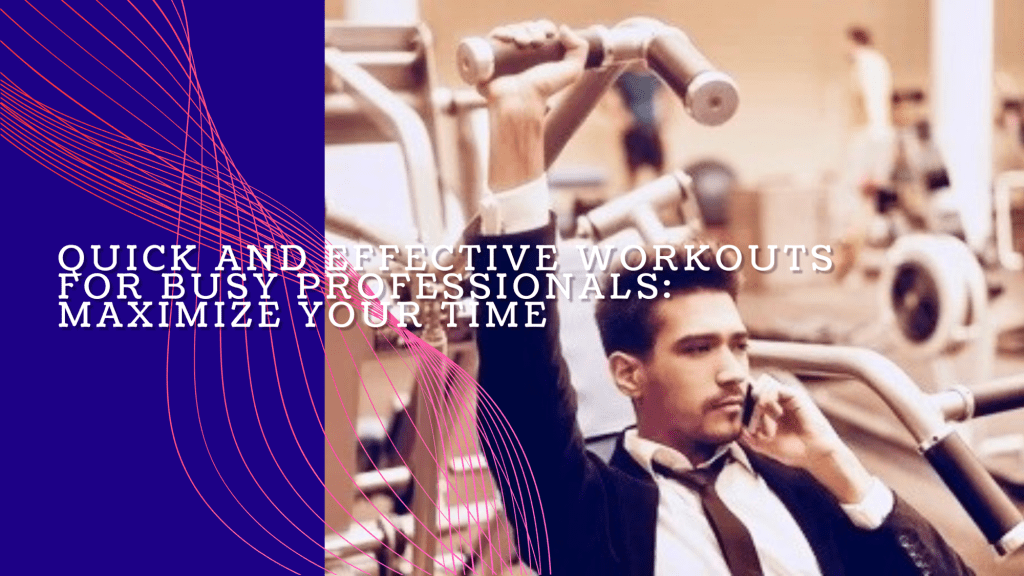
  • Quick and Effective Workouts for Busy Professionals: Maximize Your Time

    Quick and Effective Workouts for Busy Professionals: Maximize Your Time

    For busy professionals, squeezing in a workout can often feel like a luxury. However, with the right approach, you can turn a brief workout session into a powerful tool for enhancing both your career and personal life. Imagine this: a high-powered executive who juggles board meetings, client calls, and family time. What if just 20 minutes of strength training could transform his energy levels, improve focus, and even strengthen family bonds?

    Intensity Approaches for Optimal Results

    Approach 1: High Load, Low Reps This strategy focuses on heavy weights and fewer reps, ideal for building raw strength and power. Think of it as the professional’s “secret weapon” for conquering the most demanding projects with a clear, focused mind.

    Approach 2: Lower Load, Higher Reps With moderate weights and higher reps, this method enhances muscle endurance and growth. It’s akin to maintaining the stamina needed for those long, unpredictable days in the office while staying sharp and efficient.

    Sample Workouts

    Workout 1: High Load, Low Reps

    • Squats: 3 sets x 3 reps
    • Bench Press: 3 sets x 5 reps

    Imagine this: You’re finishing your last set of squats, feeling the rush of adrenaline and focus. You walk back to your desk, feeling stronger and more capable. The result? Enhanced performance at work and a renewed sense of confidence that extends beyond the gym.

    Workout 2: High Load, Low Reps

    • Deadlifts: 5 sets x 2 reps
    • Overhead Press: 3 sets x 6 reps

    Picture this: As you power through your deadlifts, you’re not just lifting weights; you’re lifting the burden of stress off your shoulders. By the end of your workout, you’re not only physically stronger but mentally sharper, ready to tackle complex problems and lead your team with renewed vigor.

    Workout 3: Lower Load, Higher Reps

    • Front Squats: 6 sets x 8 reps
    • Weighted Dips: 6 sets x 6 reps

    Think of this: You complete your front squats and weighted dips with a sense of accomplishment. The endorphins kick in, and you’re now equipped to handle the daily grind with a more resilient mindset, making your professional life smoother and your evenings with family more enjoyable.

    Workout 4: Lower Load, Higher Reps

    • Romanian Deadlift: 4 sets x 12 reps
    • (Weighted Pullup): 6 sets x 8 reps

    Envision this: Your Romanian deadlifts and Pullups are not just exercises; they’re moments of mental clarity and strength building. You leave the gym feeling not just physically but emotionally revitalized, ready to be present and engaged at home.

    Training Frequency and Progression

    To maximize your results and integrate fitness seamlessly into your life:

    • Train 2 to 3 Times a Week: Rotate through the different workouts to ensure balanced muscle development and prevent overtraining. You’ll find that this consistency makes you more resilient and effective both at work and in your personal life.
    • Progressive Overload: Each time you return to a workout, challenge yourself to lift heavier or push harder. This continual progression not only enhances physical strength but also builds mental resilience, helping you tackle daily challenges with confidence.
    • Track Your Progress: Keeping a workout journal to monitor weights, sets, and reps allows you to see tangible progress. This sense of achievement can translate into greater satisfaction in your professional and personal life.
    The Broader Benefits

    Physical Health: Regular strength training boosts cardiovascular health, improves metabolic function, and supports better posture. For busy professionals, this means fewer sick days and increased overall vitality.

    Mental Health: Engaging in strength training releases endorphins, which can reduce stress, anxiety, and depression. This mental clarity and reduced stress can make you more effective at work and more patient and present with your family.

    Family Life: By investing in your health, you set an example for your family and ensure you have the energy and mental clarity to enjoy quality time with them. Imagine returning home from a workout not feeling drained but invigorated and ready to engage in meaningful activities with loved ones.

    Conclusion

    For the busy professional, a well-designed workout can be a game-changer. By focusing on high-impact compound exercises and utilizing strategic intensity approaches, you can enhance both your work performance and personal life. With just 20 minutes of efficient strength training a few times a week, you’ll not only see physical transformations but also experience improved mental clarity and resilience. So, take the plunge and make these quick, effective workouts a part of your routine. The benefits will ripple through your career, health, and family life, making every minute count.