Category: fitness

  • Unlock Unwavering Strength: The Ultimate Blueprint for Busy Professionals

    Unlock Unwavering Strength: The Ultimate Blueprint for Busy Professionals

    Welcome to the unveiling of Unwavering Strength: The Busy Professional’s Blueprint for Lasting Confidence and Resilience—the book that’s about to transform your life from the inside out. If you’ve ever found yourself juggling the demands of a fast-paced career with the relentless pursuit of personal excellence, then this guide is your next must-read.

    Imagine this: It’s 6 AM, the alarm clock buzzes, and you’re already mentally running through the day’s to-do list. Meetings, deadlines, family obligations—where’s the time to take care of you? The truth is, you’ve got goals, aspirations, and a vision of your best self, but with so many responsibilities, it’s easy to feel like you’re constantly running on empty. That’s where Unwavering Strength comes in. This isn’t just another book on fitness and nutrition; it’s a meticulously crafted blueprint designed specifically for the busy professional who refuses to settle for mediocrity.

    Why This Book is Your Secret Weapon

    Unwavering Strength is more than just a collection of tips and tricks. It’s a holistic approach to building the kind of confidence and resilience that not only helps you survive but thrive in every area of your life. Here’s what you’ll discover inside:

    • A Strong Foundation: Ever wondered how to fuel your body for peak performance without spending hours meal prepping? Learn how to calculate your maintenance calories and macronutrients with precision, ensuring you have the energy to crush your day—whether that’s in the boardroom or the gym.
    • Supplement Savvy: The world of supplements can be overwhelming. Protein powders, creatine, vitamins—what really works? This book cuts through the noise, helping you prioritize what’s truly effective and avoid wasting money on overhyped products.
    • Building Your Routine: Say goodbye to restrictive diets that leave you feeling deprived. Discover how to craft a balanced, enjoyable diet that incorporates the foods you love, making sustainable changes that last a lifetime.
    • Commitment and Consistency: No more excuses. This book will teach you the undeniable power of hard work and dedication, and how these virtues are the bedrock of not just fitness, but every success in your life.
    • Visualizing Success: What does your best self look like? With guided visualization exercises, you’ll be able to see—and achieve—your ultimate goals, whether that’s a promotion at work, a milestone in your personal life, or your ideal physique.
    Sneak Peek: A Glimpse Into Your Future

    Here’s a small excerpt from one of the transformative chapters:

    “Consistency is the secret sauce that turns dreams into reality. It’s not about the grand gestures, but the small, daily actions that accumulate into something extraordinary. Imagine yourself a year from now—what do you see? A more confident, resilient you, standing tall not just because of the muscles you’ve built, but because of the discipline and perseverance that got you there. Every rep, every healthy meal, every moment you chose progress over complacency is a brick in the foundation of your Unwavering Strength.”

    The Time is Now

    The best time to take control of your life was yesterday, but the second best time is right now. Don’t let another day slip through your fingers without taking a step towards the resilient, confident, and empowered version of yourself that you’ve always envisioned. Unwavering Strength is your roadmap to that future, and the journey starts with your decision to act.

    Ready to start your transformation? Click here to grab your copy on Amazon: Unwavering Strength. Your future self will thank you.


    Thank you for joining me on this journey. Remember, the road to greatness is built on the small choices you make every day. Choose strength, choose resilience, and most importantly, choose you.

    Stay strong,
    Sebastian
    Author of Unwavering Strength

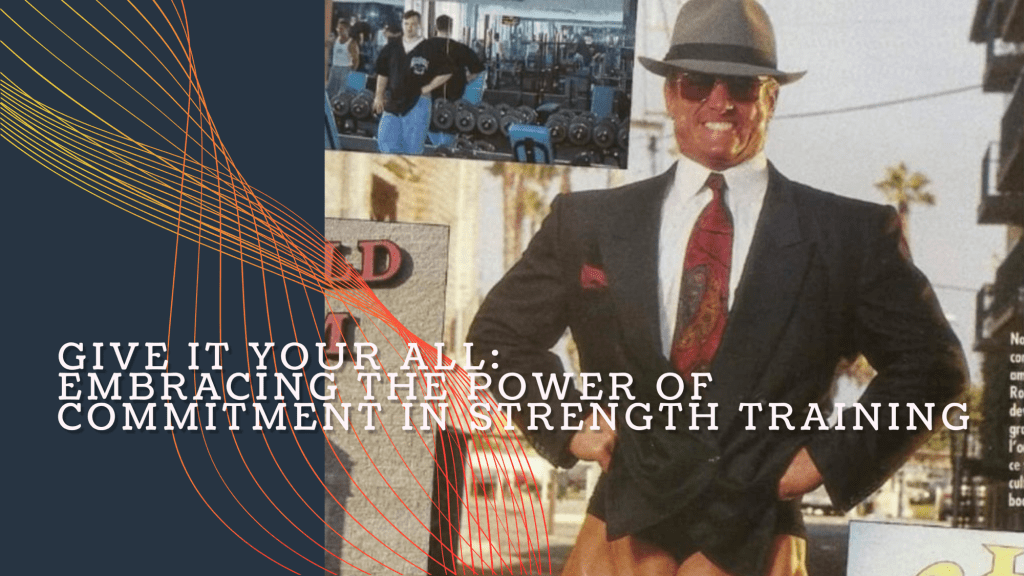
  • Give It Your All: Embracing the Power of Commitment in Strength Training

    Give It Your All: Embracing the Power of Commitment in Strength Training

    When it comes to strength training, there’s a powerful truth that stands above all others: progress demands effort. Achieving real, tangible results in the gym doesn’t come from half-hearted attempts or distracted workouts. It comes from a relentless commitment to each rep, each set, and each moment spent training. If you aspire to cultivate lasting strength and resilience, you must respect and intensify your time in the gym. You don’t need to live in the gym or let your training dominate your entire life. However, when you step into that sacred space, it’s imperative to give it your all.

    This article delves into the profound significance of full commitment during your workouts. It’s about mastering the art of balancing dedication with a healthy perspective on obsession. True progress is achieved not just by working hard but by maintaining a balanced and healthy approach to life outside of training. Let’s explore how committing fully to each session propels you toward your goals and why your “all” might look different from day to day.

    Dedication vs. Obsession: Finding Your Balance

    In the quest for strength and fitness, it’s easy to confuse dedication with obsession. Many people mistakenly believe that success requires sacrificing everything for their training—spending endless hours at the gym, fixating on every detail of their diet, and allowing fitness to consume their thoughts and energy. While this level of commitment can be admirable, it often leads to burnout, frustration, and injury.

    Dedication is about striking a balance between intensity and rationality. It means showing up for your workouts with a clear purpose, giving 100% effort, and then transitioning back to the other important aspects of your life. Dedication is about making strength training a crucial part of your routine without allowing it to overshadow other areas of your life. It’s about being fully present during your training sessions and then allowing yourself to move on, confident that you’ve given your best effort.

    On the other hand, obsession can be detrimental. It manifests when training dominates every aspect of your life. It’s the feeling of guilt for missing a workout or the tendency to let the pursuit of physical progress eclipse your relationships, career, and mental well-being. Obsession often results in overtraining, injuries, and an unhealthy relationship with fitness.

    The essence of success lies in finding the balance between dedication and obsession. Your strength training should challenge and push your limits, but it must also harmonize with your broader life. The gym should be where you test your limits, not where you live. When you’re in the gym, be completely in the gym. When you’re outside of it, let go and focus on enriching the other aspects of your life.

    Giving Your Best Effort—Even When “Best” Looks Different Each Day

    A common misconception about strength training is the belief that every workout must be perfect. You might think that progress only happens when you hit personal records (PRs), lift more weight than ever before, or leave the gym exhausted and drenched in sweat. However, not every workout will be a grand triumph, and that’s perfectly okay.

    Life is a series of fluctuating challenges and stressors that impact your energy levels and motivation. Some days, you’ll feel invincible, ready to crush your workout and achieve new milestones. On other days, simply showing up and putting in the effort might be the best you can do. The key is to give your best effort for that day, whatever that may look like.

    Some days, your best might mean setting a new PR and pushing your limits. On other days, it might mean training at a lower intensity, going through the motions, and listening to your body’s signals. Both types of days are crucial for long-term progress. Each session contributes to the bigger picture of your strength journey, regardless of how intense or modest it may be.

    Training Around Obstacles: Navigating Injuries, Fatigue, and Life’s Curveballs

    Strength training is a marathon, not a sprint. Over the months and years, you will inevitably face obstacles—whether it’s a nagging joint issue, tendon soreness, or sheer fatigue. Training around these hurdles is an integral part of the process.

    Injuries are an unfortunate reality in any training regimen. They don’t signify failure but rather an opportunity to adapt and modify your approach. Focus on exercises that do not exacerbate your injury and consider consulting with a professional to ensure you’re not compromising your recovery.

    Fatigue can also impact your performance. On days when you’re physically drained, it’s important to listen to your body. Modify your workout to reduce intensity or volume, and prioritize recovery techniques like proper nutrition and sleep.

    Life’s curveballs—such as work stress, family responsibilities, or other unexpected events—can also influence your training. Embrace the reality that you won’t always be able to give your absolute best due to these external factors. Adapt your training to fit within the constraints of your life, knowing that consistent effort over time will yield results.

    The Bottom Line: Embrace the Journey

    In the realm of strength training, giving your all doesn’t mean perfection. It means embracing each workout with a wholehearted commitment, understanding that some days will be more challenging than others. It’s about respecting the process, balancing dedication with life’s demands, and recognizing that every effort contributes to your overall progress.

    Remember, the gym is a space where you strive for greatness, but it shouldn’t consume your entire existence. Balance is key. Embrace the highs and lows, and stay committed to your journey. Your unwavering dedication, even in the face of obstacles, will be the driving force behind your lasting strength and resilience.

  • Fast-Tracking Your Physique to Be Blockbuster-Ready: Lessons from Vince Gironda

    Fast-Tracking Your Physique to Be Blockbuster-Ready: Lessons from Vince Gironda

    In the golden era of Hollywood, before the advent of CGI and special effects, the stars of the silver screen relied on their physical presence to captivate audiences. Their chiselled physiques weren’t just a product of good genetics; they were the result of relentless dedication, rigorous training, and expert guidance. At the heart of this transformation for many stars was Vince Gironda, a legendary figure whose name has become synonymous with classic bodybuilding and peak physical condition.

    Vince Gironda: The Trainer Behind Hollywood’s Greatest Physiques

    Vince Gironda, often referred to as the “Iron Guru,” was one of the most influential and innovative minds in the world of bodybuilding. Born on November 9, 1917, in the Bronx, New York, Gironda moved to California in his youth, where he would later make his mark on the fitness world. Vince’s journey into the world of bodybuilding began when he saw the movie “Ben-Hur” in 1925, starring Ramon Novarro. The chiseled physiques of the actors inspired him to pursue a career in sculpting the human body.

    Gironda opened his iconic gym, Vince’s Gym, in North Hollywood in 1948. Unlike other gyms of the time, Vince’s Gym was known for its no-nonsense approach to training. The gym itself was bare-bones, but the results achieved by those who trained there were anything but. His reputation grew quickly, and soon, Gironda became the go-to trainer for Hollywood’s elite, including the likes of Clint Eastwood, James Garner, and even the legendary Arnold Schwarzenegger.

    It is famously rumored that when Schwarzenegger first walked into Vince’s Gym, Gironda dismissed him, saying, “You have a fat ass, and you need to train your waist and hips more.” While this comment may seem harsh, it was indicative of Vince’s brutal honesty and his keen eye for symmetry and proportion. Arnold, despite the initial cold reception, would later go on to acknowledge Gironda’s influence on his training philosophy.

    Vince Gironda’s Achievements and Influence on Bodybuilding

    Vince Gironda was not just a coach; he was a formidable bodybuilder in his own right. Though he never won Mr. America or Mr. Universe, his physique was admired and respected by his peers. His emphasis on aesthetics, symmetry, and proportion set him apart from other bodybuilders of his time. Gironda’s personal achievements include top finishes in several competitions, and his physique was considered one of the most symmetrical of his era.

    Beyond his own achievements, Vince’s true legacy lies in his role as a trainer. He coached a multitude of bodybuilders who achieved great success, the most notable being Larry Scott, the first-ever Mr. Olympia, who credited Gironda with transforming his physique and career. Other top bodybuilders, like Don Howorth and Mohamed Makkawy, also trained under Vince’s watchful eye, benefiting from his unique insights and rigorous standards.

    Vince Gironda’s Training and Diet Philosophy: Ahead of Its Time

    Vince Gironda’s approach to training and diet was revolutionary and, in many ways, ahead of his time. He was a strong advocate for the idea that bodybuilding was as much an art as it was a science. His methods, though unconventional in his era, are now widely recognized for their effectiveness.

    Training Philosophy

    Gironda’s training philosophy centered around the idea of muscle shaping rather than just muscle building. He believed that the key to a perfect physique was not just size but symmetry, proportion, and definition. This led him to develop and advocate for several innovative training methods:

    • The 8×8 System: Vince’s most famous training method, the 8×8 system, is a high-volume, high-intensity workout designed to maximize muscle density and definition. The idea is simple: perform 8 sets of 8 reps for each exercise, with minimal rest between sets (usually 15-30 seconds). This method not only builds muscle but also burns fat, creating a lean and defined physique.
    • Short Rest Periods: Vince was a firm believer in keeping rest periods short to maintain intensity and stimulate maximum muscle growth. He famously trained Mohamed Makkawy to the point where he could complete an entire workout with rest periods of just 20 seconds between sets.
    • Form Over Weight: Vince emphasized perfect form over lifting heavy weights. He believed that controlling the weight and focusing on the muscle contraction was more important than how much weight was being lifted. This approach helped his clients develop muscle without risking injury or building up unnecessary bulk in unwanted areas.
    Diet Philosophy

    Vince Gironda’s diet advice was as innovative as his training methods. He was one of the first advocates of low-carbohydrate diets for fat loss, long before the Atkins or ketogenic diets became popular. He also emphasized the importance of natural, whole foods and often recommended diets that were high in protein and fat while being low in carbohydrates.

    • Steak and Eggs Diet: One of Vince’s most famous dietary recommendations was the steak and eggs diet, which involved eating nothing but steak and eggs for every meal. This diet was designed to provide the body with high levels of protein and fat, which Gironda believed were essential for building muscle and burning fat.
    • Supplements: Vince also recommended various supplements, including desiccated liver tablets, amino acids, and glandular extracts, which he believed helped optimize hormonal balance and improve recovery.

    Gironda’s diet and training methods, though radical at the time, are now widely recognized as effective. His emphasis on low-carb dieting, high-intensity training, and short rest periods have all been validated by modern sports science.

    Vince Gironda’s Exercise Recommendations

    Vince Gironda had a specific set of exercises he believed were most effective for building a balanced and aesthetically pleasing physique. Some of his favorites included:

    • Neck Press: Also known as the Gironda Press, this variation of the bench press targets the upper chest and creates a broader, more defined chest.
    • Drag Curl: A variation of the barbell curl, this exercise emphasizes the biceps’ peak by minimizing shoulder involvement and focusing on the contraction of the biceps.
    • Sissy Squat: This exercise isolates the quadriceps and helps in creating defined and shapely legs without adding unnecessary bulk to the hips or glutes.
    • Dips (Gironda Style): Vince’s version of the dip involved flaring the elbows and leaning forward to target the lower chest and triceps more effectively.
    Sample Routines
    8×8 Full Body Workout Routine

    This routine is designed to be done three times a week, with at least one rest day between sessions.

    1. Neck Press: 8 sets of 8 reps.
    2. Drag Curl: 8 sets of 8 reps.
    3. Sissy Squat: 8 sets of 8 reps.
    4. Dips (Gironda Style): 8 sets of 8 reps.
    5. Pull-Ups: 8 sets of 8 reps.
    6. Seated Calf Raise: 8 sets of 8 reps.

    Rest periods should be kept between 30-60 seconds.

    Larry Scott’s Bulking Routine

    This routine is based on the principles Vince Gironda used to train Larry Scott, focusing on muscle mass and symmetry. The workout should be done three times a week, with minimal rest between sets.

    1. Bench presses to neck – 6 sets of 6 to 8 reps.
    2. Barbell squats – 6 sets of 8 reps.
    3. Calf raises – 6 sets of 15 to 20 reps.
    4. Behind the neck presses – 6 sets of 6 to 8 reps.
    5. Front pulldowns – 6 sets of 8 to 10 reps.
    6. Lying barbell triceps extensions – 6 sets of 8 reps.
    7. Preacher bench curls – 6 sets of 8 reps.
    8. Bent-leg knee raises – 1 set of 100 to 150 reps.

    This is a rugged routine. You might wish to begin with just 3 sets of each exercise and add one additional set every 30 days until you work up to 6 sets. Do this program 3 days a week on alternate days.

    Think big and train with all the enthusiasm you’re capable of. You can go as far as you want when it comes to gaining solid weight if you train intelligently, eat properly and get enough sleep and rest. Focus on maintaining proper form and minimize rest between sets to keep the muscles under constant tension.

    Nutritional Advice for Getting in Shape

    To achieve a physique worthy of the big screen, nutrition is just as important as training. Following Vince’s dietary principles can help you get lean and muscular:

    1. High Protein, Moderate Fat, Low Carb: Focus on protein-rich foods like steak, eggs, chicken, and fish, while keeping carbohydrates low to promote fat loss and muscle definition.
    2. Natural Foods: Stick to whole, unprocessed foods. Avoid sugar, refined carbs, and processed foods, which can lead to fat gain and poor muscle definition.
    3. Hydration: Drink plenty of water throughout the day to stay hydrated and support muscle recovery.
    4. Supplements: Consider adding supplements like desiccated liver tablets, amino acids, and fish oil to your diet to support muscle growth and overall health.
    Guidelines for Progression

    When starting out, it’s important not to overtrain. Begin with fewer sets and gradually increase the volume as your body adapts. For example, start with 4 sets of each exercise in the 8×8 system and work your way up to 8 sets over several weeks. Pay attention to your body’s signals, and ensure you’re getting enough rest and recovery between workouts.

    Conclusion

    Vince Gironda’s methods were as unconventional as they were effective, leaving an indelible mark on the world of bodybuilding and fitness. His emphasis on aesthetics, symmetry, and proportion helped shape not just the physiques of bodybuilders but also some of Hollywood’s biggest stars. From Clint Eastwood’s rugged, lean build to Denzel Washington’s chiseled form, Vince’s guidance ensured that these actors looked the part for their roles. Sean Penn, Erik Estrada, and Jeff Goldblum were among the other famous names who turned to Vince to prepare for their movie appearances, all benefiting from his strict, results-driven approach.

    However, it’s important to understand that Vince Gironda’s training and diet regimens were designed for short, intense spurts of improvement rather than year-round routines. The 8×8 system and the other high-intensity methods Vince prescribed were meant to be followed for several weeks at a time, pushing the body to its limits to achieve rapid, visible results. This kind of training demands not only physical effort but also mental fortitude. It requires you to give your all in every workout, fully committing to the process to see the transformative effects that Vince promised.

    These training cycles are perfect for those looking to achieve a blockbuster-ready physique in a short period, perhaps in preparation for a special event, a photoshoot, or just as a personal challenge. But it’s crucial to recognize that such high-intensity training should not be sustained indefinitely. After several weeks of pushing your limits, your body needs time to recover and adapt. This is why Vince’s methods are best used as a powerful tool for rapid improvement rather than as a year-round training program.

    As you follow Vince Gironda’s principles, whether you’re aiming to build muscle, burn fat, or simply achieve a more balanced and defined physique, remember to approach this training with the intensity and dedication it demands. The results will speak for themselves, just as they did for the countless stars and bodybuilders who trained under Vince’s expert guidance. By committing to this short-term but intense regimen, you can fast-track your physique, achieving a look that’s not just camera-ready but truly reminiscent of Hollywood’s golden era of physical excellence.


  • Running and Strength Training for Men Over 35: A Synergistic Approach to Longevity and Performance

    Running and Strength Training for Men Over 35: A Synergistic Approach to Longevity and Performance

    For men over 35, integrating running with strength training provides a potent combination that enhances overall health, performance, and longevity. Both activities complement each other in ways that boost cardiovascular endurance, muscle strength, injury prevention, and metabolic health. Drawing from historical fitness practices and modern insights, this synergistic approach not only improves athletic performance but also supports a balanced, resilient physique that can withstand the demands of aging.

    The Synergy Between Running and Strength Training

    1. Enhanced Running Efficiency and Performance: Strength training plays a crucial role in improving running efficiency by increasing muscle strength and power. Historical fitness expert John McCallum emphasized the importance of strong legs for effective running. His advice still holds today: exercises like squats, lunges, and deadlifts strengthen the quadriceps, hamstrings, glutes, and calves, which are the primary muscles involved in running. Additionally, a strong core helps maintain proper running form, reducing the risk of injury and improving endurance.

    2. Improved Muscle Strength and Bone Density: As men age, maintaining muscle mass and bone density becomes critical. While running contributes to cardiovascular fitness, it doesn’t provide the resistance needed to prevent age-related muscle loss (sarcopenia). This is where strength training becomes essential. According to the insights of Jack LaLanne, a pioneer in combining aerobic exercise with strength training, building muscle through resistance exercises like weightlifting not only counters muscle loss but also strengthens bones, reducing the risk of osteoporosis.

    3. Enhanced Metabolic Rate and Fat Loss: Running is excellent for burning calories during the activity, particularly with high-intensity interval training (HIIT). However, strength training increases muscle mass, which in turn boosts your resting metabolic rate (RMR). This means you burn more calories even at rest. The combination of running and strength training, as described by fitness experts like Fred Grace, provides an optimal strategy for fat loss and weight management. Grace’s advice on mixing aerobic and resistance training emphasizes that this dual approach leads to a more defined, lean physique.

    4. Balanced Hormonal Response: Running, especially at high intensities, can elevate cortisol levels, a stress hormone that can lead to muscle breakdown if not managed. Strength training, particularly when it involves compound movements like squats and deadlifts, stimulates the release of anabolic hormones like testosterone and growth hormone. These hormones are crucial for muscle repair, growth, and recovery—especially important as natural testosterone levels decline with age​. By balancing these hormonal responses, you can optimize muscle gain and fat loss.

    5. Injury Prevention and Recovery: Regular strength training helps correct muscle imbalances and strengthens the connective tissues that support the joints. This is particularly beneficial for runners, who are prone to injuries such as shin splints and runner’s knee. As highlighted in historical fitness literature, incorporating exercises that target stabilizing muscles and improve joint stability can significantly reduce injury risk​. Furthermore, a balanced strength training regimen enhances recovery times, allowing for more consistent running without the setbacks caused by overuse injuries.

    6. Cardiovascular and Muscular Endurance: Running improves cardiovascular endurance, which is not only essential for overall health but also enhances performance in strength training. Improved cardiovascular fitness means better blood circulation and oxygen delivery to muscles, leading to improved performance during strength training sessions. Conversely, strength training improves muscular endurance, allowing you to sustain running for longer periods without fatigue. This dual benefit ensures that you maintain a high level of fitness across both disciplines​.

    Integrating Running and Strength Training into Your Routine

    To achieve the best results from both running and strength training, it’s important to plan your workouts carefully to avoid overtraining and ensure adequate recovery. Here’s a suggested weekly plan inspired by the routines of past fitness icons and modern training principles:

    Running Days:
    Monday, Wednesday, Friday: Moderate-intensity runs (30-45 minutes) or interval training (20-30 minutes). These sessions focus on improving cardiovascular endurance and running performance, following the advice of fitness pioneers like John McCallum​.

    Strength Training Days:
    Tuesday, Thursday: Full-body strength workouts that include compound exercises such as squats, deadlifts, bench presses, and rows. These workouts emphasize exercises that target the lower body, core, and stabilizing muscles to support running. Jack LaLanne’s philosophy of integrating strength with aerobic exercises can guide this balanced approach​.

    Rest and Recovery:
    Saturday or Sunday:
    Rest day or active recovery (such as walking, light cycling, or yoga) to promote muscle recovery and reduce the risk of overtraining. Fred Grace’s advice on low-intensity aerobics can be incorporated here to aid recovery without adding strain​.

    Cross-Training and Flexibility:
    Adding a day of cross-training (e.g., swimming, cycling) provides variety and enhances cardiovascular fitness without the impact stress of running. Incorporate flexibility training or yoga to improve range of motion and prevent stiffness, as recommended by historical fitness practitioners​.

    Final Thoughts

    For men over 35, the combination of running and strength training offers a holistic approach to fitness that not only improves physical health but also boosts mental well-being, productivity, and longevity. Start by scheduling your workouts into your weekly routine, gradually increasing the intensity and duration as your fitness levels improve. Consistency is key—by maintaining a balanced approach, you’ll enjoy the full spectrum of benefits these activities offer.

    Inspired by the practices of fitness legends and modern insights, now is the time to take action. Lace up your running shoes, pick up those weights, and commit to a routine that will support your body and mind for years to come. The journey to better health and longevity begins with a single step—or rep.

  • The Power of Cold Showers, Cold Plunges, and Sauna for Health, Longevity, and Strength

    The Power of Cold Showers, Cold Plunges, and Sauna for Health, Longevity, and Strength

    In the pursuit of a healthier, longer life, many focus on diet, exercise, and sleep. However, two often-overlooked practices—cold exposure and sauna use—can be powerful allies in this journey. These methods, rooted in ancient traditions and supported by modern science, offer significant benefits for physical strength, mental clarity, and overall well-being. This essay will explore the science behind cold exposure and sauna use, their integration into a busy life, and their synergistic effects when combined with strength training and a nutrient-rich diet.

    Cold Showers and Cold Plunges: A Refreshing Path to Health and Longevity
    Scientific Concepts and Health Benefits

    Cold exposure, through showers or plunges, triggers several beneficial physiological responses. When exposed to cold, the body activates the sympathetic nervous system, releasing norepinephrine, which boosts mood, energy, and focus. Cold exposure also promotes the production of brown adipose tissue (BAT), which helps burn calories and regulate body temperature. This process can support weight management and enhance metabolic health.

    Furthermore, regular cold exposure strengthens the immune system by increasing the production of cytokines—proteins involved in inflammation and immunity. Studies have shown that cold showers can reduce the incidence of common illnesses and improve resilience against stress. Additionally, cold exposure has cardiovascular benefits, including enhanced circulation and reduced blood pressure.

    Optimal Practices and Integration into a Busy Life

    For a busy middle-aged professional, integrating cold exposure can be straightforward. Start by incorporating cold showers at the end of a warm shower. Begin with 30 seconds of cold water and gradually increase to 2-3 minutes as your tolerance builds. For those with access to a cold plunge, aim for 2-5 minutes at a temperature between 50-59°F (10-15°C).

    Incorporating this into a hectic schedule can be as simple as starting your day with a cold shower or taking a plunge after a workout. These brief sessions provide an invigorating boost, helping you stay energized and focused throughout the day. Aim for at least three sessions per week to maximize the benefits.

    Sauna: Harnessing Heat for Strength and Longevity
    Scientific Concepts and Health Benefits

    Sauna use offers a range of benefits that complement those of cold exposure. Regular sauna sessions induce hyperthermia, which has been shown to improve cardiovascular health, enhance detoxification, and reduce inflammation. The heat stress from saunas stimulates the production of heat shock proteins (HSPs), which help repair damaged proteins and protect against oxidative stress.

    Sauna use also significantly impacts mental health. The deep relaxation induced by heat can reduce stress, anxiety, and promote better sleep. Furthermore, research has linked regular sauna use to a reduced risk of cardiovascular disease, neurodegenerative diseases like Alzheimer’s, and overall mortality, suggesting it can contribute to a longer, healthier life.

    Optimal Practices and Integration into a Busy Life

    For those with limited time, sauna sessions can be an impactful addition to the weekly routine. Aim for 15-30 minutes per session at a temperature of 150-175°F (65-80°C), with 2-4 sessions per week being ideal. Listen to your body, starting with shorter sessions and gradually increasing the duration and frequency as you acclimate.

    To integrate sauna use into a busy schedule, consider evening sessions to unwind after a long day. If your gym offers a sauna, it’s convenient to combine a workout with a sauna session, maximizing your time and enhancing the benefits of both activities.

    Synergistic Effects with Strength Training and a Balanced Diet
    Enhanced Recovery and Performance

    When combined with a strength training regimen, cold exposure and sauna use can significantly enhance recovery and performance. After intense workouts, cold exposure can reduce muscle soreness, decrease inflammation, and promote faster recovery by constricting blood vessels and flushing out metabolic waste. This allows you to train more consistently and with greater intensity over time.

    On the other hand, sauna use promotes muscle relaxation and increases blood flow, delivering oxygen and nutrients essential for muscle repair. This not only aids in recovery but also in building lean muscle mass. Additionally, the relaxation and detoxification effects of the sauna can reduce cortisol levels, mitigating the negative impact of chronic stress on muscle growth and overall health.

    Mental Health and Hormonal Balance

    Cold exposure builds mental resilience by enhancing your body’s ability to adapt to stress, improving focus and mental clarity—qualities that are invaluable both in training and daily life. Regular cold exposure can also boost levels of dopamine, a neurotransmitter associated with motivation and reward, which can positively influence your workout intensity and consistency.

    Sauna use supports mental well-being by promoting relaxation, reducing anxiety, and improving sleep quality—all critical factors for optimal hormonal balance. Better sleep translates to improved muscle recovery, enhanced mood, and better decision-making, particularly regarding dietary choices.

    Nutritional Synergy

    A nutrient-rich diet is the cornerstone of any health and fitness program. When combined with cold exposure and sauna use, the benefits of a balanced diet are amplified. For instance, the improved circulation from sauna use enhances the delivery of nutrients to muscles, while the increased metabolic rate from cold exposure can aid in maintaining a healthy weight. A diet rich in antioxidants, vitamins, and minerals will further support the body’s recovery processes, reducing inflammation and oxidative stress—especially when combined with the hormetic stress from cold and heat exposure.

    A Way Forward: Implementing Cold Exposure and Sauna into a Busy Schedule

    For those new to these practices, the key is to start small and gradually build up. Here’s an actionable plan:

    1. Start with Cold Showers:
      • Duration: 30 seconds to 1 minute at the end of a warm shower.
      • Frequency: 3 times per week.
      • Progression: Gradually increase to 2-3 minutes as your tolerance improves.
    2. Introduce Cold Plunges (if accessible):
      • Duration: 2-5 minutes at 50-59°F (10-15°C).
      • Frequency: 1-2 times per week, eventually increasing to 3 times per week.
      • Timing: Consider doing this after a workout for enhanced recovery.
    3. Begin Sauna Sessions:
      • Duration: 15-20 minutes per session.
      • Frequency: 2 times per week.
        • Progression: Increase to 25-30 minutes, 3-4 times per week as your body adapts.
      • Timing: Utilize evening sessions to relax and improve sleep quality.
    4. Combine with Strength Training:
      • Cold Exposure: Use after intense strength sessions to reduce inflammation and speed up recovery.
      • Sauna Use: Incorporate after strength training or as a standalone session to promote relaxation and muscle recovery.
    5. Maintain a Balanced, Nutrient-Rich Diet:
      • Focus on: Whole foods, lean proteins, healthy fats, and plenty of fruits and vegetables.
      • Hydrate: Drink plenty of water, especially when using the sauna to stay hydrated.
      • Supplement: Consider anti-inflammatory supplements like omega-3s or turmeric to support recovery.
    Conclusion

    Cold exposure and sauna use are powerful, scientifically-backed practices that can significantly enhance health, longevity, and strength. When combined with a balanced diet and strength training, these practices offer a comprehensive approach to improving physical and mental well-being. By starting small and gradually increasing duration and frequency, you can seamlessly integrate these practices into your busy life, reaping the benefits without feeling overwhelmed. Consistency is key—embrace the challenge, and over time, you’ll find these practices become an indispensable part of your routine, helping you achieve a healthier, stronger, and longer life.