Category: fitness

  • Unlocking Strength and Simplicity: The Power of the “One Lift a Day” Program

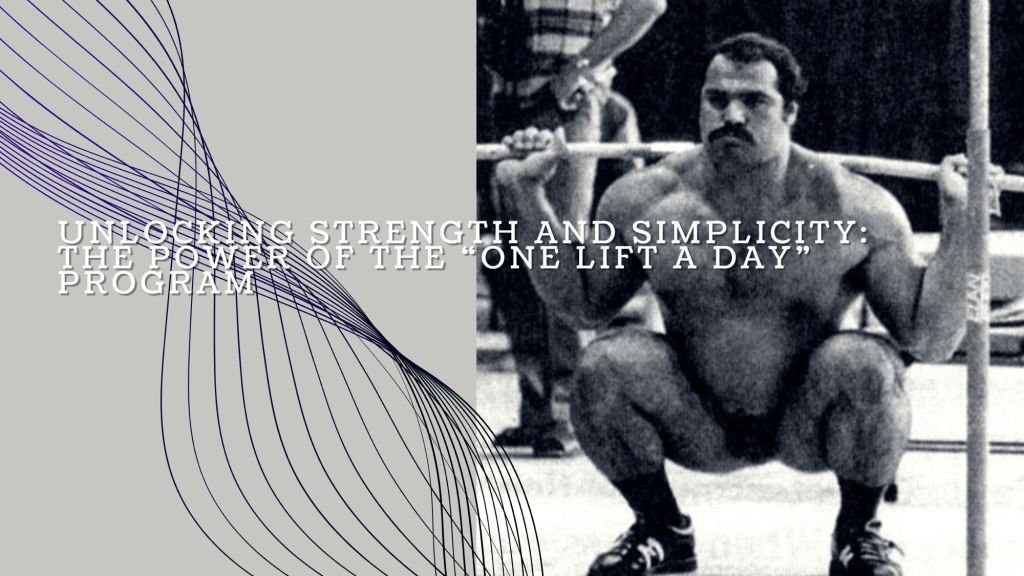
    Unlocking Strength and Simplicity: The Power of the “One Lift a Day” Program

    In the vast world of strength training, few names command the respect and admiration that Dan John does. A legendary figure in the realms of fitness and strength, Dan John has spent decades mastering the art and science of training, distilling that knowledge into practical wisdom that can be applied by anyone, from elite athletes to busy professionals. His straightforward, no-nonsense approach to strength training has made him a sought-after coach, author, and speaker. One of his most enduring contributions to the fitness world is the “One Lift a Day” program—a minimalist yet highly effective routine that speaks directly to those of us whose lives are full to the brim but who still want to prioritize our health and strength.

    Who Is Dan John?

    Dan John is not just another voice in the fitness industry; he is a coach with a rich history of competitive success and decades of experience helping people achieve their fitness goals. A former elite-level discus thrower and Olympic weightlifting competitor, Dan John has translated his athletic experience into practical training methodologies that cater to a broad audience. His work spans over 40 years, during which he has authored several books, delivered countless seminars, and trained thousands of athletes. His approach is rooted in simplicity, consistency, and the understanding that the best training plan is the one that fits seamlessly into your life, especially when life itself is anything but seamless.

    The “One Lift a Day” Program: A Lifeline for the Busy Professional

    Life is busy—there’s no denying it. Between demanding careers, family responsibilities, and the myriad of other commitments that fill our days, finding time for an hour or more at the gym can seem impossible. Enter the “One Lift a Day” program—a strength training routine that Dan John crafted with the busy professional in mind. This program distills your workout down to its most essential element, allowing you to maintain and even improve your strength with minimal time investment.

    The premise is simple: each day, you focus on just one lift. That’s right—one lift per day. This might sound too simple to be effective, but it’s precisely this simplicity that makes the program so powerful. When life gets demanding, and time is at a premium, the “One Lift a Day” approach allows you to stay consistent with your training, even when you can only carve out 15-20 minutes at a time.

    Why It Works

    The brilliance of the “One Lift a Day” program lies in its focus on Minimum Effective Dose (MED). This concept is about doing the least amount of work required to elicit a positive change in your strength and fitness levels. In a world that often equates more with better, this program flips the script by emphasizing quality over quantity. By honing in on one lift, you can give it your full attention, perfect your form, and push yourself to the limit without worrying about conserving energy for the next exercise.

    Another key advantage of this program is its adaptability. Whether you’re training in a fully equipped gym, a home gym, or even a hotel fitness center with limited options, the “One Lift a Day” program can be tailored to suit your environment. All you really need is access to a barbell, dumbbells, or even just your body weight, and you’re good to go. This makes it an excellent choice for those who travel frequently or have unpredictable schedules.

    Structuring Your “One Lift a Day” Program

    The “One Lift a Day” program typically runs over a 5-day cycle, focusing on different movement patterns each day. Here’s a sample structure:

    1. Monday: Bench Press or Incline Bench Press
      Start your week with a powerful push movement. The bench press or incline bench press targets the chest, shoulders, and triceps, making it an essential lift for upper body strength.
    2. Tuesday: Row or Row Variation
      Follow up with a pull movement like the barbell row or another row variation. This complements the push from Monday and targets the back, biceps, and rear deltoids, ensuring balanced development.
    3. Wednesday: Squat
      Midweek is dedicated to the king of all lifts—the squat. This full-body exercise primarily targets the quads, glutes, and lower back, but it also engages the core and upper body, making it indispensable for overall strength.
    4. Thursday: Off
      Take a well-deserved rest day to allow your body to recover from the intense lifting earlier in the week.
    5. Friday: Military Press
      End your workweek with the military press, focusing on shoulder strength and stability. This overhead press movement also engages the triceps and core, contributing to upper body power.
    6. Saturday (Fun Day): Curl, Deadlift, Whatever
      Saturday can be an optional “fun day” where you tackle whatever lift or exercise you feel like, whether it’s bicep curls, deadlifts, or any other movement you enjoy. This day is more flexible, allowing you to add variety or focus on any areas you want to give extra attention.

    This structure allows for a well-rounded approach to building strength, focusing on major compound lifts that engage multiple muscle groups. It also provides enough recovery time between heavy lifts, ensuring you can perform at your best each session.

    Reps and Sets Scheme

    To maximize the effectiveness of the “One Lift a Day” program, Dan John recommends a specific reps and sets scheme that evolves over the course of four weeks. Each week is designed to build on the previous one, gradually increasing intensity while managing volume to avoid burnout. Here’s how you can structure your training:

    Week One: 7 Sets of 5

    In the first week, you’ll perform seven sets of five reps for your chosen lift. This is a challenging workout, especially when performing big lifts like squats, bench presses, deadlifts, or overhead presses. To manage the intensity, Dan John suggests using a “wave” approach with your weight selection:

    • Set 1: 225 lbs for five reps
    • Set 2: 245 lbs for five reps
    • Set 3: 265 lbs for five reps
    • Set 4: 275 lbs for five reps (a tough lift, may not be able to get another set at this weight)
    • Set 5: 235 lbs for five reps (a refreshing drop in intensity)
    • Set 6: 255 lbs for five reps (a challenging but manageable set)
    • Set 7: Either 275 lbs or 285 lbs, depending on your energy and spotter availability

    For added intensity, especially with squats or bench presses, consider incorporating explosive movements immediately after your set, such as jumps for height or explosive push-ups. This combination has a powerful impact on both strength and conditioning.

    Week Two: 6 Sets of 3

    In the second week, you’ll reduce the volume to six sets of three reps. This week is designed to be about 50% of the volume of Week One, but you should aim to increase the weight slightly. The reduction in reps allows you to lift heavier while still maintaining focus and intensity.

    Week Three: 5-3-2

    Week Three introduces a 5-3-2 set and rep scheme, where the double at the end of your session is treated as a near-max effort. This week is an opportunity to push your limits while ensuring that your technique remains solid. The 5-3-2 scheme is particularly effective because it encourages you to go heavy while still maintaining control.

    Week Four: Off!

    After three weeks of progressively challenging workouts, Week Four is all about recovery. Take this week off to allow your body to fully recover and prepare for the next cycle. Although it may be tempting to skip the rest week, it’s crucial for preventing burnout and ensuring long-term progress.

    Perfect for Home Gyms and Travel

    For those with home gyms or who travel frequently, the “One Lift a Day” program is especially practical. The minimal equipment required means you don’t need to invest in a vast array of gear. A basic setup with a barbell, some weights, and a squat rack will cover almost everything you need. Even in a well-equipped hotel gym, you’ll likely find enough to complete a workout—if not, your body weight can always be used creatively. The simplicity of this program makes it ideal for maintaining consistency, no matter where you are.

    Why This Is Sufficient for Strength and Health Goals

    At first glance, the “One Lift a Day” program might seem too minimalist to address all aspects of fitness. However, its focus on heavy, compound lifts—such as squats, deadlifts, and presses—ensures that you’re working multiple muscle groups and improving your overall strength. These multi-joint exercises are incredibly effective for building muscle, which in turn increases your metabolic rate and helps you burn more calories even at rest. This shift in metabolic rate due to increased muscle mass is a key factor in long-term fat loss and weight management.

    Moreover, while the program doesn’t include traditional cardiovascular exercises, the intense nature of the lifts, particularly when performed with heavy weights and minimal rest, offers substantial cardiovascular benefits. Exercises like the back squat and deadlift require significant exertion, which elevates your heart rate and improves cardiovascular conditioning. This kind of strength training not only builds muscle but also supports heart health and enhances overall fitness.

    Conclusion

    Dan John’s “One Lift a Day” program is a testament to the power of simplicity in strength training. When life gets hectic and time becomes a precious commodity, this program offers a way to stay strong, healthy, and consistent without the need for elaborate routines or extensive time commitments. By focusing on the essentials and embracing the concept of Minimum Effective Dose, you can continue making progress even in the busiest of times. Remember, it’s not the duration, variation, or complexity of your workouts that lead to success—it’s the hard work, focus, and consistency that make all the difference.
  • Leangains: The Ultimate Guide to Intermittent Fasting and Macro Cycling for Busy Professionals

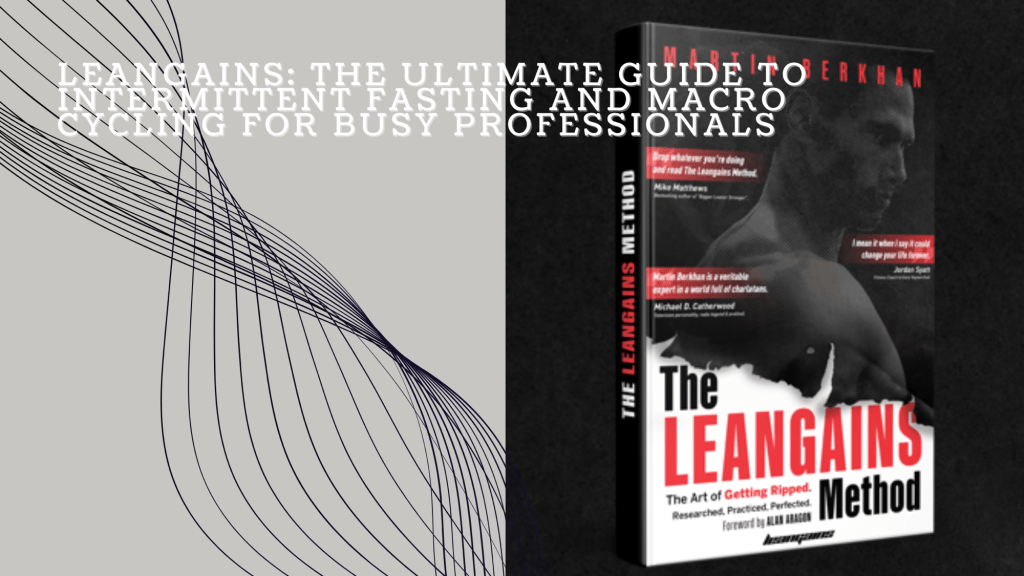
    Leangains: The Ultimate Guide to Intermittent Fasting and Macro Cycling for Busy Professionals

    Introduction

    In today’s fast-paced world, finding time to focus on fitness and nutrition can be challenging, especially for busy professionals. The Leangains method, developed by Martin Berkhan, offers a practical and effective approach to achieving body recomposition—simultaneous fat loss and muscle gain—through intermittent fasting, macro cycling, and strategic meal timing. This method is particularly well-suited for those with limited time, providing a structured yet flexible framework to optimize health and fitness.

    Who is Martin Berkhan?

    Martin Berkhan is a Swedish nutrition consultant, personal trainer, and author known for his pioneering work in the field of intermittent fasting. With a background in nutrition and fitness, Berkhan has helped countless individuals transform their bodies using his Leangains method. His approach is grounded in science and emphasizes simplicity, making it accessible and effective for a wide range of people, including busy professionals.

    Core Components of the Leangains Method
    Intermittent Fasting (IF)

    The cornerstone of the Leangains method is intermittent fasting, specifically the 16:8 protocol. This involves:

    Fasting Period: A 16-hour window during which no calories are consumed. This period can be adjusted based on individual schedules, but a common fasting window is from 8 PM to 12 PM the next day.

    Eating Window: An 8-hour window in which all daily calories and nutrients are consumed. For many, this window falls between 12 PM and 8 PM.

    What is Permitted During Fasting

    During the 16-hour fasting period, it is crucial to avoid any calorie intake. However, certain non-caloric beverages are permitted:

    Water: Staying hydrated is essential, and water is the best choice.

    Black Coffee: Coffee can be consumed without any added sugars or creamers. It can help suppress appetite and increase alertness.

    Tea: Like coffee, tea (especially green or black) can be consumed without added calories. Herbal teas are also a good option.

    Electrolytes: In some cases, adding a small amount of electrolytes to water can help maintain hydration and prevent any imbalance.

    Health Benefits of Fasting

    Intermittent fasting offers a range of health benefits beyond weight management:

    Improved Insulin Sensitivity: Fasting periods can help improve insulin sensitivity, reducing the risk of type 2 diabetes.

    Enhanced Fat Burning: Fasting encourages the body to use stored fat for energy, aiding in fat loss.

    Cellular Repair: Fasting triggers autophagy, a process where cells remove damaged components, promoting cellular health.

    Inflammation Reduction: Regular fasting periods can reduce inflammation markers in the body, lowering the risk of chronic diseases.

    Benefits for Busy Professionals

    Simplicity: By eliminating the need for breakfast, busy professionals can save time in the morning, reducing decision fatigue and simplifying their daily routine.

    Focus: Many people report increased mental clarity and focus during the fasting period, which can enhance productivity at work.

    Flexibility: The fasting and eating windows can be adjusted to fit any schedule, making it easy to maintain even with a hectic lifestyle.

    Caloric Control: Fewer meals and larger portion sizes during the eating window make it easier to stay within calorie targets, reducing the risk of overeating.

    Macronutrient Cycling

    Macro cycling in the Leangains method involves adjusting the intake of macronutrients (proteins, carbohydrates, and fats) based on training and rest days:

    Training Days: Higher intake of carbohydrates and calories to fuel workouts and promote muscle recovery. Protein intake remains high to support muscle synthesis.

    Rest Days: Lower carbohydrate intake and higher fat consumption. Calories are reduced to encourage fat loss while maintaining muscle mass.

    Benefits for Body Recomposition

    Muscle Gain: Higher carbohydrate and calorie intake on training days ensures that muscles receive the necessary nutrients for growth and repair.

    Fat Loss: Lower calorie intake on rest days creates a caloric deficit, promoting fat loss while preserving muscle mass through adequate protein consumption.

    Optimized Performance: Carbohydrate cycling aligns nutrient intake with physical activity, optimizing energy levels and workout performance.

    Hormonal Balance: Alternating macronutrient intake can positively affect hormones related to metabolism and appetite regulation, enhancing overall body composition.

    Meal Timing

    Within the 8-hour eating window, the timing and composition of meals are crucial for optimizing the Leangains method:

    Post-Workout Meal: The largest meal of the day, consumed immediately after training, to maximize muscle protein synthesis and recovery. This meal should be rich in protein and carbohydrates.

    Minimal Snacking: Focus on consuming substantial, nutrient-dense meals rather than frequent snacking to improve satiety and nutrient absorption.

    Balanced Meals: Ensure each meal contains a balance of protein, carbohydrates, and fats to provide sustained energy and support overall health.

    What to Eat to Break the Fast

    When breaking the fast, it is important to consume a meal that provides essential nutrients and supports your fitness goals:

    Protein: Include a high-quality protein source such as lean meat, fish, eggs, or plant-based proteins like tofu and legumes to support muscle synthesis.

    Carbohydrates: Incorporate complex carbohydrates like whole grains, fruits, and vegetables to replenish glycogen stores and provide sustained energy.

    Fats: Add healthy fats from sources like avocados, nuts, seeds, or olive oil to enhance satiety and provide essential fatty acids.

    Micronutrients: Include a variety of colorful vegetables and fruits to ensure adequate intake of vitamins and minerals.

    Benefits for Busy Professionals

    Convenience: By focusing on fewer, larger meals, busy professionals can reduce the time spent on meal preparation and eating.

    Efficiency: Eating strategically around workouts ensures that the body is fueled when it needs it most, enhancing workout performance and recovery.

    Simplicity: A structured meal plan reduces the need for constant decision-making about food, making it easier to stick to dietary goals.

    How the Leangains Method Improves Body Recomposition

    The Leangains method is highly effective for body recomposition due to its strategic combination of fasting, macro cycling, and meal timing:

    Enhanced Fat Loss: The intermittent fasting period promotes fat oxidation and increases insulin sensitivity, making the body more efficient at burning fat.

    Muscle Preservation and Growth: By consuming high-protein meals, especially post-workout, the method supports muscle protein synthesis and prevents muscle loss during fat loss phases.

    Hormonal Benefits: Fasting has been shown to improve the balance of hormones related to metabolism and muscle growth, such as increased growth hormone levels and improved insulin sensitivity.

    Sustained Energy Levels: Balanced meals and strategic carbohydrate intake ensure that energy levels remain stable, reducing fatigue and enhancing overall performance.

    Conclusion

    The Leangains method, developed by Martin Berkhan, offers a practical and scientifically-backed approach to achieving body recomposition. By combining intermittent fasting, macronutrient cycling, and strategic meal timing, this method provides a simple yet effective framework for busy professionals to optimize their health and fitness. Whether your goal is to lose fat, gain muscle, or both, the Leangains method can help you achieve lasting results while fitting seamlessly into a demanding lifestyle.

  • Transform Your Fitness: The Ultimate Guide to Strength Training Success with “Beyond Brawn”

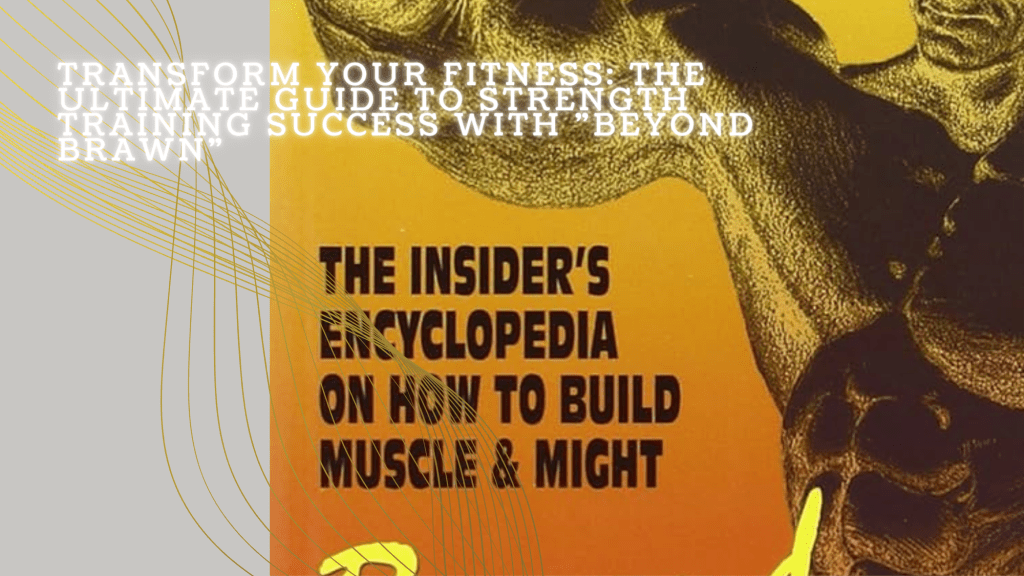
    Transform Your Fitness: The Ultimate Guide to Strength Training Success with “Beyond Brawn”

    “Train consistently hard enough, long enough, and smart enough to reap the rewards of progressive strength training.”

    “The most important variable in the training equation is the amount of effort you put into your workouts.”

    Stuart McRobert is a well-known figure in strength training, particularly for advocating methods tailored to “hardgainers”—individuals who struggle to make significant progress with conventional training methods. His book “Beyond Brawn” is a comprehensive guide that focuses on practical, sustainable strength training. McRobert’s philosophy emphasizes simplicity, safety, and long-term progress, with a strong focus on personalized training and recovery strategies.

    Why “Beyond Brawn” is a Must-Read

    “Beyond Brawn” is not just for bodybuilders; it’s also ideal for busy professionals who want to stay in shape and maintain their health over their lifetime. The principles in the book are designed to help you achieve your fitness goals efficiently, even with a demanding schedule. McRobert’s approach helps you maximize your results with minimal time investment, making it perfect for those balancing a full-time job, family, and other responsibilities.

    McRobert’s Guidance on Strength Training
    Key Training Principles:
    1. Compound Exercises: Focus on basic, multi-joint exercises such as squats, deadlifts, bench presses, and rows.
    2. Progressive Overload: Gradually increase the weight you lift to continually challenge your muscles.
    3. Individualization: Customize your training program to suit your body type, genetics, and experience level.
    4. Recovery: Ensure adequate rest between workouts to allow for muscle recovery and growth.
    5. Safety and Technique: Prioritize proper form to prevent injuries.
    Exercises:

    Lower Body: Squats variations (hack squat), deadlift variations, leg presses (if you can‘t squat in a safe manner), lunges, standing calf raises, donkey calf raises.

    Upper Body: Bench presses, overhead presses, pull-ups, barbell rows bent over and upright, pullovers, skullcrushers.

    Training Intensity and Frequency:

    Intensity: Train with moderate to heavy weights that allow you to complete 6-12 reps per set. Focus on maintaining good form throughout each set.

    Frequency: Typically 1-3 days per week, allowing ample recovery time. Each muscle group is ideally trained every 7-10 days.

    Abbreviated Training Routine Examples:

    Example 1: Full-Body Routine (1-2 Days per Week)

    Day 1: Squats, Bench Press, Bent-over Rows

    Day 2: Deadlifts, Overhead Press, Pull-ups

    Example 2: Split Routine (3 Days per Week)

    Day 1: Squats, Bench Press

    Day 2: Deadlifts, Overhead Press

    Day 3: Pull-ups, Barbell Rows

    Consistency and Record Keeping:

    Consistency: Stick to your training schedule diligently, making workouts a non-negotiable part of your routine.

    Record Keeping: Track your workouts, noting the exercises, weights, sets, and reps. Also, keep a food diary to monitor your nutrition.

    Overall Guidelines on Eating:

    Balanced Diet: Consume a diet rich in protein, complex carbohydrates, healthy fats, and plenty of vegetables and fruits.

    Protein Intake: Aim for 2.2 to 2.6 grams of protein per kilogram of (desired) body weight.

    Caloric Surplus: For muscle gain, eat slightly more calories than your body needs to maintain weight.

    Hydration: Drink plenty of water throughout the day.

    Hard Work and Very Hard Work: The Core Theme of “Beyond Brawn”

    At the heart of “Beyond Brawn” lies the unwavering principle of hard work and very hard work. Stuart McRobert emphasizes that there are no shortcuts to achieving significant strength and muscle gains, especially for hardgainers. The book drives home the message that consistent, intense effort is crucial for progress. This means committing to every workout with maximum dedication, pushing yourself to lift heavier weights with proper form, and not shying away from the grueling nature of effective training. McRobert’s philosophy is that extraordinary results come from extraordinary effort. He advocates for embracing the grind and understanding that true success in strength training comes from perseverance, discipline, and an unwavering commitment to working very hard, session after session, year after year. This theme of relentless effort is what sets “Beyond Brawn” apart, making it a valuable guide for anyone serious about their fitness journey, regardless of their busy professional and personal lives.

    Periodization in “Beyond Brawn”
    Linear Periodization:

    Linear periodization involves gradually increasing the weight lifted from workout to workout using very small increments, often less than 1kg (microloading). This approach ensures continuous progress while minimizing the risk of overtraining and injury.

    Example:

    Workout 1: 3 sets of 12 reps with 50kg

    Workout 2: 3 sets of 12 reps with 51kg

    Continue increasing the weight by small increments each workout. Once you can not increase the weight for several workouts in a row, around week 15-20 depending on your starting point, it’s time for a deload or pause.

    After that start over with around 80% of your top weight from the last cycle.

    Double Periodization:

    Double periodization involves increasing the repetitions within a predefined range. Once you reach the upper end of the range, you increase the weight and start over at the lower end of the rep range. This method helps in building both strength and hypertrophy over time.

    Example:

    Cycle 1 (12 weeks):

    Weeks 1-4:

    Start with 3 sets of 8 reps with 50kg

    Increase reps each workout until you reach 12 reps

    Weeks 5-8:

    Increase weight to 55kg and start again with 3 sets of 8 reps

    Continue until you reach 12 reps

    Weeks 9-12:

    Increase weight to 60kg and repeat the process

    Cycle 2 (12 weeks):

    Repeat the same structure with adjusted weights and goals, ensuring continuous progress.

    How “Beyond Brawn” Helps Busy Professionals:

    McRobert’s principles are particularly beneficial for those with busy lives:

    Minimal Time Commitment: With low-frequency training (1-3 days per week), you can make significant progress without spending excessive time in the gym.

    Efficient Workouts: Focus on compound movements that provide the most benefit in the shortest time.

    Stress Reduction: Effective, structured workouts can help manage stress from a busy professional life.

    Health and Longevity: Sustainable training methods ensure long-term health and fitness, crucial for those with demanding careers and family responsibilities.

    Flexibility: The ability to adjust workout frequency and intensity according to your schedule helps maintain consistency even during busy periods.

    Where and How to Start: Actionable Advice from “Beyond Brawn”

    Starting your journey with “Beyond Brawn” begins with establishing a solid foundation. First, assess your current fitness level and set realistic, specific goals. Begin with a simple, full-body workout routine that focuses on compound exercises like squats, deadlifts, bench presses, and rows. Start with light weights to perfect your form and gradually increase the load using microloading techniques. Commit to training 1-2 days per week initially, ensuring ample recovery between sessions. Keep a detailed training log to track your progress, noting the exercises, weights, sets, and reps performed. Pair your training with a balanced diet rich in protein, complex carbohydrates, and healthy fats, and stay hydrated. Prioritize sleep and recovery to support muscle growth and overall health. Most importantly, approach each workout with the mindset of hard work and very hard work, understanding that consistent, intense effort is the key to long-term success.

  • Calculate Your Maintenance Calories and Optimize Your Diet for Fitness Success

    Calculate Your Maintenance Calories and Optimize Your Diet for Fitness Success

    Understanding your maintenance calories is the secret weapon to achieving any fitness goal, whether it’s sculpting rock-hard abs, shedding stubborn fat, or maintaining your lean physique. By using a simplified method, you can effortlessly estimate your maintenance calories and tailor your diet to meet your specific objectives. Read on to unlock the secrets of calorie calculation and discover how to optimize your nutrition for ultimate success!

    Estimating Maintenance Calories Made Easy

    Gone are the days of complicated equations! To calculate your maintenance calories, simply use this foolproof formula based on your body weight and activity level:

    Maintenance calories=Body weight in kg×30−35

    • Sedentary Lifestyle: (Little to no exercise) Multiply by 30.
    • Lightly Active: (Light exercise/sports 1-3 days/week) Multiply by 32.5.
    • Moderately Active: (Moderate exercise/sports 3-5 days/week) Multiply by 35.

    Example: If you weigh 75 kg and are moderately active: 75×35=2625 calories/day75 \times 35 = 2625 \text{ calories/day}75×35=2625 calories/day

    Voilà! You now know how many calories you need to maintain your current weight.

    Tracking Calories: Your Path to Precision

    Why guess when you can know for sure? Using apps to track your calorie intake ensures you hit your daily nutritional targets with laser precision. Check out these popular apps that make calorie tracking a breeze:

    • MyFitnessPal: Boasting a massive food database and user-friendly interface, this app is a favorite among fitness enthusiasts.
    • Lose It!: With barcode scanning and personalized recommendations, this app is both powerful and easy to use.
    • Cronometer: If you’re a detail-oriented person, you’ll love the micronutrient insights and in-depth tracking this app offers.
    Macronutrient Breakdown: Fuel Your Body Right

    A balanced diet isn’t just about calories; it’s about what’s in those calories. Here’s how to distribute your macronutrients for optimal health and performance:

    1. Protein Power: Aim for 1.2 to 1.7 grams of protein per kilogram of body weight. Protein is the building block for muscle repair and growth.
      • Example: Weighing 75 kg? You need 90 to 127.5 grams of protein daily.
    2. Fantastic Fats: They should make up 20-35% of your total daily calories. Choose heart-healthy fats like avocados, nuts, seeds, and olive oil.
    3. Carb Smart: Fill in the rest with carbohydrates, focusing on complex carbs such as whole grains, vegetables, and fruits for sustained energy.
    Tailoring Calories for Your Goals

    Achieving your fitness goals means tweaking your calorie intake. Here’s how to do it:

    1. Building Muscle: Boost your calorie intake by 10-15% above maintenance. This surplus fuels muscle growth and strength gains.
      • Example: Maintenance at 2625 calories? Up it to 2890 to 3015 calories for muscle gain.
    2. Losing Fat: Cut your calories by 10-20% below maintenance. This deficit promotes fat loss while helping preserve muscle mass.
      • Example: Maintenance at 2625 calories? Drop to 2100 to 2360 calories to trim down.
    3. Body Recomposition: Aim for a slight calorie deficit or maintenance level, combined with strength training, to lose fat and gain muscle at the same time. High protein intake is crucial here.
    IIFYM: Enjoy Your Favorite Foods Guilt-Free

    Ever heard of IIFYM (If It Fits Your Macros)? This flexible dieting approach allows you to enjoy the foods you love while still achieving your fitness goals. The concept is simple: as long as you hit your daily macronutrient targets (proteins, fats, and carbohydrates), you can indulge in your favorite treats. This means you don’t have to miss out on that slice of pizza, a scoop of ice cream, or your morning latte. By incorporating IIFYM, you can maintain a balanced diet without feeling deprived, making it easier to stick to your nutrition plan in the long run.

    High-Protein Foods: Your Muscle-Building Allies

    Packing your diet with high-protein foods is a surefire way to hit your protein goals. Here are some protein powerhouses to include in your meals:

    • Red Meat: Beef and lamb are excellent sources of protein, with around 25-30 grams of protein per 100 grams.
    • Organ Meats (Intestines, Liver, Kidney): Rich in protein and other nutrients, offering about 20-30 grams of protein per 100 grams.
    • Chicken Breast: A whopping 31 grams of protein per 100 grams.
    • Greek Yogurt: 10 grams of protein per 100 grams, plus gut-friendly probiotics.
    • Eggs: Each egg delivers about 6 grams of protein.
    • Tofu: Vegan-friendly with 8 grams of protein per 100 grams.
    • Lentils: A plant-based powerhouse with 9 grams of protein per 100 grams.
    • Tuna: Packs a punch with 25 grams of protein per 100 grams.
    • Cottage Cheese: 11 grams of protein per 100 grams, perfect for snacks.
    • Quinoa: Not just a carb, quinoa provides 4 grams of protein per 100 grams.
    Real Food vs. Supplements: The Nutritional Battle

    While supplements can seem like an easy solution to meet your nutritional needs, real, whole foods are far superior in most cases. Whole foods provide a complex array of nutrients that work synergistically to promote health and performance. Supplements often lack the additional vitamins, minerals, and fiber found in natural foods. Moreover, many supplements are unnecessary if you maintain a balanced diet, and they can be a waste of time and money. Focus on eating a variety of nutrient-dense foods to get the most out of your diet. Save supplements for specific needs, like protein powders when you’re in a pinch or vitamin D in the winter months.

    Final Tips for Success
    • Consistency is Key: Track your food intake regularly and adjust as needed based on your progress.
    • Stay Hydrated: Drink plenty of water throughout the day to support overall health and performance.
    • Monitor Progress: Regular weigh-ins and measurements help track changes in body composition.
    • Seek Professional Advice: A nutritionist or dietitian can provide personalized guidance tailored to your needs.

    By mastering your maintenance calories and optimizing your macronutrient distribution, you’re on the fast track to achieving your dream body. So, grab your smartphone, download a calorie-tracking app, and start fueling your body right today!

  • 20 lessons from 20 years of lifting

    20 lessons from 20 years of lifting

    I started lifting weights back in 2004, the year I graduated school and my focus shifted from playing CounterStrike and StarCraft to girls and partying. Originally I started to lose the last bit off fluff around the waist (former fat kid syndrome) so I joined up in the next best gym and did your typical bro-split for the first few weeks and months to follow.

    Lucky me, the owner of the gym I joined was a former bodybuilding competitor and took my friends and me somewhat under his wings and showed us the ropes. 6 months to the future, I was fully immersed in the bodybuilding lifestyle, reading every piece of information I could get my hands on from team team-andro, to t-nation, to the tan tight slacks of dezso ban and a lot of books, from Stuart McRobert to Arnold’s encyclopedia. Bought creating, protein powders L-carnitin, BCAAs and mostly everything else that was marketed to give you an edge.

    That went on throughout my time in university, mainly focusing on bodybuilding, before getting a real life (aka 50+ hour job, a wife, two kids and a dog) when training time took a backseat. Then I started dipping into more of the low volume stuff, powerlifting, what the oldtimers did (e.g. odd lifts) and learned some olympic weightlifting (thanks to Dan John).

    So, if you made it this far into my blogpost. Here are the 20 lessons I learned and try to apply moving forward.

    1. Strength, the skill that compounds

    Being strong will make every other endeavor in life easier. Want to throw your kids around in the pool, be strong. Need to move, or help someone to move, be strong. Want to be able to play with your grandkids and great grandkids, stay strong as long as possible. Want to feel confident, be strong. Want clothes to fit you perfectly get stronger. You get the idea I guess.

    2. 10,000 hours to be truly competent

    No matter if it’s learning how to squat properly, feeling the muscles while training them, autoregulating frequency, intensity and overall volume. It will take time to learn those things, might be close or even over 10,000 hours. With 3 strength training sessions a week and round about 90 minutes per workout mastery will only come after 42 years. This does not mean, that you can only reach your dream appearance or strength level when turning 80.

    3. Start out young and you will get laid

    It will set you apart on the dating market, if you are carrying more muscle and are generally leaner. It might even make it easier to find your soulmate. All fluffy talk aside, attraction is always first and foremost based on outside appearance. You can have the greatest character of all time, if you look like the Hunchback of Notredam you will most likely not get the girl in the end of your personal fairytale.

    4. Motivation is overrated, so is having a plan

    Don’t get me wrong, use 5/3/1 or starting strength or Madcow’s 5by5 or any other linear periodization scheme you discovered in the interwebs. But 20 years down the road, it just will not matter. Consistency is the only thing, that will. So if you go full on CrossFit, but burn out after a year or two and never touch any weights ever again, the bro-split guy that did his thing for 20+ years will be fitter and looking better.

    5. Progress is not linear, at least not for long

    There will be periods of time where you can increase the weight on the bar from workout to workout or week to week and there will be time where you can see your arms growing in the mirror. Followed by a stretch of time where nothing at all happens, but looking back to old images of 2-5 years ago, the difference might be astonishing.

    6. Try the fad diet or fad workout

    If it keeps you going in the long run, try the “how Daniel Craig trained to be James Bond” workout or the 2 weeks pickled cucumber water fast. Try as many things out as you can, as long as you have fun with it and do it for 2 to 4 weeks, to see if it has any impact, be it positive or negative. Adjust from there.

    7. I tend to always come back to the basics

    There is a reason for squat, deadlift and benchpress being the core of any power lifting meeting and any sane training plan as well. Try stuff out, but come back to the tried and true exercises ever so often. Make adjustments dependent on your age, level of fitness or injury history.

    8. Prioritize rest as you get older

    You might not be able to train twice a day, seven days a week, once you have a career and a family and all the stress that goes with it. If your 22, only starting out and still in school, training or university, or if you have rich parents and will never need to work any real job, double down on training and eat like there is no tomorrow.

    9. You are rotting, try to stop or reverse it

    Once turning 40 it will become obvious, how is strength training and how is not. Posture, skin tone, cardiovascular capacity & general immune function will tell. Get strong, be strong, get even stronger, reverse aging & set yourself apart from your peers.

    10. Bodybuilding is 100% lifting and 100% diet

    This statement might be the best version of all the nuances regarding what is more important in the quest for size and strength. But only because the two are equally important does not mean, there is no room for errors or life to happen. 20% of your efforts will be getting you to 80% of outcomes, which is mostly enough. So instead of doing 123 exercises for biceps, do some pull ups, but with real effort. The 80/20 rule is reversible as well, so try to have >80% of your meals composed of the 20% of foods that will give you the protein and fat you need to thrive. Be committed 80% of the time, and life in the other 20%.

    11. No need to track everything all the time

    Track food and workouts for some periods in time and you will be able to eyeball it in periods where training and looking great naked is not the main focus of your time on earth. Don’t feel bad if you haven’t tracked anything and slacked off for quite some while. As long as you are making healthy choices in the kitchen and staying active with your workouts you are way ahead.

    12. Supplements make your wallet lean

    Coming back to 80/20, it’s just not worth it. Instead of mixing a protein shake, buy a ball of mozzarella or a slice of chickenbreast or what ever else will give you roughly 20g of protein. Eat real food, that our ancestors might have identified as food.

    13. Minimize friction as you age & priorities shift

    Homegym anyone? If you are already overcommitted chances are, you will not commute to the gym, get into your workout clothes, train there in the post-work crowdedness, shower and drive all the way home. If you equipment is already at home you can either have additional time training, or additional time for whatever else you enjoy doing. Hang a pull up bar somewhere in the house and do a couple of those every time you pass that door frame.

    14. Training will set you apart from your peers

    The difference might not be as visible in your 20, when everyone has been playing sports for the better part of their childhood, but it will be very noticeable once you are in your fourties and have kids and the difference will be enormous once you reach retirement age.

    15. Not everybody is a fitness model

    Once you start becoming interested in bodybuilding, powerlifting, strongmen or whatever, the algorithm will show you an endless amount of people that look like they were carved from stone. Don’t become discouraged, look around in university, in the office, workshop or on the construction site or wherever you might be reading this (I hope for you it’s a beach), if you train your are already looking better than >90% of the population

    16. Your “looking good naked” will evolve

    While you might be focused on having a sixpack in the beginning, like I was this will shift as you evolve, some will go down the powerbuilding routing trying to look as strong as possible, sacrificing leanness, some will want to look like their favorite Hollywood actor or maybe your are just happy if you have no cellulitis or dumps in your skin and everything is firm.

    17. Don’t buy into the lifestyle niche

    There is more to life than training and carrying Tupperware full of chicken and rice with you everywhere you go. Your time here is gone in the blink of an eye, enjoy the days you have. Have some fun, but try to stop the fun once it is severely impacting your health.

    18. Drink more water, beer also helps

    As Arnold mentioned, milk is for babies, if you want to grown, you have to drink beer. Jokes aside, chances are you need to drink a big glass of water right now, go and drink something.

    19. It’s not a religion, don’t become dogmatic

    Do some HIT, some CrossFit, some powerlifting, some odd object lifting, some bro split. Try everything and adopt what works for you. Don’t become engaged in discussion over the internet, what is the right cadence for what lift. You know, arguing over the internet is like starting in the Paralympics, even if you win, you are still disabled.

    20. Love the process and yourself

    Don’t expect wonders to happen over night, enjoy the huffing and puffing, the sweating the eyeballs pushing out of your skull during some heavy high intensity training. Become addicted to this feeling and to the pump afterwards. Stay training for as long as you are able to move, it will improve every other aspect of your life.

    Cut yourself some slack, not every nanosecond of your day needs to be optimized.