Category: parenting

  • Simplify Your Home: Genius Decluttering Tips Every Busy Parent Needs to Know

    Simplify Your Home: Genius Decluttering Tips Every Busy Parent Needs to Know

    Introduction: Why Decluttering Matters for Families

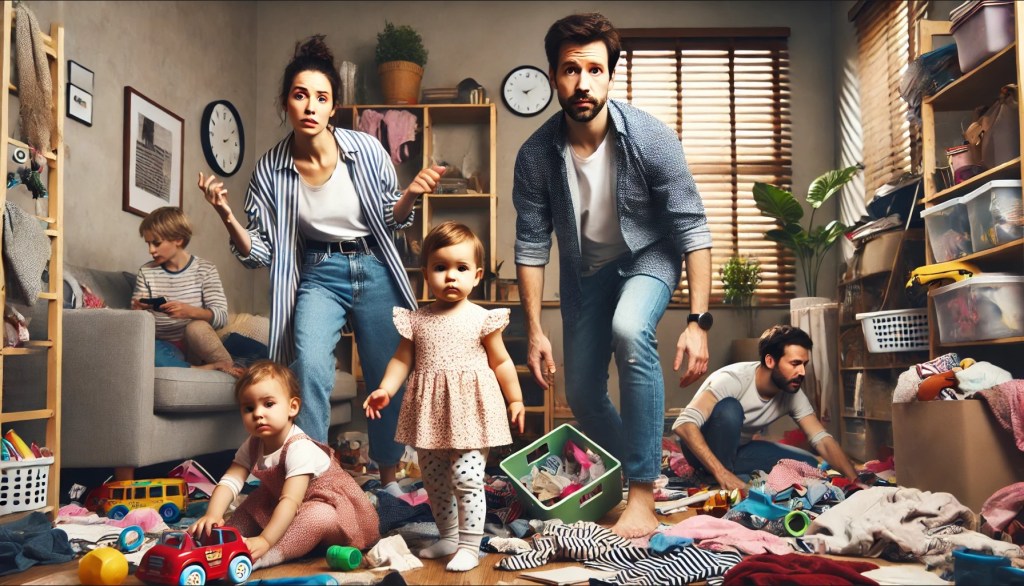
    Picture this: It’s late at night, and you tiptoe through the living room to grab a glass of water. Suddenly, ouch! Your foot finds the sharp edge of a forgotten Lego piece. Sound familiar? Clutter isn’t just about mess—it’s about daily stress, wasted time, and even unnecessary frustration for you and your kids. Studies show that a clutter-free home can lead to reduced anxiety and increased focus, both for children and adults.

    The good news? You don’t have to do it all at once. With the right strategies, decluttering can be manageable—and even fun! Let’s dive into practical, kid-friendly ways to simplify your home.


    1. The “Toy Jail” Method: Making Cleanup Fun

    Ever feel like you’re constantly picking up toys, only for them to reappear in the same spot an hour later? Try the Toy Jail method. Here’s how it works:

    • Any toy left on the floor after a designated cleanup time goes into “toy jail” (a storage bin or basket).
    • To earn it back, your child must complete a small chore.
    • This method teaches responsibility without the need for nagging.

    Turn it into a game by setting a timer—kids love the challenge of “beating the clock” while tidying up!


    2. The One-Touch Rule: Stop Clutter Before It Starts

    Teach kids (and adults!) to follow the One-Touch Rule—when you pick something up, put it where it belongs right away instead of setting it down in a temporary spot.

    How it works:

    • Instead of dropping jackets on the couch, hang them up immediately.
    • Instead of tossing unopened mail on the counter, deal with it on the spot.
    • Instead of leaving dirty dishes in the sink, put them straight into the dishwasher.

    By applying this simple habit, you prevent clutter from accumulating in the first place.


    3. Decluttering the “Kid Zones” Without Tears

    Getting rid of toys and belongings can be emotional for kids, but making decluttering a positive experience helps ease the process. Try these kid-friendly strategies:

    • The Keep, Donate, Toss Method: Have your child pick their favorite toys to keep, then donate the rest to children in need.
    • The Reverse Hanger Trick: Turn all the hangers backward. In six months, donate any clothing that hasn’t been worn.
    • Create “Memory Boxes”: Let kids keep a small box for sentimental items. This keeps clutter manageable while preserving meaningful belongings.

    Involving your child in decision-making makes them more likely to maintain a clutter-free space.


    4. Capsule Wardrobes for Kids: Less Laundry, More Freedom

    Too many clothing options can lead to unnecessary stress (and endless laundry!). A capsule wardrobe simplifies dressing by focusing on mix-and-match essentials.

    How to build a kid’s capsule wardrobe:

    • Stick to neutral basics with a few pops of color.
    • Choose high-quality, durable pieces over trendy fast fashion.
    • Store out-of-season and outgrown clothes elsewhere to keep daily choices simple.

    With fewer choices, kids can get dressed faster, and you’ll spend less time managing laundry.


    5. The Minimalist Family Command Center: A Clutter-Free Hub

    Every family needs a system for organizing schedules, school papers, and daily essentials. A family command center serves as a centralized hub to keep everything in check.

    Essentials for a functional command center:

    • A wall-mounted calendar for appointments and activities.
    • A designated bin for incoming mail and school papers.
    • Hooks or cubbies for backpacks, keys, and shoes.

    With an efficient setup, mornings become smoother, and lost items become a thing of the past.


    6. Decluttering as a Family Habit: Make It Stick

    Decluttering isn’t a one-time event—it’s an ongoing habit. Keep it stress-free by incorporating decluttering into daily routines.

    Ways to make it fun:

    • Turn on music and make it a dance party while tidying up.
    • Set a timer for 10 minutes and see how much clutter you can clear.
    • Reward participation with a fun family outing or extra storytime.

    Try the Monthly Declutter Dash—set aside one day each month where the entire family spends 30 minutes tackling an area of the home together.


    Conclusion: A Home That Works for You, Not Against You

    The goal of decluttering isn’t perfection—it’s creating a home that supports your family’s needs. Small, consistent efforts lead to lasting change. Start with just one strategy today, and watch how your home transforms into a stress-free, functional space.

    Ready to simplify? Choose one tip and start now—you’ve got this!

  • The Sovereign Child: A Minimalist Approach to Parenting and Family Life

    The Sovereign Child: A Minimalist Approach to Parenting and Family Life

    As a minimalist, I am always searching for ways to simplify life — to strip away the unnecessary and focus on what truly matters. Parenting, however, often feels overwhelming, with endless schedules, rules, and responsibilities. Aaron Stupple’s The Sovereign Child: How a Forgotten Philosophy Can Liberate Kids and Their Parents presents a liberating alternative: a parenting philosophy that removes unnecessary complexity, promotes trust, and empowers children to develop independence.

    Minimalism in Parenting: Less Control, More Connection

    Minimalism isn’t just about decluttering our homes — it’s about removing excess in all aspects of life. Parenting today is filled with rigid routines, countless rules, and a belief that children must be controlled to succeed. But what if we let go of unnecessary parenting burdens and focused on fostering trust, autonomy, and natural growth? Stupple’s philosophy encourages parents to simplify their role and embrace a more natural approach to raising children.

    Eliminating the Noise: Letting Go of Unnecessary Rules

    Traditional parenting relies on strict schedules and enforced behaviors — set bedtimes, meal plans, and limited screen time. Stupple challenges these norms by encouraging parents to reconsider whether these rules are necessary or simply inherited habits.

    From a minimalist perspective, excessive rules create mental clutter and stress. By reducing or eliminating rigid control, families experience fewer power struggles and more harmony. Instead of enforcing bedtime, parents can guide children to recognize their own sleep needs. Instead of dictating meals, children can be empowered to listen to their bodies and develop healthy eating habits naturally. This shift reduces conflict and promotes a calm, stress-free environment.

    The Freedom to Choose: A Path to Simplicity

    Minimalists value intentionality and freedom — living by choice rather than obligation. Stupple applies this principle to parenting by advocating for autonomy. Giving children the freedom to make choices about food, sleep, and play fosters responsibility and self-awareness.

    This approach also simplifies parenting. Imagine a home without nightly bedtime battles, food refusals, or constant rule enforcement. By guiding rather than controlling, parents can spend less time managing behavior and more time building meaningful connections with their children.

    Decluttering Emotional Labor: Shifting from Control to Guidance

    A key lesson in The Sovereign Child is the emotional burden that comes with excessive parenting. Many parents feel overwhelmed by the need to manage their child’s every decision, emotion, and behavior. Stupple suggests a simple alternative: let go.

    By stepping back and trusting children to navigate their own experiences, parents reduce stress while fostering independence. Instead of enforcing compliance, they guide with open communication, respect, and problem-solving skills. This creates a more peaceful household and allows both parents and children to thrive.

    Practical Steps to Implement Minimalist Parenting

    For those looking to apply The Sovereign Child philosophy in a practical, minimalist way, here are some actionable steps:

    1. Identify and Reduce Unnecessary Rules – Ask yourself: Does this rule serve a real purpose, or is it just an inherited habit? Start by eliminating rules that cause stress but don’t provide real benefits.
    2. Trust Instead of Control – Give children the freedom to make choices in small, manageable ways. Observe how they naturally develop self-regulation.
    3. Encourage Open Communication – Replace punishments with conversations. Help children understand natural consequences rather than enforcing arbitrary ones.
    4. Simplify Your Role as a Parent – Shift from being an enforcer to a mentor. Offer support and wisdom rather than strict discipline.
    5. Declutter the Family Schedule – Cut back on unnecessary activities and commitments, allowing more unstructured, meaningful time together.
    6. Observe and Adjust – Pay attention to what works for your family. Every child is different, so remain flexible and adapt as needed.

    Final Thoughts: A Simpler, More Meaningful Family Life

    Aaron Stupple’s The Sovereign Child isn’t just a parenting book—it’s a guide to creating a simpler, more intentional family life. By removing excess rules and embracing trust, parents can create a peaceful home where children thrive. Minimalist parenting isn’t about neglecting structure but about letting go of unnecessary control, focusing on what truly matters, and fostering a relationship built on respect and autonomy.

    For parents seeking a simpler, more mindful approach to raising children, The Sovereign Child offers a refreshing perspective. By embracing this philosophy, families can experience greater harmony, less stress, and a more fulfilling way of living together.