Category: productivity

  • Meaningful and Productive Meetings: Connection, Collaboration, and Co-creation

    Meaningful and Productive Meetings: Connection, Collaboration, and Co-creation

    In the modern workplace, meetings are an essential part of the daily grind. However, not all meetings are created equal. The best meetings are those that are meaningful and productive, driving forward the objectives of connection, collaboration, and co-creation. These three purposes are the cornerstone of effective meetings. Let’s explore each purpose with examples, discuss key roles, and outline a step-by-step guide for preparing and inviting a meaningful and productive meeting.

    The Three Purposes of Meetings
    1. Connection
      • Example: A team-building meeting where team members share personal updates, celebrate milestones, and discuss non-work-related topics. This fosters a sense of community and strengthens interpersonal relationships.
      • Purpose: Connection-oriented meetings help build trust, understanding, and camaraderie among team members. They ensure that everyone feels valued and heard, which can enhance overall team morale and cohesion.
    2. Collaboration:
      • Example: A brainstorming session where team members gather to generate ideas for a new project or solve a specific problem. The focus is on leveraging diverse perspectives to find innovative solutions.
      • Purpose: Collaboration-driven meetings harness the collective intelligence of the group. These sessions are essential for problem-solving, idea generation, and ensuring that projects benefit from multiple viewpoints.
    3. Co-creation
      • Example: A project planning meeting where stakeholders jointly develop a project plan, assign tasks, and set deadlines. Each participant contributes their expertise to shape the final plan.
      • Purpose: Co-creation meetings involve building something together, ensuring that all stakeholders have a hand in the outcome. This approach fosters ownership, accountability, and a shared vision.
    Remote-First Approach

    In a hybrid work environment, it’s crucial to adopt a remote-first approach to ensure inclusivity and engagement from all participants. This means prioritizing the experience of remote attendees to create a level playing field. Here are some key practices:

    1. Equal Participation: Ensure that remote participants have equal opportunities to contribute. Use digital collaboration tools like shared documents, virtual whiteboards, and chat functions to facilitate engagement.
    2. Quality Technology: Invest in high-quality audio and video equipment to minimize technical issues and enhance communication clarity for all participants.
    3. Clear Communication: Use clear, concise communication and avoid side conversations that exclude remote participants. Encourage everyone to use video to create a more personal connection.
    4. Inclusive Practices: Schedule meetings at times that accommodate different time zones and always share materials in advance to give remote attendees adequate preparation time.
    Roles in a Hybrid Meeting

    Effective hybrid meetings require clearly defined roles to ensure smooth execution and productive outcomes. Key roles include:

    1. Moderator
      • Role: Guides the meeting, keeps the discussion on track, and ensures all voices (both in-person and remote) are heard.
        • Impact: A good moderator prevents digressions and manages the flow of conversation, making sure the meeting stays focused and on time.
    2. Notetaker
      • Role: Records key points, decisions, and action items. This role is especially crucial in hybrid settings to ensure that remote attendees’ contributions are accurately captured.
        • Impact: Accurate notes provide a reference for post-meeting follow-ups and ensure that nothing important is forgotten.
    3. Content Presenter
      • Role: Shares information or updates with the group, providing necessary context for discussions. Use screen-sharing features to ensure all participants can see the presented content.
        • Impact: A well-prepared presenter ensures that participants are informed and can engage meaningfully with the content.
    4. Timekeeper
      • Role: Monitors the meeting duration and ensures that each agenda item receives appropriate attention.
        • Impact: A vigilant timekeeper helps the meeting to start and end on time, respecting participants’ schedules.
    5. Technical Support
      • Role: Assists with any technical issues that may arise, ensuring that remote participants have a smooth experience.
        • Impact: Quick resolution of technical problems minimizes disruptions and keeps the meeting on track.
    6. Participants
      • Role: Engage actively in the discussion, contribute ideas, and provide feedback. Use digital tools to ensure remote participants can fully engage.
      • Impact: Active participation ensures that the meeting benefits from diverse perspectives and that all voices are heard.
    How Roles Affect Meeting Success

    Agreeing on and distributing these roles in advance can significantly enhance meeting success by:

    • Ensuring Accountability: Each participant knows their responsibilities, which leads to more organized and effective meetings.
    • Enhancing Focus: With a moderator and timekeeper, meetings are less likely to veer off course or run over time.
    • Facilitating Follow-up: Notetakers ensure that all important information is captured, which aids in post-meeting follow-ups and implementation of decisions.
    The Importance of Decision-Making

    A meeting without a decision is just a coffee break. The primary objective of most meetings should be to arrive at a decision or action plan. To achieve this, it is essential to:

    • Define the Decision: Clearly outline the decision to be made before the meeting starts.
    • Set Criteria: Establish the criteria for making the decision (e.g., budget constraints, project timelines).
    • Encourage Debate: Allow participants to discuss and debate the options thoroughly.
    • Make the Decision: Use the agreed criteria to make a clear and actionable decision.
    • Assign Action Items: Ensure that responsibilities for implementing the decision are clearly assigned.
    Step-by-Step Guide to Preparing and Inviting a Meaningful Hybrid Meeting
    1. Define the Purpose: Determine if the meeting’s goal is connection, collaboration, or co-creation.
    2. Set Clear Objectives: Outline what you aim to achieve by the end of the meeting.
    3. Create an Agenda: Develop a detailed agenda with time allocations for each item. Share it in advance.
    4. Assign Roles: Designate a moderator, notetaker, content presenter, timekeeper, and technical support.
    5. Invite the Right Participants: Ensure that the invitees are those who can contribute to the meeting’s objectives.
    6. Prepare Materials: Distribute any pre-reading or materials in advance to ensure participants come prepared.
    7. Set Up Technology: Ensure that all necessary technology (video conferencing, projectors, etc.) is set up and tested before the meeting starts.
    8. Equalize Participation: Encourage both in-person and remote participants to use video and digital tools for engagement.
    9. Start and End on Time: Respect the scheduled start and end times to demonstrate professionalism and respect for participants’ time.
    10. Follow Up: Distribute meeting notes promptly and follow up on action items to ensure accountability.
    Conclusion

    By focusing on connection, collaboration, and co-creation, and by assigning clear roles and responsibilities, you can transform your meetings from time-wasting obligations into productive and meaningful sessions that drive your team forward. Remember, every meeting should have a purpose, a plan, and a path to decision-making. This approach will not only enhance productivity but also foster a more engaged and cohesive team, regardless of their physical location.

  • The Pareto Principle: Maximizing Efficiency in the Knowledge Economy

    The Pareto Principle: Maximizing Efficiency in the Knowledge Economy

    In the fast-paced world of the 21st century, where knowledge workers constantly juggle multiple tasks and priorities, finding ways to enhance productivity and efficiency is crucial. One such method that has stood the test of time is the Pareto Principle, also known as the 80/20 rule. This principle, which has its roots in economics, offers valuable insights and practical applications for today’s knowledge workers. In this blog post, we’ll explore the origins of the Pareto Principle, its core concept, the benefits it offers to knowledge workers, and the top five tools in 2024 that can help implement this principle effectively.

    You can check out the previous article on the 80/20 rule in project management here:

    Origins of the Pareto Principle

    The Pareto Principle is named after Vilfredo Pareto, an Italian economist who, in the late 19th century, observed that approximately 80% of Italy’s land was owned by 20% of the population. This observation led Pareto to investigate other areas of life and economics, where he found similar distributions. The principle was later generalized by Joseph M. Juran, a management consultant, who recognized its broader applications in quality management and beyond.

    Understanding the Pareto Principle

    At its core, the Pareto Principle suggests that roughly 80% of outcomes result from 20% of efforts. This means that a small portion of activities or inputs often leads to the majority of results or outputs. In practical terms, this principle can be applied to various aspects of life and work, such as:

    • Business: 80% of sales come from 20% of customers.
    • Software Development: 80% of software problems are caused by 20% of bugs.
    • Personal Productivity: 80% of your productivity comes from 20% of your tasks.
    Advantages for Knowledge Workers

    For knowledge workers, who often deal with large volumes of information and numerous tasks, adopting the Pareto Principle can lead to significant advantages:

    1. Improved Focus: By identifying and concentrating on the most critical 20% of tasks, knowledge workers can achieve more impactful results.
    2. Increased Efficiency: Prioritizing high-value activities helps reduce time and effort spent on less important tasks, leading to better time management.
    3. Enhanced Decision-Making: Understanding which inputs yield the most significant outcomes can inform better strategic decisions.
    4. Stress Reduction: Focusing on essential tasks can help reduce the feeling of being overwhelmed by an endless to-do list.
    5. Greater Achievement: By channeling energy into the most productive areas, knowledge workers can accomplish more meaningful goals and objectives.
    Top Five Tools in 2024 to Implement the Pareto Principle

    To effectively apply the Pareto Principle, knowledge workers can leverage various tools designed to enhance productivity and focus. Here are the top five tools in 2024:

    1. Notion
      Notion is an all-in-one workspace that combines note-taking, task management, and collaboration. Its flexibility allows knowledge workers to organize tasks, set priorities, and track progress, ensuring they focus on the most critical activities.
    2. Trello
      Trello’s visual board system helps users manage projects and tasks with ease. By creating boards, lists, and cards, knowledge workers can prioritize tasks and track progress, ensuring they concentrate on the most impactful tasks.
    3. Todoist
      Todoist is a task management tool that helps users prioritize and manage tasks effectively. With features like task prioritization, due dates, and project organization, Todoist enables knowledge workers to focus on high-priority tasks.
    4. RescueTime
      RescueTime is a time-tracking app that provides insights into how users spend their time. By analyzing time usage, knowledge workers can identify and eliminate time-wasting activities, allowing them to focus on the most productive tasks.
    5. Focus@Will
      Focus@Will is a productivity app that uses specially designed music tracks to enhance focus and concentration. By creating an optimal work environment, knowledge workers can improve their ability to concentrate on high-value tasks.
    Conclusion

    The Pareto Principle remains a powerful tool for enhancing productivity and efficiency, particularly for knowledge workers navigating the complexities of modern work environments. By understanding and applying this principle, and leveraging the latest productivity tools, knowledge workers can significantly improve their focus, efficiency, and overall success. Embracing the 80/20 rule can lead to a more balanced, productive, and fulfilling work life in 2024 and beyond.

  • Understanding Agile Project Management: Origins, Principles, and Broader Applications

    Understanding Agile Project Management: Origins, Principles, and Broader Applications

    Introduction

    Agile project management (APM) has revolutionized the way projects are managed, especially in software development. However, its principles can be applied across various industries. This article explores what agile project management is, its historical context, and how it can be effectively implemented beyond software development.

    What is Agile Project Management?

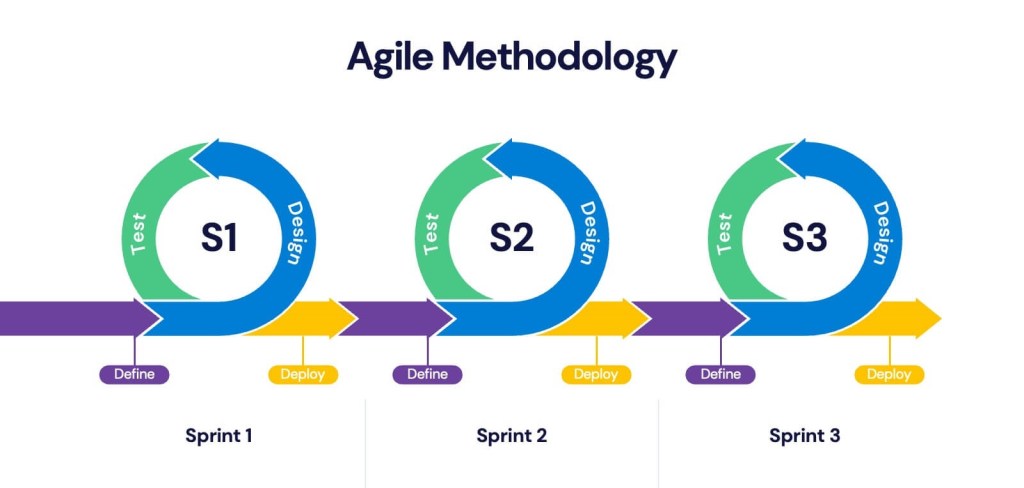
    Agile project management is an iterative approach to planning and guiding project processes. It focuses on delivering value quickly, in small, consumable increments. This method is characterized by flexibility, continuous improvement, and a strong emphasis on collaboration and customer feedback.

    Historical Context and Origins

    Agile project management originated from the Agile Manifesto, created in 2001 by a group of software developers. They were frustrated with the limitations of traditional, linear project management methods (like the Waterfall model) and sought to develop a more adaptive and efficient way to manage projects. The Agile Manifesto outlines four core values and twelve principles aimed at improving software development processes.

    Core Values of the Agile Manifesto:
    1. Individuals and interactions over processes and tools
    2. Working software over comprehensive documentation
    3. Customer collaboration over contract negotiation
    4. Responding to change over following a plan
    Key Principles of Agile:
    1. Satisfy the customer through early and continuous delivery of valuable software.
    2. Welcome changing requirements, even late in development.Deliver working software frequently, with a preference for shorter timescales.
    3. Business people and developers must work together daily throughout the project.
    4. Build projects around motivated individuals, providing them the environment and support they need.
    5. Convey information face-to-face within a development team.
    6. Working software is the primary measure of progress.
    7. Maintain a constant pace indefinitely.
    8. Continuous attention to technical excellence and good design enhances agility.
    9. Simplicity—the art of maximizing the amount of work not done—is essential.
    10. The best architectures, requirements, and designs emerge from self-organizing teams.
    11. Regularly reflect on how to become more effective, then tune and adjust behavior accordingly.
    Implementing Agile in Non-Software Projects

    Agile’s core principles can be adapted to manage various types of projects beyond software development, such as marketing campaigns, event planning, product development, and more. Here’s how:

    1. Iterative Planning and Delivery:
      Break down the project into smaller, manageable parts or sprints.
      Focus on delivering tangible outputs at the end of each sprint.
    2. Emphasize Collaboration:
      Foster a culture of open communication and teamwork.
      Engage all stakeholders, including customers, to ensure the project meets their needs and expectations.
    3. Flexibility and Adaptability:
      Be prepared to adjust plans based on feedback and changing requirements.
      Encourage continuous improvement by regularly reviewing and refining processes.
    4. Customer Involvement:
      Keep the customer involved throughout the project lifecycle.
      Use their feedback to guide the direction of the project.
    5. Empowered Teams:
      Form self-organizing, cross-functional teams.
      Give team members the authority to make decisions and solve problems.
    6. Focus on Value:
      Prioritize tasks that deliver the most value to the customer.
      Continuously evaluate and re-prioritize tasks based on their impact and importance.
    Case Studies: Agile in Non-Software Projects
    1. Marketing Campaigns:
      Agile principles can be used to manage the creation and execution of marketing campaigns. Teams can use sprints to develop and test different components of a campaign, such as social media posts, email newsletters, and advertisements, and then adjust based on real-time feedback.
    2. Event Planning:
      Event planners can use agile methods to manage the complex logistics of organizing events. By breaking down the event into smaller tasks (e.g., venue selection, catering, guest management), teams can focus on completing one task at a time and adapt plans as new information becomes available.
    3. Product Development:
      In industries like manufacturing or consumer goods, agile can help manage the development of new products. By iterating on prototypes and incorporating customer feedback at each stage, companies can ensure that the final product meets market demands.
    Conclusion

    Agile project management offers a flexible, collaborative, and customer-focused approach that can be applied beyond its software development roots. By adopting agile principles, teams in various industries can improve their efficiency, adaptability, and ability to deliver high-value outcomes. Whether managing a marketing campaign, planning an event, or developing a new product, agile methodologies provide a robust framework for success.

  • Mastering Project Scoping: Essentials, main tasks, pitfalls and key competencies

    Mastering Project Scoping: Essentials, main tasks, pitfalls and key competencies

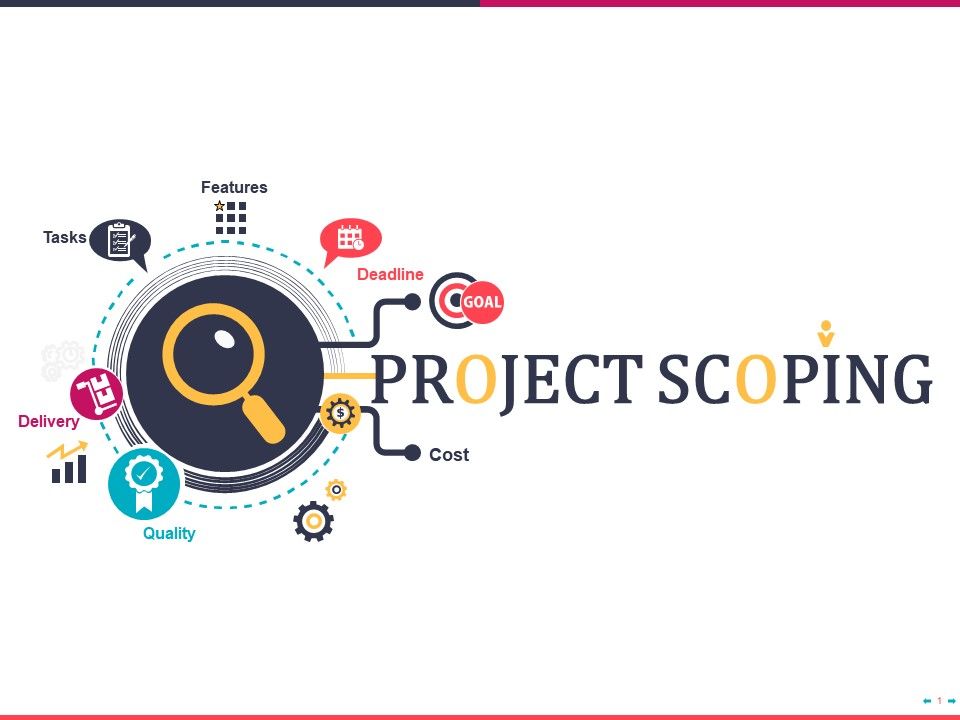
    Project scoping is a critical phase in project management that defines the boundaries and deliverables of a project. It sets the stage for all subsequent project activities and is fundamental to ensuring project success. A well-defined scope helps in aligning stakeholder expectations, managing resources effectively, and minimizing risks. This article explores the basic knowledge required for project scoping, outlines the most important tasks, highlights common pitfalls, and discusses the key competencies a project manager needs to successfully define the scope.

    Basic Knowledge of Project Scoping

    Project scoping involves determining and documenting a list of specific project goals, deliverables, tasks, costs, and deadlines. The scope defines the project’s boundaries and establishes what is included and excluded in the project. Key elements of project scoping include:

    1. Objectives: Clear, measurable goals that the project aims to achieve.
    2. Deliverables: Tangible or intangible outputs that the project will produce.
    3. Milestones: Significant points or events in the project timeline.
    4. Tasks: Specific activities required to complete the deliverables.
    5. Resources: Personnel, equipment, and materials needed for the project.
    6. Budget: Estimated costs associated with the project.
    7. Timeline: Schedule for project tasks and milestones.
    Most Important Tasks in Project Scoping

    To effectively define the project scope, a project manager must perform several key tasks:

    1. Stakeholder Identification and Analysis:
      • Identify all stakeholders involved in or affected by the project.
      • Understand stakeholder needs, expectations, and influence on the project.
    2. Requirements Gathering:
      • Collect detailed requirements from stakeholders through interviews, surveys, and workshops.
      • Prioritize requirements based on project objectives and stakeholder input.
    3. Scope Statement Development:
      • Create a comprehensive scope statement that outlines project objectives, deliverables, boundaries, and constraints.
      • Ensure the scope statement is clear, concise, and agreed upon by all stakeholders.
    4. Work Breakdown Structure (WBS):
      • Develop a WBS that breaks down the project into manageable components and tasks.
      • Assign responsibilities and timelines for each task.
    5. Scope Verification and Validation:
      • Review the scope statement and WBS with stakeholders to ensure accuracy and completeness.
      • Validate that the project scope aligns with business goals and stakeholder expectations.
    6. Scope Management Plan:
      • Develop a plan for managing scope changes and ensuring scope creep is controlled.
      • Define procedures for documenting and approving scope changes.
    Common Pitfalls in Project Scoping

    Despite its importance, project scoping is often fraught with challenges. Common pitfalls include:

    1. Unclear Objectives:
      • Vague or ambiguous project objectives can lead to misunderstandings and misaligned expectations.
    2. Incomplete Requirements:
      • Failing to gather comprehensive requirements from all stakeholders can result in scope gaps and rework.
    3. Scope Creep:
      • Uncontrolled changes to the project scope can cause delays, cost overruns, and resource strain.
    4. Poor Stakeholder Engagement:
      • Inadequate involvement of stakeholders in the scoping process can lead to missed requirements and dissatisfaction.
    5. Inaccurate Estimates:
      • Underestimating the time, cost, and resources needed for the project can lead to unrealistic scope and project failure.
    Key Competencies for Successful Project Scoping

    To successfully define and manage project scope, a project manager needs to possess several key competencies:

    1. Analytical Skills:
      Ability to analyze stakeholder needs, project requirements, and potential risks.
    2. Communication Skills:
      Effective communication with stakeholders to gather requirements, provide updates, and manage expectations.
    3. Detail Orientation:
      Attention to detail in documenting the scope, developing the WBS, and ensuring all aspects of the project are covered.
    4. Negotiation Skills:
      Skill in negotiating with stakeholders to prioritize requirements and manage scope changes.
    5. Leadership:
      Ability to lead the project team, engage stakeholders, and drive consensus on project scope.
    6. Risk Management:
      Proficiency in identifying potential scope risks and developing mitigation strategies.
    7. Change Management:
      Capability to manage scope changes effectively, ensuring they are documented, analyzed, and approved.

    Step-by-Step Guide to the Scoping Phase of a Software Development Project
    Step 1: Identify Stakeholders

    Objective: Identify all individuals and groups who have an interest in the project or will be affected by it.

    Actions:

    • List Potential Stakeholders: Include project sponsors, end-users, development team members, product owners, and any other relevant parties.
    • Conduct Stakeholder Analysis: Understand their interests, influence, and expectations regarding the project.
    • Engage Stakeholders: Schedule initial meetings or interviews to gather insights and expectations.

    Outcome: A comprehensive list of stakeholders with their roles, interests, and influence levels documented.

    Step 2: Gather Requirements

    Objective: Collect detailed requirements to understand what the project needs to achieve.

    Actions:

    • Conduct Workshops and Interviews: Engage stakeholders through workshops, interviews, and surveys to gather requirements.
    • Document Functional Requirements: Specify what the software should do, including features and functionalities.
    • Document Non-Functional Requirements: Include performance, security, usability, and compliance requirements.
    • Prioritize Requirements: Work with stakeholders to prioritize requirements based on business needs and constraints.

    Outcome: A well-documented set of functional and non-functional requirements, prioritized and validated by stakeholders.

    Step 3: Define Project Objectives

    Objective: Clearly define the project’s goals and objectives.

    Actions:

    • Establish SMART Goals: Ensure that objectives are Specific, Measurable, Achievable, Relevant, and Time-bound.
    • Align with Business Goals: Ensure project objectives align with the broader business objectives.
    • Validate with Stakeholders: Confirm objectives with key stakeholders to ensure alignment and buy-in.

    Outcome: A clear and concise statement of the project’s objectives, agreed upon by all stakeholders.

    Step 4: Develop the Scope Statement

    Objective: Create a detailed scope statement that outlines the project’s boundaries and deliverables.

    Actions:

    • Define Deliverables: List the main outputs of the project (e.g., software modules, documentation, training materials).
    • Specify Boundaries: Clarify what is included in the project scope and what is not.
    • Identify Constraints: Document any limitations such as budget, timelines, technology, or resources.
    • Assumptions: List any assumptions that have been made during the scoping phase.

    Outcome: A comprehensive scope statement that serves as the foundation for project planning and execution.

    Step 5: Create a Work Breakdown Structure (WBS)

    Objective: Break down the project into smaller, more manageable components and tasks.

    Actions:

    • Identify Major Deliverables: Start by identifying the key deliverables from the scope statement.
    • Break Down Deliverables: Decompose each deliverable into smaller tasks and sub-tasks.
    • Assign Responsibilities: Assign team members to each task and sub-task.
    • Estimate Durations: Estimate the time required to complete each task.

    Outcome: A detailed WBS that provides a clear roadmap for project tasks and responsibilities.

    Step 6: Develop a Scope Management Plan

    Objective: Create a plan for managing scope changes and ensuring scope creep is controlled.

    Actions:

    • Define Change Control Procedures: Establish procedures for how changes to the scope will be proposed, evaluated, and approved.
    • Set Up a Change Control Board (CCB): Form a CCB with representatives from key stakeholder groups to review and approve scope changes.
    • Document Change Requests: Implement a system for documenting and tracking change requests.
    • Communicate Changes: Ensure all stakeholders are informed about scope changes and their implications.

    Outcome: A scope management plan that outlines how scope changes will be handled throughout the project.

    Step 7: Validate Scope with Stakeholders

    Objective: Ensure that all stakeholders agree with the defined project scope and are aligned with the project’s goals.

    Actions:

    • Review Scope Statement and WBS: Conduct a review meeting with key stakeholders to present the scope statement and WBS.
    • Address Feedback: Collect and address any feedback or concerns from stakeholders.
    • Obtain Formal Approval: Secure formal sign-off from stakeholders on the project scope.

    Outcome: A validated and approved project scope that all stakeholders agree upon.


    Conclusion

    Project scoping is a fundamental aspect of project management that lays the groundwork for project success. By understanding the basic elements of project scope, performing essential tasks diligently, avoiding common pitfalls, and developing key competencies, a project manager can effectively define and manage the project scope. This not only ensures that the project stays on track but also aligns stakeholder expectations and delivers the desired outcomes within the agreed parameters. Mastering project scoping is, therefore, a critical skill for any project manager aiming to lead successful projects in today’s dynamic business environment.

  • The Pomodoro Technique: Boosting Productivity in the Knowledge Economy

    The Pomodoro Technique: Boosting Productivity in the Knowledge Economy

    In today’s fast-paced and demanding work environment, maintaining focus and productivity can be a significant challenge for knowledge workers. One proven method to enhance efficiency and manage time effectively is the Pomodoro Technique. This time management strategy has helped countless individuals achieve better work performance and balance. In this blog post, we’ll explore the origins of the Pomodoro Technique, explain its core concept, discuss its advantages for knowledge workers, and introduce the top five tools in 2024 to help implement this technique effectively.

    Origins of the Pomodoro Technique

    The Pomodoro Technique was developed in the late 1980s by Francesco Cirillo, an Italian university student who struggled with managing his study time. Seeking a solution, he devised a simple method using a kitchen timer shaped like a tomato (pomodoro in Italian). Cirillo’s technique aimed to break work into manageable intervals, with short breaks in between, to maintain focus and mental agility.

    Understanding the Pomodoro Technique

    At its core, the Pomodoro Technique involves breaking work into fixed intervals, traditionally 25 minutes in length, called “Pomodoros,” followed by a short break of 5 minutes. After completing four Pomodoros, a longer break of 15-30 minutes is taken. The steps are as follows:

    1. Choose a Task: Select a task you want to work on.
    2. Set the Timer: Set a timer for 25 minutes and work on the task without interruptions.
    3. Work: Focus solely on the task until the timer rings.
    4. Short Break: Take a 5-minute break to rest and recharge.
    5. Repeat: Repeat the process. After four Pomodoros, take a longer break.
    Advantages for Knowledge Workers

    Adopting the Pomodoro Technique can offer several benefits to knowledge workers:

    1. Enhanced Focus: The technique encourages intense focus during short intervals, reducing the likelihood of distractions.
    2. Improved Time Management: Breaking work into defined periods helps in managing time more effectively and avoiding procrastination.
    3. Increased Productivity: Regular breaks prevent burnout, maintaining high levels of productivity throughout the day.
    4. Better Work-Life Balance: Structured breaks help in maintaining a healthy work-life balance, preventing overworking.
    5. Stress Reduction: Knowing that breaks are scheduled can reduce stress and create a more relaxed work environment.
    Top Five Tools in 2024 to Implement the Pomodoro Technique

    To make the most of the Pomodoro Technique, several tools and apps have been designed to help users manage their time and tasks efficiently. Here are the top five tools in 2024:

    1. Focus Booster
      Focus Booster is a digital implementation of the Pomodoro Technique, offering a simple interface to track work sessions and breaks. It provides detailed reports on productivity, helping users analyze and improve their work patterns.
    2. Tomato Timer
      Tomato Timer is a straightforward, online timer specifically designed for the Pomodoro Technique. Its minimalist design allows users to set work intervals and breaks easily, making it a great tool for those who prefer simplicity.
    3. Pomodone
      Pomodone integrates with various task management tools like Trello, Asana, and Todoist, making it easy to apply the Pomodoro Technique to existing workflows. It helps users track time spent on tasks and manage their workload efficiently.
    4. Be Focused
      Be Focused is an app available for macOS and iOS that combines task management with the Pomodoro Technique. It allows users to create to-do lists, set timers, and track progress, providing a comprehensive productivity solution.
    5. Forest
      Forest adds a unique twist to the Pomodoro Technique by combining productivity with environmental consciousness. Users plant a virtual tree that grows during their focused work sessions. If they leave the app, the tree dies. This gamified approach motivates users to stay on task while contributing to real-world tree planting efforts.
    Conclusion

    The Pomodoro Technique remains a powerful method for enhancing productivity, focus, and time management, particularly for knowledge workers in today’s demanding work environments. By breaking work into manageable intervals and incorporating regular breaks, the technique helps maintain high levels of efficiency and reduces stress. Leveraging the top productivity tools of 2024 can further optimize the implementation of the Pomodoro Technique, leading to a more balanced, productive, and fulfilling work life. Embrace this technique to transform your work habits and achieve greater success in your professional endeavors.