Category: project management

  • Understanding Flexible Leadership: Origins, Principles, and Applications

    Understanding Flexible Leadership: Origins, Principles, and Applications

    The Origins of Flexible Leadership

    Flexible leadership is a concept that has evolved over several decades, rooted in various leadership theories that emerged in the 20th century. It highlights the importance of adaptability in leadership, acknowledging that different situations and people require different leadership styles. The key origins of this approach include:

    1. Situational Leadership Theory (1969):
      • Developed by Paul Hersey and Ken Blanchard, this theory posits that effective leadership depends on the leader’s ability to adjust their style based on the maturity and competence of their followers. Leaders must balance directive and supportive behaviors according to the situation.
    2. Contingency Theory (1960s):
      • Fred Fiedler’s Contingency Theory suggests that there is no one best way to lead. Instead, the effectiveness of a leadership style is contingent upon how well it matches the context, including the leader’s personality and the specific dynamics of the work environment.
    3. Path-Goal Theory (1970s):
      • Developed by Robert House, this theory emphasizes the leader’s role in clearing the path for their followers to achieve their goals. Leaders must adapt their style—be it directive, supportive, participative, or achievement-oriented—based on the needs of their team and the task at hand.
    4. Transformational Leadership (1980s):
      • Introduced by James MacGregor Burns and further developed by Bernard Bass, transformational leadership focuses on inspiring and motivating followers to reach their full potential. This approach recognizes the need for leaders to be flexible to address individual and organizational needs effectively.
    5. 5. Leadership Versatility Approach (2000s)
      • Research by Robert E. Kaplan and Robert B. Kaiser highlighted the importance of versatility in leadership, emphasizing that leaders who can shift their approach based on the demands of the situation tend to be more effective.
    What is Flexible Leadership?

    Flexible leadership refers to the ability of a leader to adapt their style and approach to different situations, challenges, and individuals. It is based on the understanding that there is no single best way to lead; instead, effective leadership involves switching between different styles—such as authoritative, democratic, or laissez-faire—depending on the specific context.

    Key Principles of Flexible Leadership
    1. Adaptability:
      • Leaders must be open to change and able to adjust strategies and methods as circumstances evolve. This involves staying informed and being ready to pivot when necessary.
    2. Situational Awareness:
      • Understanding the context and nuances of different situations is crucial. Leaders need to assess the specific needs of the task, the team, and the environment to determine the most effective approach.
    3. Empathy and Emotional Intelligence:
      • Recognizing and responding to the emotional needs and motivations of team members is a key aspect of flexible leadership. Leaders must be able to connect with their teams on a personal level to inspire and motivate them.
    4. Diverse Skill Set:
      • Having a broad range of leadership skills and techniques to draw upon is essential. This enables leaders to employ the right strategy at the right time.
    5. Collaboration and Communication:
      • Encouraging open communication and fostering a collaborative team environment are vital for flexible leadership. Leaders need to listen actively and involve team members in decision-making processes when appropriate.
    6. Decision-Making:
      • Knowing when to be decisive and when to seek input from the team is a crucial balance for flexible leaders. This involves being able to take charge when necessary but also recognizing the value of team contributions.
    Importance of Flexible Leadership

    Flexible leadership is increasingly important in today’s fast-paced and ever-changing work environments. Here’s why understanding and applying flexible leadership is crucial for different roles:

    Line Manager Role
    1. Enhancing Team Performance:
      • By adapting their leadership style to the needs of individual team members, line managers can help each person perform at their best. This leads to higher overall team productivity and morale.
    2. Navigating Change:
      • In times of organizational change, flexible leaders can help their teams adapt more smoothly. They can provide the necessary support and guidance, reducing resistance and fostering a positive transition.
    3. Conflict Resolution:
      • Flexible leaders are better equipped to handle conflicts within their teams. By adjusting their approach to mediation and problem-solving, they can resolve issues more effectively and maintain a harmonious work environment.
    Project Management or Technical Lead Position
    1. Driving Project Success:
      • Project managers and technical leads must navigate complex and dynamic project environments. Flexible leadership allows them to adapt their approach to meet project requirements, manage risks, and overcome obstacles.
    2. Managing Diverse Teams:
      • In project management, teams often consist of members with varied backgrounds and expertise. Flexible leaders can tailor their management style to leverage the strengths of each team member, fostering innovation and collaboration.
    3. Responding to Technological Advancements:
      • Technical leads must stay abreast of rapid technological changes. Flexible leadership enables them to pivot strategies, adopt new tools, and integrate cutting-edge technologies to maintain a competitive edge.
    Conclusion

    Flexible leadership is an essential skill for modern leaders across various roles. By understanding its origins, principles, and applications, leaders can adapt their approaches to meet the diverse and ever-changing needs of their teams and organizations. Whether in a line manager role or a project management or technical lead position, flexible leadership fosters a resilient, motivated, and high-performing team capable of navigating the complexities of today’s work environment.


  • The OODA Loop: A Strategic Tool for Enhanced Productivity

    The OODA Loop: A Strategic Tool for Enhanced Productivity

    Origins of the OODA Loop

    The OODA Loop is a decision-making framework developed by Colonel John Boyd, a United States Air Force fighter pilot and military strategist. Boyd conceptualized the OODA Loop during the mid-20th century to explain how fighter pilots could gain an advantage in aerial combat. By rapidly cycling through four stages—Observe, Orient, Decide, Act—pilots could outmaneuver and outthink their adversaries. Boyd’s insights revolutionized military strategy, emphasizing speed and adaptability over brute force. Over time, the OODA Loop has transcended its military origins and found applications in various fields, including business, healthcare, and personal productivity.

    Understanding the OODA Loop

    The OODA Loop consists of four stages:

    1. Observe: Gather information from the environment. This stage involves collecting data from all available sources to understand the current situation. In a business context, this could mean monitoring market trends, customer feedback, competitor actions, and internal performance metrics.
    2. Orient: Analyze the information and assess its relevance. This stage involves synthesizing new data with prior knowledge, evaluating different perspectives, and determining how the information impacts your objectives. This is the most complex stage, as it requires understanding context, filtering out irrelevant data, and aligning the information with your goals and values.
    3. Decide: Make a decision based on the information and analysis. In this stage, you choose a course of action that aligns with your goals and the current situation. The decision should be informed, timely, and flexible enough to accommodate future changes.
    4. Act: Implement the decision and execute the chosen action. This stage involves taking decisive steps to implement your plan. After acting, you return to the observation phase to assess the impact of your actions and the changing environment.
    Implementing the OODA Loop for Productivity

    Applying the OODA Loop in daily activities can significantly boost productivity by fostering a proactive and adaptive mindset. Here’s how to incorporate each stage into your routine:

    1. Observe: Start your day by reviewing your schedule, emails, and project statuses. Identify key tasks, potential obstacles, and any new developments that may affect your work. Use tools like dashboards, project management software, and regular check-ins to gather information effectively.
    2. Orient: Prioritize tasks based on their urgency and importance. Consider how new information and changes in your environment impact your goals. Use frameworks like SWOT analysis (Strengths, Weaknesses, Opportunities, Threats) to frame your understanding. This stage is about contextualizing the data and aligning it with your strategic objectives.
    3. Decide: Choose the most critical tasks to focus on and determine the best approach for tackling them. This could involve setting specific objectives, breaking down tasks into manageable steps, and allocating resources efficiently. Decision-making tools like the Eisenhower Matrix or cost-benefit analysis can aid in this process.
    4. Act: Execute your plan with discipline and focus. Minimize distractions and maintain momentum. After completing tasks, review the outcomes and adjust your approach as necessary based on what you’ve learned. Tools like the Pomodoro Technique or time blocking can help maintain focus during this stage.
    Boosting Productivity Through the OODA Loop: Practical Examples
    1. Example: Project Management
      • A project manager can use the OODA Loop to enhance project execution. By constantly observing project metrics, stakeholder feedback, and market trends, the manager can orient these insights against project goals, decide on necessary adjustments, and act to implement changes. For instance, if a project is falling behind schedule, observing performance data can reveal bottlenecks, orienting this data helps in understanding the impact, deciding to reallocate resources, and acting on this decision ensures the project stays on track.
    2. Example: Product Development
      • In product development, teams can observe market trends, customer feedback, and technological advancements. By orienting their findings to identify market needs, they can decide on product features and improvements. Acting on these decisions by developing and releasing updates ensures that the product remains competitive and aligned with user expectations. This iterative approach allows for continuous improvement and innovation.
    3. Example: Personal Productivity
      • On a personal level, an individual can observe their productivity patterns by tracking their time and activities. Orienting this data involves identifying peak performance times and understanding the factors that enhance or hinder productivity. Deciding to schedule high-priority tasks during these periods and acting by focusing on key tasks without interruptions can significantly improve efficiency and output. Tools like time-tracking apps and productivity journals can aid in this process.
    My Experience with the OODA Loop in Managing Complex Development Projects

    In my experience managing complex development projects, the OODA Loop has been invaluable. By continuously observing project progress, stakeholder inputs, and market conditions, I could stay ahead of potential issues and opportunities. Orienting this information against project objectives allowed me to make informed decisions, such as reallocating resources, adjusting timelines, or shifting priorities. Acting on these decisions swiftly ensured that the project remained on course. This iterative approach kept the team adaptable and focused, fostering a culture of continuous improvement and responsiveness.

    Conclusion

    For project managers, being aware of the OODA Loop and incorporating it into daily operations can lead to more successful project outcomes. This framework promotes agility, informed decision-making, and a proactive approach to handling challenges. By adopting the OODA Loop, project managers can enhance their ability to navigate complexity, respond to changes effectively, and drive their projects to successful completion. Understanding and implementing the OODA Loop not only improves individual productivity but also contributes to the overall success of the team and organization.

  • Meaningful and Productive Meetings: Connection, Collaboration, and Co-creation

    Meaningful and Productive Meetings: Connection, Collaboration, and Co-creation

    In the modern workplace, meetings are an essential part of the daily grind. However, not all meetings are created equal. The best meetings are those that are meaningful and productive, driving forward the objectives of connection, collaboration, and co-creation. These three purposes are the cornerstone of effective meetings. Let’s explore each purpose with examples, discuss key roles, and outline a step-by-step guide for preparing and inviting a meaningful and productive meeting.

    The Three Purposes of Meetings
    1. Connection
      • Example: A team-building meeting where team members share personal updates, celebrate milestones, and discuss non-work-related topics. This fosters a sense of community and strengthens interpersonal relationships.
      • Purpose: Connection-oriented meetings help build trust, understanding, and camaraderie among team members. They ensure that everyone feels valued and heard, which can enhance overall team morale and cohesion.
    2. Collaboration:
      • Example: A brainstorming session where team members gather to generate ideas for a new project or solve a specific problem. The focus is on leveraging diverse perspectives to find innovative solutions.
      • Purpose: Collaboration-driven meetings harness the collective intelligence of the group. These sessions are essential for problem-solving, idea generation, and ensuring that projects benefit from multiple viewpoints.
    3. Co-creation
      • Example: A project planning meeting where stakeholders jointly develop a project plan, assign tasks, and set deadlines. Each participant contributes their expertise to shape the final plan.
      • Purpose: Co-creation meetings involve building something together, ensuring that all stakeholders have a hand in the outcome. This approach fosters ownership, accountability, and a shared vision.
    Remote-First Approach

    In a hybrid work environment, it’s crucial to adopt a remote-first approach to ensure inclusivity and engagement from all participants. This means prioritizing the experience of remote attendees to create a level playing field. Here are some key practices:

    1. Equal Participation: Ensure that remote participants have equal opportunities to contribute. Use digital collaboration tools like shared documents, virtual whiteboards, and chat functions to facilitate engagement.
    2. Quality Technology: Invest in high-quality audio and video equipment to minimize technical issues and enhance communication clarity for all participants.
    3. Clear Communication: Use clear, concise communication and avoid side conversations that exclude remote participants. Encourage everyone to use video to create a more personal connection.
    4. Inclusive Practices: Schedule meetings at times that accommodate different time zones and always share materials in advance to give remote attendees adequate preparation time.
    Roles in a Hybrid Meeting

    Effective hybrid meetings require clearly defined roles to ensure smooth execution and productive outcomes. Key roles include:

    1. Moderator
      • Role: Guides the meeting, keeps the discussion on track, and ensures all voices (both in-person and remote) are heard.
        • Impact: A good moderator prevents digressions and manages the flow of conversation, making sure the meeting stays focused and on time.
    2. Notetaker
      • Role: Records key points, decisions, and action items. This role is especially crucial in hybrid settings to ensure that remote attendees’ contributions are accurately captured.
        • Impact: Accurate notes provide a reference for post-meeting follow-ups and ensure that nothing important is forgotten.
    3. Content Presenter
      • Role: Shares information or updates with the group, providing necessary context for discussions. Use screen-sharing features to ensure all participants can see the presented content.
        • Impact: A well-prepared presenter ensures that participants are informed and can engage meaningfully with the content.
    4. Timekeeper
      • Role: Monitors the meeting duration and ensures that each agenda item receives appropriate attention.
        • Impact: A vigilant timekeeper helps the meeting to start and end on time, respecting participants’ schedules.
    5. Technical Support
      • Role: Assists with any technical issues that may arise, ensuring that remote participants have a smooth experience.
        • Impact: Quick resolution of technical problems minimizes disruptions and keeps the meeting on track.
    6. Participants
      • Role: Engage actively in the discussion, contribute ideas, and provide feedback. Use digital tools to ensure remote participants can fully engage.
      • Impact: Active participation ensures that the meeting benefits from diverse perspectives and that all voices are heard.
    How Roles Affect Meeting Success

    Agreeing on and distributing these roles in advance can significantly enhance meeting success by:

    • Ensuring Accountability: Each participant knows their responsibilities, which leads to more organized and effective meetings.
    • Enhancing Focus: With a moderator and timekeeper, meetings are less likely to veer off course or run over time.
    • Facilitating Follow-up: Notetakers ensure that all important information is captured, which aids in post-meeting follow-ups and implementation of decisions.
    The Importance of Decision-Making

    A meeting without a decision is just a coffee break. The primary objective of most meetings should be to arrive at a decision or action plan. To achieve this, it is essential to:

    • Define the Decision: Clearly outline the decision to be made before the meeting starts.
    • Set Criteria: Establish the criteria for making the decision (e.g., budget constraints, project timelines).
    • Encourage Debate: Allow participants to discuss and debate the options thoroughly.
    • Make the Decision: Use the agreed criteria to make a clear and actionable decision.
    • Assign Action Items: Ensure that responsibilities for implementing the decision are clearly assigned.
    Step-by-Step Guide to Preparing and Inviting a Meaningful Hybrid Meeting
    1. Define the Purpose: Determine if the meeting’s goal is connection, collaboration, or co-creation.
    2. Set Clear Objectives: Outline what you aim to achieve by the end of the meeting.
    3. Create an Agenda: Develop a detailed agenda with time allocations for each item. Share it in advance.
    4. Assign Roles: Designate a moderator, notetaker, content presenter, timekeeper, and technical support.
    5. Invite the Right Participants: Ensure that the invitees are those who can contribute to the meeting’s objectives.
    6. Prepare Materials: Distribute any pre-reading or materials in advance to ensure participants come prepared.
    7. Set Up Technology: Ensure that all necessary technology (video conferencing, projectors, etc.) is set up and tested before the meeting starts.
    8. Equalize Participation: Encourage both in-person and remote participants to use video and digital tools for engagement.
    9. Start and End on Time: Respect the scheduled start and end times to demonstrate professionalism and respect for participants’ time.
    10. Follow Up: Distribute meeting notes promptly and follow up on action items to ensure accountability.
    Conclusion

    By focusing on connection, collaboration, and co-creation, and by assigning clear roles and responsibilities, you can transform your meetings from time-wasting obligations into productive and meaningful sessions that drive your team forward. Remember, every meeting should have a purpose, a plan, and a path to decision-making. This approach will not only enhance productivity but also foster a more engaged and cohesive team, regardless of their physical location.

  • Understanding Agile Project Management: Origins, Principles, and Broader Applications

    Understanding Agile Project Management: Origins, Principles, and Broader Applications

    Introduction

    Agile project management (APM) has revolutionized the way projects are managed, especially in software development. However, its principles can be applied across various industries. This article explores what agile project management is, its historical context, and how it can be effectively implemented beyond software development.

    What is Agile Project Management?

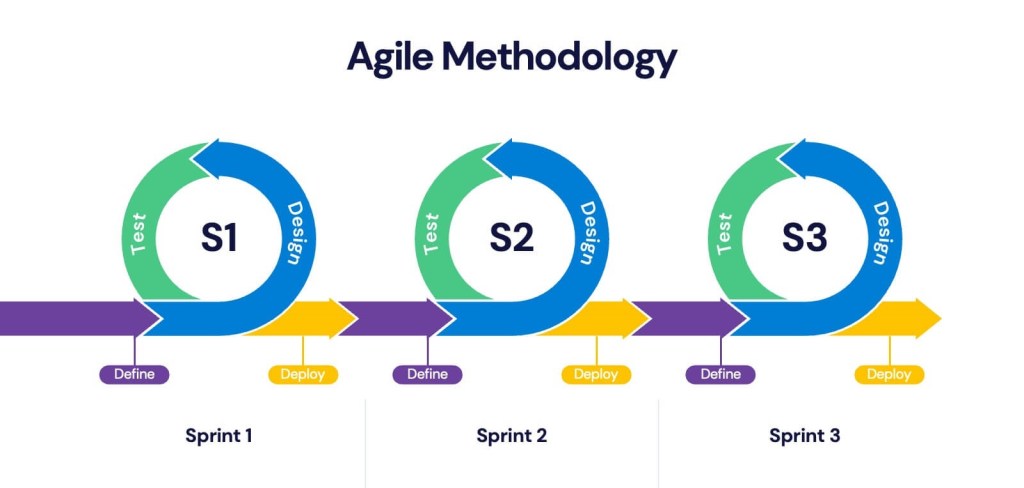
    Agile project management is an iterative approach to planning and guiding project processes. It focuses on delivering value quickly, in small, consumable increments. This method is characterized by flexibility, continuous improvement, and a strong emphasis on collaboration and customer feedback.

    Historical Context and Origins

    Agile project management originated from the Agile Manifesto, created in 2001 by a group of software developers. They were frustrated with the limitations of traditional, linear project management methods (like the Waterfall model) and sought to develop a more adaptive and efficient way to manage projects. The Agile Manifesto outlines four core values and twelve principles aimed at improving software development processes.

    Core Values of the Agile Manifesto:
    1. Individuals and interactions over processes and tools
    2. Working software over comprehensive documentation
    3. Customer collaboration over contract negotiation
    4. Responding to change over following a plan
    Key Principles of Agile:
    1. Satisfy the customer through early and continuous delivery of valuable software.
    2. Welcome changing requirements, even late in development.Deliver working software frequently, with a preference for shorter timescales.
    3. Business people and developers must work together daily throughout the project.
    4. Build projects around motivated individuals, providing them the environment and support they need.
    5. Convey information face-to-face within a development team.
    6. Working software is the primary measure of progress.
    7. Maintain a constant pace indefinitely.
    8. Continuous attention to technical excellence and good design enhances agility.
    9. Simplicity—the art of maximizing the amount of work not done—is essential.
    10. The best architectures, requirements, and designs emerge from self-organizing teams.
    11. Regularly reflect on how to become more effective, then tune and adjust behavior accordingly.
    Implementing Agile in Non-Software Projects

    Agile’s core principles can be adapted to manage various types of projects beyond software development, such as marketing campaigns, event planning, product development, and more. Here’s how:

    1. Iterative Planning and Delivery:
      Break down the project into smaller, manageable parts or sprints.
      Focus on delivering tangible outputs at the end of each sprint.
    2. Emphasize Collaboration:
      Foster a culture of open communication and teamwork.
      Engage all stakeholders, including customers, to ensure the project meets their needs and expectations.
    3. Flexibility and Adaptability:
      Be prepared to adjust plans based on feedback and changing requirements.
      Encourage continuous improvement by regularly reviewing and refining processes.
    4. Customer Involvement:
      Keep the customer involved throughout the project lifecycle.
      Use their feedback to guide the direction of the project.
    5. Empowered Teams:
      Form self-organizing, cross-functional teams.
      Give team members the authority to make decisions and solve problems.
    6. Focus on Value:
      Prioritize tasks that deliver the most value to the customer.
      Continuously evaluate and re-prioritize tasks based on their impact and importance.
    Case Studies: Agile in Non-Software Projects
    1. Marketing Campaigns:
      Agile principles can be used to manage the creation and execution of marketing campaigns. Teams can use sprints to develop and test different components of a campaign, such as social media posts, email newsletters, and advertisements, and then adjust based on real-time feedback.
    2. Event Planning:
      Event planners can use agile methods to manage the complex logistics of organizing events. By breaking down the event into smaller tasks (e.g., venue selection, catering, guest management), teams can focus on completing one task at a time and adapt plans as new information becomes available.
    3. Product Development:
      In industries like manufacturing or consumer goods, agile can help manage the development of new products. By iterating on prototypes and incorporating customer feedback at each stage, companies can ensure that the final product meets market demands.
    Conclusion

    Agile project management offers a flexible, collaborative, and customer-focused approach that can be applied beyond its software development roots. By adopting agile principles, teams in various industries can improve their efficiency, adaptability, and ability to deliver high-value outcomes. Whether managing a marketing campaign, planning an event, or developing a new product, agile methodologies provide a robust framework for success.

  • Mastering Project Scoping: Essentials, main tasks, pitfalls and key competencies

    Mastering Project Scoping: Essentials, main tasks, pitfalls and key competencies

    Project scoping is a critical phase in project management that defines the boundaries and deliverables of a project. It sets the stage for all subsequent project activities and is fundamental to ensuring project success. A well-defined scope helps in aligning stakeholder expectations, managing resources effectively, and minimizing risks. This article explores the basic knowledge required for project scoping, outlines the most important tasks, highlights common pitfalls, and discusses the key competencies a project manager needs to successfully define the scope.

    Basic Knowledge of Project Scoping

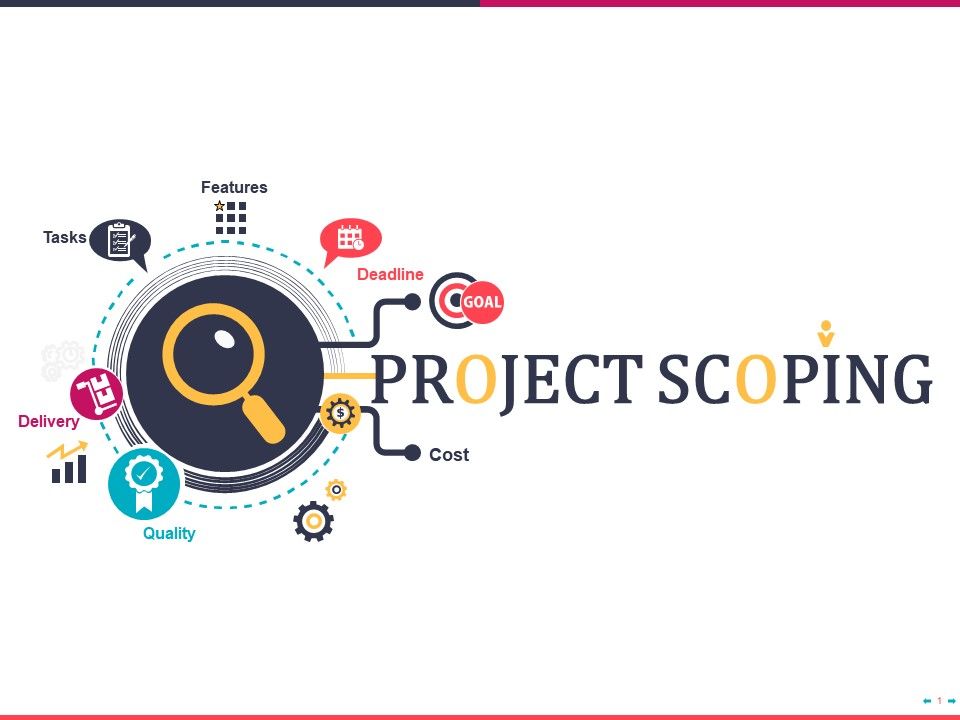
    Project scoping involves determining and documenting a list of specific project goals, deliverables, tasks, costs, and deadlines. The scope defines the project’s boundaries and establishes what is included and excluded in the project. Key elements of project scoping include:

    1. Objectives: Clear, measurable goals that the project aims to achieve.
    2. Deliverables: Tangible or intangible outputs that the project will produce.
    3. Milestones: Significant points or events in the project timeline.
    4. Tasks: Specific activities required to complete the deliverables.
    5. Resources: Personnel, equipment, and materials needed for the project.
    6. Budget: Estimated costs associated with the project.
    7. Timeline: Schedule for project tasks and milestones.
    Most Important Tasks in Project Scoping

    To effectively define the project scope, a project manager must perform several key tasks:

    1. Stakeholder Identification and Analysis:
      • Identify all stakeholders involved in or affected by the project.
      • Understand stakeholder needs, expectations, and influence on the project.
    2. Requirements Gathering:
      • Collect detailed requirements from stakeholders through interviews, surveys, and workshops.
      • Prioritize requirements based on project objectives and stakeholder input.
    3. Scope Statement Development:
      • Create a comprehensive scope statement that outlines project objectives, deliverables, boundaries, and constraints.
      • Ensure the scope statement is clear, concise, and agreed upon by all stakeholders.
    4. Work Breakdown Structure (WBS):
      • Develop a WBS that breaks down the project into manageable components and tasks.
      • Assign responsibilities and timelines for each task.
    5. Scope Verification and Validation:
      • Review the scope statement and WBS with stakeholders to ensure accuracy and completeness.
      • Validate that the project scope aligns with business goals and stakeholder expectations.
    6. Scope Management Plan:
      • Develop a plan for managing scope changes and ensuring scope creep is controlled.
      • Define procedures for documenting and approving scope changes.
    Common Pitfalls in Project Scoping

    Despite its importance, project scoping is often fraught with challenges. Common pitfalls include:

    1. Unclear Objectives:
      • Vague or ambiguous project objectives can lead to misunderstandings and misaligned expectations.
    2. Incomplete Requirements:
      • Failing to gather comprehensive requirements from all stakeholders can result in scope gaps and rework.
    3. Scope Creep:
      • Uncontrolled changes to the project scope can cause delays, cost overruns, and resource strain.
    4. Poor Stakeholder Engagement:
      • Inadequate involvement of stakeholders in the scoping process can lead to missed requirements and dissatisfaction.
    5. Inaccurate Estimates:
      • Underestimating the time, cost, and resources needed for the project can lead to unrealistic scope and project failure.
    Key Competencies for Successful Project Scoping

    To successfully define and manage project scope, a project manager needs to possess several key competencies:

    1. Analytical Skills:
      Ability to analyze stakeholder needs, project requirements, and potential risks.
    2. Communication Skills:
      Effective communication with stakeholders to gather requirements, provide updates, and manage expectations.
    3. Detail Orientation:
      Attention to detail in documenting the scope, developing the WBS, and ensuring all aspects of the project are covered.
    4. Negotiation Skills:
      Skill in negotiating with stakeholders to prioritize requirements and manage scope changes.
    5. Leadership:
      Ability to lead the project team, engage stakeholders, and drive consensus on project scope.
    6. Risk Management:
      Proficiency in identifying potential scope risks and developing mitigation strategies.
    7. Change Management:
      Capability to manage scope changes effectively, ensuring they are documented, analyzed, and approved.

    Step-by-Step Guide to the Scoping Phase of a Software Development Project
    Step 1: Identify Stakeholders

    Objective: Identify all individuals and groups who have an interest in the project or will be affected by it.

    Actions:

    • List Potential Stakeholders: Include project sponsors, end-users, development team members, product owners, and any other relevant parties.
    • Conduct Stakeholder Analysis: Understand their interests, influence, and expectations regarding the project.
    • Engage Stakeholders: Schedule initial meetings or interviews to gather insights and expectations.

    Outcome: A comprehensive list of stakeholders with their roles, interests, and influence levels documented.

    Step 2: Gather Requirements

    Objective: Collect detailed requirements to understand what the project needs to achieve.

    Actions:

    • Conduct Workshops and Interviews: Engage stakeholders through workshops, interviews, and surveys to gather requirements.
    • Document Functional Requirements: Specify what the software should do, including features and functionalities.
    • Document Non-Functional Requirements: Include performance, security, usability, and compliance requirements.
    • Prioritize Requirements: Work with stakeholders to prioritize requirements based on business needs and constraints.

    Outcome: A well-documented set of functional and non-functional requirements, prioritized and validated by stakeholders.

    Step 3: Define Project Objectives

    Objective: Clearly define the project’s goals and objectives.

    Actions:

    • Establish SMART Goals: Ensure that objectives are Specific, Measurable, Achievable, Relevant, and Time-bound.
    • Align with Business Goals: Ensure project objectives align with the broader business objectives.
    • Validate with Stakeholders: Confirm objectives with key stakeholders to ensure alignment and buy-in.

    Outcome: A clear and concise statement of the project’s objectives, agreed upon by all stakeholders.

    Step 4: Develop the Scope Statement

    Objective: Create a detailed scope statement that outlines the project’s boundaries and deliverables.

    Actions:

    • Define Deliverables: List the main outputs of the project (e.g., software modules, documentation, training materials).
    • Specify Boundaries: Clarify what is included in the project scope and what is not.
    • Identify Constraints: Document any limitations such as budget, timelines, technology, or resources.
    • Assumptions: List any assumptions that have been made during the scoping phase.

    Outcome: A comprehensive scope statement that serves as the foundation for project planning and execution.

    Step 5: Create a Work Breakdown Structure (WBS)

    Objective: Break down the project into smaller, more manageable components and tasks.

    Actions:

    • Identify Major Deliverables: Start by identifying the key deliverables from the scope statement.
    • Break Down Deliverables: Decompose each deliverable into smaller tasks and sub-tasks.
    • Assign Responsibilities: Assign team members to each task and sub-task.
    • Estimate Durations: Estimate the time required to complete each task.

    Outcome: A detailed WBS that provides a clear roadmap for project tasks and responsibilities.

    Step 6: Develop a Scope Management Plan

    Objective: Create a plan for managing scope changes and ensuring scope creep is controlled.

    Actions:

    • Define Change Control Procedures: Establish procedures for how changes to the scope will be proposed, evaluated, and approved.
    • Set Up a Change Control Board (CCB): Form a CCB with representatives from key stakeholder groups to review and approve scope changes.
    • Document Change Requests: Implement a system for documenting and tracking change requests.
    • Communicate Changes: Ensure all stakeholders are informed about scope changes and their implications.

    Outcome: A scope management plan that outlines how scope changes will be handled throughout the project.

    Step 7: Validate Scope with Stakeholders

    Objective: Ensure that all stakeholders agree with the defined project scope and are aligned with the project’s goals.

    Actions:

    • Review Scope Statement and WBS: Conduct a review meeting with key stakeholders to present the scope statement and WBS.
    • Address Feedback: Collect and address any feedback or concerns from stakeholders.
    • Obtain Formal Approval: Secure formal sign-off from stakeholders on the project scope.

    Outcome: A validated and approved project scope that all stakeholders agree upon.


    Conclusion

    Project scoping is a fundamental aspect of project management that lays the groundwork for project success. By understanding the basic elements of project scope, performing essential tasks diligently, avoiding common pitfalls, and developing key competencies, a project manager can effectively define and manage the project scope. This not only ensures that the project stays on track but also aligns stakeholder expectations and delivers the desired outcomes within the agreed parameters. Mastering project scoping is, therefore, a critical skill for any project manager aiming to lead successful projects in today’s dynamic business environment.