Category: style

  • The Perfect Summer Suit: A Timeless Essential for Every Capsule Wardrobe

    The Perfect Summer Suit: A Timeless Essential for Every Capsule Wardrobe

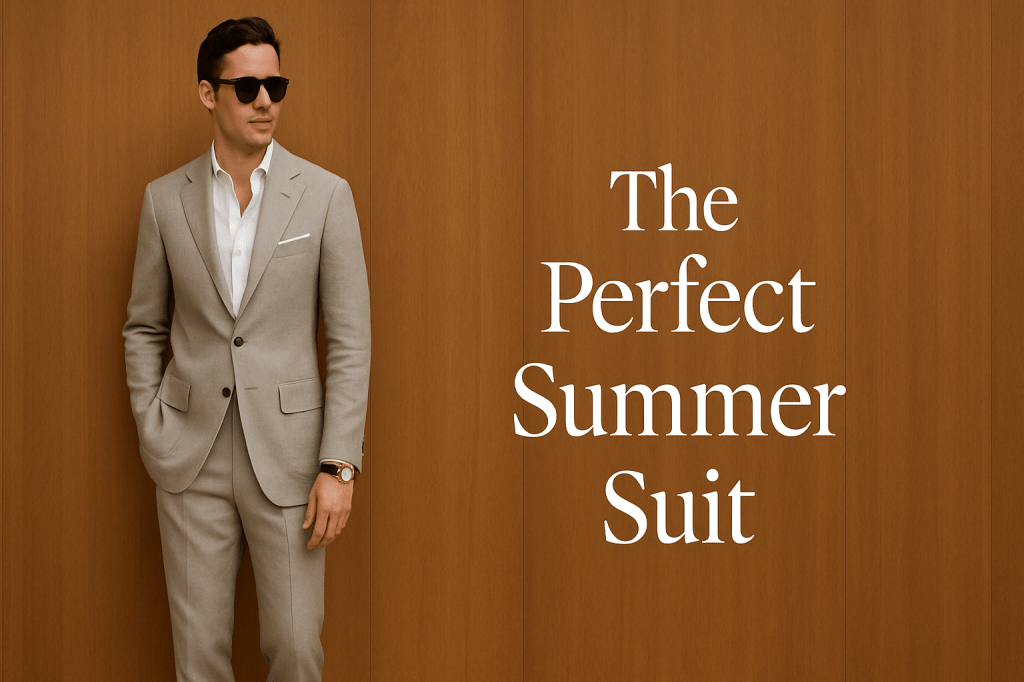
    There’s a particular kind of magic to the perfect summer suit. It’s the sartorial equivalent of sprezzatura — effortless elegance that whispers instead of shouts. As a seasoned men’s fashion expert who travels to Pitti Uomo twice a year, I’ve seen everything from the wildest peacocks to the purest expressions of timeless tailoring. And amidst the evolving trends, one truth remains: a well-chosen summer suit, especially in the relaxed yet refined Italian style, belongs in every man’s capsule wardrobe.

    Minimalism doesn’t mean deprivation; it means intentionality. And the summer suit, when chosen well, is the ultimate intentional piece — versatile, lightweight, and able to adapt to the rhythm of modern life. Whether you’re navigating meetings in a sun-drenched office, attending a summer wedding, enjoying a dinner date, or sipping a Negroni at a backyard BBQ, the right summer suit can rise to the occasion.

    Why Every Capsule Wardrobe Needs a Summer Suit

    The idea behind a capsule wardrobe is simple: own less, wear more. Each piece must pull its weight across various settings. A thoughtfully selected summer suit does just that. Unlike its structured, wool-heavy winter counterparts, a summer suit is about fluidity, ease, and breathability. It bridges the space between formality and comfort, offering a polished yet relaxed aesthetic that doesn’t wilt under the sun.

    When you invest in a suit you can wear as separates or as a whole, you’re unlocking a dozen outfits in one go. This is not about fashion. It’s about style — that rare quality that persists when trends fade. And nothing defines timeless style like Italian tailoring adapted for warm weather.

    From Office to Occasion: The Suit That Works Everywhere

    One of the most compelling arguments for the summer suit is its versatility. Here’s how it works for every setting on your calendar:

    Office:

    Pair it with a crisp white poplin shirt and a pair of suede loafers. Skip the tie for a smart-casual take or add a lightweight silk knit tie for meetings that demand presence.

    Summer Wedding:

    Go full sprezzatura. Add a linen pocket square, sleek leather derbies, and a soft chambray shirt. You’ll look dressed up without feeling overdressed.

    Date Night:

    Ditch the dress shirt in favor of a fitted linen or polo shirt in a soft neutral tone. Unbutton the jacket, roll up your sleeves ever so slightly, and let your demeanor do the rest.

    Backyard BBQ or Garden Party:

    Break it up. Throw the jacket over a crewneck tee, and wear the trousers with leather sandals or canvas sneakers. You’ll look pulled together without trying too hard.

    Choosing the Right Suit: Fit, Fabric, Style, and Color

    The success of a summer suit lies in its details. Let’s break down how to choose the right one:

    Fit

    Forget the stiff, hyper-tailored silhouettes of the 2010s. Summer tailoring should follow your body, not cling to it. Look for a jacket with unstructured or lightly padded shoulders, allowing for natural movement. The trousers should be slim but breathable, ideally with side adjusters for a clean waistline. Think of comfort as a form of confidence — when your suit fits well, it feels like a second skin.

    Fabric

    This is non-negotiable. The wrong fabric will sabotage even the best cut. Look for lightweight, breathable materials like:

    Linen: Classic, slightly rumpled charm that screams summer in Tuscany.

    Cotton Twill: Crisp and durable, great for structured-yet-relaxed looks.

    Tropical Wool: Surprisingly breathable and wrinkle-resistant — a smart choice for city wear.

    Blends (Linen-Cotton, Wool-Silk): Offer the best of both worlds — cooling properties and a superior drape.

    Personally, I gravitate toward high-twist tropical wool for its versatility and elegance. It travels well and holds its shape even after a long day.

    Style

    This is where Italian tailoring shines. Go for a single-breasted jacket, ideally with two buttons, double vents, and patch pockets. The double vent helps with airflow and adds a rakish charm from behind. Patch pockets, meanwhile, keep things relaxed — less boardroom, more Riviera.

    Unlined or half-lined construction is crucial. You don’t want to be weighed down. Let the jacket breathe.

    The lapel should be soft and slightly wider than average — think Neapolitan flair, not banker’s boardroom.

    Color

    Here’s where most men make a mistake. Avoid anything too loud or too dark. Summer is about lightness — opt for:

    Stone or Sand: The ultimate warm-weather neutral.

    Light Grey: Clean, modern, and easy to pair with almost anything.

    Olive or Sage: A refined way to stand out without shouting.

    Dusty Blue or Airforce Blue: A softer take on navy that suits all skin tones.

    Skip pinstripes or anything high-contrast. Instead, embrace subtle texture — like a herringbone weave or slubbed linen — for visual interest that doesn’t overpower.

    The Case for Less Formal: Sprezzatura in Action

    Formal suiting has its place, but summer calls for something more lived-in. The beauty of Italian style is that it never tries too hard. Patch pockets, soft shoulders, and natural materials combine to create a look that’s elegant without being fussy.

    The less formal summer suit projects quiet confidence. It says: I know how to dress well, but I don’t need to prove it. That’s sprezzatura. It’s the key to looking polished without appearing stiff — a must for today’s busy professional who moves fluidly between work and life.

    And it’s not just about appearances. This style is functional. You stay cool, you feel unrestricted, and you look great without having to constantly adjust or fuss. That, my friend, is the point.

    Styling Tips: Do More with Less

    Mix & Match: Wear the jacket with white jeans or chinos. Pair the trousers with a navy polo. That’s two extra outfits instantly.

    Keep Accessories Light: A linen pocket square, a simple braided belt, and a pair of tortoiseshell sunglasses are more than enough.

    Footwear: Loafers, espadrilles, or minimalist leather sneakers cover all occasions.

    Grooming & Posture: No summer suit looks good without confidence and self-respect. Keep your grooming clean, stand tall, and let the tailoring do the talking.

    Final Thoughts: The Summer Suit, Simplified

    A well-chosen summer suit is more than just a garment — it’s a mindset. It speaks of a man who values quality over quantity, elegance over extravagance, and function over flash. It proves that minimalism, when executed with taste, doesn’t restrict — it liberates.

    So if your capsule wardrobe is missing this warm-weather essential, consider this your invitation. Invest in one. Wear it often. Let it age with you, adapt with you, and most of all— let it remind you that style, like summer, is best when enjoyed lightly.

  • The Power of Visual Cues: How Your Personal Style Shapes Competence and Perception

    The Power of Visual Cues: How Your Personal Style Shapes Competence and Perception

    We like to think of ourselves as logical, rational beings, but the truth is, much of our behavior is driven by what we see. As James Clear highlights in Atomic Habits, vision is our dominant sense — accounting for nearly half of our brain’s resources. This means that the visual cues in our environment profoundly influence our actions, decisions, and even self-perception.

    And here’s where it gets interesting: one of the most powerful visual cues we encounter every day is ourselves.

    Think about it. Every time you catch your reflection — whether in a mirror, a shop window, or your webcam — you’re sending a message to yourself. Are you seeing a competent, confident individual who’s ready to own the day? Or someone who looks like they hit “snooze” one too many times?

    Your personal style isn’t just about looking good. It’s a catalyst for self-assurance, a trigger for productive behavior, and a shortcut to commanding respect. In essence, the way you dress doesn’t just shape how others perceive you — it shapes how you see yourself.

    Dressing for Competence: The Science Behind Enclothed Cognition

    Ever noticed how you feel sharper in a well-fitted blazer? More focused in polished shoes? More capable in a structured outfit versus an oversized hoodie? That’s not just in your head — it’s science.

    Psychologists have studied a phenomenon called enclothed cognition, which suggests that clothing can influence cognitive processes. In one study, participants who wore a white lab coat associated with doctors performed better on attention-related tasks than those who didn’t. Simply put, dressing the part makes you act the part.

    Now, apply this to your daily life. If you want to feel confident and competent, dressing with intention reinforces that mindset. A minimalist yet polished wardrobe — filled with pieces that fit well, feel good, and align with your goals — becomes a daily reinforcement of the person you’re striving to be.

    Your wardrobe isn’t just fabric — it’s a tool for success.

    The Perception Advantage: How Style Shapes First Impressions

    Of course, personal style isn’t just about self-perception. It’s also about how others perceive you.

    Studies show that first impressions are formed in milliseconds, and appearance plays a huge role in that process. Before you even open your mouth, your attire has already communicated something about your competence, professionalism, and even trustworthiness.

    A polished, well-put-together outfit signals discipline, attention to detail, and self-respect — all qualities that inspire confidence in others. On the flip side, an unkempt or inconsistent appearance can suggest a lack of organization, no matter how skilled you are.

    Think of it this way: would you trust a financial advisor in flip-flops? A surgeon in a wrinkled T-shirt? Probably not. Their expertise hasn’t changed, but your perception of their competence has.

    In leadership and business, your personal style becomes an unspoken advantage. It sets the tone before you even step into the room.

    Becoming the Architect of Your Image

    James Clear’s insight in Atomic Habits reminds us that we are not passive participants in our environment — we shape it. And the same principle applies to personal style.

    Instead of leaving your wardrobe to chance, you can become the architect of your own image. Here’s how to use personal style as a tool for competence, confidence, and influence:

    1. Curate a Wardrobe That Reflects Your Goals

    Every piece in your closet should serve a purpose. If your goal is to exude leadership, wear structured, well-tailored pieces that command respect. If you want to feel more disciplined, opt for a minimalist wardrobe with intentional choices.

    Don’t just buy clothes — build an image.

    2. Eliminate Visual Clutter

    Just like a messy desk can hinder productivity, a chaotic wardrobe creates unnecessary stress. If your closet is overflowing with random, uninspiring clothes, you’re setting yourself up for decision fatigue every morning.

    A well-curated wardrobe simplifies the process. Fewer, high-quality pieces mean quicker decisions and a more consistent personal brand.

    3. Use Style as a Behavioral Cue

    Want to be more focused? Dress like someone who is. Want to command more respect? Present yourself accordingly. Your wardrobe acts as a subconscious trigger, reinforcing productive behaviors throughout the day.

    It’s the reason people who work from home feel more productive when they dress professionally versus lounging in sweatpants. Your outfit sets the tone for your mindset.

    4. Recognize the Power of Consistency

    People trust consistency. Whether in leadership, branding, or personal presence, a coherent and well-maintained style reinforces reliability. Steve Jobs had his black turtleneck, Tom Ford his impeccable suits, and you — well, you should have your signature look, too.

    Consistency in style equals consistency in perception.

    Effortless Style, Maximum Impact

    Let’s be clear — personal style isn’t about vanity. It’s about effectiveness. It’s about using visual cues to shape both your own behavior and the way others perceive you.

    By being intentional with your wardrobe, you leverage psychology to reinforce competence, command respect, and align with your aspirations. You don’t just look put-together — you feel put-together.

    And when you feel put-together, you act with more confidence, take on challenges with greater ease, and position yourself for success.

    That’s the power of style. It’s not just what you wear — it’s what you become.

  • Less, but Better: How Minimalism Elevates Fitness, Productivity, and Personal Style

    Less, but Better: How Minimalism Elevates Fitness, Productivity, and Personal Style

    “Perfection is achieved not when there is nothing more to add, but when there is nothing left to take away.”

    Antoine de Saint-Exupéry

    In a world that constantly pushes us to do more, own more, and chase more, it’s easy to lose sight of what truly matters. The pursuit of perfection is often mistaken for accumulation—whether in fitness, work, or personal style. But the truth is, excellence comes not from excess, but from refinement. It’s about stripping away the unnecessary and focusing on what delivers the greatest impact.

    Minimalism isn’t just about decluttering your home; it’s a philosophy that can transform your body, sharpen your mind, and elevate your presence. By focusing on essentials and eliminating distractions, you can create a sustainable, efficient, and fulfilling approach to fitness, productivity, and personal style.

    Minimalism in Fitness: Mastering the Fundamentals

    When it comes to fitness, many people fall into the trap of overcomplication. They chase the latest workout trends, jump between routines, and fill their programs with unnecessary exercises. But the reality is, the most effective fitness plans are built on a few fundamental principles: strength training, progressive overload, and consistency.

    Strength Over Complexity

    The most powerful movements—squats, deadlifts, presses, and pull-ups—have stood the test of time for a reason. These compound exercises work multiple muscle groups simultaneously, providing the most efficient path to strength and muscle development. Instead of chasing novelty, focus on refining these foundational movements.

    Progressive Overload: The Simple Key to Growth

    You don’t need an elaborate workout plan to build muscle and strength. What you need is progressive overload—the principle of gradually increasing the weight, reps, or intensity over time. A minimalist approach to training means prioritizing quality over quantity: fewer exercises, done well, with a clear plan for improvement.

    Consistency Trumps Perfection

    The best workout plan is the one you stick to. Instead of constantly changing programs in search of the “perfect” one, commit to a simple, repeatable routine that fits your lifestyle. Three to four strength training sessions per week, paired with some cardiovascular work, will always outperform a chaotic mix of trendy fitness routines.

    Minimalism in fitness isn’t about doing less for the sake of it—it’s about focusing on what truly drives progress. Remove the distractions, master the fundamentals, and you’ll see real results.

    Minimalism in Productivity: Working Smarter, Not Harder

    The modern workplace glorifies busyness, but being busy is not the same as being productive. True productivity isn’t about cramming more tasks into your day; it’s about removing distractions, streamlining your workflow, and focusing on high-impact activities.

    Eliminate the Nonessential

    One of the most powerful productivity hacks isn’t adding more tools, but subtracting unnecessary tasks. Take a critical look at your to-do list—what truly moves the needle? Identify the tasks that provide the highest value and eliminate or delegate the rest.

    Single-Tasking: The Key to Deep Work

    Multitasking is a myth. Studies show that jumping between tasks reduces efficiency and increases mental fatigue. Instead of spreading your attention thin, embrace single-tasking. Allocate dedicated time blocks for deep work, minimize interruptions, and fully engage with one task at a time.

    Streamline Decision-Makings

    Decision fatigue is real—the more choices you make in a day, the less mental energy you have for important work. Reduce trivial decisions by implementing routines: plan your meals, set fixed work hours, and simplify your wardrobe. By removing decision overload, you free up mental space for what truly matters.

    Quality Over Quantity

    It’s tempting to measure productivity by the number of tasks completed, but impact is far more important than volume. Would you rather check off ten minor tasks or complete one game-changing project? Minimalism in productivity means prioritizing high-value work, setting clear goals, and cutting out distractions.

    By embracing a minimalist approach, you can work with greater focus, clarity, and effectiveness. Productivity isn’t about doing more—it’s about doing the right things with intention.

    Minimalism in Personal Style: The Power of a Curated Wardrobe

    A well-dressed man doesn’t have an overflowing closet—he has a carefully curated wardrobe filled with timeless, versatile pieces. The essence of great personal style isn’t having more clothes; it’s making intentional choices that reflect confidence, sophistication, and effortlessness.

    Fewer, Higher-Quality Pieces

    Fast fashion promotes excess, encouraging men to buy more than they need. But true style comes from investing in fewer, well-made garments that stand the test of time. A well-fitted navy blazer, quality leather shoes, and a crisp white shirt will always outshine a closet full of disposable trends.

    Versatility is Key

    Minimalist wardrobes are built on pieces that work together seamlessly. Neutral colors, classic cuts, and high-quality fabrics ensure that every item serves multiple purposes. Instead of buying clothes for every occasion, invest in versatile staples that can be dressed up or down effortlessly.

    Simplify Your Choices

    Steve Jobs famously wore the same outfit every day to reduce decision fatigue. While you don’t need to go that far, simplifying your wardrobe makes daily dressing easier and more intentional. A well-structured capsule wardrobe eliminates the stress of decision-making while ensuring you always look polished.

    Confidence Over Excess

    Great style isn’t about wearing more—it’s about wearing the right things with confidence. The most stylish men aren’t the ones who follow every trend; they’re the ones who know what works for them and wear it well.

    Minimalism in style isn’t restrictive—it’s liberating. By removing the excess, you create a wardrobe that’s effortless, refined, and always appropriate.

    Conclusion: Less, but Better

    The principle of removing the unnecessary to reveal the essential applies to every aspect of life. In fitness, it means focusing on strength, consistency, and progression. In productivity, it means eliminating distractions and prioritizing high-impact work. In personal style, it means curating a wardrobe of timeless essentials rather than chasing trends.

    More is not always better—better is better. By simplifying, refining, and focusing on what truly matters, you free yourself from the clutter and noise that hold you back. Embrace minimalism, and you’ll not only achieve more but do so with greater clarity, purpose, and ease.

  • Build Your Timeless Capsule Wardrobe Today

    Build Your Timeless Capsule Wardrobe Today

    In today’s world of sweatpants and sneakers, the art of dressing well is slipping through the cracks. But a timeless wardrobe—a carefully curated collection of versatile, high-quality pieces—can help you stand tall in a sea of casual chaos. Ready to reclaim elegance and simplicity? Here’s your step-by-step guide to building a capsule wardrobe that’s formal, classic, and utterly timeless.


    The Case for a Capsule Wardrobe

    Why bother with a capsule wardrobe? Because fewer, better pieces make your life easier. No more morning debates in front of the closet, no more mismatched outfits. With a capsule wardrobe, every piece works together, saving you time while ensuring you always look sharp.

    Minimalism is your secret weapon: focus on quality over quantity and timeless designs over fleeting trends. And here’s the kicker—embracing classic style is the easiest way to stand out in today’s increasingly casual world.


    Step 1: Suits — Your Power Players

    When it comes to timeless style, the suit reigns supreme. Start with these essentials:

    • Navy Suit: The MVP of your wardrobe. Wear it to weddings, interviews, or dinners. It works everywhere.
    • Gray Suit: Sophisticated and versatile. Perfect for the office or formal events.
    • Black Suit (optional): For black-tie events or somber occasions.

    Stick to high-quality wool and ensure your suits are tailored to perfection. An off-the-rack suit is just fabric; tailoring turns it into armor.


    Step 2: The Shirt Staples

    A great suit deserves great shirts. Invest in:

    • White Dress Shirts: The backbone of formal wear. Clean, crisp, and always appropriate.
    • Light Blue Shirts: A versatile option that pairs with everything.
    • Subtle Patterns (optional): Stripes or micro-checks for a touch of personality without screaming for attention.

    Look for 100% cotton or cotton blends for comfort and durability. Avoid shiny, synthetic fabrics — they’re not fooling anyone.


    Step 3: Trousers and Separates

    Flexibility is key. Add tailored trousers to mix things up:

    • Gray Wool Trousers: Dress them up with a blazer or down with a shirt.
    • Beige or Navy Trousers: Perfect for smart-casual looks.

    Separates give your wardrobe a whole new dimension. A navy blazer with gray trousers? Instant sophistication.


    Step 4: Outerwear — Stay Sharp in Every Season

    Outerwear doesn’t just protect you from the elements—it’s your style statement:

    • Overcoat: A wool coat in camel, navy, or black is a winter essential.
    • Trench Coat: Lightweight, waterproof, and endlessly stylish.
    • Blazer or Sport Coat: Great for those in-between occasions when a full suit feels too much.

    Think of outerwear as your wardrobe’s exclamation point. Make it count.


    Step 5: Shoes That Seal the Deal

    Nothing ruins a sharp outfit faster than bad shoes. Here’s what you need:

    • Black Oxfords: The ultimate formal shoe. Wear them with suits for a polished look.
    • Brown Derbies: Versatile and slightly more relaxed. Great for business or smart-casual outfits.
    • Loafers (optional): Perfect for summer or a less formal vibe.

    Polish your shoes regularly and resole them when needed. A well-maintained shoe can last decades.


    Step 6: Accessories — The Subtle Finishing Touch

    Accessories are like seasoning: a little goes a long way. Stick to the classics:

    • Ties: Solid colors, stripes, or subtle patterns. Nothing loud.
    • Pocket Squares: White is a safe bet, but feel free to experiment with muted colors.
    • Belts: Black and brown leather to match your shoes.
    • Wristwatch: A timeless piece with a simple face and leather strap.

    Skip trendy accessories—they’ll date your look faster than a cheap suit.


    Step 7: Mastering the Mix-and-Match

    A capsule wardrobe is all about versatility. Pair your navy suit jacket with gray trousers for a fresh take on business casual. Layer a trench coat over your suit to stay sharp on rainy days. Swap ties and pocket squares to make your outfits feel brand new.

    With a few high-quality pieces, you can create dozens of outfits that work for any occasion.


    Step 8: Maintenance — Make It Last

    A timeless wardrobe only works if it stays in great shape. Here’s how:

    • Dry Clean Sparingly: Too much cleaning can damage fabrics. Spot-clean when you can.
    • Store Properly: Use wooden hangers and garment bags for suits.
    • Invest in Shoe Care: Keep leather shoes polished and protected from moisture.
    • Tailor and Repair: Fix minor issues like loose buttons or hems right away.

    A little care goes a long way in preserving your investment.


    Why Timeless Elegance Matters

    Dressing well isn’t just about appearances—it’s about attitude. A sharp wardrobe inspires confidence, earns respect, and helps you stand out in a world where “effortless” too often means “lazy.” By embracing timeless style, you’re making a statement: quality matters, and so do you.


    Conclusion

    Creating a timeless capsule wardrobe is about simplicity, sophistication, and self-respect. It’s not just a way to dress—it’s a lifestyle choice that prioritizes quality over quantity, elegance over trends, and intentionality over chaos.

    Invest in a few classic pieces, take care of them, and let your wardrobe become your most powerful tool. In a world of fleeting trends, timeless style is forever.

  • Timeless vs. Trendy: What Men Can Learn from Decades of Style Evolution

    Timeless vs. Trendy: What Men Can Learn from Decades of Style Evolution

    Introduction

    Men’s fashion is a curious blend of the fleeting and the eternal. Every decade introduces fresh trends, from wide lapels to slim fits, yet some styles seem impervious to time. What makes certain pieces timeless while others fade into obscurity? Understanding the evolution of men’s style is not just an academic exercise; it’s a guide for mastering a wardrobe that feels as relevant today as it will decades from now.

    This article explores the relationship between fleeting fashion trends and timeless style principles, offering insights into how modern men can dress with confidence and enduring sophistication.

    A Brief History of Men’s Fashion

    The evolution of men’s fashion mirrors broader cultural and societal changes. In the Victorian era, formality and structure dominated wardrobes. Moving into the 20th century, the corporate suit became a symbol of power, while casual wear emerged in post-war America, reflecting a shift toward comfort and practicality. By the late 20th and early 21st centuries, streetwear and athleisure took center stage, driven by youth culture and a rejection of traditional norms.

    Despite these shifts, certain elements—like the well-tailored suit or a crisp white shirt—have remained staples. Their enduring appeal lies in their versatility, simplicity, and ability to adapt to changing contexts.

    The Anatomy of Timeless Style

    What defines timeless style? It’s about more than just specific items; it’s a philosophy rooted in three key principles:

    • Fit: Regardless of trends, a well-fitted garment enhances any physique and conveys polish.
    • Fabric: Quality materials age gracefully, making them worthwhile investments.
    • Functionality: Timeless pieces serve a purpose, whether it’s the utility of a leather jacket or the elegance of a tailored blazer.

    Classic wardrobe essentials like dark denim, leather dress shoes, and tailored suits stand the test of time because they balance these elements. They’re versatile enough to adapt to various occasions yet refined enough to transcend fleeting fads.

    Trends: The Double-Edged Sword

    Trends can be a source of inspiration, but they also pose a challenge. On one hand, trends introduce innovative designs and fresh perspectives. For instance, the resurgence of vintage cuts in trousers has modernized traditional tailoring. On the other hand, over-committing to trends can result in a wardrobe that feels dated within a few years.

    Consider the bomber jacket: once a utilitarian piece for pilots, it has been reinterpreted by countless designers. Its transformation from a trend to a wardrobe staple illustrates how certain items can achieve timeless status through adaptation and refinement.

    Creating Timeless Looks in a Trend-Driven World

    Navigating a trend-heavy fashion landscape requires discernment. Here’s how to strike a balance:

    • Anchor Your Wardrobe with Classics: Invest in staples like a navy blazer, oxford shirts, and neutral trousers.
    • Add Trends Sparingly: Incorporate one or two trendy pieces to refresh your look without overwhelming it.
    • Prioritize Quality Over Quantity: A well-made item may cost more upfront but will outlast cheaper alternatives.
    • Tailor to Your Personality: Use timeless pieces as a foundation but let your individuality shine through details like accessories or color choices.
    Sprezzatura in Timeless Style

    The Italian concept of “sprezzatura” encapsulates effortless elegance. It’s the art of looking polished without appearing overly calculated. Sprezzatura thrives on timeless principles—a perfect fit, harmonious proportions, and subtle details—yet it allows room for personal flair. Whether it’s leaving a shirt collar slightly unbuttoned or pairing sneakers with a tailored suit, sprezzatura demonstrates how timeless style can feel modern and approachable.

    Conclusion

    The interplay between trends and timelessness is what keeps men’s fashion dynamic yet enduring. By understanding the evolution of style and grounding your wardrobe in timeless principles, you can navigate changing trends with confidence and ease.

    Remember, true style isn’t about chasing every new fad; it’s about curating a wardrobe that reflects who you are while standing the test of time. Trends may come and go, but timeless style is forever. Which will you choose?