Category: style

  • Timeless Shoes for Men: Essential Styles Every Man Should Own

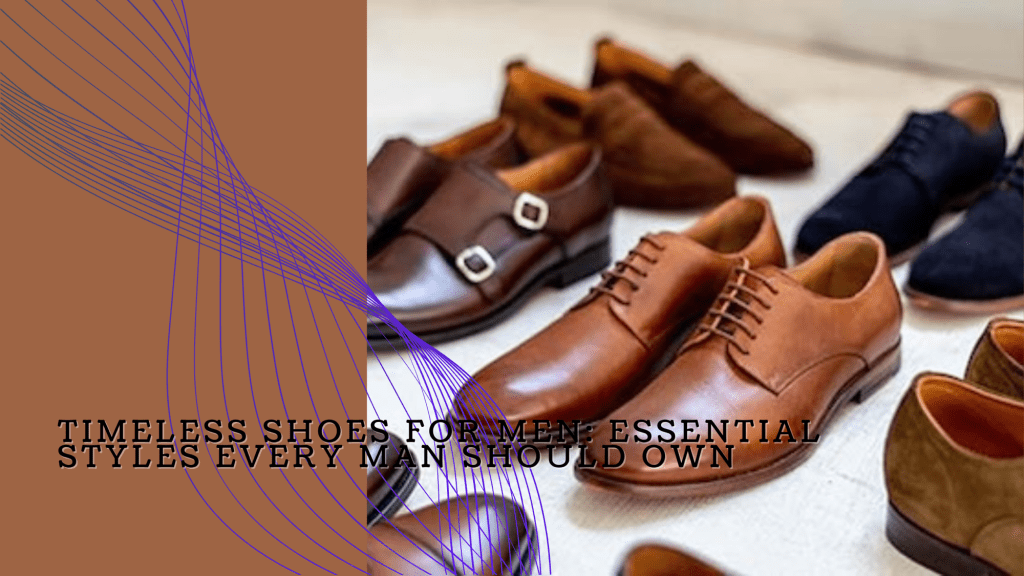
    Timeless Shoes for Men: Essential Styles Every Man Should Own

    When it comes to style, nothing says more about a man than his choice of shoes. Shoes aren’t just about comfort—they define the character of an outfit and can make or break your overall appearance. While fashion trends come and go, certain shoe styles have stood the test of time, offering versatility, elegance, and practicality that transcend fleeting fads.

    In this guide, we’ll explore the must-have shoe styles for every man’s wardrobe and how to wear them effortlessly, whether you’re headed to the boardroom, a wedding, or a weekend brunch.


    1. The Oxford – A Classic for Formal Occasions

    The Oxford shoe is the epitome of formal footwear. Distinguished by its closed-lacing system, which gives it a sleek, streamlined appearance, the Oxford has been the go-to choice for men in formal settings for decades. The design is timeless, making it an essential investment for any man who needs to look sharp in high-stakes situations.

    Key Features:

    • Closed lacing system
    • Leather upper
    • Thin sole for a polished look

    Best Occasions:
    Oxfords are perfect for black-tie events, weddings, job interviews, and other formal gatherings. They pair flawlessly with tuxedos, dark suits, or even a well-tailored navy suit for an important business meeting.

    Classic Outfit Example:

    • Navy or charcoal grey suit
    • Crisp white dress shirt
    • Silk tie in a solid or subtle pattern
    • Black leather Oxfords for maximum formality

    With a pair of black leather Oxfords, you’ll always look impeccably dressed for the most formal occasions, projecting confidence and sophistication effortlessly.


    2. The Derby – Smart and Versatile

    While the Derby shares many similarities with the Oxford, the key difference is its open-lacing system, which gives it a more relaxed and versatile feel. This design feature makes the Derby a great choice for both formal and casual occasions. It’s the kind of shoe that adapts to whatever situation you’re in without ever looking out of place.

    Key Features:

    • Open lacing system for a slightly roomier fit
    • Leather or suede material
    • Can feature broguing (decorative perforations) for added flair

    Best Occasions:
    Derbies work well for business-casual settings, dinner dates, or even upscale casual events. Pair them with chinos, blazers, or slim trousers for a sharp yet relaxed look.

    Classic Outfit Example:

    • Charcoal grey trousers
    • Light blue or patterned dress shirt
    • Navy blazer
    • Brown leather Derby shoes

    A versatile brown Derby can transition from the office to an after-work event with ease, offering both comfort and style.


    3. The Loafer – Effortless Elegance

    Loafers are the definition of easy sophistication. With no laces to tie and a slip-on design, they blend convenience with a touch of refinement. Originating as a casual shoe, loafers have evolved to work seamlessly in semi-formal and smart-casual settings.

    Key Features:

    • Slip-on design
    • Available in leather or suede
    • Options include penny loafers, tassel loafers, and bit loafers

    Best Occasions:
    Loafers are versatile enough to be worn at the office, brunches, or even summer weddings. Their slip-on nature makes them great for travel or casual Fridays when you still want to look put-together.

    Classic Outfit Example:

    • Light grey chinos
    • White button-down shirt with sleeves rolled up
    • Brown leather tassel loafers
    • A lightweight navy blazer

    Tassel loafers offer just enough flair to elevate your look, while still keeping things relaxed and comfortable.


    4. The Brogue – When You Want to Stand Out

    Brogues are instantly recognizable thanks to their unique perforations, which were originally designed to allow water to drain out when walking through wet environments. Today, they’ve become a stylish statement piece that adds character to any outfit. Though they come in various styles, including Oxfords and Derbies, broguing gives them a distinctive look.

    Key Features:

    • Decorative perforations along seams and edges
    • Available in full, half, and quarter brogue styles
    • Typically feature a wingtip design

    Best Occasions:
    Brogues are perfect for semi-formal events, work settings, or even smart-casual evenings out. Their versatility allows them to be paired with suits or dressed down with jeans and a blazer for a night out.

    Classic Outfit Example:

    • Slim-fit navy suit
    • White or light blue dress shirt
    • Burgundy or dark brown leather brogues
    • No tie for a more relaxed yet stylish look

    A dark brown full brogue paired with a slim suit creates a sophisticated yet approachable outfit that’s perfect for after-work social events.


    5. The Chelsea Boot – Sleek, Sophisticated, and Ready for Anything

    A Chelsea boot is a must-have for every man, thanks to its sleek, ankle-length design and convenient pull-on style. Popularized by the British mod scene in the 1960s, Chelsea boots have since become a staple for both casual and formal occasions. Their versatility makes them one of the most reliable options in any wardrobe.

    Key Features:

    • Elastic side panels for easy slip-on functionality
    • Ankle-high design
    • Available in leather or suede

    Best Occasions:
    Chelsea boots can be worn year-round, making them a fantastic choice for the office, date nights, and weekend outings. The leather variety leans more formal, while suede offers a casual, relaxed vibe.

    Classic Outfit Example:

    • Slim black jeans or chinos
    • Crisp white dress shirt or turtleneck sweater
    • Suede Chelsea boots for casual or leather Chelsea boots for formal settings

    Pair black leather Chelsea boots with dark slim-fit jeans and a blazer for a modern, stylish look that works for both day and evening events.


    6. The Sneaker – A Modern Essential

    No longer just for sports, sneakers have evolved into a fashion staple that bridges the gap between casual and smart-casual attire. A minimalist leather sneaker is particularly versatile, allowing you to look stylish and feel comfortable at the same time.

    Key Features:

    • Lightweight construction with a cushioned sole
    • Available in leather, canvas, or suede
    • Wide variety of styles, from minimal to bold

    Best Occasions:
    Sneakers work great for casual outings, weekend events, or even casual work environments. Stick to minimal, clean designs for more formal casual settings, such as meetings or social gatherings.

    Classic Outfit Example:

    • Slim-fit jeans
    • Plain white or grey t-shirt
    • Navy bomber jacket or cardigan
    • White leather sneakers

    A pair of white leather sneakers paired with dark denim and a well-fitted t-shirt creates an effortlessly cool and comfortable outfit.


    7. The Monk Strap – Unique and Stylish

    For men looking to add something different to their shoe rotation, the monk strap shoe offers a unique twist on traditional styles. With its signature buckle closures, the monk strap sits between the formality of an Oxford and the casual ease of a loafer.

    Key Features:

    • Single or double buckle straps instead of laces
    • Leather construction
    • Sleek silhouette

    Best Occasions:
    Monk straps can be worn in formal and semi-formal settings, such as the office, weddings, or dinner events. They offer a modern alternative to Oxfords or Derbies without compromising on sophistication.

    Classic Outfit Example:

    • Charcoal grey suit
    • Light pink or white dress shirt
    • Double monk strap shoes in dark brown leather
    • No tie, for a smart-casual look

    Monk straps strike the perfect balance between formality and style, ideal for when you want to make a subtle statement.


    Conclusion:

    Shoes are more than just an accessory—they’re an essential part of your wardrobe that can elevate your style effortlessly. Investing in these timeless styles ensures that no matter the occasion, you’ll always be prepared and polished. From the classic Oxford to the versatile sneaker, these shoes offer the perfect blend of tradition, elegance, and modern-day convenience.

    By building a collection of these key styles, you’ll be able to make the hard things in life—like dressing well—look completely effortless.


    Call-to-Action:
    Ready to step up your shoe game? Assess your wardrobe and start building a collection of timeless shoes that will carry you through every occasion. Follow my blog for more tips on living effortlessly stylish.

  • The Minimalist Approach: 3 Essential Shoes for Maximum Versatility

    The Minimalist Approach: 3 Essential Shoes for Maximum Versatility

    In a world where trends shift quickly, adopting a minimalist approach to your wardrobe can be a game changer. Instead of overwhelming your closet with countless pairs of shoes, focusing on just three key styles will give you the flexibility to cover every occasion—without the clutter.

    If you want a curated selection of shoes that deliver both style and practicality, here are the only three you need: dark brown suede chukka boots, cognac tassel loafers, and classic black Oxfords.


    1. Dark Brown Suede Chukka Boots – The Casual Hero

    Chukka boots combine casual elegance with timeless versatility, making them an ideal choice for both relaxed and semi-casual occasions. The soft suede offers a luxurious texture, while their earthy brown shade ensures they effortlessly complement a wide range of outfits. Originally popularized as a comfortable yet stylish option for polo players, chukka boots have since evolved into a wardrobe staple, known for their understated sophistication and suitability for everyday wear.

    Key Features:

    • Suede upper for a casual, luxurious look
    • Lightweight construction with a comfortable crepe sole
    • Ankle-high design, offering more coverage than a typical casual shoe

    Best Occasions:
    Chukka boots shine in casual and smart-casual settings. They’re perfect for weekends, outdoor gatherings, or even a casual office environment. Pair them with jeans, chinos, or even wool trousers for a relaxed but stylish look.

    Classic Outfit Example:

    • Dark denim jeans
    • Navy or olive green sweater or casual button-down shirt
    • Dark brown suede chukka boots

    This combination works brilliantly for informal events and adds a touch of laid-back elegance to your day-to-day attire. Chukka boots offer comfort and style, allowing you to be effortlessly cool without being overdressed.


    2. Cognac Tassel Loafers – The Stylish All-Rounder

    The cognac tassel loafer is the perfect shoe for a minimalist wardrobe. Its versatile color complements both light and dark outfits, while the tassel detail adds flair. Loafers are ideal when you want to dress up without feeling overly formal, making them a versatile staple.

    Key Features:

    • Slip-on design for ease and comfort
    • Tassel detail for added visual interest
    • Leather upper in a warm, cognac brown

    Best Occasions:
    Tassel loafers work beautifully in smart-casual and semi-formal settings. Whether you’re going to a business-casual office, a dinner event, or a summer wedding, these loafers transition effortlessly across seasons and occasions.

    Classic Outfit Example:

    • Slim-fit navy or grey chinos
    • White or pale blue button-down shirt
    • Lightweight navy blazer
    • Cognac tassel loafers

    Cognac loafers add just the right amount of elegance to your outfit without the formality of Oxfords, making them the ideal shoe for versatile, effortless dressing.


    3. Black Oxfords – The Formal Classic

    No minimalist wardrobe is complete without a pair of black leather Oxfords. As the most formal shoe in your arsenal, they are a must-have for occasions when you need to be at your sharpest. Oxfords are timeless, sleek, and the perfect complement to suits and tuxedos.

    Key Features:

    • Closed-lacing system for a sleek, polished look
    • Black leather upper for maximum formality
    • Thin sole, reinforcing the streamlined silhouette

    Best Occasions:
    Black Oxfords are indispensable for weddings, black-tie events, job interviews, and formal business meetings. Whenever you need to make a sharp, professional impression, this is the shoe you’ll turn to.

    Classic Outfit Example:

    • Charcoal grey or navy suit
    • White dress shirt
    • Silk tie in a solid color or subtle pattern
    • Black leather Oxfords

    This classic combination ensures you’ll always be dressed appropriately for formal occasions, projecting confidence and sophistication with minimal effort.


    Why These Three?

    By focusing on these three pairs of shoes, you’ll cover the full spectrum of events in a man’s life, from casual weekends to formal affairs. Here’s why they work so well together:

    • Versatility: The chukka boots, loafers, and Oxfords can be mixed and matched with a wide range of outfits and occasions, reducing the need for multiple pairs.
    • Timelessness: Each of these styles has a timeless design that transcends seasonal trends, ensuring they’ll remain in fashion for years to come.
    • Ease of Maintenance: Limiting your footwear to just three key styles means it’s easier to maintain them, keeping them polished and ready to go for any occasion.

    Conclusion: The Minimalist Approach to Footwear

    For the man who values both style and simplicity, a minimalist shoe collection featuring dark brown suede chukka boots, cognac tassel loafers, and black leather Oxfords offers the perfect solution. This curated selection covers everything from casual to formal events, ensuring you’re always dressed for the occasion without the clutter of a sprawling wardrobe.

    Adopting this minimalist approach to footwear allows you to make the hard task of dressing stylishly look completely effortless—one pair at a time.


    Call-to-Action:
    Ready to embrace a minimalist approach to your wardrobe? Start by investing in these three versatile shoes and notice how effortlessly your style comes together. Follow my blog for more tips on living stylishly with less.

  • The Perfect Fit: Why Tailoring is Key to Timeless Style

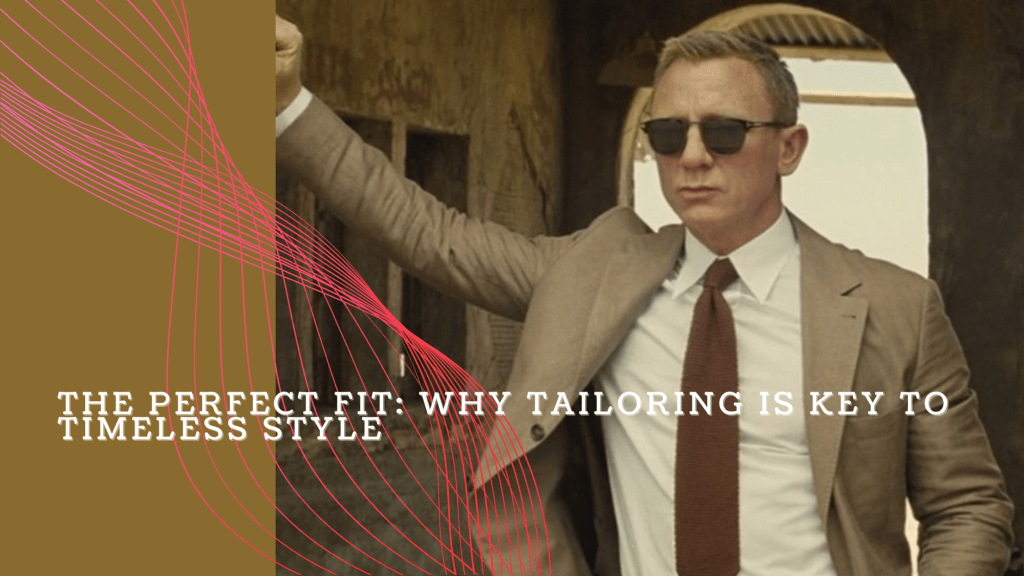
    The Perfect Fit: Why Tailoring is Key to Timeless Style

    Picture this: You’re standing in front of the mirror, ready for an important meeting or special occasion. You’ve picked a beautiful blazer or a sharp pair of slacks that seemed perfect in the store, but something feels off. The jacket’s a bit boxy, the sleeves are too long, and your trousers don’t break quite right at the ankle. Despite the effort, it just doesn’t look… right.

    Now, imagine that same outfit, but this time, the jacket hugs your shoulders perfectly, subtly tapering at the waist to create a sleek V-shape. The sleeves end just at the wrist, allowing a hint of shirt cuff to peek out, and your pants fit so well that they look like they were custom-made for you. Suddenly, you’re not just wearing clothes—you’re owning them. This is the magic of tailoring.

    When it comes to achieving timeless style, the perfect fit is everything. It’s not about following trends or wearing the latest labels; it’s about wearing clothes that make you feel confident, comfortable, and undeniably you. And the good news? Tailoring makes that look effortless—without breaking the bank.

    The Power of Fit: Transforming Your Look

    Style is often thought of as a visual statement, but it’s so much more than that. When your clothes fit like they were made for you, they don’t just look better—they make you feel better. A tailored jacket or a perfectly hemmed pair of pants can give you a sense of control, authority, and confidence that radiates into everything you do.

    When I was younger, I used to think that the secret to looking stylish was buying expensive clothes. I’d spend more than I should on designer brands, only to feel underwhelmed when I wore them. Then I discovered tailoring, and everything changed. Suddenly, those same clothes that once felt “meh” made me look polished and put together. I learned that tailoring isn’t just about adjusting fabric—it’s about shaping confidence. And it turns out, when you feel good, you make everything around you look effortless.

    Tailoring vs. Off-the-Rack: Why It Matters

    Off-the-rack clothing is designed to fit as many body types as possible, which means it fits no one perfectly. Whether it’s a shirt that’s too loose in the torso or pants that are too long, the issue is often not the clothing itself, but the fit. This is where tailoring steps in.

    When you tailor a piece, you take something that was made for everyone and transform it into something made for you. It’s a small but powerful change—one that makes a world of difference in how you carry yourself. You’re no longer adjusting your movements to accommodate your clothing; your clothing is working with you, moving with ease, letting you focus on what matters most.

    Cost-Efficient Tailoring Options for Key Wardrobe Pieces

    You might think tailoring is only for bespoke suits or high-end garments, but affordable alterations can take your everyday items—your suit jackets, chinos, and even t-shirts—to the next level. Here’s how you can tailor your off-the-rack pieces to look and feel custom-made, without spending a fortune:

    Suit Jackets and Blazers:
    • Tucking in the sides: By slimming the sides of a jacket, you can create that sharp V-shaped look that immediately makes you appear more athletic and polished. This is a simple alteration that transforms a boxy fit into something much sleeker.
    • Shortening the sleeves: Often, sleeves on off-the-rack jackets are too long. Tailors can shorten them so that just a hint of shirt cuff is visible, a subtle detail that exudes refinement.
    Slacks and Chinos:
    • Hemming the legs: The length of your pants can make or break your look. Hemming them to the right length (whether you prefer no break or a slight break) ensures your trousers fall cleanly and complement your shoes.
    • Tucking in the waist: Adjusting the waist ensures that your pants sit comfortably without sagging or requiring a belt to hold them up.
    • Adding side adjusters: For a sleeker look, especially with dress pants, adding side adjusters eliminates the need for a belt, creating a cleaner silhouette.
    Shirts and T-shirts:

    Tucking in the sides: Whether it’s a dress shirt or even a t-shirt, tailoring the sides can eliminate extra fabric around the waist and torso, giving you a more streamlined, flattering fit.

    Finding the Right Tailor: What to Look For

    Not all tailors are created equal, so it’s important to find one that understands your body type and personal style. A good tailor doesn’t just follow instructions; they should offer advice on what alterations will suit you best. Look for someone who communicates well, offers reasonable prices, and can make minor adjustments quickly. Starting with small alterations (like hemming pants) is a great way to test their skills before moving on to more complex tailoring.

    Building a Wardrobe Around Tailoring

    Once you’ve seen the transformative power of tailoring, you’ll want to start building your wardrobe with this in mind. Invest in classic, versatile pieces that you can tailor to perfection. A well-fitted blazer, a tailored trench coat, or a perfect pair of dress pants can be worn across multiple occasions and seasons, and with proper care, they’ll last you for years. These aren’t just clothes—they’re timeless investments in your personal style.

    Tailoring for Every Body Type

    It’s important to remember that tailoring isn’t just for formal wear or certain body types. Whether you’re tall, short, slim, or curvy, tailoring can make your clothes fit better, feel better, and look better. You don’t need to have a model’s body to look incredible in tailored clothing—because it’s the tailoring itself that makes the body look its best.

    Investing in Timeless Pieces

    In a world full of fast fashion, it’s tempting to chase trends. But true, effortless style comes from investing in timeless, high-quality pieces that can be worn for years. When you combine quality with proper tailoring, you create a wardrobe that transcends fleeting fads, keeping you looking sharp and stylish no matter the occasion.

    The Effortless Impact of Tailoring

    Tailoring is the secret to effortless style. It’s not about buying more clothes or following every trend—it’s about making the clothes you already have fit like they were made just for you. With a few simple, cost-effective alterations, you can take off-the-rack pieces and transform them into a wardrobe of timeless classics that reflect your personal style.

    The next time you look in the mirror and feel something’s missing from your outfit, consider tailoring. Because when your clothes fit perfectly, everything else falls into place—and you’ll find that looking your best feels completely effortless.

  • The Art of Minimalist Wardrobe: Building a Capsule Closet

    The Art of Minimalist Wardrobe: Building a Capsule Closet

    As life gets busier—between family, work, and everything in between—the daily decision of what to wear can feel like just one more thing on a growing to-do list. Enter the concept of a minimalist wardrobe, or what’s often called a capsule closet. For men, especially knowledge workers or office professionals with busy schedules, simplifying clothing choices is not just about style—it’s about reducing stress, saving time, and aligning your wardrobe with a minimalist lifestyle.

    What is a Capsule Wardrobe?

    A capsule wardrobe consists of a carefully curated selection of clothing items that are versatile, timeless, and suited to various occasions. These pieces can be mixed and matched, making outfit selection effortless. For men, this usually means focusing on neutral colors and classic styles, from office attire to casual wear.

    But beyond fashion, a capsule wardrobe aligns with a minimalist philosophy—where every piece of clothing has a purpose and contributes to a more intentional life.

    The Benefits of a Minimalist Wardrobe
    1. Fewer Decisions, More Mental Energy

    Making fewer decisions about what to wear saves valuable mental energy. If you’ve ever stood in front of a closet packed with clothes and still felt like you had “nothing to wear,” you’re not alone. The problem isn’t a lack of options—it’s too many.

    By limiting your wardrobe to a set of functional, interchangeable pieces, you reduce decision fatigue. You’ll start your mornings with less stress and more clarity, able to focus on work, family, and personal goals rather than what tie goes with which shirt.

    2. Save Time, Especially on Busy Mornings

    A streamlined wardrobe means faster mornings. No more scrambling to find the right pair of pants or spending 10 minutes deciding which shirt fits the occasion. With a capsule wardrobe, everything works together, meaning you can throw on an outfit without second-guessing your choices.

    When work responsibilities, kids, and the general hustle of life take up much of your attention, saving time on the little things matters. Every second counts, and a minimalist approach to your wardrobe gives you more of that precious time.

    3. Less Clutter, More Space

    When your wardrobe is overflowing with options, you’re likely using a fraction of your clothes. A capsule wardrobe helps you declutter, giving you back valuable closet space. Less clutter can also lead to less stress. Simplifying your physical space can have a positive mental impact, creating a sense of calm rather than chaos.

    For men with families, this extends beyond just your closet. A minimalist approach can influence your entire household, teaching your kids the value of simplicity and helping reduce the overall clutter in your home.

    4. Quality Over Quantity

    Minimalism emphasizes investing in fewer, higher-quality items that last longer. Instead of buying trendy items that may only be worn a few times, a capsule wardrobe focuses on timeless pieces. You might spend a bit more upfront, but the cost per wear becomes far more economical over time.

    For office professionals, this means focusing on classic staples like well-fitted dress shirts, neutral slacks, blazers, and versatile shoes. These pieces will work across different seasons and occasions, making them worth the investment.

    5. Environmental and Ethical Considerations

    Fast fashion contributes significantly to environmental waste. By adopting a minimalist wardrobe, you’re not only simplifying your life but also reducing your environmental footprint. Fewer purchases mean less waste and fewer resources used in production.

    Additionally, when you prioritize quality over quantity, you often support brands that focus on ethical labor practices and sustainable production methods—further aligning your wardrobe with your values.

    Building Your Capsule Closet: Key Steps
    1. Assess Your Current Wardrobe

    Start by taking an honest look at your current wardrobe. Pull everything out of your closet and evaluate each piece. Does it fit well? Do you wear it regularly? Does it align with your personal style? Donate or sell anything you no longer need or that doesn’t serve your lifestyle.

    2. Choose Versatile, Timeless Pieces

    Think in terms of classic styles and neutral colors that can be worn in multiple settings. For example:

    • Neutral Dress Shirts: White, light blue, or grey can be paired with almost anything.
    • Well-fitted Slacks and Chinos: In colors like navy, grey, or khaki, these work for both formal and casual settings.
    • Blazer or Suit Jacket: Choose a neutral color like navy or charcoal that can be dressed up or down.
    • Versatile Footwear: A pair of dress shoes and casual loafers or sneakers in neutral tones will cover most situations.
    3. Stick to a Limited Color Palette

    By sticking to a simple color palette—think whites, greys, navy, and blacks—everything in your wardrobe becomes easier to pair. This reduces the time spent coordinating outfits and ensures that almost everything works together.

    4. Embrace the Seasonless Wardrobe

    Opt for fabrics and styles that work year-round. Items like a quality sweater, a lightweight jacket, and a basic pair of jeans can transition from season to season with minor adjustments.

    5. Add Personal Touches

    Minimalism doesn’t mean sacrificing personal style. Incorporate accessories or a signature item that reflects your individuality—whether it’s a favorite watch, tie, or pair of sunglasses.

    Final Thoughts: The Freedom in Minimalism

    For busy men balancing work, family, and countless other responsibilities, adopting a minimalist wardrobe is more than just a style choice. It’s a way to streamline life, reduce stress, and focus on what truly matters. You’ll feel more organized, save time, and find that a capsule closet brings a sense of clarity to your daily routine.

    The art of minimalism is about simplifying not just your wardrobe but your life—allowing you to focus on the moments, people, and responsibilities that matter most.

  • Understanding Fabrics: A Guide to Materials in Men’s Fashion

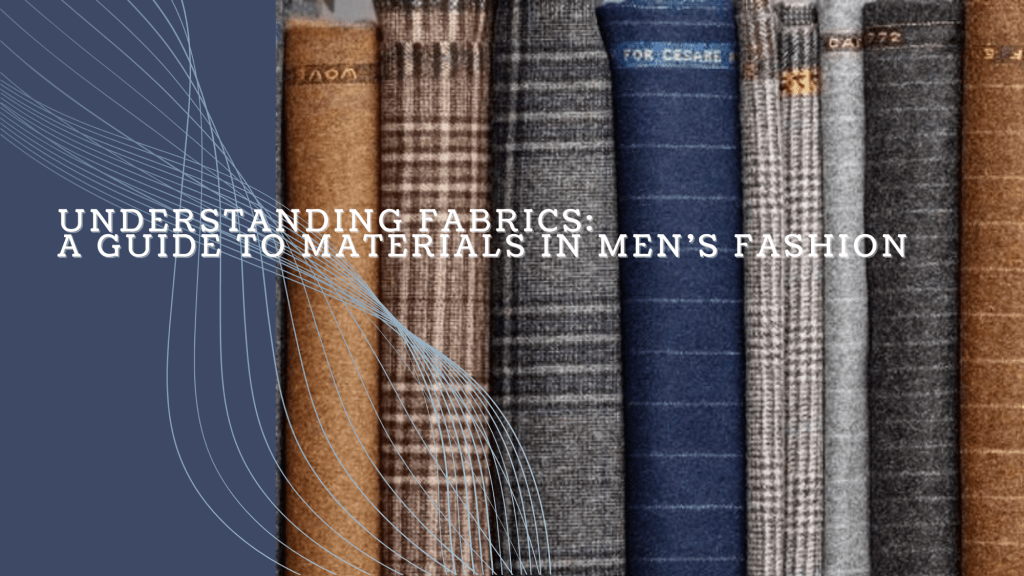
    Understanding Fabrics: A Guide to Materials in Men’s Fashion

    When it comes to men’s fashion, fabric choice is just as important as fit and style. Different materials offer varying levels of comfort, durability, and style. Whether you’re dressing up in a suit or relaxing in chinos, understanding the fabrics you wear will help you choose the best options for different seasons and occasions. This guide covers the most common pieces in a man’s wardrobe—from suits and dress shirts to polo shirts and outerwear—and helps you pick the right fabric for every scenario.

    1. Suits

    The suit is a wardrobe staple for the modern man, and the fabric you choose can make all the difference in how the suit looks and feels. Common fabrics for suits include:

    • Wool: The most popular fabric for suits, wool is a versatile material that can be worn year-round. It’s breathable, durable, and has natural stretch. For summer, look for lightweight wool, while heavier wool is great for winter.
    • Linen: Ideal for summer, linen is a lightweight and breathable fabric that helps keep you cool. It does wrinkle easily, but this adds to its relaxed, casual aesthetic.
    • Seersucker: Another summer favorite, seersucker has a puckered texture that promotes airflow and keeps you cool. Its distinct pattern makes it perfect for warm-weather events.
    • Cotton: Cotton suits are great for a more casual look and offer a middle ground between linen and wool. They’re comfortable and breathable but can wrinkle easily.
    2. Slacks and Chinos

    Slacks and chinos are go-to options for both casual and business casual wear.

    • Wool: Wool slacks are a classic choice for formal occasions or business settings. Worsted wool is a good all-season option, while flannel wool is warmer for winter.
    • Cotton Twill: Chinos are often made from cotton twill, which is a durable and breathable fabric. Heavier cotton is great for colder weather, while lightweight cotton is perfect for summer.
    • Stretch Cotton: Many modern chinos incorporate a small percentage of elastane or spandex for added stretch and comfort.
    3. Blazers & Sports Coats

    Blazers and sports coats come in a variety of fabrics, each suited for different seasons and occasions.

    • Wool & Wool Blends: Wool is a popular fabric for blazers because it’s versatile, breathable, and durable. Wool blends (often mixed with polyester or silk) can offer a more relaxed feel while retaining wool’s elegance.
    • Tweed: A type of wool with a rougher texture, tweed is perfect for colder months. It’s heavier and more insulating, making it great for fall and winter.
    • Houndstooth & Herringbone: These are specific weaving patterns often used in wool or wool blends. They offer a sophisticated texture and are typically worn in cooler months.
    • Linen: For summer blazers, linen is ideal due to its lightweight and breathable nature.
    4. Polo Shirts

    Polo shirts are a casual essential, often seen in warmer months.

    • Pique Cotton: Pique cotton is known for its textured weave and breathability. It’s the most common material used for polo shirts and is perfect for warm weather.
    • Jersey Cotton: Softer and more flexible than pique, jersey cotton offers a smooth finish and is comfortable for casual wear. It’s also more lightweight.
    • Merino Wool: While wool might seem unusual for a polo, merino wool is breathable and temperature-regulating, making it a great option for spring and fall polos.
    5. Dress Shirts & Oxford Button-Downs

    Dress shirts are a must for any professional wardrobe, and fabric plays a huge role in comfort and appearance.

    • Poplin: This tightly woven cotton fabric is smooth and lightweight, making it perfect for dress shirts in the spring and summer. It has a crisp feel and holds its shape well.
    • Oxford Cloth: Oxford cloth has a basketweave structure that makes it thicker and more durable than poplin. It’s often used in button-down shirts and works well in casual or business casual settings.
    • Broadcloth: Similar to poplin but with a more formal appearance, broadcloth is soft and has a subtle sheen, making it a great option for dressier occasions.
    • Flannel: A warmer option for colder months, flannel shirts are made from cotton or wool and have a soft, brushed texture.
    6. Outerwear

    Outerwear is all about balancing style and functionality, and the fabric you choose should depend on the season and your personal style.

    • Wool Coats & Peacoats: Wool is a classic fabric for outerwear because it’s warm, durable, and naturally water-resistant. Peacoats, often made from thick wool, are ideal for winter months.
    • Safari Jackets: Traditionally made from cotton, safari jackets are lightweight and perfect for spring and summer. Modern versions may incorporate linen for extra breathability.
    • Cashmere: Known for its softness and luxurious feel, cashmere is a high-end wool that’s perfect for lightweight but warm coats. It’s ideal for transitional seasons.
    • Nylon & Polyester: Common in technical jackets, these synthetic materials are lightweight, water-resistant, and durable, making them ideal for raincoats and windbreakers.
    Choosing Fabrics for Different Seasons

    When selecting fabrics, it’s important to think about both the material itself and the weaving structure. Here are some seasonal tips:

    • Spring/Summer: Opt for lightweight and breathable fabrics like linen, cotton, and seersucker. Open weaves and lighter colors help keep you cool.
    • Fall/Winter: Look for heavier fabrics like wool, flannel, and tweed to provide warmth and insulation. Tight weaves and darker colors work best in cooler months.
    • All-Season: Fabrics like merino wool, cotton, and lightweight wool can transition well between seasons. These materials regulate temperature effectively and are comfortable in both warm and cool weather.
    Conclusion

    Understanding fabrics can take your wardrobe to the next level. Choosing the right material not only ensures you look sharp but also keeps you comfortable throughout the day. Whether you’re suiting up for a formal event or dressing down for a casual outing, knowing which fabrics work best for each situation will elevate your style game. Keep these tips in mind as you build a versatile, stylish wardrobe suited for every season.