Category: style

  • The 10 Most Common Mistakes Men Make When Building a Capsule Wardrobe—and How to Do Better with Timeless Style

    The 10 Most Common Mistakes Men Make When Building a Capsule Wardrobe—and How to Do Better with Timeless Style

    Building a capsule wardrobe is a sophisticated approach to dressing that emphasizes quality, versatility, and timeless elegance. However, creating a wardrobe that truly stands the test of time requires careful thought and attention to detail. Many men fall into common traps that can detract from the effectiveness of their capsule wardrobe. In this essay, we’ll explore the ten most common mistakes men make when starting to build a capsule wardrobe and how to do better by embracing the principles of timeless style—where elegance meets practicality.

    1. Ignoring Personal Style

    The Mistake:
    One of the most significant mistakes is neglecting to consider personal style, leading to a wardrobe that feels disconnected from your true identity.

    How to Do Better:
    Timeless style is all about understated elegance and refined simplicity. Begin by understanding your own style preferences within this classic framework. Do you prefer a more structured, formal look, or do you lean towards relaxed sophistication? Identify the elements of timeless style that resonate with you, and let that guide your wardrobe choices. This will ensure that your capsule wardrobe feels authentic and personal.

    2. Focusing on Quantity Over Quality

    The Mistake:
    Accumulating too many items in an attempt to feel prepared, often at the expense of quality, is a common error.

    How to Do Better:
    In the tradition of timeless style, less is more—if it’s well made. Invest in a few high-quality pieces that are crafted with care and attention to detail. Think handmade leather shoes, finely tailored suits, and shirts made from the best fabrics. These pieces not only look better but also feel better and last longer. The philosophy of “effortless elegance” means that even a simple outfit can make a strong impression if each component is of the highest quality.

    3. Choosing the Wrong Fit

    The Mistake:
    Poorly fitting clothes can undermine even the most well-curated wardrobe. Many men end up with items that are either too tight or too loose, detracting from their overall appearance.

    How to Do Better:
    Fit is paramount in timeless style. Whether it’s a suit, a shirt, or trousers, every piece should fit as if it was made just for you. Embrace the tailored fit—structured yet comfortable, hugging the body in a way that flatters without constraining. If you can, work with a tailor to adjust off-the-rack pieces to your exact measurements. This ensures that your wardrobe exudes the elegance and confidence that timeless style is known for.

    4. Overlooking Versatility

    The Mistake:
    Choosing overly trendy or niche items limits your ability to create a variety of looks, leading to a wardrobe that feels restrictive.

    How to Do Better:
    Timeless style is synonymous with versatility. Opt for pieces that can be easily mixed and matched. A well-tailored tan or light brown suit, for instance, can be worn in countless combinations—paired with a crisp white shirt for business, or a fine cashmere sweater for a more casual setting. Choose neutral colors like navy, grey, and beige, which are the backbone of a versatile wardrobe, and ensure that each item can seamlessly transition from one outfit to another.

    5. Neglecting the Basics

    The Mistake:
    In the pursuit of style, it’s easy to overlook the importance of wardrobe basics, leaving gaps that make it difficult to assemble complete outfits.

    How to Do Better:
    Timeless style places a strong emphasis on the fundamentals. Start with a solid foundation of essentials: a white dress shirt, a navy blazer, well-tailored wool trousers, and a pair of classic leather loafers. These are the building blocks of any timeless wardrobe. They may seem simple, but in true classic fashion, the beauty lies in their simplicity and the way they effortlessly elevate your look.

    6. Ignoring Seasonal Needs

    The Mistake:
    Failing to account for seasonal variations can result in a wardrobe that is either too sparse or overcrowded with items that aren’t seasonally appropriate.

    How to Do Better:
    Timeless style adapts gracefully to the seasons. For spring and summer, incorporate lightweight fabrics such as linen and cotton in light, breathable colors like white, tan, and light blue. In autumn and winter, focus on heavier materials like wool, cashmere, and flannel in richer, deeper tones. This seasonal rotation keeps your wardrobe fresh and functional without the need for an excess of items.

    7. Skipping Footwear and Accessories

    The Mistake:
    Footwear and accessories are often an afterthought, yet they are crucial in achieving a polished and complete look.

    How to Do Better:
    In timeless style, shoes and accessories are just as important as the main pieces of clothing. Invest in a few pairs of high-quality shoes, such as leather loafers, derbies, and elegant oxfords. Accessories like a well-made leather belt, a classic watch, and a burgundy knit tie or pocket square can add a touch of flair to any outfit. These elements bring cohesion to your look and reflect the attention to detail that is the hallmark of timeless dressing.

    8. Getting Stuck in a Color Rut

    The Mistake:
    While it’s easy to stick to black, white, and grey, doing so can lead to a wardrobe that feels monotonous and lacks personality.

    How to Do Better:
    Timeless style is known for its tasteful use of color. While neutrals form the base of your wardrobe, don’t shy away from introducing subtle, sophisticated colors like deep burgundy, olive green, or warm camel. These hues can add depth and interest to your wardrobe without overpowering the classic elegance of timeless style. For example, a burgundy tie or a camel overcoat can make a simple outfit stand out.

    9. Not Considering Lifestyle

    The Mistake:
    Building a wardrobe that doesn’t align with your daily life can leave you with clothing that feels out of place or impractical.

    How to Do Better:
    Timeless style is as much about practicality as it is about elegance. Consider your daily activities and choose pieces that fit your lifestyle. If you work in a formal environment, prioritize suits and dress shirts. If your lifestyle is more casual, opt for smart-casual pieces like tailored chinos and unstructured blazers. Your wardrobe should be a reflection of your life — elegant, yet functional.

    10. Failing to Plan for Maintenance

    The Mistake:
    Overlooking the care and maintenance of your wardrobe can lead to a decline in the appearance and longevity of your clothing.

    How to Do Better:
    Timeless style is about enduring elegance, which requires proper care. Learn the correct way to maintain your clothes—whether it’s hand-washing delicate items, regularly polishing your shoes, or storing suits in breathable garment bags. Regular maintenance not only preserves the appearance of your wardrobe but also ensures that your investment in high-quality pieces pays off over time.

    Example of a 15-Piece Versatile Capsule Wardrobe Inspired by Timeless Style
    1. Tan or Light Brown Suit – The cornerstone of a versatile wardrobe, suitable for business, formal events, or even split into separates.
    2. Light Grey Suit – Another classic option that pairs well with almost any shirt or tie.
    3. White Dress Shirt – A timeless piece that works for any occasion.
    4. Light Blue Dress Shirt – Adds a touch of color while maintaining versatility.
    5. Grey Wool Trousers – Can be dressed up or down, ideal for various settings.
    6. Beige Chinos – Perfect for a smart-casual look, especially in warmer weather.
    7. Navy Blazer – An essential layering piece that can be worn with trousers or chinos.
    8. Camel Overcoat – A stylish outer layer that adds warmth and elegance during the colder months.
    9. Brown Leather Loafers – Versatile footwear that can be worn with both formal and casual outfits.
    10. Suede Chelsea Boots – A stylish and versatile choice that can be dressed up or down, perfect for adding a touch of sophistication to both formal and casual looks.
    11. Burgundy Knit Tie – Adds a pop of color and texture to your outfits.
    12. Navy Silk Tie – A simple, elegant accessory that pairs well with both suits.
    13. Burgundy Pocket Square – Adds a splash of color and personality to a suit.
    14. White Linen Shirt – Ideal for summer, offering a more relaxed, yet polished look.
    15. Cashmere Sweater (Neutral Color) – Provides warmth and can be layered under a blazer or over a shirt for a refined casual look.

    By embracing the principles of timeless style—focusing on quality, fit, and enduring elegance—you can build a capsule wardrobe that is both versatile and enduring. This approach ensures that every piece not only serves multiple purposes but also reflects a level of sophistication that never goes out of style.
  • Unlock the Secret to Effortless Style: How a Minimalist Wardrobe Can Transform Your Professional Life

    Unlock the Secret to Effortless Style: How a Minimalist Wardrobe Can Transform Your Professional Life

    In a world where first impressions matter, your wardrobe can be your secret weapon. But what if I told you that looking sharp and professional every day doesn’t require a closet full of clothes or hours spent deciding what to wear? The answer lies in mastering the art of a minimalist wardrobe — a capsule collection of timeless, versatile pieces that can be mixed and matched to create endless outfit possibilities with minimal effort.

    Introducing The Capsule Code: Mastering a Minimalist Wardrobe for the Busy Professional — a game-changing guide that’s just been released on Amazon. This book is your ultimate resource for simplifying your wardrobe while maximizing your style.

    Why a Capsule Wardrobe?

    In today’s fast-paced world, the last thing you want to worry about is what to wear each morning. A capsule wardrobe takes the stress out of getting dressed by focusing on a small, carefully curated collection of clothing items that all work together. Imagine the freedom of opening your closet and knowing that whatever you choose, it will fit perfectly, look great, and be appropriate for any occasion.

    But a capsule wardrobe isn’t just about convenience; it’s also about making a statement. By carefully selecting high-quality, timeless pieces, you can create a wardrobe that reflects your personal style while ensuring you always look polished and put-together.

    The Power of Versatility

    As highlighted in The Capsule Code, even a small wardrobe can have a big impact. Here’s a sneak peek from the book:

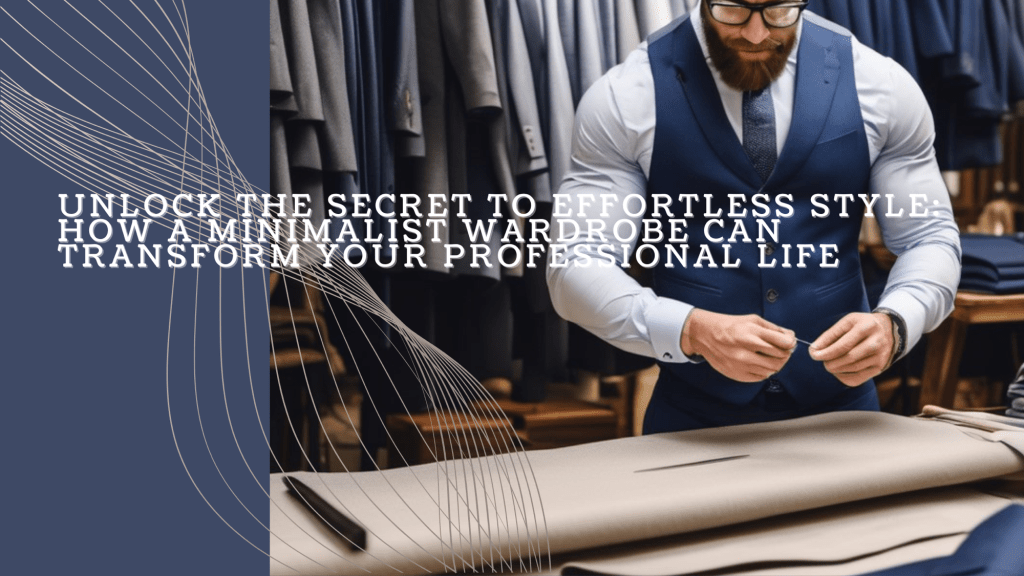
    This small capsule wardrobe, consisting of just 2 pairs of shoes, 3 trousers, 5 shirts, and 2 jackets (using the navy suit jacket as a blazer), can generate an impressive 60 unique outfits. The beauty of this approach lies in its simplicity—by mixing and matching these key pieces, you can easily create a wide range of looks with minimal effort. And when you add in accessories like neckties, pocket squares, the full suit, and the sweater, the number of potential outfits skyrockets to over 300, making this wardrobe not only versatile but also incredibly efficient.

    This excerpt perfectly captures the essence of what The Capsule Code is all about — unlocking the potential of your wardrobe by focusing on versatility and quality over quantity. Whether you’re a corporate executive, a tech professional, or someone who simply wants to streamline their wardrobe, this book provides practical advice and actionable steps to help you build a capsule wardrobe tailored to your lifestyle.

    Who Is This Book For?

    *The Capsule Code* is designed for busy professionals who value efficiency and style. Whether you’re just starting your career or looking to refresh your current wardrobe, this book offers insights that will help you make smarter choices about what to wear. It’s perfect for anyone who:

    • Wants to save time and reduce decision fatigue in the morning
    • Is looking to simplify their wardrobe without sacrificing style
    • Wants to invest in high-quality pieces that offer maximum versatility
    • Is interested in building a wardrobe that reflects their personal and professional identity
    Take the First Step Toward Effortless Style

    If you’re ready to transform the way you think about fashion and simplify your life, The Capsule Code: Mastering a Minimalist Wardrobe for the Busy Professional is your ultimate guide. With step-by-step instructions, expert tips, and real-life examples, this book will show you how to build a wardrobe that’s both functional and stylish.

    Don’t let your wardrobe hold you back — embrace the power of a minimalist approach and discover how a few carefully chosen pieces can change the way you dress forever. 

    Grab your copy of The Capsule Code on Amazon today and start your journey toward effortless style!

  • Navigating the Modern Corporate Dress Code: Mastering the Art of Wearing a Suit Without a Tie

    Navigating the Modern Corporate Dress Code: Mastering the Art of Wearing a Suit Without a Tie

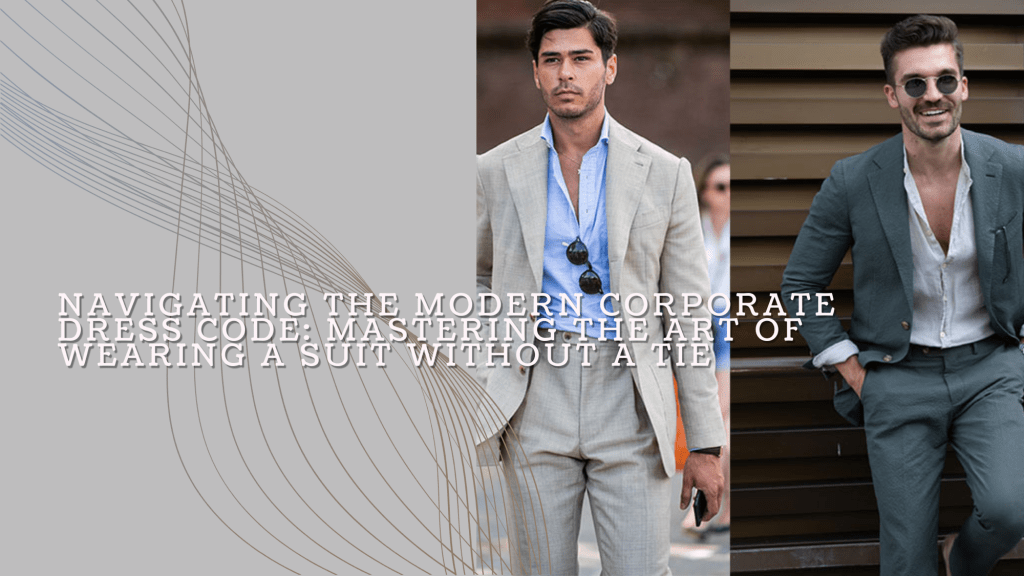
    In today’s evolving corporate world, where dress codes have loosened in response to the rise of remote working, professionals are finding themselves with more sartorial freedom than ever before. The suit without a tie has emerged as a versatile option that effortlessly bridges the gap between formal and casual, allowing you to maintain a polished appearance while embracing a more relaxed style. But how do you master this look without compromising your professionalism? Here’s your guide to wearing a suit without a tie, tailored for the modern corporate professional, with tips for transitioning from the office to after-work activities.

    The Corporate Office: When to Go Tie-Free

    As the lines between formal and casual continue to blur, knowing when to ditch the tie is crucial. The tie-less suit is ideal for:

    Business Casual Days: Meetings with internal teams or clients in creative industries where a full suit and tie might feel overly formal.

    Casual Fridays: When your office dress code eases up at the end of the week.

    Office Socials: Events like networking mixers or after-work drinks, where you want to appear approachable yet refined.

    In more formal scenarios — like presenting to the board or meeting high-profile clients — sticking with a tie might still be the safest choice.

    How to Perfect the Look
    1. Choose the Right Suit:
      Fabric and Fit: Opt for suits made from softer, less structured fabrics like cotton, linen, or a lightweight wool blend. These materials lend themselves well to a tie-less look, offering a relaxed yet refined silhouette. Fit is paramount—ensure your suit is well-tailored, particularly around the shoulders and waist.
      Color Considerations: Navy, charcoal, and lighter grays are versatile choices that adapt well to both formal and semi-formal settings. For a more relaxed vibe, consider earth tones like olive or tan.
    2. Shirt Selection:
      Collar Style: Shirts with spread or cutaway collars are ideal as they maintain their structure without the support of a tie, framing your face and ensuring your look remains polished.
      Patterns and Textures: While white and light blue remain safe bets, experimenting with subtle patterns or textured fabrics can add depth to your outfit without overpowering it.
    3. Accessorize Wisely:
      Pocket Square: A pocket square can add a splash of personality to your ensemble. Stick to classic folds and patterns—think simple white linen for the office, or a muted print for something slightly more daring.
      Watch & Footwear: A classic wristwatch and polished leather shoes are non-negotiables. They convey a sense of detail-oriented professionalism, rounding off your look with finesse.
    4. Grooming and Presentation:
      Neckline Grooming: A clean shave or a well-maintained beard ensures that your open collar looks intentional rather than unfinished. Pay attention to your hairstyle as well—neat and styled is the way to go.
      Confidence: Confidence is your best accessory. Standing tall and owning your look is essential when opting for a suit without a tie. Remember, the tie-less look is as much about attitude as it is about clothing.
    After-Work Elegance: Transitioning from Office to Evening

    The beauty of the tie-less suit lies in its versatility—it transitions seamlessly from the office to evening engagements. Here’s how to adapt your look for various after-work activities:

    Date Night: When heading out for dinner or drinks after work, consider swapping your office shirt for something more relaxed—like a dark, patterned button-down or a knit polo. Loosen up your pocket square fold for a touch of nonchalance and switch to a more casual shoe, like a suede loafer.

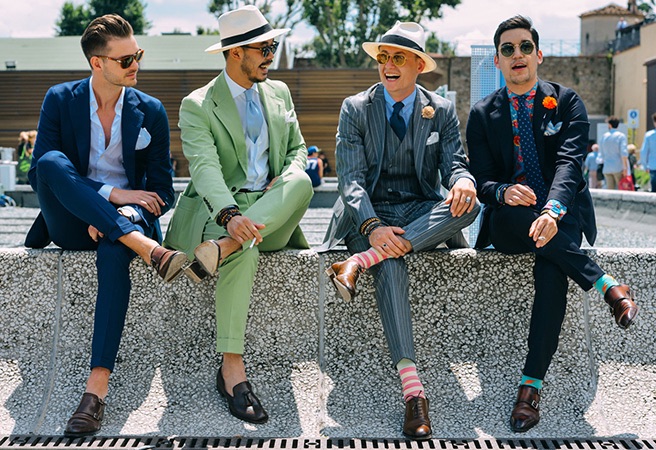
    Wedding Guest: A tie-less suit can work beautifully for weddings, particularly those with a more relaxed dress code. Opt for a suit in a richer color—like deep burgundy or navy—and pair it with a crisp white shirt and a subtle pocket square. A boutonniere or a stylish lapel pin can add a festive touch.

    Weekend Events: For social gatherings like brunches or garden parties, consider a suit in lighter shades, such as beige or light grey, paired with a printed shirt. A pair of stylish sunglasses and leather loafers will keep you looking effortlessly cool and collected.

    A Way Forward: Experimenting with Your Personal Style

    The suit without a tie is more than just a fashion statement; it’s an invitation to experiment with your personal style. Start small—perhaps by trying different collar styles, playing with subtle patterns, or introducing new colors into your wardrobe. Pay attention to how different combinations make you feel and how they are received in various settings. The goal is to find a balance that feels authentic to you while remaining appropriate for your professional environment.

    As corporate dress codes continue to evolve, so too should your approach to style. Embrace the change by experimenting with your attire, and remember that a well-executed tie-less suit can communicate confidence, modernity, and sophistication in equal measure. Whether you’re in the boardroom, out on a date, or attending a wedding, this look has the potential to become a cornerstone of your sartorial repertoire.

  • Transform Your Look: Simple and Affordable Tailoring Adjustments for Off-the-Rack Suits

    Transform Your Look: Simple and Affordable Tailoring Adjustments for Off-the-Rack Suits

    When it comes to looking your best in a suit, fit is everything. Even the most expensive, stylish suit can look mediocre if it doesn’t fit well. Conversely, a moderately priced off-the-rack suit can look exceptional with a few simple and inexpensive tailoring adjustments. In this article, we’ll explore some key alterations every tailor can make to enhance the fit and appearance of your suit and discuss why these adjustments are crucial for making a lasting impression.

    What to Look for in an Off-the-Rack Suit

    Before even considering alterations, it’s essential to choose an off-the-rack suit that serves as a good starting point. Here are a few key aspects to focus on:

    Shoulder Fit

    The shoulders are the most challenging part of a suit to alter. Ensure that the jacket fits well across your shoulders without any sagging or tightness. The seam should align perfectly with the edge of your shoulder.

    Jacket Length
    Just right – too short – too long

    The bottom of the jacket should cover your buttocks and the top of your thighs. This length is generally flattering and aligns with traditional suit proportions.

    Sleeve Length

    Look for a jacket with sleeves that end at your wrist bone, allowing a bit of your shirt cuff to show. While sleeves can be adjusted, starting with the right length minimizes alterations.

    Trouser Fit

    Choose trousers that fit well around the waist and hips. Ensure there is enough fabric at the hem and waist to allow for adjustments if necessary. Buying suit separates comes in handy, if you have a strong mismatch in jacket and trousers sizes.

    Fabric Quality

    Opt for high-quality fabric, such as wool or wool blends. Wool suits are categorized by their Super numbers (e.g., Super 120s), which indicate the fineness of the wool fibers. For instance, Super 120s wool is made from finer fibers, making the fabric smooth and soft, yet durable. Higher Super numbers, like Super 150s or Super 180s, are even finer and softer but might be less durable and more expensive. For everyday use, Super 100s to Super 120s wool is a good balance of quality, comfort, and durability.

    Key Adjustments to Consider
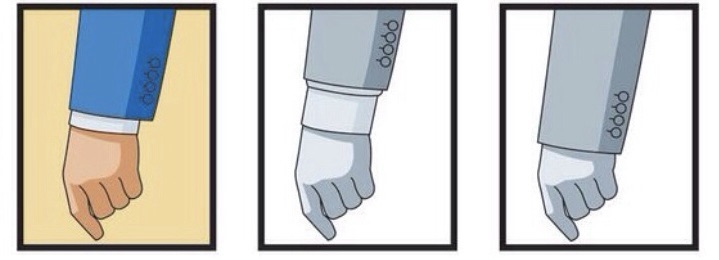
    Shortening the Sleeves
    Correct length – too short – too long

    Why It Matters: Sleeve length is one of the most noticeable aspects of a suit’s fit. Ideally, your shirt cuffs should be visible by about half an inch when your arms are at your sides.

    Adjustment: A tailor can easily shorten or lengthen the sleeves to achieve this perfect length, making your suit look much more polished. This adjustment is typically straightforward and cost-effective.

    Taking in the Sides

    Why It Matters: A suit jacket that fits well around the torso flatters your body shape and avoids the boxy look.

    Adjustment: Tailors can take in the sides of the jacket to create a more fitted silhouette. This involves slimming down the jacket around the waist and sides, enhancing your natural shape and making the suit look bespoke. This adjustment is often done in combination with adjusting the back seams for a balanced fit.

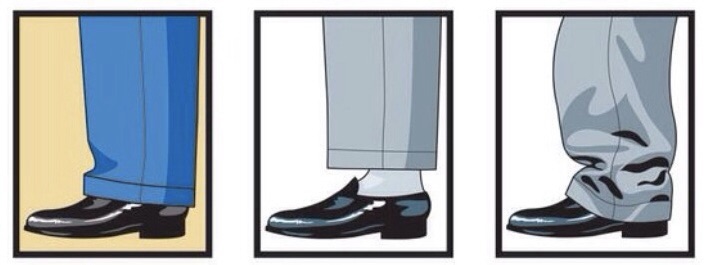
    Adjusting the Trouser Length
    Correct length – more casual variant – too long

    Why It Matters: Trousers that are too long or too short can ruin the overall look of a suit. The perfect length ensures a clean, sharp appearance.

    Adjustment: Tailors can hem the trousers to the correct length, whether you prefer a slight break or no break at all. Properly hemmed trousers should just graze the top of your shoes, creating a clean line. Additionally, consider tapering the trousers for a more modern and tailored look.

    Nipping the Waist

    Why It Matters: A well-defined waistline can make a significant difference in how the suit drapes on your body, providing a more tailored and sophisticated look.

    Adjustment: Tailors can take in the waist of both the jacket and trousers, ensuring they fit snugly without being too tight. This adjustment helps in highlighting your physique and ensuring the suit looks fitted rather than off-the-rack. It can involve adjusting the darts and side seams for a more contoured fit.

    Shoulder Adjustments

    Why It Matters: The shoulders are the backbone of a suit jacket’s fit. Poorly fitted shoulders can make the entire suit look sloppy.

    Adjustment: While more complex and sometimes pricier, adjusting the shoulders can significantly improve the overall fit. This involves adjusting the padding or the seam, making the jacket sit perfectly on your frame and aligning with your natural shoulder line. This is an adjustment best reserved for experienced tailors due to its complexity.

    Why Tailoring Your Suit is Essential

    Off-the-rack suits are designed to fit a generic body shape, but everyone’s body is unique. Tailoring adjusts the suit to fit your specific measurements, ensuring comfort and enhancing your natural features. A tailored suit communicates that you care about your appearance and are willing to invest in looking your best, which can positively influence how others perceive you in professional and social settings.

    Conclusion

    Investing in a few simple, affordable tailoring adjustments can transform an off-the-rack suit into a perfectly fitted ensemble that enhances your appearance and boosts your confidence. Whether it’s adjusting the sleeves, taking in the sides, or hemming the trousers, these changes make a significant difference in how you look and feel. Remember, the perfect fit is key to making a strong impression, so don’t underestimate the power of tailoring. Next time you purchase an off-the-rack suit, take the extra step to have it tailored to your body—it’s a small investment with a big payoff.

  • Stay Cool and Look Sharp: The Ultimate Guide to Wearing a Suit in the Summer

    Stay Cool and Look Sharp: The Ultimate Guide to Wearing a Suit in the Summer

    Summer’s heat doesn’t have to mean sacrificing your style. With the right materials, colors, and fit, you can stay cool and comfortable in your suit. Here’s how to master the art of summer suiting with detailed tips, examples, and weaving techniques.

    Materials and Fabrics
    1. Linen: The Ultimate Breathable Fabric
      • Linen is the king of summer fabrics, thanks to its lightweight and breathable nature. It’s perfect for staying cool, but be mindful of its tendency to wrinkle. For a more polished look, go for a linen blend. For example, a light blue linen suit paired with a white cotton shirt and tan loafers can be perfect for a summer wedding or an outdoor event.
    2. Cotton: The Versatile Choice
      • Cotton suits are a great middle ground between formal and casual. They offer more structure than linen and are less prone to wrinkles. A khaki cotton suit, for instance, can be paired with a light pink dress shirt and brown brogues for a stylish office look. Cotton suits are ideal for business settings, where you want to stay cool but still look professional.
    3. Lightweight Wool: The All-Rounder
      • Tropical wool or summer-weight wool suits are surprisingly breathable and wick away moisture. They maintain their shape and provide a sharp, professional look. Try a light gray wool suit with a pastel shirt and navy tie for a boardroom-ready outfit that won’t leave you sweating.
    4. Blends: The Best of Both Worlds
      • Blends like linen-cotton or wool-silk provide the best of both worlds. They combine the breathability of linen with the durability of cotton or the comfort of wool with the luxury of silk. A wool-silk blend suit, for example, offers a subtle sheen and enhanced breathability, perfect for high-profile summer events.
    5. Seersucker: The Textured Classic
      • Seersucker fabric is characterized by its puckered texture, which promotes airflow and minimizes contact with the skin, making it perfect for hot weather. A seersucker suit in classic blue and white stripes is a timeless choice for summer gatherings and daytime events.
    Colors

    1. Light and Bright

    Embrace light colors like beige, light gray, and pastel shades. These colors not only reflect sunlight but also add a fresh, seasonal touch to your wardrobe. A beige suit with a crisp white shirt and brown loafers can be perfect for both professional and social occasions.

    2. Steer Clear of Dark Hues

    Dark colors like black and navy absorb heat, making you feel warmer. Save these colors for cooler months and opt for lighter alternatives in the summer. Light gray, beige, and even pastel suits can keep you looking stylish and feeling cool.

    Fit
    1. Unlined or Half-Lined Jackets
      • Fully lined jackets can trap heat, making you uncomfortable. Instead, opt for unlined or half-lined jackets for better breathability. These jackets have less fabric in the back and shoulders, allowing for more airflow. For example, a half-lined linen blazer can be paired with cotton chinos for a smart casual look.
    2. Slim, Not Tight
      • A slim fit is modern and chic, but ensure it’s not too tight. A little room for air to circulate will keep you comfortable without sacrificing style. A well-tailored suit that skims your body rather than clings to it will provide a sleek silhouette and help you stay cool.
    3. Breathable Shirts
      • Your shirt choice is just as important as your suit. Opt for shirts made from lightweight fabrics like cotton or linen. A looser fit will enhance airflow, helping you stay cool. For instance, a light blue linen shirt can be a great match for a beige cotton suit, offering a relaxed yet refined look.
    Weaving Techniques
    1. Fil-a-Fil: The Fine Detail
      • Also known as end-on-end, fil-a-fil fabric is woven with alternating threads, giving it a subtle, two-tone appearance. This weave is lightweight and breathable, making it excellent for summer. A light gray fil-a-fil suit paired with a white dress shirt can offer a sophisticated look with a bit of texture.
    2. Houndstooth: The Stylish Pattern
      • Houndstooth is a classic pattern that’s typically woven in wool, but lighter variations are available for summer. Its broken check pattern adds visual interest without being overwhelming. A light blue houndstooth blazer with white chinos can be a standout choice for summer evenings.
    3. Seersucker: The Textured Classic
      • Seersucker fabric is characterized by its puckered texture, which promotes airflow and minimizes contact with the skin, making it perfect for hot weather. A seersucker suit in classic blue and white stripes is a timeless choice for summer gatherings and daytime events.
    Shoes
    1. Loafers: The Casual Chic
      • Loafers are perfect for summer suits. They’re easy to slip on and off, breathable, and come in various styles to match your outfit. Pair them with no-show socks to keep your feet cool and dry. For example, suede loafers in a light brown shade can complement a navy linen suit beautifully.
    2. Brogues: The Stylish Statement
      • Brogues, with their perforated patterns, offer more breathability than other dress shoes. Opt for lighter colors like tan or light brown to complement your summer suit. A pair of tan brogues with a light gray wool suit can add a touch of classic elegance.
    3. Boat Shoes: The Relaxed Option
      • For a more casual look, boat shoes are a great option. They’re comfortable, breathable, and stylish, making them perfect for less formal occasions. For instance, pairing navy boat shoes with a light beige suit can create a nautical-inspired summer outfit.
    Accessories
    1. Ditch the Tie
      • An open collar can help you stay cooler and gives a relaxed, modern look. If you must wear a tie, opt for lightweight silk or cotton. A silk knit tie can add texture and style without the bulk, perfect for a semi-formal summer gathering.
    2. Light Pocket Squares
      • Add a splash of color with a light, breathable pocket square. Silk or cotton options will keep your look sharp without adding bulk. For example, a pastel-colored pocket square can complement a light gray suit, adding a touch of personality.
    3. Minimalist Watches
      • Keep it simple with a lightweight, minimalist watch. Avoid heavy metal bands, which can feel uncomfortable in the heat. A leather strap watch with a clean face can be the perfect accessory for your summer suit.
    Conclusion

    By focusing on the right materials, colors, fit, and weaving techniques, you can maintain a sharp look while staying comfortable in the summer heat. Pair your suit with the right shoes and accessories, and you’ll be the epitome of cool, no matter how high the temperature climbs.