Category: style guide

articles improving your ability to craft outstanding and yet timeless outfits with minimum effort

  • The Power of Visual Cues: How Your Personal Style Shapes Competence and Perception

    The Power of Visual Cues: How Your Personal Style Shapes Competence and Perception

    We like to think of ourselves as logical, rational beings, but the truth is, much of our behavior is driven by what we see. As James Clear highlights in Atomic Habits, vision is our dominant sense — accounting for nearly half of our brain’s resources. This means that the visual cues in our environment profoundly influence our actions, decisions, and even self-perception.

    And here’s where it gets interesting: one of the most powerful visual cues we encounter every day is ourselves.

    Think about it. Every time you catch your reflection — whether in a mirror, a shop window, or your webcam — you’re sending a message to yourself. Are you seeing a competent, confident individual who’s ready to own the day? Or someone who looks like they hit “snooze” one too many times?

    Your personal style isn’t just about looking good. It’s a catalyst for self-assurance, a trigger for productive behavior, and a shortcut to commanding respect. In essence, the way you dress doesn’t just shape how others perceive you — it shapes how you see yourself.

    Dressing for Competence: The Science Behind Enclothed Cognition

    Ever noticed how you feel sharper in a well-fitted blazer? More focused in polished shoes? More capable in a structured outfit versus an oversized hoodie? That’s not just in your head — it’s science.

    Psychologists have studied a phenomenon called enclothed cognition, which suggests that clothing can influence cognitive processes. In one study, participants who wore a white lab coat associated with doctors performed better on attention-related tasks than those who didn’t. Simply put, dressing the part makes you act the part.

    Now, apply this to your daily life. If you want to feel confident and competent, dressing with intention reinforces that mindset. A minimalist yet polished wardrobe — filled with pieces that fit well, feel good, and align with your goals — becomes a daily reinforcement of the person you’re striving to be.

    Your wardrobe isn’t just fabric — it’s a tool for success.

    The Perception Advantage: How Style Shapes First Impressions

    Of course, personal style isn’t just about self-perception. It’s also about how others perceive you.

    Studies show that first impressions are formed in milliseconds, and appearance plays a huge role in that process. Before you even open your mouth, your attire has already communicated something about your competence, professionalism, and even trustworthiness.

    A polished, well-put-together outfit signals discipline, attention to detail, and self-respect — all qualities that inspire confidence in others. On the flip side, an unkempt or inconsistent appearance can suggest a lack of organization, no matter how skilled you are.

    Think of it this way: would you trust a financial advisor in flip-flops? A surgeon in a wrinkled T-shirt? Probably not. Their expertise hasn’t changed, but your perception of their competence has.

    In leadership and business, your personal style becomes an unspoken advantage. It sets the tone before you even step into the room.

    Becoming the Architect of Your Image

    James Clear’s insight in Atomic Habits reminds us that we are not passive participants in our environment — we shape it. And the same principle applies to personal style.

    Instead of leaving your wardrobe to chance, you can become the architect of your own image. Here’s how to use personal style as a tool for competence, confidence, and influence:

    1. Curate a Wardrobe That Reflects Your Goals

    Every piece in your closet should serve a purpose. If your goal is to exude leadership, wear structured, well-tailored pieces that command respect. If you want to feel more disciplined, opt for a minimalist wardrobe with intentional choices.

    Don’t just buy clothes — build an image.

    2. Eliminate Visual Clutter

    Just like a messy desk can hinder productivity, a chaotic wardrobe creates unnecessary stress. If your closet is overflowing with random, uninspiring clothes, you’re setting yourself up for decision fatigue every morning.

    A well-curated wardrobe simplifies the process. Fewer, high-quality pieces mean quicker decisions and a more consistent personal brand.

    3. Use Style as a Behavioral Cue

    Want to be more focused? Dress like someone who is. Want to command more respect? Present yourself accordingly. Your wardrobe acts as a subconscious trigger, reinforcing productive behaviors throughout the day.

    It’s the reason people who work from home feel more productive when they dress professionally versus lounging in sweatpants. Your outfit sets the tone for your mindset.

    4. Recognize the Power of Consistency

    People trust consistency. Whether in leadership, branding, or personal presence, a coherent and well-maintained style reinforces reliability. Steve Jobs had his black turtleneck, Tom Ford his impeccable suits, and you — well, you should have your signature look, too.

    Consistency in style equals consistency in perception.

    Effortless Style, Maximum Impact

    Let’s be clear — personal style isn’t about vanity. It’s about effectiveness. It’s about using visual cues to shape both your own behavior and the way others perceive you.

    By being intentional with your wardrobe, you leverage psychology to reinforce competence, command respect, and align with your aspirations. You don’t just look put-together — you feel put-together.

    And when you feel put-together, you act with more confidence, take on challenges with greater ease, and position yourself for success.

    That’s the power of style. It’s not just what you wear — it’s what you become.
  • The Role of Outerwear in Timeless Men’s Fashion: Coats and Jackets

    The Role of Outerwear in Timeless Men’s Fashion: Coats and Jackets

    Introduction

    Outerwear isn’t just about staying warm—it’s a cornerstone of timeless men’s fashion. Coats and jackets not only serve a functional purpose but also act as powerful style statements, creating first impressions that last. In the corporate world, where professionalism meets personal expression, choosing the right outerwear is crucial. This article explores the role of outerwear in building a smart capsule wardrobe, blending style, function, and versatility.

    1. Why Outerwear is Essential in Men’s Fashion

    Outerwear is often the first thing people notice about your outfit. It can set the tone for how you’re perceived, especially in professional settings. Here’s why it matters:

    • Functionality: Beyond style, coats and jackets protect against the elements, ensuring comfort regardless of the season.
    • First Impressions: A well-chosen overcoat or blazer can exude confidence, sophistication, and attention to detail.
    • Balancing Practicality and Elegance: Outerwear seamlessly combines utility with aesthetics, making it an indispensable part of a corporate capsule wardrobe.
    2. Timeless Styles in Men’s Outerwear

    Certain styles of outerwear have stood the test of time, becoming staples for the modern professional. Let’s explore these essentials:

    Overcoats

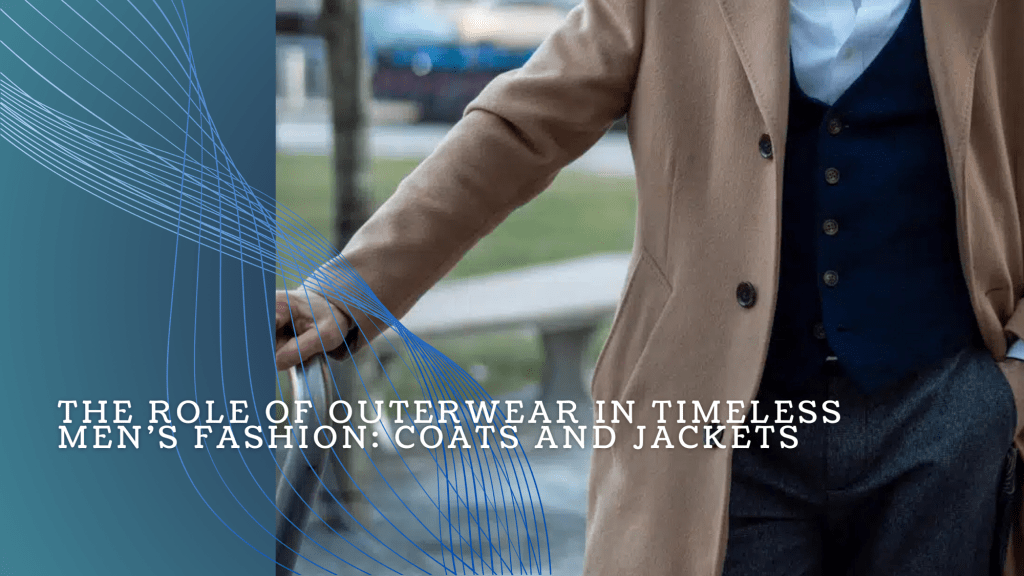
    A classic overcoat is a must-have for formal occasions. Its clean lines and tailored fit make it ideal for pairing with suits, ensuring you look polished even in the coldest weather. Choose neutral tones like navy, black, or camel for maximum versatility.

    Trench Coats

    Originally designed for military use, trench coats are both functional and stylish. Their water-resistant fabric and structured silhouette make them perfect for rainy days, whether you’re commuting to the office or attending a business meeting.

    Peacoats

    With their naval origins, peacoats bring a blend of tradition and modernity to your wardrobe. Their shorter length and double-breasted design work well with both casual and semi-formal outfits.

    Leather Jackets

    While often associated with rebellion, leather jackets have evolved into a refined wardrobe piece. A sleek, minimalist leather jacket can add a touch of edge to your corporate-casual looks.

    Blazers and Sport Coats

    Blazers and sport coats are versatile outerwear options that bridge the gap between casual and formal. They’re perfect for layering over dress shirts or knitwear, offering a sharp yet relaxed look.

    3. Choosing the Right Outerwear for Your Wardrobe

    Building a capsule wardrobe means investing in pieces that are versatile, durable, and timeless. When choosing outerwear for the corporate world, consider these factors:

    • Fit: Proper fit is non-negotiable. Tailored coats and jackets elevate your look, while ill-fitting ones can detract from it.
    • Fabric: Opt for high-quality materials like wool, cashmere, or leather for durability and comfort.
    • Function: Ensure the outerwear suits your lifestyle and environment. For example, a water-resistant trench coat is ideal for rainy climates.

    When starting your capsule wardrobe, focus on versatile pieces that can transition seamlessly between professional and casual settings. An overcoat in a neutral color, a classic trench, and a well-fitted blazer are excellent starting points.

    4. Styling Tips for Coats and Jackets

    The true power of outerwear lies in its ability to transform an outfit. Here’s how to style your coats and jackets for maximum impact:

    • Layering: Pair a trench coat with a tailored suit or layer a peacoat over a chunky sweater for a smart-casual look.
    • Outfit Pairing: Match an overcoat with formal attire for business meetings or a leather jacket with chinos and a turtleneck for Friday’s office casual.
    • Color Coordination: Stick to neutral tones like gray, navy, and beige for versatility, but don’t shy away from bold colors if they align with your personal style.
    5. Caring for Your Outerwear

    Quality outerwear is an investment, and proper care ensures it lasts for years. Follow these tips to maintain your pieces:

    • Cleaning: Follow the care instructions for each material. Wool coats often require dry cleaning, while leather jackets need conditioning.
    • Storage: Store your coats on sturdy hangers and protect them from moths with garment bags or cedar blocks.
    • Repairs: Address small issues like loose buttons or minor tears promptly to avoid further damage.
    6. Conclusion

    Outerwear plays a pivotal role in timeless men’s fashion, especially in the corporate world where style and substance go hand in hand. By investing in high-quality, versatile coats and jackets, you can build a smart capsule wardrobe that effortlessly blends professionalism with personal expression. Remember, your outerwear isn’t just an accessory—it’s a statement of who you are. Choose wisely, care for your pieces, and enjoy the confidence that comes with dressing well every day.

  • How to Dress Well on a Budget: Build a Timeless Wardrobe Without Breaking the Bank

    How to Dress Well on a Budget: Build a Timeless Wardrobe Without Breaking the Bank

    In the corporate world, where first impressions and professionalism are paramount, dressing well plays a significant role in how you’re perceived. However, as a busy business professional and family man, the challenge often lies in finding a balance between dressing appropriately for the office or client meetings and maintaining a budget that works for your family’s needs.

    The good news is that you don’t need to spend a fortune to look sharp and put-together. With a thoughtful approach, you can create a versatile, timeless wardrobe that will make you feel confident and polished in any business or customer-facing situation—all without breaking the bank.

    Let’s explore how you can build a capsule wardrobe suited for management roles, focusing on classic staples like suits, blazers, and sportcoats to help you master business style on a budget.


    Style on a Budget – It’s About Strategy, Not Spending

    The idea that you need to invest in expensive designer clothing to look professional is a common misconception. Dressing well is less about the brand names and more about the quality, fit, and versatility of your clothes.

    A minimalist approach to your wardrobe, where every item serves multiple purposes, can help you look sharp every day while maintaining simplicity and ease. For business professionals and those in customer-facing roles, this strategy is key to building a professional image that stands the test of time.


    Step 1: Assess Your Current Wardrobe

    Before making any purchases, take stock of your existing wardrobe. Pull out your current suits, shirts, and blazers, and assess their condition, fit, and style. Keep the pieces that still work for you, particularly those in neutral tones and classic cuts that can easily be updated with a little tailoring.

    Identify any gaps—whether you’re missing a versatile blazer, need to replace a worn-out suit, or lack some essential dress shirts. Understanding what you need will help you make targeted, budget-friendly purchases that complement your current wardrobe.


    Step 2: Prioritize Versatile, Timeless Pieces

    When it comes to dressing professionally, especially in management or customer-facing roles, your key investments should be in well-fitted suits and blazers. These are the cornerstone of a polished, professional wardrobe and can provide endless versatility when chosen wisely.

    The Power of Suits (and Suit Separates)

    For business professionals, a well-fitted suit is essential. However, to maximize both your budget and wardrobe flexibility, suit separates are an excellent strategy. Here’s how to approach it:

    • Navy and Charcoal Suits: These are your foundation. Navy and charcoal suits are timeless, versatile, and appropriate for nearly any business setting, from high-stakes board meetings to client presentations. Both colors offer a neutral base that pairs well with a wide range of shirts, ties, and accessories.
    • Suit Separates for Versatility: Invest in suit separates to stretch your wardrobe further. For example, a navy blazer can be worn with matching trousers for a full suit, or paired with grey or beige chinos for a more business-casual look. Similarly, charcoal suit trousers can be worn with a tailored dress shirt or a casual blazer to create a variety of looks without buying multiple full suits. This allows you to mix and match, providing numerous outfit options from just a few items.
    • Two-Piece vs. Three-Piece: While two-piece suits (jacket and trousers) are the standard in most business settings, a three-piece suit (with a waistcoat) can add a layer of sophistication and versatility. By simply removing the jacket and rolling up the sleeves, a three-piece suit can transition seamlessly from formal to business-casual environments.
    • Fabric Choices Matter: Stick to mid-weight fabrics such as wool, wool blends, or even cotton if you’re in a warmer climate. These fabrics hold their shape well, are durable, and can be worn throughout most of the year.
    Blazers and Sportcoats – The Versatile Workhorses

    Blazers and sportcoats are essential pieces in any professional’s wardrobe, especially in management or customer-facing roles where you need to strike the balance between formal and approachable. Unlike a full suit, blazers and sportcoats can be dressed up or down, providing flexibility for different workplace settings.

    • The Classic Navy Blazer: Every professional wardrobe needs a navy blazer. This piece is incredibly versatile—pair it with grey trousers and a crisp white shirt for a meeting, or wear it with chinos and an open-collared shirt for a more relaxed office day or client lunch. The navy blazer is the ultimate blend of smart and casual, making it ideal for those in corporate leadership roles.
    • Charcoal or Grey Sportcoat: A charcoal or grey sportcoat provides another layer of versatility. It can be worn with jeans for a smart-casual look, or with tailored trousers for a more formal appearance. These neutral tones work well with a wide variety of shirt and tie combinations, giving you multiple styling options without adding complexity.
    • Sportcoat vs. Blazer: While similar, the difference between a sportcoat and a blazer lies in their formality and structure. A sportcoat is slightly more relaxed, often made from textured fabrics like tweed or herringbone, making it perfect for less formal business settings or colder months. On the other hand, blazers are typically more structured, making them a better choice for corporate environments where a more polished look is required.
    Making Your Suits and Blazers Work Harder

    By carefully choosing your suits, blazers, and sportcoats, you can maximize your wardrobe’s versatility without buying dozens of pieces. Here are some tips to make these items work harder:

    • Rotate Your Trousers: Instead of always wearing the matching suit trousers, pair your blazer or sportcoat with different colored trousers or chinos. This adds variety to your outfits without requiring additional investment.
    • Switch Up Shirts and Ties: The same suit can look completely different when paired with a different shirt and tie combination. A classic white or light blue shirt is timeless, but adding a subtle patterned shirt or textured tie can refresh your look without buying new suits.
    • Go Business-Casual: On days when full formal wear isn’t necessary, wear a sportcoat with dark jeans or chinos, and pair it with a dress shirt or a smart polo. This mix of casual and formal is perfect for many modern workplaces and keeps your style sharp yet approachable.

    Step 3: Shop Smart – Finding Deals on Quality Clothing

    Now that you have a clear sense of the wardrobe essentials, the next step is shopping smart. Look for end-of-season sales, outlet stores, or even second-hand options to score high-quality pieces at a fraction of the price. Here are a few tips:

    • Outlet Stores and Sales: Many reputable brands offer discounts on last season’s collections. A navy blazer from a previous season will be just as timeless as a new one.
    • Thrift and Second-Hand: You can often find gently used, high-quality suits and blazers in thrift stores or online marketplaces. Tailoring an off-the-rack piece can bring it back to life and give you a custom fit without the high price tag.
    • Off-Season Shopping: Purchase winter coats, suits, and blazers during summer sales, and vice versa. Retailers often heavily discount items when they’re out of season, allowing you to snag quality pieces at a lower price.

    Step 4: Focus on Fit and Tailoring

    Whether you’ve purchased a brand-new suit or found a great deal on a second-hand blazer, the fit is crucial. A suit or blazer that fits you perfectly can make you look polished and professional, regardless of its price tag.

    Invest in alterations to ensure your jackets and trousers are tailored to your body. Even minor adjustments, such as tapering the sleeves or hemming the trousers, can elevate the look of an affordable item. In the corporate world, a well-fitting suit signals attention to detail and professionalism.


    Step 5: Choose Accessories Wisely

    Accessories play a key role in refining your corporate look. Invest in a few high-quality essentials, such as:

    • Leather Belts (one in black, one in brown)
    • Classic Ties (in neutral or subtle patterns)
    • A Simple, Elegant Watch

    These accessories should complement, not overwhelm, your outfits, adding a layer of sophistication to your look without requiring frequent updates or replacements.


    Step 6: Care for Your Clothing to Maximize Longevity

    Proper care will help you extend the life of your wardrobe. Dry clean suits and blazers sparingly, as over-cleaning can damage the fabric. Hang jackets on proper hangers to maintain their shape, and regularly steam or press them to keep them crisp and wrinkle-free. Shoes should be polished regularly, and invest in shoe trees to maintain their form.


    Timeless Style Without Breaking the Bank

    Dressing well for your corporate or customer-facing role doesn’t need to drain your finances or fill your closet with unnecessary items. By focusing on the timeless classics—suits, suit separates, blazers, and sportcoats—you’re setting yourself up for success. These key pieces allow you to navigate the professional landscape with confidence and style, without the stress of constantly chasing trends or worrying about a wardrobe overhaul each season.

    Your goal should be versatility. A navy blazer paired with a grey trouser can look sharp and professional in the office, while the same blazer thrown over chinos can create a more relaxed look for business-casual settings. A charcoal suit can carry you through formal board meetings or be reworked with a smart shirt for a more approachable vibe during client lunches. With a carefully selected capsule wardrobe, you can do more with less.

    Remember, dressing well is about strategy, not splurging. Thoughtful purchases, a focus on fit, and strategic versatility can help you stay sharp, professional, and confident in any business environment. Embrace the minimalist approach—by keeping your wardrobe simple yet refined, you’ll not only save money but also avoid the decision fatigue that comes with an overflowing closet. Ultimately, the right wardrobe should make life easier, allowing you to focus on what truly matters: your work, your family, and your success.

  • The Perfect Fit: Why Tailoring is Key to Timeless Style

    The Perfect Fit: Why Tailoring is Key to Timeless Style

    Picture this: You’re standing in front of the mirror, ready for an important meeting or special occasion. You’ve picked a beautiful blazer or a sharp pair of slacks that seemed perfect in the store, but something feels off. The jacket’s a bit boxy, the sleeves are too long, and your trousers don’t break quite right at the ankle. Despite the effort, it just doesn’t look… right.

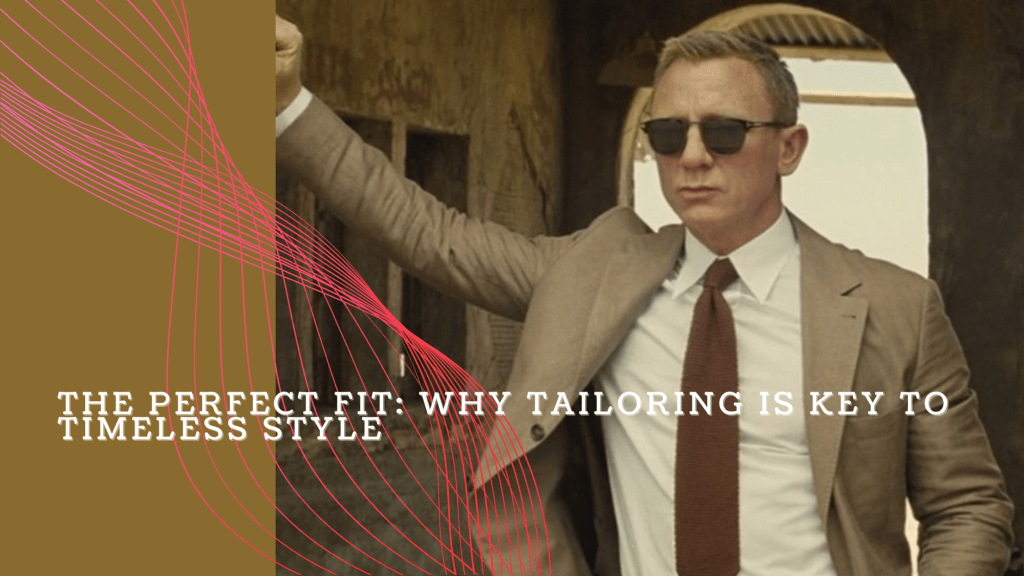
    Now, imagine that same outfit, but this time, the jacket hugs your shoulders perfectly, subtly tapering at the waist to create a sleek V-shape. The sleeves end just at the wrist, allowing a hint of shirt cuff to peek out, and your pants fit so well that they look like they were custom-made for you. Suddenly, you’re not just wearing clothes—you’re owning them. This is the magic of tailoring.

    When it comes to achieving timeless style, the perfect fit is everything. It’s not about following trends or wearing the latest labels; it’s about wearing clothes that make you feel confident, comfortable, and undeniably you. And the good news? Tailoring makes that look effortless—without breaking the bank.

    The Power of Fit: Transforming Your Look

    Style is often thought of as a visual statement, but it’s so much more than that. When your clothes fit like they were made for you, they don’t just look better—they make you feel better. A tailored jacket or a perfectly hemmed pair of pants can give you a sense of control, authority, and confidence that radiates into everything you do.

    When I was younger, I used to think that the secret to looking stylish was buying expensive clothes. I’d spend more than I should on designer brands, only to feel underwhelmed when I wore them. Then I discovered tailoring, and everything changed. Suddenly, those same clothes that once felt “meh” made me look polished and put together. I learned that tailoring isn’t just about adjusting fabric—it’s about shaping confidence. And it turns out, when you feel good, you make everything around you look effortless.

    Tailoring vs. Off-the-Rack: Why It Matters

    Off-the-rack clothing is designed to fit as many body types as possible, which means it fits no one perfectly. Whether it’s a shirt that’s too loose in the torso or pants that are too long, the issue is often not the clothing itself, but the fit. This is where tailoring steps in.

    When you tailor a piece, you take something that was made for everyone and transform it into something made for you. It’s a small but powerful change—one that makes a world of difference in how you carry yourself. You’re no longer adjusting your movements to accommodate your clothing; your clothing is working with you, moving with ease, letting you focus on what matters most.

    Cost-Efficient Tailoring Options for Key Wardrobe Pieces

    You might think tailoring is only for bespoke suits or high-end garments, but affordable alterations can take your everyday items—your suit jackets, chinos, and even t-shirts—to the next level. Here’s how you can tailor your off-the-rack pieces to look and feel custom-made, without spending a fortune:

    Suit Jackets and Blazers:
    • Tucking in the sides: By slimming the sides of a jacket, you can create that sharp V-shaped look that immediately makes you appear more athletic and polished. This is a simple alteration that transforms a boxy fit into something much sleeker.
    • Shortening the sleeves: Often, sleeves on off-the-rack jackets are too long. Tailors can shorten them so that just a hint of shirt cuff is visible, a subtle detail that exudes refinement.
    Slacks and Chinos:
    • Hemming the legs: The length of your pants can make or break your look. Hemming them to the right length (whether you prefer no break or a slight break) ensures your trousers fall cleanly and complement your shoes.
    • Tucking in the waist: Adjusting the waist ensures that your pants sit comfortably without sagging or requiring a belt to hold them up.
    • Adding side adjusters: For a sleeker look, especially with dress pants, adding side adjusters eliminates the need for a belt, creating a cleaner silhouette.
    Shirts and T-shirts:

    Tucking in the sides: Whether it’s a dress shirt or even a t-shirt, tailoring the sides can eliminate extra fabric around the waist and torso, giving you a more streamlined, flattering fit.

    Finding the Right Tailor: What to Look For

    Not all tailors are created equal, so it’s important to find one that understands your body type and personal style. A good tailor doesn’t just follow instructions; they should offer advice on what alterations will suit you best. Look for someone who communicates well, offers reasonable prices, and can make minor adjustments quickly. Starting with small alterations (like hemming pants) is a great way to test their skills before moving on to more complex tailoring.

    Building a Wardrobe Around Tailoring

    Once you’ve seen the transformative power of tailoring, you’ll want to start building your wardrobe with this in mind. Invest in classic, versatile pieces that you can tailor to perfection. A well-fitted blazer, a tailored trench coat, or a perfect pair of dress pants can be worn across multiple occasions and seasons, and with proper care, they’ll last you for years. These aren’t just clothes—they’re timeless investments in your personal style.

    Tailoring for Every Body Type

    It’s important to remember that tailoring isn’t just for formal wear or certain body types. Whether you’re tall, short, slim, or curvy, tailoring can make your clothes fit better, feel better, and look better. You don’t need to have a model’s body to look incredible in tailored clothing—because it’s the tailoring itself that makes the body look its best.

    Investing in Timeless Pieces

    In a world full of fast fashion, it’s tempting to chase trends. But true, effortless style comes from investing in timeless, high-quality pieces that can be worn for years. When you combine quality with proper tailoring, you create a wardrobe that transcends fleeting fads, keeping you looking sharp and stylish no matter the occasion.

    The Effortless Impact of Tailoring

    Tailoring is the secret to effortless style. It’s not about buying more clothes or following every trend—it’s about making the clothes you already have fit like they were made just for you. With a few simple, cost-effective alterations, you can take off-the-rack pieces and transform them into a wardrobe of timeless classics that reflect your personal style.

    The next time you look in the mirror and feel something’s missing from your outfit, consider tailoring. Because when your clothes fit perfectly, everything else falls into place—and you’ll find that looking your best feels completely effortless.