• The OODA Loop: A Strategic Tool for Enhanced Productivity

    The OODA Loop: A Strategic Tool for Enhanced Productivity

    Origins of the OODA Loop

    The OODA Loop is a decision-making framework developed by Colonel John Boyd, a United States Air Force fighter pilot and military strategist. Boyd conceptualized the OODA Loop during the mid-20th century to explain how fighter pilots could gain an advantage in aerial combat. By rapidly cycling through four stages—Observe, Orient, Decide, Act—pilots could outmaneuver and outthink their adversaries. Boyd’s insights revolutionized military strategy, emphasizing speed and adaptability over brute force. Over time, the OODA Loop has transcended its military origins and found applications in various fields, including business, healthcare, and personal productivity.

    Understanding the OODA Loop

    The OODA Loop consists of four stages:

    1. Observe: Gather information from the environment. This stage involves collecting data from all available sources to understand the current situation. In a business context, this could mean monitoring market trends, customer feedback, competitor actions, and internal performance metrics.
    2. Orient: Analyze the information and assess its relevance. This stage involves synthesizing new data with prior knowledge, evaluating different perspectives, and determining how the information impacts your objectives. This is the most complex stage, as it requires understanding context, filtering out irrelevant data, and aligning the information with your goals and values.
    3. Decide: Make a decision based on the information and analysis. In this stage, you choose a course of action that aligns with your goals and the current situation. The decision should be informed, timely, and flexible enough to accommodate future changes.
    4. Act: Implement the decision and execute the chosen action. This stage involves taking decisive steps to implement your plan. After acting, you return to the observation phase to assess the impact of your actions and the changing environment.
    Implementing the OODA Loop for Productivity

    Applying the OODA Loop in daily activities can significantly boost productivity by fostering a proactive and adaptive mindset. Here’s how to incorporate each stage into your routine:

    1. Observe: Start your day by reviewing your schedule, emails, and project statuses. Identify key tasks, potential obstacles, and any new developments that may affect your work. Use tools like dashboards, project management software, and regular check-ins to gather information effectively.
    2. Orient: Prioritize tasks based on their urgency and importance. Consider how new information and changes in your environment impact your goals. Use frameworks like SWOT analysis (Strengths, Weaknesses, Opportunities, Threats) to frame your understanding. This stage is about contextualizing the data and aligning it with your strategic objectives.
    3. Decide: Choose the most critical tasks to focus on and determine the best approach for tackling them. This could involve setting specific objectives, breaking down tasks into manageable steps, and allocating resources efficiently. Decision-making tools like the Eisenhower Matrix or cost-benefit analysis can aid in this process.
    4. Act: Execute your plan with discipline and focus. Minimize distractions and maintain momentum. After completing tasks, review the outcomes and adjust your approach as necessary based on what you’ve learned. Tools like the Pomodoro Technique or time blocking can help maintain focus during this stage.
    Boosting Productivity Through the OODA Loop: Practical Examples
    1. Example: Project Management
      • A project manager can use the OODA Loop to enhance project execution. By constantly observing project metrics, stakeholder feedback, and market trends, the manager can orient these insights against project goals, decide on necessary adjustments, and act to implement changes. For instance, if a project is falling behind schedule, observing performance data can reveal bottlenecks, orienting this data helps in understanding the impact, deciding to reallocate resources, and acting on this decision ensures the project stays on track.
    2. Example: Product Development
      • In product development, teams can observe market trends, customer feedback, and technological advancements. By orienting their findings to identify market needs, they can decide on product features and improvements. Acting on these decisions by developing and releasing updates ensures that the product remains competitive and aligned with user expectations. This iterative approach allows for continuous improvement and innovation.
    3. Example: Personal Productivity
      • On a personal level, an individual can observe their productivity patterns by tracking their time and activities. Orienting this data involves identifying peak performance times and understanding the factors that enhance or hinder productivity. Deciding to schedule high-priority tasks during these periods and acting by focusing on key tasks without interruptions can significantly improve efficiency and output. Tools like time-tracking apps and productivity journals can aid in this process.
    My Experience with the OODA Loop in Managing Complex Development Projects

    In my experience managing complex development projects, the OODA Loop has been invaluable. By continuously observing project progress, stakeholder inputs, and market conditions, I could stay ahead of potential issues and opportunities. Orienting this information against project objectives allowed me to make informed decisions, such as reallocating resources, adjusting timelines, or shifting priorities. Acting on these decisions swiftly ensured that the project remained on course. This iterative approach kept the team adaptable and focused, fostering a culture of continuous improvement and responsiveness.

    Conclusion

    For project managers, being aware of the OODA Loop and incorporating it into daily operations can lead to more successful project outcomes. This framework promotes agility, informed decision-making, and a proactive approach to handling challenges. By adopting the OODA Loop, project managers can enhance their ability to navigate complexity, respond to changes effectively, and drive their projects to successful completion. Understanding and implementing the OODA Loop not only improves individual productivity but also contributes to the overall success of the team and organization.


  • Meaningful and Productive Meetings: Connection, Collaboration, and Co-creation

    Meaningful and Productive Meetings: Connection, Collaboration, and Co-creation

    In the modern workplace, meetings are an essential part of the daily grind. However, not all meetings are created equal. The best meetings are those that are meaningful and productive, driving forward the objectives of connection, collaboration, and co-creation. These three purposes are the cornerstone of effective meetings. Let’s explore each purpose with examples, discuss key roles, and outline a step-by-step guide for preparing and inviting a meaningful and productive meeting.

    The Three Purposes of Meetings
    1. Connection
      • Example: A team-building meeting where team members share personal updates, celebrate milestones, and discuss non-work-related topics. This fosters a sense of community and strengthens interpersonal relationships.
      • Purpose: Connection-oriented meetings help build trust, understanding, and camaraderie among team members. They ensure that everyone feels valued and heard, which can enhance overall team morale and cohesion.
    2. Collaboration:
      • Example: A brainstorming session where team members gather to generate ideas for a new project or solve a specific problem. The focus is on leveraging diverse perspectives to find innovative solutions.
      • Purpose: Collaboration-driven meetings harness the collective intelligence of the group. These sessions are essential for problem-solving, idea generation, and ensuring that projects benefit from multiple viewpoints.
    3. Co-creation
      • Example: A project planning meeting where stakeholders jointly develop a project plan, assign tasks, and set deadlines. Each participant contributes their expertise to shape the final plan.
      • Purpose: Co-creation meetings involve building something together, ensuring that all stakeholders have a hand in the outcome. This approach fosters ownership, accountability, and a shared vision.
    Remote-First Approach

    In a hybrid work environment, it’s crucial to adopt a remote-first approach to ensure inclusivity and engagement from all participants. This means prioritizing the experience of remote attendees to create a level playing field. Here are some key practices:

    1. Equal Participation: Ensure that remote participants have equal opportunities to contribute. Use digital collaboration tools like shared documents, virtual whiteboards, and chat functions to facilitate engagement.
    2. Quality Technology: Invest in high-quality audio and video equipment to minimize technical issues and enhance communication clarity for all participants.
    3. Clear Communication: Use clear, concise communication and avoid side conversations that exclude remote participants. Encourage everyone to use video to create a more personal connection.
    4. Inclusive Practices: Schedule meetings at times that accommodate different time zones and always share materials in advance to give remote attendees adequate preparation time.
    Roles in a Hybrid Meeting

    Effective hybrid meetings require clearly defined roles to ensure smooth execution and productive outcomes. Key roles include:

    1. Moderator
      • Role: Guides the meeting, keeps the discussion on track, and ensures all voices (both in-person and remote) are heard.
        • Impact: A good moderator prevents digressions and manages the flow of conversation, making sure the meeting stays focused and on time.
    2. Notetaker
      • Role: Records key points, decisions, and action items. This role is especially crucial in hybrid settings to ensure that remote attendees’ contributions are accurately captured.
        • Impact: Accurate notes provide a reference for post-meeting follow-ups and ensure that nothing important is forgotten.
    3. Content Presenter
      • Role: Shares information or updates with the group, providing necessary context for discussions. Use screen-sharing features to ensure all participants can see the presented content.
        • Impact: A well-prepared presenter ensures that participants are informed and can engage meaningfully with the content.
    4. Timekeeper
      • Role: Monitors the meeting duration and ensures that each agenda item receives appropriate attention.
        • Impact: A vigilant timekeeper helps the meeting to start and end on time, respecting participants’ schedules.
    5. Technical Support
      • Role: Assists with any technical issues that may arise, ensuring that remote participants have a smooth experience.
        • Impact: Quick resolution of technical problems minimizes disruptions and keeps the meeting on track.
    6. Participants
      • Role: Engage actively in the discussion, contribute ideas, and provide feedback. Use digital tools to ensure remote participants can fully engage.
      • Impact: Active participation ensures that the meeting benefits from diverse perspectives and that all voices are heard.
    How Roles Affect Meeting Success

    Agreeing on and distributing these roles in advance can significantly enhance meeting success by:

    • Ensuring Accountability: Each participant knows their responsibilities, which leads to more organized and effective meetings.
    • Enhancing Focus: With a moderator and timekeeper, meetings are less likely to veer off course or run over time.
    • Facilitating Follow-up: Notetakers ensure that all important information is captured, which aids in post-meeting follow-ups and implementation of decisions.
    The Importance of Decision-Making

    A meeting without a decision is just a coffee break. The primary objective of most meetings should be to arrive at a decision or action plan. To achieve this, it is essential to:

    • Define the Decision: Clearly outline the decision to be made before the meeting starts.
    • Set Criteria: Establish the criteria for making the decision (e.g., budget constraints, project timelines).
    • Encourage Debate: Allow participants to discuss and debate the options thoroughly.
    • Make the Decision: Use the agreed criteria to make a clear and actionable decision.
    • Assign Action Items: Ensure that responsibilities for implementing the decision are clearly assigned.
    Step-by-Step Guide to Preparing and Inviting a Meaningful Hybrid Meeting
    1. Define the Purpose: Determine if the meeting’s goal is connection, collaboration, or co-creation.
    2. Set Clear Objectives: Outline what you aim to achieve by the end of the meeting.
    3. Create an Agenda: Develop a detailed agenda with time allocations for each item. Share it in advance.
    4. Assign Roles: Designate a moderator, notetaker, content presenter, timekeeper, and technical support.
    5. Invite the Right Participants: Ensure that the invitees are those who can contribute to the meeting’s objectives.
    6. Prepare Materials: Distribute any pre-reading or materials in advance to ensure participants come prepared.
    7. Set Up Technology: Ensure that all necessary technology (video conferencing, projectors, etc.) is set up and tested before the meeting starts.
    8. Equalize Participation: Encourage both in-person and remote participants to use video and digital tools for engagement.
    9. Start and End on Time: Respect the scheduled start and end times to demonstrate professionalism and respect for participants’ time.
    10. Follow Up: Distribute meeting notes promptly and follow up on action items to ensure accountability.
    Conclusion

    By focusing on connection, collaboration, and co-creation, and by assigning clear roles and responsibilities, you can transform your meetings from time-wasting obligations into productive and meaningful sessions that drive your team forward. Remember, every meeting should have a purpose, a plan, and a path to decision-making. This approach will not only enhance productivity but also foster a more engaged and cohesive team, regardless of their physical location.

  • The Art of Sprezzatura: Elevating Your Wardrobe, Personal Style, and Professional Life

    The Art of Sprezzatura: Elevating Your Wardrobe, Personal Style, and Professional Life

    Sprezzatura, an Italian term coined by Baldassare Castiglione in his 1528 work, “The Book of the Courtier,” epitomizes the art of performing tasks with such effortless grace that the effort behind them is invisible. This concept of studied nonchalance has influenced fashion, personal demeanor, and professional conduct for centuries. Today, adopting sprezzatura can significantly enhance a man’s wardrobe, personal style, and career. Let’s delve into why and how to incorporate this elegant philosophy into various facets of life.

    Embracing Sprezzatura in Your Wardrobe

    Sprezzatura in fashion is about looking stylish without appearing to try too hard. It’s about blending sophistication with a relaxed vibe, making one seem naturally well-dressed. Here’s why every modern man should consider it:

    1. Effortless Elegance: Sprezzatura allows you to look sophisticated without being overdone. It’s the perfect balance between polished and relaxed, creating a timeless appeal.
    2. Personal Confidence: When your appearance seems effortlessly stylish, it boosts your confidence. This natural self-assurance is attractive and magnetic.
    3. Timeless Appeal: Sprezzatura encourages investment in classic pieces that never go out of style, ensuring your wardrobe remains timeless and versatile.
    Practical Examples of Sprezzatura in Fashion:
    • Perfectly Imperfect: Rolling up your sleeves just so, leaving the top button of a crisp shirt undone, or casually draping a scarf over your shoulder. These small touches convey an effortless style.
    • Mixing High and Low: Combine high-end pieces with more casual items. For example, pair a tailored blazer with well-fitted jeans and a simple white t-shirt. This contrast highlights both sophistication and ease.
    • Subtle Accessories: Choose accessories that complement rather than dominate your outfit. Opt for a classic watch, understated cufflinks, or a simple pocket square that adds a touch of flair without overwhelming.
    Sprezzatura in Personal Style

    Incorporating sprezzatura into your personal style goes beyond clothing. It’s about your demeanor and how you interact with the world around you.

    1. Natural Charm: Sprezzatura helps you cultivate a demeanor that appears naturally charming and easygoing. This makes social interactions more pleasant and effective.
    2. Authentic Confidence: By projecting confidence without seeming arrogant, you draw people towards you with authenticity and ease.
    3. Balanced Life: Adopting sprezzatura implies a balanced life where you don’t appear overly rigid or trying too hard, giving off the impression of ease and grace.
    Practical Examples in Personal Style:
    • Conversation Skills: Engage in conversations with genuine interest and a relaxed attitude. Avoid dominating the discussion; instead, contribute meaningfully and listen actively.
    • Body Language: Maintain an open and relaxed posture. Avoid fidgeting or overly rehearsed gestures. A natural smile and eye contact can make a big difference.
    • Social Interactions: Move through social settings with ease. Greet others warmly but without excessive enthusiasm, showing you are comfortable in your own skin.
    Sprezzatura in Your Profession

    The concept of sprezzatura is not limited to personal appearance; it can be a powerful tool in your professional life as well. Here’s how:

    1. Workplace Presence: Master your tasks and present them with ease to give the impression of competence and reliability. This makes you appear naturally skilled and in control.
    2. Leadership Quality: Leaders who exhibit sprezzatura inspire confidence in their team. They remain calm under pressure and make complex decisions appear straightforward.
    3. Career Advancement: Sprezzatura can set you apart in a competitive job market. It reflects an ability to handle responsibilities with poise and finesse, making you an attractive candidate for promotions and new opportunities.
    Practical Examples in the Professional Sphere:
    • Presentation Skills: Deliver presentations smoothly without appearing overly rehearsed. This involves thorough preparation but a delivery that feels spontaneous and engaging, captivating your audience.
    • Problem-Solving: Approach challenges with a calm demeanor. Break down complex problems into manageable parts and present solutions in a straightforward manner. Your composed approach will instill confidence in your capabilities.
    • Networking: Cultivate professional relationships with natural ease. Engage with colleagues and industry professionals without appearing opportunistic, showing genuine interest in their perspectives and contributions.
    How to Cultivate Sprezzatura in Everyday Life
    • Practice Mindfulness: Be present in the moment. Pay attention to how you feel and how you present yourself, but don’t overthink. Mindfulness can help you achieve a natural, effortless demeanor.
    • Embrace Imperfection: Don’t strive for perfection. Instead, accept and embrace small imperfections as part of your charm. This attitude will help you appear more relaxed and approachable.
    • Develop a Signature Style: Find what works for you and stick with it. This doesn’t mean being predictable, but having a consistent base style with variations that suit different occasions.
    • Continuous Learning: Keep honing your skills, whether it’s in your fashion sense, conversational abilities, or professional expertise. Mastery allows you to perform effortlessly.
    Conclusion

    Sprezzatura is an art that blends effort with ease, precision with nonchalance. By incorporating this philosophy into your wardrobe, personal style, and professional conduct, you can enhance every aspect of your life. It’s about mastering the balance between looking effortlessly stylish, being genuinely confident, and handling professional responsibilities with graceful competence. Embrace sprezzatura to not only elevate your appearance but to also foster a demeanor that exudes calm, capability, and charm in every situation. This timeless art can help you navigate the complexities of modern life with grace, making you a more compelling and effective individual in all your endeavors.

  • The Pareto Principle: Maximizing Efficiency in the Knowledge Economy

    The Pareto Principle: Maximizing Efficiency in the Knowledge Economy

    In the fast-paced world of the 21st century, where knowledge workers constantly juggle multiple tasks and priorities, finding ways to enhance productivity and efficiency is crucial. One such method that has stood the test of time is the Pareto Principle, also known as the 80/20 rule. This principle, which has its roots in economics, offers valuable insights and practical applications for today’s knowledge workers. In this blog post, we’ll explore the origins of the Pareto Principle, its core concept, the benefits it offers to knowledge workers, and the top five tools in 2024 that can help implement this principle effectively.

    You can check out the previous article on the 80/20 rule in project management here:

    Origins of the Pareto Principle

    The Pareto Principle is named after Vilfredo Pareto, an Italian economist who, in the late 19th century, observed that approximately 80% of Italy’s land was owned by 20% of the population. This observation led Pareto to investigate other areas of life and economics, where he found similar distributions. The principle was later generalized by Joseph M. Juran, a management consultant, who recognized its broader applications in quality management and beyond.

    Understanding the Pareto Principle

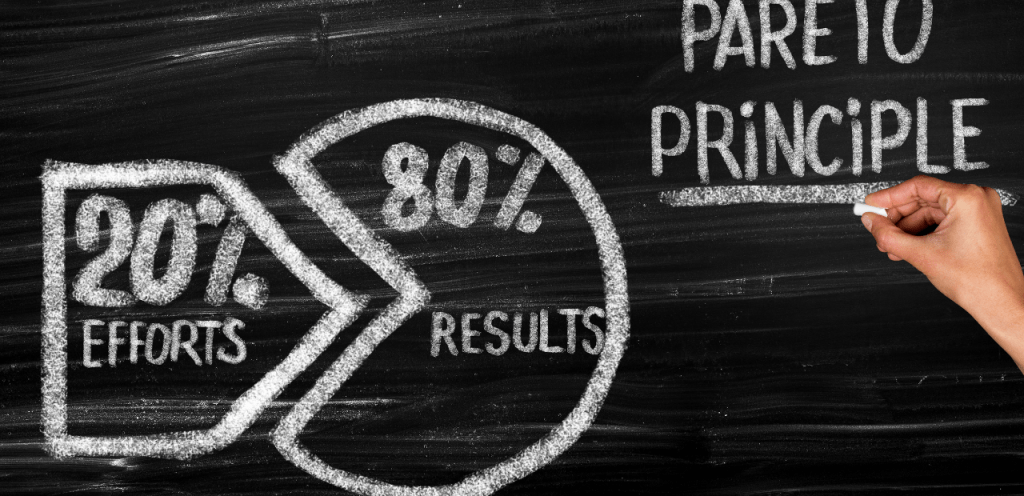
    At its core, the Pareto Principle suggests that roughly 80% of outcomes result from 20% of efforts. This means that a small portion of activities or inputs often leads to the majority of results or outputs. In practical terms, this principle can be applied to various aspects of life and work, such as:

    • Business: 80% of sales come from 20% of customers.
    • Software Development: 80% of software problems are caused by 20% of bugs.
    • Personal Productivity: 80% of your productivity comes from 20% of your tasks.
    Advantages for Knowledge Workers

    For knowledge workers, who often deal with large volumes of information and numerous tasks, adopting the Pareto Principle can lead to significant advantages:

    1. Improved Focus: By identifying and concentrating on the most critical 20% of tasks, knowledge workers can achieve more impactful results.
    2. Increased Efficiency: Prioritizing high-value activities helps reduce time and effort spent on less important tasks, leading to better time management.
    3. Enhanced Decision-Making: Understanding which inputs yield the most significant outcomes can inform better strategic decisions.
    4. Stress Reduction: Focusing on essential tasks can help reduce the feeling of being overwhelmed by an endless to-do list.
    5. Greater Achievement: By channeling energy into the most productive areas, knowledge workers can accomplish more meaningful goals and objectives.
    Top Five Tools in 2024 to Implement the Pareto Principle

    To effectively apply the Pareto Principle, knowledge workers can leverage various tools designed to enhance productivity and focus. Here are the top five tools in 2024:

    1. Notion
      Notion is an all-in-one workspace that combines note-taking, task management, and collaboration. Its flexibility allows knowledge workers to organize tasks, set priorities, and track progress, ensuring they focus on the most critical activities.
    2. Trello
      Trello’s visual board system helps users manage projects and tasks with ease. By creating boards, lists, and cards, knowledge workers can prioritize tasks and track progress, ensuring they concentrate on the most impactful tasks.
    3. Todoist
      Todoist is a task management tool that helps users prioritize and manage tasks effectively. With features like task prioritization, due dates, and project organization, Todoist enables knowledge workers to focus on high-priority tasks.
    4. RescueTime
      RescueTime is a time-tracking app that provides insights into how users spend their time. By analyzing time usage, knowledge workers can identify and eliminate time-wasting activities, allowing them to focus on the most productive tasks.
    5. Focus@Will
      Focus@Will is a productivity app that uses specially designed music tracks to enhance focus and concentration. By creating an optimal work environment, knowledge workers can improve their ability to concentrate on high-value tasks.
    Conclusion

    The Pareto Principle remains a powerful tool for enhancing productivity and efficiency, particularly for knowledge workers navigating the complexities of modern work environments. By understanding and applying this principle, and leveraging the latest productivity tools, knowledge workers can significantly improve their focus, efficiency, and overall success. Embracing the 80/20 rule can lead to a more balanced, productive, and fulfilling work life in 2024 and beyond.

  • Understanding Agile Project Management: Origins, Principles, and Broader Applications

    Understanding Agile Project Management: Origins, Principles, and Broader Applications

    Introduction

    Agile project management (APM) has revolutionized the way projects are managed, especially in software development. However, its principles can be applied across various industries. This article explores what agile project management is, its historical context, and how it can be effectively implemented beyond software development.

    What is Agile Project Management?

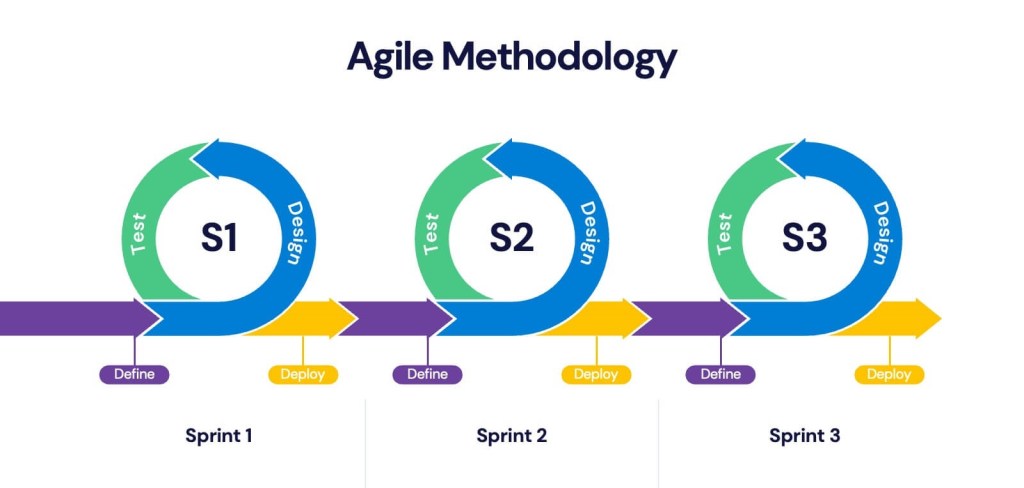
    Agile project management is an iterative approach to planning and guiding project processes. It focuses on delivering value quickly, in small, consumable increments. This method is characterized by flexibility, continuous improvement, and a strong emphasis on collaboration and customer feedback.

    Historical Context and Origins

    Agile project management originated from the Agile Manifesto, created in 2001 by a group of software developers. They were frustrated with the limitations of traditional, linear project management methods (like the Waterfall model) and sought to develop a more adaptive and efficient way to manage projects. The Agile Manifesto outlines four core values and twelve principles aimed at improving software development processes.

    Core Values of the Agile Manifesto:
    1. Individuals and interactions over processes and tools
    2. Working software over comprehensive documentation
    3. Customer collaboration over contract negotiation
    4. Responding to change over following a plan
    Key Principles of Agile:
    1. Satisfy the customer through early and continuous delivery of valuable software.
    2. Welcome changing requirements, even late in development.Deliver working software frequently, with a preference for shorter timescales.
    3. Business people and developers must work together daily throughout the project.
    4. Build projects around motivated individuals, providing them the environment and support they need.
    5. Convey information face-to-face within a development team.
    6. Working software is the primary measure of progress.
    7. Maintain a constant pace indefinitely.
    8. Continuous attention to technical excellence and good design enhances agility.
    9. Simplicity—the art of maximizing the amount of work not done—is essential.
    10. The best architectures, requirements, and designs emerge from self-organizing teams.
    11. Regularly reflect on how to become more effective, then tune and adjust behavior accordingly.
    Implementing Agile in Non-Software Projects

    Agile’s core principles can be adapted to manage various types of projects beyond software development, such as marketing campaigns, event planning, product development, and more. Here’s how:

    1. Iterative Planning and Delivery:
      Break down the project into smaller, manageable parts or sprints.
      Focus on delivering tangible outputs at the end of each sprint.
    2. Emphasize Collaboration:
      Foster a culture of open communication and teamwork.
      Engage all stakeholders, including customers, to ensure the project meets their needs and expectations.
    3. Flexibility and Adaptability:
      Be prepared to adjust plans based on feedback and changing requirements.
      Encourage continuous improvement by regularly reviewing and refining processes.
    4. Customer Involvement:
      Keep the customer involved throughout the project lifecycle.
      Use their feedback to guide the direction of the project.
    5. Empowered Teams:
      Form self-organizing, cross-functional teams.
      Give team members the authority to make decisions and solve problems.
    6. Focus on Value:
      Prioritize tasks that deliver the most value to the customer.
      Continuously evaluate and re-prioritize tasks based on their impact and importance.
    Case Studies: Agile in Non-Software Projects
    1. Marketing Campaigns:
      Agile principles can be used to manage the creation and execution of marketing campaigns. Teams can use sprints to develop and test different components of a campaign, such as social media posts, email newsletters, and advertisements, and then adjust based on real-time feedback.
    2. Event Planning:
      Event planners can use agile methods to manage the complex logistics of organizing events. By breaking down the event into smaller tasks (e.g., venue selection, catering, guest management), teams can focus on completing one task at a time and adapt plans as new information becomes available.
    3. Product Development:
      In industries like manufacturing or consumer goods, agile can help manage the development of new products. By iterating on prototypes and incorporating customer feedback at each stage, companies can ensure that the final product meets market demands.
    Conclusion

    Agile project management offers a flexible, collaborative, and customer-focused approach that can be applied beyond its software development roots. By adopting agile principles, teams in various industries can improve their efficiency, adaptability, and ability to deliver high-value outcomes. Whether managing a marketing campaign, planning an event, or developing a new product, agile methodologies provide a robust framework for success.