Tag: agile

  • Resolving Conflict in Projects: The Ultimate Guide for Project Managers to Navigate Disputes and Keep Teams Aligned

    Resolving Conflict in Projects: The Ultimate Guide for Project Managers to Navigate Disputes and Keep Teams Aligned

    Introduction

    Conflict is an inevitable part of project management. With multiple stakeholders, tight deadlines, and competing priorities, disagreements are bound to happen. However, unresolved conflicts can derail a project, lower team morale, and impact productivity. On the other hand, when handled effectively, conflict can lead to better decision-making, improved collaboration, and a more resilient team.

    This guide explores the key strategies project managers can use to resolve conflicts, prevent escalation, and foster a positive work environment.

    Understanding Conflict in Projects

    Before diving into resolution techniques, it’s important to understand why conflicts arise. The most common sources of conflict in project management include:

    • Differing Priorities: Stakeholders may have conflicting goals that impact the project timeline and resources.
    • Resource Allocation Disputes: Teams may struggle over limited budgets, manpower, or tools.
    • Communication Breakdowns: Misinterpretations and lack of clarity can create unnecessary friction.
    • Conflicting Work Styles & Personalities: Diverse teams bring different perspectives, which can lead to disagreements.
    • Scope Creep & Changing Requirements: Last-minute changes without clear approvals can create tension.

    Not all conflicts are negative. Healthy disagreements can spark creativity and lead to better solutions. However, it’s crucial for project managers to address and resolve conflicts before they disrupt the project.

    Key Conflict Resolution Strategies for Project Managers

    1. Active Listening

    One of the most effective ways to resolve conflict is by actively listening to all parties involved. This means:

    • Giving full attention to the speaker.
    • Asking clarifying questions to understand the root issue.
    • Paraphrasing to confirm understanding.
    • Avoiding interruptions or defensive responses.
    2. Identifying Root Causes

    Using techniques like the 5 Whys Analysis, project managers can identify the underlying issue rather than just addressing symptoms. This helps in crafting a long-term resolution instead of temporary fixes.

    3. Choosing the Right Conflict Resolution Style

    Different situations require different approaches. The Thomas-Kilmann Conflict Model outlines five styles of conflict resolution:

    • Competing: Asserting one’s position when quick, decisive action is required.
    • Collaborating: Finding a win-win solution through discussion.
    • Compromising: Both parties give and take to reach a middle ground.
    • Avoiding: Withdrawing from minor conflicts to focus on bigger priorities.
    • Accommodating: Letting the other party win to maintain harmony.

    Choosing the appropriate style depends on the severity of the conflict and the relationships involved.

    4. Clear Communication & Transparency

    Miscommunication is a major cause of conflict. To avoid misunderstandings:

    • Use structured frameworks like SBAR (Situation, Background, Assessment, Recommendation) to keep discussions objective.
    • Document decisions, responsibilities, and expectations to avoid ambiguity.
    • Set up regular check-ins to align teams and address concerns early.
    5. Mediation & Third-Party Intervention

    When conflicts escalate, project managers may need to mediate the discussion. If tensions remain unresolved, bringing in HR, senior leadership, or an external mediator may be necessary.

    6. Establishing a Conflict-Resilient Culture

    Building a culture where team members feel psychologically safe to express concerns prevents conflicts from festering. This includes:

    • Conducting conflict resolution training.
    • Encouraging respectful debates.
    • Creating clear guidelines for handling disagreements.

    Practical Conflict Resolution Scenarios in Project Management

    Scenario 1: Conflicting Priorities from Different Departments

    Problem: The marketing team wants to prioritize a product launch, but the development team is already committed to another sprint. Solution: Use a collaboration approach to align priorities, possibly compromising on deadlines and workload distribution.

    Scenario 2: Last-Minute Scope Changes

    Problem: A key stakeholder requests additional features two weeks before the project deadline. Solution: Clarify the impact of the changes on budget, timeline, and resources. Negotiate based on feasibility.

    Scenario 3: Communication Breakdown Leading to Duplicated Work

    Problem: Two teams unknowingly work on the same task due to lack of coordination. Solution: Improve communication by utilizing project management tools like Jira, Asana, or Trello and implementing a transparent workflow.

    Scenario 4: Personal Disputes Between Team Members

    Problem: Two senior developers have a disagreement on the approach for a technical solution, leading to a hostile work environment. Solution: Mediate the discussion, encourage each to present their reasoning, and facilitate a decision-making process based on data and project goals.

    Tools & Techniques to Manage Conflict Effectively

    Project managers can leverage tools and techniques to prevent and resolve conflicts efficiently:

    • Conflict Resolution Frameworks (e.g., Thomas-Kilmann Conflict Model, Interest-Based Relational Approach)
    • Project Management Tools (Slack, Microsoft Teams, Confluence, Notion)
    • Techniques Like Retrospectives & One-on-One Check-ins to address minor issues before they escalate
    Preventing Conflicts Before They Escalate

    While conflict resolution is important, prevention is even better. Here’s how to minimize conflicts before they disrupt projects:

    • Establish Clear Roles & Responsibilities: Avoid ambiguity by defining expectations early.
    • Encourage Open Communication: Foster a culture where team members feel comfortable discussing concerns.
    • Hold Regular Alignment Meetings: Address misalignments proactively.
    • Promote Constructive Disagreement: Encourage teams to voice different perspectives in a structured and professional way.

    Conclusion & Key Takeaways

    Conflict in project management is inevitable, but how it is handled determines the project’s success. By employing active listening, clear communication, and structured resolution frameworks, project managers can turn conflicts into opportunities for growth and innovation.

    Key Takeaways:
    • Understand the root causes of conflict.
    • Choose an appropriate resolution strategy.
    • Use tools to enhance transparency and collaboration.
    • Foster a culture of open communication and trust.

    By mastering these techniques, project managers can ensure smoother projects, stronger teams, and better outcomes.

    Conflict Resolution Checklist

    1. Identify the root cause of the conflict.
    2. Listen actively to all perspectives without interruption.
    3. Clarify misunderstandings and ensure transparency.
    4. Select an appropriate resolution style (compete, collaborate, compromise, avoid, accommodate).
    5. Use structured frameworks like SBAR for decision-making.
    6. Mediate if needed and involve third parties when necessary.
    7. Leverage project management tools for better communication.
    8. Establish team ground rules for conflict resolution.
    9. Encourage a culture of psychological safety and respectful debate.
    10. Follow up after conflict resolution to ensure long-term alignment.

    Mastering conflict resolution is a crucial skill for any project manager. By addressing disputes effectively and proactively, you can ensure a harmonious, high-performing team and a successful project outcome.

  • Understanding Flexible Leadership: Origins, Principles, and Applications

    Understanding Flexible Leadership: Origins, Principles, and Applications

    The Origins of Flexible Leadership

    Flexible leadership is a concept that has evolved over several decades, rooted in various leadership theories that emerged in the 20th century. It highlights the importance of adaptability in leadership, acknowledging that different situations and people require different leadership styles. The key origins of this approach include:

    1. Situational Leadership Theory (1969):
      • Developed by Paul Hersey and Ken Blanchard, this theory posits that effective leadership depends on the leader’s ability to adjust their style based on the maturity and competence of their followers. Leaders must balance directive and supportive behaviors according to the situation.
    2. Contingency Theory (1960s):
      • Fred Fiedler’s Contingency Theory suggests that there is no one best way to lead. Instead, the effectiveness of a leadership style is contingent upon how well it matches the context, including the leader’s personality and the specific dynamics of the work environment.
    3. Path-Goal Theory (1970s):
      • Developed by Robert House, this theory emphasizes the leader’s role in clearing the path for their followers to achieve their goals. Leaders must adapt their style—be it directive, supportive, participative, or achievement-oriented—based on the needs of their team and the task at hand.
    4. Transformational Leadership (1980s):
      • Introduced by James MacGregor Burns and further developed by Bernard Bass, transformational leadership focuses on inspiring and motivating followers to reach their full potential. This approach recognizes the need for leaders to be flexible to address individual and organizational needs effectively.
    5. 5. Leadership Versatility Approach (2000s)
      • Research by Robert E. Kaplan and Robert B. Kaiser highlighted the importance of versatility in leadership, emphasizing that leaders who can shift their approach based on the demands of the situation tend to be more effective.
    What is Flexible Leadership?

    Flexible leadership refers to the ability of a leader to adapt their style and approach to different situations, challenges, and individuals. It is based on the understanding that there is no single best way to lead; instead, effective leadership involves switching between different styles—such as authoritative, democratic, or laissez-faire—depending on the specific context.

    Key Principles of Flexible Leadership
    1. Adaptability:
      • Leaders must be open to change and able to adjust strategies and methods as circumstances evolve. This involves staying informed and being ready to pivot when necessary.
    2. Situational Awareness:
      • Understanding the context and nuances of different situations is crucial. Leaders need to assess the specific needs of the task, the team, and the environment to determine the most effective approach.
    3. Empathy and Emotional Intelligence:
      • Recognizing and responding to the emotional needs and motivations of team members is a key aspect of flexible leadership. Leaders must be able to connect with their teams on a personal level to inspire and motivate them.
    4. Diverse Skill Set:
      • Having a broad range of leadership skills and techniques to draw upon is essential. This enables leaders to employ the right strategy at the right time.
    5. Collaboration and Communication:
      • Encouraging open communication and fostering a collaborative team environment are vital for flexible leadership. Leaders need to listen actively and involve team members in decision-making processes when appropriate.
    6. Decision-Making:
      • Knowing when to be decisive and when to seek input from the team is a crucial balance for flexible leaders. This involves being able to take charge when necessary but also recognizing the value of team contributions.
    Importance of Flexible Leadership

    Flexible leadership is increasingly important in today’s fast-paced and ever-changing work environments. Here’s why understanding and applying flexible leadership is crucial for different roles:

    Line Manager Role
    1. Enhancing Team Performance:
      • By adapting their leadership style to the needs of individual team members, line managers can help each person perform at their best. This leads to higher overall team productivity and morale.
    2. Navigating Change:
      • In times of organizational change, flexible leaders can help their teams adapt more smoothly. They can provide the necessary support and guidance, reducing resistance and fostering a positive transition.
    3. Conflict Resolution:
      • Flexible leaders are better equipped to handle conflicts within their teams. By adjusting their approach to mediation and problem-solving, they can resolve issues more effectively and maintain a harmonious work environment.
    Project Management or Technical Lead Position
    1. Driving Project Success:
      • Project managers and technical leads must navigate complex and dynamic project environments. Flexible leadership allows them to adapt their approach to meet project requirements, manage risks, and overcome obstacles.
    2. Managing Diverse Teams:
      • In project management, teams often consist of members with varied backgrounds and expertise. Flexible leaders can tailor their management style to leverage the strengths of each team member, fostering innovation and collaboration.
    3. Responding to Technological Advancements:
      • Technical leads must stay abreast of rapid technological changes. Flexible leadership enables them to pivot strategies, adopt new tools, and integrate cutting-edge technologies to maintain a competitive edge.
    Conclusion

    Flexible leadership is an essential skill for modern leaders across various roles. By understanding its origins, principles, and applications, leaders can adapt their approaches to meet the diverse and ever-changing needs of their teams and organizations. Whether in a line manager role or a project management or technical lead position, flexible leadership fosters a resilient, motivated, and high-performing team capable of navigating the complexities of today’s work environment.

  • Unlock Your Peak Productivity: How David Allen’s GTD Method Can Transform Your Workflow

    Unlock Your Peak Productivity: How David Allen’s GTD Method Can Transform Your Workflow

    Introduction

    “Getting Things Done” (GTD) is a transformative productivity system devised by David Allen. This methodology is your gateway to mastering task management and stress reduction, offering a clear path to achieving your goals with ease and efficiency. In this article, we dive into the principles of GTD, explore David Allen’s inspiration for creating this groundbreaking system, and provide a real-world example of how a project manager can leverage GTD to supercharge both team productivity and personal performance.

    David Allen and the Birth of GTD

    David Allen, a visionary productivity guru, has spent decades helping individuals and organizations streamline their workflows. Before authoring “Getting Things Done: The Art of Stress-Free Productivity,” Allen held various corporate roles and consulted for numerous companies. His experience revealed a common struggle: people were drowning in tasks and information without an effective system to manage them.

    Driven by a quest for personal efficiency and a passion for helping others, Allen experimented with various productivity techniques. Drawing from psychology, organizational theory, and personal development, he crafted the GTD methodology. In 2001, he introduced GTD to the world, and it quickly became a sensation for its practical, stress-reducing approach to task management.

    Core Principles of GTD
    1. Capture:
      • Definition: Collect all tasks, ideas, and projects in a reliable system outside of your mind.
      • Application: Use tools like notepads, digital apps, or any method that works for you.
      • Benefit: Liberate your mind from the clutter of remembering tasks, enabling sharper focus and mental clarity.
    2. Clarify:
      • Definition: Process your captured items by defining actionable tasks and deciding next steps.
      • Application: Break down large projects into manageable actions and determine what can be delegated or deferred.
      • Benefit: Create a clear, actionable roadmap for each task, reducing ambiguity and procrastination.
    3. Organize:
      • Definition: Systematically arrange tasks into appropriate categories.
      • Application: Use lists, folders, or digital tools to sort tasks into projects, next actions, waiting for, someday/maybe, and reference materials.
      • Benefit: Develop a structured system for task management, making it easy to find and act on tasks when needed.
    4. Reflect:
      • Definition: Regularly review your tasks and projects to stay on top of your commitments.
      • Application: Conduct weekly reviews to update lists, track progress, and ensure alignment with goals.
      • Benefit: Maintain a clear overview of your responsibilities, helping you prioritize and adjust as necessary.
    5. Engage:
      • Definition: Choose tasks to work on based on context, time available, energy levels, and priorities.
      • Application: Make informed decisions about what to do at any given moment.
      • Benefit: Enhance focus and productivity by aligning tasks with your current context and capacity.
    GTD Workflow
    1. Collect: Gather everything requiring your attention (emails, ideas, tasks, etc.) in a central inbox.
    2. Process: Go through the inbox and determine the next action for each item.
    3. Organize: Place actions in appropriate lists or categories.
    4. Review: Regularly update and review your lists to keep track of progress and adjust priorities.
    5. Do: Execute the tasks based on current context and priority.
    The Incredible Benefits of GTD
    • Skyrocketed Productivity: With a systematic approach, focus shifts to executing tasks, not deciding what to do next.
    • Stress Reduction: A reliable system clears your mind, dramatically reducing the anxiety of remembering and organizing tasks.
    • Laser Focus: Clear priorities and structured tasks help maintain intense focus and prevent distractions.
    • Masterful Time Management: Breaking down tasks and projects allows for effective time allocation and ensures timely completion.
    Tools for GTD
    • Physical Tools: Notebooks, planners, file folders.
    • Digital Tools: Apps like Todoist, Trello, Asana, Microsoft OneNote, and Evernote to implement GTD digitally.
    Integrating GTD with Timeboxing

    Timeboxing is a powerful productivity technique that involves allocating fixed time periods to specific tasks. Integrating GTD with timeboxing can further enhance your efficiency and focus. Once you’ve captured, clarified, and organized your tasks using GTD, you can assign timeboxes to these tasks, ensuring that you dedicate specific, uninterrupted time slots to complete them. This synergy helps in combating procrastination and ensures that tasks are tackled within a set timeframe, making it easier to manage larger projects and daily work more effectively. By combining the structured approach of GTD with the disciplined time allocation of timeboxing, you create a robust system for achieving peak productivity.

    Applying GTD in Project Management
    Scenario: Project Manager in a Software Development Company

    Objective: Boost team productivity and personal efficiency through the GTD approach.

    1. Capture:
      • Action: Gather all project-related tasks, ideas, and requirements in a central system like Trello or Asana.
      • Example: During team meetings, immediately record all action items in the tool.
    2. Clarify:
      • Action: Break down large projects into smaller, actionable tasks.
      • Example: For developing a new software feature, break it down into design, coding, testing, and documentation tasks.
    3. Organize:
      • Action: Categorize tasks into different lists or boards within the project management tool.
      • Example: Create boards for “To Do,” “In Progress,” “Waiting for Approval,” and “Completed” tasks.
    4. Reflect:
      • Action: Conduct weekly reviews with the team to track progress and adjust priorities.
      • Example: Hold a weekly review meeting to discuss completed tasks, upcoming deadlines, and any roadblocks.
    5. Engage:
      • Action: Prioritize tasks based on the current context and available resources.
      • Example: At the start of each day, review the “To Do” list and select tasks to focus on based on priority and time availability.
    Outstanding Benefits for the Project Manager and Team:
    • Enhanced Coordination: Clear task assignments and regular reviews keep everyone aligned and informed.
    • Increased Accountability: Defined tasks and deadlines create a sense of responsibility among team members.
    • Boosted Efficiency: Breaking down projects and organizing tasks reduces overwhelm and allows for better time management.
    • Improved Adaptability: Regular reviews enable the team to swiftly adapt to changes and reprioritize tasks as needed.
    Conclusion

    David Allen’s GTD methodology offers a powerful framework for mastering task and project management. By capturing, clarifying, organizing, reflecting, and engaging with tasks, individuals and teams can achieve peak productivity and stress reduction. For project managers, implementing GTD can transform team coordination, enhance accountability, and optimize both personal and team efficiency. Embrace GTD to create a more organized, focused, and productive work environment, paving the way for remarkable professional success and growth.

  • Understanding Agile Project Management: Origins, Principles, and Broader Applications

    Understanding Agile Project Management: Origins, Principles, and Broader Applications

    Introduction

    Agile project management (APM) has revolutionized the way projects are managed, especially in software development. However, its principles can be applied across various industries. This article explores what agile project management is, its historical context, and how it can be effectively implemented beyond software development.

    What is Agile Project Management?

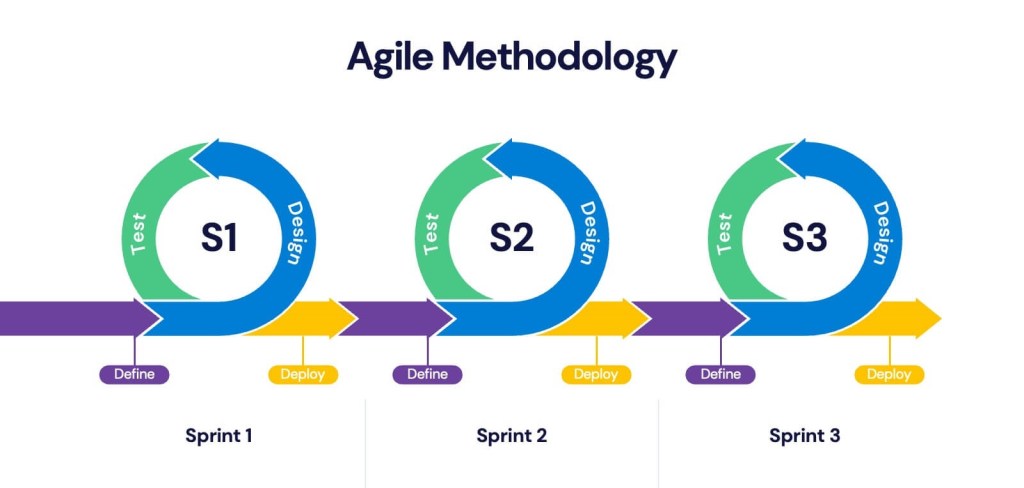
    Agile project management is an iterative approach to planning and guiding project processes. It focuses on delivering value quickly, in small, consumable increments. This method is characterized by flexibility, continuous improvement, and a strong emphasis on collaboration and customer feedback.

    Historical Context and Origins

    Agile project management originated from the Agile Manifesto, created in 2001 by a group of software developers. They were frustrated with the limitations of traditional, linear project management methods (like the Waterfall model) and sought to develop a more adaptive and efficient way to manage projects. The Agile Manifesto outlines four core values and twelve principles aimed at improving software development processes.

    Core Values of the Agile Manifesto:
    1. Individuals and interactions over processes and tools
    2. Working software over comprehensive documentation
    3. Customer collaboration over contract negotiation
    4. Responding to change over following a plan
    Key Principles of Agile:
    1. Satisfy the customer through early and continuous delivery of valuable software.
    2. Welcome changing requirements, even late in development.Deliver working software frequently, with a preference for shorter timescales.
    3. Business people and developers must work together daily throughout the project.
    4. Build projects around motivated individuals, providing them the environment and support they need.
    5. Convey information face-to-face within a development team.
    6. Working software is the primary measure of progress.
    7. Maintain a constant pace indefinitely.
    8. Continuous attention to technical excellence and good design enhances agility.
    9. Simplicity—the art of maximizing the amount of work not done—is essential.
    10. The best architectures, requirements, and designs emerge from self-organizing teams.
    11. Regularly reflect on how to become more effective, then tune and adjust behavior accordingly.
    Implementing Agile in Non-Software Projects

    Agile’s core principles can be adapted to manage various types of projects beyond software development, such as marketing campaigns, event planning, product development, and more. Here’s how:

    1. Iterative Planning and Delivery:
      Break down the project into smaller, manageable parts or sprints.
      Focus on delivering tangible outputs at the end of each sprint.
    2. Emphasize Collaboration:
      Foster a culture of open communication and teamwork.
      Engage all stakeholders, including customers, to ensure the project meets their needs and expectations.
    3. Flexibility and Adaptability:
      Be prepared to adjust plans based on feedback and changing requirements.
      Encourage continuous improvement by regularly reviewing and refining processes.
    4. Customer Involvement:
      Keep the customer involved throughout the project lifecycle.
      Use their feedback to guide the direction of the project.
    5. Empowered Teams:
      Form self-organizing, cross-functional teams.
      Give team members the authority to make decisions and solve problems.
    6. Focus on Value:
      Prioritize tasks that deliver the most value to the customer.
      Continuously evaluate and re-prioritize tasks based on their impact and importance.
    Case Studies: Agile in Non-Software Projects
    1. Marketing Campaigns:
      Agile principles can be used to manage the creation and execution of marketing campaigns. Teams can use sprints to develop and test different components of a campaign, such as social media posts, email newsletters, and advertisements, and then adjust based on real-time feedback.
    2. Event Planning:
      Event planners can use agile methods to manage the complex logistics of organizing events. By breaking down the event into smaller tasks (e.g., venue selection, catering, guest management), teams can focus on completing one task at a time and adapt plans as new information becomes available.
    3. Product Development:
      In industries like manufacturing or consumer goods, agile can help manage the development of new products. By iterating on prototypes and incorporating customer feedback at each stage, companies can ensure that the final product meets market demands.
    Conclusion

    Agile project management offers a flexible, collaborative, and customer-focused approach that can be applied beyond its software development roots. By adopting agile principles, teams in various industries can improve their efficiency, adaptability, and ability to deliver high-value outcomes. Whether managing a marketing campaign, planning an event, or developing a new product, agile methodologies provide a robust framework for success.

  • Mastering Project Scoping: Essentials, main tasks, pitfalls and key competencies

    Mastering Project Scoping: Essentials, main tasks, pitfalls and key competencies

    Project scoping is a critical phase in project management that defines the boundaries and deliverables of a project. It sets the stage for all subsequent project activities and is fundamental to ensuring project success. A well-defined scope helps in aligning stakeholder expectations, managing resources effectively, and minimizing risks. This article explores the basic knowledge required for project scoping, outlines the most important tasks, highlights common pitfalls, and discusses the key competencies a project manager needs to successfully define the scope.

    Basic Knowledge of Project Scoping

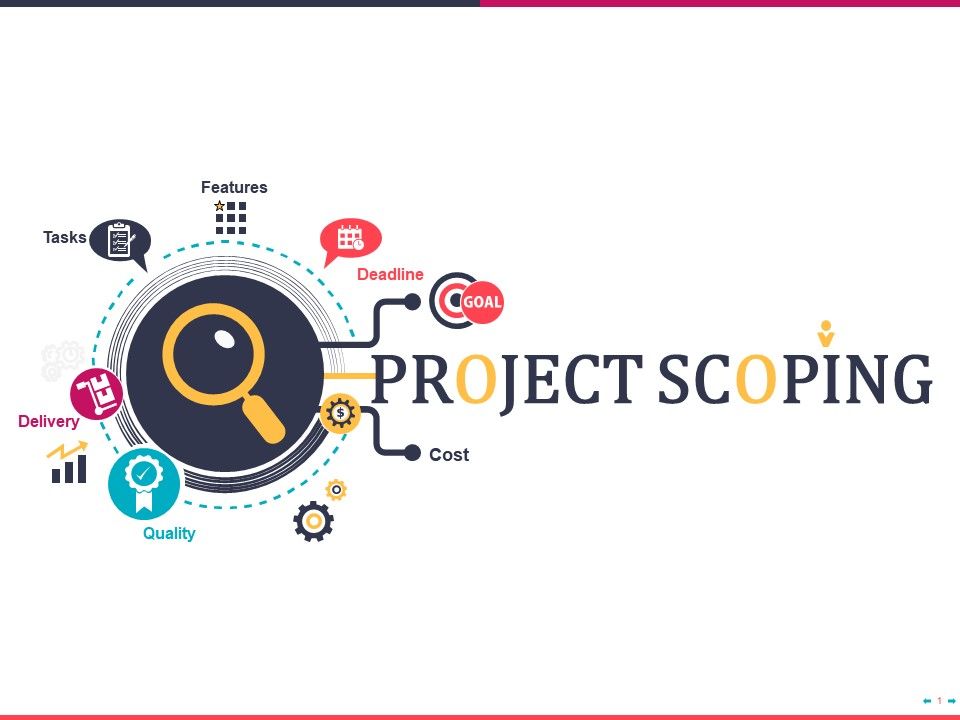
    Project scoping involves determining and documenting a list of specific project goals, deliverables, tasks, costs, and deadlines. The scope defines the project’s boundaries and establishes what is included and excluded in the project. Key elements of project scoping include:

    1. Objectives: Clear, measurable goals that the project aims to achieve.
    2. Deliverables: Tangible or intangible outputs that the project will produce.
    3. Milestones: Significant points or events in the project timeline.
    4. Tasks: Specific activities required to complete the deliverables.
    5. Resources: Personnel, equipment, and materials needed for the project.
    6. Budget: Estimated costs associated with the project.
    7. Timeline: Schedule for project tasks and milestones.
    Most Important Tasks in Project Scoping

    To effectively define the project scope, a project manager must perform several key tasks:

    1. Stakeholder Identification and Analysis:
      • Identify all stakeholders involved in or affected by the project.
      • Understand stakeholder needs, expectations, and influence on the project.
    2. Requirements Gathering:
      • Collect detailed requirements from stakeholders through interviews, surveys, and workshops.
      • Prioritize requirements based on project objectives and stakeholder input.
    3. Scope Statement Development:
      • Create a comprehensive scope statement that outlines project objectives, deliverables, boundaries, and constraints.
      • Ensure the scope statement is clear, concise, and agreed upon by all stakeholders.
    4. Work Breakdown Structure (WBS):
      • Develop a WBS that breaks down the project into manageable components and tasks.
      • Assign responsibilities and timelines for each task.
    5. Scope Verification and Validation:
      • Review the scope statement and WBS with stakeholders to ensure accuracy and completeness.
      • Validate that the project scope aligns with business goals and stakeholder expectations.
    6. Scope Management Plan:
      • Develop a plan for managing scope changes and ensuring scope creep is controlled.
      • Define procedures for documenting and approving scope changes.
    Common Pitfalls in Project Scoping

    Despite its importance, project scoping is often fraught with challenges. Common pitfalls include:

    1. Unclear Objectives:
      • Vague or ambiguous project objectives can lead to misunderstandings and misaligned expectations.
    2. Incomplete Requirements:
      • Failing to gather comprehensive requirements from all stakeholders can result in scope gaps and rework.
    3. Scope Creep:
      • Uncontrolled changes to the project scope can cause delays, cost overruns, and resource strain.
    4. Poor Stakeholder Engagement:
      • Inadequate involvement of stakeholders in the scoping process can lead to missed requirements and dissatisfaction.
    5. Inaccurate Estimates:
      • Underestimating the time, cost, and resources needed for the project can lead to unrealistic scope and project failure.
    Key Competencies for Successful Project Scoping

    To successfully define and manage project scope, a project manager needs to possess several key competencies:

    1. Analytical Skills:
      Ability to analyze stakeholder needs, project requirements, and potential risks.
    2. Communication Skills:
      Effective communication with stakeholders to gather requirements, provide updates, and manage expectations.
    3. Detail Orientation:
      Attention to detail in documenting the scope, developing the WBS, and ensuring all aspects of the project are covered.
    4. Negotiation Skills:
      Skill in negotiating with stakeholders to prioritize requirements and manage scope changes.
    5. Leadership:
      Ability to lead the project team, engage stakeholders, and drive consensus on project scope.
    6. Risk Management:
      Proficiency in identifying potential scope risks and developing mitigation strategies.
    7. Change Management:
      Capability to manage scope changes effectively, ensuring they are documented, analyzed, and approved.

    Step-by-Step Guide to the Scoping Phase of a Software Development Project
    Step 1: Identify Stakeholders

    Objective: Identify all individuals and groups who have an interest in the project or will be affected by it.

    Actions:

    • List Potential Stakeholders: Include project sponsors, end-users, development team members, product owners, and any other relevant parties.
    • Conduct Stakeholder Analysis: Understand their interests, influence, and expectations regarding the project.
    • Engage Stakeholders: Schedule initial meetings or interviews to gather insights and expectations.

    Outcome: A comprehensive list of stakeholders with their roles, interests, and influence levels documented.

    Step 2: Gather Requirements

    Objective: Collect detailed requirements to understand what the project needs to achieve.

    Actions:

    • Conduct Workshops and Interviews: Engage stakeholders through workshops, interviews, and surveys to gather requirements.
    • Document Functional Requirements: Specify what the software should do, including features and functionalities.
    • Document Non-Functional Requirements: Include performance, security, usability, and compliance requirements.
    • Prioritize Requirements: Work with stakeholders to prioritize requirements based on business needs and constraints.

    Outcome: A well-documented set of functional and non-functional requirements, prioritized and validated by stakeholders.

    Step 3: Define Project Objectives

    Objective: Clearly define the project’s goals and objectives.

    Actions:

    • Establish SMART Goals: Ensure that objectives are Specific, Measurable, Achievable, Relevant, and Time-bound.
    • Align with Business Goals: Ensure project objectives align with the broader business objectives.
    • Validate with Stakeholders: Confirm objectives with key stakeholders to ensure alignment and buy-in.

    Outcome: A clear and concise statement of the project’s objectives, agreed upon by all stakeholders.

    Step 4: Develop the Scope Statement

    Objective: Create a detailed scope statement that outlines the project’s boundaries and deliverables.

    Actions:

    • Define Deliverables: List the main outputs of the project (e.g., software modules, documentation, training materials).
    • Specify Boundaries: Clarify what is included in the project scope and what is not.
    • Identify Constraints: Document any limitations such as budget, timelines, technology, or resources.
    • Assumptions: List any assumptions that have been made during the scoping phase.

    Outcome: A comprehensive scope statement that serves as the foundation for project planning and execution.

    Step 5: Create a Work Breakdown Structure (WBS)

    Objective: Break down the project into smaller, more manageable components and tasks.

    Actions:

    • Identify Major Deliverables: Start by identifying the key deliverables from the scope statement.
    • Break Down Deliverables: Decompose each deliverable into smaller tasks and sub-tasks.
    • Assign Responsibilities: Assign team members to each task and sub-task.
    • Estimate Durations: Estimate the time required to complete each task.

    Outcome: A detailed WBS that provides a clear roadmap for project tasks and responsibilities.

    Step 6: Develop a Scope Management Plan

    Objective: Create a plan for managing scope changes and ensuring scope creep is controlled.

    Actions:

    • Define Change Control Procedures: Establish procedures for how changes to the scope will be proposed, evaluated, and approved.
    • Set Up a Change Control Board (CCB): Form a CCB with representatives from key stakeholder groups to review and approve scope changes.
    • Document Change Requests: Implement a system for documenting and tracking change requests.
    • Communicate Changes: Ensure all stakeholders are informed about scope changes and their implications.

    Outcome: A scope management plan that outlines how scope changes will be handled throughout the project.

    Step 7: Validate Scope with Stakeholders

    Objective: Ensure that all stakeholders agree with the defined project scope and are aligned with the project’s goals.

    Actions:

    • Review Scope Statement and WBS: Conduct a review meeting with key stakeholders to present the scope statement and WBS.
    • Address Feedback: Collect and address any feedback or concerns from stakeholders.
    • Obtain Formal Approval: Secure formal sign-off from stakeholders on the project scope.

    Outcome: A validated and approved project scope that all stakeholders agree upon.


    Conclusion

    Project scoping is a fundamental aspect of project management that lays the groundwork for project success. By understanding the basic elements of project scope, performing essential tasks diligently, avoiding common pitfalls, and developing key competencies, a project manager can effectively define and manage the project scope. This not only ensures that the project stays on track but also aligns stakeholder expectations and delivers the desired outcomes within the agreed parameters. Mastering project scoping is, therefore, a critical skill for any project manager aiming to lead successful projects in today’s dynamic business environment.