
Tag: Busy Professional

  • Quick and Effective Workouts for Busy Professionals: Maximize Your Time

    Quick and Effective Workouts for Busy Professionals: Maximize Your Time

    For busy professionals, squeezing in a workout can often feel like a luxury. However, with the right approach, you can turn a brief workout session into a powerful tool for enhancing both your career and personal life. Imagine this: a high-powered executive who juggles board meetings, client calls, and family time. What if just 20 minutes of strength training could transform his energy levels, improve focus, and even strengthen family bonds?

    Intensity Approaches for Optimal Results

    Approach 1: High Load, Low Reps This strategy focuses on heavy weights and fewer reps, ideal for building raw strength and power. Think of it as the professional’s “secret weapon” for conquering the most demanding projects with a clear, focused mind.

    Approach 2: Lower Load, Higher Reps With moderate weights and higher reps, this method enhances muscle endurance and growth. It’s akin to maintaining the stamina needed for those long, unpredictable days in the office while staying sharp and efficient.

    Sample Workouts

    Workout 1: High Load, Low Reps

    • Squats: 3 sets x 3 reps
    • Bench Press: 3 sets x 5 reps

    Imagine this: You’re finishing your last set of squats, feeling the rush of adrenaline and focus. You walk back to your desk, feeling stronger and more capable. The result? Enhanced performance at work and a renewed sense of confidence that extends beyond the gym.

    Workout 2: High Load, Low Reps

    • Deadlifts: 5 sets x 2 reps
    • Overhead Press: 3 sets x 6 reps

    Picture this: As you power through your deadlifts, you’re not just lifting weights; you’re lifting the burden of stress off your shoulders. By the end of your workout, you’re not only physically stronger but mentally sharper, ready to tackle complex problems and lead your team with renewed vigor.

    Workout 3: Lower Load, Higher Reps

    • Front Squats: 6 sets x 8 reps
    • Weighted Dips: 6 sets x 6 reps

    Think of this: You complete your front squats and weighted dips with a sense of accomplishment. The endorphins kick in, and you’re now equipped to handle the daily grind with a more resilient mindset, making your professional life smoother and your evenings with family more enjoyable.

    Workout 4: Lower Load, Higher Reps

    • Romanian Deadlift: 4 sets x 12 reps
    • (Weighted Pullup): 6 sets x 8 reps

    Envision this: Your Romanian deadlifts and Pullups are not just exercises; they’re moments of mental clarity and strength building. You leave the gym feeling not just physically but emotionally revitalized, ready to be present and engaged at home.

    Training Frequency and Progression

    To maximize your results and integrate fitness seamlessly into your life:

    • Train 2 to 3 Times a Week: Rotate through the different workouts to ensure balanced muscle development and prevent overtraining. You’ll find that this consistency makes you more resilient and effective both at work and in your personal life.
    • Progressive Overload: Each time you return to a workout, challenge yourself to lift heavier or push harder. This continual progression not only enhances physical strength but also builds mental resilience, helping you tackle daily challenges with confidence.
    • Track Your Progress: Keeping a workout journal to monitor weights, sets, and reps allows you to see tangible progress. This sense of achievement can translate into greater satisfaction in your professional and personal life.
    The Broader Benefits

    Physical Health: Regular strength training boosts cardiovascular health, improves metabolic function, and supports better posture. For busy professionals, this means fewer sick days and increased overall vitality.

    Mental Health: Engaging in strength training releases endorphins, which can reduce stress, anxiety, and depression. This mental clarity and reduced stress can make you more effective at work and more patient and present with your family.

    Family Life: By investing in your health, you set an example for your family and ensure you have the energy and mental clarity to enjoy quality time with them. Imagine returning home from a workout not feeling drained but invigorated and ready to engage in meaningful activities with loved ones.

    Conclusion

    For the busy professional, a well-designed workout can be a game-changer. By focusing on high-impact compound exercises and utilizing strategic intensity approaches, you can enhance both your work performance and personal life. With just 20 minutes of efficient strength training a few times a week, you’ll not only see physical transformations but also experience improved mental clarity and resilience. So, take the plunge and make these quick, effective workouts a part of your routine. The benefits will ripple through your career, health, and family life, making every minute count.
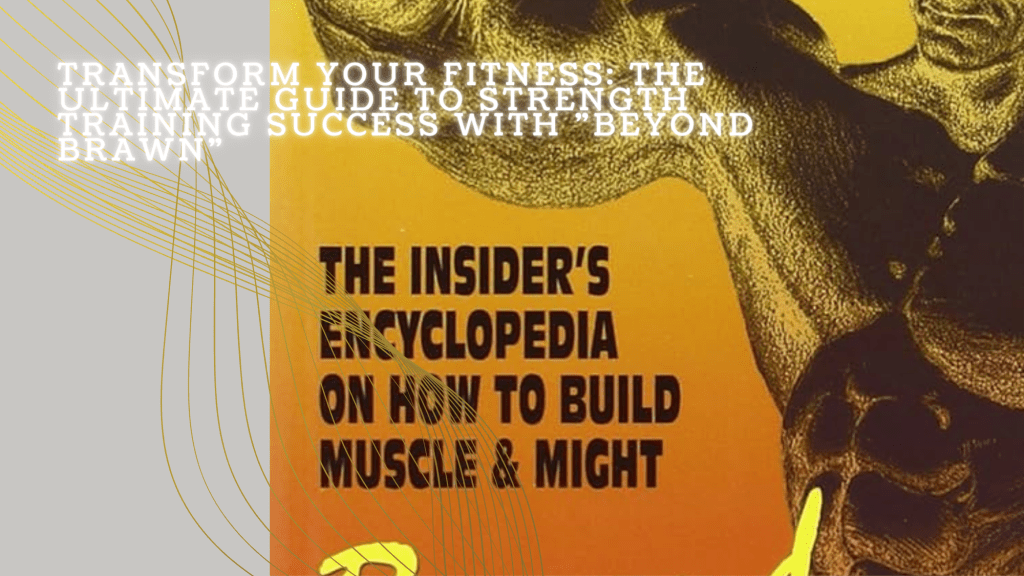
  • Transform Your Fitness: The Ultimate Guide to Strength Training Success with “Beyond Brawn”

    Transform Your Fitness: The Ultimate Guide to Strength Training Success with “Beyond Brawn”

    “Train consistently hard enough, long enough, and smart enough to reap the rewards of progressive strength training.”

    “The most important variable in the training equation is the amount of effort you put into your workouts.”

    Stuart McRobert is a well-known figure in strength training, particularly for advocating methods tailored to “hardgainers”—individuals who struggle to make significant progress with conventional training methods. His book “Beyond Brawn” is a comprehensive guide that focuses on practical, sustainable strength training. McRobert’s philosophy emphasizes simplicity, safety, and long-term progress, with a strong focus on personalized training and recovery strategies.

    Why “Beyond Brawn” is a Must-Read

    “Beyond Brawn” is not just for bodybuilders; it’s also ideal for busy professionals who want to stay in shape and maintain their health over their lifetime. The principles in the book are designed to help you achieve your fitness goals efficiently, even with a demanding schedule. McRobert’s approach helps you maximize your results with minimal time investment, making it perfect for those balancing a full-time job, family, and other responsibilities.

    McRobert’s Guidance on Strength Training
    Key Training Principles:
    1. Compound Exercises: Focus on basic, multi-joint exercises such as squats, deadlifts, bench presses, and rows.
    2. Progressive Overload: Gradually increase the weight you lift to continually challenge your muscles.
    3. Individualization: Customize your training program to suit your body type, genetics, and experience level.
    4. Recovery: Ensure adequate rest between workouts to allow for muscle recovery and growth.
    5. Safety and Technique: Prioritize proper form to prevent injuries.
    Exercises:

    Lower Body: Squats variations (hack squat), deadlift variations, leg presses (if you can‘t squat in a safe manner), lunges, standing calf raises, donkey calf raises.

    Upper Body: Bench presses, overhead presses, pull-ups, barbell rows bent over and upright, pullovers, skullcrushers.

    Training Intensity and Frequency:

    Intensity: Train with moderate to heavy weights that allow you to complete 6-12 reps per set. Focus on maintaining good form throughout each set.

    Frequency: Typically 1-3 days per week, allowing ample recovery time. Each muscle group is ideally trained every 7-10 days.

    Abbreviated Training Routine Examples:

    Example 1: Full-Body Routine (1-2 Days per Week)

    Day 1: Squats, Bench Press, Bent-over Rows

    Day 2: Deadlifts, Overhead Press, Pull-ups

    Example 2: Split Routine (3 Days per Week)

    Day 1: Squats, Bench Press

    Day 2: Deadlifts, Overhead Press

    Day 3: Pull-ups, Barbell Rows

    Consistency and Record Keeping:

    Consistency: Stick to your training schedule diligently, making workouts a non-negotiable part of your routine.

    Record Keeping: Track your workouts, noting the exercises, weights, sets, and reps. Also, keep a food diary to monitor your nutrition.

    Overall Guidelines on Eating:

    Balanced Diet: Consume a diet rich in protein, complex carbohydrates, healthy fats, and plenty of vegetables and fruits.

    Protein Intake: Aim for 2.2 to 2.6 grams of protein per kilogram of (desired) body weight.

    Caloric Surplus: For muscle gain, eat slightly more calories than your body needs to maintain weight.

    Hydration: Drink plenty of water throughout the day.

    Hard Work and Very Hard Work: The Core Theme of “Beyond Brawn”

    At the heart of “Beyond Brawn” lies the unwavering principle of hard work and very hard work. Stuart McRobert emphasizes that there are no shortcuts to achieving significant strength and muscle gains, especially for hardgainers. The book drives home the message that consistent, intense effort is crucial for progress. This means committing to every workout with maximum dedication, pushing yourself to lift heavier weights with proper form, and not shying away from the grueling nature of effective training. McRobert’s philosophy is that extraordinary results come from extraordinary effort. He advocates for embracing the grind and understanding that true success in strength training comes from perseverance, discipline, and an unwavering commitment to working very hard, session after session, year after year. This theme of relentless effort is what sets “Beyond Brawn” apart, making it a valuable guide for anyone serious about their fitness journey, regardless of their busy professional and personal lives.

    Periodization in “Beyond Brawn”
    Linear Periodization:

    Linear periodization involves gradually increasing the weight lifted from workout to workout using very small increments, often less than 1kg (microloading). This approach ensures continuous progress while minimizing the risk of overtraining and injury.

    Example:

    Workout 1: 3 sets of 12 reps with 50kg

    Workout 2: 3 sets of 12 reps with 51kg

    Continue increasing the weight by small increments each workout. Once you can not increase the weight for several workouts in a row, around week 15-20 depending on your starting point, it’s time for a deload or pause.

    After that start over with around 80% of your top weight from the last cycle.

    Double Periodization:

    Double periodization involves increasing the repetitions within a predefined range. Once you reach the upper end of the range, you increase the weight and start over at the lower end of the rep range. This method helps in building both strength and hypertrophy over time.

    Example:

    Cycle 1 (12 weeks):

    Weeks 1-4:

    Start with 3 sets of 8 reps with 50kg

    Increase reps each workout until you reach 12 reps

    Weeks 5-8:

    Increase weight to 55kg and start again with 3 sets of 8 reps

    Continue until you reach 12 reps

    Weeks 9-12:

    Increase weight to 60kg and repeat the process

    Cycle 2 (12 weeks):

    Repeat the same structure with adjusted weights and goals, ensuring continuous progress.

    How “Beyond Brawn” Helps Busy Professionals:

    McRobert’s principles are particularly beneficial for those with busy lives:

    Minimal Time Commitment: With low-frequency training (1-3 days per week), you can make significant progress without spending excessive time in the gym.

    Efficient Workouts: Focus on compound movements that provide the most benefit in the shortest time.

    Stress Reduction: Effective, structured workouts can help manage stress from a busy professional life.

    Health and Longevity: Sustainable training methods ensure long-term health and fitness, crucial for those with demanding careers and family responsibilities.

    Flexibility: The ability to adjust workout frequency and intensity according to your schedule helps maintain consistency even during busy periods.

    Where and How to Start: Actionable Advice from “Beyond Brawn”

    Starting your journey with “Beyond Brawn” begins with establishing a solid foundation. First, assess your current fitness level and set realistic, specific goals. Begin with a simple, full-body workout routine that focuses on compound exercises like squats, deadlifts, bench presses, and rows. Start with light weights to perfect your form and gradually increase the load using microloading techniques. Commit to training 1-2 days per week initially, ensuring ample recovery between sessions. Keep a detailed training log to track your progress, noting the exercises, weights, sets, and reps performed. Pair your training with a balanced diet rich in protein, complex carbohydrates, and healthy fats, and stay hydrated. Prioritize sleep and recovery to support muscle growth and overall health. Most importantly, approach each workout with the mindset of hard work and very hard work, understanding that consistent, intense effort is the key to long-term success.