Tag: BusyProfessional

  • Mastering the Art of Layering: Timeless Style Tips for Busy Professionals

    Mastering the Art of Layering: Timeless Style Tips for Busy Professionals

    For busy professionals, style is more than just aesthetics; it’s a tool for confidence, adaptability, and comfort. Mastering the art of layering allows you to navigate each day seamlessly, from boardroom meetings to family dinners, while maintaining a polished, approachable look. Here’s how to build a layered wardrobe that combines style with practicality, helping you balance work, family, and everything in between.

    1. Why Layering is Essential for Today’s Professionals

    Layering is a skill that goes beyond fashion—it’s about balancing form with function. Done right, layering provides versatility, letting you adjust to temperature changes, go from work to family time, and always look polished. A well-layered outfit shows confidence and attention to detail, giving a sense of ease and readiness in every setting.

    Layering helps you project refinement without being overly formal, offering a simple yet strategic approach to looking effortlessly put together.

    2. Start with the Foundation: Choosing the Right Base Layers

    The foundation of any layered look begins with quality base layers—versatile pieces that form the backbone of your wardrobe and keep you comfortable throughout the day.

    Invest in Essentials: High-quality shirts, polos, and lightweight sweaters are the building blocks of a polished look. Opt for well-fitted pieces in timeless colors like white, navy, grey, and beige that blend effortlessly with other layers.

    Stick to Neutrals: Neutrals make coordinating easy, ensuring your base layer works with any mid or outer layers you add.

    Seasonal Considerations: In warmer months, lightweight fabrics like cotton or linen keep you cool. For colder seasons, base layers made from merino wool offer insulation without bulk.

    By building your foundation on a few simple, classic pieces, you’re set for effortless style that doesn’t require much thought each morning.

    3. Adding Mid-Layers for Versatility and Comfort

    Once you’ve established a solid base, it’s time to build with mid-layers that add both style and warmth. These layers bridge your base and outer layers, making it easy to transition from work to personal time without sacrificing comfort.

    Cardigans and Sweaters: A classic cardigan or sweater over a button-up shirt exudes relaxed sophistication, fitting for both the office and casual gatherings.

    Vests and Gilets: These practical options add warmth without bulk. A tailored vest, for instance, elevates a business-casual look while keeping you comfortable.

    Focus on Fit: Mid-layers should be close-fitting to maintain a streamlined silhouette. Choose pieces that can slide under a blazer without adding bulk, keeping your look sharp.

    Mid-layers add personality to your outfit without overcomplicating it. Rich colors like olive green, burgundy, or navy bring depth, while subtle textures add interest.

    4. Outer Layers: Finishing Touches with Blazers, Jackets, and Coats

    The final layer is where you can make a statement. Outer layers should be selected for both professionalism and comfort, allowing for seamless transitions between work and personal life.

    Blazers for Polish: A well-tailored blazer pulls your entire look together, adding a sense of confidence and professionalism to even the simplest base layers. Navy, charcoal, and classic patterns like houndstooth or plaid offer timeless appeal.

    Smart Casual Jackets: Bomber jackets, field jackets, and chore jackets are versatile choices that transition seamlessly from office to casual settings.

    Invest in a Classic Coat: A trench coat or wool overcoat offers warmth and a sophisticated finish. These classic pieces add polish to any outfit, making them a worthwhile investment.

    Look for outer layers that are easy to add or remove depending on the setting, and choose quality materials like wool or cotton twill for durability and style.

    5. Practical Tips for Effortless Layering

    Achieving a refined, layered look is simpler than it seems. With a few practical tips, you can make layering an effortless part of your routine.

    Comfort and Style in Balance: Layering doesn’t mean sacrificing comfort. Choose breathable fabrics and pieces with stretch to keep up with your day.

    Coordinate Colors and Patterns: Stick to complementary colors and simple patterns, like stripes or checks, that work together without overwhelming the outfit.

    Adapt for the Weather: In colder months, thicker materials like wool and down add warmth, while lighter layers work well for spring and fall.

    Mastering these layering principles helps you create a wardrobe that’s both polished and comfortable, no matter the occasion.

    6. Essential Pieces for a Capsule Wardrobe

    A capsule wardrobe built on versatile, quality pieces makes layering easy. Here are a few essentials to include:

    Button-down shirts and polos in neutral colors

    Lightweight sweaters and cardigans in solid colors

    A tailored blazer and a smart-casual jacket

    A classic wool or trench coat for all-weather protection

    These items mix and match easily, providing stylish options for both work and family life.

    7. Balancing Style and Practicality for Professionals with Families

    For those balancing a busy career with family life, looking polished yet practical is essential. Layering helps you feel just as confident in a work setting as you do spending time with loved ones.

    Appearance in Career and Personal Life: Your appearance influences first impressions, boosting both confidence and how others perceive you. Dressing well shows respect, attention to detail, and self-assurance—traits valuable in professional and personal spaces.

    Professionalism Meets Family Life: Choose layers that are both professional and functional, so you’re ready for anything from work meetings to family time.

    Effortless Transitions: Well-chosen layers let you transition seamlessly from work to personal life without needing to change outfits, so you’re prepared for whatever the day brings.

    The Impact of Layering on Career and Personal Success

    Mastering the art of layering isn’t just about style; it’s about efficiency, confidence, and presenting yourself in a way that reflects who you are. By investing in timeless, versatile pieces and learning to layer them well, you set yourself up for success both at work and at home. This approach to dressing allows you to focus on what matters most, knowing you look sharp, professional, and approachable.

  • Best Workout and Calorie Apps for Busy Schedules

    Best Workout and Calorie Apps for Busy Schedules

    Staying fit can feel like a daunting task for busy professionals who already have demanding schedules, packed with meetings, deadlines, and family commitments. However, maintaining your health doesn’t have to be overwhelming—especially when you have the right tools at your fingertips. Fitness apps make it easier than ever to track progress, optimize workouts, and stay mindful of nutrition. Whether you’re aiming to build muscle, shed some weight, or simply stay active, using these apps helps simplify the process, providing both convenience and accountability. In this article, we’ll highlight the best fitness apps that can help you stay on track, even when time is in short supply.

    Best Workout Tracker Apps
    1. Strong

    Strong is an intuitive workout tracking app designed for strength training. It allows you to log exercises, sets, reps, and weights easily, and it automatically calculates your progress. You can track your entire workout history, visualize trends, and create custom workout routines.

    • Pros: Clean interface, customizable workouts, progress tracking.
    • Cons: Limited exercise database in the free version, premium features require a subscription.

    Link to Strong homepage

    2. Madbarz

    Madbarz focuses on bodyweight exercises, making it ideal for those who prefer to work out without equipment. It offers a variety of routines for different fitness levels, and you can track your progress as you build strength over time.

    • Pros: No equipment needed, customizable workouts, strong community support.
    • Cons: Limited exercise variety for those wanting weight training, ads in the free version.

    Link to madbarz homepage

    3. Jefit

    Jefit is a comprehensive workout planner and tracker designed for all levels of fitness. It offers pre-designed workout routines and allows you to create your own, track your stats, and sync your data across devices.

    • Pros: Large exercise library, built-in workout plans, easy-to-read progress charts.
    • Cons: Interface can be overwhelming for beginners, limited features in the free version.

    Link to JEFIT homepage

    4. Fitbod

    Fitbod uses machine learning to customize workouts based on your past performance, equipment availability, and fitness goals. It adjusts workouts to prevent overtraining specific muscle groups and provides a variety of strength training exercises.

    • Pros: Personalized workout plans, adapts based on your performance, tracks muscle fatigue.
    • Cons: Subscription required for full features, no bodyweight-only workout plans.

    Link to FITBOD homepage

    5. Hevy

    Hevy is a free and simple workout tracker that’s great for weightlifters. It provides an easy way to log workouts, create custom routines, and analyze your performance over time.

    • Pros: User-friendly, free with most features, no ads.
    • Cons: Limited exercise library, no cardio tracking.

    Link to HEVY homepage

    Best Calorie Logging Apps
    1. MyFitnessPal

    MyFitnessPal is a widely used app for logging meals and tracking calories. It has a massive food database and integrates with various fitness devices and apps, making it easy to monitor both your intake and exercise.

    • Pros: Huge food database, barcode scanner, integrates with other fitness apps.
    • Cons: Ads in the free version, inaccuracies in user-added food entries.

    Link to myfitnesspal homepage

    2. Lose It!

    Lose It! helps you set weight loss goals and track your daily calorie intake. It offers a barcode scanner and allows you to manually enter food items and recipes.

    • Pros: Simple to use, large food database, customizable goals.
    • Cons: Limited features in the free version, premium subscription required for detailed analysis.

    Link to loseit! homepage

    3. Cronometer

    Cronometer is known for its detailed nutrition tracking, allowing users to track not just calories but also macronutrients and micronutrients. It’s ideal for those who want a deeper understanding of their nutrition.

    • Pros: Highly detailed nutrient tracking, supports custom recipes, no ads in the free version.
    • Cons: Less user-friendly for beginners, premium version needed for advanced features.

    Link to cronometer homepage

    4. Yazio

    Yazio helps users with calorie tracking, fasting, and setting personalized health goals. It also offers meal plans and recipes to keep users on track.

    • Pros: Meal plans and recipes, fasting tracker, detailed nutrient breakdown.
    • Cons: Limited food database compared to competitors, some features locked behind a paywall.

    Link to YAZIO homepage

    5. Carb Manager

    Carb Manager is perfect for those following a low-carb or ketogenic diet. It helps track net carbs, macros, and calories, while offering keto-friendly recipes and meal plans.

    • Pros: Tailored for low-carb diets, keto recipes, easy-to-use interface.
    • Cons: Best suited for keto users, premium subscription required for more advanced features.

    Link to carbmanager homepage

    Implementation Plan for the Busy Professional

    For busy professionals, the key to successful fitness tracking is simplicity and consistency. Here’s a step-by-step implementation plan:

    1. Choose Your Tools: Start by selecting one workout tracker and one calorie logging app from the list above. For example, you can pair Strong with MyFitnessPal if you’re focused on strength training and calorie counting.
    2. Set Realistic Goals: Before diving into tracking, define clear fitness goals. Whether it’s losing weight, building muscle, or maintaining health, having a target will keep you focused.
    3. Schedule Your Workouts: Use the workout app to schedule sessions that fit your lifestyle. Aim for 3-4 sessions a week and adjust based on your availability. Apps like Fitbod can adapt your routine if you miss a session.
    4. Track Consistently: Log each workout and meal daily. Both Strong and MyFitnessPal offer easy logging systems that take only a few minutes each day, making them manageable even for the busiest schedules.
    5. Review Weekly: Set aside time at the end of each week to review your progress. Use charts and data from your apps to assess what’s working and what needs adjusting. This helps you stay accountable and motivated.
    6. Adjust as Needed: Life gets busy, so don’t be afraid to adjust your workouts or meal plans. Use your apps to scale intensity up or down, and consider switching routines to avoid burnout.
    The Benefits of Tracking for Busy Professionals

    Tracking your workouts and nutrition offers numerous benefits. It saves time, reduces guesswork, and helps busy professionals stay consistent despite demanding schedules. Progress tracking fosters accountability, provides clear metrics, and boosts motivation, ensuring you stay on the path to success without sacrificing too much time.

    By leveraging the best fitness apps, you can efficiently manage your fitness goals, streamline your workout routine, and optimize your nutrition without missing a beat in your professional life.

  • How to Stay Fit While Traveling: Tips for Maintaining Your Routine on the Road

    How to Stay Fit While Traveling: Tips for Maintaining Your Routine on the Road

    For middle-aged professionals juggling a career, family, and other responsibilities, maintaining fitness is already a challenge. When business travel enters the equation, staying active and healthy can feel impossible. However, with some planning and smart strategies, you can stay on top of your fitness game even while on the road. Here’s how.

    1. Prioritize Short, Efficient Workouts

    Time is often limited when traveling, so focus on quick but effective workouts that keep you moving. High-Intensity Interval Training (HIIT) is a great option, as it combines cardio and strength training in short bursts, maximizing efficiency. A 20- to 30-minute HIIT session can provide a full-body workout that fits into your busy schedule.

    Sample Hotel Room HIIT Routine
    • Jumping jacks: 30 seconds
    • Bodyweight squats: 30 seconds
    • Push-ups: 30 seconds
    • Plank: 30 seconds
    • Rest for 1 minute and repeat for 4-5 rounds.

    This no-equipment routine works in almost any setting, whether it’s a hotel room, a park, or a small fitness center.

    2. Pack Travel-Friendly Workout Gear

    Invest in portable, lightweight fitness equipment that can easily fit in your suitcase. Resistance bands, for example, offer versatility and allow you to perform strength training exercises with minimal space. A jump rope is another great addition for quick cardio.

    Quick Full-Body Resistance Band Workout
    • Band pull-aparts: 15 reps
    • Squats with resistance band: 15 reps
    • Overhead press: 15 reps
    • Band rows: 15 reps
    • Banded glute bridges: 15 reps
    • Repeat 3-4 rounds.

    These exercises cover all major muscle groups and can be done in a short time.

    3. Use Hotel Amenities to Your Advantage

    Many hotels offer gyms with basic equipment, such as treadmills, dumbbells, and stationary bikes. If your accommodation has a gym, take advantage of it, even if it’s just for 20 minutes each day. If there’s a pool, swimming a few laps can be a great way to get in a low-impact workout.

    Simple Gym Routine
    • Treadmill warm-up: 5-10 minutes
    • Dumbbell lunges: 3 sets of 12 reps per leg
    • Dumbbell bench press: 3 sets of 12 reps
    • Lat pulldown: 3 sets of 12 reps
    • Finish with 10 minutes of light cardio on a bike or elliptical

    This routine gives you a balanced workout, combining strength and cardio.

    4. Walk and Explore

    One of the simplest and most enjoyable ways to stay active during business trips is by walking. Whether you’re exploring a new city or heading to meetings, try to walk as much as possible. Aim for 10,000 steps a day to ensure you’re staying active without needing to set aside dedicated workout time.

    If you’re staying near a park or beach, consider a brisk walk or light jog in the morning to get your day started on the right foot.

    5. Stay Mindful of Nutrition

    Eating healthy on the road can be challenging, especially when fast food and airport snacks are the most convenient options. However, by making smart choices, you can maintain your nutrition without sacrificing convenience.

    Strategies for Healthy Eating While Traveling
    • Choose protein-rich meals: When eating out, prioritize meals that include lean protein like grilled chicken, fish, or plant-based options. Protein helps with muscle maintenance, especially when your routine is disrupted.
    • Watch portion sizes: Restaurant portions are often larger than needed. Consider splitting meals or asking for a to-go box to save half for later.
    • Healthy snacks: Pack portable snacks such as nuts, protein bars, or fruits to avoid relying on unhealthy convenience store options.
    • Hydrate: It’s easy to forget to drink water when traveling, but staying hydrated is key for energy and focus. Always carry a reusable water bottle and drink regularly throughout the day
    6. Plan Ahead

    Before you leave for your trip, take a few minutes to map out how and when you’ll fit in workouts. Block out time in your schedule, just as you would for a meeting. If you’re traveling to a city where outdoor activities are an option, look for nearby parks, walking trails, or even yoga studios where you can get some exercise.

    7. Stay Flexible

    Finally, remember that travel can be unpredictable. Flights get delayed, meetings run over, and sometimes your energy levels might be low. On those days, it’s okay to do a lighter workout or even just stretch for 10 minutes. The goal is to maintain consistency, not perfection.

    Simple Stretching Routine
    • Hamstring stretch: 30 seconds each side
    • Quad stretch: 30 seconds each side
    • Shoulder stretch: 30 seconds each side
    • Cat-cow stretch: 1 minute
    • Child’s pose: 1 minute

    These stretches can help release tension from long flights or sitting in meetings all day.

    Final Thoughts

    Travel doesn’t have to derail your fitness journey. By being intentional about your workouts, making smart food choices, and staying flexible, you can maintain your health and fitness no matter where your career takes you. Incorporate these tips into your routine and you’ll find that staying fit while traveling becomes second nature.

  • The Art of Minimalist Wardrobe: Building a Capsule Closet

    The Art of Minimalist Wardrobe: Building a Capsule Closet

    As life gets busier—between family, work, and everything in between—the daily decision of what to wear can feel like just one more thing on a growing to-do list. Enter the concept of a minimalist wardrobe, or what’s often called a capsule closet. For men, especially knowledge workers or office professionals with busy schedules, simplifying clothing choices is not just about style—it’s about reducing stress, saving time, and aligning your wardrobe with a minimalist lifestyle.

    What is a Capsule Wardrobe?

    A capsule wardrobe consists of a carefully curated selection of clothing items that are versatile, timeless, and suited to various occasions. These pieces can be mixed and matched, making outfit selection effortless. For men, this usually means focusing on neutral colors and classic styles, from office attire to casual wear.

    But beyond fashion, a capsule wardrobe aligns with a minimalist philosophy—where every piece of clothing has a purpose and contributes to a more intentional life.

    The Benefits of a Minimalist Wardrobe
    1. Fewer Decisions, More Mental Energy

    Making fewer decisions about what to wear saves valuable mental energy. If you’ve ever stood in front of a closet packed with clothes and still felt like you had “nothing to wear,” you’re not alone. The problem isn’t a lack of options—it’s too many.

    By limiting your wardrobe to a set of functional, interchangeable pieces, you reduce decision fatigue. You’ll start your mornings with less stress and more clarity, able to focus on work, family, and personal goals rather than what tie goes with which shirt.

    2. Save Time, Especially on Busy Mornings

    A streamlined wardrobe means faster mornings. No more scrambling to find the right pair of pants or spending 10 minutes deciding which shirt fits the occasion. With a capsule wardrobe, everything works together, meaning you can throw on an outfit without second-guessing your choices.

    When work responsibilities, kids, and the general hustle of life take up much of your attention, saving time on the little things matters. Every second counts, and a minimalist approach to your wardrobe gives you more of that precious time.

    3. Less Clutter, More Space

    When your wardrobe is overflowing with options, you’re likely using a fraction of your clothes. A capsule wardrobe helps you declutter, giving you back valuable closet space. Less clutter can also lead to less stress. Simplifying your physical space can have a positive mental impact, creating a sense of calm rather than chaos.

    For men with families, this extends beyond just your closet. A minimalist approach can influence your entire household, teaching your kids the value of simplicity and helping reduce the overall clutter in your home.

    4. Quality Over Quantity

    Minimalism emphasizes investing in fewer, higher-quality items that last longer. Instead of buying trendy items that may only be worn a few times, a capsule wardrobe focuses on timeless pieces. You might spend a bit more upfront, but the cost per wear becomes far more economical over time.

    For office professionals, this means focusing on classic staples like well-fitted dress shirts, neutral slacks, blazers, and versatile shoes. These pieces will work across different seasons and occasions, making them worth the investment.

    5. Environmental and Ethical Considerations

    Fast fashion contributes significantly to environmental waste. By adopting a minimalist wardrobe, you’re not only simplifying your life but also reducing your environmental footprint. Fewer purchases mean less waste and fewer resources used in production.

    Additionally, when you prioritize quality over quantity, you often support brands that focus on ethical labor practices and sustainable production methods—further aligning your wardrobe with your values.

    Building Your Capsule Closet: Key Steps
    1. Assess Your Current Wardrobe

    Start by taking an honest look at your current wardrobe. Pull everything out of your closet and evaluate each piece. Does it fit well? Do you wear it regularly? Does it align with your personal style? Donate or sell anything you no longer need or that doesn’t serve your lifestyle.

    2. Choose Versatile, Timeless Pieces

    Think in terms of classic styles and neutral colors that can be worn in multiple settings. For example:

    • Neutral Dress Shirts: White, light blue, or grey can be paired with almost anything.
    • Well-fitted Slacks and Chinos: In colors like navy, grey, or khaki, these work for both formal and casual settings.
    • Blazer or Suit Jacket: Choose a neutral color like navy or charcoal that can be dressed up or down.
    • Versatile Footwear: A pair of dress shoes and casual loafers or sneakers in neutral tones will cover most situations.
    3. Stick to a Limited Color Palette

    By sticking to a simple color palette—think whites, greys, navy, and blacks—everything in your wardrobe becomes easier to pair. This reduces the time spent coordinating outfits and ensures that almost everything works together.

    4. Embrace the Seasonless Wardrobe

    Opt for fabrics and styles that work year-round. Items like a quality sweater, a lightweight jacket, and a basic pair of jeans can transition from season to season with minor adjustments.

    5. Add Personal Touches

    Minimalism doesn’t mean sacrificing personal style. Incorporate accessories or a signature item that reflects your individuality—whether it’s a favorite watch, tie, or pair of sunglasses.

    Final Thoughts: The Freedom in Minimalism

    For busy men balancing work, family, and countless other responsibilities, adopting a minimalist wardrobe is more than just a style choice. It’s a way to streamline life, reduce stress, and focus on what truly matters. You’ll feel more organized, save time, and find that a capsule closet brings a sense of clarity to your daily routine.

    The art of minimalism is about simplifying not just your wardrobe but your life—allowing you to focus on the moments, people, and responsibilities that matter most.

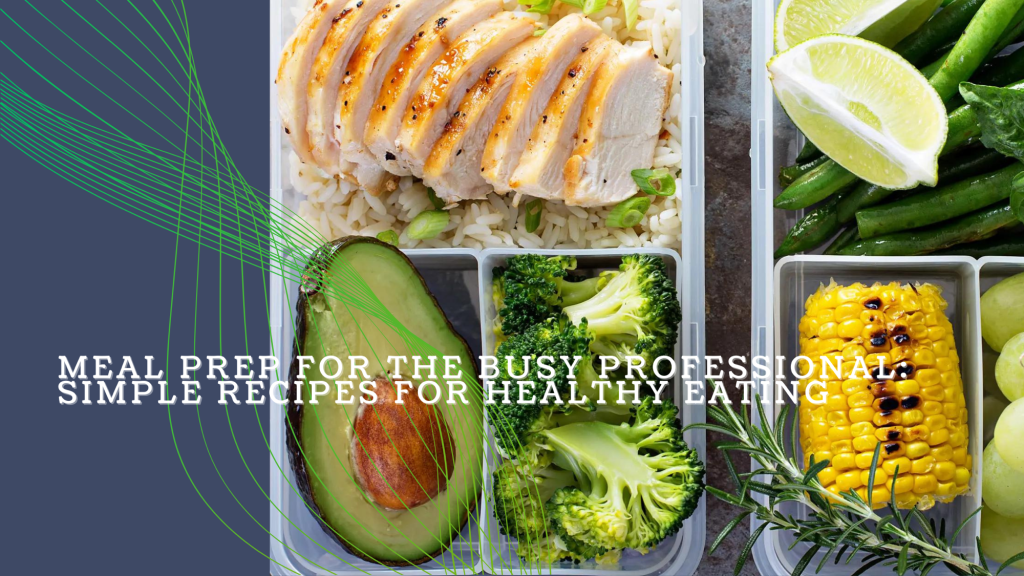
  • Meal Prep for the Busy Professional: Simple Recipes for Healthy Eating

    Meal Prep for the Busy Professional: Simple Recipes for Healthy Eating

    For busy professionals, finding time to eat healthy can feel like a challenge. But meal prepping can be your secret weapon to staying on track, ensuring that you and your family enjoy nutritious, protein-packed meals throughout the week. In this article, I’ll share simple, protein-rich, meat-centered recipes that are quick to prepare, kid-approved, and perfect for lunch or dinner. Plus, I’ll throw in a sweet treat to satisfy your cravings in a healthy way.

    1. Chicken and Veggie Stir-Fry

    Ingredients:

    • 1 kg (2 lbs) boneless, skinless chicken thighs (or breasts)
    • 1 bell pepper (sliced)
    • 1 zucchini (sliced)
    • 1 onion (sliced)
    • 2 tbsp soy sauce (or tamari for gluten-free)
    • 2 tbsp olive oil
    • 1 tsp garlic powder
    • 1 tsp paprika

    Instructions:

    1. Cut the chicken into bite-sized pieces.
    2. Heat olive oil in a pan, then cook the chicken until golden brown (around 8-10 minutes).
    3. Add the veggies, soy sauce, garlic powder, and paprika. Stir-fry for another 5 minutes until veggies are tender.
    4. Serve over rice or quinoa.

    Tip: You can prep the chicken and vegetables in advance, keeping them in separate containers in the fridge. Cook when needed!

    2. Beef Taco Bowls

    Ingredients:

    • 500 g (1 lb) ground beef
    • 1 packet taco seasoning
    • 1 can (400 g) black beans (drained and rinsed)
    • 250 g (1 cup) cooked rice (or cauliflower rice)
    • 200 g (1 cup) cherry tomatoes (halved)
    • 1 avocado (sliced)
    • Shredded cheese, salsa, and sour cream for garnish

    Instructions:

    1. Brown the ground beef in a pan, drain excess fat, then stir in taco seasoning and 60 ml (¼ cup) of water. Simmer until the water evaporates.
    2. Assemble the taco bowls by layering rice, black beans, seasoned beef, tomatoes, avocado, and your favorite toppings.
    3. Store components separately to keep everything fresh until it’s time to eat.

    Kid-friendly Twist: Let the kids build their own bowls with their favorite toppings!

    3. Sheet Pan Chicken Fajitas

    Ingredients:

    • 1 kg (2 lbs) boneless, skinless chicken breasts (sliced thin)
    • 3 bell peppers (sliced)
    • 1 onion (sliced)
    • 2 tbsp olive oil
    • 1 packet fajita seasoning (or mix your own with cumin, paprika, chili powder, and garlic)
    • Tortillas or lettuce wraps

    Instructions:

    1. Preheat your oven to 200°C (400°F).
    2. Toss the chicken, peppers, and onions in olive oil and fajita seasoning.
    3. Spread the mixture on a sheet pan and bake for 20-25 minutes, stirring halfway through.
    4. Serve in tortillas or lettuce wraps for a low-carb option.

    Prep Tip: Store the cooked chicken and veggies in containers for easy reheating throughout the week.

    4. Turkey Meatballs with Marinara

    Ingredients:

    • 500 g (1 lb) ground turkey
    • 1 egg
    • 50 g (½ cup) breadcrumbs (or almond flour for a low-carb option)
    • 2 tbsp Parmesan cheese
    • 1 tsp oregano
    • 1 jar marinara sauce

    Instructions:

    1. Preheat your oven to 190°C (375°F).
    2. In a bowl, combine turkey, egg, breadcrumbs, Parmesan, and oregano. Roll into meatballs.
    3. Place the meatballs on a baking sheet and bake for 20-25 minutes, or until cooked through.
    4. Serve with marinara sauce over whole wheat pasta or zucchini noodles.
      Meal Prep: Freeze half the batch for an easy dinner next week.
    5. Sweet Treat: Protein-Packed Ice Cream

    Ingredients:

    • 240 ml (1 cup) heavy cream
    • 1 scoop vanilla or chocolate protein powder
    • 1 tbsp cocoa powder (for chocolate flavor)
    • 1 tsp vanilla extract
    • Optional: 1 tbsp peanut butter or chocolate chips

    Instructions:

    1. Whip the heavy cream in a mixing bowl until soft peaks form.
    2. Gently fold in the protein powder, cocoa powder (if using), and vanilla extract.
    3. Freeze the mixture in a shallow dish for 2-3 hours, stirring once halfway through to break up ice crystals.
    4. Enjoy a creamy, protein-rich ice cream!

    Bonus: This ice cream is rich, satisfying, and can be made in bulk for a week of indulgence without the guilt.

    Final Thoughts:

    Meal prep doesn’t have to be complicated or time-consuming. With just a bit of planning, you can have a week’s worth of protein-packed, delicious meals that keep you energized and help you stay on track with your health goals — even with a busy schedule!