Tag: capsulewardrobe

  • How to Dress Well on a Budget: Build a Timeless Wardrobe Without Breaking the Bank

    How to Dress Well on a Budget: Build a Timeless Wardrobe Without Breaking the Bank

    In the corporate world, where first impressions and professionalism are paramount, dressing well plays a significant role in how you’re perceived. However, as a busy business professional and family man, the challenge often lies in finding a balance between dressing appropriately for the office or client meetings and maintaining a budget that works for your family’s needs.

    The good news is that you don’t need to spend a fortune to look sharp and put-together. With a thoughtful approach, you can create a versatile, timeless wardrobe that will make you feel confident and polished in any business or customer-facing situation—all without breaking the bank.

    Let’s explore how you can build a capsule wardrobe suited for management roles, focusing on classic staples like suits, blazers, and sportcoats to help you master business style on a budget.


    Style on a Budget – It’s About Strategy, Not Spending

    The idea that you need to invest in expensive designer clothing to look professional is a common misconception. Dressing well is less about the brand names and more about the quality, fit, and versatility of your clothes.

    A minimalist approach to your wardrobe, where every item serves multiple purposes, can help you look sharp every day while maintaining simplicity and ease. For business professionals and those in customer-facing roles, this strategy is key to building a professional image that stands the test of time.


    Step 1: Assess Your Current Wardrobe

    Before making any purchases, take stock of your existing wardrobe. Pull out your current suits, shirts, and blazers, and assess their condition, fit, and style. Keep the pieces that still work for you, particularly those in neutral tones and classic cuts that can easily be updated with a little tailoring.

    Identify any gaps—whether you’re missing a versatile blazer, need to replace a worn-out suit, or lack some essential dress shirts. Understanding what you need will help you make targeted, budget-friendly purchases that complement your current wardrobe.


    Step 2: Prioritize Versatile, Timeless Pieces

    When it comes to dressing professionally, especially in management or customer-facing roles, your key investments should be in well-fitted suits and blazers. These are the cornerstone of a polished, professional wardrobe and can provide endless versatility when chosen wisely.

    The Power of Suits (and Suit Separates)

    For business professionals, a well-fitted suit is essential. However, to maximize both your budget and wardrobe flexibility, suit separates are an excellent strategy. Here’s how to approach it:

    • Navy and Charcoal Suits: These are your foundation. Navy and charcoal suits are timeless, versatile, and appropriate for nearly any business setting, from high-stakes board meetings to client presentations. Both colors offer a neutral base that pairs well with a wide range of shirts, ties, and accessories.
    • Suit Separates for Versatility: Invest in suit separates to stretch your wardrobe further. For example, a navy blazer can be worn with matching trousers for a full suit, or paired with grey or beige chinos for a more business-casual look. Similarly, charcoal suit trousers can be worn with a tailored dress shirt or a casual blazer to create a variety of looks without buying multiple full suits. This allows you to mix and match, providing numerous outfit options from just a few items.
    • Two-Piece vs. Three-Piece: While two-piece suits (jacket and trousers) are the standard in most business settings, a three-piece suit (with a waistcoat) can add a layer of sophistication and versatility. By simply removing the jacket and rolling up the sleeves, a three-piece suit can transition seamlessly from formal to business-casual environments.
    • Fabric Choices Matter: Stick to mid-weight fabrics such as wool, wool blends, or even cotton if you’re in a warmer climate. These fabrics hold their shape well, are durable, and can be worn throughout most of the year.
    Blazers and Sportcoats – The Versatile Workhorses

    Blazers and sportcoats are essential pieces in any professional’s wardrobe, especially in management or customer-facing roles where you need to strike the balance between formal and approachable. Unlike a full suit, blazers and sportcoats can be dressed up or down, providing flexibility for different workplace settings.

    • The Classic Navy Blazer: Every professional wardrobe needs a navy blazer. This piece is incredibly versatile—pair it with grey trousers and a crisp white shirt for a meeting, or wear it with chinos and an open-collared shirt for a more relaxed office day or client lunch. The navy blazer is the ultimate blend of smart and casual, making it ideal for those in corporate leadership roles.
    • Charcoal or Grey Sportcoat: A charcoal or grey sportcoat provides another layer of versatility. It can be worn with jeans for a smart-casual look, or with tailored trousers for a more formal appearance. These neutral tones work well with a wide variety of shirt and tie combinations, giving you multiple styling options without adding complexity.
    • Sportcoat vs. Blazer: While similar, the difference between a sportcoat and a blazer lies in their formality and structure. A sportcoat is slightly more relaxed, often made from textured fabrics like tweed or herringbone, making it perfect for less formal business settings or colder months. On the other hand, blazers are typically more structured, making them a better choice for corporate environments where a more polished look is required.
    Making Your Suits and Blazers Work Harder

    By carefully choosing your suits, blazers, and sportcoats, you can maximize your wardrobe’s versatility without buying dozens of pieces. Here are some tips to make these items work harder:

    • Rotate Your Trousers: Instead of always wearing the matching suit trousers, pair your blazer or sportcoat with different colored trousers or chinos. This adds variety to your outfits without requiring additional investment.
    • Switch Up Shirts and Ties: The same suit can look completely different when paired with a different shirt and tie combination. A classic white or light blue shirt is timeless, but adding a subtle patterned shirt or textured tie can refresh your look without buying new suits.
    • Go Business-Casual: On days when full formal wear isn’t necessary, wear a sportcoat with dark jeans or chinos, and pair it with a dress shirt or a smart polo. This mix of casual and formal is perfect for many modern workplaces and keeps your style sharp yet approachable.

    Step 3: Shop Smart – Finding Deals on Quality Clothing

    Now that you have a clear sense of the wardrobe essentials, the next step is shopping smart. Look for end-of-season sales, outlet stores, or even second-hand options to score high-quality pieces at a fraction of the price. Here are a few tips:

    • Outlet Stores and Sales: Many reputable brands offer discounts on last season’s collections. A navy blazer from a previous season will be just as timeless as a new one.
    • Thrift and Second-Hand: You can often find gently used, high-quality suits and blazers in thrift stores or online marketplaces. Tailoring an off-the-rack piece can bring it back to life and give you a custom fit without the high price tag.
    • Off-Season Shopping: Purchase winter coats, suits, and blazers during summer sales, and vice versa. Retailers often heavily discount items when they’re out of season, allowing you to snag quality pieces at a lower price.

    Step 4: Focus on Fit and Tailoring

    Whether you’ve purchased a brand-new suit or found a great deal on a second-hand blazer, the fit is crucial. A suit or blazer that fits you perfectly can make you look polished and professional, regardless of its price tag.

    Invest in alterations to ensure your jackets and trousers are tailored to your body. Even minor adjustments, such as tapering the sleeves or hemming the trousers, can elevate the look of an affordable item. In the corporate world, a well-fitting suit signals attention to detail and professionalism.


    Step 5: Choose Accessories Wisely

    Accessories play a key role in refining your corporate look. Invest in a few high-quality essentials, such as:

    • Leather Belts (one in black, one in brown)
    • Classic Ties (in neutral or subtle patterns)
    • A Simple, Elegant Watch

    These accessories should complement, not overwhelm, your outfits, adding a layer of sophistication to your look without requiring frequent updates or replacements.


    Step 6: Care for Your Clothing to Maximize Longevity

    Proper care will help you extend the life of your wardrobe. Dry clean suits and blazers sparingly, as over-cleaning can damage the fabric. Hang jackets on proper hangers to maintain their shape, and regularly steam or press them to keep them crisp and wrinkle-free. Shoes should be polished regularly, and invest in shoe trees to maintain their form.


    Timeless Style Without Breaking the Bank

    Dressing well for your corporate or customer-facing role doesn’t need to drain your finances or fill your closet with unnecessary items. By focusing on the timeless classics—suits, suit separates, blazers, and sportcoats—you’re setting yourself up for success. These key pieces allow you to navigate the professional landscape with confidence and style, without the stress of constantly chasing trends or worrying about a wardrobe overhaul each season.

    Your goal should be versatility. A navy blazer paired with a grey trouser can look sharp and professional in the office, while the same blazer thrown over chinos can create a more relaxed look for business-casual settings. A charcoal suit can carry you through formal board meetings or be reworked with a smart shirt for a more approachable vibe during client lunches. With a carefully selected capsule wardrobe, you can do more with less.

    Remember, dressing well is about strategy, not splurging. Thoughtful purchases, a focus on fit, and strategic versatility can help you stay sharp, professional, and confident in any business environment. Embrace the minimalist approach—by keeping your wardrobe simple yet refined, you’ll not only save money but also avoid the decision fatigue that comes with an overflowing closet. Ultimately, the right wardrobe should make life easier, allowing you to focus on what truly matters: your work, your family, and your success.

  • The Minimalist Approach: 3 Essential Shoes for Maximum Versatility

    The Minimalist Approach: 3 Essential Shoes for Maximum Versatility

    In a world where trends shift quickly, adopting a minimalist approach to your wardrobe can be a game changer. Instead of overwhelming your closet with countless pairs of shoes, focusing on just three key styles will give you the flexibility to cover every occasion—without the clutter.

    If you want a curated selection of shoes that deliver both style and practicality, here are the only three you need: dark brown suede chukka boots, cognac tassel loafers, and classic black Oxfords.


    1. Dark Brown Suede Chukka Boots – The Casual Hero

    Chukka boots combine casual elegance with timeless versatility, making them an ideal choice for both relaxed and semi-casual occasions. The soft suede offers a luxurious texture, while their earthy brown shade ensures they effortlessly complement a wide range of outfits. Originally popularized as a comfortable yet stylish option for polo players, chukka boots have since evolved into a wardrobe staple, known for their understated sophistication and suitability for everyday wear.

    Key Features:

    • Suede upper for a casual, luxurious look
    • Lightweight construction with a comfortable crepe sole
    • Ankle-high design, offering more coverage than a typical casual shoe

    Best Occasions:
    Chukka boots shine in casual and smart-casual settings. They’re perfect for weekends, outdoor gatherings, or even a casual office environment. Pair them with jeans, chinos, or even wool trousers for a relaxed but stylish look.

    Classic Outfit Example:

    • Dark denim jeans
    • Navy or olive green sweater or casual button-down shirt
    • Dark brown suede chukka boots

    This combination works brilliantly for informal events and adds a touch of laid-back elegance to your day-to-day attire. Chukka boots offer comfort and style, allowing you to be effortlessly cool without being overdressed.


    2. Cognac Tassel Loafers – The Stylish All-Rounder

    The cognac tassel loafer is the perfect shoe for a minimalist wardrobe. Its versatile color complements both light and dark outfits, while the tassel detail adds flair. Loafers are ideal when you want to dress up without feeling overly formal, making them a versatile staple.

    Key Features:

    • Slip-on design for ease and comfort
    • Tassel detail for added visual interest
    • Leather upper in a warm, cognac brown

    Best Occasions:
    Tassel loafers work beautifully in smart-casual and semi-formal settings. Whether you’re going to a business-casual office, a dinner event, or a summer wedding, these loafers transition effortlessly across seasons and occasions.

    Classic Outfit Example:

    • Slim-fit navy or grey chinos
    • White or pale blue button-down shirt
    • Lightweight navy blazer
    • Cognac tassel loafers

    Cognac loafers add just the right amount of elegance to your outfit without the formality of Oxfords, making them the ideal shoe for versatile, effortless dressing.


    3. Black Oxfords – The Formal Classic

    No minimalist wardrobe is complete without a pair of black leather Oxfords. As the most formal shoe in your arsenal, they are a must-have for occasions when you need to be at your sharpest. Oxfords are timeless, sleek, and the perfect complement to suits and tuxedos.

    Key Features:

    • Closed-lacing system for a sleek, polished look
    • Black leather upper for maximum formality
    • Thin sole, reinforcing the streamlined silhouette

    Best Occasions:
    Black Oxfords are indispensable for weddings, black-tie events, job interviews, and formal business meetings. Whenever you need to make a sharp, professional impression, this is the shoe you’ll turn to.

    Classic Outfit Example:

    • Charcoal grey or navy suit
    • White dress shirt
    • Silk tie in a solid color or subtle pattern
    • Black leather Oxfords

    This classic combination ensures you’ll always be dressed appropriately for formal occasions, projecting confidence and sophistication with minimal effort.


    Why These Three?

    By focusing on these three pairs of shoes, you’ll cover the full spectrum of events in a man’s life, from casual weekends to formal affairs. Here’s why they work so well together:

    • Versatility: The chukka boots, loafers, and Oxfords can be mixed and matched with a wide range of outfits and occasions, reducing the need for multiple pairs.
    • Timelessness: Each of these styles has a timeless design that transcends seasonal trends, ensuring they’ll remain in fashion for years to come.
    • Ease of Maintenance: Limiting your footwear to just three key styles means it’s easier to maintain them, keeping them polished and ready to go for any occasion.

    Conclusion: The Minimalist Approach to Footwear

    For the man who values both style and simplicity, a minimalist shoe collection featuring dark brown suede chukka boots, cognac tassel loafers, and black leather Oxfords offers the perfect solution. This curated selection covers everything from casual to formal events, ensuring you’re always dressed for the occasion without the clutter of a sprawling wardrobe.

    Adopting this minimalist approach to footwear allows you to make the hard task of dressing stylishly look completely effortless—one pair at a time.


    Call-to-Action:
    Ready to embrace a minimalist approach to your wardrobe? Start by investing in these three versatile shoes and notice how effortlessly your style comes together. Follow my blog for more tips on living stylishly with less.

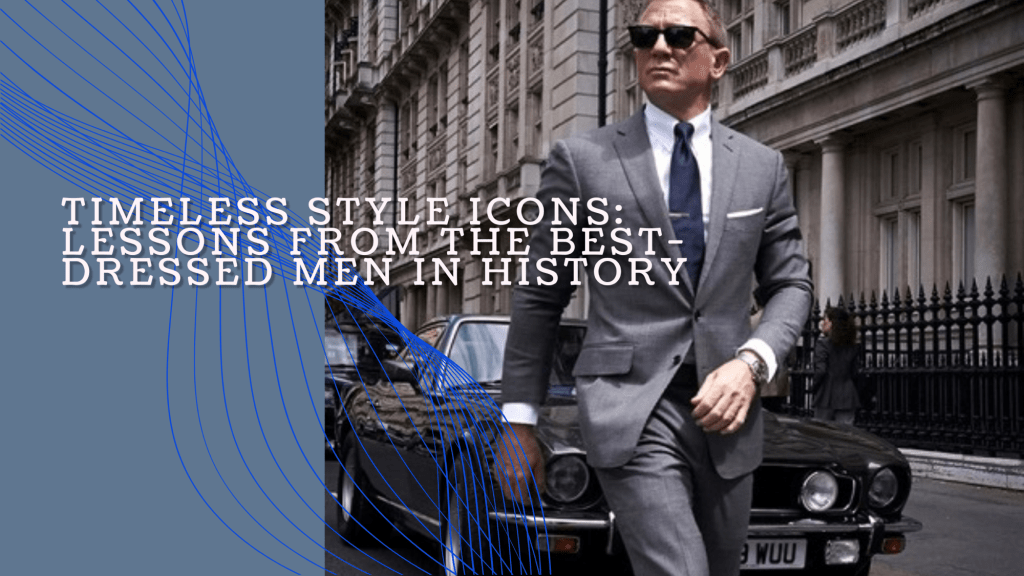
  • Timeless Style Icons: Lessons from the Best-Dressed Men in History

    Timeless Style Icons: Lessons from the Best-Dressed Men in History

    When it comes to men’s fashion, certain figures stand out for their impeccable taste and enduring style. These men have transcended trends, becoming symbols of classic elegance that remains relevant today. In this article, we’ll explore ten style icons whose sartorial choices have left an indelible mark on the world of fashion. By examining their unique approaches to style, you can learn valuable lessons to help curate a minimalist, timeless capsule wardrobe.

    1. Cary Grant: The Epitome of Elegance

    Cary Grant is often hailed as the quintessential gentleman of Hollywood’s Golden Age. Known for his sharp suits, crisp white shirts, and perfectly knotted ties, Grant mastered the art of understated elegance. His style was about fit and simplicity, often favoring neutral colors like navy, grey, and black.

    Style Lesson: Invest in well-tailored suits and timeless accessories like pocket squares and classic leather shoes. Prioritize quality over quantity and choose pieces that can transition effortlessly from day to night.

    2. Steve McQueen: The King of Cool

    Steve McQueen’s style was a seamless blend of rugged masculinity and effortless cool. Whether in a simple white t-shirt and jeans or a tailored three-piece suit, McQueen exuded confidence. His love for practical, functional clothing—like his iconic Barbour jacket or Persol sunglasses—has influenced casual menswear for decades.

    Style Lesson: Embrace the essentials. A well-fitted pair of jeans, a quality leather jacket, and a versatile pair of sunglasses can elevate your casual wardrobe. Opt for pieces that are both stylish and functional.

    3. Alain Delon: The French Heartthrob

    Alain Delon, with his striking looks and effortless style, became a symbol of French chic in the 1960s. Known for his slim-cut suits, turtlenecks, and trench coats, Delon’s style was all about sleek, refined silhouettes. His outfits were minimalistic but carried a strong impact due to their perfect fit and subtle details.

    Style Lesson: Focus on slim, tailored cuts and neutral tones. A well-fitted trench coat or a sleek turtleneck can add a touch of sophistication to your wardrobe. Remember, less is often more.

    4. David Beckham: Modern Style Icon

    David Beckham has evolved from a football superstar into a global fashion icon. His style is a mix of classic British tailoring and modern trends, often seen in sharp suits, fitted shirts, and perfectly groomed hairstyles. Beckham’s ability to effortlessly transition between formal and casual wear makes him a versatile style icon.

    Style Lesson: Mix modern with classic. Don’t be afraid to blend contemporary pieces with traditional menswear staples. Pay attention to grooming, as it’s a crucial part of Beckham’s polished look.

    5. James Dean: The Rebel with a Cause

    James Dean became an icon of youthful rebellion in the 1950s, with his signature style defined by leather jackets, white t-shirts, and denim. His look was casual but carried an edge, representing a break from the more formal styles of previous generations.

    Style Lesson: Embrace casual classics like the white t-shirt and leather jacket. These pieces are timeless and can be dressed up or down depending on the occasion. Don’t be afraid to inject a bit of personality into your look.

    6. 6. Daniel Craig: The Modern Bond

    Daniel Craig redefined James Bond with a grittier, more realistic portrayal, and his wardrobe followed suit. Known for his tailored suits, Craig’s style as Bond is sleek, modern, and slightly rugged. Off-screen, his personal style echoes this blend of sophistication and edge, with a fondness for well-fitted leather jackets, sharp suits, and simple, classic pieces.

    Style Lesson: Tailoring is everything. Whether it’s a tuxedo or a casual outfit, make sure your clothes fit impeccably. Incorporate classic, versatile pieces like a navy suit, leather jacket, and white dress shirt into your wardrobe for a look that is both timeless and contemporary.

    7. Gianni Agnelli: The Italian Industrialist

    Gianni Agnelli, the head of Fiat, was a master of sprezzatura—the art of looking effortlessly stylish. Known for his unique twists on classic menswear, such as wearing his watch over his shirt cuff or leaving his tie slightly askew, Agnelli’s style was all about personal flair within a classic framework.

    Style Lesson: Add a personal touch to your classic pieces. Whether it’s the way you wear your watch or how you tie your scarf, small quirks can make your style uniquely yours while maintaining a timeless foundation.

    8. Fred Astaire: The Dance of Elegance

    Fred Astaire was not only a legendary dancer but also a sartorial powerhouse. His style was a blend of old-school elegance and comfort, often seen in his tailored suits, top hats, and two-tone shoes. Even in casual wear, Astaire exuded an air of refinement, making him an enduring style icon.

    Style Lesson: Embrace classic elegance. A well-tailored suit, attention to detail, and the right accessories (like a pocket square or a quality hat) can elevate any look. Confidence in your clothing is key to pulling off any style.

    9. Tom Ford: The Modern Maestro

    Tom Ford, known for revitalizing the Gucci brand, is a modern icon of tailored elegance. His personal style is characterized by sharp suits, crisp white shirts, and a preference for monochromatic looks. Ford’s attention to detail and commitment to fit make his style timeless yet distinctly modern.

    Style Lesson: Precision in tailoring is everything. Whether it’s a suit or a simple shirt, make sure your clothes fit perfectly. A minimalist color palette can help create a cohesive, sophisticated look.

    10. Ralph Lauren: The American Classic

    Ralph Lauren has built an empire on the idea of the American dream, with his personal style reflecting a mix of preppy and rugged aesthetics. From polo shirts to tweed jackets, Lauren’s look is a celebration of classic American style with a touch of luxury.

    Style Lesson: Embrace the classics with a twist. Incorporate preppy elements like polo shirts, blazers, and knitwear into your wardrobe, but don’t be afraid to mix them with more rugged pieces like denim or leather for a balanced look.

    Building Your Timeless Wardrobe

    By taking inspiration from these style icons, you can build a wardrobe that is not only timeless but also versatile. Focus on key pieces that are well-made, fit perfectly, and can be mixed and matched to suit any occasion. Remember, style is not just about what you wear but how you wear it—confidence and attention to detail are essential. Embrace the lessons from these icons, and your style will never go out of fashion.

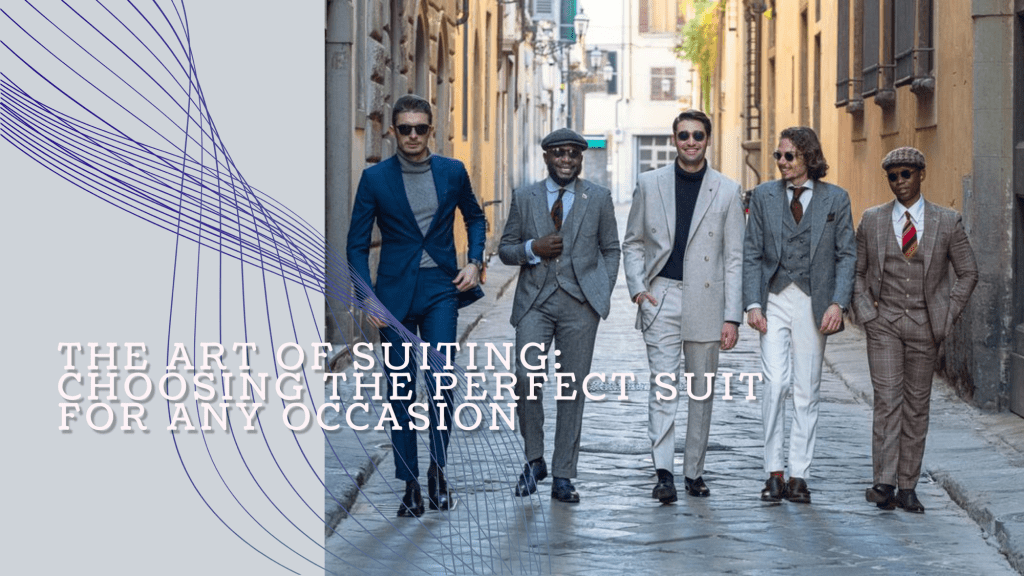
  • The Art of Suiting: Choosing the Perfect Suit for Any Occasion

    The Art of Suiting: Choosing the Perfect Suit for Any Occasion

    When it comes to suiting, the choices you make go far beyond simply picking a jacket and trousers. Your suit speaks volumes about your personality, attention to detail, and understanding of style. The right suit can transform your appearance, boosting your confidence and making a lasting impression, whether you’re in a business meeting, attending a wedding, or enjoying a casual gathering. But how do you choose the perfect suit for every occasion? Let’s dive into some basic rules and guidelines that will help you navigate the world of suiting with ease and sophistication.

    Basic Rules & Guidelines for Picking the Right Suit

    Understand the Occasion: The first step in choosing the right suit is understanding the event you’re dressing for. Is it a formal black-tie event, a business meeting, or a casual outing? The level of formality dictates not only the suit type but also the fabric, color, and accessories.

    Choose the Right Fit: No matter how expensive or stylish a suit is, it won’t look good if it doesn’t fit properly. Ensure that the shoulders of the jacket align with your own, the trousers break just above your shoes, and the suit contours your body without being too tight or too loose. A well-fitted suit enhances your physique and gives you a polished appearance.

    Opt for Timeless Colors: For most occasions, you can’t go wrong with classic colors like navy, charcoal, and black. These colors are versatile and suitable for almost any event. For less formal occasions, you can experiment with lighter shades like grey or beige.

    Pay Attention to Fabric: The fabric of your suit should align with the season and the occasion. Wool is a great all-rounder, offering durability and comfort. For summer events, consider lightweight fabrics like linen or cotton. Velvet and tweed can add texture and warmth for winter occasions.

    Consider the Details: The little things matter. Lapels, buttons, pockets, and the type of stitching can all affect the suit’s overall look. Peak lapels, for instance, are more formal, while notched lapels are versatile and classic. Pay attention to these details to ensure your suit fits the occasion.

    Accessorize Thoughtfully: Accessories can elevate your suit to another level. Ties, pocket squares, cufflinks, and watches should complement your suit without overpowering it. For formal events, keep accessories sleek and understated. For more casual settings, you can introduce a bit of flair with bolder patterns or colors.

    Shoes Matter: The right pair of shoes can make or break your outfit. For formal occasions, polished oxfords or derbies in black or brown are ideal. Loafers can be a good choice for business casual or smart casual events. Ensure your shoes are well-maintained, as scuffed or worn shoes can detract from even the best suit.

    Weaving in the Occasions

    Now that we have a solid understanding of the basic rules, let’s explore how to apply them across different occasions through storytelling and practical advice.

    Formal Occasions: The Classic Black-Tie Event

    Imagine you’ve just received an invitation to a black-tie gala. The dress code is strict, and first impressions are crucial. This is the time to reach for a tuxedo, preferably in classic black or midnight blue. Your jacket should feature satin or grosgrain lapels, paired with matching trousers that have a satin stripe down the side. A crisp white dress shirt with a pleated front, a black bow tie, and polished patent leather shoes complete the look. This ensemble exudes sophistication and commands attention, ensuring you’ll fit in perfectly with the evening’s elegant atmosphere.

    Semi-Formal Occasions: The Daytime Wedding

    Daytime weddings offer a bit more flexibility, but they still require a level of formality. A three-piece suit in a light grey or pastel blue is an excellent choice for a summer wedding. The waistcoat adds a layer of formality while still being appropriate for a daytime event. Pair this with a white or light blue shirt, a tie that complements the suit, and brown leather shoes. This outfit strikes the perfect balance between formal and approachable, allowing you to celebrate the occasion with style and grace.

    Business Formal: The Important Client Meeting

    In the corporate world, your appearance can be a silent signal of your professionalism. For an important client meeting, a dark grey or navy two-piece suit is your go-to. These colors project authority and reliability. Pair the suit with a crisp white or light blue shirt and a conservative tie—perhaps in a solid color or subtle pattern. Black oxford shoes should be polished to perfection. As you walk into the room, your attire communicates that you are serious, competent, and ready to deliver results.

    Business Casual: The Office Wear

    On days when the dress code is relaxed but you still want to maintain a professional appearance, an unstructured blazer paired with chinos strikes the right chord. Opt for a navy or light grey blazer with khaki or olive chinos. Skip the tie and choose a casual button-down shirt instead. Loafers or brogues in brown leather keep the look polished but comfortable. This ensemble is perfect for a day at the office when you need to balance professionalism with comfort.

    Casual Occasions: The Weekend Garden Party

    Casual social gatherings, such as a garden party, allow for more relaxed attire. A linen suit in beige or soft blue keeps you cool and stylish in the summer heat. Pair it with a light shirt—consider a pastel or subtle print—and loafers or espadrilles. This outfit is laid-back yet refined, perfect for mingling outdoors while looking effortlessly stylish.

    Bringing It All Together: The Continuous Journey

    Building a wardrobe that covers all these occasions is not a task to be completed overnight. It’s a journey, one that evolves as your personal style and lifestyle change. Start with the basics: a well-fitted dark suit for formal and business occasions, and a versatile blazer for semi-formal and casual events. Over time, add pieces that reflect your personality and cater to specific needs, such as a tuxedo for black-tie events or a linen suit for summer weddings.

    Remember, suiting is not just about looking good—it’s about feeling good too. When you dress well, you carry yourself differently, with more confidence and poise. Each suit you add to your wardrobe should be a reflection of your commitment to presenting the best version of yourself, whether you’re closing a business deal, celebrating a milestone, or simply enjoying a casual outing.

    Conclusion: The Art of Suiting

    The art of suiting lies in the details—the fabric, the fit, the color, and the accessories. By understanding the principles of suiting and applying them to various occasions, you can build a wardrobe that is both functional and stylish. Your suit is more than just clothing; it’s an extension of your identity, a statement of your values, and a key to unlocking opportunities. So, whether you’re donning a tuxedo for a black-tie event or a blazer for a casual outing, wear it with confidence, knowing that you’re dressed for success.

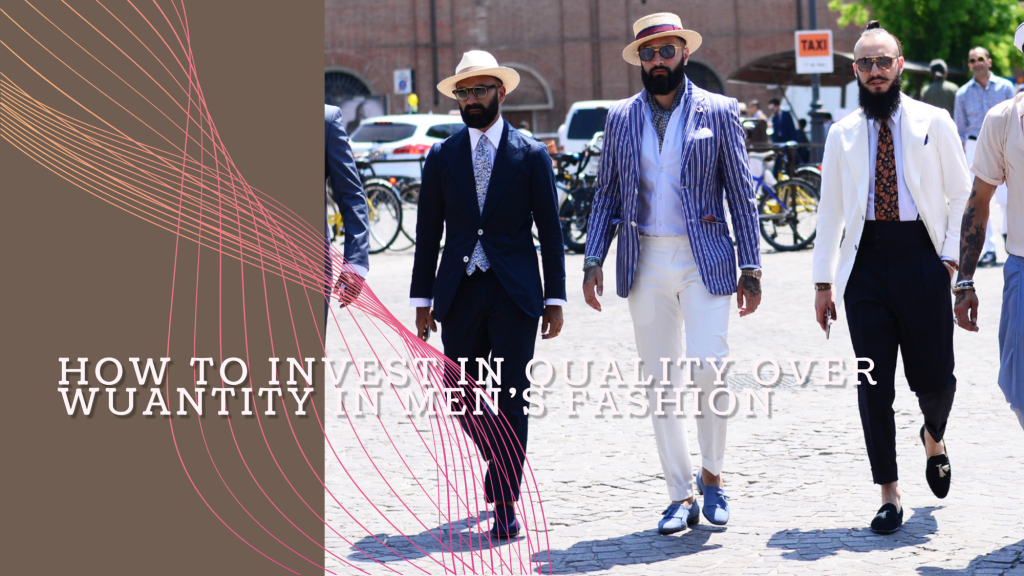
  • How to Invest in Quality over Quantity in Men’s Fashion

    How to Invest in Quality over Quantity in Men’s Fashion

    In today’s fast-paced world, the allure of constantly updating one’s wardrobe with the latest trends is stronger than ever. However, savvy dressers are increasingly recognizing the value of investing in quality pieces that stand the test of time. Prioritizing quality over quantity not only elevates your style but also contributes to a more sustainable and ethical fashion industry. This article delves into the concept of fast fashion, its disadvantages, the misconceptions surrounding well-known brand names, and the benefits of building a minimal, classical, and versatile capsule wardrobe with high-quality pieces from brands like Suitsupply and Pini Parma.

    Understanding Fast Fashion

    Fast fashion refers to a business model that mass-produces inexpensive clothing rapidly to keep up with the latest trends. Brands employing this model prioritize speed and low costs over quality and sustainability, enabling consumers to purchase trendy items at affordable prices.

    Characteristics of Fast Fashion
    • Rapid Production: New designs move quickly from the runway to stores, often within weeks.
    • Low Prices: Affordable pricing makes trendy clothing accessible to a wide audience.
    • Disposable Culture: Emphasis on short-term use, leading consumers to frequently update their wardrobes.
    • Trend-Driven: Focus on current trends rather than timeless styles.
    The Disadvantages of Fast Fashion
    The Disadvantages of Fast Fashion

    While fast fashion offers affordability and trendiness, it comes with significant drawbacks that affect not only consumers but also the environment and society at large.

    Environmental Impact
    • Resource Depletion: Massive water and energy consumption during production.
    • Pollution: Use of harmful chemicals and dyes contaminates water sources.
    • Waste Generation: High turnover rates lead to large amounts of textile waste in landfills.
    • Carbon Emissions: Transportation and production processes contribute significantly to greenhouse gas emissions.
    Ethical Concerns
    • Labor Exploitation: Poor working conditions and low wages in factories, often in developing countries.
    • Child Labor: Instances of underage workers being employed to cut costs.
    • Lack of Transparency: Difficulty in tracing supply chains and ensuring ethical practices.
    Quality Issues
    • Poor Durability: Low-quality materials and construction lead to garments that wear out quickly.
    • Fit and Comfort: Mass production often sacrifices proper fit and comfort.
    • Cost Inefficiency: Frequent replacements result in higher long-term costs compared to investing in quality pieces.
    The Misconception of Well-Known Brand Names

    It’s a common belief that renowned brands automatically guarantee superior quality. However, this is not always the case, as brand reputation doesn’t necessarily reflect the craftsmanship, materials, or ethical standards behind the products.

    Factors Affecting Quality
    • Manufacturing Location: Outsourcing production to countries with lax regulations can compromise quality and ethics.
    • Cost-Cutting Measures: Even luxury brands may use cheaper materials or processes to maximize profits.
    • Marketing Over Substance: Heavy investment in branding and advertising can overshadow product quality.
    • Inconsistent Standards: Variations in production batches and suppliers can lead to inconsistent quality.
    Being a Conscious Consumer
    • Research: Look into the brand’s production practices, material sourcing, and ethical standards.
    • Material Knowledge: Understand different fabrics and constructions to assess quality.
    • Reviews and Recommendations: Seek out customer feedback and expert opinions.
    • Price vs. Value: Evaluate whether the cost reflects genuine quality and durability.
    Exploring High-Quality Alternatives: Suitsupply and Pini Parma

    For those looking to invest in quality menswear, brands like Suitsupply and Pini Parma offer excellent options that combine superior craftsmanship, quality materials, and timeless style.

    Suitsupply
    • Quality Craftsmanship: Offers high-quality suits made with attention to detail and fine tailoring.
    • Premium Materials: Utilizes fabrics from renowned Italian mills, ensuring comfort and durability.
    • Affordability: Provides luxury-level quality at relatively accessible price points.
    • Versatile Styles: Features a range of classic and modern designs suitable for various occasions.
    • Transparency: Maintains transparent production practices and ethical standards.
    Pini Parma
    • Artisanal Excellence: Specializes in handcrafted garments with a focus on traditional Italian tailoring.
    • Exclusive Fabrics: Sources high-end materials that offer exceptional feel and longevity.
    • Timeless Elegance: Emphasizes classic styles that remain fashionable across seasons.
    • Customization: Offers made-to-measure services for perfect fit and personalization.
    • Sustainability: Commits to responsible production methods and sustainable practices.
    Building a Minimal, Classical, and Versatile Capsule Wardrobe

    A capsule wardrobe consists of a curated selection of essential, timeless pieces that can be mixed and matched to create various outfits. Investing in quality items for your capsule wardrobe ensures longevity, style, and versatility.

    Benefits of a Capsule Wardrobe
    • Simplifies Dressing: Reduces decision fatigue by having a cohesive selection of outfits.
    • Saves Money: Long-lasting pieces eliminate the need for frequent replacements.
    • Reduces Clutter: Minimizes wardrobe size, promoting organization and efficiency.
    • Enhances Personal Style: Focuses on pieces that reflect individual taste and suit various occasions.
    • Supports Sustainability: Decreases consumption and waste, contributing to environmental conservation.
    Essential Pieces to Include
    1. Classic Suit: A well-fitted suit in navy or charcoal grey for formal occasions.
    2. Tailored Blazer: Versatile for both formal and casual settings.
    3. Quality Dress Shirts: Neutral colors like white and light blue for maximum versatility.
    4. Dark Denim Jeans: Durable and adaptable for different looks.
    5. Chinos: Comfortable and stylish alternative to jeans.
    6. Cashmere Sweater: Adds sophistication and warmth.
    7. Leather Shoes: Oxfords or loafers in black or brown for various outfits.
    8. Outerwear: A classic trench coat or overcoat for style and functionality.
    9. Accessories: Quality belts, ties, and watches to complete ensembles.
    Tips for Building Your Capsule Wardrobe
    • Prioritize Fit: Ensure all pieces are tailored to your body for the best appearance.
    • Choose Neutral Colors: Allows for easy mixing and matching.
    • Focus on Quality Materials: Invest in fabrics that feel good and last long.
    • Consider Lifestyle Needs: Select items that suit your daily activities and professional requirements.
    • Update Mindfully: Introduce new pieces selectively to enhance and refresh your wardrobe.
    Conclusion

    Investing in quality over quantity in men’s fashion is a prudent choice that pays dividends in style, comfort, and sustainability. By understanding the pitfalls of fast fashion and the misconceptions surrounding brand names, you can make informed decisions that reflect your values and personal style. Brands like Suitsupply and Pini Parma offer excellent options for high-quality, timeless pieces that form the backbone of a versatile capsule wardrobe. Embracing this approach not only elevates your fashion game but also contributes positively to ethical and environmental standards in the industry. Make the smart choice today and build a wardrobe that stands the test of time.