
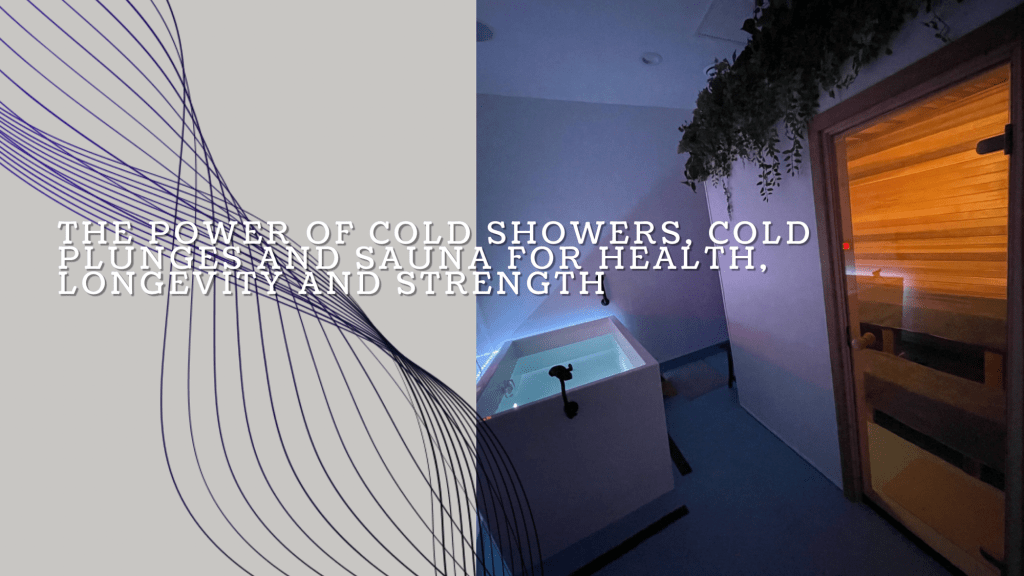
In the pursuit of a healthier, longer life, many focus on diet, exercise, and sleep. However, two often-overlooked practices—cold exposure and sauna use—can be powerful allies in this journey. These methods, rooted in ancient traditions and supported by modern science, offer significant benefits for physical strength, mental clarity, and overall well-being. This essay will explore the science behind cold exposure and sauna use, their integration into a busy life, and their synergistic effects when combined with strength training and a nutrient-rich diet.
Cold Showers and Cold Plunges: A Refreshing Path to Health and Longevity
Scientific Concepts and Health Benefits
Cold exposure, through showers or plunges, triggers several beneficial physiological responses. When exposed to cold, the body activates the sympathetic nervous system, releasing norepinephrine, which boosts mood, energy, and focus. Cold exposure also promotes the production of brown adipose tissue (BAT), which helps burn calories and regulate body temperature. This process can support weight management and enhance metabolic health.
Furthermore, regular cold exposure strengthens the immune system by increasing the production of cytokines—proteins involved in inflammation and immunity. Studies have shown that cold showers can reduce the incidence of common illnesses and improve resilience against stress. Additionally, cold exposure has cardiovascular benefits, including enhanced circulation and reduced blood pressure.
Optimal Practices and Integration into a Busy Life
For a busy middle-aged professional, integrating cold exposure can be straightforward. Start by incorporating cold showers at the end of a warm shower. Begin with 30 seconds of cold water and gradually increase to 2-3 minutes as your tolerance builds. For those with access to a cold plunge, aim for 2-5 minutes at a temperature between 50-59°F (10-15°C).
Incorporating this into a hectic schedule can be as simple as starting your day with a cold shower or taking a plunge after a workout. These brief sessions provide an invigorating boost, helping you stay energized and focused throughout the day. Aim for at least three sessions per week to maximize the benefits.
Sauna: Harnessing Heat for Strength and Longevity
Scientific Concepts and Health Benefits
Sauna use offers a range of benefits that complement those of cold exposure. Regular sauna sessions induce hyperthermia, which has been shown to improve cardiovascular health, enhance detoxification, and reduce inflammation. The heat stress from saunas stimulates the production of heat shock proteins (HSPs), which help repair damaged proteins and protect against oxidative stress.
Sauna use also significantly impacts mental health. The deep relaxation induced by heat can reduce stress, anxiety, and promote better sleep. Furthermore, research has linked regular sauna use to a reduced risk of cardiovascular disease, neurodegenerative diseases like Alzheimer’s, and overall mortality, suggesting it can contribute to a longer, healthier life.
Optimal Practices and Integration into a Busy Life
For those with limited time, sauna sessions can be an impactful addition to the weekly routine. Aim for 15-30 minutes per session at a temperature of 150-175°F (65-80°C), with 2-4 sessions per week being ideal. Listen to your body, starting with shorter sessions and gradually increasing the duration and frequency as you acclimate.
To integrate sauna use into a busy schedule, consider evening sessions to unwind after a long day. If your gym offers a sauna, it’s convenient to combine a workout with a sauna session, maximizing your time and enhancing the benefits of both activities.
Synergistic Effects with Strength Training and a Balanced Diet
Enhanced Recovery and Performance
When combined with a strength training regimen, cold exposure and sauna use can significantly enhance recovery and performance. After intense workouts, cold exposure can reduce muscle soreness, decrease inflammation, and promote faster recovery by constricting blood vessels and flushing out metabolic waste. This allows you to train more consistently and with greater intensity over time.
On the other hand, sauna use promotes muscle relaxation and increases blood flow, delivering oxygen and nutrients essential for muscle repair. This not only aids in recovery but also in building lean muscle mass. Additionally, the relaxation and detoxification effects of the sauna can reduce cortisol levels, mitigating the negative impact of chronic stress on muscle growth and overall health.
Mental Health and Hormonal Balance
Cold exposure builds mental resilience by enhancing your body’s ability to adapt to stress, improving focus and mental clarity—qualities that are invaluable both in training and daily life. Regular cold exposure can also boost levels of dopamine, a neurotransmitter associated with motivation and reward, which can positively influence your workout intensity and consistency.
Sauna use supports mental well-being by promoting relaxation, reducing anxiety, and improving sleep quality—all critical factors for optimal hormonal balance. Better sleep translates to improved muscle recovery, enhanced mood, and better decision-making, particularly regarding dietary choices.
Nutritional Synergy
A nutrient-rich diet is the cornerstone of any health and fitness program. When combined with cold exposure and sauna use, the benefits of a balanced diet are amplified. For instance, the improved circulation from sauna use enhances the delivery of nutrients to muscles, while the increased metabolic rate from cold exposure can aid in maintaining a healthy weight. A diet rich in antioxidants, vitamins, and minerals will further support the body’s recovery processes, reducing inflammation and oxidative stress—especially when combined with the hormetic stress from cold and heat exposure.
A Way Forward: Implementing Cold Exposure and Sauna into a Busy Schedule
For those new to these practices, the key is to start small and gradually build up. Here’s an actionable plan:
- Start with Cold Showers:
- Duration: 30 seconds to 1 minute at the end of a warm shower.
- Frequency: 3 times per week.
- Progression: Gradually increase to 2-3 minutes as your tolerance improves.
- Introduce Cold Plunges (if accessible):
- Duration: 2-5 minutes at 50-59°F (10-15°C).
- Frequency: 1-2 times per week, eventually increasing to 3 times per week.
- Timing: Consider doing this after a workout for enhanced recovery.
- Begin Sauna Sessions:
- Duration: 15-20 minutes per session.
- Frequency: 2 times per week.
- Progression: Increase to 25-30 minutes, 3-4 times per week as your body adapts.
- Timing: Utilize evening sessions to relax and improve sleep quality.
- Combine with Strength Training:
- Cold Exposure: Use after intense strength sessions to reduce inflammation and speed up recovery.
- Sauna Use: Incorporate after strength training or as a standalone session to promote relaxation and muscle recovery.
- Maintain a Balanced, Nutrient-Rich Diet:
- Focus on: Whole foods, lean proteins, healthy fats, and plenty of fruits and vegetables.
- Hydrate: Drink plenty of water, especially when using the sauna to stay hydrated.
- Supplement: Consider anti-inflammatory supplements like omega-3s or turmeric to support recovery.
Conclusion
Cold exposure and sauna use are powerful, scientifically-backed practices that can significantly enhance health, longevity, and strength. When combined with a balanced diet and strength training, these practices offer a comprehensive approach to improving physical and mental well-being. By starting small and gradually increasing duration and frequency, you can seamlessly integrate these practices into your busy life, reaping the benefits without feeling overwhelmed. Consistency is key—embrace the challenge, and over time, you’ll find these practices become an indispensable part of your routine, helping you achieve a healthier, stronger, and longer life.
 Sebastian Strobl