
Tag: DeclutterYourLife

  • Creating a Minimalist Work Environment for Maximum Efficiency

    Creating a Minimalist Work Environment for Maximum Efficiency

    The Chaos We Call a Workspace

    Ever feel like your desk is more of a battlefield than a workspace? Scattered papers, random cables, half-empty coffee cups, and sticky notes that lost their stick days ago? We’ve all been there. But here’s the real question: is your cluttered workspace secretly sabotaging your productivity?

    Science says yes. Studies reveal that physical and digital clutter overloads our brains, leading to stress, distraction, and wasted time. In contrast, a clean, intentional workspace fosters focus, creativity, and efficiency. Enter minimalism: a streamlined approach to work that helps eliminate distractions and allows you to perform at your peak.

    If you’re ready to reclaim your workspace, boost efficiency, and reduce mental load, let’s dive into the principles of a minimalist work environment and how you can implement them today.

    The Hidden Costs of a Cluttered Workspace

    You might think your messy desk is just a minor inconvenience, but clutter has real consequences.

    • Mental Overload & Decision Fatigue – Every unnecessary object in your field of vision competes for your brain’s attention. When you have to constantly decide where to place things, what to keep, and what to ignore, it drains your mental energy.
    • Distractions & Wasted Time – A cluttered desk means constantly searching for items. A cluttered computer means wasting time sifting through files. A cluttered to-do list means never knowing what to tackle next.
    • Decreased Creativity & Productivity – Research from Princeton University shows that a cluttered environment restricts your brain’s ability to focus. In contrast, a minimalist workspace encourages clarity, allowing you to enter a state of deep work.

    The solution? A workspace that works for you, not against you — one that is streamlined, distraction-free, and built for efficiency.

    The Core Principles of a Minimalist Work Environment

    Minimalism isn’t about stripping everything away — it’s about keeping only what serves a purpose. Here’s what defines an efficient workspace:

    • Intentional Design: Every item in your workspace should have a purpose. No random piles, no “just in case” junk.
    • Decluttering Ruthlessly: Keep only what you use regularly and adds value to your workflow.
    • Digital Minimalism: A cluttered desktop and overflowing inbox are just as distracting as a messy desk. Organizing your digital life is crucial.
    • Mindful Consumption: Stop hoarding office supplies, unnecessary apps, and redundant tech. If it doesn’t enhance your work, it doesn’t belong.

    Practical Steps to Create a Minimalist Work Environment

    A) Decluttering Your Physical Workspace

    Remove Everything: Take everything off your desk. Only put back what you actually use on a daily basis.

    Keep Only Essentials: A laptop, a notebook, a good pen, and maybe a plant for a touch of calm — that’s all you really need.

    One-Touch Rule: Everything should have a designated spot. When you’re done using something, put it back immediately.

    Invest in a Clean Setup: A simple ergonomic desk and chair, proper lighting, and a monitor stand can make a huge difference.

    B) Digital Decluttering

    Clean Your Desktop: Keep only five or fewer icons. A clean screen = a clear mind.

    Organize Files: Create three core folders — Active, Archive, and Trash—to manage your files efficiently.

    Tame Your Inbox: Unsubscribe from unnecessary emails, batch-check your inbox, and use folders to organize important messages.

    Reduce App Overload: If you have 10+ apps open at once, you’re overcomplicating things. Stick to a minimal set of essential tools.

    C) Creating a Distraction-Free Zone

    No-Phone Zone: Keep your phone out of reach while working or put it on Do Not Disturb mode.

    Noise Management: Use noise-canceling headphones or play low-level background sounds to maintain focus.

    Minimize Visual Clutter: A clean, distraction-free workspace helps your brain focus on the task at hand.

    D) Streamlining Workflows for Efficiency

    Use a Kanban Board: A simple board with To-Do, In Progress, and Done sections keeps your tasks visible and organized.

    The Rule of Three: Start your day by setting three top priorities—focus on finishing those before anything else.

    Short, Purposeful Meetings: If a meeting can’t be done in 15-30 minutes, it’s probably too long.

    Sustaining Minimalism Long-Term

    Decluttering once isn’t enough. You need to maintain your minimalist work environment to prevent falling back into chaos. Here’s how:

    • Weekly Decluttering Habit: Spend 10 minutes every Friday resetting your workspace.
    • The “One In, One Out” Rule: If you bring in a new item, remove an old one.
    • Digital Detox Routine: Set limits on screen time, social media, and unnecessary notifications.
    • Audit Productivity Tools: Every month, check if your apps, software, and methods still serve you — eliminate what doesn’t.

    The Minimalist Mindset Beyond the Desk

    A minimalist workspace is just the start. Applying minimalism to how you work and live creates even bigger efficiency gains:

    Simplify Your Decision-Making: Reduce choices to avoid decision fatigue. ✅ Streamline Your Task List: Cut out unnecessary work that doesn’t contribute to your key goals.
    Prioritize Work-Life Balance: A simplified work routine allows for better mental clarity and personal fulfillment.

    Closing Thoughts: Take the First Step Today

    Minimalism at work isn’t about owning less — it’s about removing distractions so you can focus on what truly matters. The result? A workspace that promotes clarity, efficiency, and less stress.

    Challenge: Take five minutes right now to remove ONE unnecessary item from your desk. Just one. Experience how it feels to create space for better work.

    Your workspace is a reflection of your mindset. The cleaner it is, the clearer you think.

    What’s the biggest source of clutter in your workspace? Drop a comment and let’s talk!
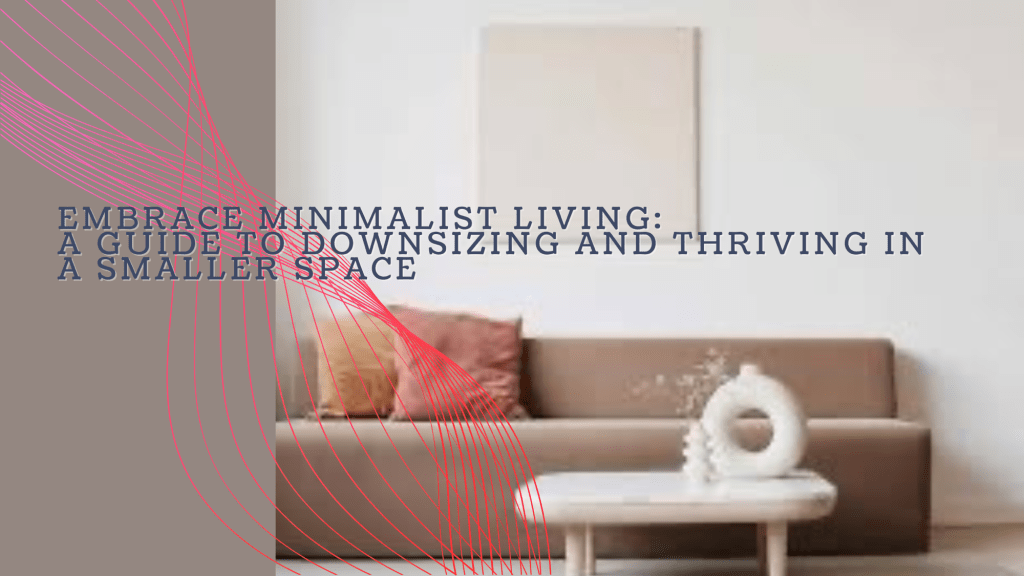
  • Embrace Minimalist Living: A Guide to Downsizing and Thriving in a Smaller Space

    Embrace Minimalist Living: A Guide to Downsizing and Thriving in a Smaller Space

    A Path to Simplicity and Joy

    In a world increasingly filled with clutter and chaos, many people are discovering the transformative power of minimalist living. Picture this: a serene, decluttered space where each item has purpose and meaning. According to a survey by the National Association of Professional Organizers, 82% of people feel more stressed when surrounded by clutter. This statistic highlights the necessity for change. Embracing a minimalist lifestyle not only simplifies your surroundings but can also lead to a more fulfilling and intentional life. Let’s explore how to downsize and thrive in a smaller space.

    Understanding Minimalism

    Minimalism is more than just a design aesthetic; it’s a way of life that encourages individuals to focus on what truly matters. At its core, minimalism is about intentionality—prioritizing experiences and relationships over material possessions. By stripping away excess, you can create space for what genuinely brings you joy and fulfillment. The benefits are manifold: reduced stress, improved financial health, and a lighter ecological footprint. Imagine living in a space that feels expansive, not constricting; where every item serves a purpose, and your mind is free to wander without the weight of unnecessary belongings.

    Assessing Your Current Space

    The first step toward minimalism is a thorough evaluation of your current belongings. Begin by walking through each room and making a mental note of what you truly need versus what merely occupies space. Ask yourself critical questions: “When was the last time I used this?” or “Does this item bring me joy?” It can be helpful to visualize your ideal living space—how would it look and feel? This assessment will serve as a foundation for your decluttering journey.

    Steps to Downsize Your Possessions

    Now comes the most challenging yet rewarding part: downsizing. Here are practical strategies to help you on this journey:

    • The One-Year Rule: If you haven’t used an item in the past year, it’s likely time to let it go. This rule helps you identify what you can part with without sentimentality clouding your judgment.
    • The Marie Kondo Method: Inspired by Marie Kondo’s book The Life-Changing Magic of Tidying Up, this method encourages you to hold each item and ask yourself, “Does this spark joy?” If it doesn’t, it may be time to say goodbye.
    • Digital Decluttering: Don’t forget your digital space! Organize your files, unsubscribe from unwanted emails, and remove apps that no longer serve you. A streamlined digital environment can significantly reduce mental clutter.
    • Resources for Selling or Donating: Consider selling items online through platforms like eBay or Facebook Marketplace, or donate to local charities. This not only clears space but can also help those in need.
    Designing a Smaller Space

    Once you’ve downsized, it’s time to design your smaller space effectively. Maximizing space doesn’t mean sacrificing style. Here are some tips:

    • Multifunctional Furniture: Invest in furniture that serves multiple purposes, such as a coffee table that doubles as storage or a sofa bed for guests. This reduces clutter while enhancing functionality.
    • Vertical Storage: Utilize vertical space by installing shelves or hanging storage solutions. This draws the eye upward and creates an illusion of a larger room.
    • Creating a Minimalist Aesthetic: Use a cohesive color palette and limit decor items to those that bring joy or serve a purpose. A few well-chosen pieces can have a more profound impact than a multitude of trinkets.
    Maintaining a Minimalist Lifestyle

    Transitioning to a minimalist lifestyle requires a mindset shift. Here are strategies to maintain this new way of living:

    • Mindset Shifts: Focus on quality over quantity. Invest in well-made items that will last rather than frequent purchases of cheaper goods. This reduces waste and fosters a deeper appreciation for what you own.
    • Avoiding Future Clutter: Practice the “one in, one out” rule. For every new item you bring into your home, let go of one you no longer need. This helps maintain balance and prevents accumulation.
    Thriving in Your Smaller Space

    Living in a smaller space doesn’t mean compromising on comfort or enjoyment. In fact, minimalism can enhance your lifestyle:

    • Creating a Peaceful Environment: A decluttered space fosters tranquility. Consider incorporating plants, natural light, and calming colors to enhance the ambiance of your home.
    • Prioritizing Experiences Over Possessions: With fewer material distractions, you can focus on what truly matters—experiences. Whether it’s traveling, exploring new hobbies, or spending quality time with loved ones, a minimalist lifestyle can enrich your life.
    The Lasting Benefits of Embracing Minimalism

    Embracing minimalist living is a powerful way to create a life filled with intention, clarity, and peace. By downsizing and thriving in a smaller space, you open the door to a more fulfilling existence. Remember, minimalism isn’t about deprivation; it’s about freedom—freedom from clutter, stress, and the relentless pursuit of more.

    Call to Action

    Are you ready to embark on your minimalist journey? Share your experiences or tips in the comments below! Together, we can inspire one another to embrace a simpler, more meaningful life.