Tag: diet

  • Fast-Tracking Your Physique to Be Blockbuster-Ready: Lessons from Vince Gironda

    Fast-Tracking Your Physique to Be Blockbuster-Ready: Lessons from Vince Gironda

    In the golden era of Hollywood, before the advent of CGI and special effects, the stars of the silver screen relied on their physical presence to captivate audiences. Their chiselled physiques weren’t just a product of good genetics; they were the result of relentless dedication, rigorous training, and expert guidance. At the heart of this transformation for many stars was Vince Gironda, a legendary figure whose name has become synonymous with classic bodybuilding and peak physical condition.

    Vince Gironda: The Trainer Behind Hollywood’s Greatest Physiques

    Vince Gironda, often referred to as the “Iron Guru,” was one of the most influential and innovative minds in the world of bodybuilding. Born on November 9, 1917, in the Bronx, New York, Gironda moved to California in his youth, where he would later make his mark on the fitness world. Vince’s journey into the world of bodybuilding began when he saw the movie “Ben-Hur” in 1925, starring Ramon Novarro. The chiseled physiques of the actors inspired him to pursue a career in sculpting the human body.

    Gironda opened his iconic gym, Vince’s Gym, in North Hollywood in 1948. Unlike other gyms of the time, Vince’s Gym was known for its no-nonsense approach to training. The gym itself was bare-bones, but the results achieved by those who trained there were anything but. His reputation grew quickly, and soon, Gironda became the go-to trainer for Hollywood’s elite, including the likes of Clint Eastwood, James Garner, and even the legendary Arnold Schwarzenegger.

    It is famously rumored that when Schwarzenegger first walked into Vince’s Gym, Gironda dismissed him, saying, “You have a fat ass, and you need to train your waist and hips more.” While this comment may seem harsh, it was indicative of Vince’s brutal honesty and his keen eye for symmetry and proportion. Arnold, despite the initial cold reception, would later go on to acknowledge Gironda’s influence on his training philosophy.

    Vince Gironda’s Achievements and Influence on Bodybuilding

    Vince Gironda was not just a coach; he was a formidable bodybuilder in his own right. Though he never won Mr. America or Mr. Universe, his physique was admired and respected by his peers. His emphasis on aesthetics, symmetry, and proportion set him apart from other bodybuilders of his time. Gironda’s personal achievements include top finishes in several competitions, and his physique was considered one of the most symmetrical of his era.

    Beyond his own achievements, Vince’s true legacy lies in his role as a trainer. He coached a multitude of bodybuilders who achieved great success, the most notable being Larry Scott, the first-ever Mr. Olympia, who credited Gironda with transforming his physique and career. Other top bodybuilders, like Don Howorth and Mohamed Makkawy, also trained under Vince’s watchful eye, benefiting from his unique insights and rigorous standards.

    Vince Gironda’s Training and Diet Philosophy: Ahead of Its Time

    Vince Gironda’s approach to training and diet was revolutionary and, in many ways, ahead of his time. He was a strong advocate for the idea that bodybuilding was as much an art as it was a science. His methods, though unconventional in his era, are now widely recognized for their effectiveness.

    Training Philosophy

    Gironda’s training philosophy centered around the idea of muscle shaping rather than just muscle building. He believed that the key to a perfect physique was not just size but symmetry, proportion, and definition. This led him to develop and advocate for several innovative training methods:

    • The 8×8 System: Vince’s most famous training method, the 8×8 system, is a high-volume, high-intensity workout designed to maximize muscle density and definition. The idea is simple: perform 8 sets of 8 reps for each exercise, with minimal rest between sets (usually 15-30 seconds). This method not only builds muscle but also burns fat, creating a lean and defined physique.
    • Short Rest Periods: Vince was a firm believer in keeping rest periods short to maintain intensity and stimulate maximum muscle growth. He famously trained Mohamed Makkawy to the point where he could complete an entire workout with rest periods of just 20 seconds between sets.
    • Form Over Weight: Vince emphasized perfect form over lifting heavy weights. He believed that controlling the weight and focusing on the muscle contraction was more important than how much weight was being lifted. This approach helped his clients develop muscle without risking injury or building up unnecessary bulk in unwanted areas.
    Diet Philosophy

    Vince Gironda’s diet advice was as innovative as his training methods. He was one of the first advocates of low-carbohydrate diets for fat loss, long before the Atkins or ketogenic diets became popular. He also emphasized the importance of natural, whole foods and often recommended diets that were high in protein and fat while being low in carbohydrates.

    • Steak and Eggs Diet: One of Vince’s most famous dietary recommendations was the steak and eggs diet, which involved eating nothing but steak and eggs for every meal. This diet was designed to provide the body with high levels of protein and fat, which Gironda believed were essential for building muscle and burning fat.
    • Supplements: Vince also recommended various supplements, including desiccated liver tablets, amino acids, and glandular extracts, which he believed helped optimize hormonal balance and improve recovery.

    Gironda’s diet and training methods, though radical at the time, are now widely recognized as effective. His emphasis on low-carb dieting, high-intensity training, and short rest periods have all been validated by modern sports science.

    Vince Gironda’s Exercise Recommendations

    Vince Gironda had a specific set of exercises he believed were most effective for building a balanced and aesthetically pleasing physique. Some of his favorites included:

    • Neck Press: Also known as the Gironda Press, this variation of the bench press targets the upper chest and creates a broader, more defined chest.
    • Drag Curl: A variation of the barbell curl, this exercise emphasizes the biceps’ peak by minimizing shoulder involvement and focusing on the contraction of the biceps.
    • Sissy Squat: This exercise isolates the quadriceps and helps in creating defined and shapely legs without adding unnecessary bulk to the hips or glutes.
    • Dips (Gironda Style): Vince’s version of the dip involved flaring the elbows and leaning forward to target the lower chest and triceps more effectively.
    Sample Routines
    8×8 Full Body Workout Routine

    This routine is designed to be done three times a week, with at least one rest day between sessions.

    1. Neck Press: 8 sets of 8 reps.
    2. Drag Curl: 8 sets of 8 reps.
    3. Sissy Squat: 8 sets of 8 reps.
    4. Dips (Gironda Style): 8 sets of 8 reps.
    5. Pull-Ups: 8 sets of 8 reps.
    6. Seated Calf Raise: 8 sets of 8 reps.

    Rest periods should be kept between 30-60 seconds.

    Larry Scott’s Bulking Routine

    This routine is based on the principles Vince Gironda used to train Larry Scott, focusing on muscle mass and symmetry. The workout should be done three times a week, with minimal rest between sets.

    1. Bench presses to neck – 6 sets of 6 to 8 reps.
    2. Barbell squats – 6 sets of 8 reps.
    3. Calf raises – 6 sets of 15 to 20 reps.
    4. Behind the neck presses – 6 sets of 6 to 8 reps.
    5. Front pulldowns – 6 sets of 8 to 10 reps.
    6. Lying barbell triceps extensions – 6 sets of 8 reps.
    7. Preacher bench curls – 6 sets of 8 reps.
    8. Bent-leg knee raises – 1 set of 100 to 150 reps.

    This is a rugged routine. You might wish to begin with just 3 sets of each exercise and add one additional set every 30 days until you work up to 6 sets. Do this program 3 days a week on alternate days.

    Think big and train with all the enthusiasm you’re capable of. You can go as far as you want when it comes to gaining solid weight if you train intelligently, eat properly and get enough sleep and rest. Focus on maintaining proper form and minimize rest between sets to keep the muscles under constant tension.

    Nutritional Advice for Getting in Shape

    To achieve a physique worthy of the big screen, nutrition is just as important as training. Following Vince’s dietary principles can help you get lean and muscular:

    1. High Protein, Moderate Fat, Low Carb: Focus on protein-rich foods like steak, eggs, chicken, and fish, while keeping carbohydrates low to promote fat loss and muscle definition.
    2. Natural Foods: Stick to whole, unprocessed foods. Avoid sugar, refined carbs, and processed foods, which can lead to fat gain and poor muscle definition.
    3. Hydration: Drink plenty of water throughout the day to stay hydrated and support muscle recovery.
    4. Supplements: Consider adding supplements like desiccated liver tablets, amino acids, and fish oil to your diet to support muscle growth and overall health.
    Guidelines for Progression

    When starting out, it’s important not to overtrain. Begin with fewer sets and gradually increase the volume as your body adapts. For example, start with 4 sets of each exercise in the 8×8 system and work your way up to 8 sets over several weeks. Pay attention to your body’s signals, and ensure you’re getting enough rest and recovery between workouts.

    Conclusion

    Vince Gironda’s methods were as unconventional as they were effective, leaving an indelible mark on the world of bodybuilding and fitness. His emphasis on aesthetics, symmetry, and proportion helped shape not just the physiques of bodybuilders but also some of Hollywood’s biggest stars. From Clint Eastwood’s rugged, lean build to Denzel Washington’s chiseled form, Vince’s guidance ensured that these actors looked the part for their roles. Sean Penn, Erik Estrada, and Jeff Goldblum were among the other famous names who turned to Vince to prepare for their movie appearances, all benefiting from his strict, results-driven approach.

    However, it’s important to understand that Vince Gironda’s training and diet regimens were designed for short, intense spurts of improvement rather than year-round routines. The 8×8 system and the other high-intensity methods Vince prescribed were meant to be followed for several weeks at a time, pushing the body to its limits to achieve rapid, visible results. This kind of training demands not only physical effort but also mental fortitude. It requires you to give your all in every workout, fully committing to the process to see the transformative effects that Vince promised.

    These training cycles are perfect for those looking to achieve a blockbuster-ready physique in a short period, perhaps in preparation for a special event, a photoshoot, or just as a personal challenge. But it’s crucial to recognize that such high-intensity training should not be sustained indefinitely. After several weeks of pushing your limits, your body needs time to recover and adapt. This is why Vince’s methods are best used as a powerful tool for rapid improvement rather than as a year-round training program.

    As you follow Vince Gironda’s principles, whether you’re aiming to build muscle, burn fat, or simply achieve a more balanced and defined physique, remember to approach this training with the intensity and dedication it demands. The results will speak for themselves, just as they did for the countless stars and bodybuilders who trained under Vince’s expert guidance. By committing to this short-term but intense regimen, you can fast-track your physique, achieving a look that’s not just camera-ready but truly reminiscent of Hollywood’s golden era of physical excellence.
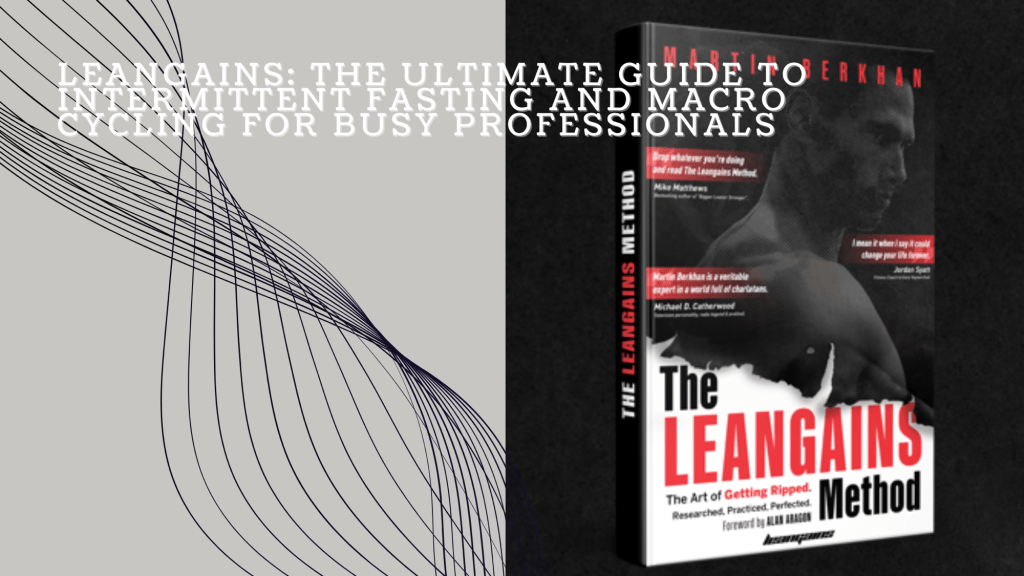

  • Leangains: The Ultimate Guide to Intermittent Fasting and Macro Cycling for Busy Professionals

    Leangains: The Ultimate Guide to Intermittent Fasting and Macro Cycling for Busy Professionals

    Introduction

    In today’s fast-paced world, finding time to focus on fitness and nutrition can be challenging, especially for busy professionals. The Leangains method, developed by Martin Berkhan, offers a practical and effective approach to achieving body recomposition—simultaneous fat loss and muscle gain—through intermittent fasting, macro cycling, and strategic meal timing. This method is particularly well-suited for those with limited time, providing a structured yet flexible framework to optimize health and fitness.

    Who is Martin Berkhan?

    Martin Berkhan is a Swedish nutrition consultant, personal trainer, and author known for his pioneering work in the field of intermittent fasting. With a background in nutrition and fitness, Berkhan has helped countless individuals transform their bodies using his Leangains method. His approach is grounded in science and emphasizes simplicity, making it accessible and effective for a wide range of people, including busy professionals.

    Core Components of the Leangains Method
    Intermittent Fasting (IF)

    The cornerstone of the Leangains method is intermittent fasting, specifically the 16:8 protocol. This involves:

    Fasting Period: A 16-hour window during which no calories are consumed. This period can be adjusted based on individual schedules, but a common fasting window is from 8 PM to 12 PM the next day.

    Eating Window: An 8-hour window in which all daily calories and nutrients are consumed. For many, this window falls between 12 PM and 8 PM.

    What is Permitted During Fasting

    During the 16-hour fasting period, it is crucial to avoid any calorie intake. However, certain non-caloric beverages are permitted:

    Water: Staying hydrated is essential, and water is the best choice.

    Black Coffee: Coffee can be consumed without any added sugars or creamers. It can help suppress appetite and increase alertness.

    Tea: Like coffee, tea (especially green or black) can be consumed without added calories. Herbal teas are also a good option.

    Electrolytes: In some cases, adding a small amount of electrolytes to water can help maintain hydration and prevent any imbalance.

    Health Benefits of Fasting

    Intermittent fasting offers a range of health benefits beyond weight management:

    Improved Insulin Sensitivity: Fasting periods can help improve insulin sensitivity, reducing the risk of type 2 diabetes.

    Enhanced Fat Burning: Fasting encourages the body to use stored fat for energy, aiding in fat loss.

    Cellular Repair: Fasting triggers autophagy, a process where cells remove damaged components, promoting cellular health.

    Inflammation Reduction: Regular fasting periods can reduce inflammation markers in the body, lowering the risk of chronic diseases.

    Benefits for Busy Professionals

    Simplicity: By eliminating the need for breakfast, busy professionals can save time in the morning, reducing decision fatigue and simplifying their daily routine.

    Focus: Many people report increased mental clarity and focus during the fasting period, which can enhance productivity at work.

    Flexibility: The fasting and eating windows can be adjusted to fit any schedule, making it easy to maintain even with a hectic lifestyle.

    Caloric Control: Fewer meals and larger portion sizes during the eating window make it easier to stay within calorie targets, reducing the risk of overeating.

    Macronutrient Cycling

    Macro cycling in the Leangains method involves adjusting the intake of macronutrients (proteins, carbohydrates, and fats) based on training and rest days:

    Training Days: Higher intake of carbohydrates and calories to fuel workouts and promote muscle recovery. Protein intake remains high to support muscle synthesis.

    Rest Days: Lower carbohydrate intake and higher fat consumption. Calories are reduced to encourage fat loss while maintaining muscle mass.

    Benefits for Body Recomposition

    Muscle Gain: Higher carbohydrate and calorie intake on training days ensures that muscles receive the necessary nutrients for growth and repair.

    Fat Loss: Lower calorie intake on rest days creates a caloric deficit, promoting fat loss while preserving muscle mass through adequate protein consumption.

    Optimized Performance: Carbohydrate cycling aligns nutrient intake with physical activity, optimizing energy levels and workout performance.

    Hormonal Balance: Alternating macronutrient intake can positively affect hormones related to metabolism and appetite regulation, enhancing overall body composition.

    Meal Timing

    Within the 8-hour eating window, the timing and composition of meals are crucial for optimizing the Leangains method:

    Post-Workout Meal: The largest meal of the day, consumed immediately after training, to maximize muscle protein synthesis and recovery. This meal should be rich in protein and carbohydrates.

    Minimal Snacking: Focus on consuming substantial, nutrient-dense meals rather than frequent snacking to improve satiety and nutrient absorption.

    Balanced Meals: Ensure each meal contains a balance of protein, carbohydrates, and fats to provide sustained energy and support overall health.

    What to Eat to Break the Fast

    When breaking the fast, it is important to consume a meal that provides essential nutrients and supports your fitness goals:

    Protein: Include a high-quality protein source such as lean meat, fish, eggs, or plant-based proteins like tofu and legumes to support muscle synthesis.

    Carbohydrates: Incorporate complex carbohydrates like whole grains, fruits, and vegetables to replenish glycogen stores and provide sustained energy.

    Fats: Add healthy fats from sources like avocados, nuts, seeds, or olive oil to enhance satiety and provide essential fatty acids.

    Micronutrients: Include a variety of colorful vegetables and fruits to ensure adequate intake of vitamins and minerals.

    Benefits for Busy Professionals

    Convenience: By focusing on fewer, larger meals, busy professionals can reduce the time spent on meal preparation and eating.

    Efficiency: Eating strategically around workouts ensures that the body is fueled when it needs it most, enhancing workout performance and recovery.

    Simplicity: A structured meal plan reduces the need for constant decision-making about food, making it easier to stick to dietary goals.

    How the Leangains Method Improves Body Recomposition

    The Leangains method is highly effective for body recomposition due to its strategic combination of fasting, macro cycling, and meal timing:

    Enhanced Fat Loss: The intermittent fasting period promotes fat oxidation and increases insulin sensitivity, making the body more efficient at burning fat.

    Muscle Preservation and Growth: By consuming high-protein meals, especially post-workout, the method supports muscle protein synthesis and prevents muscle loss during fat loss phases.

    Hormonal Benefits: Fasting has been shown to improve the balance of hormones related to metabolism and muscle growth, such as increased growth hormone levels and improved insulin sensitivity.

    Sustained Energy Levels: Balanced meals and strategic carbohydrate intake ensure that energy levels remain stable, reducing fatigue and enhancing overall performance.

    Conclusion

    The Leangains method, developed by Martin Berkhan, offers a practical and scientifically-backed approach to achieving body recomposition. By combining intermittent fasting, macronutrient cycling, and strategic meal timing, this method provides a simple yet effective framework for busy professionals to optimize their health and fitness. Whether your goal is to lose fat, gain muscle, or both, the Leangains method can help you achieve lasting results while fitting seamlessly into a demanding lifestyle.

  • Calculate Your Maintenance Calories and Optimize Your Diet for Fitness Success

    Calculate Your Maintenance Calories and Optimize Your Diet for Fitness Success

    Understanding your maintenance calories is the secret weapon to achieving any fitness goal, whether it’s sculpting rock-hard abs, shedding stubborn fat, or maintaining your lean physique. By using a simplified method, you can effortlessly estimate your maintenance calories and tailor your diet to meet your specific objectives. Read on to unlock the secrets of calorie calculation and discover how to optimize your nutrition for ultimate success!

    Estimating Maintenance Calories Made Easy

    Gone are the days of complicated equations! To calculate your maintenance calories, simply use this foolproof formula based on your body weight and activity level:

    Maintenance calories=Body weight in kg×30−35

    • Sedentary Lifestyle: (Little to no exercise) Multiply by 30.
    • Lightly Active: (Light exercise/sports 1-3 days/week) Multiply by 32.5.
    • Moderately Active: (Moderate exercise/sports 3-5 days/week) Multiply by 35.

    Example: If you weigh 75 kg and are moderately active: 75×35=2625 calories/day75 \times 35 = 2625 \text{ calories/day}75×35=2625 calories/day

    Voilà! You now know how many calories you need to maintain your current weight.

    Tracking Calories: Your Path to Precision

    Why guess when you can know for sure? Using apps to track your calorie intake ensures you hit your daily nutritional targets with laser precision. Check out these popular apps that make calorie tracking a breeze:

    • MyFitnessPal: Boasting a massive food database and user-friendly interface, this app is a favorite among fitness enthusiasts.
    • Lose It!: With barcode scanning and personalized recommendations, this app is both powerful and easy to use.
    • Cronometer: If you’re a detail-oriented person, you’ll love the micronutrient insights and in-depth tracking this app offers.
    Macronutrient Breakdown: Fuel Your Body Right

    A balanced diet isn’t just about calories; it’s about what’s in those calories. Here’s how to distribute your macronutrients for optimal health and performance:

    1. Protein Power: Aim for 1.2 to 1.7 grams of protein per kilogram of body weight. Protein is the building block for muscle repair and growth.
      • Example: Weighing 75 kg? You need 90 to 127.5 grams of protein daily.
    2. Fantastic Fats: They should make up 20-35% of your total daily calories. Choose heart-healthy fats like avocados, nuts, seeds, and olive oil.
    3. Carb Smart: Fill in the rest with carbohydrates, focusing on complex carbs such as whole grains, vegetables, and fruits for sustained energy.
    Tailoring Calories for Your Goals

    Achieving your fitness goals means tweaking your calorie intake. Here’s how to do it:

    1. Building Muscle: Boost your calorie intake by 10-15% above maintenance. This surplus fuels muscle growth and strength gains.
      • Example: Maintenance at 2625 calories? Up it to 2890 to 3015 calories for muscle gain.
    2. Losing Fat: Cut your calories by 10-20% below maintenance. This deficit promotes fat loss while helping preserve muscle mass.
      • Example: Maintenance at 2625 calories? Drop to 2100 to 2360 calories to trim down.
    3. Body Recomposition: Aim for a slight calorie deficit or maintenance level, combined with strength training, to lose fat and gain muscle at the same time. High protein intake is crucial here.
    IIFYM: Enjoy Your Favorite Foods Guilt-Free

    Ever heard of IIFYM (If It Fits Your Macros)? This flexible dieting approach allows you to enjoy the foods you love while still achieving your fitness goals. The concept is simple: as long as you hit your daily macronutrient targets (proteins, fats, and carbohydrates), you can indulge in your favorite treats. This means you don’t have to miss out on that slice of pizza, a scoop of ice cream, or your morning latte. By incorporating IIFYM, you can maintain a balanced diet without feeling deprived, making it easier to stick to your nutrition plan in the long run.

    High-Protein Foods: Your Muscle-Building Allies

    Packing your diet with high-protein foods is a surefire way to hit your protein goals. Here are some protein powerhouses to include in your meals:

    • Red Meat: Beef and lamb are excellent sources of protein, with around 25-30 grams of protein per 100 grams.
    • Organ Meats (Intestines, Liver, Kidney): Rich in protein and other nutrients, offering about 20-30 grams of protein per 100 grams.
    • Chicken Breast: A whopping 31 grams of protein per 100 grams.
    • Greek Yogurt: 10 grams of protein per 100 grams, plus gut-friendly probiotics.
    • Eggs: Each egg delivers about 6 grams of protein.
    • Tofu: Vegan-friendly with 8 grams of protein per 100 grams.
    • Lentils: A plant-based powerhouse with 9 grams of protein per 100 grams.
    • Tuna: Packs a punch with 25 grams of protein per 100 grams.
    • Cottage Cheese: 11 grams of protein per 100 grams, perfect for snacks.
    • Quinoa: Not just a carb, quinoa provides 4 grams of protein per 100 grams.
    Real Food vs. Supplements: The Nutritional Battle

    While supplements can seem like an easy solution to meet your nutritional needs, real, whole foods are far superior in most cases. Whole foods provide a complex array of nutrients that work synergistically to promote health and performance. Supplements often lack the additional vitamins, minerals, and fiber found in natural foods. Moreover, many supplements are unnecessary if you maintain a balanced diet, and they can be a waste of time and money. Focus on eating a variety of nutrient-dense foods to get the most out of your diet. Save supplements for specific needs, like protein powders when you’re in a pinch or vitamin D in the winter months.

    Final Tips for Success
    • Consistency is Key: Track your food intake regularly and adjust as needed based on your progress.
    • Stay Hydrated: Drink plenty of water throughout the day to support overall health and performance.
    • Monitor Progress: Regular weigh-ins and measurements help track changes in body composition.
    • Seek Professional Advice: A nutritionist or dietitian can provide personalized guidance tailored to your needs.

    By mastering your maintenance calories and optimizing your macronutrient distribution, you’re on the fast track to achieving your dream body. So, grab your smartphone, download a calorie-tracking app, and start fueling your body right today!