Tag: FamilyLife

  • Simplify Your Home: Genius Decluttering Tips Every Busy Parent Needs to Know

    Simplify Your Home: Genius Decluttering Tips Every Busy Parent Needs to Know

    Introduction: Why Decluttering Matters for Families

    Picture this: It’s late at night, and you tiptoe through the living room to grab a glass of water. Suddenly, ouch! Your foot finds the sharp edge of a forgotten Lego piece. Sound familiar? Clutter isn’t just about mess—it’s about daily stress, wasted time, and even unnecessary frustration for you and your kids. Studies show that a clutter-free home can lead to reduced anxiety and increased focus, both for children and adults.

    The good news? You don’t have to do it all at once. With the right strategies, decluttering can be manageable—and even fun! Let’s dive into practical, kid-friendly ways to simplify your home.


    1. The “Toy Jail” Method: Making Cleanup Fun

    Ever feel like you’re constantly picking up toys, only for them to reappear in the same spot an hour later? Try the Toy Jail method. Here’s how it works:

    • Any toy left on the floor after a designated cleanup time goes into “toy jail” (a storage bin or basket).
    • To earn it back, your child must complete a small chore.
    • This method teaches responsibility without the need for nagging.

    Turn it into a game by setting a timer—kids love the challenge of “beating the clock” while tidying up!


    2. The One-Touch Rule: Stop Clutter Before It Starts

    Teach kids (and adults!) to follow the One-Touch Rule—when you pick something up, put it where it belongs right away instead of setting it down in a temporary spot.

    How it works:

    • Instead of dropping jackets on the couch, hang them up immediately.
    • Instead of tossing unopened mail on the counter, deal with it on the spot.
    • Instead of leaving dirty dishes in the sink, put them straight into the dishwasher.

    By applying this simple habit, you prevent clutter from accumulating in the first place.


    3. Decluttering the “Kid Zones” Without Tears

    Getting rid of toys and belongings can be emotional for kids, but making decluttering a positive experience helps ease the process. Try these kid-friendly strategies:

    • The Keep, Donate, Toss Method: Have your child pick their favorite toys to keep, then donate the rest to children in need.
    • The Reverse Hanger Trick: Turn all the hangers backward. In six months, donate any clothing that hasn’t been worn.
    • Create “Memory Boxes”: Let kids keep a small box for sentimental items. This keeps clutter manageable while preserving meaningful belongings.

    Involving your child in decision-making makes them more likely to maintain a clutter-free space.


    4. Capsule Wardrobes for Kids: Less Laundry, More Freedom

    Too many clothing options can lead to unnecessary stress (and endless laundry!). A capsule wardrobe simplifies dressing by focusing on mix-and-match essentials.

    How to build a kid’s capsule wardrobe:

    • Stick to neutral basics with a few pops of color.
    • Choose high-quality, durable pieces over trendy fast fashion.
    • Store out-of-season and outgrown clothes elsewhere to keep daily choices simple.

    With fewer choices, kids can get dressed faster, and you’ll spend less time managing laundry.


    5. The Minimalist Family Command Center: A Clutter-Free Hub

    Every family needs a system for organizing schedules, school papers, and daily essentials. A family command center serves as a centralized hub to keep everything in check.

    Essentials for a functional command center:

    • A wall-mounted calendar for appointments and activities.
    • A designated bin for incoming mail and school papers.
    • Hooks or cubbies for backpacks, keys, and shoes.

    With an efficient setup, mornings become smoother, and lost items become a thing of the past.


    6. Decluttering as a Family Habit: Make It Stick

    Decluttering isn’t a one-time event—it’s an ongoing habit. Keep it stress-free by incorporating decluttering into daily routines.

    Ways to make it fun:

    • Turn on music and make it a dance party while tidying up.
    • Set a timer for 10 minutes and see how much clutter you can clear.
    • Reward participation with a fun family outing or extra storytime.

    Try the Monthly Declutter Dash—set aside one day each month where the entire family spends 30 minutes tackling an area of the home together.


    Conclusion: A Home That Works for You, Not Against You

    The goal of decluttering isn’t perfection—it’s creating a home that supports your family’s needs. Small, consistent efforts lead to lasting change. Start with just one strategy today, and watch how your home transforms into a stress-free, functional space.

    Ready to simplify? Choose one tip and start now—you’ve got this!

  • Creating a Minimalist Morning Routine for Families

    Creating a Minimalist Morning Routine for Families

    Introduction

    Mornings in a family household can often feel like a chaotic race against the clock — misplaced shoes, last-minute lunch packing, and someone always forgetting something important. But what if mornings could feel calm, predictable, and even enjoyable? A minimalist morning routine isn’t about doing less for the sake of it — it’s about removing unnecessary stressors so that your family can start the day with focus and ease. With a few strategic changes, you can transform the morning madness into a seamless routine that makes the hard things in life look effortless.

    By embracing simplicity, prioritization, and consistency, you create a morning routine that not only reduces stress but also fosters a sense of control and harmony within your household. The key to achieving this is to establish systems that work efficiently while allowing room for flexibility. This guide will provide you with practical steps to help streamline your mornings and start the day with intention.


    1. The Core Principles of a Minimalist Morning Routine

    A successful morning routine doesn’t start in the morning — it begins with a mindset shift. By focusing on these key principles, you can create a system that works consistently for your family.

    • Prioritization: Identify what really matters in the morning. Do you need an elaborate breakfast, or will a simple, nutritious option do? Focus only on the essentials.
    • Consistency: Routines thrive on repetition. By keeping the same order of events each morning, you reduce decision fatigue and create predictability for your family.
    • Preparation: The less you leave to chance in the morning, the smoother everything runs. Prepping clothes, meals, and bags the night before eliminates morning friction.
    • Flexibility: Even the best-laid plans will sometimes go awry. A minimalist morning routine allows for small disruptions without throwing off the entire day.

    One of the most overlooked aspects of a minimalist morning routine is the importance of decluttering your physical and mental space. By removing unnecessary distractions and streamlining decision-making processes, you free up time and energy for what truly matters.


    2. Streamlining Mornings for Parents

    Parents set the tone for the household, and if your morning feels rushed and frantic, the rest of the family will pick up on that energy. Here’s how to simplify:

    • Capsule Wardrobe for Effortless Dressing: A closet filled with versatile, well-fitting basics means no time wasted on outfit indecision. Have go-to combinations that work for any occasion.
    • Quick and Nutritious Breakfast Solutions: Stick to easy, protein-packed options like overnight oats, smoothies, or eggs and toast. Avoid decision overload by rotating a few simple meal choices.
    • Time-Blocking to Minimize Stress: Set designated times for each task (e.g., 10 minutes for getting dressed, 15 minutes for breakfast) to create a structured yet flexible morning flow.
    • Tech-Free Mornings: Avoid checking emails or social media first thing in the morning. Instead, focus on setting a positive tone for the day with mindfulness, light stretching, or journaling.

    By keeping things simple and intentional, you reduce stress and set yourself up for a more productive day.


    3. Simplifying Mornings for Kids

    Children thrive on routine, and the more they can handle independently, the smoother mornings will be.

    • Independent Dressing with Pre-Selected Outfits: Encourage kids to choose their outfits the night before, or simplify further with a weekly outfit organizer.
    • Simplified Breakfast Choices: Give them two to three consistent options to minimize morning negotiations.
    • Making Routines Engaging and Fun: Use checklists, timers, or even a morning playlist to keep kids on track without constant reminders.
    • Encouraging Self-Sufficiency: Teach kids to pack their own school bags, brush their teeth on time, and take responsibility for their morning tasks.

    By instilling responsibility early, children become more self-reliant, leading to smoother mornings for the entire family.


    4. Household Systems That Make Mornings Flow Smoothly

    A well-organized home reduces morning friction. Set up systems that eliminate unnecessary searching and scrambling.

    • Organized Entryways and Designated Drop Zones: Have a space for keys, backpacks, and shoes so nothing gets misplaced.
    • A Family Command Center for Schedules and Reminders: A central calendar or whiteboard can display daily to-dos, appointments, and important reminders.
    • Teaching Responsibility Through Shared Morning Tasks: Assign age-appropriate responsibilities, such as setting the table or packing lunch, so everyone contributes.
    • Decluttering for Efficiency: Ensure that common areas like the kitchen and bathroom are tidy and functional. Eliminating excess clutter helps reduce stress and keeps the morning running smoothly.

    A few small adjustments can lead to major improvements in how efficiently your family operates each morning.


    5. Dealing with the Unexpected Without Losing Your Cool

    Even with the best system, mornings don’t always go as planned. Here’s how to stay on track:

    • Buffer Time: Build in an extra 5–10 minutes so small delays don’t derail the whole morning.
    • Mindset Shifts: Accept that some mornings won’t be perfect. Staying calm sets a positive example for kids.
    • Quick Recovery Strategies: If something goes wrong, focus on problem-solving instead of stressing. Have a backup outfit, easy-to-grab snacks, and a game plan for delays.
    • Emphasizing the Bigger Picture: Remind yourself that a rough morning doesn’t define the entire day. Practicing gratitude and maintaining perspective can help keep stress levels in check.

    The more prepared you are for the unexpected, the more resilient your family will become in handling morning hiccups.


    Conclusion

    A minimalist morning routine isn’t about stripping everything away—it’s about keeping only what truly serves your family. By reducing decision fatigue, fostering independence, and setting up systems that support efficiency, mornings become a smooth transition into the day rather than a daily battle.

    The long-term benefits of a minimalist morning routine extend far beyond just saving time. It cultivates a sense of calm, reduces household stress, and sets the foundation for a more intentional lifestyle. Start with small adjustments, and over time, you’ll see how simplifying your mornings can have a positive ripple effect on the rest of your day.

    Are you ready to transform your family’s mornings? Start by implementing just one of these strategies this week and build from there!

  • How to Create a Productive Morning Routine: Tips for Busy Professionals Balancing Work, Family, and Self-Care

    How to Create a Productive Morning Routine: Tips for Busy Professionals Balancing Work, Family, and Self-Care

    For busy professionals juggling a demanding career, family, and personal responsibilities, mornings can set the tone for the rest of the day. A well-structured morning routine can be a game-changer, providing clarity, focus, and a sense of calm before the chaos begins. For those with kids, work obligations, and packed schedules, a productive morning isn’t about fitting more in but about creating a foundation to handle the day with more ease and confidence.

    Here’s a practical guide to designing a morning routine that helps you feel energized and prepared—without adding stress. Each tip is tailored for those of us balancing career, family, and personal goals.

    1. Prioritize Sleep and Wake-Up Timing

    Get Enough Sleep: It all starts the night before. Getting a good night’s sleep can be the single most important factor in ensuring a productive morning. Set a consistent bedtime, aiming for around 7-8 hours of rest so you’re not waking up groggy.

    Wake Up with Purpose: Aim to wake up before the household stirs, which means you get some much-needed quiet time. Waking up early gives you space to focus on yourself and set your day up with intention—whether that’s thinking about what’s on your plate or just enjoying a calm moment.

    Key takeaway: A consistent, restful night’s sleep makes the morning less about willpower and more about readiness.

    2. Start with Quiet and Reflection

    Enjoy Silence Before the Day Begins: Those early minutes, free of noise, are a gift for your mental well-being. Use this time to sit in stillness, meditate, or even just savor a cup of coffee.

    Mindfulness Practice: Taking a few moments to breathe deeply or to reflect on what you’re grateful for can set a positive tone for the day. This doesn’t need to be a long or complicated routine—just a moment to pause and center yourself.

    Example: A simple practice could be jotting down three things you’re grateful for or mentally running through your plans for the day.

    Key takeaway: Silence allows your mind to ease into the day, reducing stress before responsibilities demand your attention.

    3. Fuel Your Body Right

    Hydrate First Thing: Start with a glass of water to hydrate after hours of sleep. This small step can improve focus, and energy, and ease you into the morning.

    Balanced Breakfast: A quick, protein-rich breakfast can fuel you with sustained energy. If mornings are tight, prep your breakfast the night before with options like overnight oats, a smoothie, or boiled eggs.

    Key takeaway: Prioritize easy, nutritious foods that don’t require much effort but help fuel productivity.

    4. Get Moving, Even if It’s Just a Little

    Light Exercise or Stretching: Physical activity in the morning doesn’t need to be a full workout—just a few minutes of movement can be enough. Gentle stretching, yoga, or a brisk walk can help wake up the body and clear your mind.

    Benefits: Movement triggers endorphins, which naturally boost mood and clarity.

    Example: A short 5-minute stretching routine or a 10-minute walk around the block can be enough to feel energized.

    Key takeaway: Morning movement is more about waking up your body than fitting in an intense workout.

    5. Plan the Day with a Purposeful Mindset

    Set Clear Intentions for the Day: Before diving into emails or work, take a few minutes to list your top 1-3 priorities. This focus can help guide you throughout the day, making it easier to stick to your goals.

    Visualize Success: Picture yourself handling your biggest challenges calmly and effectively. Visualizing success builds confidence and mental clarity.

    Example: Over your coffee, jot down three things you aim to accomplish. Prioritizing what matters most helps steer your focus when the day gets busy.

    Key takeaway: Setting a daily intention grounds your day in purpose and helps you focus on the things that matter most.

    6. Keep Mornings Device-Free

    Avoid Distractions: Protect your mental clarity by avoiding emails, texts, and news early on. This lets you begin the day with a focused mindset instead of reacting to work messages.

    Establish Boundaries: Set a “no devices” rule for the first hour of your day. This helps you start your day on your terms, instead of diving straight into work mode.

    Tip: Use an analog journal or planner instead of digital devices for morning planning.

    Key takeaway: By delaying screen time, you create a sense of calm that helps you focus on personal priorities.

    7. Embrace Flexibility

    Adapt and Reflect: Every morning doesn’t have to be the same. Allow for flexibility on days when things don’t go as planned. For example, on busier days, do a condensed version of your routine to maintain consistency without the stress.

    Review and Adjust: Weekly reflection on what worked and what didn’t can help fine-tune your morning routine over time. Adjusting your routine to your needs keeps it effective without becoming rigid.

    Key takeaway: Flexibility allows you to stick with your routine even when life gets hectic.

    My Morning Routine

    After years of experimenting—from meditation to morning workouts to simply skipping a morning routine during the pandemic—I found that a peaceful, solitary start to the day energizes me the most. Here’s what my routine currently looks like:

    I wake up around 5:45 a.m., usually the first one up. My day begins with brewing a strong Italian espresso, enjoying the quiet and the rich smell of coffee as I ease into the morning. Then, I head out for a 40-minute walk with our dog. This time outside, moving slowly as the world wakes up, is truly revitalizing.

    Once I’m back, it’s time for another cup of freshly brewed coffee, which I enjoy with my wife and kids as we chat and connect before the day takes off. Around 7:20 a.m., I’m ready to go, driving the kids to school before heading to the office. It’s a routine that prioritizes quiet, family, and calm focus—exactly what I need for long, often chaotic weeks.

    Creating a morning routine is personal, and sometimes it takes years to find what truly works. The goal isn’t to follow a rigid plan but to design a morning that gives you the energy, clarity, and balance to handle life’s challenges with ease.

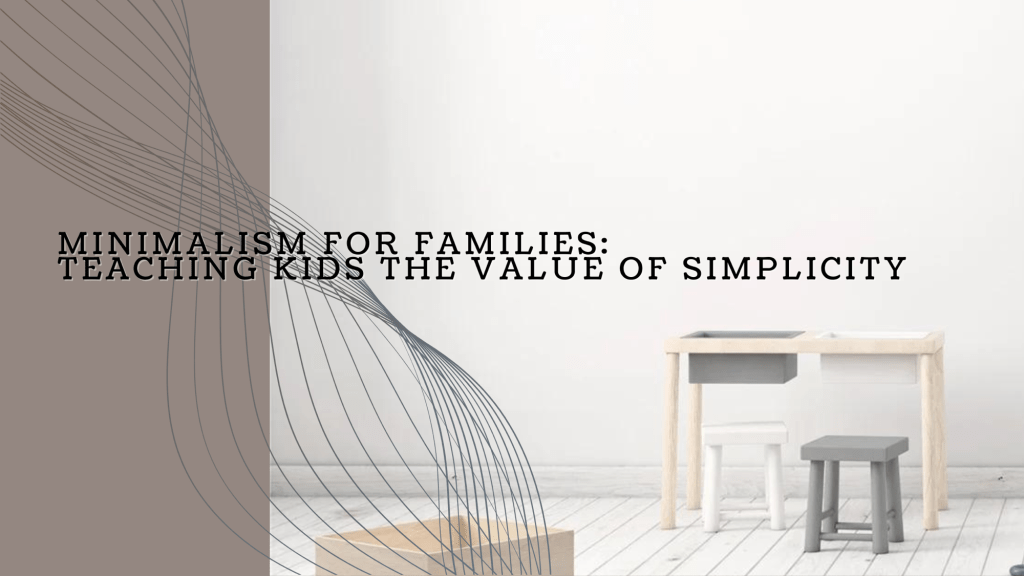
  • Minimalism for Families: Teaching Kids the Value of Simplicity

    Minimalism for Families: Teaching Kids the Value of Simplicity

    In today’s fast-paced, consumer-driven world, raising children with an understanding of minimalism is more important than ever. Teaching kids the value of simplicity not only shapes their relationship with material possessions but also impacts how they perceive time, relationships, and life experiences. Minimalism is not about living with less for the sake of it—it’s about creating space for what truly matters. This mindset can lead to a happier, more connected family life, where people, memories, and meaningful activities are prioritized over material goods. In this essay, we will explore why and how to instill these values in children and discuss how simplicity can enrich family life.

    Why Teach Simplicity?
    1. Instilling Gratitude and Contentment
      Children, when exposed to the principles of minimalism, learn to appreciate the things they have rather than constantly yearning for more. When kids grow up in a culture of consumerism, they can easily fall into the trap of associating happiness with owning the latest toy or gadget. Minimalism, however, teaches them that happiness comes from within—through relationships, experiences, and meaningful engagement with the world around them. This approach fosters gratitude, helping them find contentment in simple joys and experiences.
    2. Building Emotional Resilience
      Teaching children the value of simplicity helps them build resilience. When they understand that their worth is not tied to what they own, they become less vulnerable to peer pressure and societal expectations. This mindset equips them to handle life’s inevitable ups and downs, knowing that their happiness is not dependent on external factors like material possessions.
    3. Teaching the Value of Time
      Minimalism introduces the concept that the things we buy are directly linked to the time spent earning money for them. For example, if a parent works for an hour to buy a toy, that toy represents the time they spent away from their family. Helping children make this connection between material items and time can encourage them to rethink their desires and consider whether certain items are truly worth the time they cost. This concept can empower them to make mindful choices as they grow older.
    How to Teach Kids the Value of Simplicity
    1. Model Minimalist Behavior
      Children learn by watching their parents, so it’s important to model the behavior you want to teach. If you prioritize experiences, relationships, and simple joys over material things, your children will begin to internalize these values. Demonstrate intentional decision-making when it comes to purchasing items or deciding how to spend your time.
    2. Limit Toys and Encourage Creativity
      Fewer toys do not mean less fun. In fact, limiting toys often sparks creativity and encourages kids to use their imaginations more. A child with fewer toys is more likely to invent games, build forts, and interact with their environment in creative ways. Additionally, teaching kids to rotate toys—putting some away and taking them out later—helps them appreciate and engage with each toy more meaningfully.
    3. Encourage Time Outdoors and Non-Material Activities
      One of the most effective ways to teach simplicity is by encouraging time spent outdoors or engaging in non-material activities. Hiking, picnics, gardening, or even just playing in the backyard fosters a connection with nature and the world around them. These activities require little to no money and remind children that fulfillment doesn’t come from possessions but from experiences and human connection.
    4. Teach Financial Literacy Early
      Help kids understand the cost of things not just in terms of money but in terms of time. A great way to do this is to involve them in simple household budgeting. Show them how saving money for a meaningful family vacation might require sacrificing smaller purchases. Explain that every time we buy something, we’re making a trade-off, and it’s important to choose wisely.
    5. Promote Decluttering and Mindful Giving
      Periodically involve kids in decluttering their spaces. Let them decide which toys or clothes they no longer use and encourage them to donate those items to others in need. This teaches them to value what they have and helps them develop a habit of mindful giving, showing that the world is bigger than their immediate desires.
    Time and Possessions: The Modern-Day Trade-Off

    In the modern world, it is easy to overlook the relationship between time and the things we own. We often think of purchases solely in monetary terms, forgetting that money is something we earn by trading our time and energy. When teaching children about simplicity, it’s important to make this connection clear. Every new gadget, toy, or piece of clothing comes at the cost of time — time that could have been spent doing something else.

    This realization can encourage kids to evaluate their desires more critically. Do they really want that new toy if it means less time spent on a family vacation? Would they rather have multiple cheap toys that break easily, or save up for one well-made toy that will last? By understanding this trade-off, children learn to prioritize what’s truly important, choosing experiences and connections over accumulating more things.

    The Positive Impact of Simplicity on Family Life

    Simplicity can enhance family life in profound ways. When families embrace minimalism, they create space—both physical and emotional—for what matters most. Without the constant need to buy and maintain things, families can focus on spending time together, building memories, and deepening their relationships. Prioritizing shared experiences, like family meals, game nights, or outdoor adventures, over the accumulation of material goods fosters stronger bonds.

    Moreover, living simply can reduce stress. When families have fewer possessions, there is less clutter, fewer things to manage, and more time to focus on meaningful activities. Parents feel less pressure to “keep up with the Joneses” or provide the latest and greatest for their kids, and children grow up learning that happiness and fulfillment come from connection, not consumption.

    By teaching kids the value of simplicity, we help them develop into adults who prioritize people, memories, and experiences over material things. In a world that often equates success with how much one owns, raising children with a minimalist mindset can set them up for a life of contentment, gratitude, and deep connections.

    In the end, simplicity enriches family life by allowing us to focus on what truly matters — our time together, the memories we create, and the love we share.