Tag: fashionblogger

  • The Perfect Summer Suit: A Timeless Essential for Every Capsule Wardrobe

    The Perfect Summer Suit: A Timeless Essential for Every Capsule Wardrobe

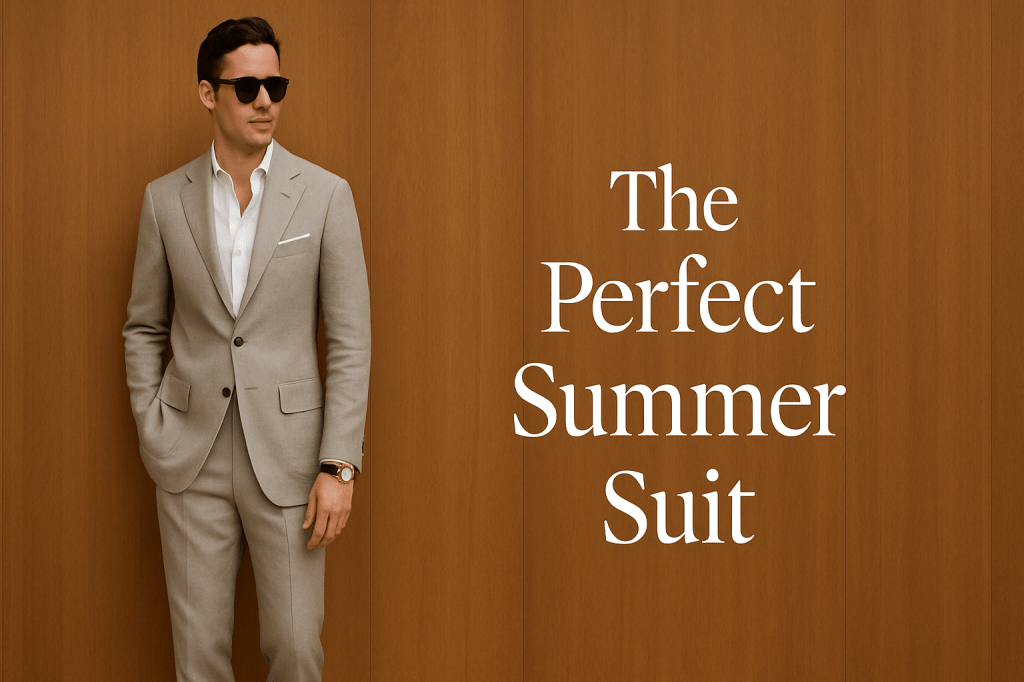
    There’s a particular kind of magic to the perfect summer suit. It’s the sartorial equivalent of sprezzatura — effortless elegance that whispers instead of shouts. As a seasoned men’s fashion expert who travels to Pitti Uomo twice a year, I’ve seen everything from the wildest peacocks to the purest expressions of timeless tailoring. And amidst the evolving trends, one truth remains: a well-chosen summer suit, especially in the relaxed yet refined Italian style, belongs in every man’s capsule wardrobe.

    Minimalism doesn’t mean deprivation; it means intentionality. And the summer suit, when chosen well, is the ultimate intentional piece — versatile, lightweight, and able to adapt to the rhythm of modern life. Whether you’re navigating meetings in a sun-drenched office, attending a summer wedding, enjoying a dinner date, or sipping a Negroni at a backyard BBQ, the right summer suit can rise to the occasion.

    Why Every Capsule Wardrobe Needs a Summer Suit

    The idea behind a capsule wardrobe is simple: own less, wear more. Each piece must pull its weight across various settings. A thoughtfully selected summer suit does just that. Unlike its structured, wool-heavy winter counterparts, a summer suit is about fluidity, ease, and breathability. It bridges the space between formality and comfort, offering a polished yet relaxed aesthetic that doesn’t wilt under the sun.

    When you invest in a suit you can wear as separates or as a whole, you’re unlocking a dozen outfits in one go. This is not about fashion. It’s about style — that rare quality that persists when trends fade. And nothing defines timeless style like Italian tailoring adapted for warm weather.

    From Office to Occasion: The Suit That Works Everywhere

    One of the most compelling arguments for the summer suit is its versatility. Here’s how it works for every setting on your calendar:

    Office:

    Pair it with a crisp white poplin shirt and a pair of suede loafers. Skip the tie for a smart-casual take or add a lightweight silk knit tie for meetings that demand presence.

    Summer Wedding:

    Go full sprezzatura. Add a linen pocket square, sleek leather derbies, and a soft chambray shirt. You’ll look dressed up without feeling overdressed.

    Date Night:

    Ditch the dress shirt in favor of a fitted linen or polo shirt in a soft neutral tone. Unbutton the jacket, roll up your sleeves ever so slightly, and let your demeanor do the rest.

    Backyard BBQ or Garden Party:

    Break it up. Throw the jacket over a crewneck tee, and wear the trousers with leather sandals or canvas sneakers. You’ll look pulled together without trying too hard.

    Choosing the Right Suit: Fit, Fabric, Style, and Color

    The success of a summer suit lies in its details. Let’s break down how to choose the right one:

    Fit

    Forget the stiff, hyper-tailored silhouettes of the 2010s. Summer tailoring should follow your body, not cling to it. Look for a jacket with unstructured or lightly padded shoulders, allowing for natural movement. The trousers should be slim but breathable, ideally with side adjusters for a clean waistline. Think of comfort as a form of confidence — when your suit fits well, it feels like a second skin.

    Fabric

    This is non-negotiable. The wrong fabric will sabotage even the best cut. Look for lightweight, breathable materials like:

    Linen: Classic, slightly rumpled charm that screams summer in Tuscany.

    Cotton Twill: Crisp and durable, great for structured-yet-relaxed looks.

    Tropical Wool: Surprisingly breathable and wrinkle-resistant — a smart choice for city wear.

    Blends (Linen-Cotton, Wool-Silk): Offer the best of both worlds — cooling properties and a superior drape.

    Personally, I gravitate toward high-twist tropical wool for its versatility and elegance. It travels well and holds its shape even after a long day.

    Style

    This is where Italian tailoring shines. Go for a single-breasted jacket, ideally with two buttons, double vents, and patch pockets. The double vent helps with airflow and adds a rakish charm from behind. Patch pockets, meanwhile, keep things relaxed — less boardroom, more Riviera.

    Unlined or half-lined construction is crucial. You don’t want to be weighed down. Let the jacket breathe.

    The lapel should be soft and slightly wider than average — think Neapolitan flair, not banker’s boardroom.

    Color

    Here’s where most men make a mistake. Avoid anything too loud or too dark. Summer is about lightness — opt for:

    Stone or Sand: The ultimate warm-weather neutral.

    Light Grey: Clean, modern, and easy to pair with almost anything.

    Olive or Sage: A refined way to stand out without shouting.

    Dusty Blue or Airforce Blue: A softer take on navy that suits all skin tones.

    Skip pinstripes or anything high-contrast. Instead, embrace subtle texture — like a herringbone weave or slubbed linen — for visual interest that doesn’t overpower.

    The Case for Less Formal: Sprezzatura in Action

    Formal suiting has its place, but summer calls for something more lived-in. The beauty of Italian style is that it never tries too hard. Patch pockets, soft shoulders, and natural materials combine to create a look that’s elegant without being fussy.

    The less formal summer suit projects quiet confidence. It says: I know how to dress well, but I don’t need to prove it. That’s sprezzatura. It’s the key to looking polished without appearing stiff — a must for today’s busy professional who moves fluidly between work and life.

    And it’s not just about appearances. This style is functional. You stay cool, you feel unrestricted, and you look great without having to constantly adjust or fuss. That, my friend, is the point.

    Styling Tips: Do More with Less

    Mix & Match: Wear the jacket with white jeans or chinos. Pair the trousers with a navy polo. That’s two extra outfits instantly.

    Keep Accessories Light: A linen pocket square, a simple braided belt, and a pair of tortoiseshell sunglasses are more than enough.

    Footwear: Loafers, espadrilles, or minimalist leather sneakers cover all occasions.

    Grooming & Posture: No summer suit looks good without confidence and self-respect. Keep your grooming clean, stand tall, and let the tailoring do the talking.

    Final Thoughts: The Summer Suit, Simplified

    A well-chosen summer suit is more than just a garment — it’s a mindset. It speaks of a man who values quality over quantity, elegance over extravagance, and function over flash. It proves that minimalism, when executed with taste, doesn’t restrict — it liberates.

    So if your capsule wardrobe is missing this warm-weather essential, consider this your invitation. Invest in one. Wear it often. Let it age with you, adapt with you, and most of all— let it remind you that style, like summer, is best when enjoyed lightly.
  • Navigating the Modern Corporate Dress Code: Mastering the Art of Wearing a Suit Without a Tie

    Navigating the Modern Corporate Dress Code: Mastering the Art of Wearing a Suit Without a Tie

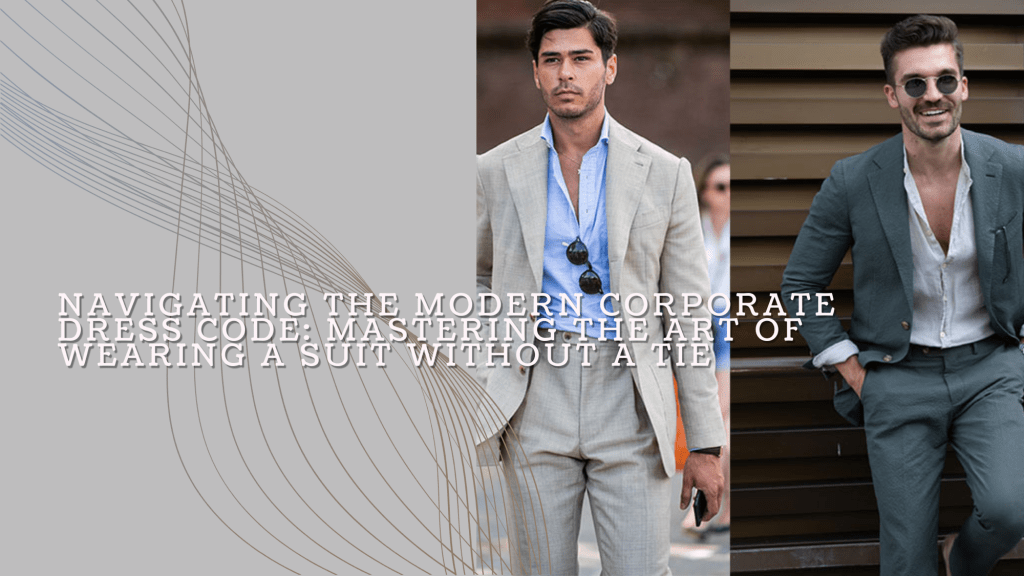
    In today’s evolving corporate world, where dress codes have loosened in response to the rise of remote working, professionals are finding themselves with more sartorial freedom than ever before. The suit without a tie has emerged as a versatile option that effortlessly bridges the gap between formal and casual, allowing you to maintain a polished appearance while embracing a more relaxed style. But how do you master this look without compromising your professionalism? Here’s your guide to wearing a suit without a tie, tailored for the modern corporate professional, with tips for transitioning from the office to after-work activities.

    The Corporate Office: When to Go Tie-Free

    As the lines between formal and casual continue to blur, knowing when to ditch the tie is crucial. The tie-less suit is ideal for:

    Business Casual Days: Meetings with internal teams or clients in creative industries where a full suit and tie might feel overly formal.

    Casual Fridays: When your office dress code eases up at the end of the week.

    Office Socials: Events like networking mixers or after-work drinks, where you want to appear approachable yet refined.

    In more formal scenarios — like presenting to the board or meeting high-profile clients — sticking with a tie might still be the safest choice.

    How to Perfect the Look
    1. Choose the Right Suit:
      Fabric and Fit: Opt for suits made from softer, less structured fabrics like cotton, linen, or a lightweight wool blend. These materials lend themselves well to a tie-less look, offering a relaxed yet refined silhouette. Fit is paramount—ensure your suit is well-tailored, particularly around the shoulders and waist.
      Color Considerations: Navy, charcoal, and lighter grays are versatile choices that adapt well to both formal and semi-formal settings. For a more relaxed vibe, consider earth tones like olive or tan.
    2. Shirt Selection:
      Collar Style: Shirts with spread or cutaway collars are ideal as they maintain their structure without the support of a tie, framing your face and ensuring your look remains polished.
      Patterns and Textures: While white and light blue remain safe bets, experimenting with subtle patterns or textured fabrics can add depth to your outfit without overpowering it.
    3. Accessorize Wisely:
      Pocket Square: A pocket square can add a splash of personality to your ensemble. Stick to classic folds and patterns—think simple white linen for the office, or a muted print for something slightly more daring.
      Watch & Footwear: A classic wristwatch and polished leather shoes are non-negotiables. They convey a sense of detail-oriented professionalism, rounding off your look with finesse.
    4. Grooming and Presentation:
      Neckline Grooming: A clean shave or a well-maintained beard ensures that your open collar looks intentional rather than unfinished. Pay attention to your hairstyle as well—neat and styled is the way to go.
      Confidence: Confidence is your best accessory. Standing tall and owning your look is essential when opting for a suit without a tie. Remember, the tie-less look is as much about attitude as it is about clothing.
    After-Work Elegance: Transitioning from Office to Evening

    The beauty of the tie-less suit lies in its versatility—it transitions seamlessly from the office to evening engagements. Here’s how to adapt your look for various after-work activities:

    Date Night: When heading out for dinner or drinks after work, consider swapping your office shirt for something more relaxed—like a dark, patterned button-down or a knit polo. Loosen up your pocket square fold for a touch of nonchalance and switch to a more casual shoe, like a suede loafer.

    Wedding Guest: A tie-less suit can work beautifully for weddings, particularly those with a more relaxed dress code. Opt for a suit in a richer color—like deep burgundy or navy—and pair it with a crisp white shirt and a subtle pocket square. A boutonniere or a stylish lapel pin can add a festive touch.

    Weekend Events: For social gatherings like brunches or garden parties, consider a suit in lighter shades, such as beige or light grey, paired with a printed shirt. A pair of stylish sunglasses and leather loafers will keep you looking effortlessly cool and collected.

    A Way Forward: Experimenting with Your Personal Style

    The suit without a tie is more than just a fashion statement; it’s an invitation to experiment with your personal style. Start small—perhaps by trying different collar styles, playing with subtle patterns, or introducing new colors into your wardrobe. Pay attention to how different combinations make you feel and how they are received in various settings. The goal is to find a balance that feels authentic to you while remaining appropriate for your professional environment.

    As corporate dress codes continue to evolve, so too should your approach to style. Embrace the change by experimenting with your attire, and remember that a well-executed tie-less suit can communicate confidence, modernity, and sophistication in equal measure. Whether you’re in the boardroom, out on a date, or attending a wedding, this look has the potential to become a cornerstone of your sartorial repertoire.

  • The light blue dress shirt

    The light blue dress shirt

    No matter if you are getting ready for a date, running some errands, picking up the kids from school, are headed for the office or working from home, a light blue shirt is always a great option. It‘s just as versatile as a white shirt, but those often times tend to be heavily see through, so you have to either layer up or wear a wifebeater beneath it. Both options are not too great in the summer months, if you tend to sweat easily like I do.

    How it looks like vs how it feels

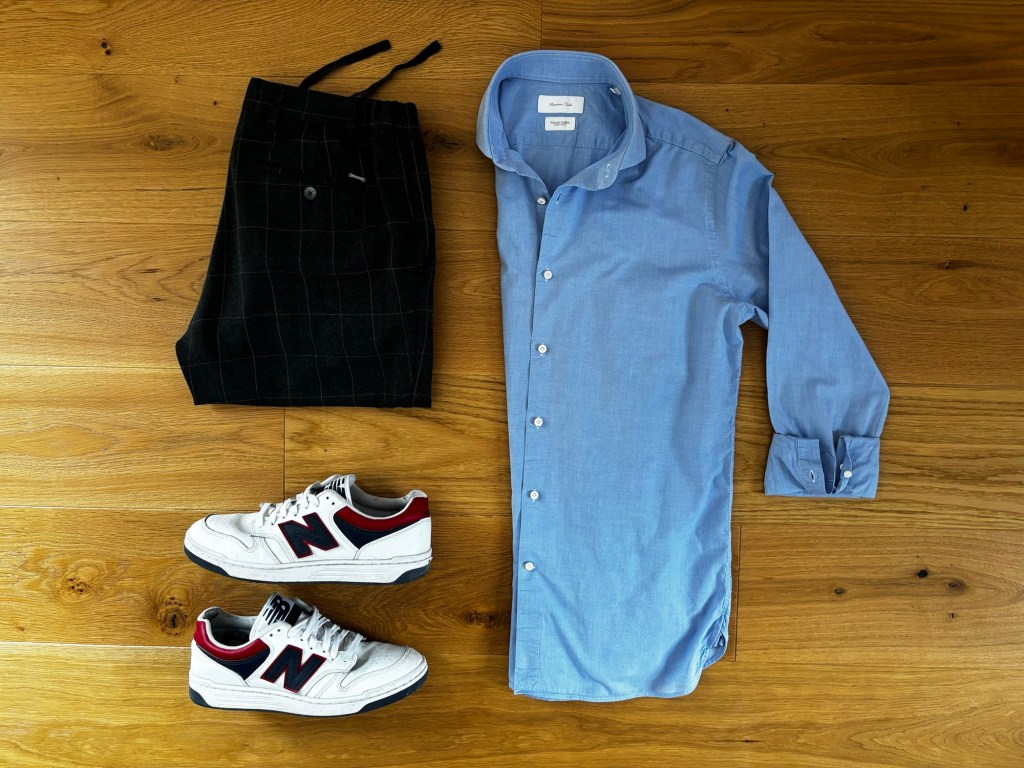
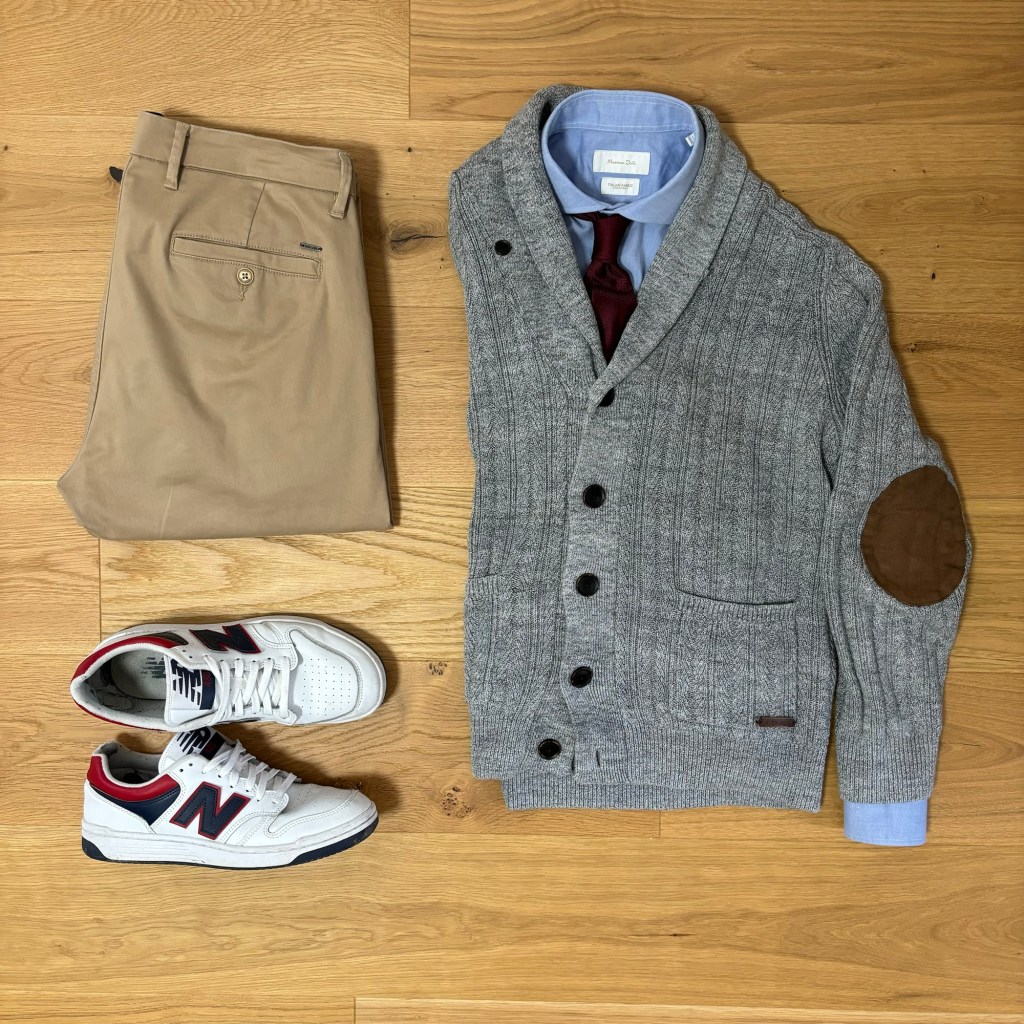
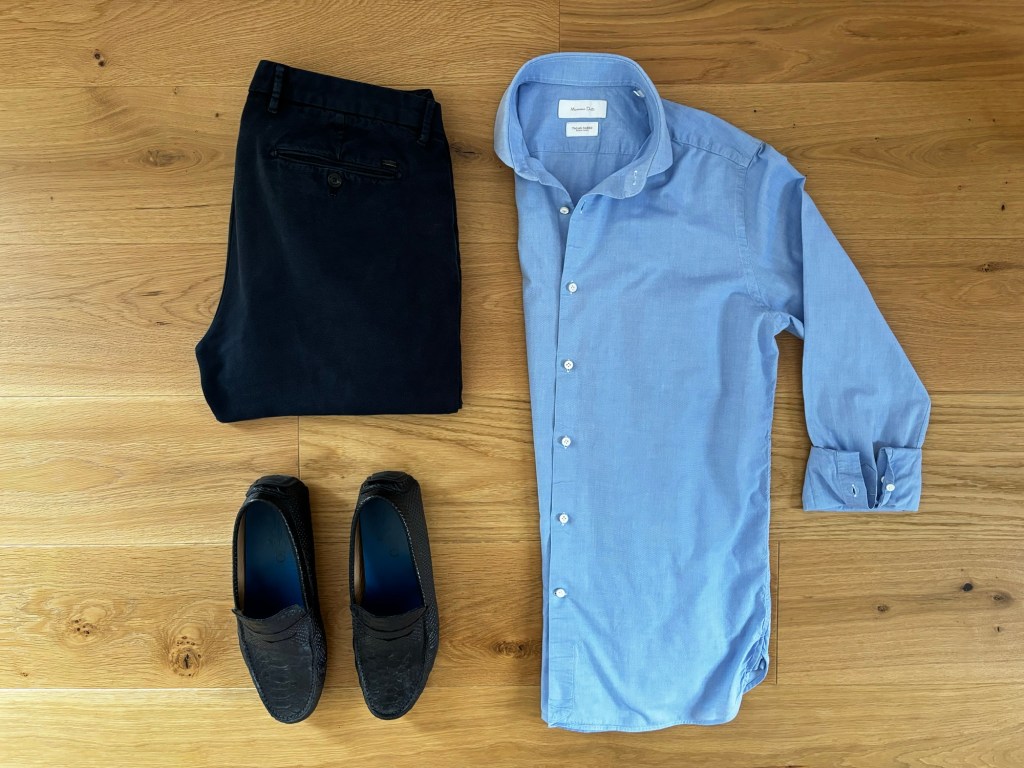
    Therefore I find myself oftentimes grabbing on of the light blue shirts I own, since it pairs naturally with tan chinos, a grey or navy suit but you can also wear it to jeans or shorts or any other way you can imagine.

    If you want to wear your shirt untucked, I would advise you to get a button down that is designed to be worn over the pants or at least find something with an length that doesn‘t look like you‘re wearing your wife’s summer dress. A side from that every style option is available to you.

    Blue generally goes with nearly all different colors, so you can pair it with all the common chino colors like navy, grey, charcoal or black and tan/sand and it will also look great with khaki, pastel green or rosè or even a slightly different shaded pastel blue. You can wear it either with light washed or dark jeans as well and all the suit options from brown, to navy to grey for business related stuff are viable choices.

    As are the summer suits, no matter if tan, green or light blue, it will most definitely work the same way a white shirt would and you don‘t have to show off your nipples when losing the jacket.

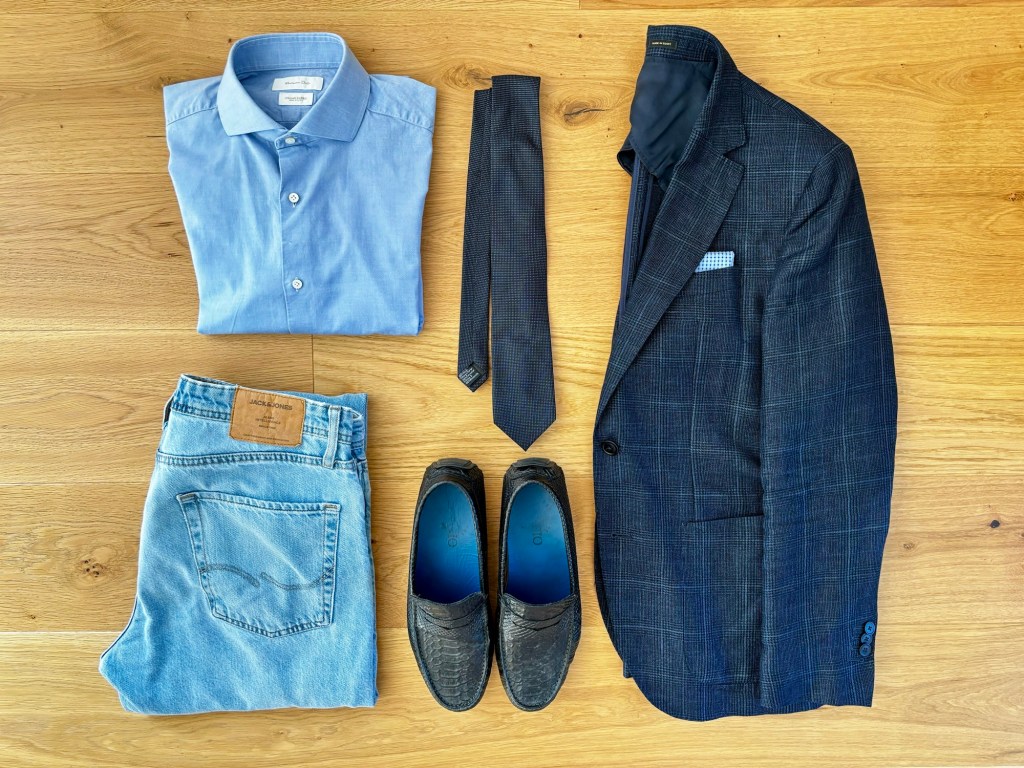
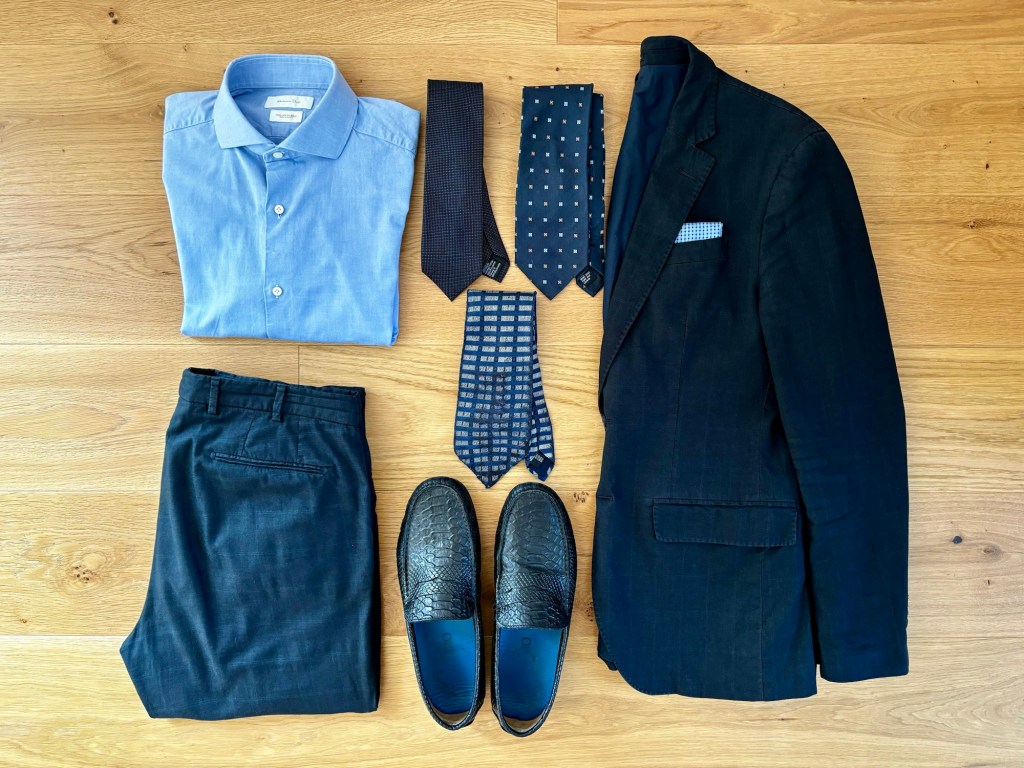
    I personally like the fully monochrome option of pairing a navy suit and a blue shirt with a navy tie and throw in either a white highlight (sneakers & pocket square) or combine it with black slippers.

    As for quality/ brand, I had various shirts over the last 15 years and I tend to always go back to Olymp, a brand that my dad already like decades ago. Their level 5 bodysuit suits me quite good, since I‘m relatively rugged and their fabric is always easy to iron or even completely iron free. You can put all their stuff into the dryer and the shirts won‘t lose size , fit or color plus they don’t get wrinkled easily, when you are packing for a trip.

    So maybe next time, you are heading in to give a important presentation to management or the customer, pick a blue shirt over the with one, lose the jacket after work & find yourself a neat cafe or bar and enjoy a spritz.

  • Monday fun day

    Monday fun day

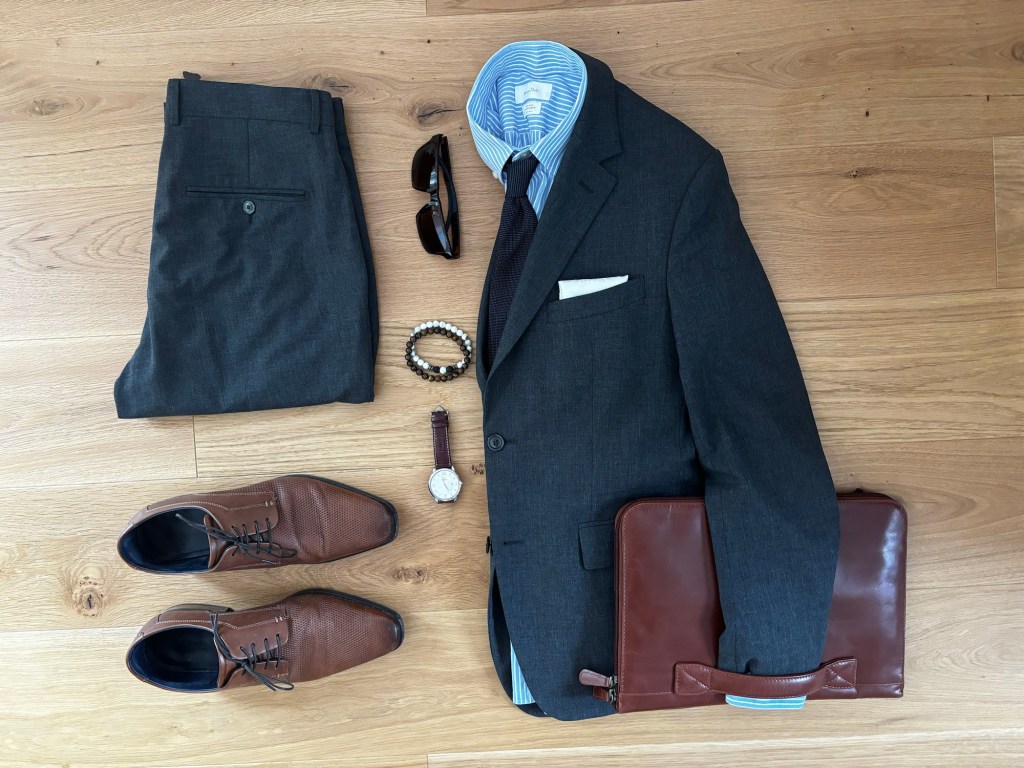
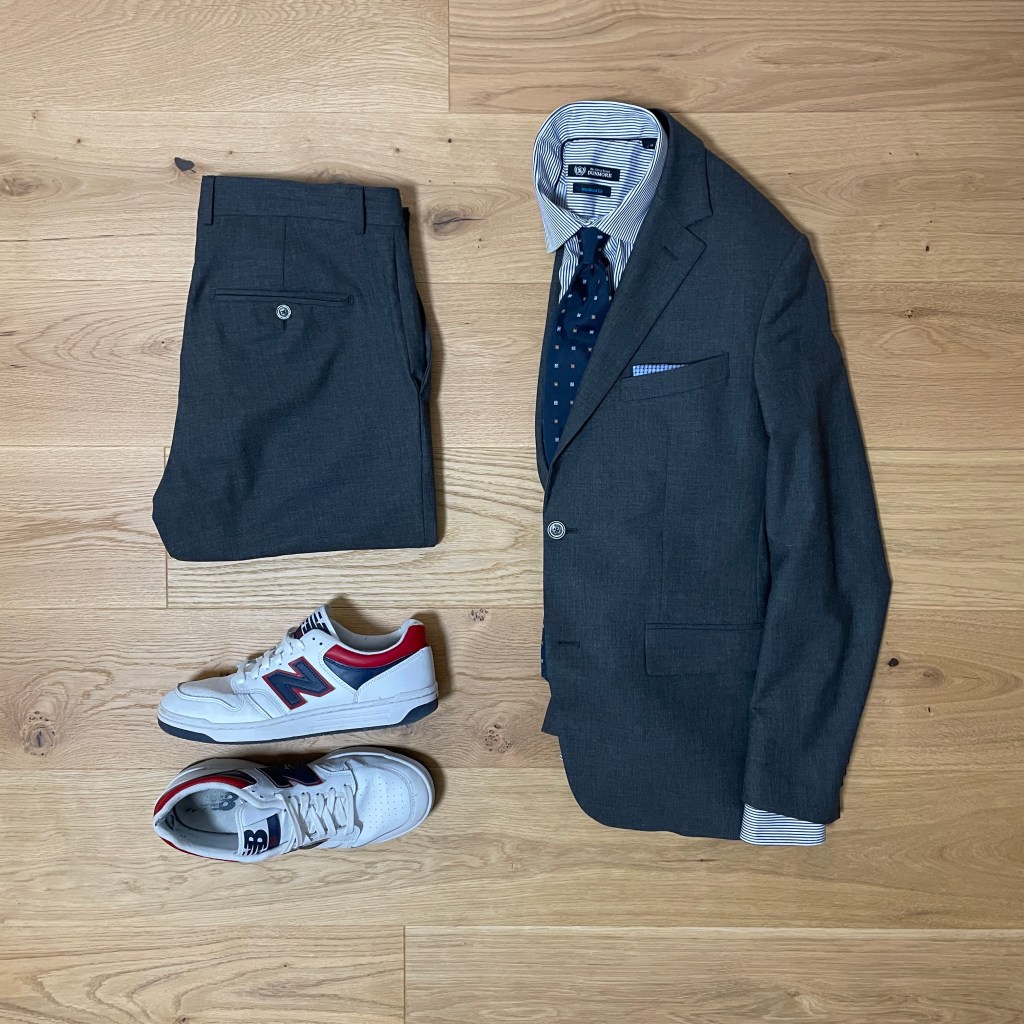
    Grey suit, blue/white striped shirt, navy tie and light brown accessories. Perfectly dressed for any workplace, destined to catch some funny looks from the colleagues showing up in cycling/ functional clothes made from shredded plastic bottles and Birkenstocks.

    To stand out has some pros and cons to it, but if you own your style and have some good story on your why for dressing well the pros outweigh the negative aspects.

    Keep it fun & don‘t take other people’s opinions to seriously!

  • Grey Suit – watched to much John Wick

    Grey Suit – watched to much John Wick

    ..but not enough to go full charcoal. Suit is from Mango Tailored and I was quite stunned by the quality and the fit. Pants are not as narrow as Massimo Dutti or Hugo Boss and I got the suit with a 30% discount. Only the trousers needed length adjustment, length of the jackets arms is quite good, a bit too much padding in the shoulders, but that’s currently en-vogue I guess.

    Maybe next time I will put it with black derbies, a black shirt and a charcoal tie. For the complete John Wick look I’m then only missing the hair.