
Picture this: You’re standing in front of the mirror, ready for an important meeting or special occasion. You’ve picked a beautiful blazer or a sharp pair of slacks that seemed perfect in the store, but something feels off. The jacket’s a bit boxy, the sleeves are too long, and your trousers don’t break quite right at the ankle. Despite the effort, it just doesn’t look… right.
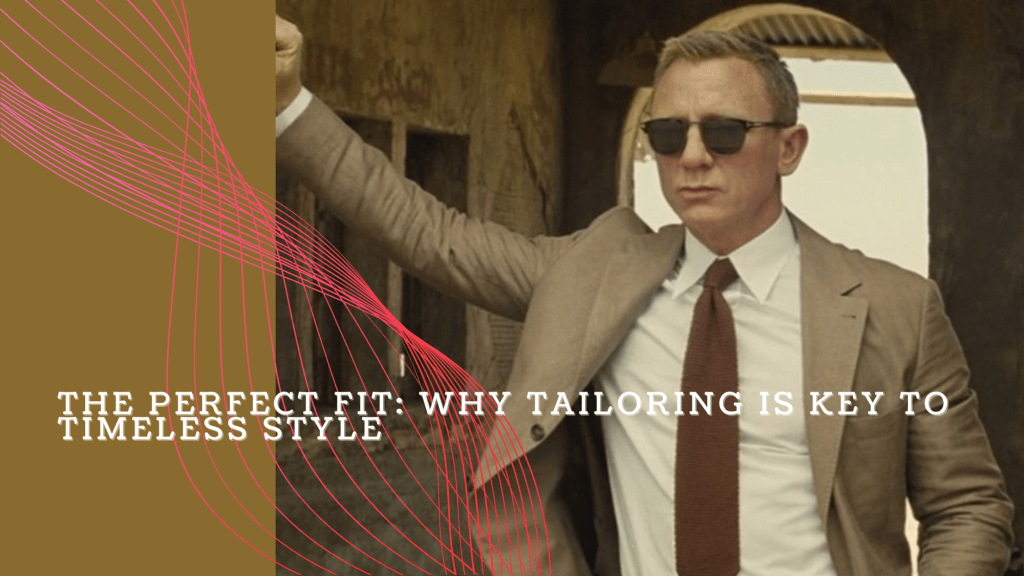
Now, imagine that same outfit, but this time, the jacket hugs your shoulders perfectly, subtly tapering at the waist to create a sleek V-shape. The sleeves end just at the wrist, allowing a hint of shirt cuff to peek out, and your pants fit so well that they look like they were custom-made for you. Suddenly, you’re not just wearing clothes—you’re owning them. This is the magic of tailoring.
When it comes to achieving timeless style, the perfect fit is everything. It’s not about following trends or wearing the latest labels; it’s about wearing clothes that make you feel confident, comfortable, and undeniably you. And the good news? Tailoring makes that look effortless—without breaking the bank.
The Power of Fit: Transforming Your Look
Style is often thought of as a visual statement, but it’s so much more than that. When your clothes fit like they were made for you, they don’t just look better—they make you feel better. A tailored jacket or a perfectly hemmed pair of pants can give you a sense of control, authority, and confidence that radiates into everything you do.
When I was younger, I used to think that the secret to looking stylish was buying expensive clothes. I’d spend more than I should on designer brands, only to feel underwhelmed when I wore them. Then I discovered tailoring, and everything changed. Suddenly, those same clothes that once felt “meh” made me look polished and put together. I learned that tailoring isn’t just about adjusting fabric—it’s about shaping confidence. And it turns out, when you feel good, you make everything around you look effortless.
Tailoring vs. Off-the-Rack: Why It Matters
Off-the-rack clothing is designed to fit as many body types as possible, which means it fits no one perfectly. Whether it’s a shirt that’s too loose in the torso or pants that are too long, the issue is often not the clothing itself, but the fit. This is where tailoring steps in.
When you tailor a piece, you take something that was made for everyone and transform it into something made for you. It’s a small but powerful change—one that makes a world of difference in how you carry yourself. You’re no longer adjusting your movements to accommodate your clothing; your clothing is working with you, moving with ease, letting you focus on what matters most.
Cost-Efficient Tailoring Options for Key Wardrobe Pieces
You might think tailoring is only for bespoke suits or high-end garments, but affordable alterations can take your everyday items—your suit jackets, chinos, and even t-shirts—to the next level. Here’s how you can tailor your off-the-rack pieces to look and feel custom-made, without spending a fortune:
Suit Jackets and Blazers:
- Tucking in the sides: By slimming the sides of a jacket, you can create that sharp V-shaped look that immediately makes you appear more athletic and polished. This is a simple alteration that transforms a boxy fit into something much sleeker.
- Shortening the sleeves: Often, sleeves on off-the-rack jackets are too long. Tailors can shorten them so that just a hint of shirt cuff is visible, a subtle detail that exudes refinement.
Slacks and Chinos:
- Hemming the legs: The length of your pants can make or break your look. Hemming them to the right length (whether you prefer no break or a slight break) ensures your trousers fall cleanly and complement your shoes.
- Tucking in the waist: Adjusting the waist ensures that your pants sit comfortably without sagging or requiring a belt to hold them up.
- Adding side adjusters: For a sleeker look, especially with dress pants, adding side adjusters eliminates the need for a belt, creating a cleaner silhouette.
Shirts and T-shirts:
Tucking in the sides: Whether it’s a dress shirt or even a t-shirt, tailoring the sides can eliminate extra fabric around the waist and torso, giving you a more streamlined, flattering fit.
Finding the Right Tailor: What to Look For
Not all tailors are created equal, so it’s important to find one that understands your body type and personal style. A good tailor doesn’t just follow instructions; they should offer advice on what alterations will suit you best. Look for someone who communicates well, offers reasonable prices, and can make minor adjustments quickly. Starting with small alterations (like hemming pants) is a great way to test their skills before moving on to more complex tailoring.
Building a Wardrobe Around Tailoring
Once you’ve seen the transformative power of tailoring, you’ll want to start building your wardrobe with this in mind. Invest in classic, versatile pieces that you can tailor to perfection. A well-fitted blazer, a tailored trench coat, or a perfect pair of dress pants can be worn across multiple occasions and seasons, and with proper care, they’ll last you for years. These aren’t just clothes—they’re timeless investments in your personal style.
Tailoring for Every Body Type
It’s important to remember that tailoring isn’t just for formal wear or certain body types. Whether you’re tall, short, slim, or curvy, tailoring can make your clothes fit better, feel better, and look better. You don’t need to have a model’s body to look incredible in tailored clothing—because it’s the tailoring itself that makes the body look its best.
Investing in Timeless Pieces
In a world full of fast fashion, it’s tempting to chase trends. But true, effortless style comes from investing in timeless, high-quality pieces that can be worn for years. When you combine quality with proper tailoring, you create a wardrobe that transcends fleeting fads, keeping you looking sharp and stylish no matter the occasion.
The Effortless Impact of Tailoring
Tailoring is the secret to effortless style. It’s not about buying more clothes or following every trend—it’s about making the clothes you already have fit like they were made just for you. With a few simple, cost-effective alterations, you can take off-the-rack pieces and transform them into a wardrobe of timeless classics that reflect your personal style.
The next time you look in the mirror and feel something’s missing from your outfit, consider tailoring. Because when your clothes fit perfectly, everything else falls into place—and you’ll find that looking your best feels completely effortless.

 Sebastian Strobl