Tag: fashiontips

  • The Perfect Summer Suit: A Timeless Essential for Every Capsule Wardrobe

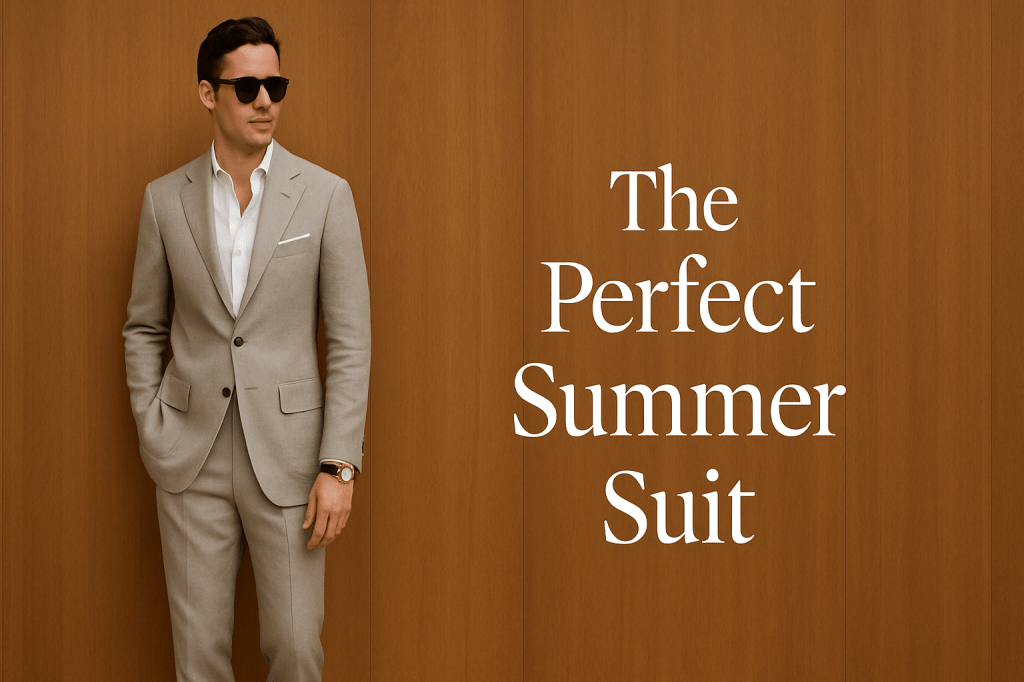
    The Perfect Summer Suit: A Timeless Essential for Every Capsule Wardrobe

    There’s a particular kind of magic to the perfect summer suit. It’s the sartorial equivalent of sprezzatura — effortless elegance that whispers instead of shouts. As a seasoned men’s fashion expert who travels to Pitti Uomo twice a year, I’ve seen everything from the wildest peacocks to the purest expressions of timeless tailoring. And amidst the evolving trends, one truth remains: a well-chosen summer suit, especially in the relaxed yet refined Italian style, belongs in every man’s capsule wardrobe.

    Minimalism doesn’t mean deprivation; it means intentionality. And the summer suit, when chosen well, is the ultimate intentional piece — versatile, lightweight, and able to adapt to the rhythm of modern life. Whether you’re navigating meetings in a sun-drenched office, attending a summer wedding, enjoying a dinner date, or sipping a Negroni at a backyard BBQ, the right summer suit can rise to the occasion.

    Why Every Capsule Wardrobe Needs a Summer Suit

    The idea behind a capsule wardrobe is simple: own less, wear more. Each piece must pull its weight across various settings. A thoughtfully selected summer suit does just that. Unlike its structured, wool-heavy winter counterparts, a summer suit is about fluidity, ease, and breathability. It bridges the space between formality and comfort, offering a polished yet relaxed aesthetic that doesn’t wilt under the sun.

    When you invest in a suit you can wear as separates or as a whole, you’re unlocking a dozen outfits in one go. This is not about fashion. It’s about style — that rare quality that persists when trends fade. And nothing defines timeless style like Italian tailoring adapted for warm weather.

    From Office to Occasion: The Suit That Works Everywhere

    One of the most compelling arguments for the summer suit is its versatility. Here’s how it works for every setting on your calendar:

    Office:

    Pair it with a crisp white poplin shirt and a pair of suede loafers. Skip the tie for a smart-casual take or add a lightweight silk knit tie for meetings that demand presence.

    Summer Wedding:

    Go full sprezzatura. Add a linen pocket square, sleek leather derbies, and a soft chambray shirt. You’ll look dressed up without feeling overdressed.

    Date Night:

    Ditch the dress shirt in favor of a fitted linen or polo shirt in a soft neutral tone. Unbutton the jacket, roll up your sleeves ever so slightly, and let your demeanor do the rest.

    Backyard BBQ or Garden Party:

    Break it up. Throw the jacket over a crewneck tee, and wear the trousers with leather sandals or canvas sneakers. You’ll look pulled together without trying too hard.

    Choosing the Right Suit: Fit, Fabric, Style, and Color

    The success of a summer suit lies in its details. Let’s break down how to choose the right one:

    Fit

    Forget the stiff, hyper-tailored silhouettes of the 2010s. Summer tailoring should follow your body, not cling to it. Look for a jacket with unstructured or lightly padded shoulders, allowing for natural movement. The trousers should be slim but breathable, ideally with side adjusters for a clean waistline. Think of comfort as a form of confidence — when your suit fits well, it feels like a second skin.

    Fabric

    This is non-negotiable. The wrong fabric will sabotage even the best cut. Look for lightweight, breathable materials like:

    Linen: Classic, slightly rumpled charm that screams summer in Tuscany.

    Cotton Twill: Crisp and durable, great for structured-yet-relaxed looks.

    Tropical Wool: Surprisingly breathable and wrinkle-resistant — a smart choice for city wear.

    Blends (Linen-Cotton, Wool-Silk): Offer the best of both worlds — cooling properties and a superior drape.

    Personally, I gravitate toward high-twist tropical wool for its versatility and elegance. It travels well and holds its shape even after a long day.

    Style

    This is where Italian tailoring shines. Go for a single-breasted jacket, ideally with two buttons, double vents, and patch pockets. The double vent helps with airflow and adds a rakish charm from behind. Patch pockets, meanwhile, keep things relaxed — less boardroom, more Riviera.

    Unlined or half-lined construction is crucial. You don’t want to be weighed down. Let the jacket breathe.

    The lapel should be soft and slightly wider than average — think Neapolitan flair, not banker’s boardroom.

    Color

    Here’s where most men make a mistake. Avoid anything too loud or too dark. Summer is about lightness — opt for:

    Stone or Sand: The ultimate warm-weather neutral.

    Light Grey: Clean, modern, and easy to pair with almost anything.

    Olive or Sage: A refined way to stand out without shouting.

    Dusty Blue or Airforce Blue: A softer take on navy that suits all skin tones.

    Skip pinstripes or anything high-contrast. Instead, embrace subtle texture — like a herringbone weave or slubbed linen — for visual interest that doesn’t overpower.

    The Case for Less Formal: Sprezzatura in Action

    Formal suiting has its place, but summer calls for something more lived-in. The beauty of Italian style is that it never tries too hard. Patch pockets, soft shoulders, and natural materials combine to create a look that’s elegant without being fussy.

    The less formal summer suit projects quiet confidence. It says: I know how to dress well, but I don’t need to prove it. That’s sprezzatura. It’s the key to looking polished without appearing stiff — a must for today’s busy professional who moves fluidly between work and life.

    And it’s not just about appearances. This style is functional. You stay cool, you feel unrestricted, and you look great without having to constantly adjust or fuss. That, my friend, is the point.

    Styling Tips: Do More with Less

    Mix & Match: Wear the jacket with white jeans or chinos. Pair the trousers with a navy polo. That’s two extra outfits instantly.

    Keep Accessories Light: A linen pocket square, a simple braided belt, and a pair of tortoiseshell sunglasses are more than enough.

    Footwear: Loafers, espadrilles, or minimalist leather sneakers cover all occasions.

    Grooming & Posture: No summer suit looks good without confidence and self-respect. Keep your grooming clean, stand tall, and let the tailoring do the talking.

    Final Thoughts: The Summer Suit, Simplified

    A well-chosen summer suit is more than just a garment — it’s a mindset. It speaks of a man who values quality over quantity, elegance over extravagance, and function over flash. It proves that minimalism, when executed with taste, doesn’t restrict — it liberates.

    So if your capsule wardrobe is missing this warm-weather essential, consider this your invitation. Invest in one. Wear it often. Let it age with you, adapt with you, and most of all— let it remind you that style, like summer, is best when enjoyed lightly.
  • The Power of Neutral Colors in Men’s Fashion: Build a Versatile Wardrobe with Timeless Tones

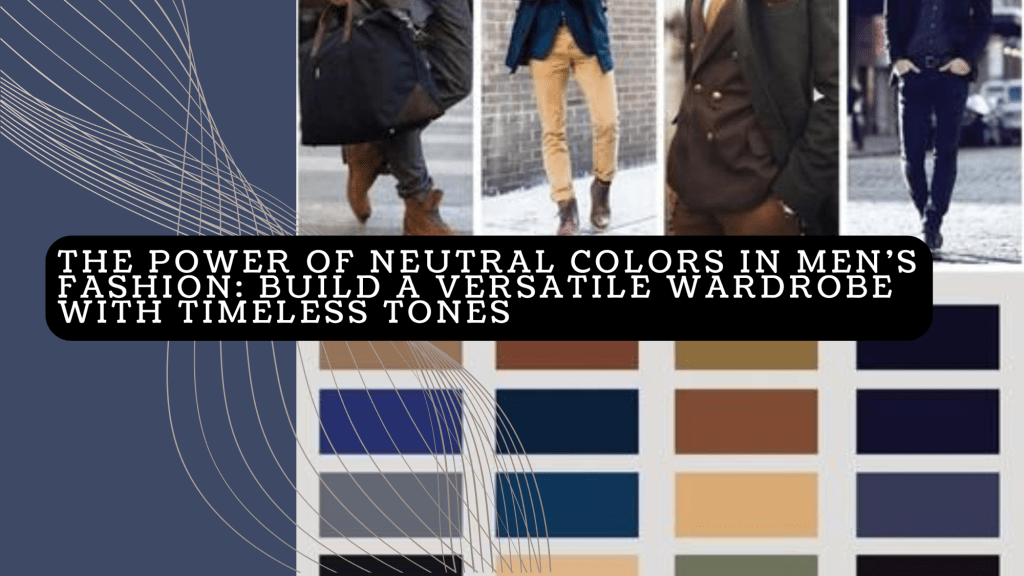
    The Power of Neutral Colors in Men’s Fashion: Build a Versatile Wardrobe with Timeless Tones

    Introduction

    When it comes to men’s fashion, neutral colors have an almost magical power. They serve as the foundation of any stylish wardrobe, offering endless versatility and a timeless appeal. In a world where trends come and go, neutrals remain steadfast, ensuring that your outfit will never feel out of place — whether you’re dressing up for a formal event or keeping it casual on the weekend.

    The real beauty of neutral tones lies in their simplicity. By mastering these classic shades, you can effortlessly mix and match outfits without overthinking. In this article, we’ll explore how incorporating neutral colors into your wardrobe can elevate your style, make dressing easier, and give you the flexibility to create looks that are both polished and modern.


    What Are Neutral Colors?

    Neutral colors are subtle and understated shades that form the backbone of men’s fashion. These include classic hues like black, white, gray, beige, navy, and olive. While they may seem basic at first glance, the true value of neutral colors lies in their adaptability. Unlike bolder tones, neutrals act as a canvas, allowing you to build outfits with ease and creativity.

    Neutral colors are timeless and rarely clash, which makes them indispensable when you’re building a wardrobe with longevity in mind. Plus, they create an effortless, sophisticated look that never feels too loud or overly trendy.


    Benefits of Neutral Colors in a Men’s Wardrobe
    1. Versatility

    The most significant advantage of neutral colors is their ability to work together effortlessly. Whether you’re pairing a gray blazer with black trousers or layering a white T-shirt under a navy sweater, neutrals complement each other flawlessly. You can mix and match neutral pieces endlessly, creating different combinations with just a few staple items. This versatility ensures you’re always ready for any occasion without needing a closet full of clothes.

    2. Timelessness

    Fashion trends can be fleeting, but neutrals are forever. Neutral colors like black, gray, beige, and navy have stood the test of time because of their classic appeal. Investing in well-made neutral pieces means your wardrobe will stay relevant, season after season, without needing frequent updates.

    3. Elegance & Sophistication

    Neutral tones exude an understated elegance. By avoiding overly flashy or loud colors, neutrals create a polished and refined look that’s appropriate for a variety of settings. Whether you’re heading to the office, attending a formal event, or keeping it casual, neutrals give off a professional, put-together vibe that’s hard to beat.


    Key Neutral Color Combinations

    One of the best things about neutrals is how seamlessly they pair with each other. Below are a few key color combinations to elevate your style:

    • Black & Gray: Sleek and modern, this combo works perfectly for both casual and formal looks. A black leather jacket with gray jeans is great for a laid-back weekend, while a gray suit with black shoes is a timeless formal outfit.
    • Navy & White: A crisp, classic pairing that’s perfect for almost any occasion. A navy blazer over a white shirt is a go-to smart casual look, while a white T-shirt paired with navy chinos is an easy yet stylish option for the weekend.
    • Beige & Olive: This combination leans into earth tones and is ideal for creating a relaxed yet sophisticated vibe. Try pairing an olive green bomber jacket with beige chinos for a look that’s casual but stylish.

    These color combinations offer a sense of balance and structure, ensuring you look sharp and well-coordinated without much effort.


    Essential Wardrobe Staples in Neutral Colors

    Building a wardrobe around neutral colors starts with the basics. Below are a few must-have items in neutral tones that every man should own:

    • White T-shirt: A true classic that pairs with anything. Wear it under a blazer for a dressed-up casual look or on its own with jeans for an effortless style.
    • Navy Blazer: Perfect for both casual and formal occasions, a navy blazer is versatile enough to be worn over a T-shirt, shirt, or sweater.
    • Beige Chinos: These pants are a great alternative to jeans and work well in a variety of settings, from casual Fridays at the office to weekend outings.
    • Gray Sweater: Ideal for layering, a gray sweater can be paired with almost anything — from jeans to chinos to dress pants.
    • Black Jeans: Sleek and versatile, black jeans can easily transition from day to night and pair well with both formal and casual tops.

    With these neutral staples, you’ll have the foundation for a versatile wardrobe that can adapt to different occasions with ease.


    How to Add Depth with Neutral Layers

    One misconception about neutral colors is that they can feel flat or boring. In reality, adding depth to neutral-toned outfits is easy when you experiment with layering and textures.

    For example, combine different shades of gray or beige in one outfit to create visual interest. A charcoal overcoat layered over a light gray sweater instantly adds dimension, while mixing fabrics like wool, cotton, and leather can also enhance the richness of an ensemble. Adding layers, such as a neutral scarf or a textured cardigan, can elevate a simple outfit into something more refined and complex.


    Incorporating Accent Colors

    Neutral colors provide the perfect backdrop for adding small pops of color. While the base of your outfit remains understated, accent colors can add personality and interest. Think of items like:

    • A colorful tie or pocket square.
    • Statement shoes or sneakers in a bold hue.
    • A vibrant watch strap or belt.

    These subtle touches allow you to express your individuality without overwhelming the outfit, ensuring a balanced and refined appearance.


    Conclusion

    Neutral colors are the cornerstone of any versatile and stylish men’s wardrobe. They offer unmatched versatility, timelessness, and sophistication, allowing you to create countless looks with minimal effort. By investing in high-quality neutral staples, experimenting with layers and textures, and adding accent colors where needed, you’ll find that dressing well becomes easier and more enjoyable.

    Whether you’re new to the world of fashion or a seasoned pro, mastering the power of neutral tones will simplify your wardrobe and keep you looking sharp for years to come.

  • Understanding Fabrics: A Guide to Materials in Men’s Fashion

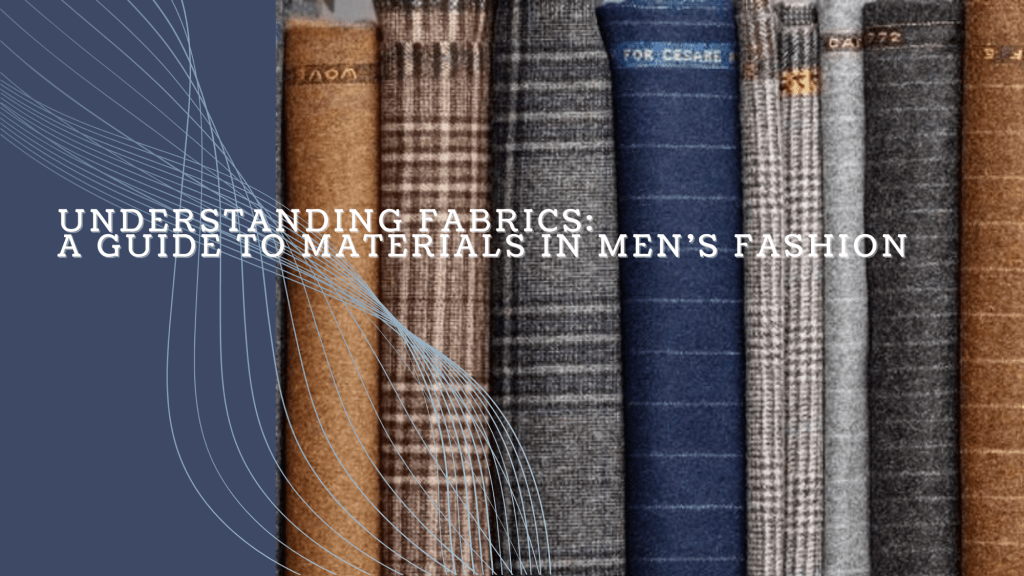
    Understanding Fabrics: A Guide to Materials in Men’s Fashion

    When it comes to men’s fashion, fabric choice is just as important as fit and style. Different materials offer varying levels of comfort, durability, and style. Whether you’re dressing up in a suit or relaxing in chinos, understanding the fabrics you wear will help you choose the best options for different seasons and occasions. This guide covers the most common pieces in a man’s wardrobe—from suits and dress shirts to polo shirts and outerwear—and helps you pick the right fabric for every scenario.

    1. Suits

    The suit is a wardrobe staple for the modern man, and the fabric you choose can make all the difference in how the suit looks and feels. Common fabrics for suits include:

    • Wool: The most popular fabric for suits, wool is a versatile material that can be worn year-round. It’s breathable, durable, and has natural stretch. For summer, look for lightweight wool, while heavier wool is great for winter.
    • Linen: Ideal for summer, linen is a lightweight and breathable fabric that helps keep you cool. It does wrinkle easily, but this adds to its relaxed, casual aesthetic.
    • Seersucker: Another summer favorite, seersucker has a puckered texture that promotes airflow and keeps you cool. Its distinct pattern makes it perfect for warm-weather events.
    • Cotton: Cotton suits are great for a more casual look and offer a middle ground between linen and wool. They’re comfortable and breathable but can wrinkle easily.
    2. Slacks and Chinos

    Slacks and chinos are go-to options for both casual and business casual wear.

    • Wool: Wool slacks are a classic choice for formal occasions or business settings. Worsted wool is a good all-season option, while flannel wool is warmer for winter.
    • Cotton Twill: Chinos are often made from cotton twill, which is a durable and breathable fabric. Heavier cotton is great for colder weather, while lightweight cotton is perfect for summer.
    • Stretch Cotton: Many modern chinos incorporate a small percentage of elastane or spandex for added stretch and comfort.
    3. Blazers & Sports Coats

    Blazers and sports coats come in a variety of fabrics, each suited for different seasons and occasions.

    • Wool & Wool Blends: Wool is a popular fabric for blazers because it’s versatile, breathable, and durable. Wool blends (often mixed with polyester or silk) can offer a more relaxed feel while retaining wool’s elegance.
    • Tweed: A type of wool with a rougher texture, tweed is perfect for colder months. It’s heavier and more insulating, making it great for fall and winter.
    • Houndstooth & Herringbone: These are specific weaving patterns often used in wool or wool blends. They offer a sophisticated texture and are typically worn in cooler months.
    • Linen: For summer blazers, linen is ideal due to its lightweight and breathable nature.
    4. Polo Shirts

    Polo shirts are a casual essential, often seen in warmer months.

    • Pique Cotton: Pique cotton is known for its textured weave and breathability. It’s the most common material used for polo shirts and is perfect for warm weather.
    • Jersey Cotton: Softer and more flexible than pique, jersey cotton offers a smooth finish and is comfortable for casual wear. It’s also more lightweight.
    • Merino Wool: While wool might seem unusual for a polo, merino wool is breathable and temperature-regulating, making it a great option for spring and fall polos.
    5. Dress Shirts & Oxford Button-Downs

    Dress shirts are a must for any professional wardrobe, and fabric plays a huge role in comfort and appearance.

    • Poplin: This tightly woven cotton fabric is smooth and lightweight, making it perfect for dress shirts in the spring and summer. It has a crisp feel and holds its shape well.
    • Oxford Cloth: Oxford cloth has a basketweave structure that makes it thicker and more durable than poplin. It’s often used in button-down shirts and works well in casual or business casual settings.
    • Broadcloth: Similar to poplin but with a more formal appearance, broadcloth is soft and has a subtle sheen, making it a great option for dressier occasions.
    • Flannel: A warmer option for colder months, flannel shirts are made from cotton or wool and have a soft, brushed texture.
    6. Outerwear

    Outerwear is all about balancing style and functionality, and the fabric you choose should depend on the season and your personal style.

    • Wool Coats & Peacoats: Wool is a classic fabric for outerwear because it’s warm, durable, and naturally water-resistant. Peacoats, often made from thick wool, are ideal for winter months.
    • Safari Jackets: Traditionally made from cotton, safari jackets are lightweight and perfect for spring and summer. Modern versions may incorporate linen for extra breathability.
    • Cashmere: Known for its softness and luxurious feel, cashmere is a high-end wool that’s perfect for lightweight but warm coats. It’s ideal for transitional seasons.
    • Nylon & Polyester: Common in technical jackets, these synthetic materials are lightweight, water-resistant, and durable, making them ideal for raincoats and windbreakers.
    Choosing Fabrics for Different Seasons

    When selecting fabrics, it’s important to think about both the material itself and the weaving structure. Here are some seasonal tips:

    • Spring/Summer: Opt for lightweight and breathable fabrics like linen, cotton, and seersucker. Open weaves and lighter colors help keep you cool.
    • Fall/Winter: Look for heavier fabrics like wool, flannel, and tweed to provide warmth and insulation. Tight weaves and darker colors work best in cooler months.
    • All-Season: Fabrics like merino wool, cotton, and lightweight wool can transition well between seasons. These materials regulate temperature effectively and are comfortable in both warm and cool weather.
    Conclusion

    Understanding fabrics can take your wardrobe to the next level. Choosing the right material not only ensures you look sharp but also keeps you comfortable throughout the day. Whether you’re suiting up for a formal event or dressing down for a casual outing, knowing which fabrics work best for each situation will elevate your style game. Keep these tips in mind as you build a versatile, stylish wardrobe suited for every season.

  • The Art of Suiting: Choosing the Perfect Suit for Any Occasion

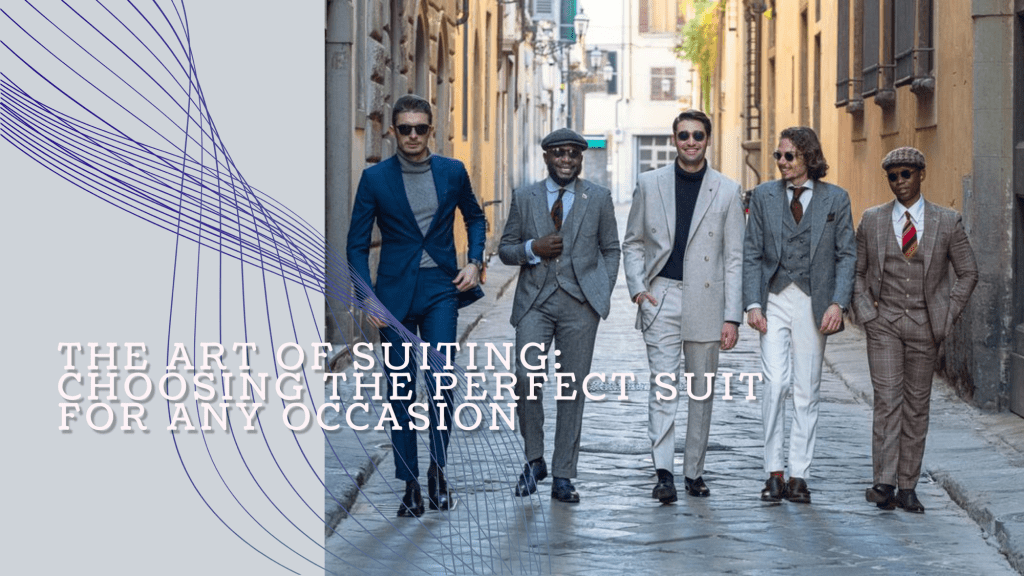
    The Art of Suiting: Choosing the Perfect Suit for Any Occasion

    When it comes to suiting, the choices you make go far beyond simply picking a jacket and trousers. Your suit speaks volumes about your personality, attention to detail, and understanding of style. The right suit can transform your appearance, boosting your confidence and making a lasting impression, whether you’re in a business meeting, attending a wedding, or enjoying a casual gathering. But how do you choose the perfect suit for every occasion? Let’s dive into some basic rules and guidelines that will help you navigate the world of suiting with ease and sophistication.

    Basic Rules & Guidelines for Picking the Right Suit

    Understand the Occasion: The first step in choosing the right suit is understanding the event you’re dressing for. Is it a formal black-tie event, a business meeting, or a casual outing? The level of formality dictates not only the suit type but also the fabric, color, and accessories.

    Choose the Right Fit: No matter how expensive or stylish a suit is, it won’t look good if it doesn’t fit properly. Ensure that the shoulders of the jacket align with your own, the trousers break just above your shoes, and the suit contours your body without being too tight or too loose. A well-fitted suit enhances your physique and gives you a polished appearance.

    Opt for Timeless Colors: For most occasions, you can’t go wrong with classic colors like navy, charcoal, and black. These colors are versatile and suitable for almost any event. For less formal occasions, you can experiment with lighter shades like grey or beige.

    Pay Attention to Fabric: The fabric of your suit should align with the season and the occasion. Wool is a great all-rounder, offering durability and comfort. For summer events, consider lightweight fabrics like linen or cotton. Velvet and tweed can add texture and warmth for winter occasions.

    Consider the Details: The little things matter. Lapels, buttons, pockets, and the type of stitching can all affect the suit’s overall look. Peak lapels, for instance, are more formal, while notched lapels are versatile and classic. Pay attention to these details to ensure your suit fits the occasion.

    Accessorize Thoughtfully: Accessories can elevate your suit to another level. Ties, pocket squares, cufflinks, and watches should complement your suit without overpowering it. For formal events, keep accessories sleek and understated. For more casual settings, you can introduce a bit of flair with bolder patterns or colors.

    Shoes Matter: The right pair of shoes can make or break your outfit. For formal occasions, polished oxfords or derbies in black or brown are ideal. Loafers can be a good choice for business casual or smart casual events. Ensure your shoes are well-maintained, as scuffed or worn shoes can detract from even the best suit.

    Weaving in the Occasions

    Now that we have a solid understanding of the basic rules, let’s explore how to apply them across different occasions through storytelling and practical advice.

    Formal Occasions: The Classic Black-Tie Event

    Imagine you’ve just received an invitation to a black-tie gala. The dress code is strict, and first impressions are crucial. This is the time to reach for a tuxedo, preferably in classic black or midnight blue. Your jacket should feature satin or grosgrain lapels, paired with matching trousers that have a satin stripe down the side. A crisp white dress shirt with a pleated front, a black bow tie, and polished patent leather shoes complete the look. This ensemble exudes sophistication and commands attention, ensuring you’ll fit in perfectly with the evening’s elegant atmosphere.

    Semi-Formal Occasions: The Daytime Wedding

    Daytime weddings offer a bit more flexibility, but they still require a level of formality. A three-piece suit in a light grey or pastel blue is an excellent choice for a summer wedding. The waistcoat adds a layer of formality while still being appropriate for a daytime event. Pair this with a white or light blue shirt, a tie that complements the suit, and brown leather shoes. This outfit strikes the perfect balance between formal and approachable, allowing you to celebrate the occasion with style and grace.

    Business Formal: The Important Client Meeting

    In the corporate world, your appearance can be a silent signal of your professionalism. For an important client meeting, a dark grey or navy two-piece suit is your go-to. These colors project authority and reliability. Pair the suit with a crisp white or light blue shirt and a conservative tie—perhaps in a solid color or subtle pattern. Black oxford shoes should be polished to perfection. As you walk into the room, your attire communicates that you are serious, competent, and ready to deliver results.

    Business Casual: The Office Wear

    On days when the dress code is relaxed but you still want to maintain a professional appearance, an unstructured blazer paired with chinos strikes the right chord. Opt for a navy or light grey blazer with khaki or olive chinos. Skip the tie and choose a casual button-down shirt instead. Loafers or brogues in brown leather keep the look polished but comfortable. This ensemble is perfect for a day at the office when you need to balance professionalism with comfort.

    Casual Occasions: The Weekend Garden Party

    Casual social gatherings, such as a garden party, allow for more relaxed attire. A linen suit in beige or soft blue keeps you cool and stylish in the summer heat. Pair it with a light shirt—consider a pastel or subtle print—and loafers or espadrilles. This outfit is laid-back yet refined, perfect for mingling outdoors while looking effortlessly stylish.

    Bringing It All Together: The Continuous Journey

    Building a wardrobe that covers all these occasions is not a task to be completed overnight. It’s a journey, one that evolves as your personal style and lifestyle change. Start with the basics: a well-fitted dark suit for formal and business occasions, and a versatile blazer for semi-formal and casual events. Over time, add pieces that reflect your personality and cater to specific needs, such as a tuxedo for black-tie events or a linen suit for summer weddings.

    Remember, suiting is not just about looking good—it’s about feeling good too. When you dress well, you carry yourself differently, with more confidence and poise. Each suit you add to your wardrobe should be a reflection of your commitment to presenting the best version of yourself, whether you’re closing a business deal, celebrating a milestone, or simply enjoying a casual outing.

    Conclusion: The Art of Suiting

    The art of suiting lies in the details—the fabric, the fit, the color, and the accessories. By understanding the principles of suiting and applying them to various occasions, you can build a wardrobe that is both functional and stylish. Your suit is more than just clothing; it’s an extension of your identity, a statement of your values, and a key to unlocking opportunities. So, whether you’re donning a tuxedo for a black-tie event or a blazer for a casual outing, wear it with confidence, knowing that you’re dressed for success.