Tag: growth mindset

  • The Wheel of Life Assessment: A Comprehensive Guide for Busy Professionals

    The Wheel of Life Assessment: A Comprehensive Guide for Busy Professionals

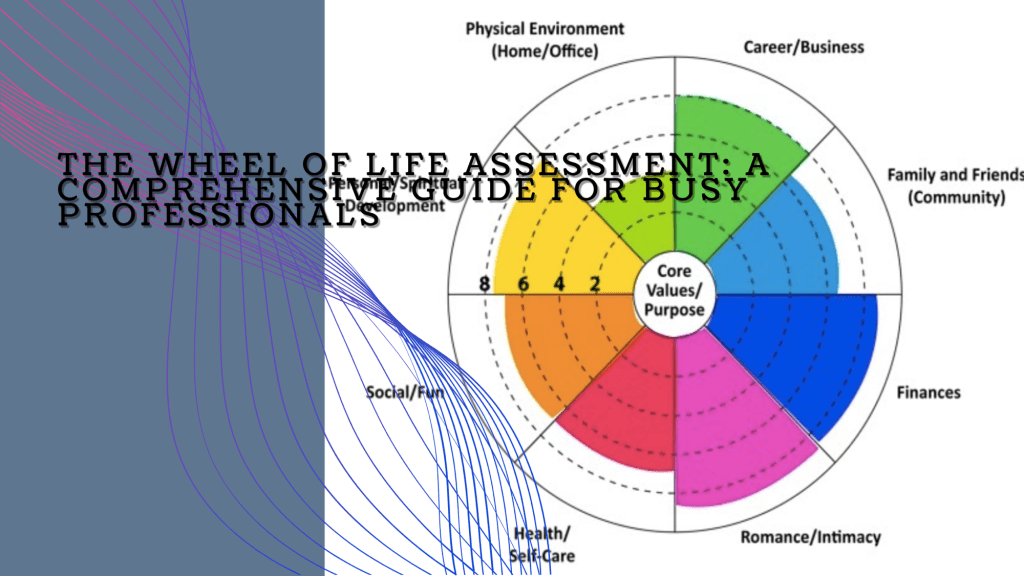
    The Wheel of Life is a powerful self-assessment tool designed to help individuals evaluate and achieve balance across different areas of their lives. Originating from life coaching and personal development practices, this tool visualizes life balance as a wheel with each segment representing a key area of life. By assessing these areas, you can identify where you’re thriving and where you may need to focus more attention, ultimately guiding you towards a more balanced and fulfilling life.

    Origins and Concept of the Wheel of Life

    The Wheel of Life assessment is rooted in holistic approaches to self-improvement. While its precise origins are unclear, it has gained widespread use in coaching, personal development, and therapy. The concept is simple yet profound: life is divided into various segments or categories, each representing a critical aspect of our existence. The wheel is balanced only when these areas receive appropriate attention and effort, allowing it to roll smoothly.

    What is the Wheel of Life?

    The Wheel of Life typically includes 8 to 10 segments, each representing a significant area of life such as:

    • Career
    • Family and Friends
    • Significant Other/Romance
    • Health
    • Finance
    • Personal Growth
    • Fun and Recreation
    • Physical Environment

    These categories can be customized to reflect your unique life circumstances. For instance, if you’re an entrepreneur, you might add segments like “Business Growth” or “Leadership.” The goal is to rate your satisfaction in each area on a scale of 1 to 10, creating a visual representation of your life balance​ (Quenza, Scott Jeffrey).

    Conducting the Wheel of Life Assessment: A Step-by-Step Guide
    Step 1: Determine Your Categories

    Begin by defining the categories that are most relevant to your life. While there are standard categories like Career and Health, your personal circumstances might require custom segments. For example, if you’re a busy professional with a family, you might include categories such as “Parenting,” “Spouse Relationship,” “Career,” “Health,” “Finances,” “Personal Growth,” and “Leisure” ​(Scott Jeffrey).

    Step 2: Assess Your Current Situation

    Next, evaluate your satisfaction level in each category using a scale from 1 to 10, where 1 represents complete dissatisfaction and 10 signifies full contentment. Be honest in your assessment—this is crucial for identifying where improvements are needed. Consider what a “10” would look like in each category. For example, in “Health,” a 10 might mean regular exercise, a balanced diet, and overall well-being​ (Quenza, Scott Jeffrey).

    Step 3: Plot Your Ratings on the Wheel

    Once you’ve rated each category, transfer these scores onto the Wheel of Life template. This will give you a visual representation of your life balance. Ideally, the wheel should be evenly rounded, indicating balance. However, if it appears uneven, this highlights the areas of your life that require more attention ​(Quenza).

    Step 4: Analyze and Reflect

    Take time to reflect on your completed wheel. Ask yourself questions like:

    • Are there any surprises in the scores?
    • Which areas need the most improvement?
    • How do these imbalances affect other areas of your life?

    This reflection is crucial for understanding the interconnectedness of different life areas. For example, neglecting your health might lead to reduced productivity at work and strained relationships​ (Quenza).

    Deriving Topics to Work On Over the Year
    Step 5: Set SMART Goals

    After identifying the areas that need improvement, set SMART (Specific, Measurable, Achievable, Relevant, Time-bound) goals for each one. For example:

    • If your “Health” score is low, a goal might be: “Exercise three times a week for 30 minutes to improve overall energy and well-being.”
    • If your “Relationship” score is low, a goal could be: “Plan a date night with my spouse once a week to strengthen our connection.”

    Choose 2-3 key areas to focus on each quarter, ensuring that you don’t overwhelm yourself by trying to improve everything at once​ (Quenza, Scott Jeffrey).

    Step 6: Create an Action Plan

    Develop a clear action plan for each goal. Break down your goals into daily, weekly, and monthly tasks to make them more manageable. For example:

    • Daily Habits: Incorporate small, consistent actions like drinking more water or taking short walks.
    • Weekly Check-ins: Set aside time to review your progress each week. Are you staying on track? What obstacles are you facing?

    This structured approach helps ensure steady progress without becoming overwhelming ​(Scott Jeffrey).

    Measuring Success and Tracking Progress
    Step 7: Regular Reviews and Adjustments

    Tracking your progress is key to maintaining motivation and ensuring you’re on the right path. Here’s how to measure success:

    • Monthly Reviews: At the end of each month, revisit your Wheel of Life and reassess your scores. Have you made progress? This will indicate whether your efforts are effective.
    • Quarterly Reviews: Every three months, conduct a more thorough review. Adjust your goals and strategies based on any changes in your life circumstances or priorities ​(Quenza, Scott Jeffrey).
    Tools for Tracking

    Consider using a journal, an app, or a simple spreadsheet to log your activities and monitor your progress. This allows you to track patterns over time and stay accountable to your goals.

    Keeping Track and Staying on Course

    Consistency is essential for maintaining balance. Here’s how to stay on track:

    • Accountability Partner: Share your goals with someone you trust, like a partner, friend, or coach. This adds accountability and increases your likelihood of following through.
    • Adapt and Adjust: Life is dynamic, and your priorities may shift. Be flexible with your goals and willing to adjust your action plan as needed. Regularly revisiting your Wheel of Life ensures your actions remain aligned with your evolving circumstances​ (Scott Jeffrey).
    Conclusion

    The Wheel of Life is more than just an assessment tool — it’s a guide for ongoing personal development and life balance. By regularly assessing your life, setting SMART goals, and tracking your progress, you can maintain productivity while ensuring that all areas of your life receive the attention they deserve. Remember, the goal is not perfection but continuous improvement and balance across all aspects of your life.
  • 40 Simple Ideas to Improve Your Life: A Minimalist Guide to Happiness, Satisfaction, Health, and Productivity

    40 Simple Ideas to Improve Your Life: A Minimalist Guide to Happiness, Satisfaction, Health, and Productivity

    As I approach my 40th birthday next week, I’ve been reflecting on ways to simplify and enhance my life in meaningful ways. Turning 40 feels like a milestone, and I want to enter this new decade with a clear focus on what truly matters. With that in mind, I’ve put together a list of 40 simple ideas to boost happiness, satisfaction, health, and productivity. These are small, actionable steps that anyone can take to improve their life immediately.

    1. Declutter Your Space
      • How: Start with one area, like your desk or a single drawer. Remove anything you don’t use regularly or doesn’t bring you joy.
      • Why: A tidy space promotes a clear mind and reduces stress.
    2. Practice Gratitude Daily
      • How: Each morning or before bed, write down three things you’re grateful for.
      • Why: Gratitude shifts focus from what’s lacking to what’s abundant, fostering a positive mindset.
    3. Set Clear Priorities
      • How: List the top three things you want to accomplish each day.
      • Why: Focusing on fewer tasks increases your chances of completing them, leading to a greater sense of achievement.
    4. Drink More Water
      • How: Carry a reusable water bottle and aim to drink a full bottle by lunchtime and refill for the afternoon.
      • Why: Staying hydrated boosts energy levels and supports overall health.
    5. Take a Walk Outside
      • How: Spend at least 10 minutes walking outside each day, preferably in a green space.
      • Why: Nature exposure reduces stress and increases feelings of well-being.
    6. Limit Screen Time
      • How: Set specific times to check your phone or social media, and avoid screens an hour before bed.
      • Why: Reducing screen time improves sleep and frees up time for more meaningful activities.
    7. Simplify Your Wardrob
      • How: Create a capsule wardrobe with a few versatile pieces that you love wearing.
      • Why: Fewer clothing choices reduce decision fatigue and simplify mornings.
    8. Practice Deep Breathing
      • How: Take a few deep breaths in and out when feeling stressed.
      • Why: Deep breathing calms the mind and reduces stress.
    9. Eat Whole Foods
      • How: Incorporate more fruits, vegetables, and whole grains into your meals.
      • Why: Whole foods provide essential nutrients that boost energy and improve health.
    10. Read Daily
      • How: Spend 15 minutes reading a book or article that interests you.
      • Why: Reading stimulates the mind and offers new perspectives.
    11. Say “No” More Often
      • How: Politely decline commitments that don’t align with your priorities.
      • Why: Saying no preserves time and energy for what truly matters.
    12. Practice Mindful Eating
      • How: Eat without distractions, savoring each bite and noticing flavors and textures.
      • Why: Mindful eating improves digestion and satisfaction with meals.
    13. Create a Morning Routine
      • Design a simple, consistent routine that includes activities that set a positive tone for the day.
      • Why: A morning routine grounds you and prepares you for the day ahead.
    14. Get Enough Sleep
      • How: Establish a consistent bedtime and wake-up time, even on weekends.
      • Why: Adequate sleep is crucial for mental and physical health.
    15. Reduce Possessions
      • How: Regularly assess and donate or discard items you no longer need.
      • Why: Fewer possessions lead to less clutter and more focus on what’s important.
    16. Connect with Loved Ones
      • How: Make time for regular conversations or visits with friends and family.
      • Why: Strong relationships are key to happiness and fulfillment.
    17. Practice Meditation
      • How: Start with just five minutes of sitting quietly, focusing on your breath.
      • Why: Meditation reduces stress and increases mindfulness.
    18. Limit Caffeine Intake
      • How: Gradually reduce coffee or energy drink consumption, especially in the afternoon.
      • Why: Less caffeine can improve sleep quality and reduce anxiety.
    19. Practice Single-tasking
      • How: Focus on completing one task at a time before moving to the next.
      • Why: Single-tasking improves productivity and the quality of your work.
    20. Unsubscribe from Unnecessary Emails
      • How: Take a few minutes to unsubscribe from newsletters or services you no longer read.
      • Why: A cleaner inbox reduces stress and distraction.
    21. Laugh More
      • How: Watch a funny video or spend time with people who make you laugh.
      • Why: Laughter releases endorphins and reduces stress.
    22. Keep a Journal
      • How: Spend a few minutes each day writing down your thoughts, ideas, or experiences.
      • Why: Journaling helps clarify thoughts and track personal growth.
    23. Simplify Your Finances
      • How: Automate bill payments and set up a budget that’s easy to follow.
      • Why: Simplifying finances reduces stress and helps you stay on track with your goals.
    24. Embrace Minimalist Design
      • How: Simplify your home decor by choosing fewer, more meaningful items.
      • Why: A minimalist environment is calming and aesthetically pleasing.
    25. Practice Forgiveness
      • How: Let go of grudges or past grievances, focusing on moving forward.
      • Why: Forgiveness frees you from negative emotions and promotes inner peace.
    26. Volunteer Your Time
      • How: Find a cause you care about and dedicate a few hours a month to helping out.
      • Why: Volunteering fosters connection and provides a sense of purpose.
    27. Use a Planner
      • How: Write down your tasks, appointments, and goals for the week.
      • Why: A planner helps you stay organized and reduces the stress of trying to remember everything.
    28. Cook Simple, Healthy Meals
      • How: Focus on recipes with few ingredients that you can prepare in under 30 minutes.
      • Why: Simple meals save time and support healthy eating habits.
    29. Practice Self-compassion
      • How: Treat yourself with the same kindness you would a friend when you make mistakes.
      • Why: Self-compassion improves mental health and resilience.
    30. Take Short Breaks
      • How: Set a timer to take a 5-minute break every hour during work.
      • Why: Short breaks improve focus and prevent burnout.
    31. Embrace Minimalism in Technology
      • How: Delete apps you rarely use and organize the remaining ones for easy access.
      • Why: A streamlined phone reduces distraction and increases productivity.
    32. Focus on Experiences, Not Things
      • How: Spend money on activities and experiences rather than material possessions.
      • Why: Experiences create lasting memories and happiness.
    33. Stay Present
      • How: When with others, focus fully on the conversation without distractions.
      • Why: Being present improves relationships and life satisfaction.
    34. Limit News Consumption
      • How: Check the news once a day instead of constantly throughout the day.
      • Why: Limiting news reduces anxiety and frees up time for other activities.
    35. Engage in Creative Activities
      • How: Spend time on a hobby like drawing, writing, or playing music.
      • Why: Creativity enhances problem-solving skills and brings joy.
    36. Take Care of Your Posture
      • How: Sit up straight and stretch regularly if you sit for long periods.
      • Why: Good posture prevents back pain and promotes better breathing.
    37. Cultivate a Growth Mindset
      • How: View challenges as opportunities to learn rather than as setbacks.
      • Why: A growth mindset fosters resilience and continuous improvement.
    38. Simplify Your Social Media
      • How: Unfollow accounts that don’t add value to your life or make you feel inadequate.
      • Why: A curated feed reduces comparison and increases positivity.
    39. Create a Bedtime Ritual
      • How: Develop a calming pre-sleep routine, like reading or meditating, to wind down.
      • Why: A bedtime ritual signals to your body that it’s time to sleep, improving sleep quality.
    40. Practice Minimalist Thinking
      • How: When overwhelmed, focus on what truly matters and let go of the rest.
      • Why: Minimalist thinking reduces stress and helps you make better decisions.
    Final Thoughts

    Improving your life doesn’t have to be complicated. By implementing even a few of these minimalist ideas, you can create positive changes that enhance your happiness, satisfaction, health, and productivity. Start small, and remember that simplicity is often the key to lasting success. Less is indeed more.