Tag: growthmindset

  • Tough Lessons in Project Management: What ‘If You’re Gonna Be Stupid, You Gotta Be Tough’ Teaches Us About Leadership

    Tough Lessons in Project Management: What ‘If You’re Gonna Be Stupid, You Gotta Be Tough’ Teaches Us About Leadership

    It’s a phrase that’s equal parts funny, blunt, and uncomfortably true: “If you’re gonna be stupid, you gotta be tough.” Popularized by author John Grisham, this quote has become a tongue-in-cheek anthem for everyone who’s ever learned something the hard way. While it might sound like the punchline to a bar story, it’s also quietly profound—especially if you’re managing complex projects, tight timelines, and high-stakes outcomes.

    Let’s be honest: in project management, no matter how skilled you are, mistakes happen. Bad calls are made. Sometimes you skip a process to save time, only to watch things go sideways weeks later. In those moments, toughness isn’t a bonus—it’s a survival skill.

    In this article, we’ll explore what this gritty little quote can teach us about leadership, accountability, and how to build teams that get stronger with every challenge.

    What the Quote Really Means

    On the surface, “If you’re gonna be stupid, you gotta be tough” is a jab at people who make reckless choices and then suffer the consequences. But let’s break it down:

    “Stupid” doesn’t necessarily mean intellectually lacking — it often means acting without foresight, rushing decisions, or ignoring best practices. “Tough” means resilient, adaptive, and strong enough to fix the mess you created without giving up.

    It’s not just about enduring pain. It’s about learning fast, bouncing back, and owning your part in what went wrong. In the project management world, that mindset is priceless.

    5 Project Management Lessons Hidden in the Quote
    1. Risk Ignored is Pain Deferred

    We’ve all been tempted to fast-track a project by skipping the risk register or brushing off stakeholder alignment. After all, what’s the worst that could happen?

    Plenty.

    When we ignore potential risks, we’re not eliminating them — we’re simply deferring the pain. A minor oversight in the early stages can balloon into a full-blown crisis in execution. The tough project manager isn’t just a fire-fighter; they’re a risk-spotter who prevents the fire in the first place.

    Pro tip: Build in a “pre-mortem” at project kickoff. Ask your team, “If this project failed six months from now, what went wrong?” Then plan to prevent those scenarios.

    2. Toughness is a Core Competency

    Every project faces bumps: budget overruns, vendor delays, last-minute scope changes. What separates good PMs from great ones is how they handle adversity.

    Toughness doesn’t mean powering through with brute force. It means staying calm under pressure, navigating politics with grace, and keeping the team focused when things go wrong. It’s about emotional resilience, not ego.

    When the pressure’s on, your team will look to you. Be the calm in the storm.

    3. Don’t Confuse Hustle with Strategy

    Too many project managers wear their stress as a badge of honor — working nights, sending emails at 2 a.m., fixing problems caused by bad planning.

    That’s not leadership. That’s burnout.

    Being “tough” shouldn’t be about cleaning up after poor decisions. It should be about preventing them with smart strategy and clear priorities. Hustle is overrated if it’s compensating for a lack of structure.

    Remember: Your job isn’t to suffer through the chaos. It’s to design a system that avoids chaos in the first place.

    4. Own Your Mistakes Publicly and Early

    Project leaders who try to hide or deflect mistakes often create a toxic culture of blame. The best PMs do the opposite: they own their decisions, admit errors early, and invite their teams into the solution.

    This creates trust, accelerates course correction, and models what real accountability looks like.

    Toughness isn’t about pretending to be perfect. It’s about being honest and brave enough to lead through imperfection.

    5. Learn Fast or Repeat Pain

    Pain is a great teacher — if you let it be.

    After every project (especially the messy ones), carve out time for a “lessons learned” session. Not just to document what went wrong, but to implement changes in your process, team culture, or decision-making criteria.

    Every mistake is a tuition payment. Make sure you get your degree.

    Tools to Prevent ‘Stupid’ Decisions

    The good news? We’re not at the mercy of trial and error. Project management offers powerful tools to reduce the “stupid” and strengthen the “tough”:

    1. RAID Logs (Risks, Assumptions, Issues, Dependencies): Keep your threats visible and manageable.
    2. Decision Logs: Track why certain paths were chosen — it helps defend your logic later and improve future calls.
    3. Stakeholder Maps: Identify who needs to be involved before surprises happen.
    4. Psychological Safety: Create a culture where team members can challenge bad decisions before they turn into costly problems.
    5. Retrospectives: Don’t just look back — plan forward with the insights gained.
    The Upside: Why Toughness Builds Legendary PMs

    We tend to remember great project managers not for their smoothest projects, but for how they handled the toughest ones. When the stakes were high, the budget was low, and everything went wrong — they showed up with calm, clarity, and courage.

    Toughness, in this sense, isn’t brute strength. It’s emotional intelligence, proactive leadership, and the refusal to let a bad day become a bad outcome.

    Every crisis you manage well increases your influence and trust capital. Toughness is the seed of leadership growth.

    Closing Thoughts: Embrace the Quote, But Don’t Live By It

    The quote “If you’re gonna be stupid, you gotta be tough” should make you laugh — but also think. Yes, it’s a reminder that toughness is vital. But the real win is minimizing the “stupid” decisions through systems, foresight, and humility.

    Don’t make toughness your only strategy. Make preparation, reflection, and clarity your daily habits — and let toughness be your last line of defense, not your first.

    Call to Action

    Think back to your last project misstep — what would’ve helped you avoid it? A clearer plan? A stronger team conversation? A simple checklist?

    Take one step today to tighten your process — and make life a little less tough down the road.

  • Achieving Success: 12 Books That Impacted My 2024 Reading Journey

    Achieving Success: 12 Books That Impacted My 2024 Reading Journey

    At the start of 2024, I set a goal to read one book per month. I’m thrilled to say that I achieved my target, discovering a diverse range of insights and perspectives along the way. These 12 books not only enriched my understanding of leadership, resilience, and personal growth but also provided practical lessons to apply in daily life. Here’s a recap of the books I read this year and why I believe they’re worth your time.


    1. Extreme Ownership by Jocko Willink

    This book dives deep into the principles of leadership and accountability, drawing from Willink’s experiences as a Navy SEAL. Each chapter is anchored by gripping war stories and followed by practical applications for everyday life and business. The core message is simple but powerful: leaders must take complete ownership of their actions and outcomes.

    For me, Willink’s lessons on discipline and accountability resonate strongly. It’s a book I return to repeatedly because it encourages me to evaluate where I’m thriving and where I’m falling short. The principles are invaluable for anyone looking to lead with greater clarity and integrity.

    2. Tools of the Titans by Tim Ferriss

    A compilation of wisdom from top performers across various industries, Ferriss’s book distills interviews into actionable insights. From fitness routines to productivity hacks and mental resilience strategies, it’s a treasure trove of ideas designed to inspire and motivate.

    I found this book particularly valuable for its diversity of perspectives. The bite-sized advice is perfect for implementing small but impactful changes. It’s a resource I continually revisit to refine both my habits and my mindset.

    3. Antifragility by Nassim Nicholas Taleb

    Taleb introduces the concept of antifragility—systems and individuals that grow stronger under stress and chaos. Through a mix of philosophy, economics, and practical anecdotes, he demonstrates how to embrace volatility and use it to your advantage.

    Reading this challenged me to rethink my approach to uncertainty. Instead of fearing chaos, Taleb’s insights inspire me to see it as an opportunity for growth. This book is a thought-provoking call to build resilience and adaptability in every facet of life.

    4. I Will Teach You to Be Rich by Ramit Sethi

    Sethi’s book is a step-by-step guide to managing finances, from automating savings to making smart investments. His conversational tone and practical examples make the often-daunting topic of personal finance accessible and even fun.

    This book transformed how I approach money management. It’s not just about saving — it’s about designing a system that lets you enjoy life while securing your future. Sethi’s practical advice feels attainable and empowering, encouraging a proactive approach to financial health.

    5. Ikigai by Héctor García and Francesc Miralles

    García and Miralles explore the Japanese concept of Ikigai—one’s reason for being. Through research and interviews with the residents of Okinawa, they highlight the principles of living a long, purposeful, and happy life.

    This book left me reflecting on what truly brings meaning to my life. Its insights into balance, gratitude, and the pursuit of passion make it a profound read for anyone seeking to align their daily choices with their core values.

    6. About Face by David Hackworth

    This memoir chronicles Hackworth’s journey from a teenage soldier to one of the most decorated military leaders in U.S. history. It’s packed with raw, unfiltered accounts of war and the lessons he learned about leadership, adaptability, and courage.

    For me, Hackworth’s story is a powerful reminder of the value of integrity and leading by example. His experiences inspire me to tackle challenges head-on and continuously strive for excellence, both in work and in life.

    7. Total Recall by Arnold Schwarzenegger

    Schwarzenegger’s autobiography spans his incredible journey from an Austrian farm boy to a global icon. It’s a candid, inspiring tale of relentless ambition, goal-setting, and reinvention across multiple careers.

    Schwarzenegger’s story serves as a testament to the power of determination and hard work. It’s an inspiring read that encourages bold goal-setting and reinforces the importance of embracing change and pushing boundaries.

    8. Whiskey Tango Foxtrot by Lynne Black

    This book offers a riveting account of covert operations by Special Forces, with vivid storytelling that brings high-stakes missions to life. It’s a testament to teamwork, decision-making under pressure, and the human spirit.

    Black’s experiences remind me of the critical importance of trust and adaptability. His stories resonate far beyond military contexts, illustrating lessons on resilience and collaboration that are universally relevant.

    9. The Power of Your Subconscious Mind by Dr. Joseph Murphy

    Murphy explores how the subconscious mind influences our actions and outcomes, offering techniques to harness its power for success. The book blends science and spirituality, providing practical exercises to reprogram your thinking.

    I’ve found this book to be a valuable resource for cultivating a positive mindset. It’s a guide to unlocking untapped potential and breaking free from self-limiting beliefs—a compelling read for anyone looking to elevate their personal and professional life.

    10. Beyond Brawn by Stuart McRobert

    This guide to strength training focuses on sustainable, effective methods rather than quick fixes. McRobert emphasizes discipline, consistency, and mastering the basics, making it a timeless resource for fitness enthusiasts.

    Revisiting this book always reignites my training motivation. Its principles mirror the value of sticking to fundamentals in other areas of life. For anyone serious about long-term improvement, this book is an invaluable guide.

    11. The Art of Laziness by Library Mindset

    This unexpected find challenges the hustle mentality, advocating for strategic laziness to maximize efficiency. It’s a concise, thought-provoking read that questions traditional approaches to work and productivity.

    This book resonated deeply with me as a reminder to work smarter, not harder. It encourages me to prioritize outcomes over busyness, reclaiming time and energy for what truly matters.

    12. Atomic Habits by James Clear

    Clear provides a practical framework for building good habits and breaking bad ones. With actionable steps and compelling examples, he demonstrates how small changes compound over time to create significant results.

    This book has been instrumental in helping me make sustainable changes. It’s a straightforward yet profound guide to improving daily routines and achieving long-term goals, proving that small actions truly lead to big outcomes.


    Looking back, 2024 was a rewarding year of reading. Each of these books brought unique perspectives and practical takeaways that enriched my journey. From leadership to resilience, financial empowerment, and personal growth, these titles have profoundly influenced how I approach life and work. I wholeheartedly recommend exploring these books—they might just spark the inspiration and insights you’ve been looking for.

  • The Wheel of Life Assessment: A Comprehensive Guide for Busy Professionals

    The Wheel of Life Assessment: A Comprehensive Guide for Busy Professionals

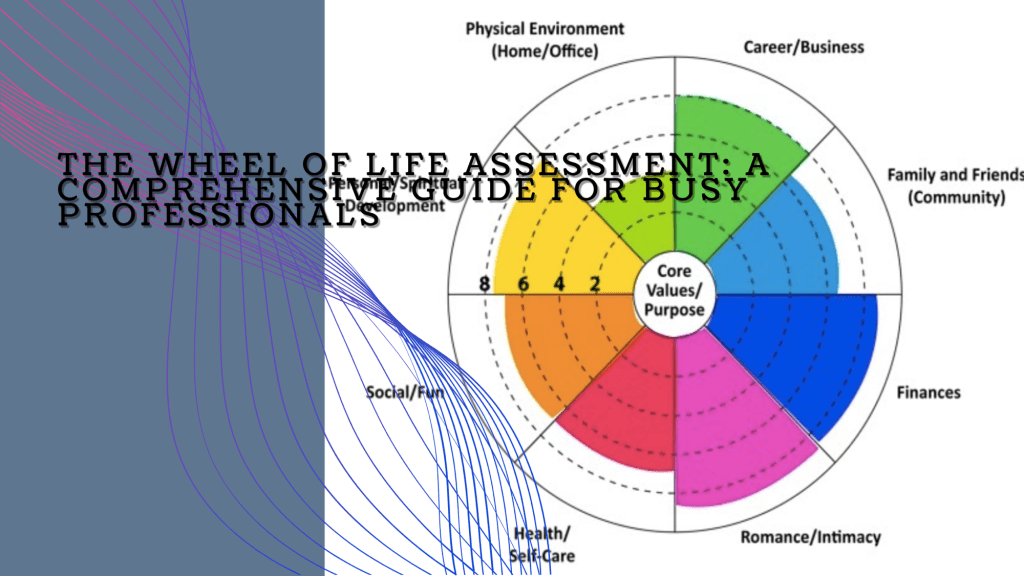
    The Wheel of Life is a powerful self-assessment tool designed to help individuals evaluate and achieve balance across different areas of their lives. Originating from life coaching and personal development practices, this tool visualizes life balance as a wheel with each segment representing a key area of life. By assessing these areas, you can identify where you’re thriving and where you may need to focus more attention, ultimately guiding you towards a more balanced and fulfilling life.

    Origins and Concept of the Wheel of Life

    The Wheel of Life assessment is rooted in holistic approaches to self-improvement. While its precise origins are unclear, it has gained widespread use in coaching, personal development, and therapy. The concept is simple yet profound: life is divided into various segments or categories, each representing a critical aspect of our existence. The wheel is balanced only when these areas receive appropriate attention and effort, allowing it to roll smoothly.

    What is the Wheel of Life?

    The Wheel of Life typically includes 8 to 10 segments, each representing a significant area of life such as:

    • Career
    • Family and Friends
    • Significant Other/Romance
    • Health
    • Finance
    • Personal Growth
    • Fun and Recreation
    • Physical Environment

    These categories can be customized to reflect your unique life circumstances. For instance, if you’re an entrepreneur, you might add segments like “Business Growth” or “Leadership.” The goal is to rate your satisfaction in each area on a scale of 1 to 10, creating a visual representation of your life balance​ (Quenza, Scott Jeffrey).

    Conducting the Wheel of Life Assessment: A Step-by-Step Guide
    Step 1: Determine Your Categories

    Begin by defining the categories that are most relevant to your life. While there are standard categories like Career and Health, your personal circumstances might require custom segments. For example, if you’re a busy professional with a family, you might include categories such as “Parenting,” “Spouse Relationship,” “Career,” “Health,” “Finances,” “Personal Growth,” and “Leisure” ​(Scott Jeffrey).

    Step 2: Assess Your Current Situation

    Next, evaluate your satisfaction level in each category using a scale from 1 to 10, where 1 represents complete dissatisfaction and 10 signifies full contentment. Be honest in your assessment—this is crucial for identifying where improvements are needed. Consider what a “10” would look like in each category. For example, in “Health,” a 10 might mean regular exercise, a balanced diet, and overall well-being​ (Quenza, Scott Jeffrey).

    Step 3: Plot Your Ratings on the Wheel

    Once you’ve rated each category, transfer these scores onto the Wheel of Life template. This will give you a visual representation of your life balance. Ideally, the wheel should be evenly rounded, indicating balance. However, if it appears uneven, this highlights the areas of your life that require more attention ​(Quenza).

    Step 4: Analyze and Reflect

    Take time to reflect on your completed wheel. Ask yourself questions like:

    • Are there any surprises in the scores?
    • Which areas need the most improvement?
    • How do these imbalances affect other areas of your life?

    This reflection is crucial for understanding the interconnectedness of different life areas. For example, neglecting your health might lead to reduced productivity at work and strained relationships​ (Quenza).

    Deriving Topics to Work On Over the Year
    Step 5: Set SMART Goals

    After identifying the areas that need improvement, set SMART (Specific, Measurable, Achievable, Relevant, Time-bound) goals for each one. For example:

    • If your “Health” score is low, a goal might be: “Exercise three times a week for 30 minutes to improve overall energy and well-being.”
    • If your “Relationship” score is low, a goal could be: “Plan a date night with my spouse once a week to strengthen our connection.”

    Choose 2-3 key areas to focus on each quarter, ensuring that you don’t overwhelm yourself by trying to improve everything at once​ (Quenza, Scott Jeffrey).

    Step 6: Create an Action Plan

    Develop a clear action plan for each goal. Break down your goals into daily, weekly, and monthly tasks to make them more manageable. For example:

    • Daily Habits: Incorporate small, consistent actions like drinking more water or taking short walks.
    • Weekly Check-ins: Set aside time to review your progress each week. Are you staying on track? What obstacles are you facing?

    This structured approach helps ensure steady progress without becoming overwhelming ​(Scott Jeffrey).

    Measuring Success and Tracking Progress
    Step 7: Regular Reviews and Adjustments

    Tracking your progress is key to maintaining motivation and ensuring you’re on the right path. Here’s how to measure success:

    • Monthly Reviews: At the end of each month, revisit your Wheel of Life and reassess your scores. Have you made progress? This will indicate whether your efforts are effective.
    • Quarterly Reviews: Every three months, conduct a more thorough review. Adjust your goals and strategies based on any changes in your life circumstances or priorities ​(Quenza, Scott Jeffrey).
    Tools for Tracking

    Consider using a journal, an app, or a simple spreadsheet to log your activities and monitor your progress. This allows you to track patterns over time and stay accountable to your goals.

    Keeping Track and Staying on Course

    Consistency is essential for maintaining balance. Here’s how to stay on track:

    • Accountability Partner: Share your goals with someone you trust, like a partner, friend, or coach. This adds accountability and increases your likelihood of following through.
    • Adapt and Adjust: Life is dynamic, and your priorities may shift. Be flexible with your goals and willing to adjust your action plan as needed. Regularly revisiting your Wheel of Life ensures your actions remain aligned with your evolving circumstances​ (Scott Jeffrey).
    Conclusion

    The Wheel of Life is more than just an assessment tool — it’s a guide for ongoing personal development and life balance. By regularly assessing your life, setting SMART goals, and tracking your progress, you can maintain productivity while ensuring that all areas of your life receive the attention they deserve. Remember, the goal is not perfection but continuous improvement and balance across all aspects of your life.

  • The Hard Truths of Project Management That No One Tells You About

    The Hard Truths of Project Management That No One Tells You About

    Project management is often romanticized as a straightforward path of meticulously planned steps leading to a successful outcome. In reality, managing a project is far from a simple process of scheduling tasks and hitting milestones. It’s a dynamic, unpredictable journey where even the most experienced project managers face numerous challenges. Understanding the complexities and pitfalls of project management can mean the difference between success and failure. Here are five hard truths that every project manager should understand:

    1. Scope Creep is Inevitable

    No matter how thorough the initial planning is, project scope tends to evolve over time. Stakeholders may request additional features, modifications, or adjustments as the project progresses. This phenomenon, known as scope creep, can be one of the most challenging aspects of project management. It’s not always a result of poor planning; instead, it often arises from stakeholders gaining new insights, evolving market demands, or unforeseen challenges that necessitate changes.

    Managing scope creep requires a robust change control process. It’s essential to have a clear process for evaluating, approving, and implementing changes to the project scope. Regular communication with stakeholders is also critical. Keeping everyone informed about the implications of changes—whether in terms of budget, timeline, or resource allocation—can help manage expectations and prevent the project from veering off course. However, it’s important to recognize that some level of scope creep is unavoidable, and the key is not to eliminate it but to manage it effectively.

    No Plan Survives First Contact with Reality

    Even the most meticulously crafted project plans rarely unfold exactly as expected. Unforeseen challenges are a given in any project, whether they involve technical difficulties, resource shortages, or external factors like regulatory changes or market shifts. These disruptions can throw timelines and budgets off track, causing frustration and stress among the project team.

    To navigate these inevitable bumps in the road, flexibility and adaptability are crucial. Project managers must be prepared to revise plans, reallocate resources, and even reframe project goals as new information comes to light. This requires a mindset that embraces change rather than resisting it, and a willingness to pivot when necessary. Moreover, it’s vital to build contingency plans into your project from the outset, allowing for the unexpected without derailing the entire effort.

    People Problems are Harder than Technical Problems

    While technical challenges can often be resolved through expertise, research, and problem-solving, managing people is a different kind of challenge—often more complex and unpredictable. Human dynamics can significantly impact project outcomes. Conflicts within the team, lack of motivation, poor communication, and differing priorities among stakeholders can create significant hurdles.

    As a project manager, understanding team dynamics and being able to navigate interpersonal challenges is just as important as technical know-how. Effective communication is the cornerstone of managing people. This involves not only keeping everyone informed but also listening to concerns, mediating conflicts, and fostering a collaborative environment. It’s also crucial to recognize the individual strengths and weaknesses of team members and to assign roles that align with their skills and motivations. Emotional intelligence is an invaluable asset in project management, as it allows leaders to connect with their team on a personal level, fostering trust and cooperation.

    Success is Not Just Delivering On Time and On Budget

    A project that meets its deadlines and stays within budget can still be considered a failure if it doesn’t deliver real value. Successful project management is not just about ticking off tasks and controlling costs; it’s about ensuring that the project’s outcomes align with the organization’s strategic objectives and deliver the intended benefits to stakeholders.

    This means that project managers must keep the broader business goals in mind throughout the project lifecycle. Regularly revisiting the project’s objectives and validating that the work being done contributes to those goals is essential. Stakeholder engagement is also key; their needs and expectations must be understood and managed to ensure that the project delivers what is truly valuable to them. In some cases, this may require making tough decisions, such as de-scoping non-essential features or reallocating resources to more critical areas of the project.

    Leadership is More Important than Management

    While management skills are necessary for planning, organizing, and controlling project activities, leadership is what drives a project to success. Leadership is about inspiring, guiding, and supporting your team, especially when challenges arise. A project manager who can motivate their team, make tough decisions under pressure, and maintain a clear vision of the project’s goals is more likely to succeed than one who simply focuses on process and tasks.

    Leadership in project management involves setting a vision for the project, creating a sense of purpose among team members, and maintaining morale, even in the face of setbacks. It’s about being a role model for the team, demonstrating the behaviors and attitudes you want to see in others. A good leader also knows when to step back and allow the team to take ownership of their work, fostering a sense of accountability and empowerment. In today’s complex project environments, where change is constant and challenges are inevitable, strong leadership is the glue that holds everything together.

    Conclusion: Navigating the Complexities of Project Management

    The realities of project management are far more nuanced than they may appear at first glance. While technical skills and meticulous planning are important, they are not sufficient on their own. A successful project manager must be adept at handling scope creep, adaptable in the face of change, skilled in managing people, focused on delivering value, and capable of leading with vision and empathy.

    As you move forward with your own projects, keep these hard truths in mind. Embrace the inevitability of change, and be prepared to adapt your plans as reality unfolds. Prioritize communication and emotional intelligence in your interactions with your team and stakeholders. Remember that the ultimate measure of success is not just completing tasks on time and within budget, but delivering meaningful value that aligns with strategic goals.

    Call to Action: As you embark on your next project, take a moment to reflect on these insights. Evaluate your current approach and consider where you might need to shift your focus. Are you too rigid in your planning? Are you neglecting the human side of project management? Are you focused more on deadlines than on delivering true value? By addressing these questions, you can navigate the complexities of project management more effectively, leading your projects to not just completion, but success.