Tag: Health

  • Creating a Minimalist Morning Routine for Families

    Creating a Minimalist Morning Routine for Families

    Introduction

    Mornings in a family household can often feel like a chaotic race against the clock — misplaced shoes, last-minute lunch packing, and someone always forgetting something important. But what if mornings could feel calm, predictable, and even enjoyable? A minimalist morning routine isn’t about doing less for the sake of it — it’s about removing unnecessary stressors so that your family can start the day with focus and ease. With a few strategic changes, you can transform the morning madness into a seamless routine that makes the hard things in life look effortless.

    By embracing simplicity, prioritization, and consistency, you create a morning routine that not only reduces stress but also fosters a sense of control and harmony within your household. The key to achieving this is to establish systems that work efficiently while allowing room for flexibility. This guide will provide you with practical steps to help streamline your mornings and start the day with intention.


    1. The Core Principles of a Minimalist Morning Routine

    A successful morning routine doesn’t start in the morning — it begins with a mindset shift. By focusing on these key principles, you can create a system that works consistently for your family.

    • Prioritization: Identify what really matters in the morning. Do you need an elaborate breakfast, or will a simple, nutritious option do? Focus only on the essentials.
    • Consistency: Routines thrive on repetition. By keeping the same order of events each morning, you reduce decision fatigue and create predictability for your family.
    • Preparation: The less you leave to chance in the morning, the smoother everything runs. Prepping clothes, meals, and bags the night before eliminates morning friction.
    • Flexibility: Even the best-laid plans will sometimes go awry. A minimalist morning routine allows for small disruptions without throwing off the entire day.

    One of the most overlooked aspects of a minimalist morning routine is the importance of decluttering your physical and mental space. By removing unnecessary distractions and streamlining decision-making processes, you free up time and energy for what truly matters.


    2. Streamlining Mornings for Parents

    Parents set the tone for the household, and if your morning feels rushed and frantic, the rest of the family will pick up on that energy. Here’s how to simplify:

    • Capsule Wardrobe for Effortless Dressing: A closet filled with versatile, well-fitting basics means no time wasted on outfit indecision. Have go-to combinations that work for any occasion.
    • Quick and Nutritious Breakfast Solutions: Stick to easy, protein-packed options like overnight oats, smoothies, or eggs and toast. Avoid decision overload by rotating a few simple meal choices.
    • Time-Blocking to Minimize Stress: Set designated times for each task (e.g., 10 minutes for getting dressed, 15 minutes for breakfast) to create a structured yet flexible morning flow.
    • Tech-Free Mornings: Avoid checking emails or social media first thing in the morning. Instead, focus on setting a positive tone for the day with mindfulness, light stretching, or journaling.

    By keeping things simple and intentional, you reduce stress and set yourself up for a more productive day.


    3. Simplifying Mornings for Kids

    Children thrive on routine, and the more they can handle independently, the smoother mornings will be.

    • Independent Dressing with Pre-Selected Outfits: Encourage kids to choose their outfits the night before, or simplify further with a weekly outfit organizer.
    • Simplified Breakfast Choices: Give them two to three consistent options to minimize morning negotiations.
    • Making Routines Engaging and Fun: Use checklists, timers, or even a morning playlist to keep kids on track without constant reminders.
    • Encouraging Self-Sufficiency: Teach kids to pack their own school bags, brush their teeth on time, and take responsibility for their morning tasks.

    By instilling responsibility early, children become more self-reliant, leading to smoother mornings for the entire family.


    4. Household Systems That Make Mornings Flow Smoothly

    A well-organized home reduces morning friction. Set up systems that eliminate unnecessary searching and scrambling.

    • Organized Entryways and Designated Drop Zones: Have a space for keys, backpacks, and shoes so nothing gets misplaced.
    • A Family Command Center for Schedules and Reminders: A central calendar or whiteboard can display daily to-dos, appointments, and important reminders.
    • Teaching Responsibility Through Shared Morning Tasks: Assign age-appropriate responsibilities, such as setting the table or packing lunch, so everyone contributes.
    • Decluttering for Efficiency: Ensure that common areas like the kitchen and bathroom are tidy and functional. Eliminating excess clutter helps reduce stress and keeps the morning running smoothly.

    A few small adjustments can lead to major improvements in how efficiently your family operates each morning.


    5. Dealing with the Unexpected Without Losing Your Cool

    Even with the best system, mornings don’t always go as planned. Here’s how to stay on track:

    • Buffer Time: Build in an extra 5–10 minutes so small delays don’t derail the whole morning.
    • Mindset Shifts: Accept that some mornings won’t be perfect. Staying calm sets a positive example for kids.
    • Quick Recovery Strategies: If something goes wrong, focus on problem-solving instead of stressing. Have a backup outfit, easy-to-grab snacks, and a game plan for delays.
    • Emphasizing the Bigger Picture: Remind yourself that a rough morning doesn’t define the entire day. Practicing gratitude and maintaining perspective can help keep stress levels in check.

    The more prepared you are for the unexpected, the more resilient your family will become in handling morning hiccups.


    Conclusion

    A minimalist morning routine isn’t about stripping everything away—it’s about keeping only what truly serves your family. By reducing decision fatigue, fostering independence, and setting up systems that support efficiency, mornings become a smooth transition into the day rather than a daily battle.

    The long-term benefits of a minimalist morning routine extend far beyond just saving time. It cultivates a sense of calm, reduces household stress, and sets the foundation for a more intentional lifestyle. Start with small adjustments, and over time, you’ll see how simplifying your mornings can have a positive ripple effect on the rest of your day.

    Are you ready to transform your family’s mornings? Start by implementing just one of these strategies this week and build from there!
  • Minimalist Strength Training: Build Maximum Strength with Just 3 Exercises and Family-Friendly Nutrition

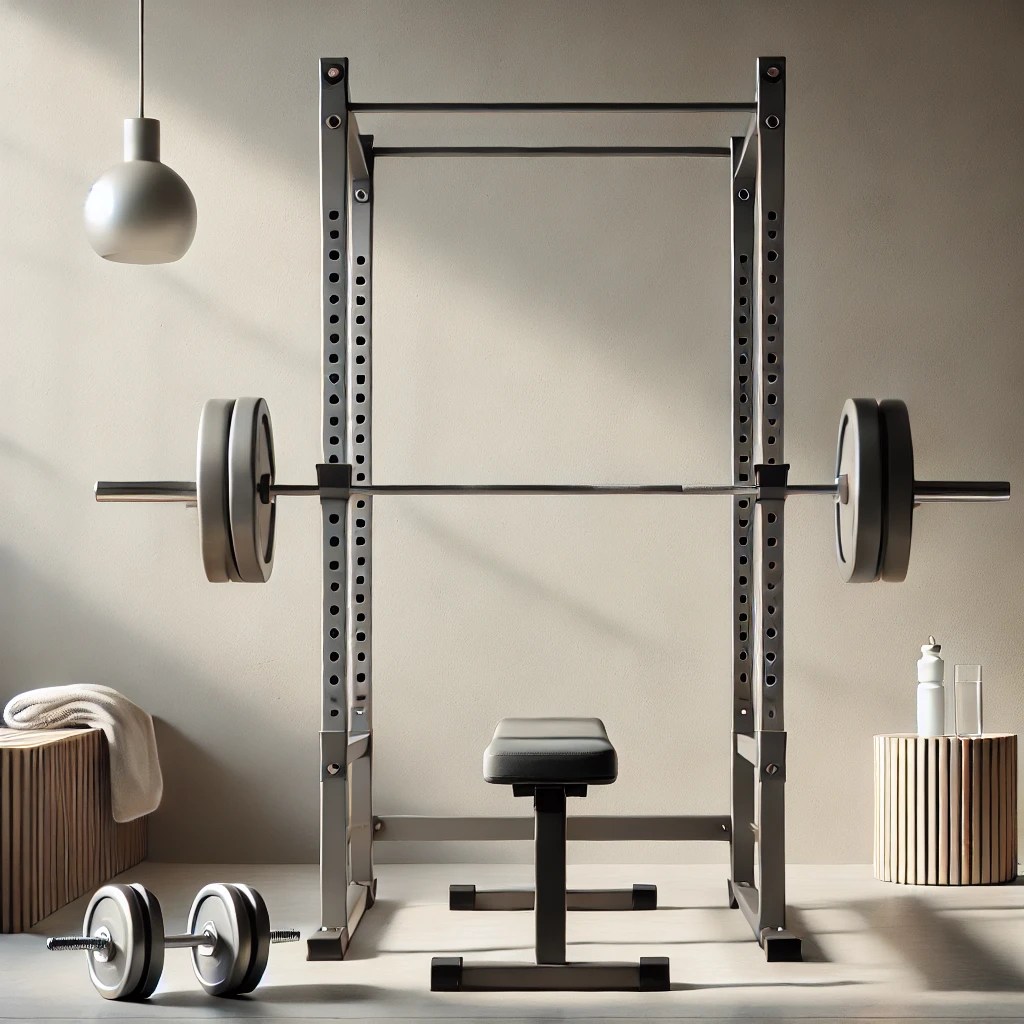
    Minimalist Strength Training: Build Maximum Strength with Just 3 Exercises and Family-Friendly Nutrition

    In the age of over-complicated fitness plans and endless diet trends, it’s easy to feel overwhelmed when starting or maintaining a strength training routine. But what if building strength, improving health, and staying consistent didn’t have to be so complex?

    With just three foundational exercises—the squat, bench press, and deadlift—and a family-friendly, protein-rich meal plan, you can create a simple, effective, and sustainable fitness lifestyle that works for you and your loved ones. This approach is perfect for busy professionals and parents who want to stay strong without sacrificing precious time with family.

    Why Minimalist Strength Training is a Game-Changer

    When life is busy, simplicity is key. Minimalist strength training focuses on quality over quantity. By using compound movements like the squat, bench press, and deadlift, you can engage multiple muscle groups, build functional strength, and maximize efficiency in the gym.

    Even with just two workouts per week, these exercises deliver full-body results. Forget the clutter of endless accessory movements—you’ll get stronger, fitter, and healthier while keeping your schedule intact.

    The Three Power Moves
    1. The Squat: The Foundation of Strength

    The squat isn’t just a leg exercise—it’s a total-body movement that builds powerful quads, hamstrings, glutes, and a rock-solid core.

    Why It Matters:

    Whether it’s carrying groceries, playing with your kids, or hiking with family, the squat builds the strength and mobility needed for real-life activities.

    How to Perform It Right:

    1. Stand with feet shoulder-width apart and toes slightly pointed out.
    2. Rest the barbell on your upper traps (not your neck).
    3. Keep your chest proud, engage your core, and lower your hips back and down.
    4. Aim to go deep enough that your thighs are parallel to the ground (or lower).
    5. Drive up through your heels to return to standing.

    Pro Tip: Start light to perfect your form before progressing to heavier weights.

    2. The Bench Press: Build an Impressive Upper Body

    The bench press is a classic and for good reason. It targets the chest, shoulders, and triceps, helping you build a balanced, strong upper body.

    Why It Matters:

    Whether pushing your child on a swing or lifting something heavy, the bench press improves upper body strength for both functional and aesthetic benefits.

    How to Perform It Right:

    1. Lie on the bench with your eyes directly under the bar.
    2. Grip the barbell slightly wider than shoulder-width.
    3. Lower the bar slowly to your chest, keeping your elbows at about a 75-degree angle.
    4. Press the bar back up until your arms are fully extended.

    Pro Tip: Focus on control — don’t rush. Controlled movements engage more muscle and reduce injury risk.

    3. The Deadlift: The Ultimate Strength Builder

    The deadlift is a full-body powerhouse exercise. It builds strength in the glutes, hamstrings, lower back, core, and even your grip.

    Why It Matters:

    The deadlift mimics everyday movements like picking up a child or moving furniture. Training this lift translates directly into your daily life.

    How to Perform It Right:

    1. Stand with your feet hip-width apart and the bar over your midfoot.
    2. Grip the bar outside your knees, keeping your back straight and chest up.
    3. Drive through your heels, keeping the bar close to your body as you lift.
    4. Lock your hips and knees at the top before lowering the bar in a controlled motion.

    Pro Tip: For added grip strength, alternate your hand grip (one palm up, one palm down).

    The Minimalist Training Plan
    Day 1: Squat + Bench Press
    • Warm-up: 5–10 minutes of dynamic stretches and mobility work.
    • Squat: 4 sets of 5–8 reps.
    • Bench Press: 4 sets of 5–8 reps.
    • Optional: Plank holds or hanging leg raises for core stability.
    Day 2: Deadlift + Bench Press
    • Warm-up: Same as Day 1.
    • Deadlift: 4 sets of 3–6 reps.
    • Bench Press: 4 sets of 5–8 reps.
    • Optional: Pull-ups or rows for upper back development.
    Rest Days:

    Take at least one full day between workouts to recover. Use these days for light activities like walking, yoga, or family-friendly games that keep you moving.

    Family-Friendly Protein-Rich Nutrition
    The Importance of Protein

    To fuel your strength gains, aim for 1.6–2.2 grams of protein per kilogram of body weight daily. A meat-based diet simplifies meal planning and is easy to adapt for the entire family.

    Tailored Meal Plan for Families

    Breakfast:

    • Scrambled eggs with turkey bacon and fresh fruit (e.g., berries).
    • Pancakes made with protein powder for kids who love a sweet start.

    Lunch:

    • Grilled chicken wraps: Use whole-grain tortillas with shredded chicken, lettuce, and cheese.
    • For kids, cut the wraps into bite-sized pinwheels for easier handling.

    Dinner:

    • Baked salmon with roasted potatoes and green beans.
    • Cook extra salmon to use for salads or sandwiches the next day.

    Snacks:

    • Beef jerky or meat sticks for on-the-go fuel.
    • Greek yogurt parfaits layered with granola and fruit for a kid-friendly option.
    Meal Prep Tips:
    • Batch-cook proteins (grill chicken, bake salmon, or roast a beef brisket) to save time.
    • Involve your kids in simple prep tasks, like seasoning meat or arranging side dishes.
    • Use one-pot recipes like slow-cooked stews or casseroles to feed the whole family with minimal effort.
    Keys to Long-Term Success
    1. Progress Slowly: Track your lifts and focus on adding small increments of weight over time. Progression is the foundation of long-term strength.
    2. Prioritize Recovery: Sleep, hydration, and rest are just as important as training. Set a family bedtime routine to ensure everyone gets enough rest.
    3. Stay Consistent: The beauty of this minimalist plan is its sustainability. By keeping workouts and meals simple, you’ll stay on track without feeling overwhelmed.
    Conclusion

    Minimalist strength training is about more than just efficiency — it’s a sustainable lifestyle that fits into the lives of busy professionals and families alike. With just three exercises and a simple, protein-rich diet, you can build strength, improve health, and set an example of fitness for your loved ones.

    Embrace simplicity, train with purpose, and nourish your body with wholesome meals. With this approach, you’ll not only achieve your fitness goals but inspire your family to live healthier, stronger lives as well.

  • Running and Strength Training for Men Over 35: A Synergistic Approach to Longevity and Performance

    Running and Strength Training for Men Over 35: A Synergistic Approach to Longevity and Performance

    For men over 35, integrating running with strength training provides a potent combination that enhances overall health, performance, and longevity. Both activities complement each other in ways that boost cardiovascular endurance, muscle strength, injury prevention, and metabolic health. Drawing from historical fitness practices and modern insights, this synergistic approach not only improves athletic performance but also supports a balanced, resilient physique that can withstand the demands of aging.

    The Synergy Between Running and Strength Training

    1. Enhanced Running Efficiency and Performance: Strength training plays a crucial role in improving running efficiency by increasing muscle strength and power. Historical fitness expert John McCallum emphasized the importance of strong legs for effective running. His advice still holds today: exercises like squats, lunges, and deadlifts strengthen the quadriceps, hamstrings, glutes, and calves, which are the primary muscles involved in running. Additionally, a strong core helps maintain proper running form, reducing the risk of injury and improving endurance.

    2. Improved Muscle Strength and Bone Density: As men age, maintaining muscle mass and bone density becomes critical. While running contributes to cardiovascular fitness, it doesn’t provide the resistance needed to prevent age-related muscle loss (sarcopenia). This is where strength training becomes essential. According to the insights of Jack LaLanne, a pioneer in combining aerobic exercise with strength training, building muscle through resistance exercises like weightlifting not only counters muscle loss but also strengthens bones, reducing the risk of osteoporosis.

    3. Enhanced Metabolic Rate and Fat Loss: Running is excellent for burning calories during the activity, particularly with high-intensity interval training (HIIT). However, strength training increases muscle mass, which in turn boosts your resting metabolic rate (RMR). This means you burn more calories even at rest. The combination of running and strength training, as described by fitness experts like Fred Grace, provides an optimal strategy for fat loss and weight management. Grace’s advice on mixing aerobic and resistance training emphasizes that this dual approach leads to a more defined, lean physique.

    4. Balanced Hormonal Response: Running, especially at high intensities, can elevate cortisol levels, a stress hormone that can lead to muscle breakdown if not managed. Strength training, particularly when it involves compound movements like squats and deadlifts, stimulates the release of anabolic hormones like testosterone and growth hormone. These hormones are crucial for muscle repair, growth, and recovery—especially important as natural testosterone levels decline with age​. By balancing these hormonal responses, you can optimize muscle gain and fat loss.

    5. Injury Prevention and Recovery: Regular strength training helps correct muscle imbalances and strengthens the connective tissues that support the joints. This is particularly beneficial for runners, who are prone to injuries such as shin splints and runner’s knee. As highlighted in historical fitness literature, incorporating exercises that target stabilizing muscles and improve joint stability can significantly reduce injury risk​. Furthermore, a balanced strength training regimen enhances recovery times, allowing for more consistent running without the setbacks caused by overuse injuries.

    6. Cardiovascular and Muscular Endurance: Running improves cardiovascular endurance, which is not only essential for overall health but also enhances performance in strength training. Improved cardiovascular fitness means better blood circulation and oxygen delivery to muscles, leading to improved performance during strength training sessions. Conversely, strength training improves muscular endurance, allowing you to sustain running for longer periods without fatigue. This dual benefit ensures that you maintain a high level of fitness across both disciplines​.

    Integrating Running and Strength Training into Your Routine

    To achieve the best results from both running and strength training, it’s important to plan your workouts carefully to avoid overtraining and ensure adequate recovery. Here’s a suggested weekly plan inspired by the routines of past fitness icons and modern training principles:

    Running Days:
    Monday, Wednesday, Friday: Moderate-intensity runs (30-45 minutes) or interval training (20-30 minutes). These sessions focus on improving cardiovascular endurance and running performance, following the advice of fitness pioneers like John McCallum​.

    Strength Training Days:
    Tuesday, Thursday: Full-body strength workouts that include compound exercises such as squats, deadlifts, bench presses, and rows. These workouts emphasize exercises that target the lower body, core, and stabilizing muscles to support running. Jack LaLanne’s philosophy of integrating strength with aerobic exercises can guide this balanced approach​.

    Rest and Recovery:
    Saturday or Sunday:
    Rest day or active recovery (such as walking, light cycling, or yoga) to promote muscle recovery and reduce the risk of overtraining. Fred Grace’s advice on low-intensity aerobics can be incorporated here to aid recovery without adding strain​.

    Cross-Training and Flexibility:
    Adding a day of cross-training (e.g., swimming, cycling) provides variety and enhances cardiovascular fitness without the impact stress of running. Incorporate flexibility training or yoga to improve range of motion and prevent stiffness, as recommended by historical fitness practitioners​.

    Final Thoughts

    For men over 35, the combination of running and strength training offers a holistic approach to fitness that not only improves physical health but also boosts mental well-being, productivity, and longevity. Start by scheduling your workouts into your weekly routine, gradually increasing the intensity and duration as your fitness levels improve. Consistency is key—by maintaining a balanced approach, you’ll enjoy the full spectrum of benefits these activities offer.

    Inspired by the practices of fitness legends and modern insights, now is the time to take action. Lace up your running shoes, pick up those weights, and commit to a routine that will support your body and mind for years to come. The journey to better health and longevity begins with a single step—or rep.

  • The Power of Cold Showers, Cold Plunges, and Sauna for Health, Longevity, and Strength

    The Power of Cold Showers, Cold Plunges, and Sauna for Health, Longevity, and Strength

    In the pursuit of a healthier, longer life, many focus on diet, exercise, and sleep. However, two often-overlooked practices—cold exposure and sauna use—can be powerful allies in this journey. These methods, rooted in ancient traditions and supported by modern science, offer significant benefits for physical strength, mental clarity, and overall well-being. This essay will explore the science behind cold exposure and sauna use, their integration into a busy life, and their synergistic effects when combined with strength training and a nutrient-rich diet.

    Cold Showers and Cold Plunges: A Refreshing Path to Health and Longevity
    Scientific Concepts and Health Benefits

    Cold exposure, through showers or plunges, triggers several beneficial physiological responses. When exposed to cold, the body activates the sympathetic nervous system, releasing norepinephrine, which boosts mood, energy, and focus. Cold exposure also promotes the production of brown adipose tissue (BAT), which helps burn calories and regulate body temperature. This process can support weight management and enhance metabolic health.

    Furthermore, regular cold exposure strengthens the immune system by increasing the production of cytokines—proteins involved in inflammation and immunity. Studies have shown that cold showers can reduce the incidence of common illnesses and improve resilience against stress. Additionally, cold exposure has cardiovascular benefits, including enhanced circulation and reduced blood pressure.

    Optimal Practices and Integration into a Busy Life

    For a busy middle-aged professional, integrating cold exposure can be straightforward. Start by incorporating cold showers at the end of a warm shower. Begin with 30 seconds of cold water and gradually increase to 2-3 minutes as your tolerance builds. For those with access to a cold plunge, aim for 2-5 minutes at a temperature between 50-59°F (10-15°C).

    Incorporating this into a hectic schedule can be as simple as starting your day with a cold shower or taking a plunge after a workout. These brief sessions provide an invigorating boost, helping you stay energized and focused throughout the day. Aim for at least three sessions per week to maximize the benefits.

    Sauna: Harnessing Heat for Strength and Longevity
    Scientific Concepts and Health Benefits

    Sauna use offers a range of benefits that complement those of cold exposure. Regular sauna sessions induce hyperthermia, which has been shown to improve cardiovascular health, enhance detoxification, and reduce inflammation. The heat stress from saunas stimulates the production of heat shock proteins (HSPs), which help repair damaged proteins and protect against oxidative stress.

    Sauna use also significantly impacts mental health. The deep relaxation induced by heat can reduce stress, anxiety, and promote better sleep. Furthermore, research has linked regular sauna use to a reduced risk of cardiovascular disease, neurodegenerative diseases like Alzheimer’s, and overall mortality, suggesting it can contribute to a longer, healthier life.

    Optimal Practices and Integration into a Busy Life

    For those with limited time, sauna sessions can be an impactful addition to the weekly routine. Aim for 15-30 minutes per session at a temperature of 150-175°F (65-80°C), with 2-4 sessions per week being ideal. Listen to your body, starting with shorter sessions and gradually increasing the duration and frequency as you acclimate.

    To integrate sauna use into a busy schedule, consider evening sessions to unwind after a long day. If your gym offers a sauna, it’s convenient to combine a workout with a sauna session, maximizing your time and enhancing the benefits of both activities.

    Synergistic Effects with Strength Training and a Balanced Diet
    Enhanced Recovery and Performance

    When combined with a strength training regimen, cold exposure and sauna use can significantly enhance recovery and performance. After intense workouts, cold exposure can reduce muscle soreness, decrease inflammation, and promote faster recovery by constricting blood vessels and flushing out metabolic waste. This allows you to train more consistently and with greater intensity over time.

    On the other hand, sauna use promotes muscle relaxation and increases blood flow, delivering oxygen and nutrients essential for muscle repair. This not only aids in recovery but also in building lean muscle mass. Additionally, the relaxation and detoxification effects of the sauna can reduce cortisol levels, mitigating the negative impact of chronic stress on muscle growth and overall health.

    Mental Health and Hormonal Balance

    Cold exposure builds mental resilience by enhancing your body’s ability to adapt to stress, improving focus and mental clarity—qualities that are invaluable both in training and daily life. Regular cold exposure can also boost levels of dopamine, a neurotransmitter associated with motivation and reward, which can positively influence your workout intensity and consistency.

    Sauna use supports mental well-being by promoting relaxation, reducing anxiety, and improving sleep quality—all critical factors for optimal hormonal balance. Better sleep translates to improved muscle recovery, enhanced mood, and better decision-making, particularly regarding dietary choices.

    Nutritional Synergy

    A nutrient-rich diet is the cornerstone of any health and fitness program. When combined with cold exposure and sauna use, the benefits of a balanced diet are amplified. For instance, the improved circulation from sauna use enhances the delivery of nutrients to muscles, while the increased metabolic rate from cold exposure can aid in maintaining a healthy weight. A diet rich in antioxidants, vitamins, and minerals will further support the body’s recovery processes, reducing inflammation and oxidative stress—especially when combined with the hormetic stress from cold and heat exposure.

    A Way Forward: Implementing Cold Exposure and Sauna into a Busy Schedule

    For those new to these practices, the key is to start small and gradually build up. Here’s an actionable plan:

    1. Start with Cold Showers:
      • Duration: 30 seconds to 1 minute at the end of a warm shower.
      • Frequency: 3 times per week.
      • Progression: Gradually increase to 2-3 minutes as your tolerance improves.
    2. Introduce Cold Plunges (if accessible):
      • Duration: 2-5 minutes at 50-59°F (10-15°C).
      • Frequency: 1-2 times per week, eventually increasing to 3 times per week.
      • Timing: Consider doing this after a workout for enhanced recovery.
    3. Begin Sauna Sessions:
      • Duration: 15-20 minutes per session.
      • Frequency: 2 times per week.
        • Progression: Increase to 25-30 minutes, 3-4 times per week as your body adapts.
      • Timing: Utilize evening sessions to relax and improve sleep quality.
    4. Combine with Strength Training:
      • Cold Exposure: Use after intense strength sessions to reduce inflammation and speed up recovery.
      • Sauna Use: Incorporate after strength training or as a standalone session to promote relaxation and muscle recovery.
    5. Maintain a Balanced, Nutrient-Rich Diet:
      • Focus on: Whole foods, lean proteins, healthy fats, and plenty of fruits and vegetables.
      • Hydrate: Drink plenty of water, especially when using the sauna to stay hydrated.
      • Supplement: Consider anti-inflammatory supplements like omega-3s or turmeric to support recovery.
    Conclusion

    Cold exposure and sauna use are powerful, scientifically-backed practices that can significantly enhance health, longevity, and strength. When combined with a balanced diet and strength training, these practices offer a comprehensive approach to improving physical and mental well-being. By starting small and gradually increasing duration and frequency, you can seamlessly integrate these practices into your busy life, reaping the benefits without feeling overwhelmed. Consistency is key—embrace the challenge, and over time, you’ll find these practices become an indispensable part of your routine, helping you achieve a healthier, stronger, and longer life.

  • 20 lessons from 20 years of lifting

    20 lessons from 20 years of lifting

    I started lifting weights back in 2004, the year I graduated school and my focus shifted from playing CounterStrike and StarCraft to girls and partying. Originally I started to lose the last bit off fluff around the waist (former fat kid syndrome) so I joined up in the next best gym and did your typical bro-split for the first few weeks and months to follow.

    Lucky me, the owner of the gym I joined was a former bodybuilding competitor and took my friends and me somewhat under his wings and showed us the ropes. 6 months to the future, I was fully immersed in the bodybuilding lifestyle, reading every piece of information I could get my hands on from team team-andro, to t-nation, to the tan tight slacks of dezso ban and a lot of books, from Stuart McRobert to Arnold’s encyclopedia. Bought creating, protein powders L-carnitin, BCAAs and mostly everything else that was marketed to give you an edge.

    That went on throughout my time in university, mainly focusing on bodybuilding, before getting a real life (aka 50+ hour job, a wife, two kids and a dog) when training time took a backseat. Then I started dipping into more of the low volume stuff, powerlifting, what the oldtimers did (e.g. odd lifts) and learned some olympic weightlifting (thanks to Dan John).

    So, if you made it this far into my blogpost. Here are the 20 lessons I learned and try to apply moving forward.

    1. Strength, the skill that compounds

    Being strong will make every other endeavor in life easier. Want to throw your kids around in the pool, be strong. Need to move, or help someone to move, be strong. Want to be able to play with your grandkids and great grandkids, stay strong as long as possible. Want to feel confident, be strong. Want clothes to fit you perfectly get stronger. You get the idea I guess.

    2. 10,000 hours to be truly competent

    No matter if it’s learning how to squat properly, feeling the muscles while training them, autoregulating frequency, intensity and overall volume. It will take time to learn those things, might be close or even over 10,000 hours. With 3 strength training sessions a week and round about 90 minutes per workout mastery will only come after 42 years. This does not mean, that you can only reach your dream appearance or strength level when turning 80.

    3. Start out young and you will get laid

    It will set you apart on the dating market, if you are carrying more muscle and are generally leaner. It might even make it easier to find your soulmate. All fluffy talk aside, attraction is always first and foremost based on outside appearance. You can have the greatest character of all time, if you look like the Hunchback of Notredam you will most likely not get the girl in the end of your personal fairytale.

    4. Motivation is overrated, so is having a plan

    Don’t get me wrong, use 5/3/1 or starting strength or Madcow’s 5by5 or any other linear periodization scheme you discovered in the interwebs. But 20 years down the road, it just will not matter. Consistency is the only thing, that will. So if you go full on CrossFit, but burn out after a year or two and never touch any weights ever again, the bro-split guy that did his thing for 20+ years will be fitter and looking better.

    5. Progress is not linear, at least not for long

    There will be periods of time where you can increase the weight on the bar from workout to workout or week to week and there will be time where you can see your arms growing in the mirror. Followed by a stretch of time where nothing at all happens, but looking back to old images of 2-5 years ago, the difference might be astonishing.

    6. Try the fad diet or fad workout

    If it keeps you going in the long run, try the “how Daniel Craig trained to be James Bond” workout or the 2 weeks pickled cucumber water fast. Try as many things out as you can, as long as you have fun with it and do it for 2 to 4 weeks, to see if it has any impact, be it positive or negative. Adjust from there.

    7. I tend to always come back to the basics

    There is a reason for squat, deadlift and benchpress being the core of any power lifting meeting and any sane training plan as well. Try stuff out, but come back to the tried and true exercises ever so often. Make adjustments dependent on your age, level of fitness or injury history.

    8. Prioritize rest as you get older

    You might not be able to train twice a day, seven days a week, once you have a career and a family and all the stress that goes with it. If your 22, only starting out and still in school, training or university, or if you have rich parents and will never need to work any real job, double down on training and eat like there is no tomorrow.

    9. You are rotting, try to stop or reverse it

    Once turning 40 it will become obvious, how is strength training and how is not. Posture, skin tone, cardiovascular capacity & general immune function will tell. Get strong, be strong, get even stronger, reverse aging & set yourself apart from your peers.

    10. Bodybuilding is 100% lifting and 100% diet

    This statement might be the best version of all the nuances regarding what is more important in the quest for size and strength. But only because the two are equally important does not mean, there is no room for errors or life to happen. 20% of your efforts will be getting you to 80% of outcomes, which is mostly enough. So instead of doing 123 exercises for biceps, do some pull ups, but with real effort. The 80/20 rule is reversible as well, so try to have >80% of your meals composed of the 20% of foods that will give you the protein and fat you need to thrive. Be committed 80% of the time, and life in the other 20%.

    11. No need to track everything all the time

    Track food and workouts for some periods in time and you will be able to eyeball it in periods where training and looking great naked is not the main focus of your time on earth. Don’t feel bad if you haven’t tracked anything and slacked off for quite some while. As long as you are making healthy choices in the kitchen and staying active with your workouts you are way ahead.

    12. Supplements make your wallet lean

    Coming back to 80/20, it’s just not worth it. Instead of mixing a protein shake, buy a ball of mozzarella or a slice of chickenbreast or what ever else will give you roughly 20g of protein. Eat real food, that our ancestors might have identified as food.

    13. Minimize friction as you age & priorities shift

    Homegym anyone? If you are already overcommitted chances are, you will not commute to the gym, get into your workout clothes, train there in the post-work crowdedness, shower and drive all the way home. If you equipment is already at home you can either have additional time training, or additional time for whatever else you enjoy doing. Hang a pull up bar somewhere in the house and do a couple of those every time you pass that door frame.

    14. Training will set you apart from your peers

    The difference might not be as visible in your 20, when everyone has been playing sports for the better part of their childhood, but it will be very noticeable once you are in your fourties and have kids and the difference will be enormous once you reach retirement age.

    15. Not everybody is a fitness model

    Once you start becoming interested in bodybuilding, powerlifting, strongmen or whatever, the algorithm will show you an endless amount of people that look like they were carved from stone. Don’t become discouraged, look around in university, in the office, workshop or on the construction site or wherever you might be reading this (I hope for you it’s a beach), if you train your are already looking better than >90% of the population

    16. Your “looking good naked” will evolve

    While you might be focused on having a sixpack in the beginning, like I was this will shift as you evolve, some will go down the powerbuilding routing trying to look as strong as possible, sacrificing leanness, some will want to look like their favorite Hollywood actor or maybe your are just happy if you have no cellulitis or dumps in your skin and everything is firm.

    17. Don’t buy into the lifestyle niche

    There is more to life than training and carrying Tupperware full of chicken and rice with you everywhere you go. Your time here is gone in the blink of an eye, enjoy the days you have. Have some fun, but try to stop the fun once it is severely impacting your health.

    18. Drink more water, beer also helps

    As Arnold mentioned, milk is for babies, if you want to grown, you have to drink beer. Jokes aside, chances are you need to drink a big glass of water right now, go and drink something.

    19. It’s not a religion, don’t become dogmatic

    Do some HIT, some CrossFit, some powerlifting, some odd object lifting, some bro split. Try everything and adopt what works for you. Don’t become engaged in discussion over the internet, what is the right cadence for what lift. You know, arguing over the internet is like starting in the Paralympics, even if you win, you are still disabled.

    20. Love the process and yourself

    Don’t expect wonders to happen over night, enjoy the huffing and puffing, the sweating the eyeballs pushing out of your skull during some heavy high intensity training. Become addicted to this feeling and to the pump afterwards. Stay training for as long as you are able to move, it will improve every other aspect of your life.

    Cut yourself some slack, not every nanosecond of your day needs to be optimized.