
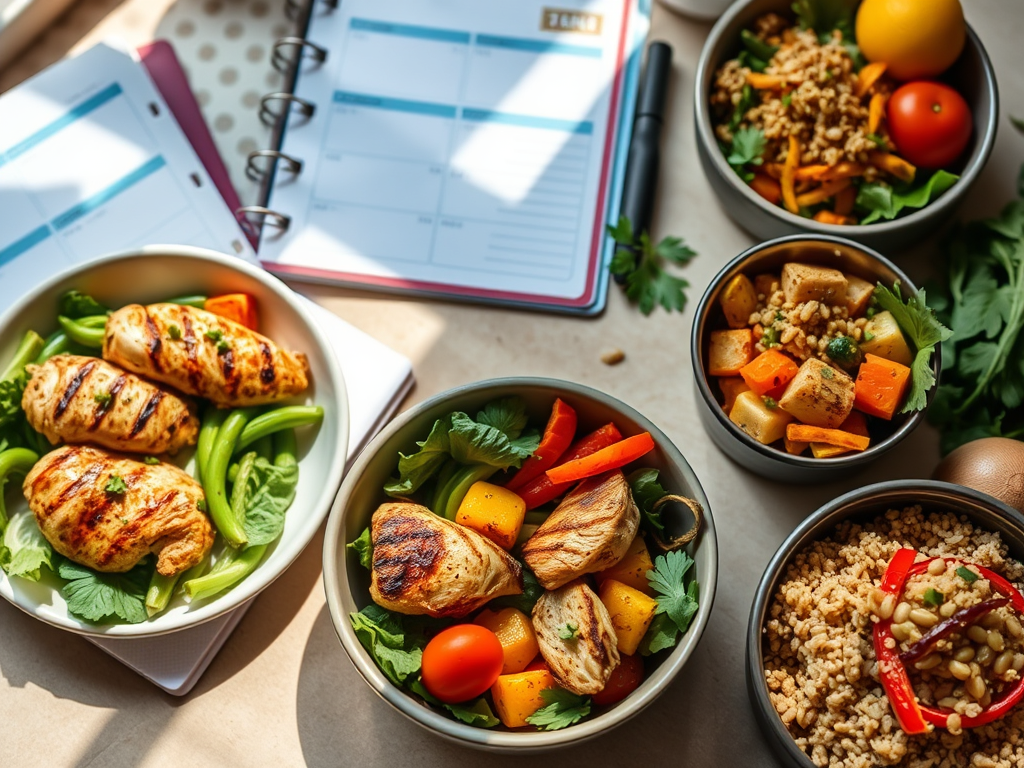
As a busy professional, it’s easy to let healthy eating fall by the wayside. With packed schedules, demanding deadlines, and the temptation of convenience foods, prioritizing balanced meals often feels like an impossible task. But what if I told you that eating healthy doesn’t have to be complicated or time-consuming? With a little planning and the right strategies, you can enjoy nutritious, delicious meals that support your energy, productivity, and overall well-being — even on the busiest of days.
This guide will show you how to make healthy eating effortless by mastering efficient meal planning and preparation.
Why Meal Planning is a Game-Changer
Meal planning isn’t just for fitness enthusiasts or food bloggers—it’s a practical tool for anyone juggling a tight schedule. Here’s why it matters:
- Save Time: Instead of scrambling to figure out meals each day, you’ll have a clear plan, freeing up valuable time.
- Stay Nutritious: Planning ensures your meals are balanced, helping you meet your health goals.
- Avoid Unhealthy Decisions: When hunger strikes, having prepared meals reduces the temptation of fast food or snacks.
The best part? Meal planning doesn’t have to be overwhelming. By focusing on simplicity and preparation, you can reap the benefits without the stress.
Step 1: Efficient Meal Planning Made Simple
1. Assess Your Week
Start by evaluating your upcoming week. Are there days when meetings or travel will make cooking difficult? Highlight these days and plan for grab-and-go meals or quick options.
2. Simplify Your Menu
Choose 2-3 versatile recipes for the week. For example:
- Base Recipe 1: Grilled chicken or tofu that pairs with salads, wraps, or stir-fries.
- Base Recipe 2: A hearty soup or stew that can double as lunch or dinner.
- Base Recipe 3: A grain bowl mix with quinoa, roasted vegetables, and a protein.
This strategy reduces decision fatigue while keeping your meals varied.
3. Create a Focused Shopping List
Stick to a list based on your chosen recipes. Include essentials like proteins, vegetables, grains, and snacks. This not only saves time but also helps avoid impulse purchases.
Step 2: Meal Prep Hacks for Busy Professionals
1. Master Batch Cooking
Prepare larger portions of staples like grilled chicken, roasted vegetables, and cooked quinoa. Store them in separate containers to create mix-and-match meals throughout the week.
2. Invest in the Right Tools
Efficiency starts with the right equipment. Consider:
- A slow cooker for hands-off cooking.
- An instant pot for quick meals.
- Quality containers to keep meals fresh and organized.
3. Focus on Grab-and-Go Options
Busy mornings? Prep these in advance:
- Hard-boiled eggs with a side of fruit.
- Overnight oats with nuts and berries.
- Pre-packed snack boxes with cut veggies, hummus, and whole-grain crackers.
4. Embrace Freezer Meals
Double your recipes and freeze portions for future use. Options like chili, casseroles, or vegetable soups reheat beautifully and save time on hectic days.
Step 3: Build Balanced Meals Without Overthinking
A balanced plate doesn’t have to be complicated. Use this formula:
- Half vegetables: Add color and nutrients with spinach, broccoli, or roasted peppers.
- A quarter protein: Opt for lean meats, tofu, beans, or fish.
- A quarter whole grains: Think quinoa, brown rice, or whole-grain bread.
Enhance flavor with quick sauces or seasonings, such as olive oil, lemon juice, or a sprinkle of your favorite spices.
Mix-and-Match Ideas
- Quinoa bowl with roasted chicken, kale, and tahini dressing.
- Whole-grain wrap with turkey, avocado, and sliced bell peppers.
- Spinach salad with lentils, feta, and balsamic vinaigrette.
Overcoming Common Obstacles
- “I Don’t Have Time”: Dedicate just one or two hours on the weekend to meal prep. Even preparing a few staples like grains and proteins will make a big difference.
- “I Get Bored of the Same Food”: Keep it exciting by changing up spices, sauces, or sides. A base recipe can transform with curry powder one day and soy sauce the next.
- “Healthy Eating is Expensive”: Focus on affordable staples like beans, oats, eggs, and seasonal produce. Buy in bulk when possible to save more.
Final Thoughts: Start Small, Stay Consistent
Healthy eating on a tight schedule is about progress, not perfection. Start with small steps: prep a couple of meals, try one new recipe, or set aside just 30 minutes to plan your week. Over time, these small efforts compound into a sustainable routine that feels effortless.
Take the first step today—plan one balanced meal for your week. You’ll be surprised at how much better you feel, both physically and mentally, when healthy eating becomes second nature.
Healthy eating isn’t just a goal; it’s a habit that empowers you to perform at your best. Make it work for you.
 Sebastian Strobl