Tag: HealthyHabits

  • 💳 “Subscription Detox” – Save Money, Clear Your Mind, Take Back Control

    💳 “Subscription Detox” – Save Money, Clear Your Mind, Take Back Control

    You know the drill:

    Free trial.

    Then €4.99/month.

    Then €14.99.

    Then suddenly you’re subscribed to seven streaming services, three productivity apps, two meditation platforms (that stress you out with daily reminders), and a magazine you haven’t read since 2022.

    But hey, it’s only a few bucks a month, right?

    Wrong.

    👉 In my recent “Subscription Detox,” I audited all recurring charges tied to my accounts.

    The results? Eye-opening:

    💸 Over €950/year wasted on unused or rarely used subscriptions.

    🧠 Countless moments of mental clutter—email spam, notification fatigue, decision fatigue from “which platform to watch/read/meditate on today?”

    We don’t talk enough about the hidden tax of convenience.

    Modern life is a buffet of bite-sized services. Everything is just a tap away. We subscribe to convenience, to potential, to aspiration.

    But here’s the trap:

    You’re not just spending money.

    You’re spending mental bandwidth maintaining relationships with tools you don’t even use.

    Every “free trial” comes with a silent cost:

    🔔 Another notification.

    📧 Another email.

    🧾 Another charge on your statement.

    And eventually…

    ⏳ Another minute wasted figuring out if you should cancel.

    So I made it simple. Here’s how I detoxed:

    1. Export your bank statement.

    Sort for recurring monthly and yearly charges. Highlight the ones you don’t recognize or haven’t used in 30+ days.

    2. Rank subscriptions by ROI.

    Does it truly add value? Save time? Bring joy? Or is it just there because you forgot to cancel after the trial?

    3. Ruthlessly cancel.

    Even if it feels small. Even if it might “one day” be useful. Future-you will thank you.

    4. Reinvest in freedom.

    Fewer subscriptions = fewer decisions = more clarity.

    After my detox, I felt like I had deleted 17 tabs open in my mind.

    Now, my money goes where my attention actually lives.

    🎯 A focused Spotify plan I use daily.

    🎯 A minimalist calendar app that brings me clarity.

    🎯 Zero guilt about not using the rest.

    It’s not just about saving €80/month.

    It’s about reclaiming your attention.

    💡 Because in a world constantly shouting for your subscription, sometimes the most powerful thing you can do… is unsubscribe.

    📌 Your turn:

    Do a “Subscription Detox” this weekend.

    Audit, cancel, and take back control.

    Then share your number:

    💬 How many subscriptions did you cancel?

    Let’s inspire each other to live with intention, not automation.

    🧘‍♂️ Less clutter.

    💰 More savings.

    🧠 Maximum clarity.

    You in?

  • How to Maintain Work-Life Balance as a Project Manager: Strategies for Setting Boundaries and Avoiding Burnout

    How to Maintain Work-Life Balance as a Project Manager: Strategies for Setting Boundaries and Avoiding Burnout

    As a project manager, you likely wear many hats: overseeing tasks, managing teams, meeting deadlines, and keeping stakeholders happy. It’s a role that often demands attention 24/7, leaving little room for personal time or rest. You may have found yourself checking emails late at night, taking client calls during family dinners, or getting caught up in tasks even on weekends.

    The pressure is real. But, as a project manager, maintaining a healthy work-life balance is essential, not only for your personal well-being but for your professional success too. In this article, we’ll explore strategies to set boundaries, stay productive, and avoid burnout, all while maintaining the balance that is so crucial to long-term success.


    1. The Challenges of Project Management and Work-Life Balance

    Project management is inherently demanding. With tight deadlines, constant communication, and shifting priorities, it’s easy for work to spill into personal time. Whether you’re leading large teams, managing complex deliverables, or juggling multiple clients, the challenges seem never-ending.

    However, this pressure often comes at a cost: burnout. Project managers are especially prone to stress due to the responsibility of overseeing projects from start to finish. This role, while rewarding, can leave you feeling overwhelmed and drained if boundaries aren’t set.

    The early signs of burnout can be subtle—fatigue, irritability, and a decline in productivity. Over time, these signs build up, and the impact can spill over into your personal life. So, how can you regain control and maintain balance? Let’s dive into some strategies.


    2. Strategy #1: Define and Communicate Clear Boundaries

    The first step in maintaining balance is knowing when to switch off. As a project manager, it’s tempting to be always “on,” checking emails at all hours, or responding to requests immediately. However, this lack of boundaries only increases stress.

    Work Hours: Establish clear working hours. It’s essential to set specific times when you’re available and stick to them. Once your workday ends, unplug. Not only will this help reduce stress, but it will also allow you to recharge, ensuring you’re ready for the next day.

    Tech Boundaries: In today’s digital age, it’s easy for work to intrude on personal time. Set limits on when and how you’ll check emails, messages, or project management platforms after work hours. Consider turning off email notifications outside your defined work hours.

    Communicate Effectively: Let your team and clients know your boundaries. Being proactive in communicating when you’re available shows that you respect your time and theirs. This might mean saying, “I’ll get back to you tomorrow” or “I’m offline after 6 p.m.” It’s about setting expectations upfront.

    By defining and communicating clear boundaries, you create a structured environment where work doesn’t intrude on your personal time, and you protect your well-being.


    3. Strategy #2: Prioritize Tasks and Delegate

    You don’t have to do everything yourself. In fact, trying to manage everything on your own will only lead to exhaustion and burnout.

    The Power of Delegation: Delegating tasks is a crucial skill for any project manager. Recognize that you can’t (and shouldn’t) handle every task. Trust your team and assign tasks based on their strengths. This not only helps lighten your load but also empowers your team, fostering a more collaborative environment.

    Use Project Management Tools: Tools like Asana, Trello, and Jira can help you prioritize tasks effectively. These platforms allow you to manage your time better by organizing tasks, setting deadlines, and tracking progress. You can easily identify urgent tasks versus long-term goals and tackle them systematically.

    SMART Goals: When setting goals, use the SMART framework—Specific, Measurable, Achievable, Relevant, and Time-bound. This ensures that you are focused on what truly matters and helps you avoid taking on too many projects at once. Setting realistic goals will also make it easier to delegate tasks and avoid overwhelming yourself.

    By prioritizing and delegating, you free up time to focus on high-level tasks that require your expertise and leadership, while still keeping everything on track.


    4. Strategy #3: Learn to Say “No” (and How to Do It Gracefully)

    One of the hardest things to do as a project manager is to say no. Whether it’s a client request, an urgent task, or additional responsibilities, the temptation to take it all on can be overwhelming. However, saying yes to everything leads to burnout and undermines your ability to prioritize.

    Tactical “No”: Saying no doesn’t mean you’re refusing to be helpful—it means you’re being realistic about what you can manage. Saying no can also be framed positively, like, “I’m unable to take on that task right now, but let’s discuss how we can prioritize it for the future.”

    Managing Client Expectations: Clients may occasionally push for unrealistic timelines or additional features. Don’t be afraid to push back. Politely but firmly explain that you need to respect your team’s capacity to deliver high-quality work without compromising timelines. Having a clear rationale for saying no will help clients understand your reasoning.

    Sample Script: “I’d love to help with this request, but my current workload means I won’t be able to give it the attention it deserves. Let’s find a way to address it in the coming days.”

    Learning to say no helps you protect your time and energy, ensuring that you’re not stretched too thin.


    5. Strategy #4: Embrace Flexibility with Remote Work and Time Management

    While project management often involves being on-site or in meetings, embracing flexibility can lead to a better work-life integration.

    Hybrid Work Benefits: If your company allows it, explore the benefits of hybrid work or remote days. A day at home can help reduce commute time, provide a quieter environment for focused work, and allow for a better work-life balance overall.

    Time Blocks & Focus: Time-blocking is a highly effective time management method. Set aside blocks of uninterrupted time to work on specific tasks. For instance, dedicate one hour in the morning for deep work on project plans and another in the afternoon for team meetings or emails.

    Tools for Focus: Use focus tools like the Pomodoro Technique or task timers to stay on track. These tools can help you concentrate on one task at a time, reducing distractions and increasing productivity.

    Flexibility in your work setup and time management allows you to balance both professional and personal commitments with ease.


    6. Strategy #5: Invest in Self-Care and Wellness

    Physical and mental health should always be a priority. If you’re constantly running on empty, it’s impossible to lead effectively or maintain balance in your life.

    Physical Health: Make time for regular exercise, sleep, and nutrition. A healthy body leads to a clearer mind and more energy. Even short 15-minute workouts or stretching during breaks can help alleviate physical tension, especially if you’re dealing with the aches and pains of desk work.

    Mental Health: Mental well-being is just as important. Practices like mindfulness, meditation, or simply taking a break to breathe can reduce stress and increase focus.

    Quick Wins: Even on the busiest days, find small ways to practice self-care. Take a five-minute walk outside, hydrate regularly, or listen to a calming podcast during your commute. These moments help recharge your energy and improve your focus throughout the day.

    By investing in yourself, you increase your capacity to perform at your best while keeping burnout at bay.


    7. Strategy #6: Build a Support System

    You don’t have to navigate the challenges of project management alone. Having a strong support system, both at work and in your personal life, makes all the difference.

    Work Support: Build a network of mentors, colleagues, and friends within your company. Having someone to share your experiences with or seek advice from can provide both emotional support and practical solutions.

    Personal Support: Your family and friends play a crucial role in helping you disconnect from work. Make time to connect with loved ones, share experiences, and unwind together.

    Networking and Peer Groups: Join project management groups or online communities. Networking with peers who understand the unique challenges you face can offer valuable insights and coping strategies.

    A strong support system makes it easier to navigate the ups and downs of project management while maintaining a healthy work-life balance.


    Conclusion

    Maintaining a work-life balance as a project manager is no small feat, but it’s essential for both your personal well-being and professional success. By defining boundaries, prioritizing tasks, saying no when necessary, embracing flexibility, investing in self-care, and building a strong support system, you can avoid burnout and lead with clarity and energy.

    Now that you’ve learned these strategies, what’s one step you can take today to start setting boundaries or preventing burnout in your own life? Let’s hear your best work-life balance tips or challenges in the comments below!


  • Why Less is More in Fitness: Avoiding Burnout with Minimalist Training

    Why Less is More in Fitness: Avoiding Burnout with Minimalist Training

    “It’s 6 AM. The alarm goes off. You’ve got emails waiting, breakfast to make, kids to wake up, and your workout? Still just an idea. Sound familiar?”

    If you’re juggling a demanding career, a partner, kids, maybe even aging parents, the idea of fitting in an elaborate workout routine feels more like fantasy than reality. Between back-to-back meetings and bedtime stories, who has the time—or the mental bandwidth—for 90-minute gym sessions and meticulous macro counting?

    The truth? You don’t need all of that to be fit, strong, and healthy. In fact, trying to do too much is often the very thing that derails us. That’s where minimalist training comes in—a practical, sustainable approach that prioritizes consistency over complexity and delivers real results without burnout.

    1. The Problem: Too Much Fitness Advice, Too Little Time

    Open Instagram or YouTube, and you’re hit with a firehose of fitness advice: 7-day workout splits, carb cycling, cold plunges, yoga, meditation, fasting windows. It’s overwhelming—and it’s paralyzing.

    When you already have a full plate, trying to keep up with this fitness circus becomes another stressor. You skip a workout, feel guilty, and spiral into the all-or-nothing trap. The result? Inconsistency, frustration, and eventually, burnout.

    2. Redefining Success: Consistency Over Complexity

    Here’s the hard truth: your fitness routine doesn’t need to look like a personal trainer’s. In fact, it shouldn’t. You’re not getting paid to work out. Your job is to be present, productive, and healthy for the long haul.

    That means success isn’t measured by six-pack abs or bench press PRs—it’s about how consistently you can move your body, build strength, and maintain energy, week after week, month after month.

    Less time. Less stress. More life.

    3. The Minimalist Fitness Mindset

    Minimalist training isn’t lazy training—it’s smart training. It’s about doing the essential things well and ignoring the fluff. It’s about showing up with purpose, not perfection.

    Think of it like this: your workout should energize your day, not drain it. It should simplify your life, not complicate it. When you remove decision fatigue and unrealistic expectations, you free up mental space for what truly matters.

    4. The Core Elements of Minimalist Training

    Let’s break it down to the fundamentals. Here’s all you really need:

    Strength Training (2–3x/week): Focus on compound lifts like squats, deadlifts, pushups, and rows. These give you the biggest bang for your buck. Cardio (daily movement): Walk the dog, bike with your kid, take the stairs. No need for hour-long runs unless you enjoy them. Mobility (5–10 min/day): A short routine to keep joints healthy and pain at bay. Foam rolling, stretching, or yoga flows work great.

    Everything else? Optional. If it fits into your week, great. If not, don’t sweat it.

    5. Sample Weekly Plan (For the Time-Starved Professional)

    Here’s a realistic plan that fits into even the busiest schedules:

    Monday:

    30-minute full-body strength workout (Squats, Pushups, Rows) 15-minute walk after lunch

    Wednesday:

    30-minute strength (Deadlifts, Overhead Press, Core) 5-minute mobility flow

    Friday:

    30-minute bodyweight circuit at home Evening walk with the family

    Saturday/Sunday (Optional):

    Active hobby (hike, swim, bike) Stretch and recover

    This gives you flexibility to miss a day without guilt—and still make progress.

    6. Nutrition Without the Drama

    Minimalist fitness includes minimalist eating. Forget 8-meal meal-prep Sundays or tracking every gram of protein.

    Here’s the simple approach:

    Eat mostly whole foods. Prioritize protein at every meal. Limit sugar and highly processed snacks. Repeat your meals. Uniform eating = less decision fatigue.

    Keep a few go-to meals you can make in 10–15 minutes. Think omelets, Greek yogurt bowls, grilled chicken with frozen veggies. Not gourmet—but effective.

    7. Signs You’re Doing Enough (Even If It Feels Like Less)

    One of the biggest mental hurdles in minimalist training is feeling like you’re not doing enough. But here’s how to know your routine is working:

    You sleep better and wake up with more energy. Your clothes fit better. You’re gradually lifting heavier or moving more fluidly. Your posture and confidence improve. You no longer dread workouts—you actually look forward to them.

    Minimalist training won’t leave you gasping on the floor, but it will leave you feeling stronger and more capable every day.

    8. Burnout is the Real Enemy — Not Lack of Time

    Fitness isn’t about going hard—it’s about going long. Burnout kills more fitness goals than laziness ever could.

    If your workout routine demands more than you can consistently give, it’s a bad routine. The “all-or-nothing” mindset is the enemy of progress. It’s far better to train less and recover more—so you can keep showing up.

    Remember: done consistently, even 20-minute sessions build incredible results over time.

    9. Mastering Fitness with a Family Man’s Mentality

    The busy professional doesn’t need a six-pack to feel strong. He needs energy to play with his kids after work. He needs mobility to carry groceries without pain. He needs endurance to lead at work and still be present at home.

    Minimalist training respects your time. It aligns with your values. And it helps you build a foundation that supports—not competes with—your life.

    Final Thoughts

    Less is more—especially when you’re managing a full life outside the gym. Minimalist training isn’t just efficient. It’s liberating. It allows you to stay fit, strong, and healthy without sacrificing your family, career, or sanity.

    Show up. Do what matters. Then get back to what you’re really training for: life.

    Bonus for Readers:

    Download your free Minimalist Fitness Checklist for Busy Professionals and start simplifying your fitness today.

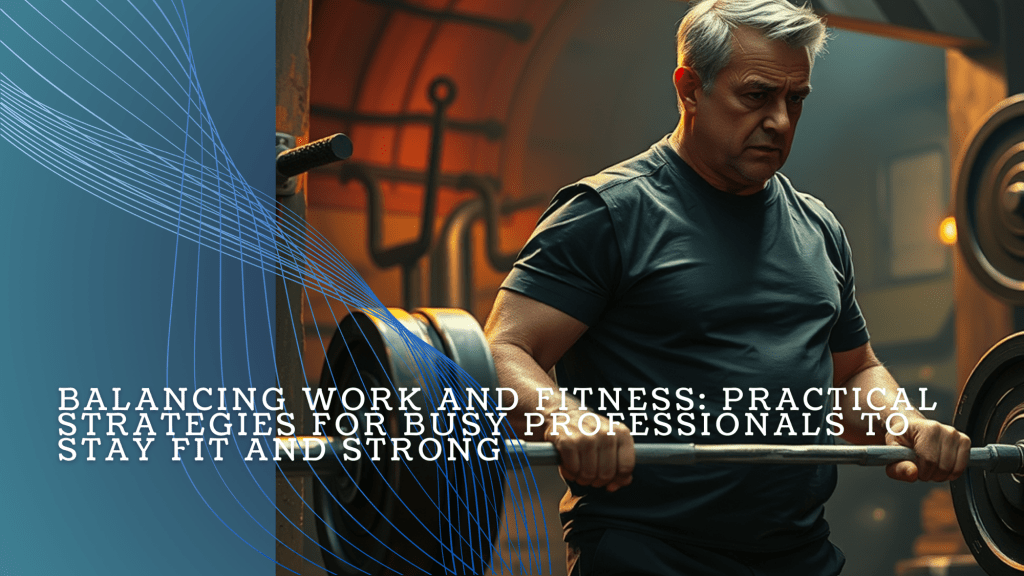
  • Balancing Work and Fitness: Practical Strategies for Busy Professionals to Stay Fit and Strong

    Balancing Work and Fitness: Practical Strategies for Busy Professionals to Stay Fit and Strong

    In the fast-paced world of demanding careers and tight schedules, it’s easy to push fitness to the sidelines. However, staying active is more than a health goal; it’s a cornerstone for productivity, mental clarity, and long-term well-being. The good news? You don’t need to spend hours in the gym to achieve incredible results. With the right strategies, you can integrate fitness seamlessly into your busy life.

    Let’s explore how you can prioritize strength training and movement, even with a packed schedule, and create a sustainable routine that keeps you strong and energized.

    1. Strength Training: The Backbone of Fitness

    For busy professionals, efficiency is key, and strength training delivers. With just two or three total-body sessions per week, you can build muscle, improve your metabolism, and enhance your overall health.

    Focus on Multijoint Barbell Movements

    To get the most bang for your buck, prioritize multijoint barbell exercises such as:

    • Squats: Develop lower body strength and core stability.
    • Deadlifts: Build posterior chain power and full-body strength.
    • Bench Press: Strengthen your chest, shoulders, and triceps.

    These compound movements recruit multiple muscle groups, making them incredibly effective for maximizing results in minimal time.

    Adapt to Your Schedule

    If your week is unpredictable, don’t stress. Here’s how to stay flexible:

    • Shift Days: Move workout sessions around as needed.
    • Simplify Workouts: If time is short, focus on one or two big lifts and skip minor assistance exercises.
    • Weekend-Only Training: Can’t train midweek? No problem. Two intense sessions on Saturday and Sunday can still yield great results.

    Consistency and effort matter far more than perfection. Even a brief session can be highly productive if you give it your all.

    2. Supplement Strength Training with Daily Movement

    Strength training builds muscle, but daily movement keeps your body active and healthy. Aim to walk at least 8,000 steps a day, and you’ll reap numerous benefits:

    Physical Health Benefits
    • Improved cardiovascular health.
    • Enhanced recovery between strength-training sessions.
    • Boosted calorie burn to complement your fitness goals.
    Mental Health Benefits
    • Reduced stress levels.
    • Increased focus and mental clarity.
    • Improved mood and overall well-being.
    Optional Cardio

    If walking isn’t enough, consider light running or cycling for variety. Remember, fitness should feel enjoyable. Choose activities that excite you and keep you coming back.

    3. Make Fitness Fun and Sustainable

    The secret to long-term success? Enjoy what you do. When workouts feel like a chore, it’s harder to stick with them. Instead, frame fitness as an opportunity to grow stronger, relieve stress, and improve your quality of life.

    Tips for Making Fitness Fun
    • Experiment: Try different training styles or exercises to find what you love.
    • Celebrate Progress: Track strength gains, improved energy, or even step counts.
    • Simplify: Keep your routine straightforward so it’s easy to pick up and stay consistent.

    When fitness feels approachable and rewarding, it’s much easier to stay the course.

    4. Practical Strategies for Staying Consistent

    Life is unpredictable, but with a little planning, you can make fitness a non-negotiable part of your routine.

    Time Management Hacks
    • Morning Workouts: Start your day with a quick strength session. You’ll feel accomplished and energized.
    • Lunch Breaks: Use this time for a short walk or workout. It’s a great mental reset.
    • Combine Activities: Turn family outings into active adventures or take calls while walking.
    Building Habits
    • Begin small. Even one workout a week is better than none.
    • Focus on consistency over intensity. Showing up regularly builds momentum.
    • Create a routine that fits seamlessly into your life.
    5. The Long-Term Payoff

    Balancing work and fitness isn’t just about looking good; it’s about feeling strong and capable in every area of life. Here’s what you stand to gain:

    Physical Benefits
    • Increased strength and endurance.
    • Reduced risk of chronic illness.
    • Improved posture and energy levels.
    Mental Benefits
    • Lower stress and anxiety.
    • Enhanced focus and productivity.
    • A sense of accomplishment and resilience.

    Fitness is a long-term investment that pays dividends in both your personal and professional life. Prioritize it, and you’ll notice the difference in everything you do.

    Start Today, Stay Consistent

    Your busy schedule doesn’t have to be a barrier to fitness. With a focus on strength training, daily movement, and flexibility, you can create a routine that fits seamlessly into your life. Pick up a barbell, take a walk, or try a quick workout — the key is to start and stay consistent.

    Remember, fitness isn’t about being perfect; it’s about making progress. Every step, every lift, and every workout is a step closer to a stronger, healthier you. So why wait? Your barbell is calling — let’s get started!

  • The Role of Exercise in Enhancing Productivity: How Physical Activity Boosts Efficiency

    The Role of Exercise in Enhancing Productivity: How Physical Activity Boosts Efficiency

    Discover how regular physical activity can skyrocket your productivity and transform your workday.


    Introduction: Sarah’s Struggle with Productivity

    Meet Sarah, a marketing manager for a busy startup. Despite her passion for her job, Sarah found herself battling afternoon slumps, struggling to focus on her projects, and working late into the night just to meet deadlines. Her productivity hit rock bottom, and so did her energy. She tried different techniques—time management tools, productivity apps, even cutting down on distractions—but nothing seemed to work.

    One day, a colleague invited her to join an early morning fitness class. At first, Sarah was skeptical. How could squeezing exercise into her already packed schedule help her productivity? But after just a few weeks of regular workouts, Sarah noticed a shift. She had more energy, could focus for longer periods, and she was wrapping up her tasks much earlier in the day. The correlation between her exercise routine and her newfound productivity was undeniable.

    This transformation led Sarah to research the science behind it, and she discovered what many experts have proven: exercise is one of the most effective ways to boost productivity.

    The Science Behind Exercise and Productivity

    The benefits Sarah experienced aren’t just anecdotal. Research shows that regular physical activity has a profound impact on brain function, energy levels, and overall productivity.

    1. Increased Energy Levels: Exercise boosts circulation and oxygen flow to the brain, which helps increase energy and reduce fatigue. This means you’ll feel less sluggish throughout the day and more energized to tackle your tasks.
    2. Enhanced Focus and Cognitive Function: Regular physical activity increases the production of neurochemicals like dopamine, norepinephrine, and serotonin, which are critical for improving attention, focus, and cognitive function. Studies show that people who exercise regularly experience better concentration, memory retention, and problem-solving skills.
    3. Reduced Stress and Anxiety: Exercise is one of the most effective ways to reduce stress, anxiety, and the mental clutter that can drain productivity. Physical activity helps regulate cortisol levels, the body’s primary stress hormone, leaving you with a clearer mind to focus on important tasks.
    4. Improved Mood: The endorphins released during exercise can improve mood and motivation, making you feel more positive and driven throughout the day.
    5. Better Sleep: Regular exercise promotes better sleep, which is crucial for maintaining high productivity levels. Quality sleep enhances cognitive function, mood stability, and physical energy—key elements for staying sharp and efficient at work.
    How Physical Activity Boosts Efficiency

    Exercise doesn’t just improve physical health; it sharpens mental agility and emotional resilience. Here’s how it enhances your work performance:

    1. Sharper Focus: Physical activity helps clear mental fog. Whether it’s a brisk walk during lunch or an early morning jog, exercise boosts mental clarity, allowing you to maintain focus on tasks for extended periods.
    2. Enhanced Problem-Solving Skills: Exercise stimulates creative thinking. When you engage in physical activity, your brain gets a chance to unwind, making it easier to approach challenges with fresh perspectives.
    3. Increased Motivation: Completing a workout gives you a sense of achievement, which can set a positive tone for the rest of the day. This heightened sense of accomplishment drives you to tackle other tasks with more enthusiasm.
    4. Time Management: Regular exercise improves self-discipline, helping you manage your time better. By making exercise a priority, you’ll find that you can fit more into your day by structuring your schedule around it.
    A Story of Transformation: David’s Experience

    David, a project manager, was caught in the vicious cycle of burnout. Long hours, tight deadlines, and back-to-back meetings had taken their toll on his physical and mental health. Despite working overtime, his productivity was plummeting. Tasks that once took an hour now stretched out for half a day, and his motivation was at an all-time low.

    One evening, David decided to hit the gym after work, hoping it would help him relieve stress. To his surprise, he felt rejuvenated afterward, both physically and mentally. Encouraged by this, David started making exercise a regular part of his routine, starting his mornings with a quick workout.

    In just a few weeks, his productivity surged. He found himself more focused during meetings, less overwhelmed by his to-do list, and more energized throughout the day. Instead of dreading work, David began to approach his tasks with renewed enthusiasm. He finished projects ahead of deadlines and even had time to spare in the evenings for personal hobbies. Exercise had become the catalyst for his productivity transformation.


    Actionable Steps: How to Implement Exercise to Boost Productivity

    Ready to experience a productivity boost like Sarah and David? Here’s how you can incorporate exercise into your routine:

    1. Start Small: If you’re new to exercising, begin with small, manageable activities like a 10-minute walk or a quick bodyweight workout at home. Gradually increase the intensity and duration as you build the habit.
    2. Schedule Exercise Like a Meeting: Block time for exercise in your calendar, just like you would for an important meeting. Commit to it daily, whether it’s in the morning, during lunch, or after work.
    3. Find What You Enjoy: Exercise doesn’t have to be a chore. Whether it’s jogging, swimming, yoga, or dancing, find an activity you enjoy, so it becomes something you look forward to rather than dread.
    4. Incorporate Active Breaks: Take short, active breaks throughout your workday. A quick stretch, a walk around the block, or even a five-minute desk workout can refresh your mind and increase your focus.
    5. Pair Exercise with Productivity Tasks: Try walking meetings, or listen to a podcast or audiobook while on the treadmill. This way, you’re staying active while getting work-related tasks done.
    6. Join a Group or Class: Accountability is key to sticking with an exercise routine. Join a workout class or find a friend or colleague to exercise with regularly.
    7. Track Your Progress: Use a fitness tracker or app to monitor your activity. Seeing your progress over time can be incredibly motivating.
    8. Make Recovery a Priority: Don’t forget the importance of rest and recovery. Adequate sleep and proper nutrition are crucial for maintaining high energy and productivity levels.

    Conclusion: Move to Achieve More

    The connection between exercise and productivity is undeniable. As Sarah and David’s stories illustrate, incorporating regular physical activity into your daily routine can transform not only your health but also your work performance. Whether you’re striving to meet deadlines, enhance your focus, or simply maintain energy throughout the day, exercise can be the secret weapon that fuels your productivity.

    Start small, stay consistent, and watch as your efficiency soars.


    By making exercise a non-negotiable part of your routine, you’ll find that you’re not just moving more, but you’re also achieving more