
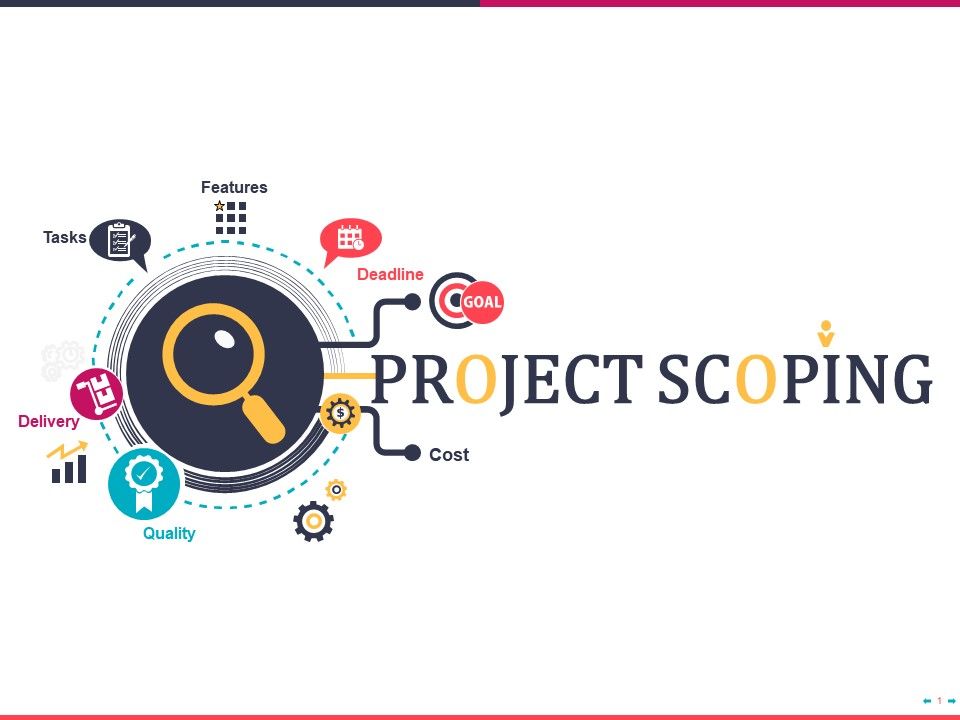
Project scoping is a critical phase in project management that defines the boundaries and deliverables of a project. It sets the stage for all subsequent project activities and is fundamental to ensuring project success. A well-defined scope helps in aligning stakeholder expectations, managing resources effectively, and minimizing risks. This article explores the basic knowledge required for project scoping, outlines the most important tasks, highlights common pitfalls, and discusses the key competencies a project manager needs to successfully define the scope.
Basic Knowledge of Project Scoping
Project scoping involves determining and documenting a list of specific project goals, deliverables, tasks, costs, and deadlines. The scope defines the project’s boundaries and establishes what is included and excluded in the project. Key elements of project scoping include:
- Objectives: Clear, measurable goals that the project aims to achieve.
- Deliverables: Tangible or intangible outputs that the project will produce.
- Milestones: Significant points or events in the project timeline.
- Tasks: Specific activities required to complete the deliverables.
- Resources: Personnel, equipment, and materials needed for the project.
- Budget: Estimated costs associated with the project.
- Timeline: Schedule for project tasks and milestones.
Most Important Tasks in Project Scoping
To effectively define the project scope, a project manager must perform several key tasks:
- Stakeholder Identification and Analysis:
- Identify all stakeholders involved in or affected by the project.
- Understand stakeholder needs, expectations, and influence on the project.
- Requirements Gathering:
- Collect detailed requirements from stakeholders through interviews, surveys, and workshops.
- Prioritize requirements based on project objectives and stakeholder input.
- Scope Statement Development:
- Create a comprehensive scope statement that outlines project objectives, deliverables, boundaries, and constraints.
- Ensure the scope statement is clear, concise, and agreed upon by all stakeholders.
- Work Breakdown Structure (WBS):
- Develop a WBS that breaks down the project into manageable components and tasks.
- Assign responsibilities and timelines for each task.
- Scope Verification and Validation:
- Review the scope statement and WBS with stakeholders to ensure accuracy and completeness.
- Validate that the project scope aligns with business goals and stakeholder expectations.
- Scope Management Plan:
- Develop a plan for managing scope changes and ensuring scope creep is controlled.
- Define procedures for documenting and approving scope changes.
Common Pitfalls in Project Scoping
Despite its importance, project scoping is often fraught with challenges. Common pitfalls include:
- Unclear Objectives:
- Vague or ambiguous project objectives can lead to misunderstandings and misaligned expectations.
- Incomplete Requirements:
- Failing to gather comprehensive requirements from all stakeholders can result in scope gaps and rework.
- Scope Creep:
- Uncontrolled changes to the project scope can cause delays, cost overruns, and resource strain.
- Poor Stakeholder Engagement:
- Inadequate involvement of stakeholders in the scoping process can lead to missed requirements and dissatisfaction.
- Inaccurate Estimates:
- Underestimating the time, cost, and resources needed for the project can lead to unrealistic scope and project failure.
Key Competencies for Successful Project Scoping
To successfully define and manage project scope, a project manager needs to possess several key competencies:
- Analytical Skills:
Ability to analyze stakeholder needs, project requirements, and potential risks. - Communication Skills:
Effective communication with stakeholders to gather requirements, provide updates, and manage expectations. - Detail Orientation:
Attention to detail in documenting the scope, developing the WBS, and ensuring all aspects of the project are covered. - Negotiation Skills:
Skill in negotiating with stakeholders to prioritize requirements and manage scope changes. - Leadership:
Ability to lead the project team, engage stakeholders, and drive consensus on project scope. - Risk Management:
Proficiency in identifying potential scope risks and developing mitigation strategies. - Change Management:
Capability to manage scope changes effectively, ensuring they are documented, analyzed, and approved.
Step-by-Step Guide to the Scoping Phase of a Software Development Project
Step 1: Identify Stakeholders
Objective: Identify all individuals and groups who have an interest in the project or will be affected by it.
Actions:
- List Potential Stakeholders: Include project sponsors, end-users, development team members, product owners, and any other relevant parties.
- Conduct Stakeholder Analysis: Understand their interests, influence, and expectations regarding the project.
- Engage Stakeholders: Schedule initial meetings or interviews to gather insights and expectations.
Outcome: A comprehensive list of stakeholders with their roles, interests, and influence levels documented.
Step 2: Gather Requirements
Objective: Collect detailed requirements to understand what the project needs to achieve.
Actions:
- Conduct Workshops and Interviews: Engage stakeholders through workshops, interviews, and surveys to gather requirements.
- Document Functional Requirements: Specify what the software should do, including features and functionalities.
- Document Non-Functional Requirements: Include performance, security, usability, and compliance requirements.
- Prioritize Requirements: Work with stakeholders to prioritize requirements based on business needs and constraints.
Outcome: A well-documented set of functional and non-functional requirements, prioritized and validated by stakeholders.
Step 3: Define Project Objectives
Objective: Clearly define the project’s goals and objectives.
Actions:
- Establish SMART Goals: Ensure that objectives are Specific, Measurable, Achievable, Relevant, and Time-bound.
- Align with Business Goals: Ensure project objectives align with the broader business objectives.
- Validate with Stakeholders: Confirm objectives with key stakeholders to ensure alignment and buy-in.
Outcome: A clear and concise statement of the project’s objectives, agreed upon by all stakeholders.
Step 4: Develop the Scope Statement
Objective: Create a detailed scope statement that outlines the project’s boundaries and deliverables.
Actions:
- Define Deliverables: List the main outputs of the project (e.g., software modules, documentation, training materials).
- Specify Boundaries: Clarify what is included in the project scope and what is not.
- Identify Constraints: Document any limitations such as budget, timelines, technology, or resources.
- Assumptions: List any assumptions that have been made during the scoping phase.
Outcome: A comprehensive scope statement that serves as the foundation for project planning and execution.
Step 5: Create a Work Breakdown Structure (WBS)
Objective: Break down the project into smaller, more manageable components and tasks.
Actions:
- Identify Major Deliverables: Start by identifying the key deliverables from the scope statement.
- Break Down Deliverables: Decompose each deliverable into smaller tasks and sub-tasks.
- Assign Responsibilities: Assign team members to each task and sub-task.
- Estimate Durations: Estimate the time required to complete each task.
Outcome: A detailed WBS that provides a clear roadmap for project tasks and responsibilities.
Step 6: Develop a Scope Management Plan
Objective: Create a plan for managing scope changes and ensuring scope creep is controlled.
Actions:
- Define Change Control Procedures: Establish procedures for how changes to the scope will be proposed, evaluated, and approved.
- Set Up a Change Control Board (CCB): Form a CCB with representatives from key stakeholder groups to review and approve scope changes.
- Document Change Requests: Implement a system for documenting and tracking change requests.
- Communicate Changes: Ensure all stakeholders are informed about scope changes and their implications.
Outcome: A scope management plan that outlines how scope changes will be handled throughout the project.
Step 7: Validate Scope with Stakeholders
Objective: Ensure that all stakeholders agree with the defined project scope and are aligned with the project’s goals.
Actions:
- Review Scope Statement and WBS: Conduct a review meeting with key stakeholders to present the scope statement and WBS.
- Address Feedback: Collect and address any feedback or concerns from stakeholders.
- Obtain Formal Approval: Secure formal sign-off from stakeholders on the project scope.
Outcome: A validated and approved project scope that all stakeholders agree upon.
Conclusion
Project scoping is a fundamental aspect of project management that lays the groundwork for project success. By understanding the basic elements of project scope, performing essential tasks diligently, avoiding common pitfalls, and developing key competencies, a project manager can effectively define and manage the project scope. This not only ensures that the project stays on track but also aligns stakeholder expectations and delivers the desired outcomes within the agreed parameters. Mastering project scoping is, therefore, a critical skill for any project manager aiming to lead successful projects in today’s dynamic business environment.



 Sebastian Strobl