Tag: leadership

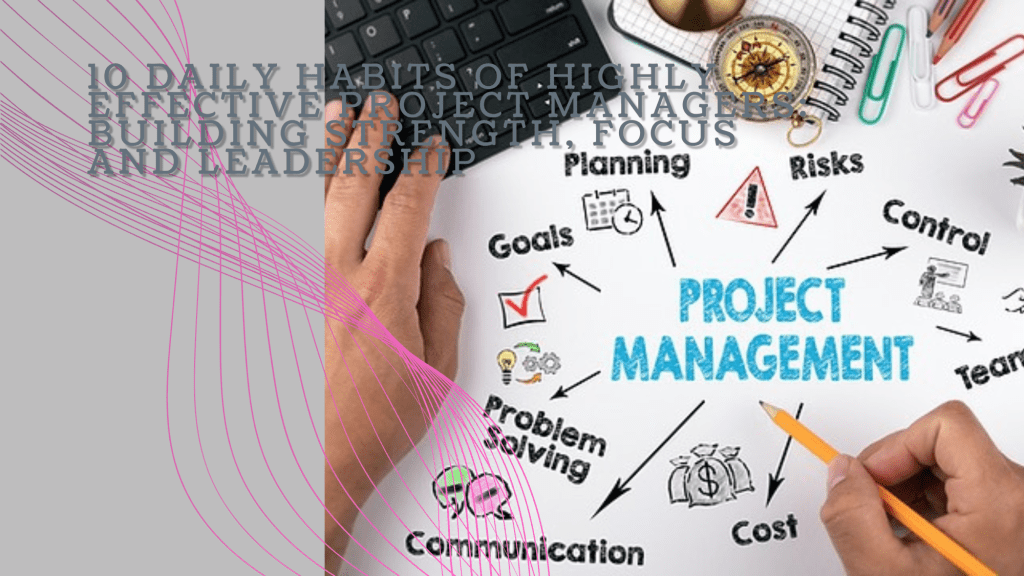
  • 10 Daily Habits of Highly Effective Project Managers: Building Strength, Focus, and Leadership

    10 Daily Habits of Highly Effective Project Managers: Building Strength, Focus, and Leadership

    Imagine this: it’s 5:30 AM, and Mark, a seasoned project manager, is already awake, gearing up for another intense day. His mornings start in the gym—lifting weights, pushing his body to its limits. Mark knows that the mental strength required to manage complex projects starts with physical discipline. Every rep he completes sharpens his focus for the day ahead. But there’s more to Mark’s success than his early morning workout routine. Over time, he’s developed a set of habits that boost his productivity and strengthen his leadership skills.

    Years ago, Sarah, another project manager, found herself constantly overwhelmed. Her days felt like a never-ending scramble, filled with back-to-back meetings and unplanned crises. But like Mark, she discovered the power of daily habits, ones that help her stay organized, calm, and in control. Today, Sarah manages projects with precision, delivering results with confidence. Let’s explore the 10 habits that have helped both Mark and Sarah thrive in their roles.

    1. Start with Physical Strength Training

    Mark’s day begins with physical training. Every morning, he heads to the gym for strength training. This ritual not only keeps him physically fit but also clears his mind. Lifting weights and pushing his body forces him to focus, which translates into sharper decision-making and stress management at work. He knows that a strong body builds a strong mind.

    Sarah, on the other hand, might not lift weights, but she starts her day with yoga and meditation. This calm, mindful practice helps her center herself before diving into the whirlwind of project management. The mental clarity it provides allows her to tackle the day’s challenges with grace and focus. Whether through strength training or yoga, both Mark and Sarah find that starting the day with physical exercise sharpens their mental resilience.

    2. Plan the Night Before

    Sarah’s evenings are just as intentional as her mornings. Before she wraps up her workday, she sets aside time to review her to-do list and plan for tomorrow. By the time she finishes, her mind is clear, and she knows exactly what to tackle first thing in the morning. This habit gives her peace of mind and prevents the morning scramble.

    Similarly, Mark has a habit of laying out his next day’s game plan the night before. He prioritizes key tasks and prepares his workspace, making sure nothing catches him off guard. When he wakes up, he feels in control, knowing that the day’s agenda is set. For both Mark and Sarah, this nightly routine keeps them organized and ready to hit the ground running each day.

    3. Embrace the Two-Minute Rule

    Mark lives by the Two-Minute Rule. If a task can be completed in less than two minutes—whether it’s responding to a quick email or approving a document—he handles it immediately. This habit stops minor tasks from piling up, keeping his workload light and manageable.

    Sarah, too, knows the value of handling quick tasks on the spot. Early in her career, she often felt bogged down by small, unfinished tasks that interrupted her flow. Now, by quickly addressing these minor issues as they arise, she frees up her time and energy for more important, strategic work. Both Mark and Sarah understand that small actions taken immediately prevent future distractions.

    4. Prioritize Deep Work

    Sarah carves out time every day for what she calls her “deep work” sessions. During these hours, she immerses herself in complex tasks that require her full attention—whether it’s strategic planning, reviewing critical reports, or brainstorming solutions. She blocks out distractions, turns off notifications, and focuses entirely on the work that truly matters.

    Mark follows the same principle. His deep work sessions are his most productive times of the day, allowing him to dive into key aspects of his projects without interruptions. He knows that staying in the zone during these moments leads to real progress. For both of them, deep work is where they solve the toughest problems and make the biggest strides.

    5. Leverage the Power of Delegation

    Early in her career, Sarah tried to do everything herself, thinking that being a strong leader meant handling every detail. But as she grew into her role, she learned that effective leadership is about empowering others. Now, she trusts her team to take ownership of their tasks, giving her more time to focus on the bigger picture.

    Mark had a similar realization. Once a hands-on manager who couldn’t let go of control, he now excels at delegating to his team. By trusting them with important responsibilities, he not only lightens his load but also helps his team grow and develop. Both Mark and Sarah have learned that great leaders don’t do it all—they build teams that can.

    6. Communicate with Purpose

    Mark understands the power of clear communication. He’s direct and concise, ensuring that every meeting and conversation serves a purpose. By communicating efficiently, he keeps his team aligned and on track, minimizing misunderstandings and ensuring everyone knows what’s expected.

    Sarah takes a similar approach. Instead of getting bogged down in long, unproductive meetings, she keeps her communication focused and intentional. Whether she’s sending a quick update or leading a strategy session, Sarah makes sure that her words are clear and impactful. Both Mark and Sarah know that effective communication is the key to keeping projects moving smoothly.

    7. Set Aside Time for Reflection

    At the end of each day, Sarah takes a few moments to reflect on her successes and challenges. She asks herself what went well, what could have been done better, and what she learned. This daily reflection helps her continuously improve, making subtle adjustments to her leadership style and project management techniques.

    Mark is no different. He’s made it a habit to end each day by reflecting on his performance. Whether it’s during his drive home or while unwinding after dinner, he considers what worked, where he faced difficulties, and how he can improve tomorrow. For both Sarah and Mark, these moments of reflection provide the self-awareness needed to grow as leaders.

    8. Adopt a Growth Mindset

    Sarah believes that challenges are opportunities to grow. Instead of fearing mistakes, she embraces them as part of the learning process. She’s constantly seeking out new knowledge, attending workshops, reading books, and staying curious. This growth mindset allows her to adapt quickly and stay ahead in a fast-changing environment.

    Mark shares this philosophy. He’s not afraid to push boundaries, experiment with new project management techniques, or ask for feedback. Like Sarah, he understands that continuous learning is the key to staying effective. Both of them know that a growth mindset is essential for long-term success in project management.

    9. Master Time Blocking

    Mark is disciplined about time blocking. He breaks his day into focused chunks—one for meetings, another for deep work, and yet another for handling administrative tasks. This structured approach helps him maximize productivity and prevent his day from being consumed by distractions.

    Sarah also uses time blocking to stay organized. She schedules specific time slots for focused work, meetings, and even personal breaks. By assigning each task its own dedicated block of time, she keeps her day structured and efficient. For both Mark and Sarah, time blocking ensures that their most important work gets the attention it deserves.

    10. End the Day with Gratitude

    At the end of the day, Sarah takes a moment to celebrate her wins. Whether it’s completing a project milestone or simply navigating a challenging conversation, she ends her day by recognizing the progress she and her team have made. This habit keeps her motivated and reminds her of the positive impact she’s having.

    Mark also ends his day on a note of gratitude. He reflects on what went well and appreciates the efforts of his team. Gratitude, he’s found, helps him stay grounded and focused on the bigger picture. Both Mark and Sarah believe that ending the day with appreciation fuels the energy and optimism needed for success.

    Conclusion: A Blueprint for Success

    Mark and Sarah have different approaches, but their success comes from the same core principle: consistent daily habits. These small but powerful routines shape their leadership, boost their productivity, and help them manage projects with confidence and clarity. From physical training to daily reflection, their habits create a strong foundation for growth.

    By adopting these habits, you too can elevate your project management skills and lead with purpose. Success doesn’t happen overnight—it’s built one habit at a time. Like Mark and Sarah, you can create the systems that allow you to thrive, delivering exceptional results in every project you lead.
  • Mastering Leadership and Personal Accountability: Lessons from Extreme Ownership by Jocko Willink and Leif Babin

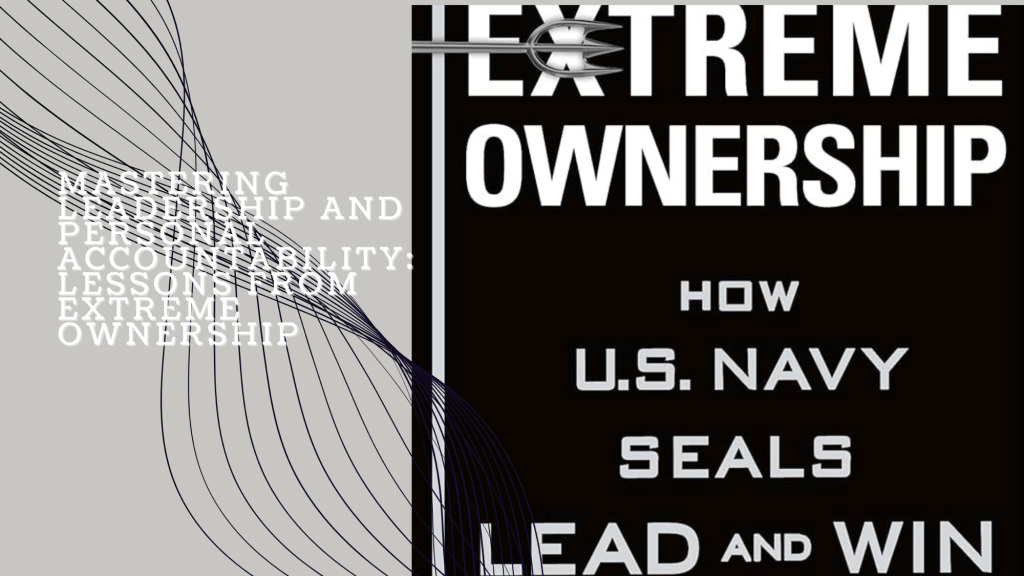
    Mastering Leadership and Personal Accountability: Lessons from Extreme Ownership by Jocko Willink and Leif Babin

    Introduction: The Power of Extreme Ownership

    Extreme Ownership: How U.S. Navy SEALs Lead and Win is a compelling guide to leadership, co-authored by Jocko Willink and Leif Babin, two highly decorated U.S. Navy SEALs. Drawing on their experiences in the battlefield, particularly during the Iraq War, the authors present a set of leadership principles that are as relevant in the boardroom as they are in combat. These principles revolve around the concept of “extreme ownership”—the idea that a leader must take full responsibility for everything within their domain, from successes to failures. The book is divided into three sections—Winning the War Within, Laws of Combat, and Sustaining Victory—each offering insights that can be applied to any leadership challenge, whether in business, personal life, or creative projects.

    Meet the Authors: Jocko Willink and Leif Babin

    Before delving into the principles of Extreme Ownership, it’s important to understand the backgrounds of its authors, Jocko Willink and Leif Babin.

    Jocko Willink served for 20 years as a U.S. Navy SEAL, eventually reaching the rank of Lieutenant Commander. He was the commander of Task Unit Bruiser, the most decorated special operations unit of the Iraq War. Willink’s leadership on the battlefield was defined by his unyielding commitment to the principles that would later be outlined in Extreme Ownership. After retiring from the military, he co-founded Echelon Front, a leadership consultancy, and has become a prominent speaker, author, and the host of the popular “Jocko Podcast,” where he discusses leadership, discipline, and personal growth.

    Leif Babin also served as a Navy SEAL officer and was the platoon commander in Task Unit Bruiser. His leadership during some of the toughest battles in Ramadi, Iraq, honed his understanding of what it takes to lead a team to victory. After his military service, Babin co-founded Echelon Front with Willink and has since dedicated his career to teaching leadership strategies to a wide range of organizations. Both Willink and Babin continue to influence leaders worldwide through their books, consulting work, and speaking engagements.

    The Core Principles of Extreme Ownership

    The essence of *Extreme Ownership* is encapsulated in several key principles, each of which is supported by real-world examples from the authors’ military experience. These principles are not only crucial for military leaders but also for anyone in a leadership position, including those managing design projects or creative teams.

    1. Extreme Ownership

    Principle: Leaders must own everything in their sphere of influence. There is no room for blame-shifting; every failure and success reflects the leader’s ability to guide their team.

    Example in Project Management: Imagine a project manager overseeing a branding project. If the final design fails to meet the client’s expectations, instead of blaming the designer, the project manager should reflect on how they could have provided better guidance or clearer feedback during the process. By owning the outcome, the project manager can identify areas for improvement and avoid similar issues in the future.

    2. There Are No Bad Teams, Only Bad Leaders

    Principle: A team’s performance is a direct reflection of its leadership. Effective leaders can turn even underperforming teams into high-functioning units.

    Example: Suppose a design team consistently misses deadlines. Instead of attributing this to a lack of skill or motivation among team members, the project manager should evaluate their own role. Are they setting realistic deadlines, providing adequate resources, and fostering a supportive environment? By adjusting their approach, the project manager can transform the team’s productivity.

    3. Believe

    Principle: A leader must fully believe in the mission or project. This belief fuels commitment and enables the leader to inspire the same level of dedication in their team.

    Example: If a project manager is tasked with leading a rebranding effort but is skeptical about the new direction, their lack of enthusiasm can permeate the team. However, if they take the time to understand the strategic vision and align themselves with the goals, they can then convey this belief to the team, driving collective effort and creativity.

    4. Check the Ego

    Principle: Ego can be a leader’s worst enemy, clouding judgment and preventing effective decision-making. Leaders must remain humble, open to feedback, and willing to admit mistakes.

    Example: During a design review, the client suggests changes that conflict with the project manager’s vision. Instead of letting ego drive the decision to dismiss these suggestions, the project manager should objectively assess their merit. This humility can lead to a more refined and successful final product.

    5. Cover and Move

    Principle: Teams must work together, supporting each other to achieve the mission. Silos and lack of communication can lead to failure, while collaboration ensures success.

    Example: A project manager must ensure that all parts of a design project—such as research, design, and development—are working in sync. If one team falls behind, the manager should facilitate support from other teams to keep the project on track, ensuring that every phase progresses together.

    6. Simple

    Principle: Complexity can be the enemy of execution. Leaders should simplify plans and communicate them clearly to avoid confusion and ensure that everyone understands their role.

    Example: In a complex project with multiple moving parts, the project manager should break down the project plan into simple, actionable steps. Clear, straightforward instructions help the team focus on what needs to be done without getting lost in unnecessary details.

    7. Prioritize and Execute

    Principle: Leaders must identify the most critical tasks and tackle them first. Trying to do everything at once can lead to paralysis by analysis; focus is key.

    Example: When faced with a tight deadline, the project manager should prioritize essential tasks like finalizing the design concept before moving on to less critical elements. This approach ensures that the project’s core objectives are met, even if adjustments have to be made later.

    8. Decentralized Command

    Principle: Leaders should empower their team members to make decisions within their areas of expertise. This not only builds trust but also allows the team to be more responsive and agile.

    Example: In a design project, the project manager can delegate creative decisions to the lead designer, trusting their expertise while maintaining overall project coordination. This empowers the team and allows the project to move forward without bottlenecks.

    How Project Managers Can Benefit from Extreme Ownership

    Implementing the principles of *Extreme Ownership* can significantly enhance a project manager’s effectiveness and accelerate their career growth. Here’s how:

    Strengthened Leadership: Embracing extreme ownership leads to more decisive, proactive leadership. Project managers who take full responsibility for their projects are better positioned to anticipate challenges and navigate their teams toward success.

    Better Team Cohesion: Encouraging decentralized command and fostering a collaborative environment helps build stronger, more cohesive teams. This not only improves project outcomes but also boosts morale and engagement.

    Increased Efficiency: Simplifying processes and prioritizing tasks ensure that projects are executed efficiently, reducing the risk of delays and cost overruns. This kind of operational excellence is highly valued in any organization.

    Continuous Personal Improvement: Leaders who check their ego and remain open to feedback are more likely to grow in their roles. This commitment to self-improvement makes project managers more adaptable and capable, enhancing their long-term career prospects.

    Key Takeaways for Personal Productivity Optimization

    Extreme Ownership offers several powerful lessons for personal productivity:

    Total Accountability: Owning every aspect of your work makes you more focused and motivated to achieve your goals.

    Simplicity: Breaking down tasks into simpler, more manageable steps increases efficiency and reduces the risk of feeling overwhelmed.

    Effective Prioritization: Focusing on the most important tasks first ensures that you’re always working on what matters most, leading to better outcomes.

    Ego Management: By keeping your ego in check, you remain open to learning and growth, which is crucial for long-term success.

    Conclusion: Embrace Extreme Ownership for Lasting Success

    Extreme Ownership is more than just a book on leadership; it’s a transformative approach to how you manage both others and yourself. By adopting these principles, you can lead your team more effectively, achieve better results in your projects, and continually improve your personal productivity.

    Call to Action: Implementing the Principles of Extreme Ownership

    Ready to take your leadership and personal productivity to the next level? Here’s how you can start:

    1. Read the Book: Make reading Extreme Ownership your first step. The insights within are invaluable for anyone looking to enhance their leadership capabilities.
    2. Reflect and Apply: Identify areas in your current projects or life where you can begin to apply these principles. Start with extreme ownership—take responsibility for every aspect of your work.
    3. Simplify and Prioritize: Review your current workload and streamline it. Focus on the tasks that will have the most impact and ensure they’re done right.
    4. Stay Accountable: Set up a system to keep yourself accountable. Whether through regular self-assessment, journaling, or checking in with a mentor, make sure you’re consistently applying what you’ve learned.

    By taking these steps, you’ll not only see immediate improvements in your professional life but also set the foundation for ongoing personal and leadership development.

  • The Hard Truths of Project Management That No One Tells You About

    The Hard Truths of Project Management That No One Tells You About

    Project management is often romanticized as a straightforward path of meticulously planned steps leading to a successful outcome. In reality, managing a project is far from a simple process of scheduling tasks and hitting milestones. It’s a dynamic, unpredictable journey where even the most experienced project managers face numerous challenges. Understanding the complexities and pitfalls of project management can mean the difference between success and failure. Here are five hard truths that every project manager should understand:

    1. Scope Creep is Inevitable

    No matter how thorough the initial planning is, project scope tends to evolve over time. Stakeholders may request additional features, modifications, or adjustments as the project progresses. This phenomenon, known as scope creep, can be one of the most challenging aspects of project management. It’s not always a result of poor planning; instead, it often arises from stakeholders gaining new insights, evolving market demands, or unforeseen challenges that necessitate changes.

    Managing scope creep requires a robust change control process. It’s essential to have a clear process for evaluating, approving, and implementing changes to the project scope. Regular communication with stakeholders is also critical. Keeping everyone informed about the implications of changes—whether in terms of budget, timeline, or resource allocation—can help manage expectations and prevent the project from veering off course. However, it’s important to recognize that some level of scope creep is unavoidable, and the key is not to eliminate it but to manage it effectively.

    No Plan Survives First Contact with Reality

    Even the most meticulously crafted project plans rarely unfold exactly as expected. Unforeseen challenges are a given in any project, whether they involve technical difficulties, resource shortages, or external factors like regulatory changes or market shifts. These disruptions can throw timelines and budgets off track, causing frustration and stress among the project team.

    To navigate these inevitable bumps in the road, flexibility and adaptability are crucial. Project managers must be prepared to revise plans, reallocate resources, and even reframe project goals as new information comes to light. This requires a mindset that embraces change rather than resisting it, and a willingness to pivot when necessary. Moreover, it’s vital to build contingency plans into your project from the outset, allowing for the unexpected without derailing the entire effort.

    People Problems are Harder than Technical Problems

    While technical challenges can often be resolved through expertise, research, and problem-solving, managing people is a different kind of challenge—often more complex and unpredictable. Human dynamics can significantly impact project outcomes. Conflicts within the team, lack of motivation, poor communication, and differing priorities among stakeholders can create significant hurdles.

    As a project manager, understanding team dynamics and being able to navigate interpersonal challenges is just as important as technical know-how. Effective communication is the cornerstone of managing people. This involves not only keeping everyone informed but also listening to concerns, mediating conflicts, and fostering a collaborative environment. It’s also crucial to recognize the individual strengths and weaknesses of team members and to assign roles that align with their skills and motivations. Emotional intelligence is an invaluable asset in project management, as it allows leaders to connect with their team on a personal level, fostering trust and cooperation.

    Success is Not Just Delivering On Time and On Budget

    A project that meets its deadlines and stays within budget can still be considered a failure if it doesn’t deliver real value. Successful project management is not just about ticking off tasks and controlling costs; it’s about ensuring that the project’s outcomes align with the organization’s strategic objectives and deliver the intended benefits to stakeholders.

    This means that project managers must keep the broader business goals in mind throughout the project lifecycle. Regularly revisiting the project’s objectives and validating that the work being done contributes to those goals is essential. Stakeholder engagement is also key; their needs and expectations must be understood and managed to ensure that the project delivers what is truly valuable to them. In some cases, this may require making tough decisions, such as de-scoping non-essential features or reallocating resources to more critical areas of the project.

    Leadership is More Important than Management

    While management skills are necessary for planning, organizing, and controlling project activities, leadership is what drives a project to success. Leadership is about inspiring, guiding, and supporting your team, especially when challenges arise. A project manager who can motivate their team, make tough decisions under pressure, and maintain a clear vision of the project’s goals is more likely to succeed than one who simply focuses on process and tasks.

    Leadership in project management involves setting a vision for the project, creating a sense of purpose among team members, and maintaining morale, even in the face of setbacks. It’s about being a role model for the team, demonstrating the behaviors and attitudes you want to see in others. A good leader also knows when to step back and allow the team to take ownership of their work, fostering a sense of accountability and empowerment. In today’s complex project environments, where change is constant and challenges are inevitable, strong leadership is the glue that holds everything together.

    Conclusion: Navigating the Complexities of Project Management

    The realities of project management are far more nuanced than they may appear at first glance. While technical skills and meticulous planning are important, they are not sufficient on their own. A successful project manager must be adept at handling scope creep, adaptable in the face of change, skilled in managing people, focused on delivering value, and capable of leading with vision and empathy.

    As you move forward with your own projects, keep these hard truths in mind. Embrace the inevitability of change, and be prepared to adapt your plans as reality unfolds. Prioritize communication and emotional intelligence in your interactions with your team and stakeholders. Remember that the ultimate measure of success is not just completing tasks on time and within budget, but delivering meaningful value that aligns with strategic goals.

    Call to Action: As you embark on your next project, take a moment to reflect on these insights. Evaluate your current approach and consider where you might need to shift your focus. Are you too rigid in your planning? Are you neglecting the human side of project management? Are you focused more on deadlines than on delivering true value? By addressing these questions, you can navigate the complexities of project management more effectively, leading your projects to not just completion, but success.

  • Crush Your Remote Projects with These 5 Game-Changing Tips!

    Crush Your Remote Projects with These 5 Game-Changing Tips!

    Remote projects can be challenging, but with the right strategies, they can also be incredibly rewarding. Whether you’re leading a team or collaborating with colleagues across different time zones, these five essential tips will ensure your remote projects run smoothly and successfully. Let’s dive in!

    1. Master Communication

    Effective communication is the backbone of any successful remote project. When team members are spread out geographically, keeping everyone connected and informed becomes even more crucial.

    Choose the Right Tools

    Start by using reliable communication platforms like Slack for instant messaging, Zoom for video conferencing, and email for formal updates. These tools help keep everyone in the loop and facilitate real-time collaboration. Integrate these tools with your project management software to streamline communication and avoid information silos.

    Set Clear Guidelines

    Establish communication norms such as response times, preferred channels for different types of communication, and meeting schedules. This ensures that everyone knows what to expect and can plan their work accordingly. For instance, use Slack for quick questions and updates, while reserving Zoom for more in-depth discussions.

    Regular Check-Ins

    Schedule daily or weekly check-ins to discuss progress, roadblocks, and next steps. These meetings help maintain momentum and provide opportunities for team members to seek help or feedback. Use video calls for these check-ins to add a personal touch and strengthen team bonds.

    Actionable Steps

    Select and Onboard Tools: Choose the right tools and ensure your team is comfortable using them. Provide training sessions if necessary.

    Create a Communication Protocol: Draft a document outlining communication expectations and share it with your team.

    Schedule Regular Meetings: Set up recurring team meetings and adhere to them strictly to maintain consistency.

    2. Set Crystal-Clear Objectives and Goals

    Without clear objectives, remote projects can quickly go off track. Setting SMART (Specific, Measurable, Achievable, Relevant, Time-bound) goals is key to keeping your project focused and on course.

    Define the Scope

    Clearly outline the project’s objectives, deliverables, and deadlines. Ensure every team member understands the project’s overall vision and their specific role in achieving it. A well-defined project scope helps prevent scope creep and keeps everyone aligned.

    Break Down Tasks

    Divide the project into smaller, manageable tasks and assign them to team members. This makes it easier to track progress and ensures that everyone knows what they need to do. Use tools like Gantt charts or Kanban boards to visually represent tasks and timelines.

    Monitor Progress

    Use project management tools to keep track of tasks and milestones. Regularly review progress and make adjustments as necessary to stay on course. Implement a system for reporting and documenting progress to maintain transparency and accountability.

    Actionable Steps

    Write a Detailed Project Brief: Include the scope, objectives, and expected deliverables. Share this document with the entire team.

    Use a Project Management Tool: Tools like Asana or Trello can help break down tasks and assign them to team members.

    Schedule Regular Reviews: Regularly review progress against the set goals and make necessary adjustments to keep the project on track.

    3. Rock-Solid Project Management

    Strong project management keeps your remote team organized and focused. With the right approach, you can ensure that all aspects of the project are moving forward seamlessly.

    Use Project Management Software

    Tools like Trello, Asana, or Monday.com help you track tasks, deadlines, and progress. They also provide a central place for project documentation and updates. Choose a tool that best fits your team’s needs and workflow.

    Create a Workflow

    Develop a standard workflow that includes task creation, assignment, progress tracking, and review. This helps streamline processes and ensures consistency. Document this workflow and provide training to ensure everyone follows it.

    Regular Updates

    Provide regular updates to stakeholders and team members. This keeps everyone informed about the project’s status and any changes that might affect their work. Use dashboards and reports to present these updates clearly and concisely.

    Actionable Steps

    Choose a Project Management Tool: Evaluate and select a tool that suits your team’s specific requirements.

    Develop a Workflow: Create a documented workflow for task management and ensure all team members are trained on it.

    Send Regular Updates: Use reports and dashboards to keep everyone updated on project progress and any changes.

    4. Boost Team Spirit

    A motivated and cohesive team is more productive and creative. Fostering a positive team culture can significantly impact the success of your remote projects.

    Virtual Team-Building Activities

    Engage your team with fun and interactive virtual activities. This could be anything from online games and quizzes to virtual coffee breaks and happy hours. These activities help build relationships and improve morale, even when team members are far apart.

    Recognition and Rewards

    Acknowledge the hard work and achievements of your team members. This could be through shout-outs in meetings, awards, or small tokens of appreciation. Recognition boosts morale and encourages continued high performance.

    Foster Inclusivity

    Create an environment where everyone feels valued and included. Encourage open communication and ensure that all voices are heard. Be mindful of cultural differences and time zones when planning meetings and activities.

    Actionable Steps

    Schedule Virtual Team-Building Events: Plan regular activities to keep the team engaged and connected.

    Implement a Recognition Program: Create a system for recognizing and rewarding team members’ achievements.

    Promote an Inclusive Culture: Encourage feedback and participation from all team members to ensure everyone feels valued.

    5. Stay Flexible

    The ability to adapt is crucial in remote project management. Flexibility allows you to navigate unexpected challenges and keep your project on track.

    Monitor Progress Continuously

    Regularly review the project’s progress and identify any potential issues early. Use data and feedback to make informed decisions. Set up key performance indicators (KPIs) to measure progress and identify areas for improvement.

    Be Ready to Pivot

    Be prepared to change course if necessary. Whether it’s adjusting timelines, reallocating resources, or changing strategies, flexibility is key to overcoming challenges. Have contingency plans in place to address potential risks.

    Encourage Open Feedback

    Create an environment where team members feel comfortable providing honest feedback. Use this feedback to make improvements and address any concerns promptly. Implement regular feedback sessions to gather insights and suggestions.

    Actionable Steps

    Set Up a Monitoring System: Use KPIs and regular progress reports to keep track of the project’s status.

    Develop Contingency Plans: Identify potential risks and create plans to mitigate them.

    Create a Feedback Loop: Establish regular feedback sessions to gather input from team members and make necessary adjustments.

    Conclusion

    Managing remote projects successfully requires a combination of clear communication, well-defined goals, robust project management, team collaboration, and flexibility. By implementing these strategies, you can ensure that your remote projects are not only completed on time but also exceed expectations. Start applying these tips today and watch your remote projects thrive!

  • Understanding Flexible Leadership: Origins, Principles, and Applications

    Understanding Flexible Leadership: Origins, Principles, and Applications

    The Origins of Flexible Leadership

    Flexible leadership is a concept that has evolved over several decades, rooted in various leadership theories that emerged in the 20th century. It highlights the importance of adaptability in leadership, acknowledging that different situations and people require different leadership styles. The key origins of this approach include:

    1. Situational Leadership Theory (1969):
      • Developed by Paul Hersey and Ken Blanchard, this theory posits that effective leadership depends on the leader’s ability to adjust their style based on the maturity and competence of their followers. Leaders must balance directive and supportive behaviors according to the situation.
    2. Contingency Theory (1960s):
      • Fred Fiedler’s Contingency Theory suggests that there is no one best way to lead. Instead, the effectiveness of a leadership style is contingent upon how well it matches the context, including the leader’s personality and the specific dynamics of the work environment.
    3. Path-Goal Theory (1970s):
      • Developed by Robert House, this theory emphasizes the leader’s role in clearing the path for their followers to achieve their goals. Leaders must adapt their style—be it directive, supportive, participative, or achievement-oriented—based on the needs of their team and the task at hand.
    4. Transformational Leadership (1980s):
      • Introduced by James MacGregor Burns and further developed by Bernard Bass, transformational leadership focuses on inspiring and motivating followers to reach their full potential. This approach recognizes the need for leaders to be flexible to address individual and organizational needs effectively.
    5. 5. Leadership Versatility Approach (2000s)
      • Research by Robert E. Kaplan and Robert B. Kaiser highlighted the importance of versatility in leadership, emphasizing that leaders who can shift their approach based on the demands of the situation tend to be more effective.
    What is Flexible Leadership?

    Flexible leadership refers to the ability of a leader to adapt their style and approach to different situations, challenges, and individuals. It is based on the understanding that there is no single best way to lead; instead, effective leadership involves switching between different styles—such as authoritative, democratic, or laissez-faire—depending on the specific context.

    Key Principles of Flexible Leadership
    1. Adaptability:
      • Leaders must be open to change and able to adjust strategies and methods as circumstances evolve. This involves staying informed and being ready to pivot when necessary.
    2. Situational Awareness:
      • Understanding the context and nuances of different situations is crucial. Leaders need to assess the specific needs of the task, the team, and the environment to determine the most effective approach.
    3. Empathy and Emotional Intelligence:
      • Recognizing and responding to the emotional needs and motivations of team members is a key aspect of flexible leadership. Leaders must be able to connect with their teams on a personal level to inspire and motivate them.
    4. Diverse Skill Set:
      • Having a broad range of leadership skills and techniques to draw upon is essential. This enables leaders to employ the right strategy at the right time.
    5. Collaboration and Communication:
      • Encouraging open communication and fostering a collaborative team environment are vital for flexible leadership. Leaders need to listen actively and involve team members in decision-making processes when appropriate.
    6. Decision-Making:
      • Knowing when to be decisive and when to seek input from the team is a crucial balance for flexible leaders. This involves being able to take charge when necessary but also recognizing the value of team contributions.
    Importance of Flexible Leadership

    Flexible leadership is increasingly important in today’s fast-paced and ever-changing work environments. Here’s why understanding and applying flexible leadership is crucial for different roles:

    Line Manager Role
    1. Enhancing Team Performance:
      • By adapting their leadership style to the needs of individual team members, line managers can help each person perform at their best. This leads to higher overall team productivity and morale.
    2. Navigating Change:
      • In times of organizational change, flexible leaders can help their teams adapt more smoothly. They can provide the necessary support and guidance, reducing resistance and fostering a positive transition.
    3. Conflict Resolution:
      • Flexible leaders are better equipped to handle conflicts within their teams. By adjusting their approach to mediation and problem-solving, they can resolve issues more effectively and maintain a harmonious work environment.
    Project Management or Technical Lead Position
    1. Driving Project Success:
      • Project managers and technical leads must navigate complex and dynamic project environments. Flexible leadership allows them to adapt their approach to meet project requirements, manage risks, and overcome obstacles.
    2. Managing Diverse Teams:
      • In project management, teams often consist of members with varied backgrounds and expertise. Flexible leaders can tailor their management style to leverage the strengths of each team member, fostering innovation and collaboration.
    3. Responding to Technological Advancements:
      • Technical leads must stay abreast of rapid technological changes. Flexible leadership enables them to pivot strategies, adopt new tools, and integrate cutting-edge technologies to maintain a competitive edge.
    Conclusion

    Flexible leadership is an essential skill for modern leaders across various roles. By understanding its origins, principles, and applications, leaders can adapt their approaches to meet the diverse and ever-changing needs of their teams and organizations. Whether in a line manager role or a project management or technical lead position, flexible leadership fosters a resilient, motivated, and high-performing team capable of navigating the complexities of today’s work environment.