Tag: LeadershipSkills

  • Mastering Time Management: Proven Strategies for Project Managers to Get More Done in Less Time

    Mastering Time Management: Proven Strategies for Project Managers to Get More Done in Less Time

    Time management is one of the most critical skills for a project manager, where juggling multiple tasks, deadlines, and team responsibilities is the norm. This guide will explore key methods like time blocking, prioritization, and other actionable techniques that can help you streamline your workday and boost productivity without adding hours to your schedule.

    Key Concepts for Getting More Done with Less Time
    1. Time Blocking

    What It Is: Time blocking involves scheduling dedicated chunks of time for specific tasks or categories of work. Instead of multitasking, you focus intensely on one task during a set period.

    Pros:

    • Reduces context switching, leading to more focus.
    • Helps prevent burnout by scheduling breaks and work boundaries.
    • Gives a clear overview of how your day will unfold.

    Cons:

    • Requires discipline and sticking to the schedule.
    • Unexpected events may force you to rearrange blocks

    How to Implement: Use a digital calendar or a planner to block out chunks of time for key project activities—e.g., team meetings, deep work sessions, and communication with stakeholders.

    2. Prioritization (Eisenhower Matrix)
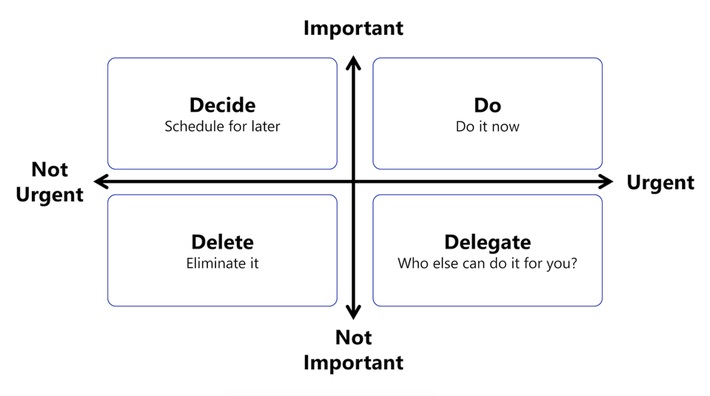
    What It Is: Prioritization frameworks like the Eisenhower Matrix allow you to categorize tasks into four quadrants based on urgency and importance:

    • Urgent and Important (Do first)
    • Important, Not Urgent (Schedule)
    • Urgent, Not Important (Delegate)
    • Not Urgent, Not Important (Eliminate)

    Pros:

    • Ensures you focus on high-impact tasks.
    • Helps you delegate less important tasks.
    • Encourages eliminating unnecessary work.

    Cons:

    • Takes time to categorize tasks correctly.
    • May overlook tasks that could evolve into high-priority issues.

    How to Implement: Review your to-do list daily and categorize each task based on urgency and importance. Focus on high-priority tasks early in the day.

    3. Pomodoro Technique

    What It Is: A time-management method where you work in 25-minute intervals (Pomodoros) with 5-minute breaks in between. After four sessions, take a longer break.

    Pros:

    • Encourages focused work while preventing burnout.
    • Forces regular short breaks to refresh your mind.
    • Can make overwhelming tasks seem more manageable.

    Cons:

    • Not ideal for tasks requiring deep, prolonged concentration.
    • Interruptions can break the flow, making it hard to resume the Pomodoro session.

    How to Implement: Use a timer to break work into Pomodoros. Adjust the work intervals if necessary (e.g., 25 minutes of work followed by a 5-minute break).

    4. The Two-Minute Rule
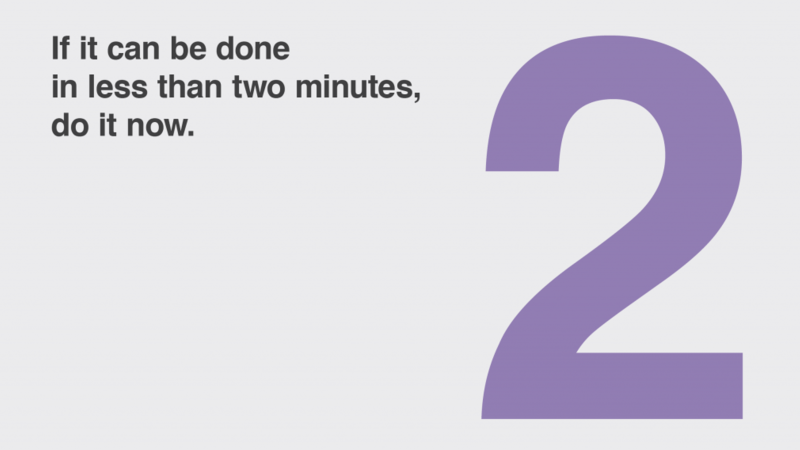
    What It Is: If a task takes less than two minutes, do it immediately. This method is part of the Getting Things Done (GTD) system and helps prevent small tasks from accumulating.

    Pros:

    • Quickly clears low-effort tasks off your list.
    • Keeps your task list leaner and more focused.

    Cons:

    • Overusing this method can distract from larger, more important tasks.
    • Not suitable for complex tasks or deep work sessions.

    How to Implement: Regularly review your task list and immediately handle any tasks that take less than two minutes. For larger tasks, schedule time to complete them.

    5. Batching Tasks
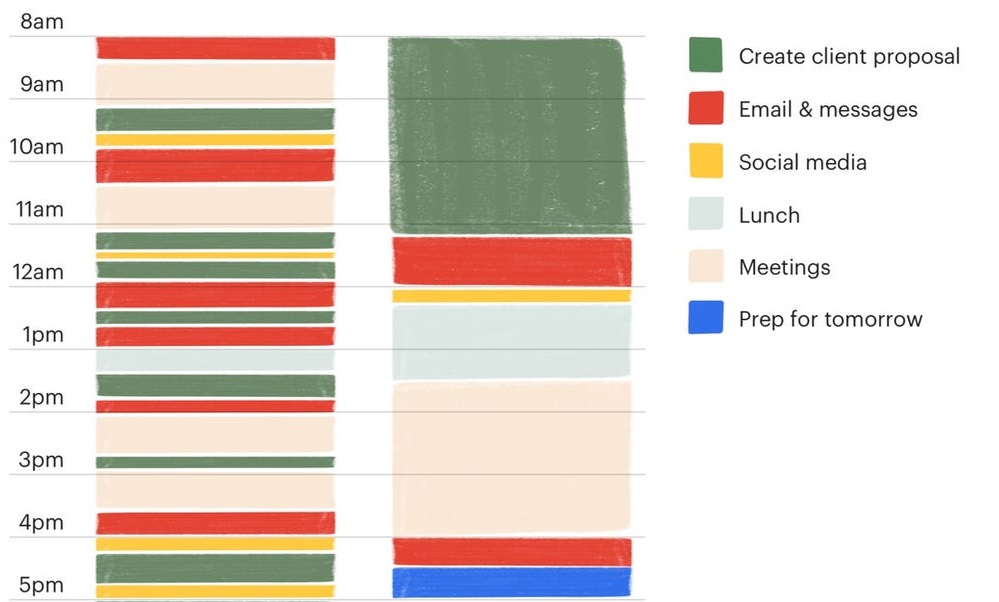
    What It Is: Batching involves grouping similar tasks (like replying to emails, updating project statuses, or doing administrative work) into one block of time, reducing task-switching fatigue.

    Pros:

    • Increases efficiency by handling repetitive tasks together.
    • Minimizes distractions from switching between different types of work.

    Cons:

    • Some tasks may not fit neatly into a batch.
    • Requires careful scheduling to avoid task pile-ups.

    How to Implement: Identify recurring tasks that can be batched and schedule them into specific time blocks (e.g., answering emails twice a day instead of checking constantly).

    Pros and Cons of These Methods:

    Pros:

    • Greater productivity and focus by minimizing multitasking.
    • More structured workdays with dedicated time for priority tasks.
    • Less mental fatigue by grouping similar tasks or using time-based intervals like Pomodoros.

    Cons:

    • These methods require discipline and consistency to maintain.
    • Unexpected events can disrupt carefully planned schedules.
    • Some methods, like time blocking or task batching, can feel restrictive if not implemented flexibly.
    Implementation Plan:

    Step 1: Choose Your Core Method
    Start by picking one method that resonates with your work style. For example, if you struggle with multitasking, begin with time blocking. If decision-making is the challenge, start with prioritization using the Eisenhower Matrix.

    Step 2: Set Up Your Tools
    Utilize digital calendars, task management apps, or even simple spreadsheets to organize your time and tasks. Tools like Asana, Trello, or Google Calendar can make time blocking, task batching, and prioritization easier to manage.

    Step 3: Begin Small, Then Scale
    Start by implementing your chosen technique for just one or two days a week. Once you get comfortable, scale it to more days and integrate additional methods like Pomodoros or task batching.

    Step 4: Review and Adjust
    At the end of each week, review your time management strategy. What worked? What didn’t? Adjust your approach to suit your work style, priorities, and project demands.

    Scaling Time Management for Maximum Efficiency

    Mastering time management takes practice, but the rewards are clear. By implementing a mix of strategies like time blocking, prioritization, and batching, you can significantly enhance your productivity while maintaining a healthy work-life balance. Start small, be consistent, and scale your approach as your comfort grows — soon, you’ll find that you’re getting more done in less time, with less stress.
  • How Mindfulness Can Transform Project Management

    How Mindfulness Can Transform Project Management

    In today’s fast-paced project management landscape, it’s easy to get overwhelmed by tight deadlines, evolving priorities, and constant communication. As project managers, we are responsible not only for the success of our projects but also for the well-being and productivity of our teams. What if there was a way to navigate this challenging environment with greater clarity, calm, and focus? Enter mindfulness.

    Mindfulness, the practice of staying present and fully engaged in the current moment, can significantly reduce stress, increase focus, and improve decision-making. Let’s explore how mindfulness techniques can help transform your approach to project management.

    1. Mindful Breathing for Clarity Under Pressure

    In the midst of back-to-back meetings, urgent emails, and complex problem-solving, it’s easy for your mind to get overloaded. Mindful breathing can serve as an anchor, helping you regain focus and clarity.

    How to practice it:

    • Take a few moments during the day to pause.
    • Close your eyes and take a deep breath in for four seconds.
    • Hold for four seconds, then exhale slowly for six seconds.
    • Repeat this cycle a few times, focusing solely on your breath.

    This technique helps you reset, reducing the effects of stress and sharpening your focus on the task at hand. When practiced regularly, it can lead to better decision-making during high-pressure situations.

    2. Mindful Listening for Better Team Communication

    Effective communication is critical in project management. Yet, it’s easy to get caught up in thinking about how to respond rather than truly listening to what your team is saying. Mindful listening allows you to fully engage in conversations, promoting a deeper understanding of your team’s challenges, ideas, and concerns.

    How to practice it:

    • When speaking with a team member, consciously focus on their words without mentally preparing your response.
    • Notice their body language and tone of voice.
    • Before replying, pause for a moment to reflect on what they’ve said.

    Mindful listening fosters trust and collaboration, improving team morale and alignment. It also helps prevent misunderstandings and conflicts that arise from miscommunication.

    3. Mindful Prioritization to Avoid Burnout

    Project managers often face competing priorities. Mindful prioritization helps you discern what truly requires your attention and what can be delegated or postponed. By staying present and aware of your current tasks, you can make more strategic decisions about where to focus your energy.

    How to practice it:

    • At the start of each day, review your to-do list and ask yourself, “What tasks will have the most impact?”
    • As you work, be aware of when you’re becoming distracted or overwhelmed.
    • Practice single-tasking—focus on completing one task at a time instead of multitasking.

    By bringing mindfulness into your planning, you’ll be more efficient and less prone to burnout.

    4. Body Scans for Stress Management

    A body scan is a mindfulness technique that helps you tune into your physical state, making you aware of tension or discomfort you may be holding. It’s especially useful when stress starts to take a physical toll on your body.

    How to practice it:

    • Find a quiet space and sit comfortably.
    • Close your eyes and take a few deep breaths.
    • Slowly bring your attention to different parts of your body, starting from your toes and working your way up to your head.
    • As you notice tension, breathe into that area and consciously relax it.

    Regular body scans allow you to manage stress proactively, reducing the risk of burnout and maintaining your overall well-being.

    5. Mindful Reflection for Continuous Improvement

    At the end of a project or a challenging week, taking time to reflect mindfully on what went well and what didn’t can lead to valuable insights for future improvement. This form of reflection allows you to evaluate your own performance and that of your team without judgment.

    How to practice it:

    • Set aside time at the end of each week or project to reflect on key events.
    • Ask yourself questions like, “What worked well? What didn’t? What can I do differently next time?”
    • Take note of patterns in your stress levels, time management, and team dynamics.

    By regularly practicing mindful reflection, you can refine your project management skills and foster a culture of continuous improvement.

    Conclusion

    Mindfulness is not just a personal wellness tool; it’s a leadership strategy. By integrating mindfulness into your project management practices, you can improve focus, communication, and decision-making while reducing stress. Ultimately, it empowers you to lead more effectively, create a more resilient team, and deliver better project outcomes.

    Start small—introduce a few of these mindfulness techniques into your daily routine, and watch how they transform not only your work life but your leadership as well.