Tag: LeadershipTips

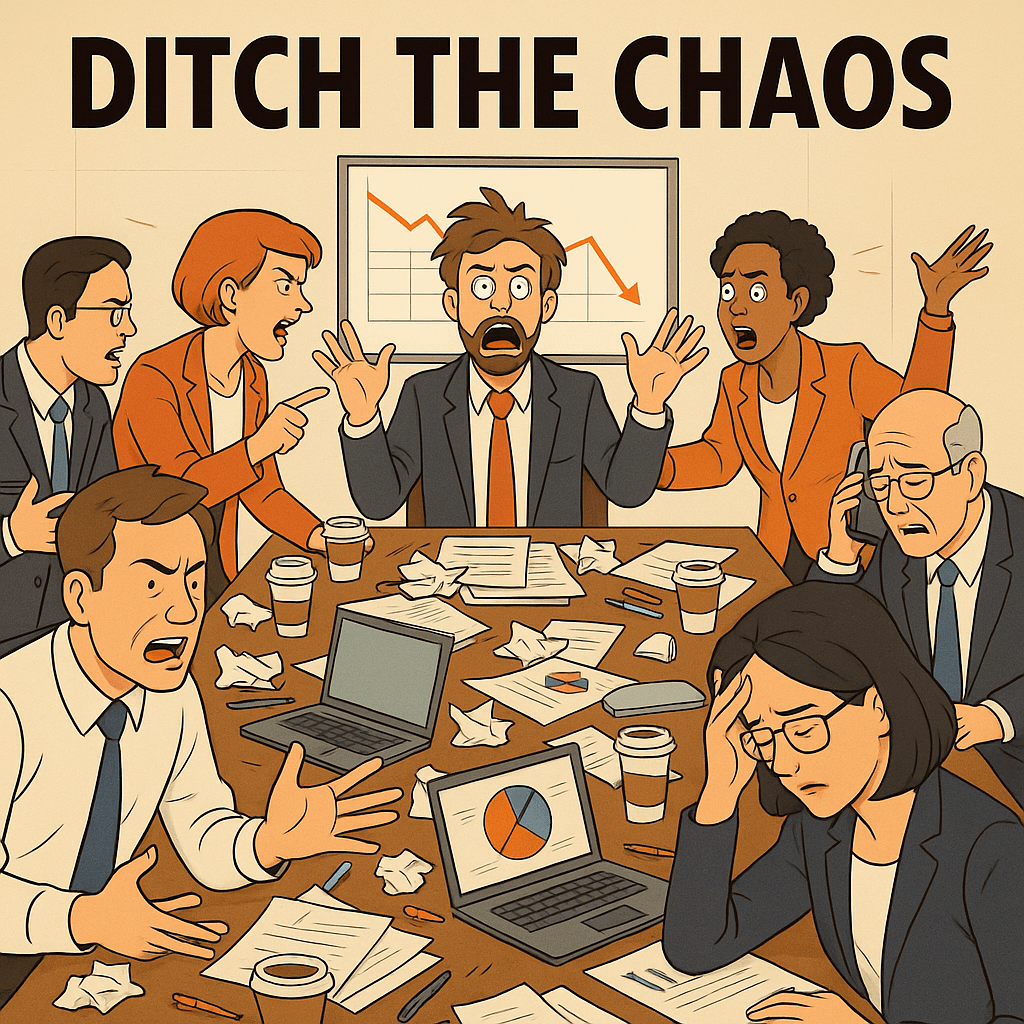
  • Ditch the Chaos: Run Lean, Productive Meetings with Minimalist Principles

    Ditch the Chaos: Run Lean, Productive Meetings with Minimalist Principles

    In the modern workplace, meetings have become synonymous with wasted time, vague outcomes, and bloated invite lists. But it doesn’t have to be this way. If we apply minimalist thinking to how we meet, we can transform meetings from chaotic time sinks into focused tools for progress.

    Minimalism is about cutting what’s unnecessary to make space for what truly matters. This principle—so effective in decluttering homes and calendars—can just as powerfully streamline our meetings.

    1. Only Meet When Necessary

    🧭 Minimalist Principle: Eliminate the unnecessary.

    Ask yourself:

    “Could this be solved with a clear message or short update?”

    If yes, cancel the meeting. Meet only when real-time discussion or decisions are essential.

    2. One Purpose. One Agenda.

    🎯 Minimalist Principle: Focus on what matters most.

    Define the meeting’s goal in one sentence. Keep the agenda tight—fewer items mean deeper focus. Side conversations? Park them for later.

    3. Fewer People = More Progress

    👥 Minimalist Principle: Less is more.

    Invite only the key decision-makers and stakeholders. Smaller groups lead to sharper discussions and quicker outcomes.

    4. Respect Time Like a Resource

    ⏱️ Minimalist Principle: Value time and space.

    Set a time limit—15 or 30 minutes works for most meetings.

    Start on time. End on time. Stay on track.

    Time-box topics to prevent drift and maximize focus.

    5. Use Simple, Streamlined Tools

    🛠️ Minimalist Principle: Use what works, remove what doesn’t.

    Ditch long slideshows and clunky tools.

    Use a shared doc or whiteboard. Tools like Notion or Google Docs keep collaboration visible and flexible—without the fluff.

    6. Always End with Action

    ✅ Minimalist Principle: Clear is better than more.

    Close each meeting with clarity:

    What decisions were made? Who’s doing what? What’s the deadline?

    Document and share this. Make follow-up automatic, not an afterthought.

    7. Reflect. Simplify. Repeat.

    🔄 Minimalist Principle: Continual simplification.

    Audit your recurring meetings:

    Which ones are actually productive? Which ones just feel necessary?

    Cancel or redesign anything that doesn’t serve a clear, current purpose.

    🧘‍♂️ The Minimalist Meeting Mantra:

    “Meet less. Talk less. Decide more.”

    By stripping meetings down to their essentials, we unlock what matters: focus, clarity, and execution. It’s not about doing more—it’s about doing what matters, better.

  • Tough Lessons in Project Management: What ‘If You’re Gonna Be Stupid, You Gotta Be Tough’ Teaches Us About Leadership

    Tough Lessons in Project Management: What ‘If You’re Gonna Be Stupid, You Gotta Be Tough’ Teaches Us About Leadership

    It’s a phrase that’s equal parts funny, blunt, and uncomfortably true: “If you’re gonna be stupid, you gotta be tough.” Popularized by author John Grisham, this quote has become a tongue-in-cheek anthem for everyone who’s ever learned something the hard way. While it might sound like the punchline to a bar story, it’s also quietly profound—especially if you’re managing complex projects, tight timelines, and high-stakes outcomes.

    Let’s be honest: in project management, no matter how skilled you are, mistakes happen. Bad calls are made. Sometimes you skip a process to save time, only to watch things go sideways weeks later. In those moments, toughness isn’t a bonus—it’s a survival skill.

    In this article, we’ll explore what this gritty little quote can teach us about leadership, accountability, and how to build teams that get stronger with every challenge.

    What the Quote Really Means

    On the surface, “If you’re gonna be stupid, you gotta be tough” is a jab at people who make reckless choices and then suffer the consequences. But let’s break it down:

    “Stupid” doesn’t necessarily mean intellectually lacking — it often means acting without foresight, rushing decisions, or ignoring best practices. “Tough” means resilient, adaptive, and strong enough to fix the mess you created without giving up.

    It’s not just about enduring pain. It’s about learning fast, bouncing back, and owning your part in what went wrong. In the project management world, that mindset is priceless.

    5 Project Management Lessons Hidden in the Quote
    1. Risk Ignored is Pain Deferred

    We’ve all been tempted to fast-track a project by skipping the risk register or brushing off stakeholder alignment. After all, what’s the worst that could happen?

    Plenty.

    When we ignore potential risks, we’re not eliminating them — we’re simply deferring the pain. A minor oversight in the early stages can balloon into a full-blown crisis in execution. The tough project manager isn’t just a fire-fighter; they’re a risk-spotter who prevents the fire in the first place.

    Pro tip: Build in a “pre-mortem” at project kickoff. Ask your team, “If this project failed six months from now, what went wrong?” Then plan to prevent those scenarios.

    2. Toughness is a Core Competency

    Every project faces bumps: budget overruns, vendor delays, last-minute scope changes. What separates good PMs from great ones is how they handle adversity.

    Toughness doesn’t mean powering through with brute force. It means staying calm under pressure, navigating politics with grace, and keeping the team focused when things go wrong. It’s about emotional resilience, not ego.

    When the pressure’s on, your team will look to you. Be the calm in the storm.

    3. Don’t Confuse Hustle with Strategy

    Too many project managers wear their stress as a badge of honor — working nights, sending emails at 2 a.m., fixing problems caused by bad planning.

    That’s not leadership. That’s burnout.

    Being “tough” shouldn’t be about cleaning up after poor decisions. It should be about preventing them with smart strategy and clear priorities. Hustle is overrated if it’s compensating for a lack of structure.

    Remember: Your job isn’t to suffer through the chaos. It’s to design a system that avoids chaos in the first place.

    4. Own Your Mistakes Publicly and Early

    Project leaders who try to hide or deflect mistakes often create a toxic culture of blame. The best PMs do the opposite: they own their decisions, admit errors early, and invite their teams into the solution.

    This creates trust, accelerates course correction, and models what real accountability looks like.

    Toughness isn’t about pretending to be perfect. It’s about being honest and brave enough to lead through imperfection.

    5. Learn Fast or Repeat Pain

    Pain is a great teacher — if you let it be.

    After every project (especially the messy ones), carve out time for a “lessons learned” session. Not just to document what went wrong, but to implement changes in your process, team culture, or decision-making criteria.

    Every mistake is a tuition payment. Make sure you get your degree.

    Tools to Prevent ‘Stupid’ Decisions

    The good news? We’re not at the mercy of trial and error. Project management offers powerful tools to reduce the “stupid” and strengthen the “tough”:

    1. RAID Logs (Risks, Assumptions, Issues, Dependencies): Keep your threats visible and manageable.
    2. Decision Logs: Track why certain paths were chosen — it helps defend your logic later and improve future calls.
    3. Stakeholder Maps: Identify who needs to be involved before surprises happen.
    4. Psychological Safety: Create a culture where team members can challenge bad decisions before they turn into costly problems.
    5. Retrospectives: Don’t just look back — plan forward with the insights gained.
    The Upside: Why Toughness Builds Legendary PMs

    We tend to remember great project managers not for their smoothest projects, but for how they handled the toughest ones. When the stakes were high, the budget was low, and everything went wrong — they showed up with calm, clarity, and courage.

    Toughness, in this sense, isn’t brute strength. It’s emotional intelligence, proactive leadership, and the refusal to let a bad day become a bad outcome.

    Every crisis you manage well increases your influence and trust capital. Toughness is the seed of leadership growth.

    Closing Thoughts: Embrace the Quote, But Don’t Live By It

    The quote “If you’re gonna be stupid, you gotta be tough” should make you laugh — but also think. Yes, it’s a reminder that toughness is vital. But the real win is minimizing the “stupid” decisions through systems, foresight, and humility.

    Don’t make toughness your only strategy. Make preparation, reflection, and clarity your daily habits — and let toughness be your last line of defense, not your first.

    Call to Action

    Think back to your last project misstep — what would’ve helped you avoid it? A clearer plan? A stronger team conversation? A simple checklist?

    Take one step today to tighten your process — and make life a little less tough down the road.

  • How to Maintain Work-Life Balance as a Project Manager: Strategies for Setting Boundaries and Avoiding Burnout

    How to Maintain Work-Life Balance as a Project Manager: Strategies for Setting Boundaries and Avoiding Burnout

    As a project manager, you likely wear many hats: overseeing tasks, managing teams, meeting deadlines, and keeping stakeholders happy. It’s a role that often demands attention 24/7, leaving little room for personal time or rest. You may have found yourself checking emails late at night, taking client calls during family dinners, or getting caught up in tasks even on weekends.

    The pressure is real. But, as a project manager, maintaining a healthy work-life balance is essential, not only for your personal well-being but for your professional success too. In this article, we’ll explore strategies to set boundaries, stay productive, and avoid burnout, all while maintaining the balance that is so crucial to long-term success.


    1. The Challenges of Project Management and Work-Life Balance

    Project management is inherently demanding. With tight deadlines, constant communication, and shifting priorities, it’s easy for work to spill into personal time. Whether you’re leading large teams, managing complex deliverables, or juggling multiple clients, the challenges seem never-ending.

    However, this pressure often comes at a cost: burnout. Project managers are especially prone to stress due to the responsibility of overseeing projects from start to finish. This role, while rewarding, can leave you feeling overwhelmed and drained if boundaries aren’t set.

    The early signs of burnout can be subtle—fatigue, irritability, and a decline in productivity. Over time, these signs build up, and the impact can spill over into your personal life. So, how can you regain control and maintain balance? Let’s dive into some strategies.


    2. Strategy #1: Define and Communicate Clear Boundaries

    The first step in maintaining balance is knowing when to switch off. As a project manager, it’s tempting to be always “on,” checking emails at all hours, or responding to requests immediately. However, this lack of boundaries only increases stress.

    Work Hours: Establish clear working hours. It’s essential to set specific times when you’re available and stick to them. Once your workday ends, unplug. Not only will this help reduce stress, but it will also allow you to recharge, ensuring you’re ready for the next day.

    Tech Boundaries: In today’s digital age, it’s easy for work to intrude on personal time. Set limits on when and how you’ll check emails, messages, or project management platforms after work hours. Consider turning off email notifications outside your defined work hours.

    Communicate Effectively: Let your team and clients know your boundaries. Being proactive in communicating when you’re available shows that you respect your time and theirs. This might mean saying, “I’ll get back to you tomorrow” or “I’m offline after 6 p.m.” It’s about setting expectations upfront.

    By defining and communicating clear boundaries, you create a structured environment where work doesn’t intrude on your personal time, and you protect your well-being.


    3. Strategy #2: Prioritize Tasks and Delegate

    You don’t have to do everything yourself. In fact, trying to manage everything on your own will only lead to exhaustion and burnout.

    The Power of Delegation: Delegating tasks is a crucial skill for any project manager. Recognize that you can’t (and shouldn’t) handle every task. Trust your team and assign tasks based on their strengths. This not only helps lighten your load but also empowers your team, fostering a more collaborative environment.

    Use Project Management Tools: Tools like Asana, Trello, and Jira can help you prioritize tasks effectively. These platforms allow you to manage your time better by organizing tasks, setting deadlines, and tracking progress. You can easily identify urgent tasks versus long-term goals and tackle them systematically.

    SMART Goals: When setting goals, use the SMART framework—Specific, Measurable, Achievable, Relevant, and Time-bound. This ensures that you are focused on what truly matters and helps you avoid taking on too many projects at once. Setting realistic goals will also make it easier to delegate tasks and avoid overwhelming yourself.

    By prioritizing and delegating, you free up time to focus on high-level tasks that require your expertise and leadership, while still keeping everything on track.


    4. Strategy #3: Learn to Say “No” (and How to Do It Gracefully)

    One of the hardest things to do as a project manager is to say no. Whether it’s a client request, an urgent task, or additional responsibilities, the temptation to take it all on can be overwhelming. However, saying yes to everything leads to burnout and undermines your ability to prioritize.

    Tactical “No”: Saying no doesn’t mean you’re refusing to be helpful—it means you’re being realistic about what you can manage. Saying no can also be framed positively, like, “I’m unable to take on that task right now, but let’s discuss how we can prioritize it for the future.”

    Managing Client Expectations: Clients may occasionally push for unrealistic timelines or additional features. Don’t be afraid to push back. Politely but firmly explain that you need to respect your team’s capacity to deliver high-quality work without compromising timelines. Having a clear rationale for saying no will help clients understand your reasoning.

    Sample Script: “I’d love to help with this request, but my current workload means I won’t be able to give it the attention it deserves. Let’s find a way to address it in the coming days.”

    Learning to say no helps you protect your time and energy, ensuring that you’re not stretched too thin.


    5. Strategy #4: Embrace Flexibility with Remote Work and Time Management

    While project management often involves being on-site or in meetings, embracing flexibility can lead to a better work-life integration.

    Hybrid Work Benefits: If your company allows it, explore the benefits of hybrid work or remote days. A day at home can help reduce commute time, provide a quieter environment for focused work, and allow for a better work-life balance overall.

    Time Blocks & Focus: Time-blocking is a highly effective time management method. Set aside blocks of uninterrupted time to work on specific tasks. For instance, dedicate one hour in the morning for deep work on project plans and another in the afternoon for team meetings or emails.

    Tools for Focus: Use focus tools like the Pomodoro Technique or task timers to stay on track. These tools can help you concentrate on one task at a time, reducing distractions and increasing productivity.

    Flexibility in your work setup and time management allows you to balance both professional and personal commitments with ease.


    6. Strategy #5: Invest in Self-Care and Wellness

    Physical and mental health should always be a priority. If you’re constantly running on empty, it’s impossible to lead effectively or maintain balance in your life.

    Physical Health: Make time for regular exercise, sleep, and nutrition. A healthy body leads to a clearer mind and more energy. Even short 15-minute workouts or stretching during breaks can help alleviate physical tension, especially if you’re dealing with the aches and pains of desk work.

    Mental Health: Mental well-being is just as important. Practices like mindfulness, meditation, or simply taking a break to breathe can reduce stress and increase focus.

    Quick Wins: Even on the busiest days, find small ways to practice self-care. Take a five-minute walk outside, hydrate regularly, or listen to a calming podcast during your commute. These moments help recharge your energy and improve your focus throughout the day.

    By investing in yourself, you increase your capacity to perform at your best while keeping burnout at bay.


    7. Strategy #6: Build a Support System

    You don’t have to navigate the challenges of project management alone. Having a strong support system, both at work and in your personal life, makes all the difference.

    Work Support: Build a network of mentors, colleagues, and friends within your company. Having someone to share your experiences with or seek advice from can provide both emotional support and practical solutions.

    Personal Support: Your family and friends play a crucial role in helping you disconnect from work. Make time to connect with loved ones, share experiences, and unwind together.

    Networking and Peer Groups: Join project management groups or online communities. Networking with peers who understand the unique challenges you face can offer valuable insights and coping strategies.

    A strong support system makes it easier to navigate the ups and downs of project management while maintaining a healthy work-life balance.


    Conclusion

    Maintaining a work-life balance as a project manager is no small feat, but it’s essential for both your personal well-being and professional success. By defining boundaries, prioritizing tasks, saying no when necessary, embracing flexibility, investing in self-care, and building a strong support system, you can avoid burnout and lead with clarity and energy.

    Now that you’ve learned these strategies, what’s one step you can take today to start setting boundaries or preventing burnout in your own life? Let’s hear your best work-life balance tips or challenges in the comments below!

  • Empathy in Leadership: How Compassion Can Propel Your Career and Team Forward

    Empathy in Leadership: How Compassion Can Propel Your Career and Team Forward

    Empathy in leadership is often underestimated in the corporate world, yet it is a powerful driver of success. Leaders who cultivate compassion can build stronger teams, foster trust, and enhance overall productivity. But how does empathy truly benefit leaders, and how can you develop it? Let’s dive into the why and the how of empathetic leadership.

    The Benefits of Empathy in Leadership

    Empathy is more than a “nice-to-have” quality—it’s a crucial component of effective leadership. Here’s how it can benefit you and your team:

    1. Fosters Trust and Loyalty

    When leaders actively listen and show genuine understanding, team members feel valued. This strengthens trust and encourages loyalty, making employees more likely to stay committed to their roles and the organization.

    2. Enhances Communication

    Empathetic leaders are better communicators. By understanding different perspectives, they can tailor their messages to resonate with their audience, reducing misunderstandings and promoting clarity.

    3. Boosts Team Morale

    A leader who recognizes and validates their team’s emotions creates a positive workplace culture. This increases morale and motivates employees to perform at their best.

    4. Encourages Innovation

    Empathy allows leaders to understand the unique strengths and challenges of their team members. This understanding fosters an environment where employees feel safe to share new ideas, driving innovation.

    5. Improves Conflict Resolution

    In times of disagreement, empathy helps leaders mediate effectively by understanding both sides of the issue and finding a fair resolution.

    How to Assess Your Empathy Levels

    Before improving your empathy, you need to evaluate where you stand. Here are some questions to reflect on:

    • Do I listen actively, or do I often think about my response while others are speaking?
    • Can I put myself in someone else’s shoes to understand their perspective?
    • How often do I acknowledge and validate others’ feelings?
    • Do my team members feel comfortable sharing their thoughts and concerns with me?

    Honest answers to these questions will give you insight into your current level of empathy as a leader.

    Training and Expanding Your Empathy

    The good news is that empathy can be developed. Here’s how:

    1. Practice Active Listening

    Focus entirely on the speaker without interrupting or formulating your response. Summarize what they’ve said to confirm understanding and show that you’re engaged.

    2. Seek Diverse Perspectives

    Expose yourself to viewpoints and experiences different from your own. This could involve reading, traveling, or simply having meaningful conversations with people from varied backgrounds.

    3. Show Genuine Curiosity

    Ask open-ended questions that encourage others to share more about their thoughts and feelings. This demonstrates your interest and deepens your understanding.

    4. Cultivate Emotional Awareness

    Pay attention to non-verbal cues like tone of voice and body language. These often reveal emotions that words might not.

    5. Practice Self-Compassion

    Empathy starts with yourself. Be kind to your own mistakes and struggles, as this will help you extend the same compassion to others.

    A Daily Exercise to Build Empathy

    Set aside five minutes each day to practice this simple exercise:

    1. Reflect on a recent interaction: Recall a conversation where you could have been more empathetic.
    2. Identify emotions: Consider what the other person might have felt and why.
    3. Plan a response: Think about how you could approach a similar situation with greater empathy in the future.
    Final Thoughts: Take Action Now

    Empathy isn’t just a buzzword; it’s a transformative tool for any leader aiming to inspire and succeed. By practicing compassion, you’re not only enhancing your team’s well-being but also setting yourself apart as a leader who genuinely cares.

    Take a few minutes right now to assess your empathy levels. Pick one strategy from this article and commit to trying it today. Whether it’s active listening or reflecting on a recent interaction, small steps can lead to big changes. Let’s make empathy the cornerstone of your leadership journey—because a compassionate leader is an effective leader.

    Remember, success starts with understanding. Go ahead and make it effortless!

  • Choosing the Right Project Management Software for Your Team: Key Factors for Finding the Perfect Fit

    Choosing the Right Project Management Software for Your Team: Key Factors for Finding the Perfect Fit

    In today’s fast-paced work environment, selecting the right project management software (PMS) is essential for team productivity. When chosen well, PMS can streamline tasks, enhance communication, and make projects more manageable. However, with so many tools available, it’s easy to feel overwhelmed by the options. This guide will help you focus on the critical factors for choosing the right PMS for your team and provide tips on making the most of what you have—even if you’re working with software that wouldn’t be your first choice.

    Why Choosing the Right Project Management Software Matters

    Project management software has quickly become indispensable for project managers and entire teams alike. The right tool can make a significant difference in day-to-day productivity by reducing bottlenecks, minimizing repetitive tasks, and keeping everyone aligned. By choosing software that truly meets your team’s needs, you can foster a more organized, productive work environment.

    Core Factors to Consider When Choosing Project Management Software

    The first and most crucial step in selecting PMS is understanding what you need. Team size and project complexity are critical considerations: while smaller teams may thrive on lightweight tools like Trello, which emphasizes simplicity and visual organization, larger or highly technical teams may benefit from more sophisticated options like Jira. Tools like Jira cater to complex projects, often found in software development, that involve multiple layers of tasks and dependencies.

    Another essential consideration is the features you and your team need. Every tool offers a unique mix of capabilities, so it’s vital to identify those that directly support your team’s daily workflows. For example, task assignment, time tracking, and real-time collaboration are useful for most teams. Asana and ClickUp, for instance, offer Agile and Scrum-specific features, making them popular choices for teams using these project methodologies. Beyond basic task management, you may want to consider advanced reporting, customizable dashboards, and Gantt charts if your team’s work is detail-intensive.

    Integration capabilities are also important to evaluate. Your PMS should work seamlessly with tools your team already uses, such as email, CRM, or communication platforms like Slack and Microsoft Teams. For example, Monday.com supports integration with a broad range of platforms, helping you create a unified, cohesive workflow.

    In addition, user-friendliness can significantly impact adoption and usage. Choose a tool that’s accessible to all team members, regardless of their technical skills. Trello and Asana are known for intuitive designs, making them popular with teams that have a mix of technical and non-technical users.

    Consider the customization options a tool offers, especially if your team has a unique workflow that could benefit from tailored processes. Software like ClickUp allows you to adjust almost every aspect, from project views to status updates, so it fits your exact needs. Alongside this, budget constraints and scalability are essential to factor in. Some tools, like Trello and Asana, offer free plans with limited features, ideal for smaller budgets, while tools like Jira and ClickUp are designed to grow with your team and can handle increasing levels of complexity as your project needs expand.

    Exploring Popular Project Management Software Options

    Each project management tool has its strengths and areas of focus. Trello excels at providing a simple, visually appealing task organization system, suitable for small teams or those needing basic task management. Asana is a reliable choice for project tracking and comes with features for managing more robust workflows. Jira offers advanced customization, which makes it popular with Agile and software development teams. ClickUp is highly flexible, designed to be an all-in-one solution for teams that juggle a variety of projects. And Monday.com is valued for its user-friendly interface, making it a great choice for visually driven teams across industries. Experiment with a few free trials to explore which option best supports your team’s specific needs.

    Making the Most of What You Have When You Can’t Choose the Tool

    Sometimes, the choice of PMS isn’t in your hands—especially in larger organizations with set software policies. While it can be challenging to work within these constraints, there are strategies to optimize an assigned tool for your team’s benefit.

    Start by exploring customization workarounds in the tool. Many systems offer settings that let you adjust basic functionalities to reflect your team’s workflow as closely as possible. For instance, if the software doesn’t allow custom task statuses, consider using tags or color codes to signify different project stages.

    Providing team training can also go a long way. Setting aside time to walk your team through the tool’s features and sharing tips for using it effectively will reduce frustrations and ensure that everyone is using the software to its full potential. Some tools may feel limiting until you’ve learned a few of their shortcuts or “hacks,” so this step can make a substantial difference in day-to-day use.

    If the tool doesn’t cover all your needs, consider supplemental processes outside the software. For example, if real-time updates are lacking, you might set up a quick shared document or use a Slack channel for immediate communication. Likewise, if robust reporting is missing, exporting data to Excel or Google Sheets can help you analyze your project’s progress.

    Where possible, integrate third-party apps to bridge any gaps. Many PMS options allow connections with external tools to enhance functionality. If your software doesn’t provide sufficient reporting, linking it with a data platform or automating workflows can help you cover these needs. Additionally, implementing frequent feedback loops with your team to assess pain points and make adjustments as needed will keep the team aligned, even if the software is less than ideal.

    Planning for Long-Term Success

    Selecting the right project management software isn’t just about meeting your current needs—it’s about building a foundation for long-term success. Involve your team in the selection process, gather feedback on pain points, and remember that your PMS should evolve alongside your team’s growth. Investing the time to find a tool that fits well—or to adapt a given tool to your needs—will ensure greater satisfaction and productivity in the long run.

    Bringing It All Together: Your Next Steps for Project Management Success

    The right project management software can be a transformative asset for your team. By focusing on the features that matter most and adopting an adaptable mindset, even if you’re working within limitations, you can set your team up for greater efficiency and a smoother workflow.

    Quick Call to Action:
    Take a few minutes now to list the top three features your team uses most often in your current PMS, and one area where you feel the tool falls short. This quick exercise will give you clarity on your team’s needs and help you optimize your approach, whether you’re exploring new software or adapting to the one you’ve been given.