Tag: mensfashion

  • The Art of Minimalist Wardrobe: Building a Capsule Closet

    The Art of Minimalist Wardrobe: Building a Capsule Closet

    As life gets busier—between family, work, and everything in between—the daily decision of what to wear can feel like just one more thing on a growing to-do list. Enter the concept of a minimalist wardrobe, or what’s often called a capsule closet. For men, especially knowledge workers or office professionals with busy schedules, simplifying clothing choices is not just about style—it’s about reducing stress, saving time, and aligning your wardrobe with a minimalist lifestyle.

    What is a Capsule Wardrobe?

    A capsule wardrobe consists of a carefully curated selection of clothing items that are versatile, timeless, and suited to various occasions. These pieces can be mixed and matched, making outfit selection effortless. For men, this usually means focusing on neutral colors and classic styles, from office attire to casual wear.

    But beyond fashion, a capsule wardrobe aligns with a minimalist philosophy—where every piece of clothing has a purpose and contributes to a more intentional life.

    The Benefits of a Minimalist Wardrobe
    1. Fewer Decisions, More Mental Energy

    Making fewer decisions about what to wear saves valuable mental energy. If you’ve ever stood in front of a closet packed with clothes and still felt like you had “nothing to wear,” you’re not alone. The problem isn’t a lack of options—it’s too many.

    By limiting your wardrobe to a set of functional, interchangeable pieces, you reduce decision fatigue. You’ll start your mornings with less stress and more clarity, able to focus on work, family, and personal goals rather than what tie goes with which shirt.

    2. Save Time, Especially on Busy Mornings

    A streamlined wardrobe means faster mornings. No more scrambling to find the right pair of pants or spending 10 minutes deciding which shirt fits the occasion. With a capsule wardrobe, everything works together, meaning you can throw on an outfit without second-guessing your choices.

    When work responsibilities, kids, and the general hustle of life take up much of your attention, saving time on the little things matters. Every second counts, and a minimalist approach to your wardrobe gives you more of that precious time.

    3. Less Clutter, More Space

    When your wardrobe is overflowing with options, you’re likely using a fraction of your clothes. A capsule wardrobe helps you declutter, giving you back valuable closet space. Less clutter can also lead to less stress. Simplifying your physical space can have a positive mental impact, creating a sense of calm rather than chaos.

    For men with families, this extends beyond just your closet. A minimalist approach can influence your entire household, teaching your kids the value of simplicity and helping reduce the overall clutter in your home.

    4. Quality Over Quantity

    Minimalism emphasizes investing in fewer, higher-quality items that last longer. Instead of buying trendy items that may only be worn a few times, a capsule wardrobe focuses on timeless pieces. You might spend a bit more upfront, but the cost per wear becomes far more economical over time.

    For office professionals, this means focusing on classic staples like well-fitted dress shirts, neutral slacks, blazers, and versatile shoes. These pieces will work across different seasons and occasions, making them worth the investment.

    5. Environmental and Ethical Considerations

    Fast fashion contributes significantly to environmental waste. By adopting a minimalist wardrobe, you’re not only simplifying your life but also reducing your environmental footprint. Fewer purchases mean less waste and fewer resources used in production.

    Additionally, when you prioritize quality over quantity, you often support brands that focus on ethical labor practices and sustainable production methods—further aligning your wardrobe with your values.

    Building Your Capsule Closet: Key Steps
    1. Assess Your Current Wardrobe

    Start by taking an honest look at your current wardrobe. Pull everything out of your closet and evaluate each piece. Does it fit well? Do you wear it regularly? Does it align with your personal style? Donate or sell anything you no longer need or that doesn’t serve your lifestyle.

    2. Choose Versatile, Timeless Pieces

    Think in terms of classic styles and neutral colors that can be worn in multiple settings. For example:

    • Neutral Dress Shirts: White, light blue, or grey can be paired with almost anything.
    • Well-fitted Slacks and Chinos: In colors like navy, grey, or khaki, these work for both formal and casual settings.
    • Blazer or Suit Jacket: Choose a neutral color like navy or charcoal that can be dressed up or down.
    • Versatile Footwear: A pair of dress shoes and casual loafers or sneakers in neutral tones will cover most situations.
    3. Stick to a Limited Color Palette

    By sticking to a simple color palette—think whites, greys, navy, and blacks—everything in your wardrobe becomes easier to pair. This reduces the time spent coordinating outfits and ensures that almost everything works together.

    4. Embrace the Seasonless Wardrobe

    Opt for fabrics and styles that work year-round. Items like a quality sweater, a lightweight jacket, and a basic pair of jeans can transition from season to season with minor adjustments.

    5. Add Personal Touches

    Minimalism doesn’t mean sacrificing personal style. Incorporate accessories or a signature item that reflects your individuality—whether it’s a favorite watch, tie, or pair of sunglasses.

    Final Thoughts: The Freedom in Minimalism

    For busy men balancing work, family, and countless other responsibilities, adopting a minimalist wardrobe is more than just a style choice. It’s a way to streamline life, reduce stress, and focus on what truly matters. You’ll feel more organized, save time, and find that a capsule closet brings a sense of clarity to your daily routine.

    The art of minimalism is about simplifying not just your wardrobe but your life—allowing you to focus on the moments, people, and responsibilities that matter most.
  • Understanding Fabrics: A Guide to Materials in Men’s Fashion

    Understanding Fabrics: A Guide to Materials in Men’s Fashion

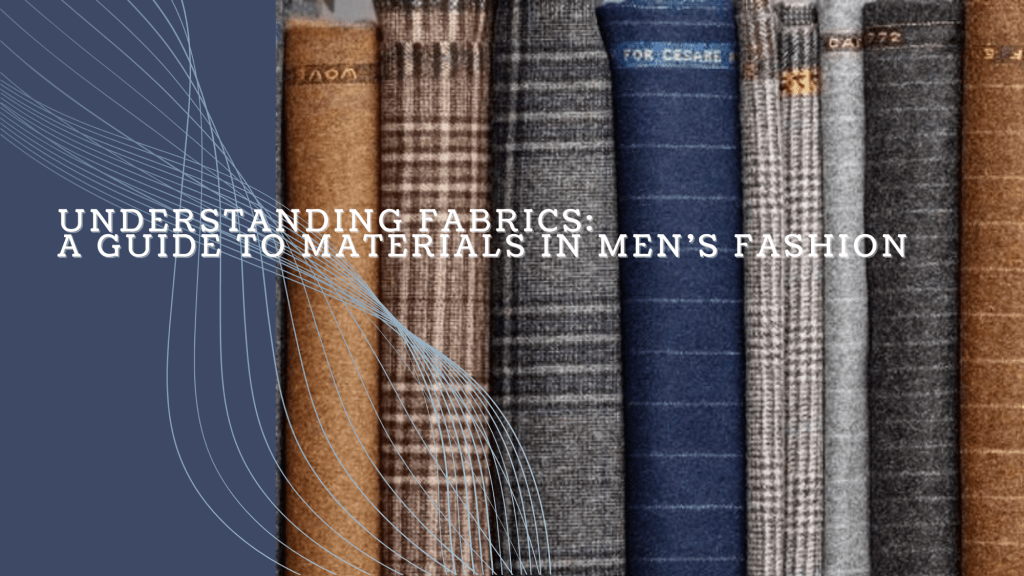
    When it comes to men’s fashion, fabric choice is just as important as fit and style. Different materials offer varying levels of comfort, durability, and style. Whether you’re dressing up in a suit or relaxing in chinos, understanding the fabrics you wear will help you choose the best options for different seasons and occasions. This guide covers the most common pieces in a man’s wardrobe—from suits and dress shirts to polo shirts and outerwear—and helps you pick the right fabric for every scenario.

    1. Suits

    The suit is a wardrobe staple for the modern man, and the fabric you choose can make all the difference in how the suit looks and feels. Common fabrics for suits include:

    • Wool: The most popular fabric for suits, wool is a versatile material that can be worn year-round. It’s breathable, durable, and has natural stretch. For summer, look for lightweight wool, while heavier wool is great for winter.
    • Linen: Ideal for summer, linen is a lightweight and breathable fabric that helps keep you cool. It does wrinkle easily, but this adds to its relaxed, casual aesthetic.
    • Seersucker: Another summer favorite, seersucker has a puckered texture that promotes airflow and keeps you cool. Its distinct pattern makes it perfect for warm-weather events.
    • Cotton: Cotton suits are great for a more casual look and offer a middle ground between linen and wool. They’re comfortable and breathable but can wrinkle easily.
    2. Slacks and Chinos

    Slacks and chinos are go-to options for both casual and business casual wear.

    • Wool: Wool slacks are a classic choice for formal occasions or business settings. Worsted wool is a good all-season option, while flannel wool is warmer for winter.
    • Cotton Twill: Chinos are often made from cotton twill, which is a durable and breathable fabric. Heavier cotton is great for colder weather, while lightweight cotton is perfect for summer.
    • Stretch Cotton: Many modern chinos incorporate a small percentage of elastane or spandex for added stretch and comfort.
    3. Blazers & Sports Coats

    Blazers and sports coats come in a variety of fabrics, each suited for different seasons and occasions.

    • Wool & Wool Blends: Wool is a popular fabric for blazers because it’s versatile, breathable, and durable. Wool blends (often mixed with polyester or silk) can offer a more relaxed feel while retaining wool’s elegance.
    • Tweed: A type of wool with a rougher texture, tweed is perfect for colder months. It’s heavier and more insulating, making it great for fall and winter.
    • Houndstooth & Herringbone: These are specific weaving patterns often used in wool or wool blends. They offer a sophisticated texture and are typically worn in cooler months.
    • Linen: For summer blazers, linen is ideal due to its lightweight and breathable nature.
    4. Polo Shirts

    Polo shirts are a casual essential, often seen in warmer months.

    • Pique Cotton: Pique cotton is known for its textured weave and breathability. It’s the most common material used for polo shirts and is perfect for warm weather.
    • Jersey Cotton: Softer and more flexible than pique, jersey cotton offers a smooth finish and is comfortable for casual wear. It’s also more lightweight.
    • Merino Wool: While wool might seem unusual for a polo, merino wool is breathable and temperature-regulating, making it a great option for spring and fall polos.
    5. Dress Shirts & Oxford Button-Downs

    Dress shirts are a must for any professional wardrobe, and fabric plays a huge role in comfort and appearance.

    • Poplin: This tightly woven cotton fabric is smooth and lightweight, making it perfect for dress shirts in the spring and summer. It has a crisp feel and holds its shape well.
    • Oxford Cloth: Oxford cloth has a basketweave structure that makes it thicker and more durable than poplin. It’s often used in button-down shirts and works well in casual or business casual settings.
    • Broadcloth: Similar to poplin but with a more formal appearance, broadcloth is soft and has a subtle sheen, making it a great option for dressier occasions.
    • Flannel: A warmer option for colder months, flannel shirts are made from cotton or wool and have a soft, brushed texture.
    6. Outerwear

    Outerwear is all about balancing style and functionality, and the fabric you choose should depend on the season and your personal style.

    • Wool Coats & Peacoats: Wool is a classic fabric for outerwear because it’s warm, durable, and naturally water-resistant. Peacoats, often made from thick wool, are ideal for winter months.
    • Safari Jackets: Traditionally made from cotton, safari jackets are lightweight and perfect for spring and summer. Modern versions may incorporate linen for extra breathability.
    • Cashmere: Known for its softness and luxurious feel, cashmere is a high-end wool that’s perfect for lightweight but warm coats. It’s ideal for transitional seasons.
    • Nylon & Polyester: Common in technical jackets, these synthetic materials are lightweight, water-resistant, and durable, making them ideal for raincoats and windbreakers.
    Choosing Fabrics for Different Seasons

    When selecting fabrics, it’s important to think about both the material itself and the weaving structure. Here are some seasonal tips:

    • Spring/Summer: Opt for lightweight and breathable fabrics like linen, cotton, and seersucker. Open weaves and lighter colors help keep you cool.
    • Fall/Winter: Look for heavier fabrics like wool, flannel, and tweed to provide warmth and insulation. Tight weaves and darker colors work best in cooler months.
    • All-Season: Fabrics like merino wool, cotton, and lightweight wool can transition well between seasons. These materials regulate temperature effectively and are comfortable in both warm and cool weather.
    Conclusion

    Understanding fabrics can take your wardrobe to the next level. Choosing the right material not only ensures you look sharp but also keeps you comfortable throughout the day. Whether you’re suiting up for a formal event or dressing down for a casual outing, knowing which fabrics work best for each situation will elevate your style game. Keep these tips in mind as you build a versatile, stylish wardrobe suited for every season.

  • Mastering Business Casual and Smart Casual: The Ultimate Guide to Effortless Style for Any Occasion

    Mastering Business Casual and Smart Casual: The Ultimate Guide to Effortless Style for Any Occasion

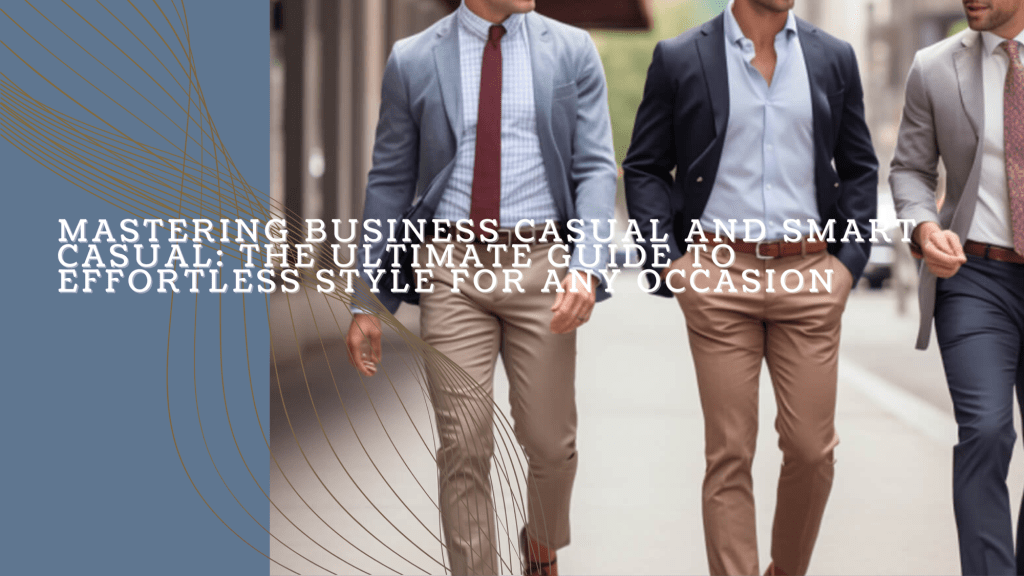
    The term “business casual” has seen an evolution over time, often leaving people uncertain about its precise definition. While some workplaces are clear on what it entails, others have left it open to interpretation, causing confusion between business, business casual, and smart casual. In this guide, we’ll break down these dress codes and help you master both the classic business casual and smart casual looks, providing tips on how to tailor them to your workplace and personal taste.

    Understanding the Difference: Business vs. Business Casual

    The business look is the traditional style of professional attire that usually involves a full suit, tie, dress shoes, and a polished, formal appearance. It’s still prevalent in conservative industries such as finance, law, and certain corporate environments.

    On the other hand, business casual originated as a way to balance professionalism with comfort. It traditionally included a full suit or suit separates, a well-tailored shirt, and leather shoes (usually black Oxfords), but notably without a tie. The idea was to create a relaxed yet professional appearance. Over time, however, business casual has become more flexible and laid-back.

    The Evolution of Business Casual

    Today’s business casual has shifted to include more leisure-inspired pieces, while still maintaining a polished look. You’ll find workers pairing suits with loafers or even chinos with blazers, and dress codes that are less rigid about sticking to classic suit fabrics. This evolution is often due to the rise of creative and tech industries, where individuality and comfort are prioritized over strict formality.

    Smart Casual: The More Relaxed Alternative

    Often confused with business casual, smart casual takes the comfort factor a step further, blending casual wear with upscale elements. While you’ll still look put together, this style allows for more flexibility with items like chinos, jeans, pullover sweaters, and leather sneakers. Smart casual is great for settings that aren’t too formal but still require some effort, such as dinner parties, date nights, or laid-back office environments.

    How to Master Business Casual
    1. Suit Separates
      Opt for a well-fitted blazer and trousers in complementary colors. Pair this with a crisp dress shirt and leather loafers. You can choose to tuck the shirt in for a polished look or keep it untucked for a more relaxed appearance.
      When to wear it: Perfect for client meetings, presentations, or semi-formal events where professionalism is key without the full formal attire.
    2. Blazer and Chinos
      Swap the trousers for tailored chinos in neutral tones like navy or beige, and combine them with a structured blazer. Add a pair of brown brogues or loafers and a belt for a coordinated look.
      When to wear it: Great for casual Fridays, networking events, or even a lunch meeting where you want to appear polished but comfortable.
    3. Polo Shirt and Suit Trousers
      A polo shirt in a high-quality fabric (like wool or cotton blend) paired with suit trousers offers a fresh take on business casual. This keeps things sharp without being overly formal.
      When to wear it: Ideal for casual office days or even a business-casual dinner.
    How to Master Smart Casual

    1. Button-Down Shirt with Chinos
    A lightweight button-down shirt paired with chinos strikes the perfect balance between smart and casual. You can tuck the shirt in for a sharper look or keep it untucked for more ease. Finish it off with leather sneakers or desert boots.
    When to wear it: This outfit works well for Sunday brunch, a casual date night, or even meeting friends after work.

    2. Pullover Sweater and Jeans
    Layer a well-fitted pullover sweater over a casual button-down shirt, and pair it with dark wash jeans. Add Chelsea boots or clean sneakers to keep it on the smarter side.
    When to wear it: Great for meeting the parents, a casual day at the office, or running errands while still looking put together.

    3. Blazer and Jeans
    A structured blazer with dark denim jeans offers a perfect mix of smart and casual. You can pair this look with a turtleneck or crew-neck T-shirt underneath, depending on the season. Add loafers, Chelsea boots, or even stylish leather sneakers.
    When to wear it: This outfit is excellent for date nights, casual weddings, or even after-work drinks.

    Choosing the Right Style for Your Work Setting

    When deciding between business casual and smart casual, the key is to consider your workplace culture and your personal taste. If you work in a more traditional or corporate environment, lean more toward business casual with suit separates and leather shoes. For industries that allow more creativity, such as tech or design, smart casual may be more appropriate, giving you the flexibility to express your personal style while remaining polished.

    Ultimately, it’s about finding a balance between what makes you feel comfortable and what fits the occasion. Having a few versatile outfits for both business casual and smart casual will allow you to easily transition between formal and more relaxed settings.

    Bringing It All Together

    Mastering the classic business casual look is all about understanding its roots and knowing how it has evolved. While business casual leans more on formal pieces like suits and separates, smart casual lets you play around with comfort-driven items like chinos and pullovers. By curating the right wardrobe and understanding the nuances of each style, you can confidently approach any situation—whether it’s a high-stakes meeting or a weekend brunch—with effortless style.

  • Timeless Style Icons: Lessons from the Best-Dressed Men in History

    Timeless Style Icons: Lessons from the Best-Dressed Men in History

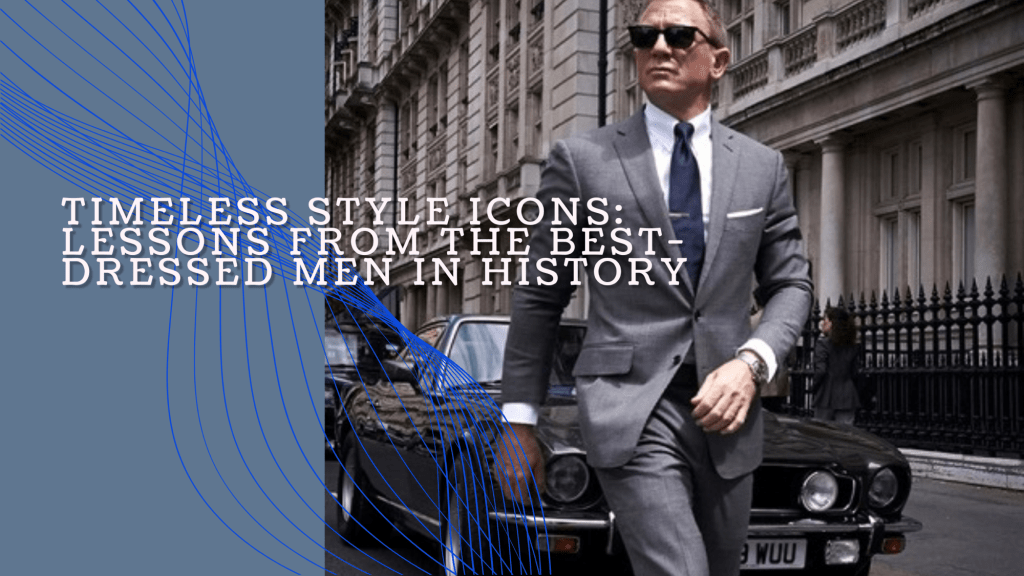
    When it comes to men’s fashion, certain figures stand out for their impeccable taste and enduring style. These men have transcended trends, becoming symbols of classic elegance that remains relevant today. In this article, we’ll explore ten style icons whose sartorial choices have left an indelible mark on the world of fashion. By examining their unique approaches to style, you can learn valuable lessons to help curate a minimalist, timeless capsule wardrobe.

    1. Cary Grant: The Epitome of Elegance

    Cary Grant is often hailed as the quintessential gentleman of Hollywood’s Golden Age. Known for his sharp suits, crisp white shirts, and perfectly knotted ties, Grant mastered the art of understated elegance. His style was about fit and simplicity, often favoring neutral colors like navy, grey, and black.

    Style Lesson: Invest in well-tailored suits and timeless accessories like pocket squares and classic leather shoes. Prioritize quality over quantity and choose pieces that can transition effortlessly from day to night.

    2. Steve McQueen: The King of Cool

    Steve McQueen’s style was a seamless blend of rugged masculinity and effortless cool. Whether in a simple white t-shirt and jeans or a tailored three-piece suit, McQueen exuded confidence. His love for practical, functional clothing—like his iconic Barbour jacket or Persol sunglasses—has influenced casual menswear for decades.

    Style Lesson: Embrace the essentials. A well-fitted pair of jeans, a quality leather jacket, and a versatile pair of sunglasses can elevate your casual wardrobe. Opt for pieces that are both stylish and functional.

    3. Alain Delon: The French Heartthrob

    Alain Delon, with his striking looks and effortless style, became a symbol of French chic in the 1960s. Known for his slim-cut suits, turtlenecks, and trench coats, Delon’s style was all about sleek, refined silhouettes. His outfits were minimalistic but carried a strong impact due to their perfect fit and subtle details.

    Style Lesson: Focus on slim, tailored cuts and neutral tones. A well-fitted trench coat or a sleek turtleneck can add a touch of sophistication to your wardrobe. Remember, less is often more.

    4. David Beckham: Modern Style Icon

    David Beckham has evolved from a football superstar into a global fashion icon. His style is a mix of classic British tailoring and modern trends, often seen in sharp suits, fitted shirts, and perfectly groomed hairstyles. Beckham’s ability to effortlessly transition between formal and casual wear makes him a versatile style icon.

    Style Lesson: Mix modern with classic. Don’t be afraid to blend contemporary pieces with traditional menswear staples. Pay attention to grooming, as it’s a crucial part of Beckham’s polished look.

    5. James Dean: The Rebel with a Cause

    James Dean became an icon of youthful rebellion in the 1950s, with his signature style defined by leather jackets, white t-shirts, and denim. His look was casual but carried an edge, representing a break from the more formal styles of previous generations.

    Style Lesson: Embrace casual classics like the white t-shirt and leather jacket. These pieces are timeless and can be dressed up or down depending on the occasion. Don’t be afraid to inject a bit of personality into your look.

    6. 6. Daniel Craig: The Modern Bond

    Daniel Craig redefined James Bond with a grittier, more realistic portrayal, and his wardrobe followed suit. Known for his tailored suits, Craig’s style as Bond is sleek, modern, and slightly rugged. Off-screen, his personal style echoes this blend of sophistication and edge, with a fondness for well-fitted leather jackets, sharp suits, and simple, classic pieces.

    Style Lesson: Tailoring is everything. Whether it’s a tuxedo or a casual outfit, make sure your clothes fit impeccably. Incorporate classic, versatile pieces like a navy suit, leather jacket, and white dress shirt into your wardrobe for a look that is both timeless and contemporary.

    7. Gianni Agnelli: The Italian Industrialist

    Gianni Agnelli, the head of Fiat, was a master of sprezzatura—the art of looking effortlessly stylish. Known for his unique twists on classic menswear, such as wearing his watch over his shirt cuff or leaving his tie slightly askew, Agnelli’s style was all about personal flair within a classic framework.

    Style Lesson: Add a personal touch to your classic pieces. Whether it’s the way you wear your watch or how you tie your scarf, small quirks can make your style uniquely yours while maintaining a timeless foundation.

    8. Fred Astaire: The Dance of Elegance

    Fred Astaire was not only a legendary dancer but also a sartorial powerhouse. His style was a blend of old-school elegance and comfort, often seen in his tailored suits, top hats, and two-tone shoes. Even in casual wear, Astaire exuded an air of refinement, making him an enduring style icon.

    Style Lesson: Embrace classic elegance. A well-tailored suit, attention to detail, and the right accessories (like a pocket square or a quality hat) can elevate any look. Confidence in your clothing is key to pulling off any style.

    9. Tom Ford: The Modern Maestro

    Tom Ford, known for revitalizing the Gucci brand, is a modern icon of tailored elegance. His personal style is characterized by sharp suits, crisp white shirts, and a preference for monochromatic looks. Ford’s attention to detail and commitment to fit make his style timeless yet distinctly modern.

    Style Lesson: Precision in tailoring is everything. Whether it’s a suit or a simple shirt, make sure your clothes fit perfectly. A minimalist color palette can help create a cohesive, sophisticated look.

    10. Ralph Lauren: The American Classic

    Ralph Lauren has built an empire on the idea of the American dream, with his personal style reflecting a mix of preppy and rugged aesthetics. From polo shirts to tweed jackets, Lauren’s look is a celebration of classic American style with a touch of luxury.

    Style Lesson: Embrace the classics with a twist. Incorporate preppy elements like polo shirts, blazers, and knitwear into your wardrobe, but don’t be afraid to mix them with more rugged pieces like denim or leather for a balanced look.

    Building Your Timeless Wardrobe

    By taking inspiration from these style icons, you can build a wardrobe that is not only timeless but also versatile. Focus on key pieces that are well-made, fit perfectly, and can be mixed and matched to suit any occasion. Remember, style is not just about what you wear but how you wear it—confidence and attention to detail are essential. Embrace the lessons from these icons, and your style will never go out of fashion.

  • The Art of Suiting: Choosing the Perfect Suit for Any Occasion

    The Art of Suiting: Choosing the Perfect Suit for Any Occasion

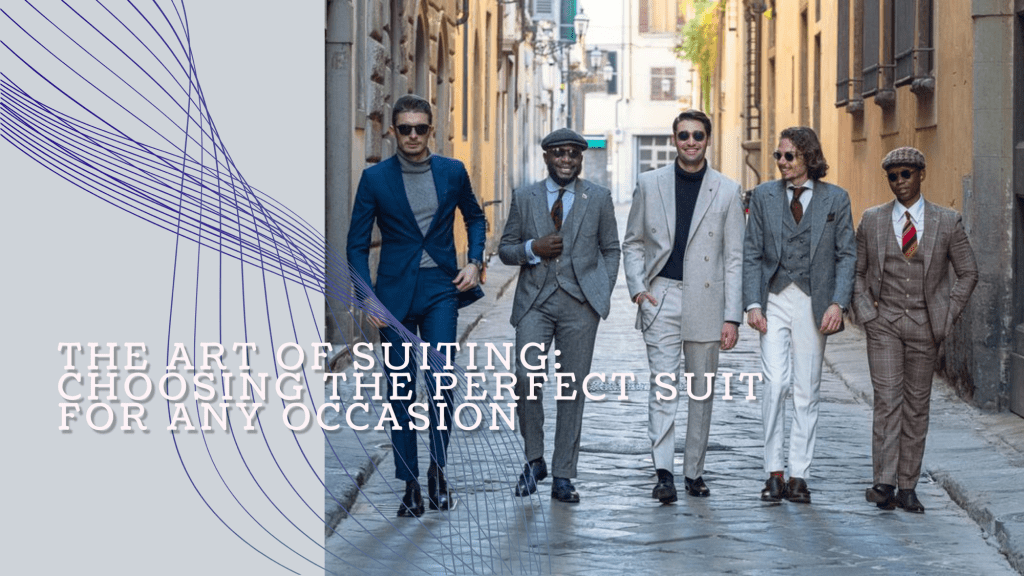
    When it comes to suiting, the choices you make go far beyond simply picking a jacket and trousers. Your suit speaks volumes about your personality, attention to detail, and understanding of style. The right suit can transform your appearance, boosting your confidence and making a lasting impression, whether you’re in a business meeting, attending a wedding, or enjoying a casual gathering. But how do you choose the perfect suit for every occasion? Let’s dive into some basic rules and guidelines that will help you navigate the world of suiting with ease and sophistication.

    Basic Rules & Guidelines for Picking the Right Suit

    Understand the Occasion: The first step in choosing the right suit is understanding the event you’re dressing for. Is it a formal black-tie event, a business meeting, or a casual outing? The level of formality dictates not only the suit type but also the fabric, color, and accessories.

    Choose the Right Fit: No matter how expensive or stylish a suit is, it won’t look good if it doesn’t fit properly. Ensure that the shoulders of the jacket align with your own, the trousers break just above your shoes, and the suit contours your body without being too tight or too loose. A well-fitted suit enhances your physique and gives you a polished appearance.

    Opt for Timeless Colors: For most occasions, you can’t go wrong with classic colors like navy, charcoal, and black. These colors are versatile and suitable for almost any event. For less formal occasions, you can experiment with lighter shades like grey or beige.

    Pay Attention to Fabric: The fabric of your suit should align with the season and the occasion. Wool is a great all-rounder, offering durability and comfort. For summer events, consider lightweight fabrics like linen or cotton. Velvet and tweed can add texture and warmth for winter occasions.

    Consider the Details: The little things matter. Lapels, buttons, pockets, and the type of stitching can all affect the suit’s overall look. Peak lapels, for instance, are more formal, while notched lapels are versatile and classic. Pay attention to these details to ensure your suit fits the occasion.

    Accessorize Thoughtfully: Accessories can elevate your suit to another level. Ties, pocket squares, cufflinks, and watches should complement your suit without overpowering it. For formal events, keep accessories sleek and understated. For more casual settings, you can introduce a bit of flair with bolder patterns or colors.

    Shoes Matter: The right pair of shoes can make or break your outfit. For formal occasions, polished oxfords or derbies in black or brown are ideal. Loafers can be a good choice for business casual or smart casual events. Ensure your shoes are well-maintained, as scuffed or worn shoes can detract from even the best suit.

    Weaving in the Occasions

    Now that we have a solid understanding of the basic rules, let’s explore how to apply them across different occasions through storytelling and practical advice.

    Formal Occasions: The Classic Black-Tie Event

    Imagine you’ve just received an invitation to a black-tie gala. The dress code is strict, and first impressions are crucial. This is the time to reach for a tuxedo, preferably in classic black or midnight blue. Your jacket should feature satin or grosgrain lapels, paired with matching trousers that have a satin stripe down the side. A crisp white dress shirt with a pleated front, a black bow tie, and polished patent leather shoes complete the look. This ensemble exudes sophistication and commands attention, ensuring you’ll fit in perfectly with the evening’s elegant atmosphere.

    Semi-Formal Occasions: The Daytime Wedding

    Daytime weddings offer a bit more flexibility, but they still require a level of formality. A three-piece suit in a light grey or pastel blue is an excellent choice for a summer wedding. The waistcoat adds a layer of formality while still being appropriate for a daytime event. Pair this with a white or light blue shirt, a tie that complements the suit, and brown leather shoes. This outfit strikes the perfect balance between formal and approachable, allowing you to celebrate the occasion with style and grace.

    Business Formal: The Important Client Meeting

    In the corporate world, your appearance can be a silent signal of your professionalism. For an important client meeting, a dark grey or navy two-piece suit is your go-to. These colors project authority and reliability. Pair the suit with a crisp white or light blue shirt and a conservative tie—perhaps in a solid color or subtle pattern. Black oxford shoes should be polished to perfection. As you walk into the room, your attire communicates that you are serious, competent, and ready to deliver results.

    Business Casual: The Office Wear

    On days when the dress code is relaxed but you still want to maintain a professional appearance, an unstructured blazer paired with chinos strikes the right chord. Opt for a navy or light grey blazer with khaki or olive chinos. Skip the tie and choose a casual button-down shirt instead. Loafers or brogues in brown leather keep the look polished but comfortable. This ensemble is perfect for a day at the office when you need to balance professionalism with comfort.

    Casual Occasions: The Weekend Garden Party

    Casual social gatherings, such as a garden party, allow for more relaxed attire. A linen suit in beige or soft blue keeps you cool and stylish in the summer heat. Pair it with a light shirt—consider a pastel or subtle print—and loafers or espadrilles. This outfit is laid-back yet refined, perfect for mingling outdoors while looking effortlessly stylish.

    Bringing It All Together: The Continuous Journey

    Building a wardrobe that covers all these occasions is not a task to be completed overnight. It’s a journey, one that evolves as your personal style and lifestyle change. Start with the basics: a well-fitted dark suit for formal and business occasions, and a versatile blazer for semi-formal and casual events. Over time, add pieces that reflect your personality and cater to specific needs, such as a tuxedo for black-tie events or a linen suit for summer weddings.

    Remember, suiting is not just about looking good—it’s about feeling good too. When you dress well, you carry yourself differently, with more confidence and poise. Each suit you add to your wardrobe should be a reflection of your commitment to presenting the best version of yourself, whether you’re closing a business deal, celebrating a milestone, or simply enjoying a casual outing.

    Conclusion: The Art of Suiting

    The art of suiting lies in the details—the fabric, the fit, the color, and the accessories. By understanding the principles of suiting and applying them to various occasions, you can build a wardrobe that is both functional and stylish. Your suit is more than just clothing; it’s an extension of your identity, a statement of your values, and a key to unlocking opportunities. So, whether you’re donning a tuxedo for a black-tie event or a blazer for a casual outing, wear it with confidence, knowing that you’re dressed for success.